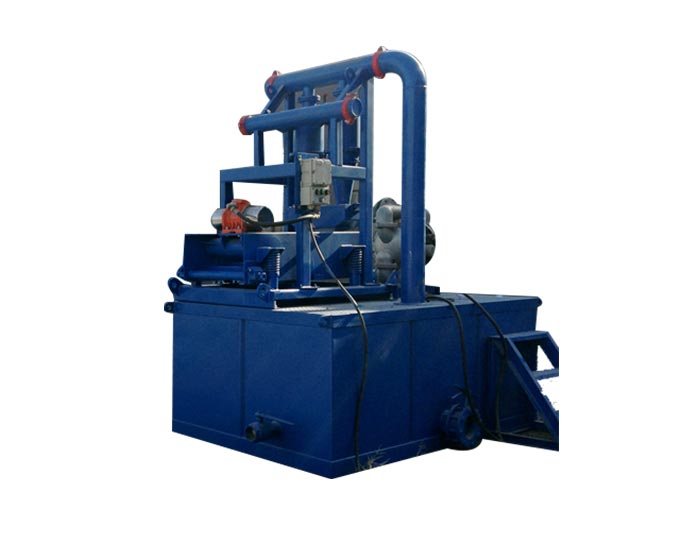
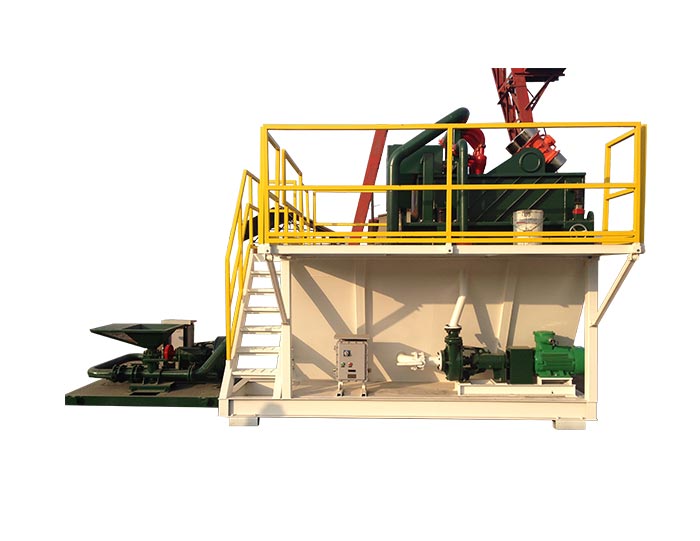
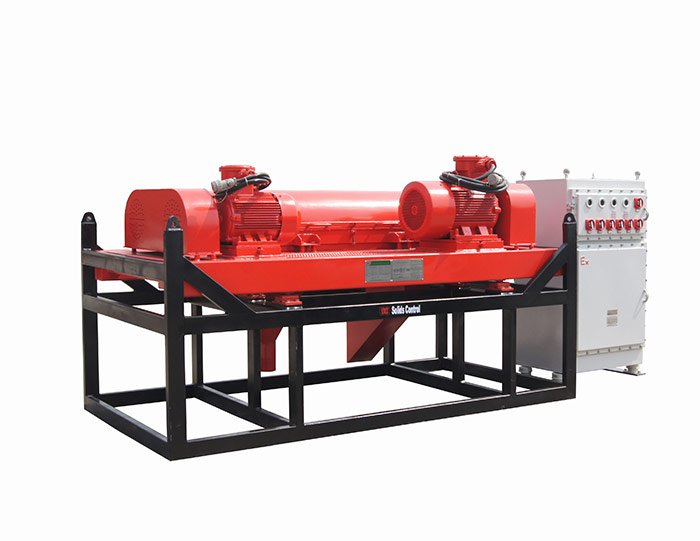
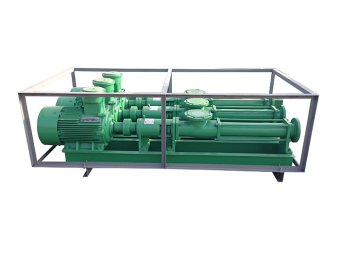
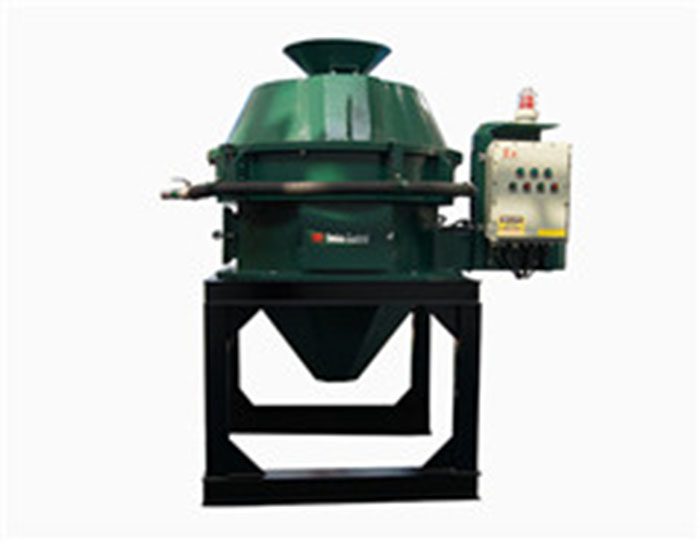
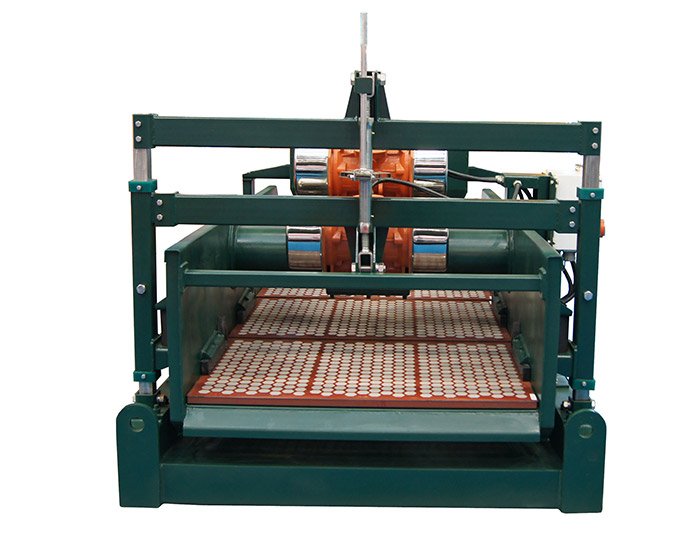
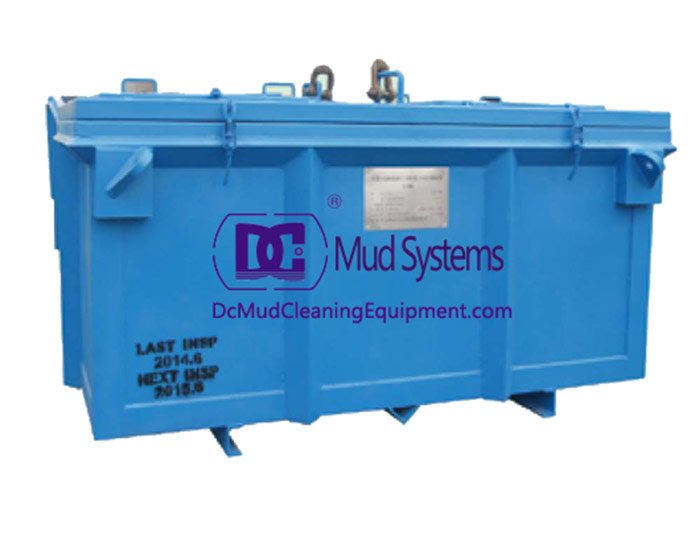
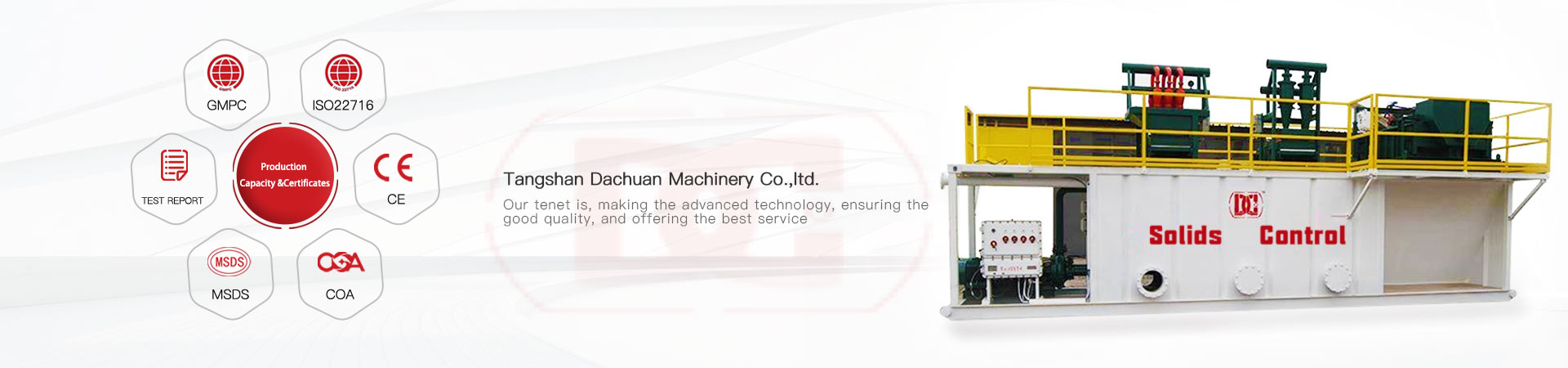
Automation has become a transformative force in mud plant oil and gas operations, revolutionizing efficiency, safety, and sustainability across the entire workflow. Among the key areas benefiting from this shift are mud tank cleaning system and mud tank cleaning processes, which are critical for maintaining operational integrity in oil and gas mud plants. Tangshan Dachuan Machinery Co.,ltd., a professional enterprise focusing on the production, sales, after-sales, and maintenance of petroleum drilling mud cleaning equipment, is at the forefront of integrating automation into its product lineup—including shale shakers, mud cleaners, and advanced mud tank cleaning system. With a comprehensive range of mud processing equipment, the company leverages automation trends to help oil and gas operators enhance productivity while reducing manual intervention and operational risks. Understanding these automation trends is essential for stakeholders looking to stay competitive in the evolving mud plant oil and gas sector.
Key Automation Trends Shaping Mud Plant Oil and Gas Operations
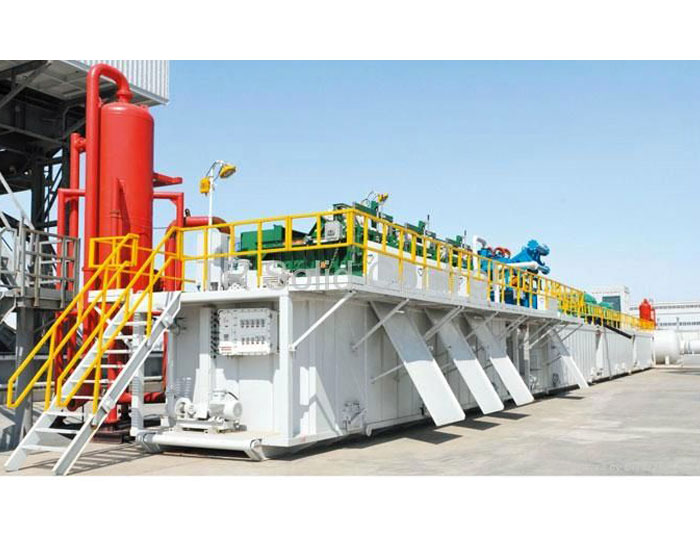
• Intelligent Mud Tank Cleaning System Integration: The shift toward intelligent mud tank cleaning system is a top trend in mud plant oil and gas operations. Modern systems feature sensors and connectivity that monitor tank conditions in real-time, automatically triggering cleaning cycles when sludge buildup reaches predefined thresholds. Tangshan Dachuan Machinery’s automated mud tank cleaning system eliminates the need for manual inspection and cleaning, reducing downtime and minimizing exposure of workers to hazardous environments.
• AI-Powered Process Optimization: Artificial Intelligence (AI) is being increasingly applied to optimize mud plant oil and gas operations, including mud tank cleaning. AI algorithms analyze data from mud tanks—such as viscosity, solid content, and flow rate—to adjust cleaning parameters dynamically, ensuring efficient sludge removal without wasting resources. This smart optimization also extends the lifespan of mud processing equipment, aligning with Tangshan Dachuan Machinery’s focus on durable, high-performance solutions like mud agitators and centrifugal pumps.
• Remote Monitoring and Control: Remote automation has become indispensable for mud plant oil and gas sites, many of which are in remote or harsh locations. Operators can now monitor and control mud tank cleaning system from a centralized control room, using real-time data feeds to adjust operations remotely. Tangshan Dachuan Machinery integrates remote control capabilities into its mud cleaning equipment, enabling operators to manage mud tank cleaning processes safely without on-site presence, reducing travel costs and improving operational flexibility.
• Automated Waste Management Integration: Automation in mud plant oil and gas operations now includes seamless integration of mud tank cleaning with waste management systems. After cleaning, automated conveyors and separators (such as those in Tangshan Dachuan’s mud cleaners) sort and process waste sludge, directing recyclable mud back to the system and diverting waste to proper disposal channels. This closed-loop automation enhances sustainability by reducing waste and maximizing resource reuse.
Automation Advantages for Mud Tank Cleaning System in Oil and Gas Plants
Automation Feature | Application in Mud Plant Oil and Gas | Operational Advantages | Safety Benefits | Tangshan Dachuan Machinery Implementation |
Real-Time Sensor Monitoring | Mud tank cleaning system sludge level and composition tracking | Proactive cleaning scheduling, reduced unplanned downtime, 20-30% higher cleaning efficiency | Eliminates manual tank inspections in confined, hazardous spaces | Sensors integrated with mud agitators and tank systems for continuous data collection |
AI-Driven Parameter Adjustment | Mud tank cleaning pressure, flow rate, and cycle duration optimization | Reduced water/chemical usage by 15-25%, consistent cleaning results | Minimizes chemical exposure for workers, automated chemical dosing | AI algorithms integrated with jet mud mixers and centrifugal pumps for dynamic adjustments |
Remote Control Capabilities | Off-site operation of mud tank cleaning system | Reduced travel costs, 24/7 operational oversight, faster response to issues | Limits worker presence in remote, high-risk locations | Centralized control panels compatible with all mud cleaning equipment lines |
Automated Waste Sorting | Post-cleaning sludge separation and recycling | Maximizes mud reuse, reduces waste disposal costs, improves sustainability | Eliminates manual waste handling, reduces contamination risks | Integration with mud cleaners, vertical cutting dryers, and desanders for closed-loop processing |
Implementation of Automation in Mud Tank Cleaning for Mud Plant Oil and Gas
• System Assessment and Customization: The first step in implementing automated mud tank cleaning system is a comprehensive assessment of the mud plant oil and gas site’s specific needs. Tangshan Dachuan Machinery works closely with operators to evaluate tank sizes, mud types, and existing equipment (such as shale shakers or vacuum degassers) to design customized automation solutions. This ensures the automated system integrates seamlessly with existing workflows, avoiding operational disruptions.
• Phased Automation Deployment: To minimize risks and ensure smooth adoption, many mud plant oil and gas operators opt for phased deployment of automated mud tank cleaning systems. Starting with basic automation (e.g., sensor monitoring and remote alerts) before moving to full AI-driven control, this approach allows teams to familiarize themselves with new technologies. Tangshan Dachuan provides training and after-sales support throughout the deployment process, ensuring operators can effectively manage the automated systems.
• Data Integration and Analytics Setup: Successful automation relies on robust data integration. Mud tank cleaning system data must be integrated with other plant systems (e.g., mud gas separators, diesel tanks) to provide a holistic view of operations. Tangshan Dachuan’s automated solutions include data analytics platforms that process cleaning and mud quality data, generating insights to further optimize operations and predict maintenance needs.
• Compliance and Safety Validation: Automation in mud plant oil and gas operations must adhere to industry safety and environmental standards. Before full deployment, automated mud tank cleaning system undergo rigorous testing to ensure compliance with regulations regarding worker safety, waste disposal, and emissions. Tangshan Dachuan’s equipment is designed to meet global industry standards, with safety features such as emergency stop controls and automated hazard detection.
Future Automation Trends in Mud Plant Oil and Gas Operations
• Robotics in Mud Tank Cleaning: The future of mud tank cleaning in mud plant oil and gas operations will see increased use of robotics. Autonomous robots will be able to navigate complex tank interiors, removing sludge with precision and accessing hard-to-reach areas. Tangshan Dachuan Machinery is exploring robotic integration into its mud tank cleaning system, aiming to further reduce manual intervention and enhance cleaning thoroughness.
• Predictive Maintenance with Machine Learning: Machine Learning (ML) will play a bigger role in predictive maintenance for mud tank cleaning system. ML models will analyze historical and real-time data to predict equipment failures before they occur, enabling proactive maintenance. This will reduce downtime and extend the lifespan of critical equipment like mud agitators and shear pumps, a key focus for Tangshan Dachuan.
• Digital Twin Technology: Digital twins—virtual replicas of mud plant oil and gas facilities—will enable operators to simulate and optimize mud tank cleaning processes. By testing different automation scenarios in the virtual environment, operators can identify the most efficient cleaning strategies without disrupting real operations. Tangshan Dachuan is exploring digital twin integration to help clients optimize their mud processing and cleaning workflows.
Mud Tank Cleaning System FAQs
How Does Automation Improve Mud Tank Cleaning in Mud Plant Oil and Gas Operations
Automation improves mud tank cleaning in mud plant oil and gas operations by enhancing efficiency, safety, and consistency. Automated mud tank cleaning system use real-time sensors to trigger cleaning cycles proactively, reducing unplanned downtime. They also eliminate manual inspection and cleaning in hazardous confined spaces, improving worker safety. Additionally, AI-driven optimization ensures consistent cleaning results while reducing resource waste, making operations more sustainable and cost-effective.
Can Automated Mud Tank Cleaning System Integrate with Existing Mud Plant Equipment
Yes, automated mud tank cleaning system can be integrated with existing mud plant oil and gas equipment. Companies like Tangshan Dachuan Machinery design customized automation solutions that work seamlessly with existing equipment such as shale shakers, mud cleaners, and centrifugal pumps. The key is a comprehensive site assessment to ensure compatibility, followed by phased deployment to avoid operational disruptions. This integration allows operators to leverage automation without replacing their entire equipment lineup.
What Safety Benefits Does Automated Mud Tank Cleaning Offer for Oil and Gas Mud Plants
Automated mud tank cleaning offers significant safety benefits for mud plant oil and gas operations. It eliminates the need for workers to enter confined, hazardous tank spaces for manual cleaning and inspection, reducing risks of exposure to toxic gases, sludge, and physical hazards. Remote control capabilities allow operations to be managed from safe, centralized locations, while automated hazard detection systems provide real-time alerts, enabling quick response to potential safety issues.
How Reliable Are Automated Mud Tank Cleaning System in Harsh Oil and Gas Environments
Automated mud tank cleaning system designed for mud plant oil and gas operations are highly reliable in harsh environments. Manufacturers like Tangshan Dachuan Machinery build these systems with durable, weather-resistant materials that can withstand extreme temperatures, pressure, and exposure to corrosive mud and chemicals. Additionally, robust sensor and control systems are designed to operate reliably in harsh conditions, ensuring consistent performance even in remote or challenging oil and gas sites.
What Training Is Required for Operators to Use Automated Mud Tank Cleaning System
Operators of automated mud tank cleaning system in mud plant oil and gas operations require basic training on system monitoring, remote control, and troubleshooting. Training typically covers how to interpret real-time data from sensors, adjust automation parameters, and respond to alerts. Manufacturers like Tangshan Dachuan Machinery provide comprehensive training and after-sales support to ensure operators are comfortable with the system. Phased deployment also helps teams familiarize themselves with the technology gradually, reducing the learning curve.



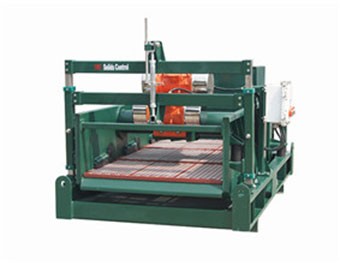 Linear Motion Shale Shaker In Drilling Rig
 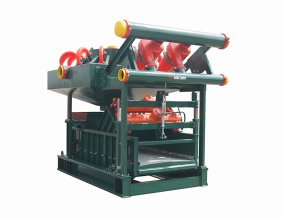 Oilfield Mud Cleaner
 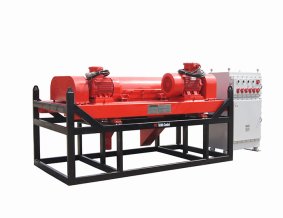 Drilling Fluid Decanter Centrifuge
 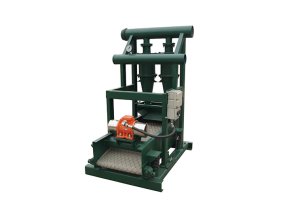 Drilling Mud Desander
 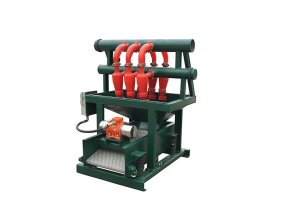 Hydrocyclone Desilter
 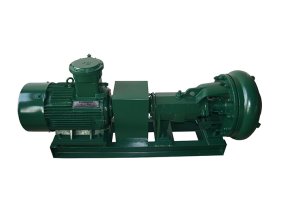 Centrifugal Pump/Centrifugal Mud Pump
 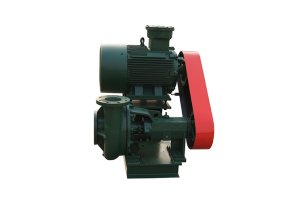 Shear Pump
 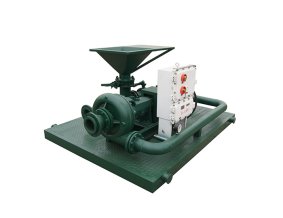 Jet Mud Mixer
 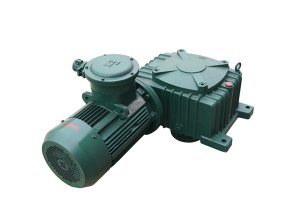 Horizontal Mud Agitator
 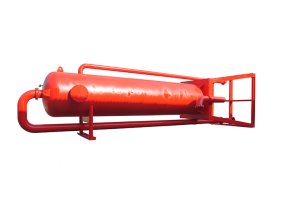 Constant Pressure Drilling Fluid Mud Gas Separator
 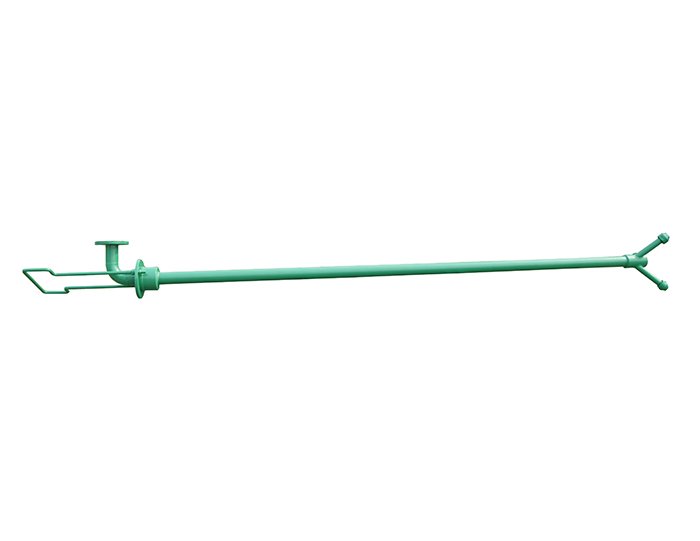 Mud Gun
  Mud Tank
 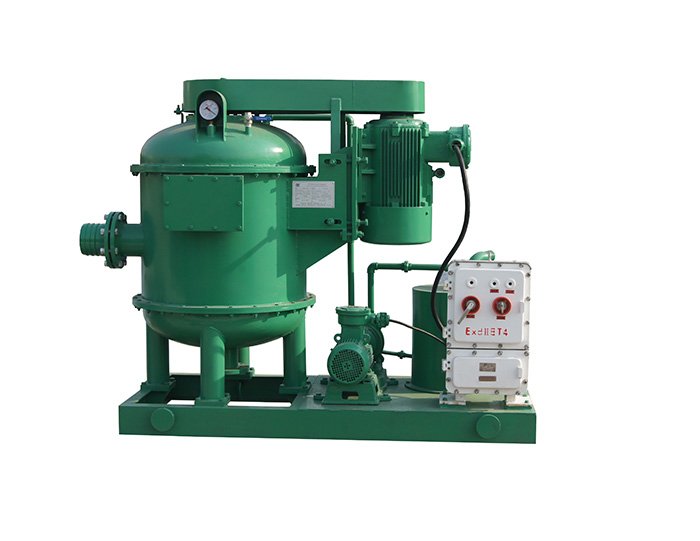 Solids Control System Vacuum Degasser
 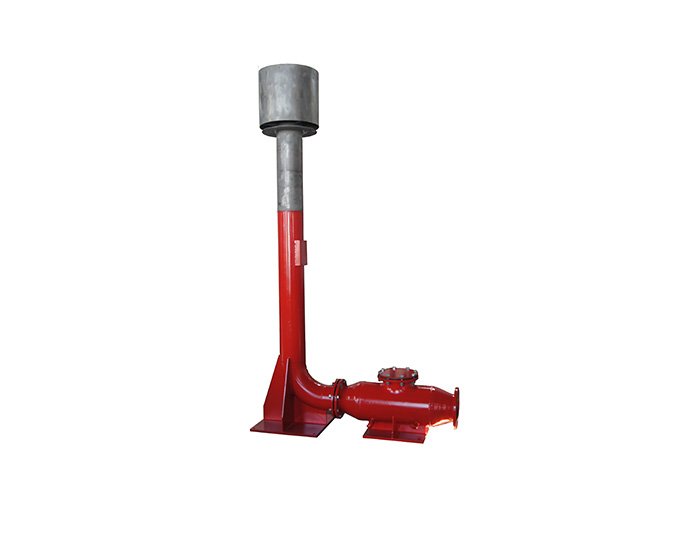 Flare Ignition Device
 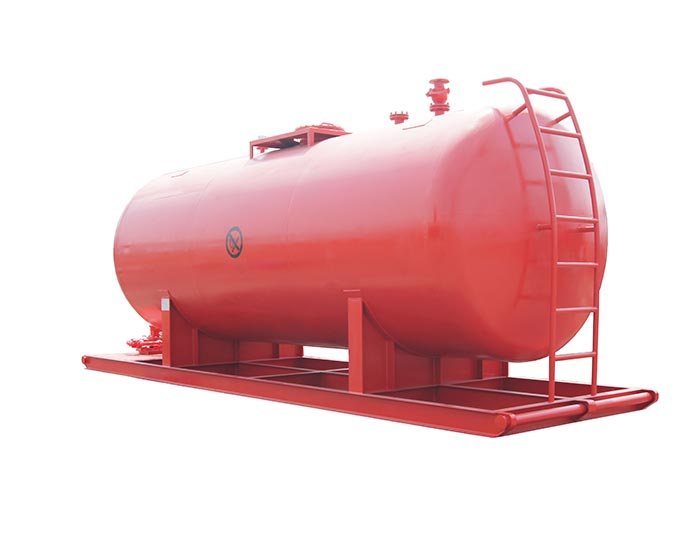 Diesel Tank
 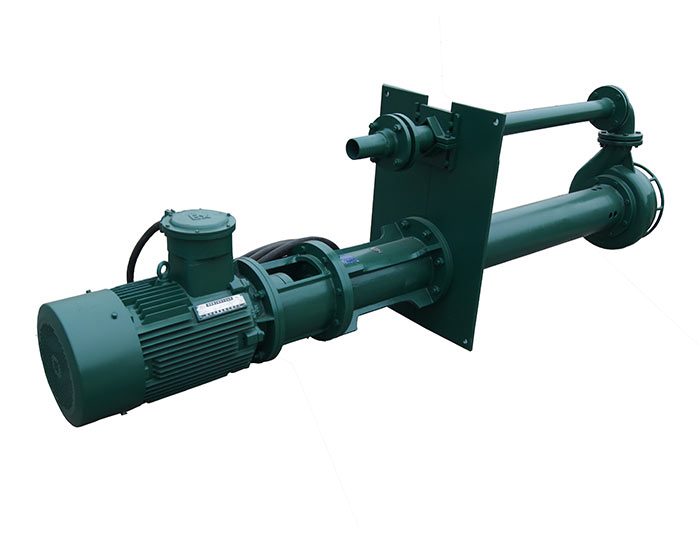 Submersible Slurry Pump