In today's drilling industry, maintaining high-quality drilling fluid is essential for ensuring safe, efficient, and cost-effective operations. As drilling depths increase and well conditions become more complex, gas invasion in drilling fluids has become a common challenge that can negatively affect fluid performance, wellbore stability, and equipment reliability. This is where the vacuum degasser plays a critical role. As an important component of modern solid control equipment, a vacuum degasser removes harmful gas from drilling fluids before further processing, helping maintain fluid properties and improve the overall efficiency of the solid control system. Whether operators are upgrading existing systems or building new drilling fluid treatment facilities, understanding the value of a mud degasser can significantly improve drilling performance.
Why Vacuum Degasser Is Essential in a Solid Control System?
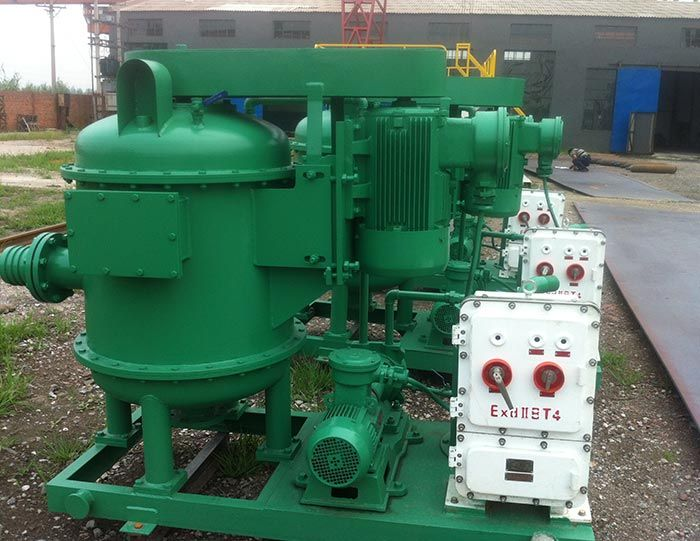
A vacuum degasser is a specialized device designed to remove entrained gas from drilling mud through vacuum separation technology. During drilling operations, gas from underground formations may enter the drilling fluid and become trapped within the mud system. If this gas is not removed promptly, it can reduce mud density, affect hydrostatic pressure, and increase the risk of well-control incidents.
Within a complete solid control system, the vacuum degasser is typically positioned immediately after the shale shaker. At this stage, large drill cuttings have already been removed, allowing the degasser to focus on separating gas from the drilling fluid before it reaches downstream equipment such as desanders, desilters, and centrifuges.
By restoring the proper density and rheological properties of drilling mud, the vacuum degasser helps maintain drilling stability and supports efficient operation of the entire fluid circulation process.
How a Mud Degasser Protects Drilling Fluid Performance?
The effectiveness of drilling fluid depends heavily on maintaining consistent physical and chemical properties. Gas contamination can significantly alter these characteristics, leading to reduced carrying capacity, unstable well pressure, and poor solids separation performance.
A properly designed mud degasser creates a vacuum environment inside the treatment chamber. As gas-cut drilling fluid enters the vessel, pressure reduction causes dissolved and entrained gas to rapidly separate from the liquid phase. The gas is then safely discharged while the treated mud returns to the circulation system.
This process provides several operational benefits. First, it restores mud density and improves pressure control within the wellbore. Second, it enhances the effectiveness of downstream solid control equipment by ensuring that gas bubbles do not interfere with solids separation processes. Third, it reduces wear on pumps and other mechanical equipment that may be negatively affected by gas-laden fluids.
As drilling projects become increasingly demanding, the role of the mud degasser continues to grow in importance.
Vacuum Degasser Technology Enhances Overall Solid Control Performance
The primary objective of any solid control process is to maintain drilling fluid quality while minimizing waste and operational costs. Every stage of the solids control process depends on stable fluid characteristics.
When gas enters the drilling fluid, it can reduce the efficiency of desanders, desilters, and centrifuges. Gas bubbles may disrupt separation performance and cause fluctuations in fluid flow. Installing a vacuum degasser early in the treatment sequence eliminates these problems and allows downstream equipment to operate at peak efficiency.
Modern drilling operations rely on integrated treatment systems where each piece of equipment performs a specific function. The vacuum degasser acts as a critical link between primary solids removal and secondary purification stages.
By removing gas before further processing occurs, operators can achieve better solids separation, lower fluid losses, and more consistent drilling performance. This contributes directly to improved operational efficiency and reduced overall drilling costs.
The Relationship Between Solid Control Equipment and Vacuum Degasser Systems
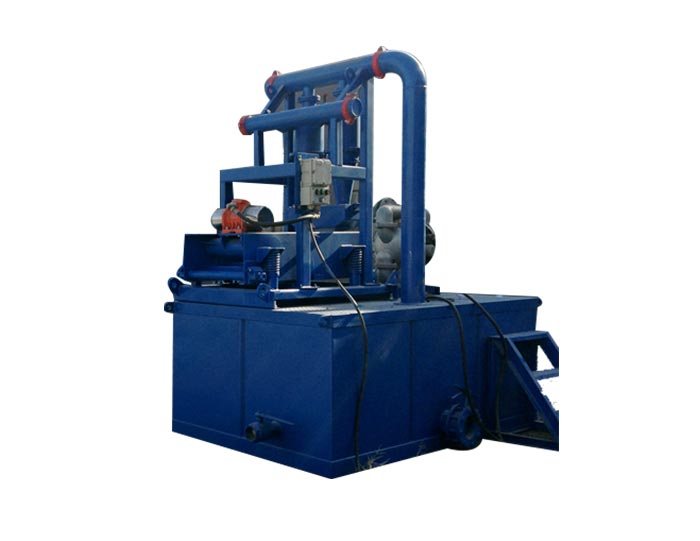
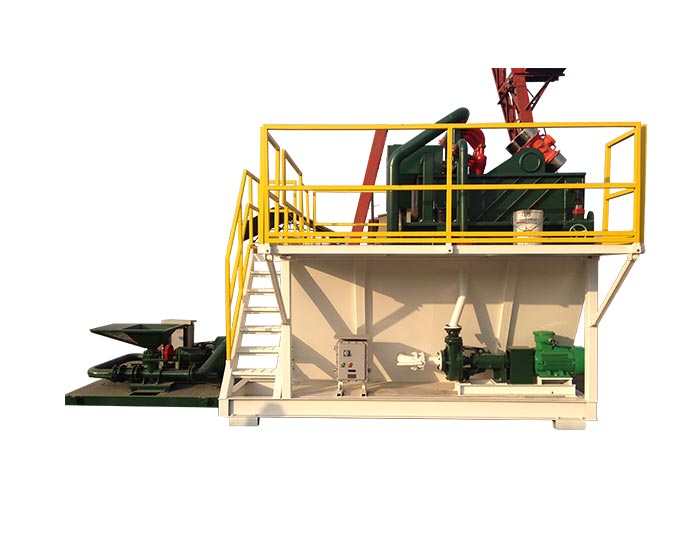
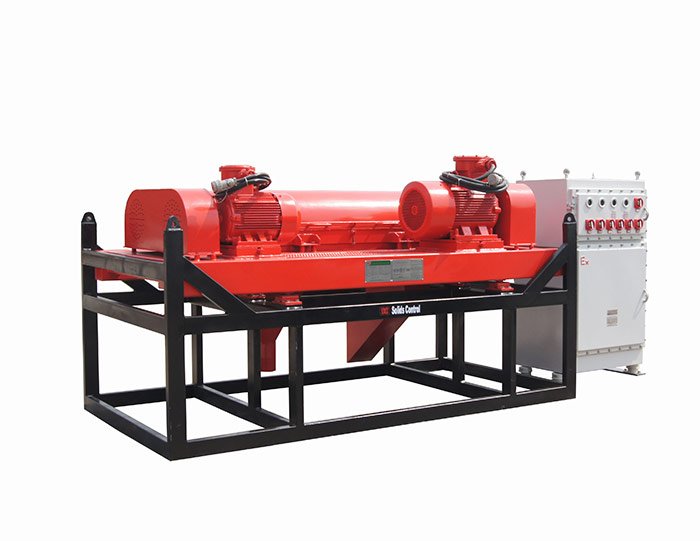
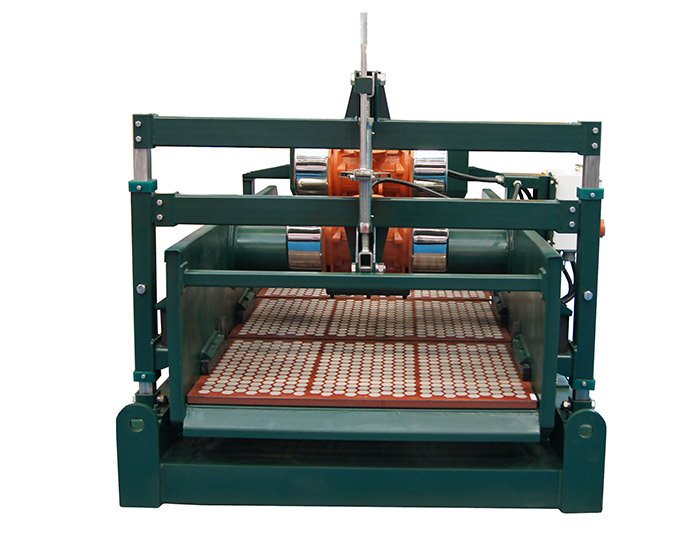
A complete package of solid control equipment typically includes shale shakers, vacuum degassers, desanders, desilters, mud cleaners, centrifuges, pumps, and mixing equipment. Each component works together to ensure drilling fluid remains in optimal condition throughout the drilling process.
Among these devices, the vacuum degasser performs a unique function that cannot be replaced by other solids control equipment. While shakers remove large solids and hydrocyclones separate finer particles, only the degasser is specifically designed to eliminate gas contamination.
Without effective gas removal, the performance of the entire system may be compromised. For this reason, vacuum degassers are widely used in oil and gas drilling, geothermal projects, directional drilling, and other applications where gas invasion is a potential concern.
As operators continue to seek greater efficiency and safety, the demand for advanced degassing technology continues to increase across the global drilling industry.
Key Advantages of Modern Vacuum Degasser Systems
Advancements in engineering and manufacturing have significantly improved the performance of modern vacuum degasser equipment. Today's systems offer higher processing capacity, lower energy consumption, and improved operational reliability.
Advanced vacuum technology enables rapid gas separation while minimizing fluid loss. Durable construction materials provide resistance to corrosion and abrasive drilling environments. Automated control systems help maintain stable operating conditions and reduce operator workload.
Many modern units are also designed for easy integration into modular solid control systems, allowing contractors to simplify transportation, installation, and maintenance.
These improvements help drilling companies maximize equipment uptime while maintaining consistent fluid quality throughout the project lifecycle.
Selecting the Right Vacuum Degasser for Your Drilling Project
Choosing the proper mud degasser requires consideration of several operational factors. Flow rate capacity, vacuum performance, tank integration requirements, and drilling fluid characteristics all influence equipment selection.
The degasser should be capable of handling anticipated circulation volumes while maintaining effective gas removal efficiency. Compatibility with existing solid control equipment is equally important to ensure smooth integration into the overall fluid processing system.
Construction quality, maintenance accessibility, and technical support should also be evaluated carefully. Investing in reliable equipment often results in lower lifecycle costs and improved long-term performance.
For drilling contractors operating in challenging environments, selecting a high-quality vacuum degasser can provide substantial operational benefits.
For drilling companies seeking reliable vacuum degasser equipment, Tangshan Dachuan Machinery Co., Ltd. offers professional drilling fluid treatment solutions supported by extensive industry experience. The company specializes in the production, sales, maintenance, and technical support of petroleum drilling mud cleaning equipment and trenchless mud recovery systems.
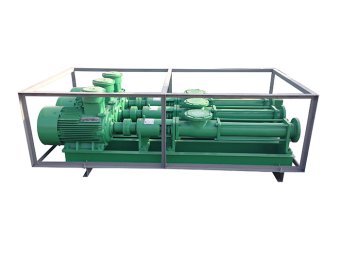
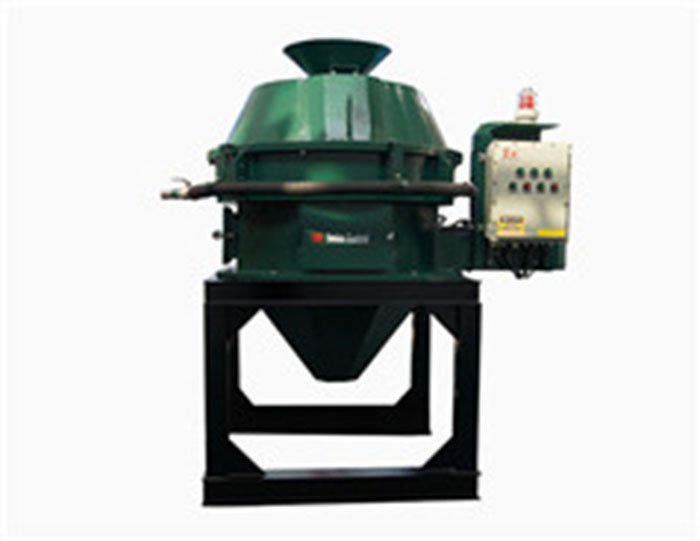
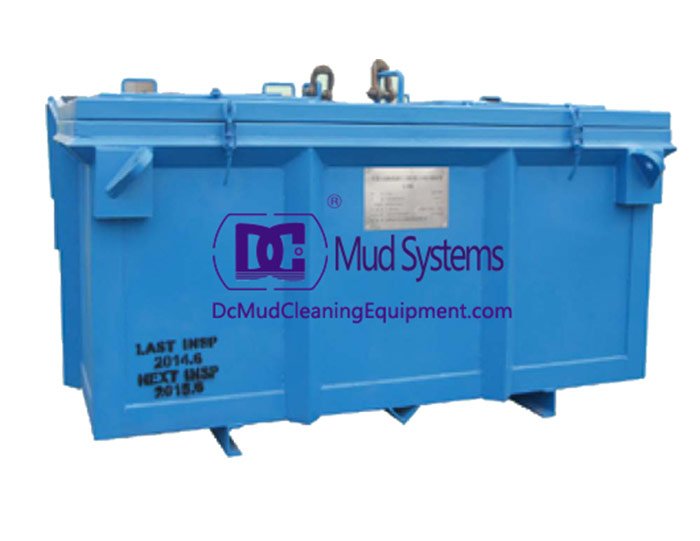
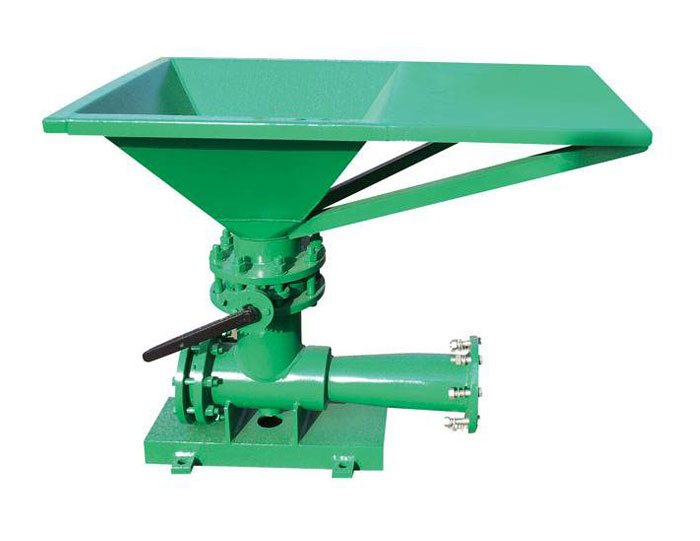
Its product portfolio includes shale shakers, desanders, desilters, mud cleaners, centrifugal pumps, mud agitators, jet mud mixers, vertical cutting dryers, tanks, and advanced mud degasser systems designed for modern drilling operations. With a team of experienced engineers, skilled technicians, and dedicated service personnel, Dachuan Machinery provides customized solutions that help customers improve drilling efficiency and fluid management performance.
Driven by a commitment to advanced technology, reliable quality, and customer-focused service, the company continues to supply high-performance solid control equipment to clients worldwide. Whether you are upgrading an existing solid control system or developing a new drilling project, Dachuan Machinery can provide dependable vacuum degasser solutions tailored to your operational requirements. Contact the team today to learn more and request a customized quotation.
FAQs About Vacuum Degasser and Solid Control Equipment
What is a vacuum degasser used for?
A vacuum degasser removes entrained and dissolved gas from drilling fluids, helping restore proper mud density and improve drilling fluid performance.
Where is a vacuum degasser installed in a solid control system?
It is typically installed after the shale shaker and before desanders or desilters within the solids control process.
Why is a mud degasser important?
A mud degasser prevents gas contamination from affecting drilling fluid properties, pressure control, and downstream equipment performance.
Can a vacuum degasser improve solid control efficiency?
Yes. By removing gas before secondary treatment stages, a vacuum degasser allows other solid control equipment to operate more effectively.
What industries use vacuum degasser systems?
Vacuum degassers are commonly used in oil and gas drilling, geothermal drilling, directional drilling, mining exploration, and trenchless construction projects.

 Linear Motion Shale Shaker In Drilling Rig
 Oilfield Mud Cleaner
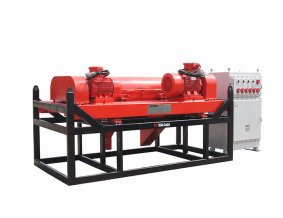 Drilling Fluid Decanter Centrifuge
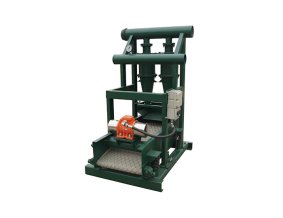 Drilling Mud Desander
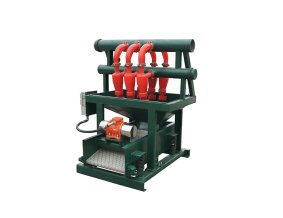 Hydrocyclone Desilter
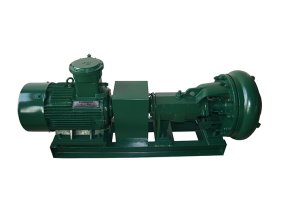 Centrifugal Pump/Centrifugal Mud Pump
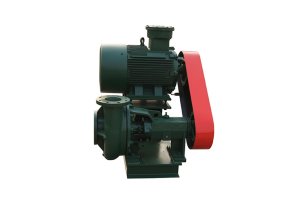 Shear Pump
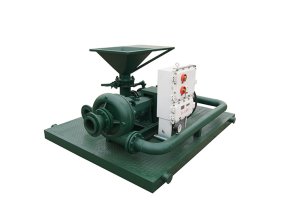 Jet Mud Mixer
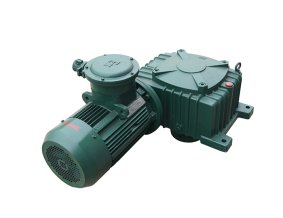 Horizontal Mud Agitator
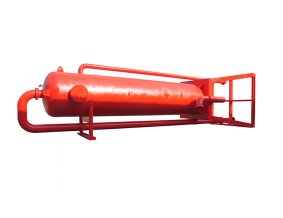 Constant Pressure Drilling Fluid Mud Gas Separator
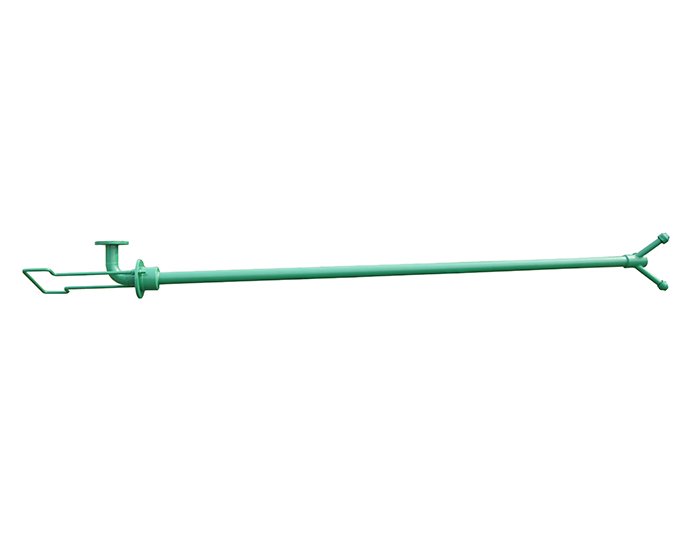 Mud Gun
 Mud Tank
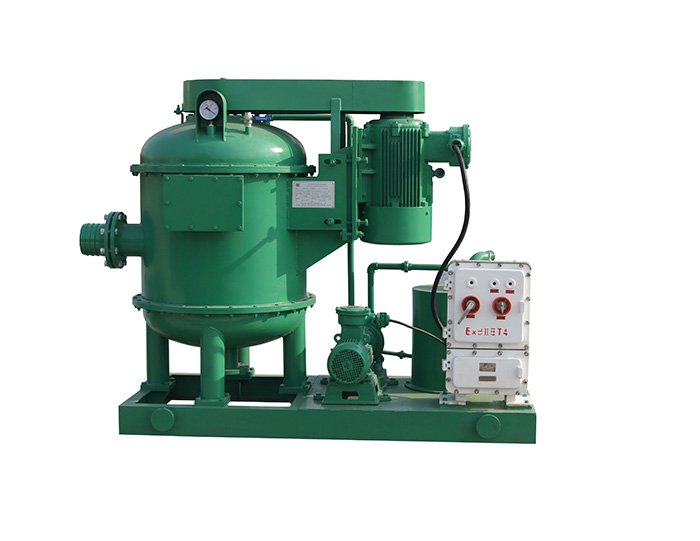 Solids Control System Vacuum Degasser
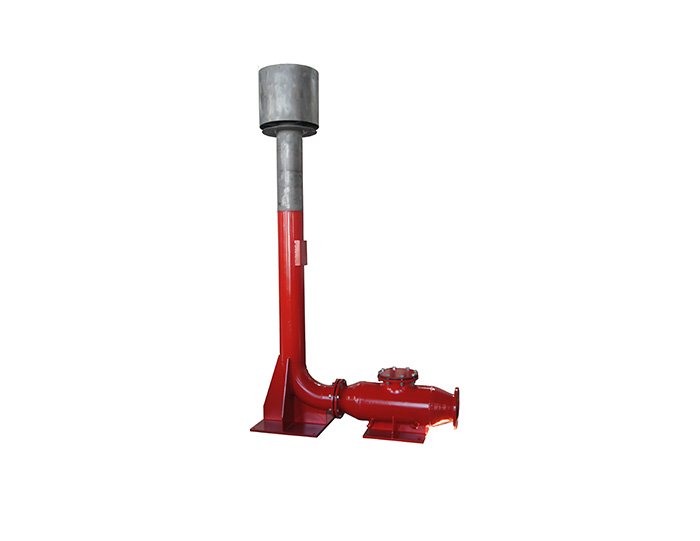 Flare Ignition Device
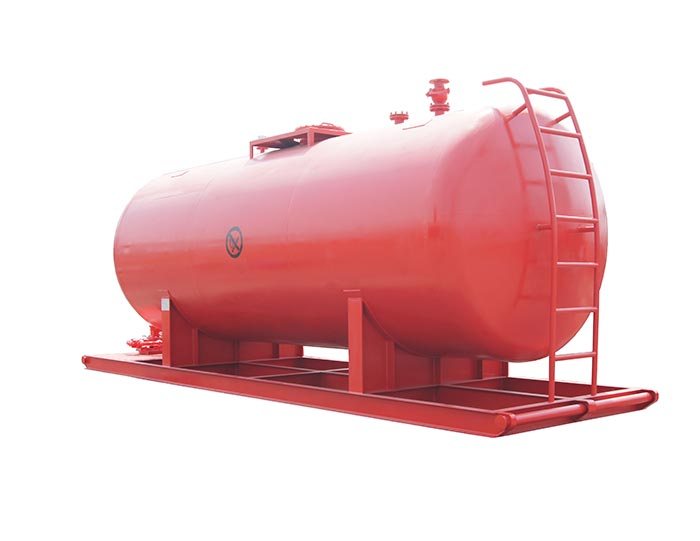 Diesel Tank
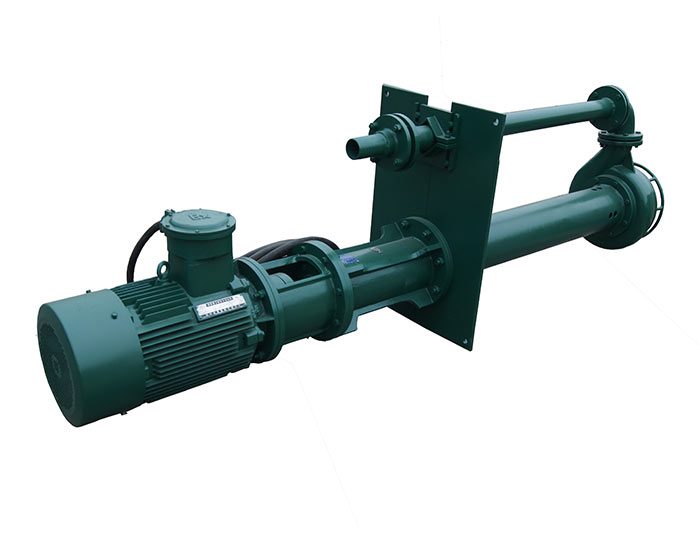 Submersible Slurry Pump