In today’s drilling industry, efficiency and reliability are no longer optional. Whether it is onshore oilfields or complex exploration projects, operators are paying more attention to practical systems that truly work on site. A well-designed mud system is not just supporting equipment, but a key factor that decides drilling safety, speed, and cost control. This article focuses on real application scenarios, explaining how different mud systems are used in daily drilling work, and why choosing the right solution matters for both small contractors and large drilling companies.
How A Mud System Drilling Rig Supports Daily Drilling Work
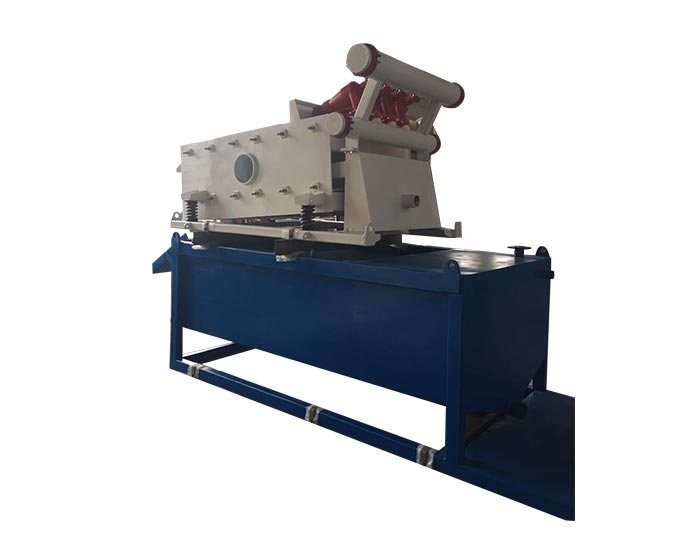
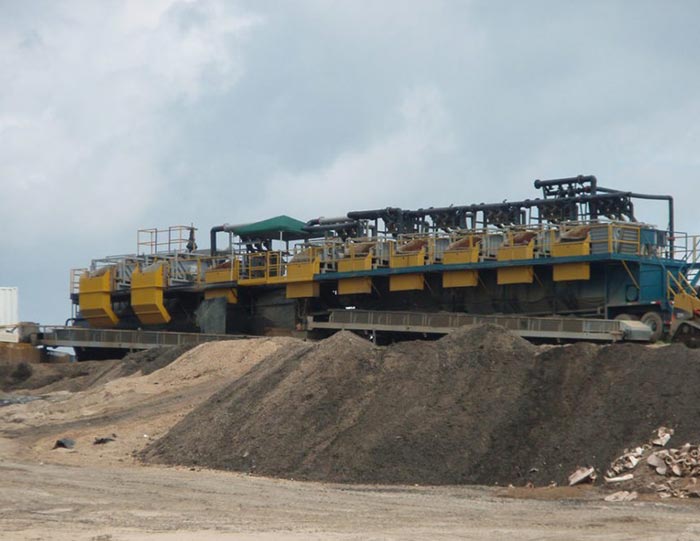
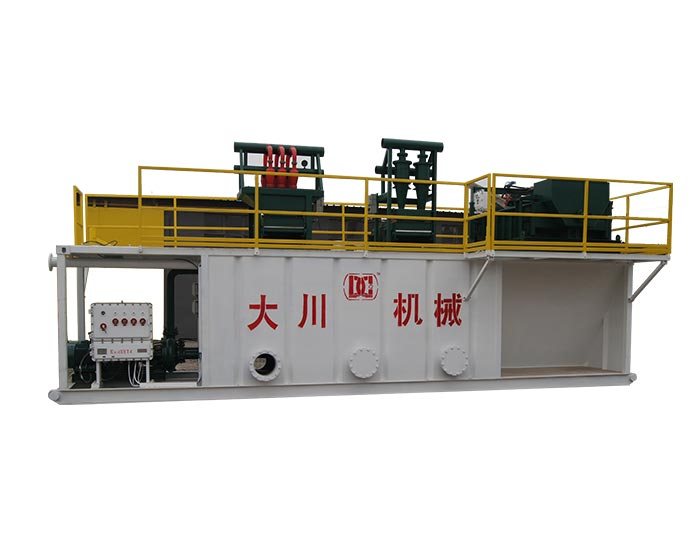
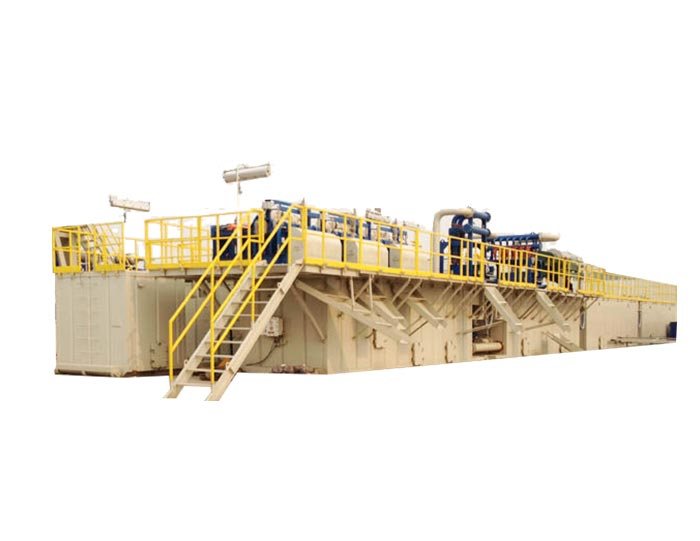
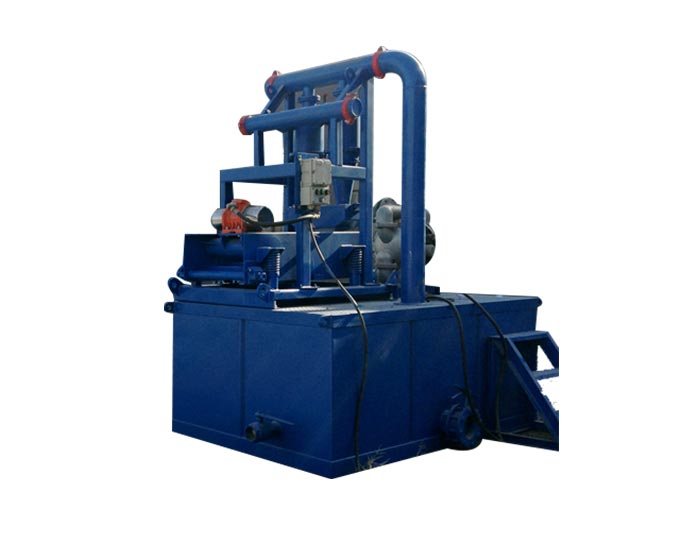
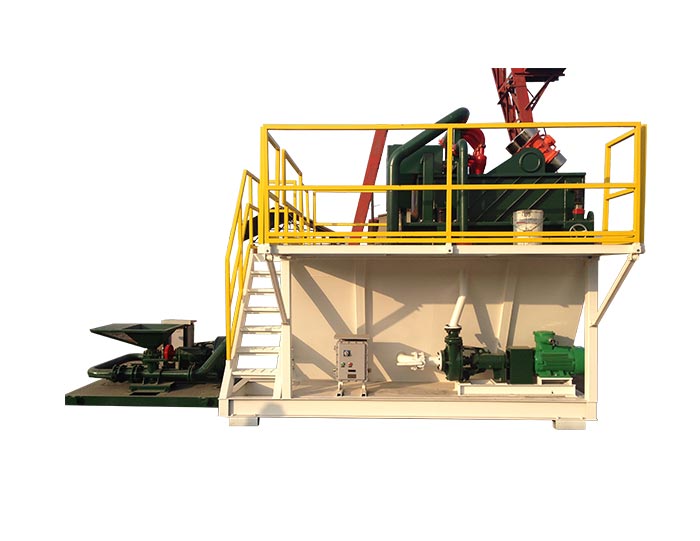
A mud system drilling rig is designed to manage drilling fluid throughout the entire drilling process, from mixing to circulation and recycling. In real drilling operations, this system helps remove cuttings, control formation pressure, and protect drilling tools. Many drilling teams prefer integrated mud system drilling rigs because they simplify installation and reduce on-site workload. Practical layouts allow operators to observe fluid conditions easily and make adjustments quickly. When drilling environments become unpredictable, a stable mud system drilling rig ensures smoother operations and minimizes non-productive time. For contractors, this means fewer interruptions and more predictable project schedules, which is why this system is widely used across different drilling fields.
Why Aphron Mud System Is Gaining Popularity In Field Operations
The aphron mud system has become a hot topic in drilling projects where fluid loss and formation damage are common challenges. This system uses specially formed microbubbles that help seal fractures without blocking the reservoir permanently. In practical field use, operators find that the aphron mud system reduces lost circulation while maintaining stable drilling conditions. It is especially useful in depleted zones or fractured formations where traditional mud systems struggle. Another reason for its popularity is ease of use, as it can be implemented without major changes to existing equipment. For drilling teams looking for practical solutions rather than complex upgrades, the aphron mud system offers a balance between performance improvement and operational simplicity.
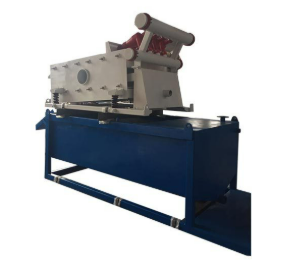
The Role Of Mud Tank In Drilling Rig Efficiency And Safety
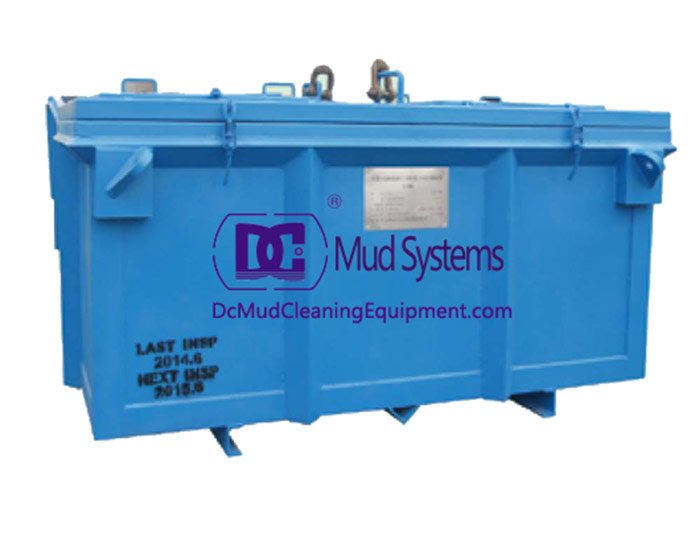
A well-designed mud tank in drilling rig setups plays a critical role in maintaining fluid quality during drilling. These tanks are responsible for storing, mixing, and conditioning drilling mud under real working conditions. In daily operations, clear tank separation and proper volume control help operators maintain consistent mud properties. A practical mud tank in drilling rig systems also makes cleaning and maintenance easier, reducing labor time and safety risks. Many buyers now focus on tank durability, corrosion resistance, and transport convenience, especially for mobile drilling projects. When tanks are designed with field use in mind, they help drilling crews work more efficiently and confidently.
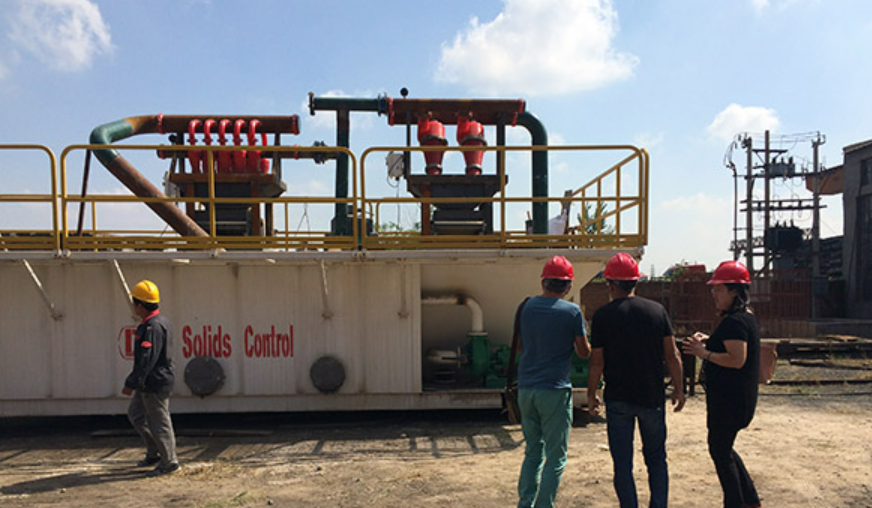
How Drilling Mud Circulation System Improves Overall Drilling Performance
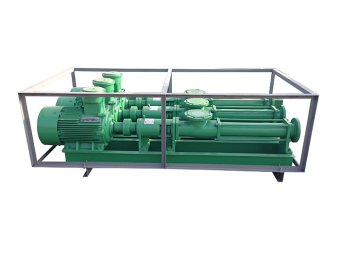
A reliable drilling mud circulation system ensures that drilling fluid flows smoothly from surface equipment to the drill bit and back. In real applications, this circulation carries cuttings to the surface, cools drilling tools, and stabilizes the wellbore. Drilling teams value circulation systems that are easy to control and adjust because formation conditions can change rapidly. A well-balanced drilling mud circulation system reduces pump wear and energy consumption while maintaining steady flow. Instead of focusing on complicated designs, modern systems emphasize reliability and ease of maintenance. This practical approach allows operators to focus on drilling progress rather than constant system troubleshooting.
Mud System Drilling Rig Buying Guide And FAQs
When choosing a mud system drilling rig, buyers often have practical questions related to cost, performance, and long-term support. Below are some common concerns from real customers.
What Makes A Mud System Drilling Rig Suitable For Different Projects?
A flexible design, reliable components, and easy operation make it suitable for various drilling environments.
When Should An Aphron Mud System Be Considered?
It is ideal when drilling in fractured or depleted formations where fluid loss is a concern.
Why Is Mud Tank Design Important In Drilling Rigs?
Good design improves fluid management, reduces downtime, and enhances on-site safety.
Can A Drilling Mud Circulation System Be Customized?
Yes, most systems can be tailored based on drilling depth, rig size, and site conditions.
What Should Buyers Check Before Purchasing A Mud System Drilling Rig?
They should evaluate manufacturing capability, engineering experience, and after-sales service support.
Choosing the right mud system is a practical decision that directly affects drilling efficiency and operating costs. Our company now has 85 staffs, including 15 senior engineer, 5 development persons and 15 senior artisans. We have the ability to develop and produce the equipments independently, and also cooperates with many professional institutes to guarantee the high precision of the exported equipment. Enough after-sales persons to supply the service and technology consulting. If you are planning to upgrade your drilling equipment or looking for a reliable supplier, we invite you to explore our solutions, browse our official website, and discover how our products can support your drilling projects. Contact us today to learn more, compare options, and choose equipment designed for real drilling needs and long-term performance.



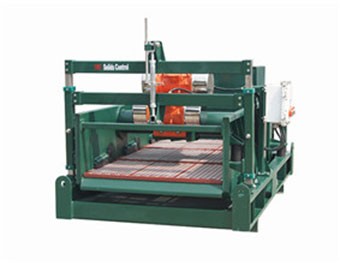 Linear Motion Shale Shaker In Drilling Rig
 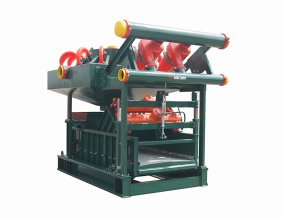 Oilfield Mud Cleaner
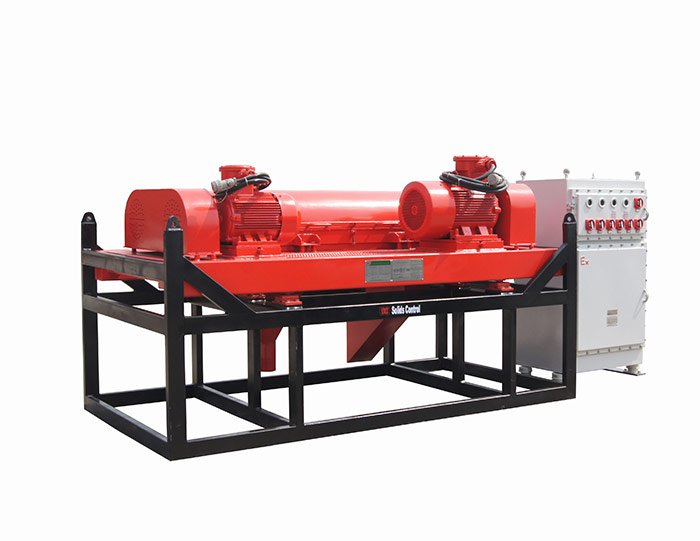
 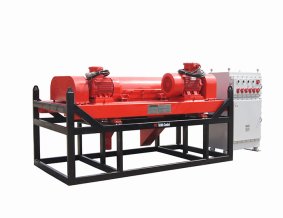 Drilling Fluid Decanter Centrifuge
 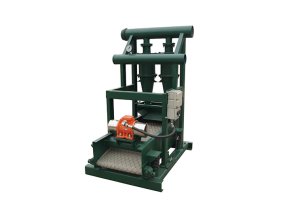 Drilling Mud Desander
 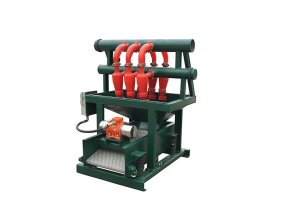 Hydrocyclone Desilter
 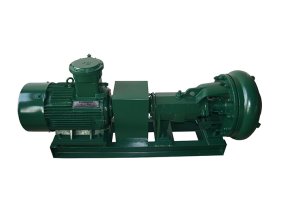 Centrifugal Pump/Centrifugal Mud Pump
 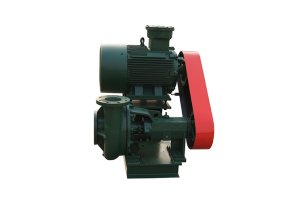 Shear Pump
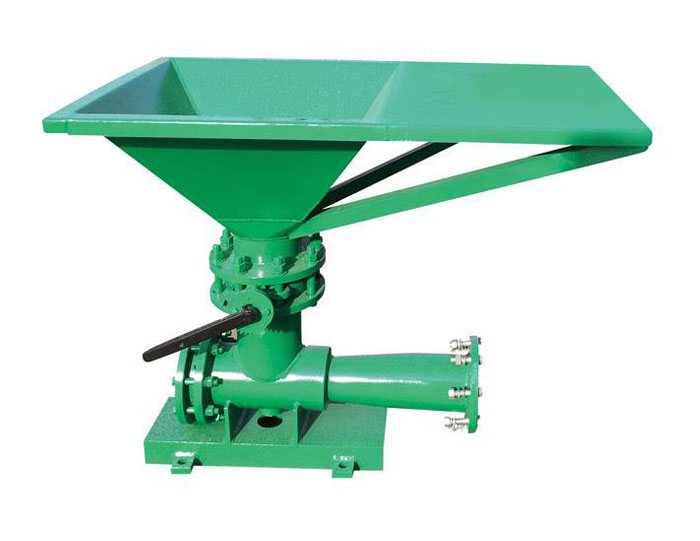
 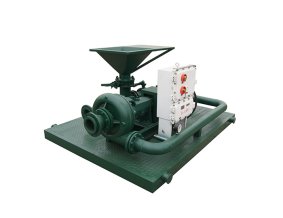 Jet Mud Mixer
 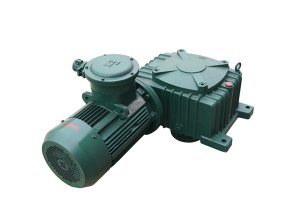 Horizontal Mud Agitator
 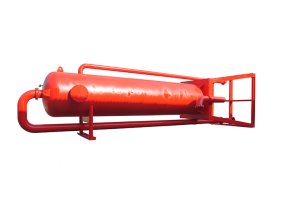 Constant Pressure Drilling Fluid Mud Gas Separator
 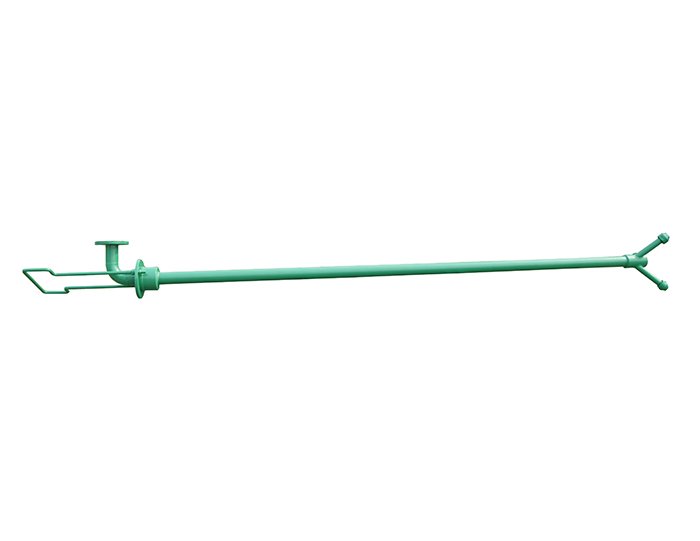 Mud Gun
  Mud Tank
 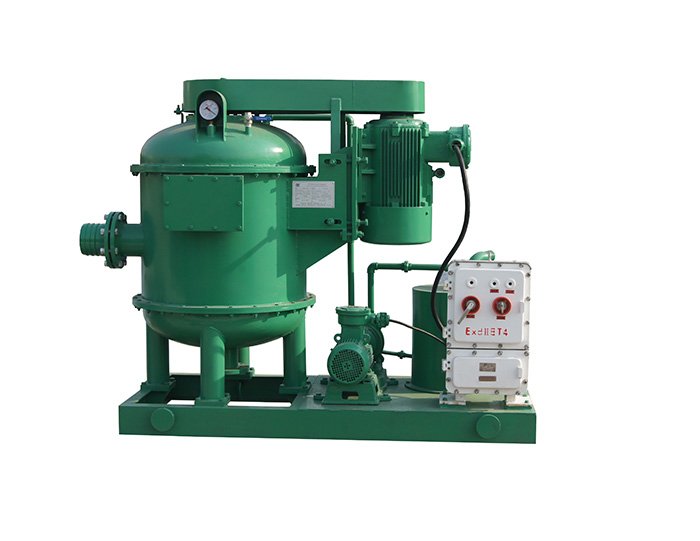 Solids Control System Vacuum Degasser
 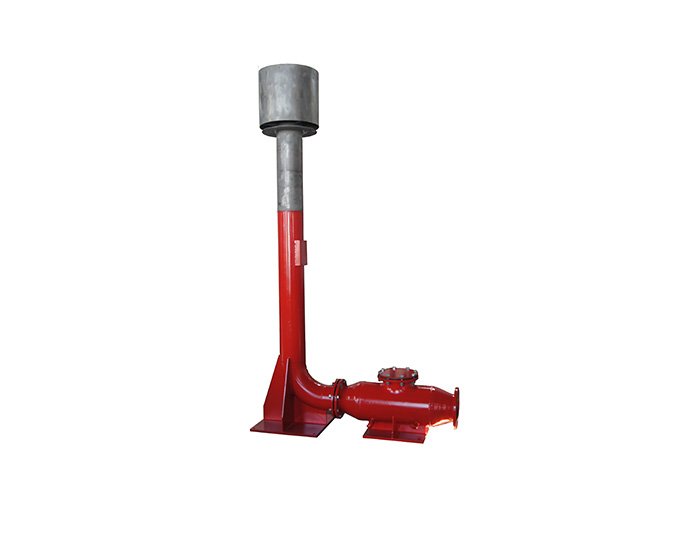 Flare Ignition Device
 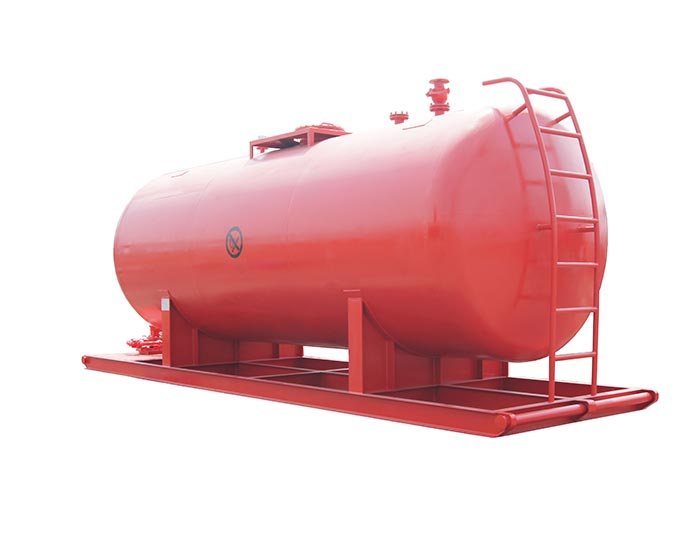 Diesel Tank
 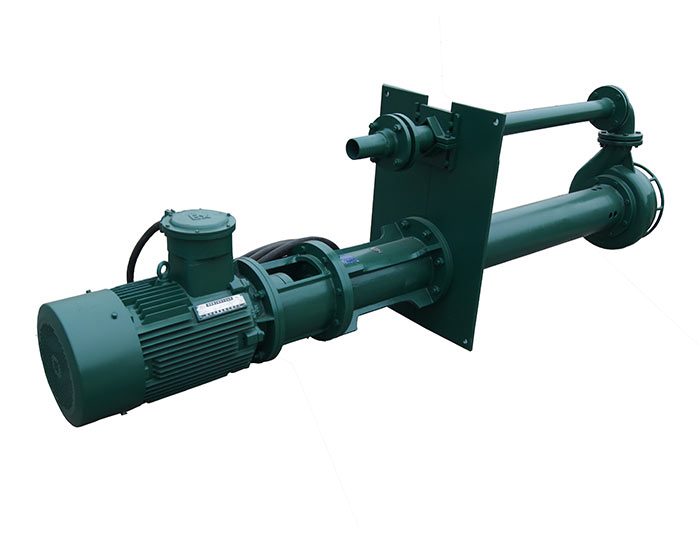 Submersible Slurry Pump