Horizontal directional drilling is now widely used in municipal construction, pipeline installation, and urban infrastructure upgrades. As projects move closer to cities and environmentally sensitive areas, contractors are under pressure to work cleanly, efficiently, and cost-effectively. This is why practical mud handling solutions are becoming hot topics in the HDD industry. A well-designed mud recycling and mixing setup is no longer optional; it is essential for protecting equipment, improving drilling efficiency, and meeting environmental requirements. This article focuses on real jobsite needs and explains how modern mud systems support daily directional drilling work.
Why Mud Recycling System For Sale Matters In HDD Work
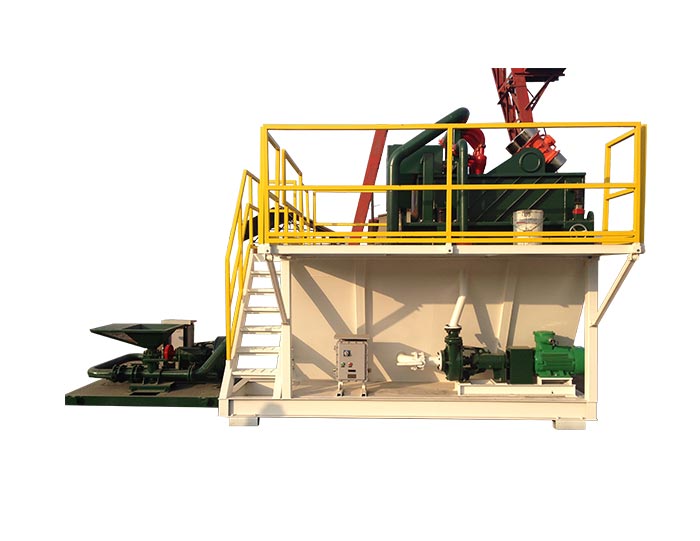
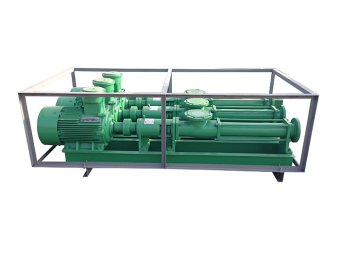
A mud recycling system for sale is designed to recover, clean, and reuse drilling fluid returning from the bore. In real HDD projects, drilling fluid carries large amounts of cuttings that must be removed before the fluid is reused. Without proper recycling, wasted mud increases operating costs and creates disposal problems. A practical mud recycling system for sale helps contractors reduce fresh water consumption and lower mud material expenses. It also protects downstream equipment by removing abrasive solids that can cause rapid wear. For many HDD contractors, investing in a reliable recycling system directly improves project efficiency and keeps sites cleaner and more organized.
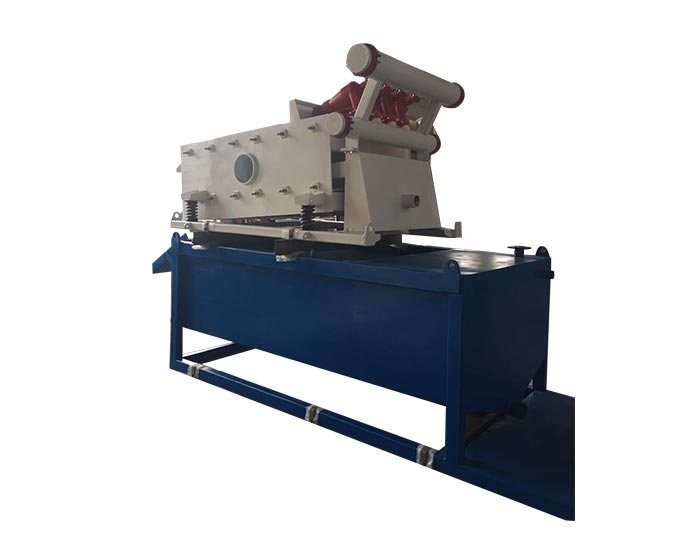
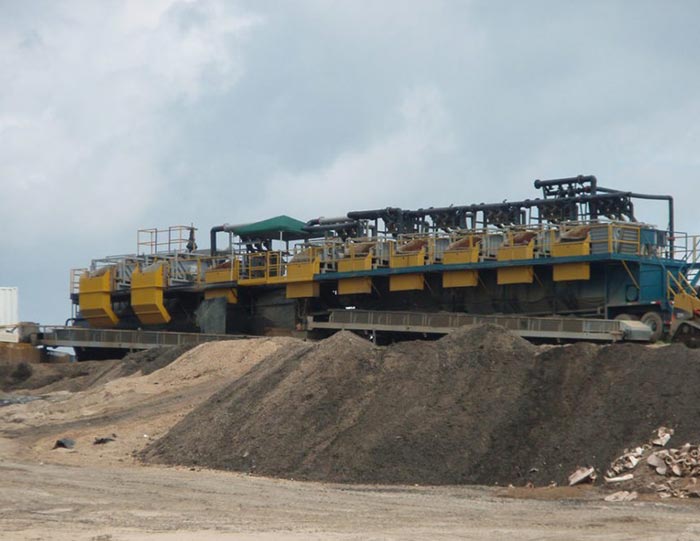
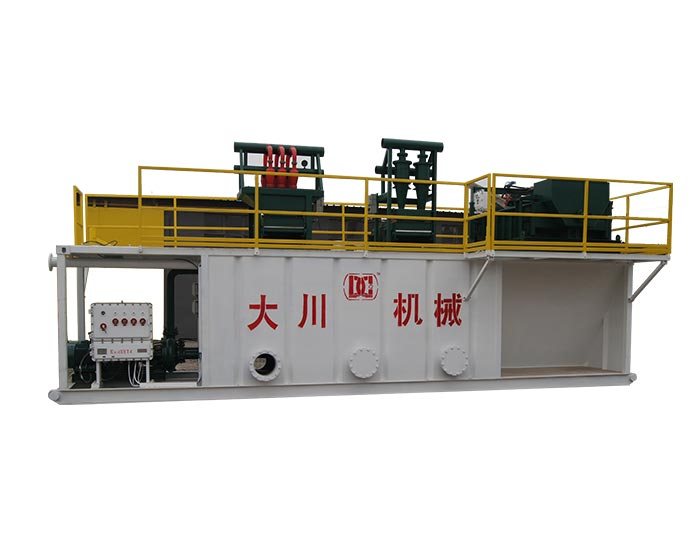
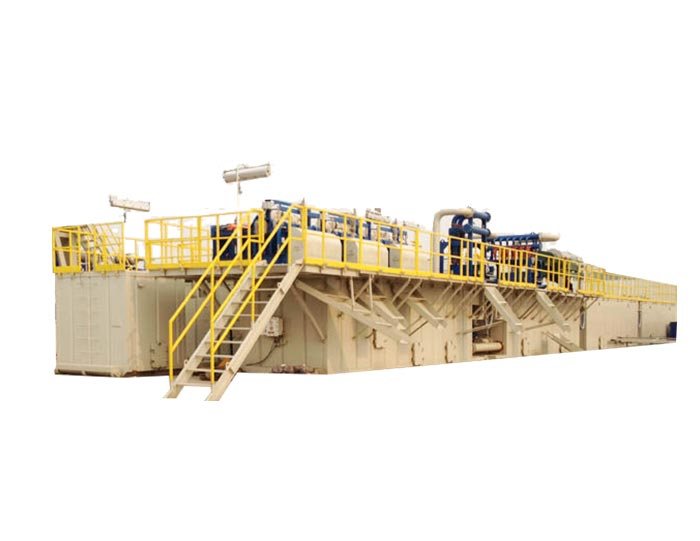
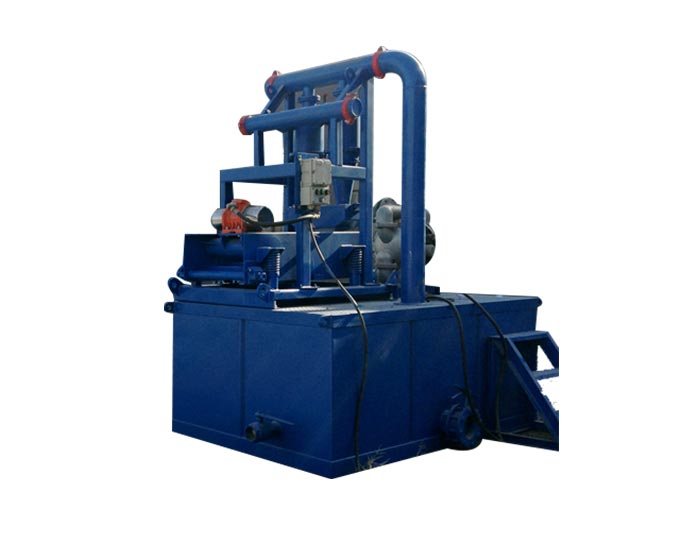
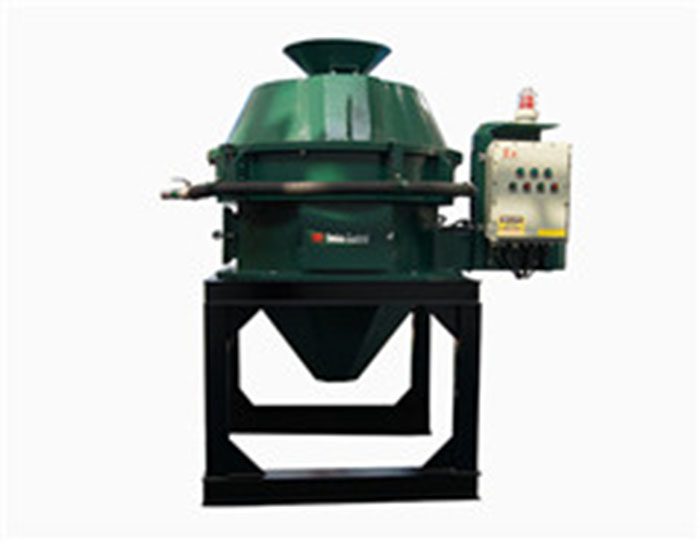
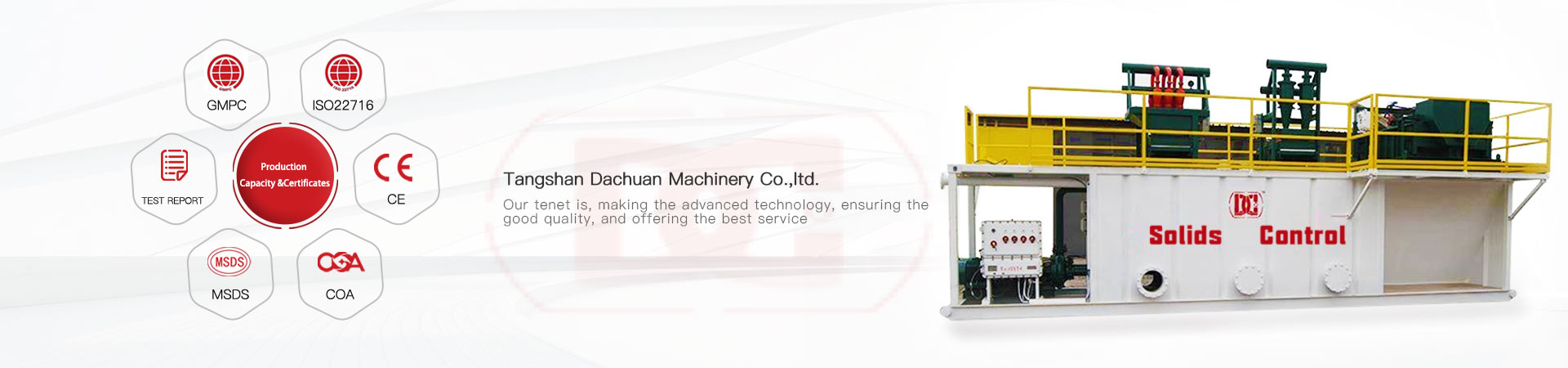
A mud reclaimer or recycler is a solids control device designed to filter and clean drilling fluid coming back from a drill bore. HDD Mud Recycling Systems (is short for horizontal directional drilling) is applied to urban municipal construction and electrified pipe network transformation. Communication cable laying and the big and small rivers, lake and the horizontal directional crossing construction when the building cannot be demolished, especially in the environmental protection and municipal pipe network expansion project and the horizontal directional crossing construction of large pipeline crossing river project.
How HDD Mud Mixing System For Sale Supports Stable Drilling
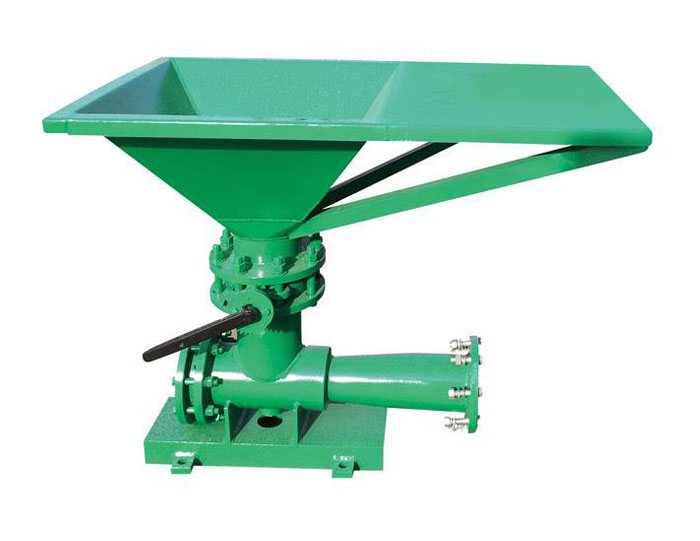
An hdd mud mixing system for sale focuses on preparing drilling fluid with consistent properties before it enters the bore. In real operations, stable mud viscosity and density are critical for maintaining bore stability and controlling formation pressure. A practical mixing system allows operators to quickly adjust fluid composition based on ground conditions. Many contractors value systems that are easy to operate and quick to clean, especially when working on multiple short bores. Choosing the right hdd mud mixing system for sale helps reduce downtime and ensures the drilling crew can respond quickly to changing conditions underground.
The main functions of drilling fluid are to provide hydrostatic pressure to prevent formation fluids from entering and to stabilize the bore, to keep the drill bit cool and clean, to carry drill cuttings back out to the surface, and to suspend the drill cuttings. At the same time, drilling is paused or during the pullback process. Drilling fluid containing excess cuttings can easily damage the pistons, liners, and valves of a mud pump; therefore, it’s critical to clean the fluid down to trace amounts of solids.
Where HDD Mud Recycling System Brings Real Value
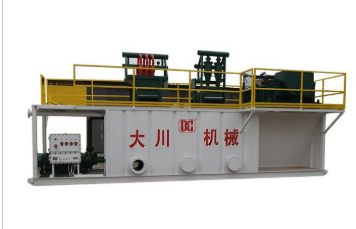
An hdd mud recycling system is especially valuable in projects where space is limited and environmental standards are strict. In urban areas, contractors cannot afford mud spills or uncontrolled disposal. A well-designed recycling system allows continuous circulation while keeping solids under control. In practice, this means smoother drilling, less cleanup work, and fewer complaints from surrounding communities. An hdd mud recycling system also helps extend the service life of pumps and downhole tools by reducing abrasive particles in the fluid. For contractors working on municipal or utility projects, this system offers a practical balance between performance and environmental responsibility.
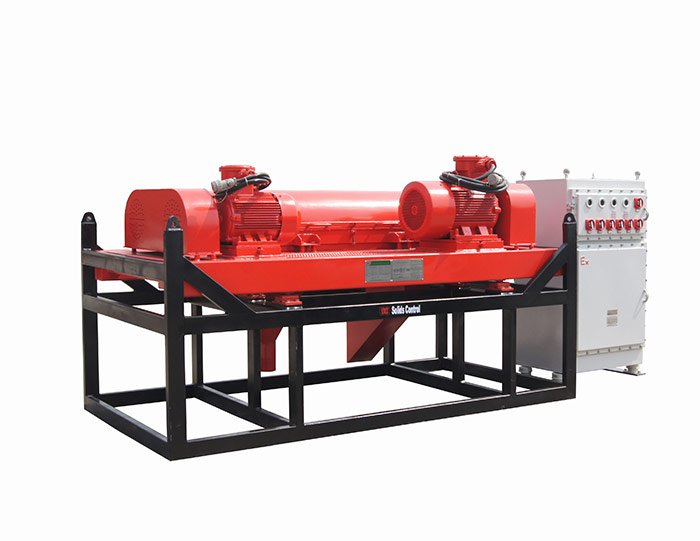
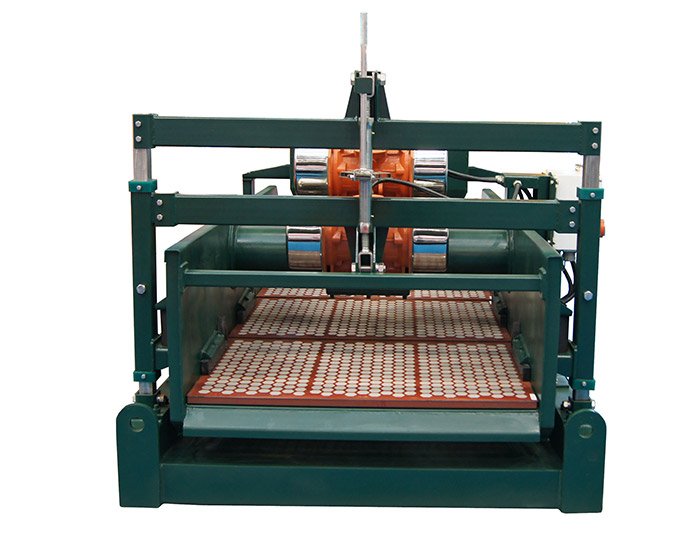
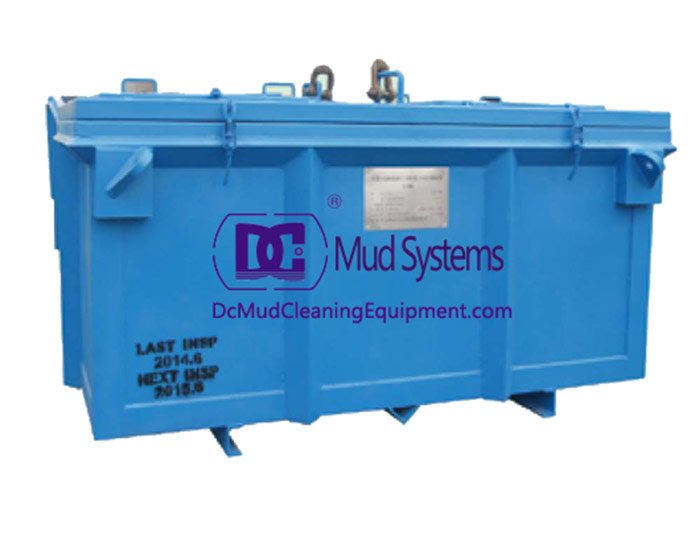
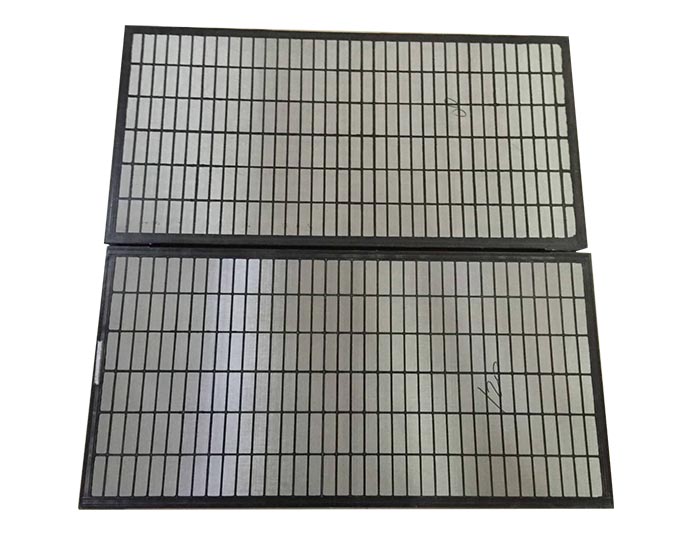
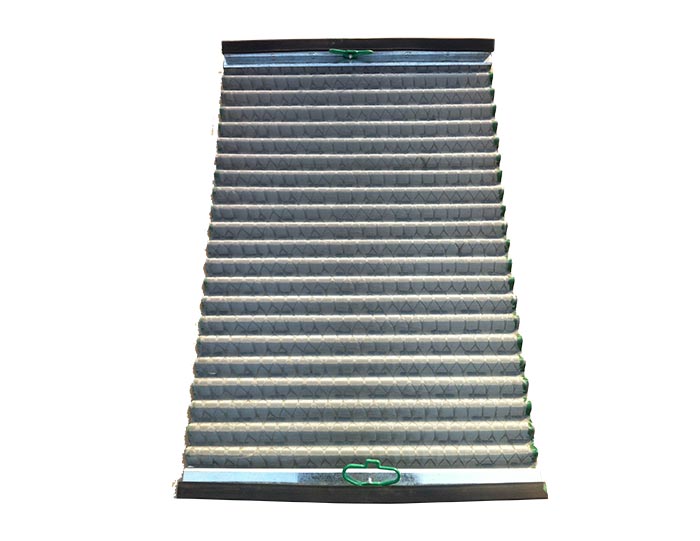
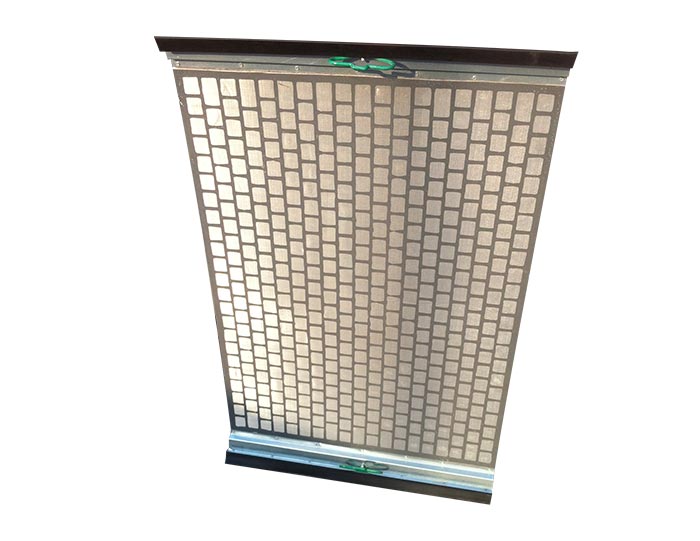
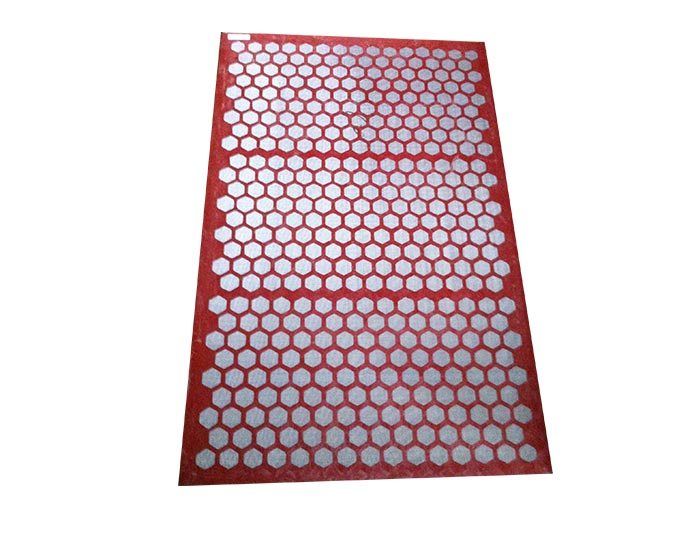
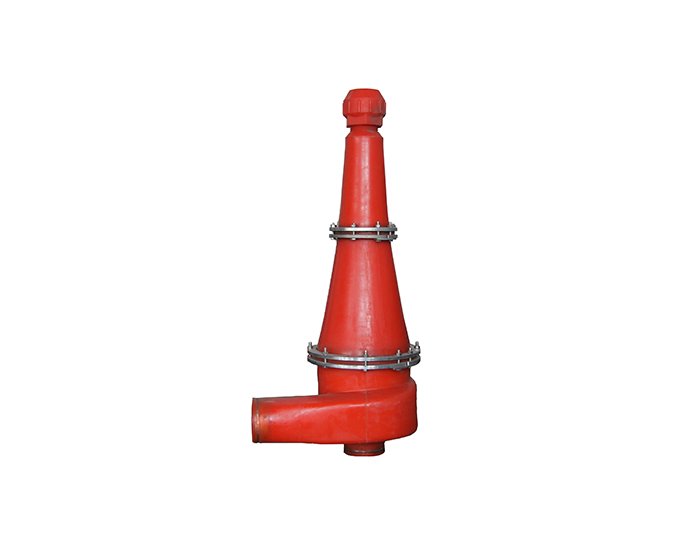
Normally, a solids control system consists of a mud tank with compartments for both incoming dirty and cleaning fluid, a shale shaker, a desander (depending upon the size of the unit), and a desilter. The shale shaker separates larger solids, approximately 400 microns and larger, the desander separates solids approximately 100 microns and larger, and the desilter separates solids approximately 40 microns and larger. After the fluid processes through the desilter and is deposited into the clean tank, it can then be pumped to the mud pump to be pumped back downhole.
How Mud Recycling System Improves Cost Control
A complete mud recycling system helps contractors manage both direct and indirect project costs. By reusing drilling fluid, less fresh mud material is required, which reduces purchasing and transportation expenses. In real jobsite conditions, recycling systems also reduce disposal fees and hauling costs for waste slurry. Many contractors find that a mud recycling system quickly pays for itself over multiple projects. Beyond cost savings, the system improves overall site organization and reduces downtime caused by equipment damage. This practical benefit makes mud recycling systems a popular choice for both small drilling crews and large HDD contractors.
How Directional Drilling Mud Mixing Affects Project Results
Proper directional drilling mud mixing plays a key role in achieving smooth bore paths and successful pullback operations. In real drilling conditions, poorly mixed mud can lead to bore collapse, stuck tools, or excessive fluid loss. A reliable mixing process ensures additives are evenly dispersed and fluid properties remain consistent. Directional drilling mud mixing systems designed for field use allow quick adjustments without complex procedures. Contractors appreciate solutions that are simple, durable, and easy to maintain. With proper mixing, drilling crews can focus on alignment and productivity rather than troubleshooting mud-related issues.
Mud Recycling System FAQs
Below are common questions from contractors considering a mud recycling system for HDD and trenchless projects.
What Size Mud Recycling System Is Needed For HDD Projects?
The size depends on bore length, hole diameter, and daily drilling fluid volume.
Can One System Handle Both Mixing And Recycling?
Yes, many modern systems integrate mixing and recycling functions into one unit.
Is A Mud Recycling System Difficult To Operate?
Most systems are designed for simple operation with basic training.
How Often Should The System Be Maintained?
Routine inspection and cleaning should be done daily during operation.
Does Recycling Affect Drilling Fluid Performance?
When properly cleaned, recycled fluid performs as well as freshly mixed mud.
Choosing the right mud system is a practical decision that directly affects drilling efficiency, equipment lifespan, and project costs. Our company now has 85 staffs, including 15 senior engineer, 5 development persons and 15 senior artisans. We have the ability to develop and produce the equipments independently, and also cooperates with many professional institutes to guarantee the high precision of the exported equipment. Enough after-sales persons to supply the service and technology consulting. If you are planning to upgrade your HDD operations or invest in reliable mud handling equipment, we invite you to visit our website, explore our product range, and contact our team for practical advice. Take the next step today to choose proven solutions that support cleaner, safer, and more efficient directional drilling projects.



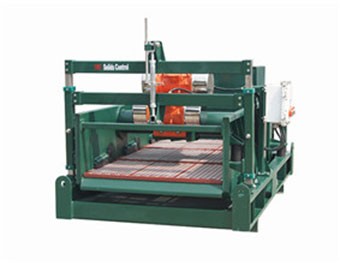 Linear Motion Shale Shaker In Drilling Rig
 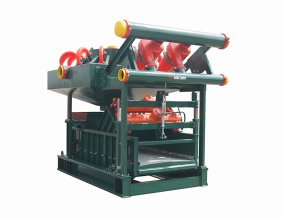 Oilfield Mud Cleaner
 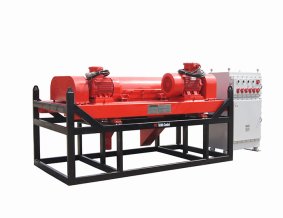 Drilling Fluid Decanter Centrifuge
 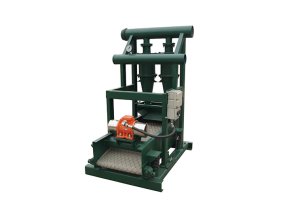 Drilling Mud Desander
 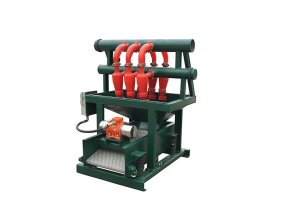 Hydrocyclone Desilter
 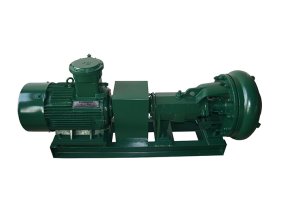 Centrifugal Pump/Centrifugal Mud Pump
 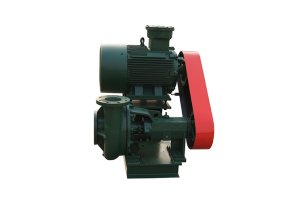 Shear Pump
 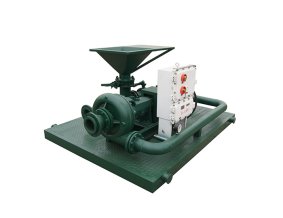 Jet Mud Mixer
 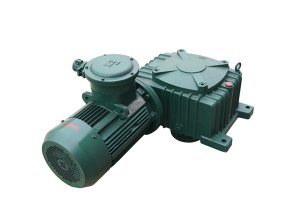 Horizontal Mud Agitator
 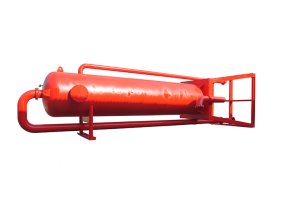 Constant Pressure Drilling Fluid Mud Gas Separator
 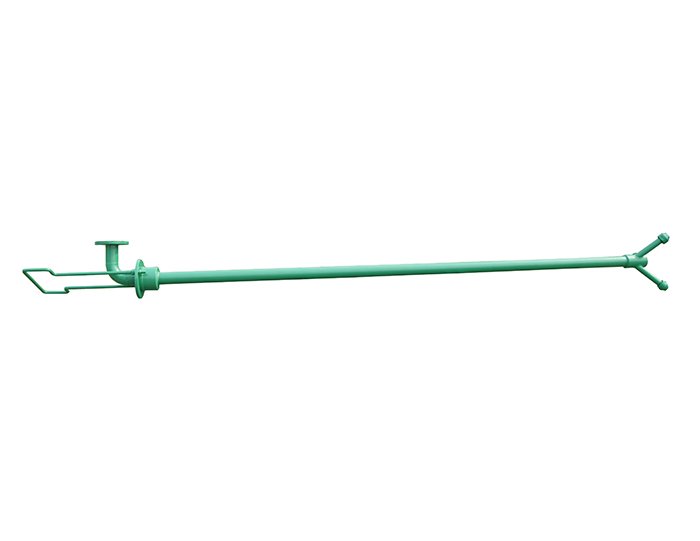 Mud Gun
  Mud Tank
 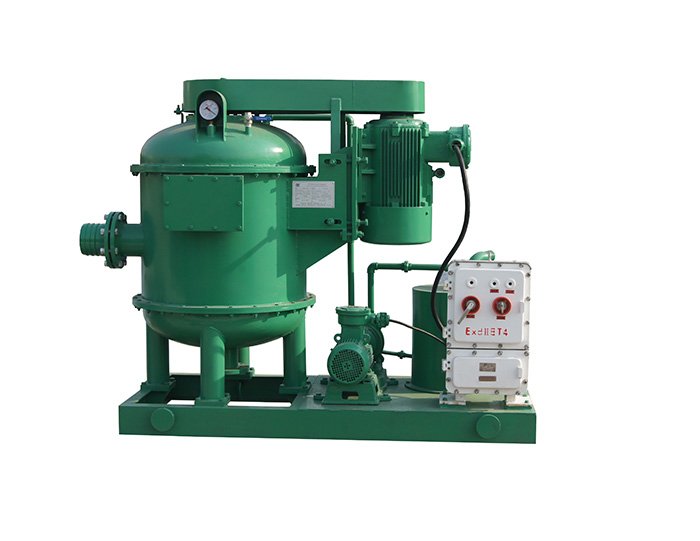 Solids Control System Vacuum Degasser
 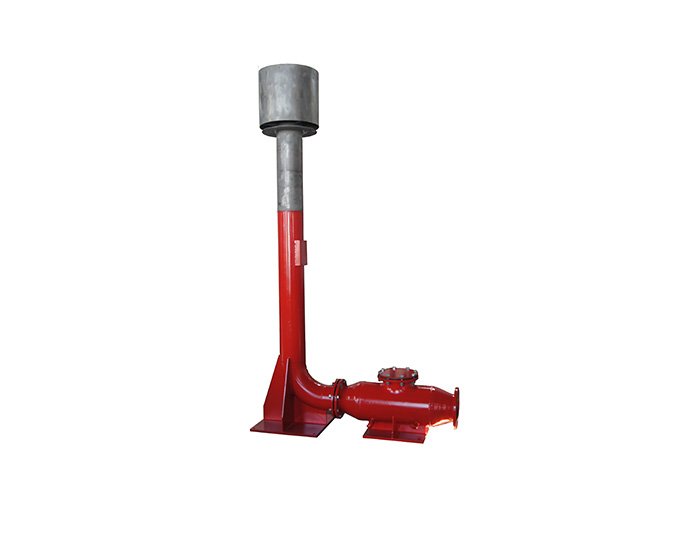 Flare Ignition Device
 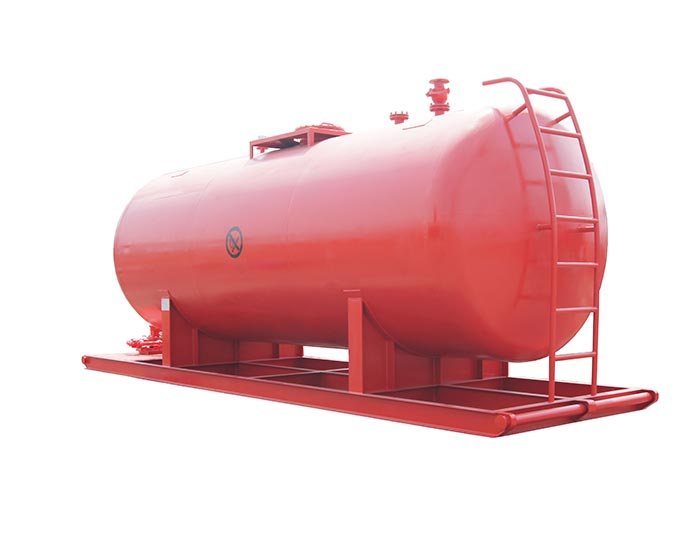 Diesel Tank
 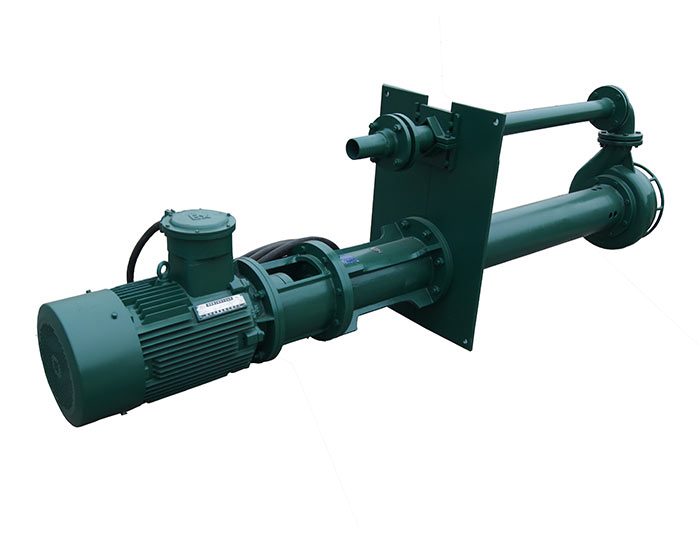 Submersible Slurry Pump