The landscape of heavy industrial manufacturing has shifted dramatically over the past few decades, transitioning from traditional Western industrial hubs to highly optimized production ecosystems in Asia. Within the upstream oil and gas sector, this transition is particularly visible in the sourcing of specialized fluid conditioning machinery. Global drilling contractors and procurement managers are increasingly turning their attention toward specialized regional production hubs, driving a massive surge in interest for a china vertical degasser as a standard component for modern rig setups.
This shifting demand is not merely a matter of finding lower production expenses. Rather, it represents a realization that the engineering capabilities, material sourcing networks, and specialized assembly techniques in these manufacturing zones have matured to meet rigorous international quality benchmarks. As exploration projects push into deeper formations with more complex geological challenges, the need for reliable, space-saving gas extraction units has intensified, positioning these specialized manufacturing facilities as pivotal players in the global energy supply chain.
Technical Innovation Within the Dedicated Vertical Degasser China Infrastructure
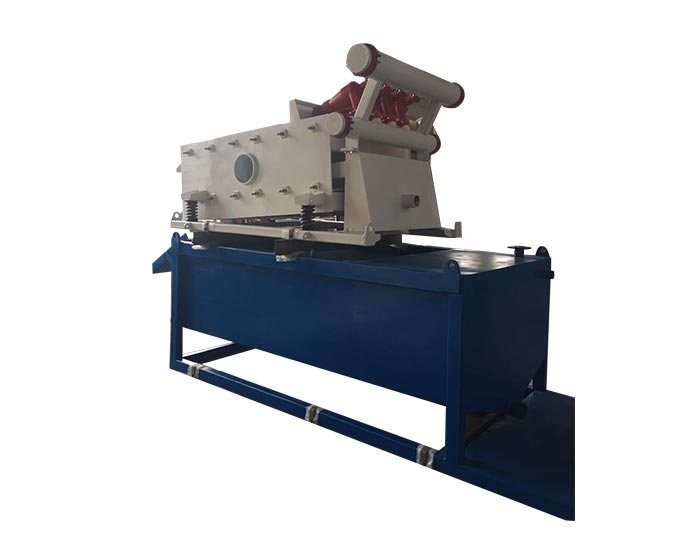
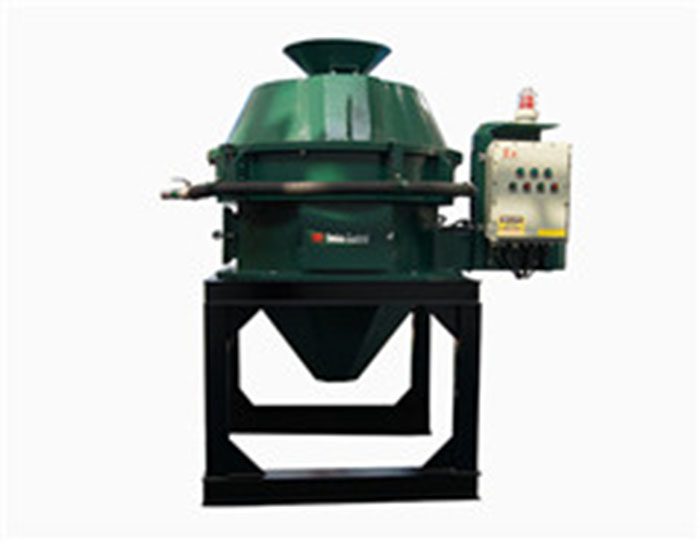
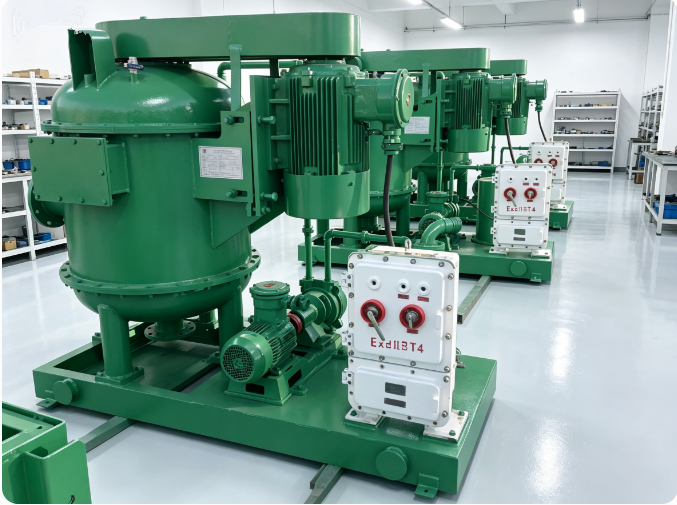
The engineering philosophy behind fluid conditioning has adapted rapidly to the constraints of modern drilling locations, where space is treated as a premium asset. When inspecting the technical layout of a vertical degasser china has refined for the international market, the primary focus centers on vertical footprint minimization combined with high-capacity vacuum throughput. Unlike older horizontal configurations that require substantial deck real estate, these vertical towers utilize a space-efficient column design that processes high volumes of volatile mud using gravity-fed internal cascading arrangements.
Inside these specialized towers, gas-cut drilling mud is drawn in under a vacuum seal and distributed over a series of internal baffle plates. As the fluid sheets downward, the negative pressure environment forces entrapped gas bubbles to expand, rupture, and separate from the heavy liquid medium. The precision machining required to create perfectly balanced internal baffles and maintain consistent vacuum seals under abrasive conditions highlights the technical advancement achieved by these regional manufacturers, proving that their design methodologies are built for long-term operational endurance.
Quality Standardization Across the Modern Vertical Degasser Factory Floor
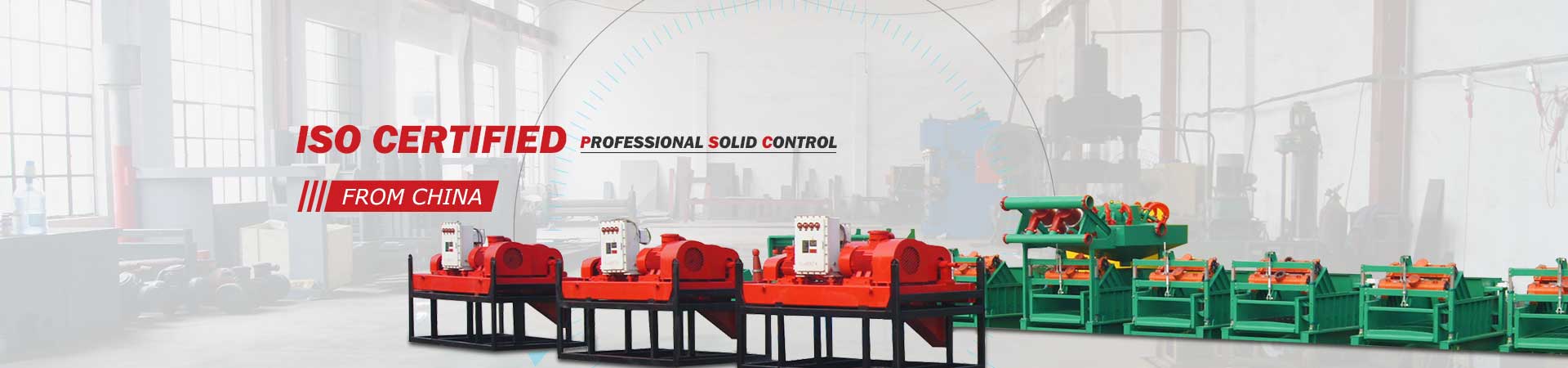
A major catalyst behind the global acceptance of Asian-manufactured fluid processing equipment is the widespread implementation of international quality assurance protocols. Entering a certified vertical degasser factory today reveals an environment governed by strict adherence to global standards such as ISO certifications and API specifications. The transition from manual fabrication to automated robotic welding, computer numerical control machining, and non-destructive testing ensures that every structural vessel can withstand the punishing pressures of oilfield operations.
These manufacturing facilities utilize high-grade, corrosion-resistant steel alloys specifically treated to endure prolonged exposure to abrasive drilling fluids and chemically aggressive gases like hydrogen sulfide. By controlling the entire manufacturing pipeline—from raw metallurgy to final pressure testing—these factories can guarantee structural integrity that matches or exceeds traditional western fabricators. This meticulous attention to engineering detail has effectively dismantled old market misconceptions regarding regional manufacturing quality, establishing these production centers as reliable partners for high-stakes drilling projects.
Streamlining the Supply Chain through an Integrated Solids Control System Factory
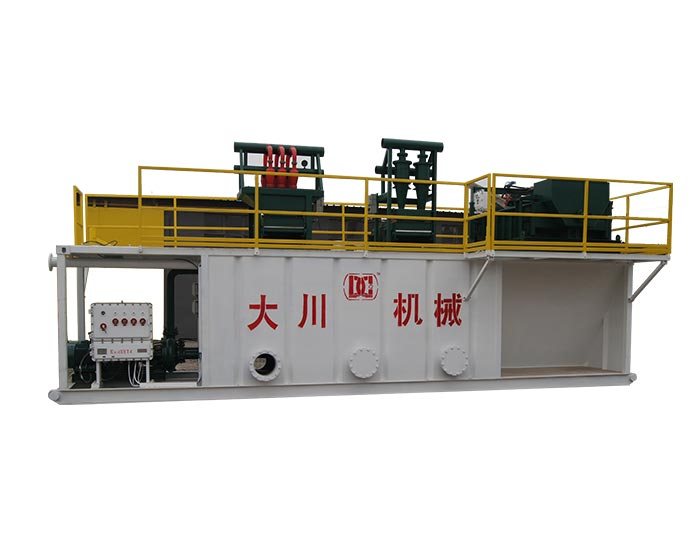
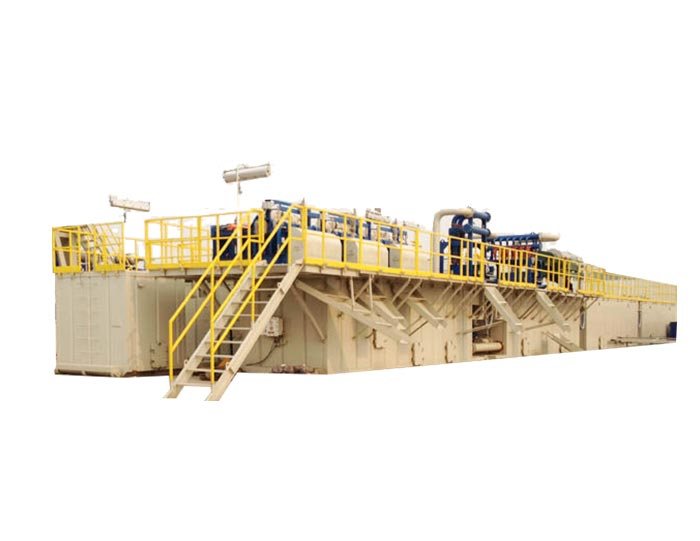
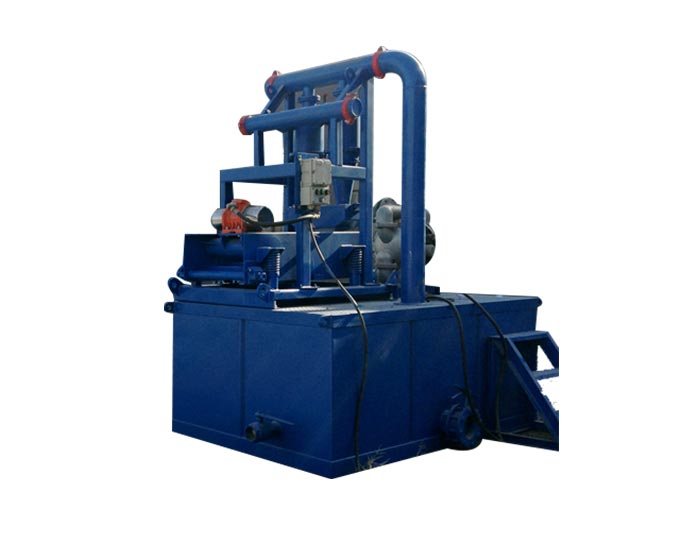
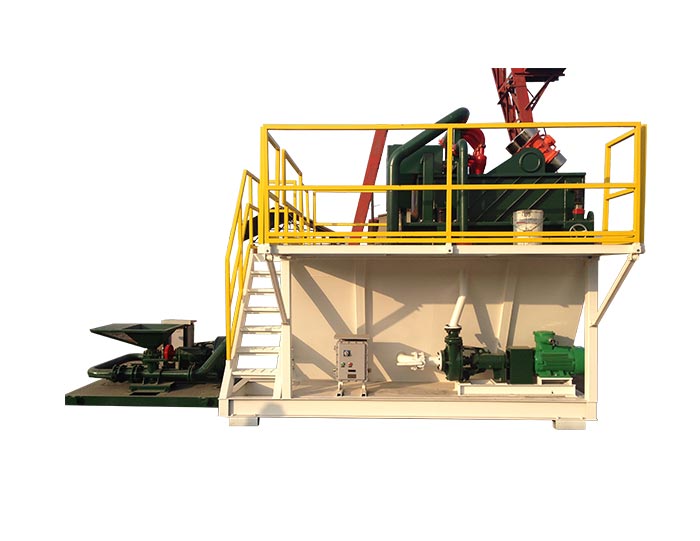
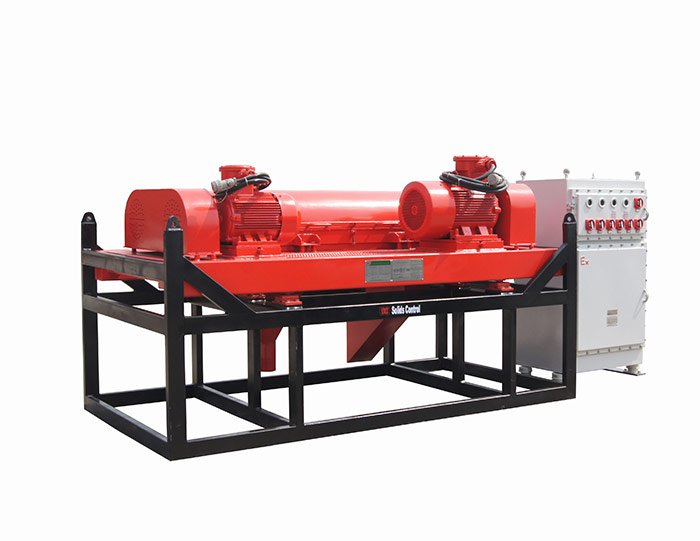
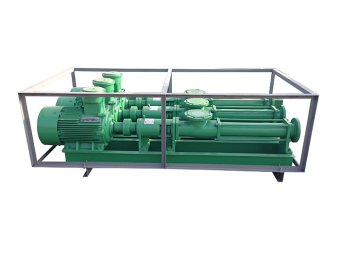
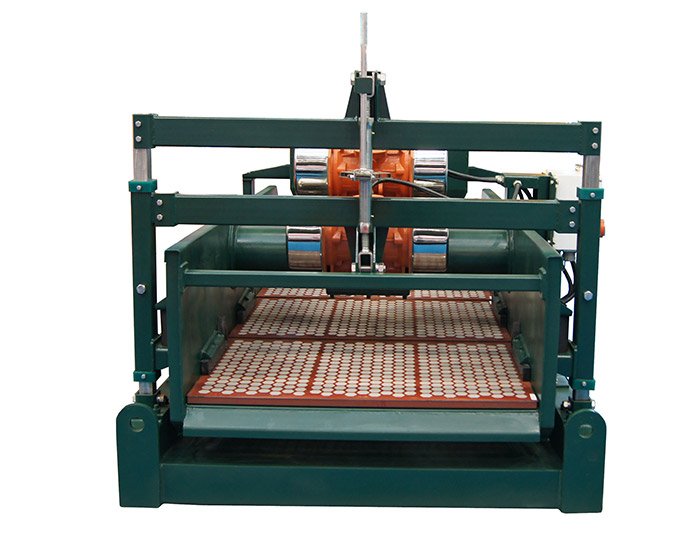
The production of isolated degassing units is rarely a standalone endeavor; the most successful operations are those that embed this machinery within a broader mechanical framework. A comprehensive solids control system factory approaches fluid management from a holistic perspective, designing mud cleaners, shale shakers, centrifuges, and degassing towers to work in absolute mechanical harmony. This centralized production model allows for seamless integration across the entire fluid reclamation pipeline.
When a degassing tower is manufactured under the same roof as the mud tanks and downstream hydrocyclones, engineers can optimize the fluid flow paths and electrical control systems to eliminate operational bottlenecks. The internal pumps, piping alignments, and level switches are calibrated as a singular unit rather than a collection of mismatched components from disparate vendors. This integrated manufacturing strategy minimizes installation complexities on the rig site, reduces the likelihood of field modifications, and ensures that the entire fluid processing system operates at maximum efficiency from day one.
Meeting Global Exploration Needs with Heavy-Duty Solids Control Equipment
The global demand for reliable fluid conditioning assets spans from the remote desert expanses of the Middle East to the ultra-deepwater projects off the coast of South America. Each environment places unique stressors on solids control equipment, requiring customization that standard, off-the-shelf machinery simply cannot accommodate. Regional manufacturers have excelled in this regard by offering highly adaptive engineering services that tailor equipment to specific environmental and regulatory mandates.
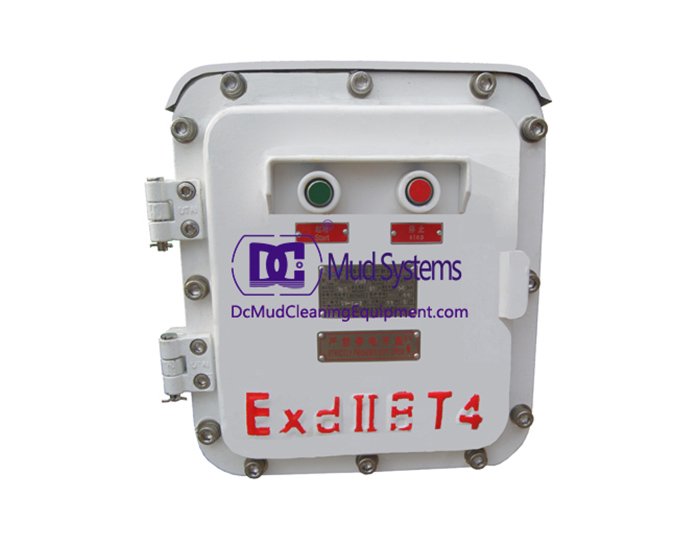
Whether an operator requires specialized explosion-proof electrical components for hazardous onshore zones or marine-grade protective coatings to combat the relentless salt-spray corrosion of offshore platforms, these fabrication hubs possess the supply chain agility to modify designs rapidly. This willingness to provide custom-engineered solutions, paired with rapid manufacturing lead times, allows global exploration companies to maintain tight project schedules without compromising on the safety or specific structural requirements of their localized drilling environments.
The Strategic Economic Paradigm of Sourcing from Specialized Regional Hubs
Beyond the clear mechanical and engineering benefits, the financial logistics of modern energy exploration demand rigorous cost optimization. Sourcing fluid processing infrastructure from dedicated manufacturing clusters provides a multi-faceted economic advantage that extends far beyond initial purchase prices. Because these manufacturing zones feature highly concentrated supply chains—where steel mills, component foundries, and specialized electronics providers are located within close geographic proximity—the overhead costs associated with parts transportation and assembly are dramatically reduced.
This localized efficiency translates directly into lower capital expenditure for drilling contractors, allowing them to allocate resources to other high-priority operational areas. Furthermore, the massive scale of production within these hubs ensures a highly continuous, uninterrupted flow of replacement parts and replacement components. In an industry where unplanned downtime can result in massive financial penalties, the assurance of rapid global parts availability and reliable long-term technical support makes partnering with these advanced manufacturing centers a highly strategic decision for forward-thinking oilfield procurement teams worldwide.

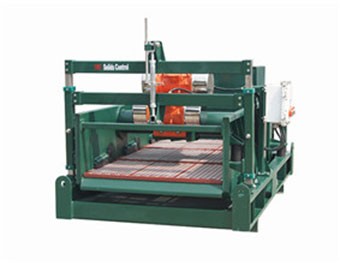 Linear Motion Shale Shaker In Drilling Rig
 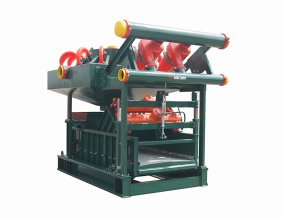 Oilfield Mud Cleaner
 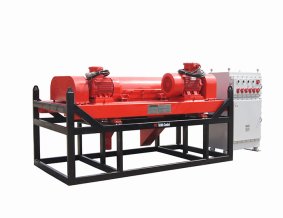 Drilling Fluid Decanter Centrifuge
 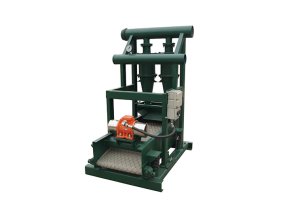 Drilling Mud Desander
 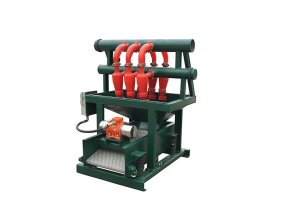 Hydrocyclone Desilter
 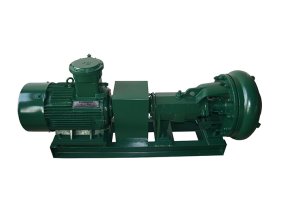 Centrifugal Pump/Centrifugal Mud Pump
 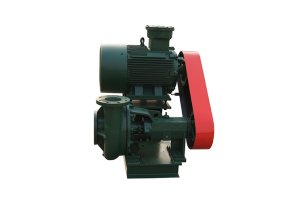 Shear Pump
 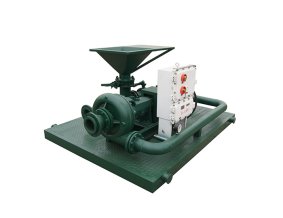 Jet Mud Mixer
 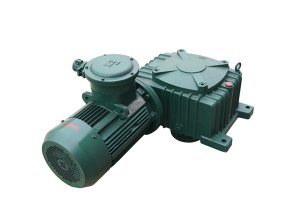 Horizontal Mud Agitator
 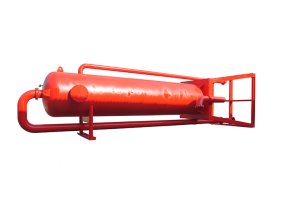 Constant Pressure Drilling Fluid Mud Gas Separator
 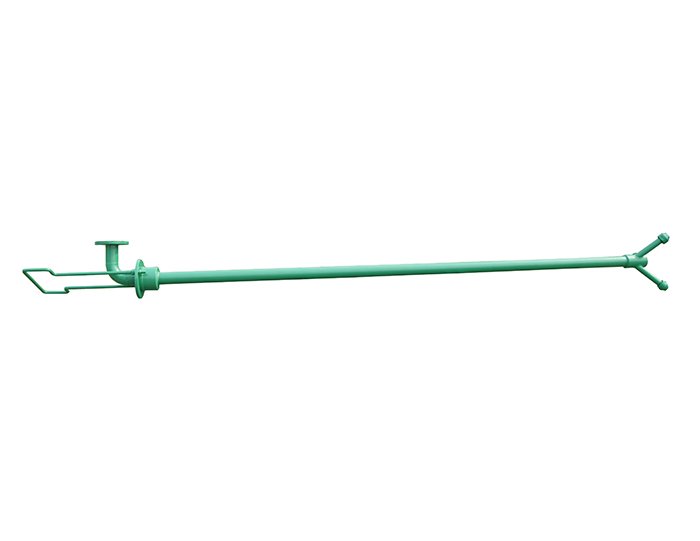 Mud Gun
  Mud Tank
 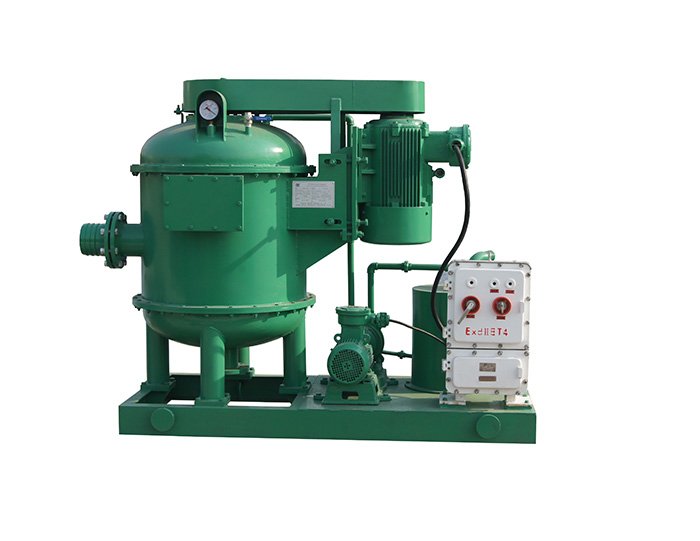 Solids Control System Vacuum Degasser
 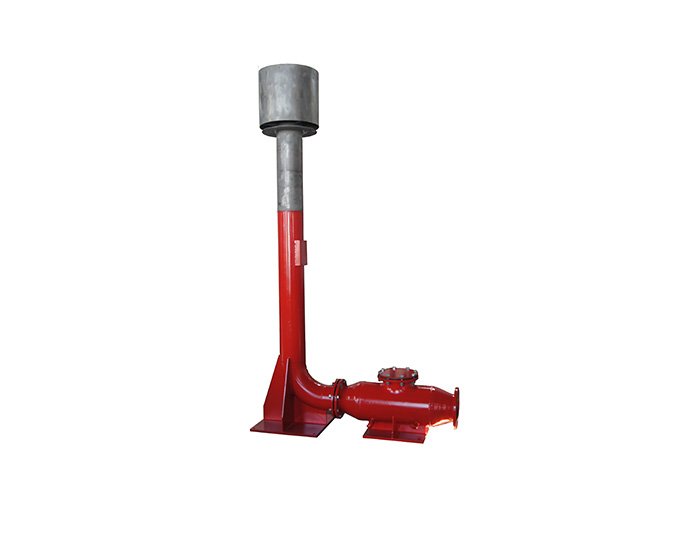 Flare Ignition Device
 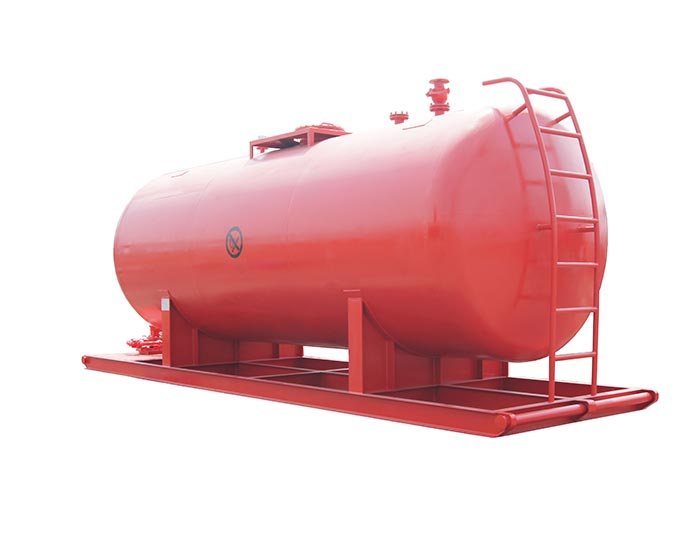 Diesel Tank
 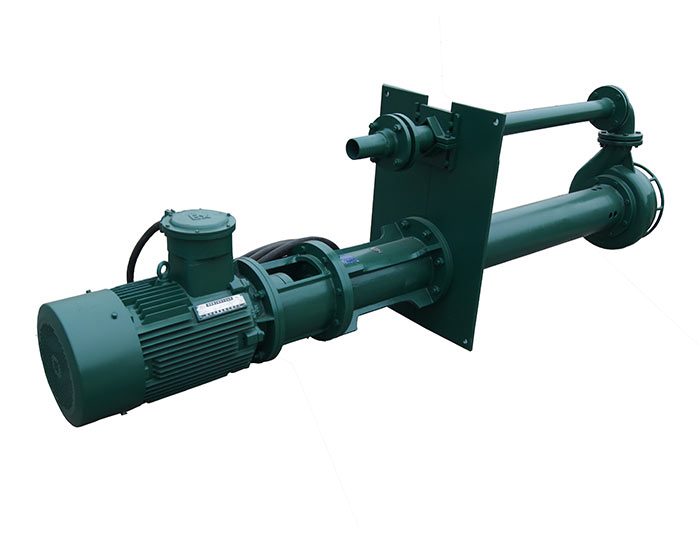 Submersible Slurry Pump