Efficient drilling fluid treatment is essential for maintaining stable mud properties and ensuring the reliable operation of a complete solid control equipment system. During drilling operations, formation gas can enter the circulating drilling fluid and cause changes in mud density, viscosity, and overall performance. If this entrained gas is not removed effectively, it can affect drilling efficiency and create additional challenges for downstream equipment. As an important component of solid control equipment used in drilling operation, the vacuum degasser is designed to quickly separate and remove invaded gas from drilling mud while helping restore the desired properties of the fluid.
What Is a Vacuum Degasser?
A vacuum degasser is specialized drilling fluid treatment equipment used to remove entrained gas from drilling mud. During drilling, gas can enter the mud from formations and become trapped in the form of small bubbles. These bubbles may reduce the effective density of the drilling fluid and negatively influence its viscosity and circulation performance.
The main purpose of a vacuum degasser is to create suitable negative-pressure conditions that allow gas to separate from the drilling mud. After the gas is released, the treated mud can continue through the solids control system for further processing or return to the active mud circulation system.
As a dedicated mud degasser, this equipment plays an important role after the initial solids separation process. It helps ensure that drilling mud entering subsequent treatment stages has more stable physical properties.
The Working Principle of a Vacuum Degasser
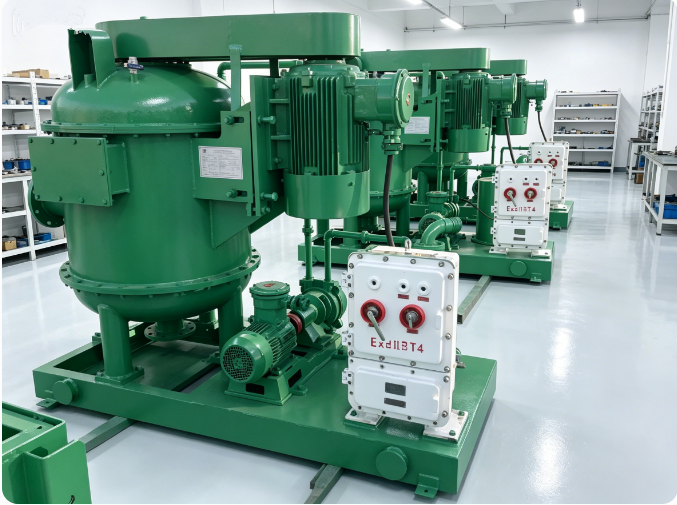
The vacuum degasser operates primarily through negative pressure, mechanical agitation, and gas-liquid separation. When gas-contaminated drilling mud enters the degasser, a vacuum environment is created inside the equipment. This reduces the pressure acting on the drilling fluid and encourages dissolved or entrained gas to escape from the mud.
The drilling mud is then exposed to a rotating system that distributes and breaks up the fluid. According to the product design, the mud hits the wall through openings in the rotor at high speed. This action helps break gas bubbles thoroughly and increases the contact area between the drilling fluid and the low-pressure environment.
As the gas separates from the mud, the released gas is drawn away by the vacuum system, while the treated drilling fluid is discharged for continued circulation. This continuous gas-liquid separation process allows the vacuum degasser to efficiently restore the performance of drilling mud.
How Does the Vacuum System Improve Degassing Efficiency?
Negative pressure is one of the key factors behind the operation of a vacuum degasser. By reducing the pressure surrounding the drilling fluid, the equipment encourages entrained gas to leave the mud more easily.
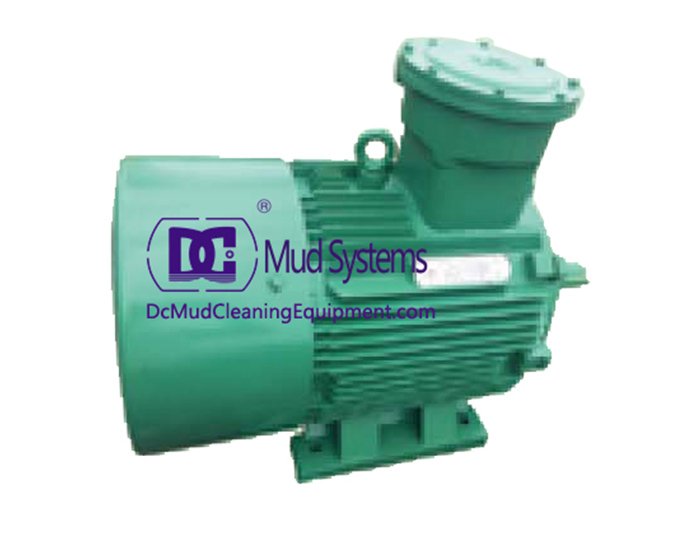
The product uses a water-ring vacuum pump, which maintains an approximately isothermal operating condition during operation. This design is suitable for handling flammable and explosive gases and provides reliable operating performance in demanding drilling environments.
The vacuum pump continuously creates the required negative pressure while the mechanical system exposes the drilling mud to the vacuum environment. This combination of vacuum action and high-speed fluid movement helps improve gas release efficiency.
For the listed models, the vacuum range varies according to equipment size, from approximately -0.02 to -0.065 MPa. The appropriate vacuum specification depends on the model and application requirements.
How Does a Mud Degasser Restore Drilling Mud Properties?
Gas contamination can change the physical properties of drilling mud. When gas becomes trapped in the fluid, the effective mud density may decrease, while the original viscosity and circulation characteristics can also be affected.
A mud degasser helps address these problems by removing the invaded gas from the drilling fluid. Once the gas has been separated, the mud can return closer to its intended density and viscosity characteristics.
This process is particularly important because drilling fluid is responsible for several critical functions, including carrying drilled cuttings to the surface, controlling formation pressure, and supporting wellbore stability. Maintaining consistent mud properties therefore contributes to more reliable drilling operations.
What Role Does a Vacuum Degasser Play in Solid Control Equipment?
A vacuum degasser does not replace other solids control machines. Instead, it works as one part of a complete solid control equipment system. A typical drilling fluid treatment process may include shale shakers, vacuum degassers, desanders, desilters, mud cleaners, centrifuges, pumps, and mud tanks.
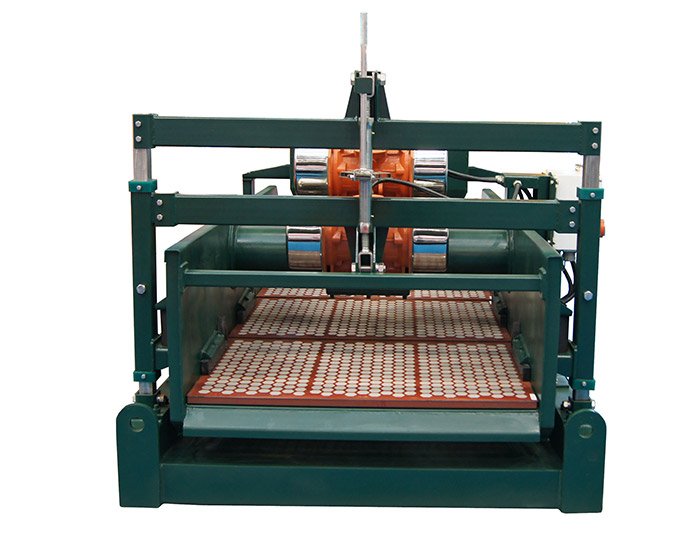
The shale shaker primarily removes larger drilled solids, while the vacuum degasser focuses on removing entrained gas. After degassing, the drilling fluid can continue to downstream separation equipment for further treatment.
This multi-stage approach allows each machine to perform a specific function. By reducing gas contamination before the mud proceeds through the rest of the system, the vacuum degasser helps support more stable drilling fluid treatment.
How Is a Vacuum Degasser Used in Drilling Operations?
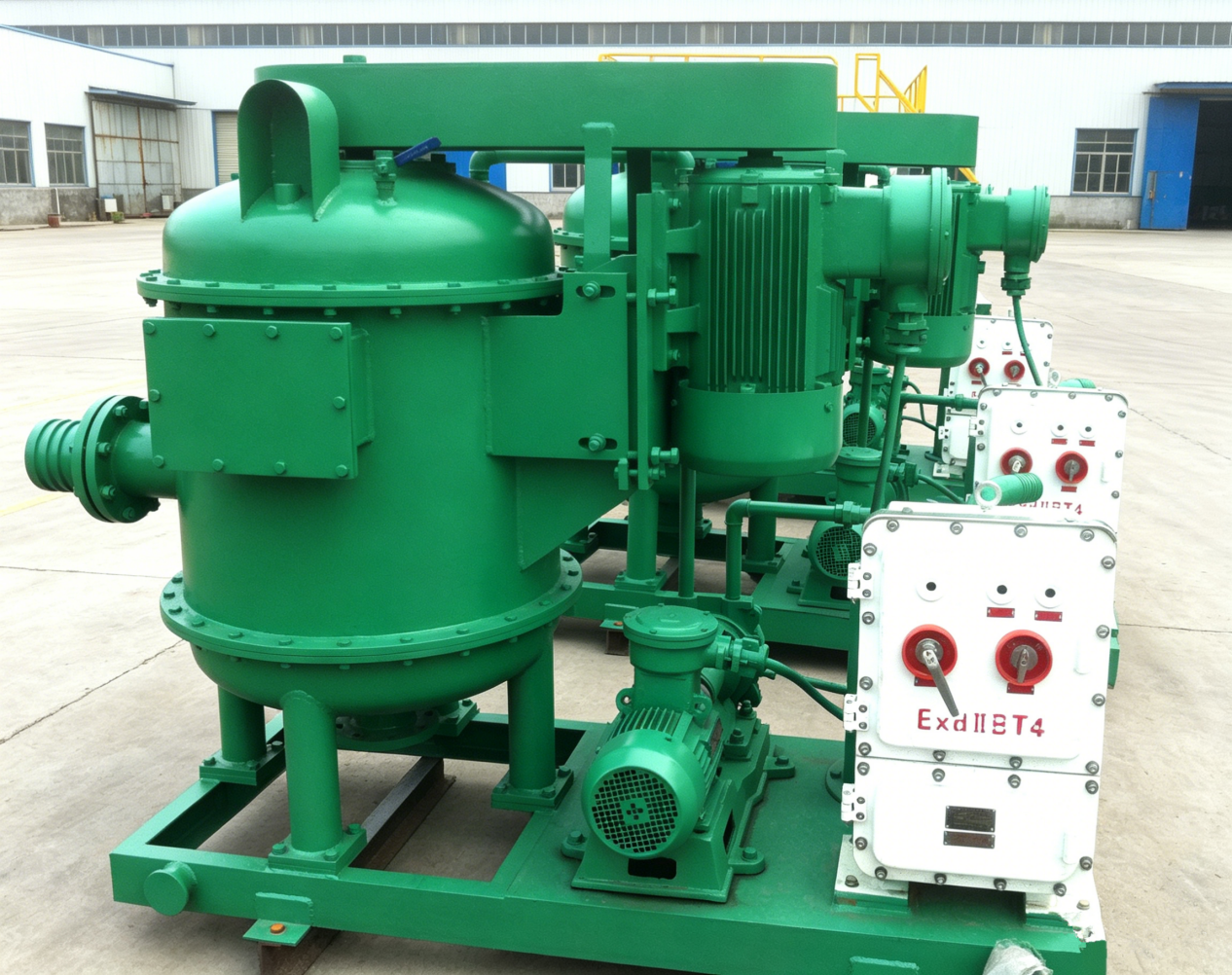
A vacuum degasser drilling system is particularly useful when formation gas becomes mixed with circulating drilling mud. The equipment is installed in the drilling fluid circulation system so that gas-contaminated mud can be treated continuously.
During operation, the contaminated mud enters the degasser, passes through the rotating system, and is exposed to negative pressure. Gas bubbles are separated from the mud and removed through the gas discharge system, while the treated mud leaves the equipment and continues through the circulation process.
The product is designed with a gas-water separator to help prevent water and gas from being discharged simultaneously. This design also helps keep the discharge pipe clear, supporting stable operation.
What Are the Main Benefits of a Vacuum Degasser?
One major benefit of a vacuum degasser is its ability to remove invaded gas quickly and efficiently. According to the supplied product specifications, the degassing efficiency can reach 95% or higher, helping restore drilling mud properties.
Another advantage is its efficient gas-liquid separation. The negative-pressure system helps release gas from the drilling mud, while the water-ring vacuum pump provides a suitable and reliable vacuum source.
The equipment is also available in multiple models to accommodate different processing requirements. The listed DCZCQ240, DCZCQ270, DCZCQ300, and DCZCQ360 models provide treating capacities of up to 240, 270, 300, and 360 m³/h respectively. Motor power ranges from 15 kW to 37 kW, allowing customers to select equipment according to their required mud flow rate.
Choosing reliable equipment and professional technical support is important when building an efficient drilling fluid treatment system. Tangshan Dachuan Machinery Co., Ltd. focuses on the production, sales, after-sales service, and maintenance of petroleum drilling mud cleaning equipment and trenchless mud recovery systems.
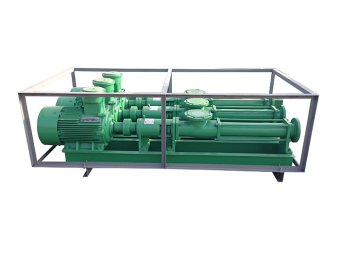
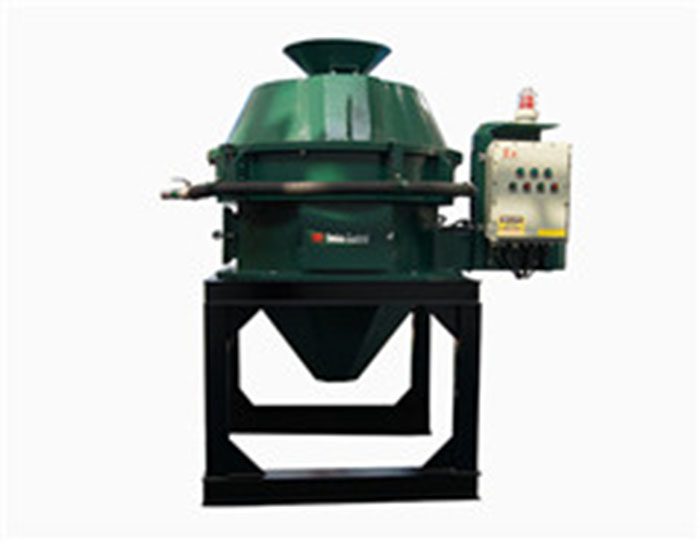
Its product range includes vacuum degasser, shale shaker, desander, desilter, mud cleaner, mud gas separator, mud agitator, centrifugal pump, shear pump, flare ignition device, jet mud mixer, mud tank, water tank, diesel tank, vertical cutting dryer, and other drilling fluid equipment. This allows customers to source multiple components for a complete solid control equipment system from an experienced supplier.
Dachuan Machinery is committed to matching equipment with customer requirements and providing high-quality, rapid, honest, and considerate service. The company aims to provide advanced equipment and technology while supporting customers with drilling fluid systems, spare parts, and technical services.
With 85 employees, including 15 senior engineers, 5 development personnel, and 15 senior artisans, the company has the ability to independently develop and manufacture equipment. Cooperation with professional institutes also supports the precision and quality of exported equipment, while its after-sales team provides technical consultation and service.
If you need a reliable vacuum degasser for oil and gas drilling or a complete solid control equipment solution, Dachuan Machinery can provide suitable equipment based on your processing capacity and operating requirements. Contact us today to discuss your vacuum degasser drilling application, select the appropriate model, and request a professional quotation.
FAQs About Vacuum Degasser
What is a vacuum degasser used for?
A vacuum degasser is used to remove entrained or invaded gas from drilling mud. It helps restore drilling fluid density and viscosity while improving the overall quality and stability of the mud.
What is the working principle of a vacuum degasser?
The vacuum degasser creates a negative-pressure environment that encourages gas to escape from drilling mud. A rotating system distributes the mud and helps break gas bubbles, while a vacuum pump removes the separated gas.
What is the difference between a vacuum degasser and a mud degasser?
In drilling applications, a mud degasser and a vacuum degasser generally refer to equipment used to remove gas from drilling fluid. A vacuum degasser specifically uses negative pressure to promote gas-liquid separation.
Where is a vacuum degasser installed in a drilling system?
A vacuum degasser drilling system is normally integrated into the drilling fluid circulation and solids control process. It works with other solid control equipment to remove gas before the treated mud continues through subsequent treatment stages.
What is the degassing efficiency of this equipment?
According to the supplied product specifications, the degassing efficiency of the equipment can reach 95% or higher. Actual performance can vary according to drilling fluid properties, gas contamination, operating conditions, and equipment configuration.
What models of vacuum degasser are available?
The supplied models include DCZCQ240, DCZCQ270, DCZCQ300, and DCZCQ360, with treating capacities of up to 240, 270, 300, and 360 m³/h respectively. The appropriate model can be selected according to drilling fluid flow rate and project requirements.

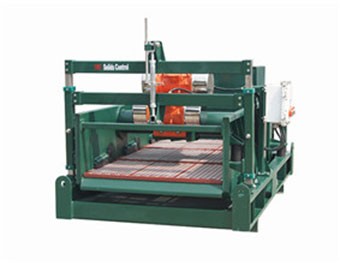 Linear Motion Shale Shaker In Drilling Rig
 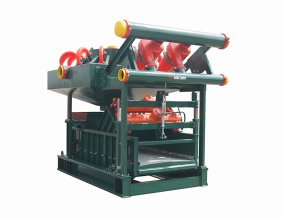 Oilfield Mud Cleaner
 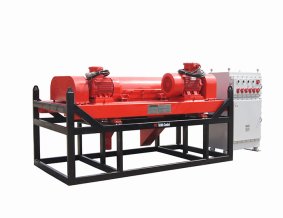 Drilling Fluid Decanter Centrifuge
 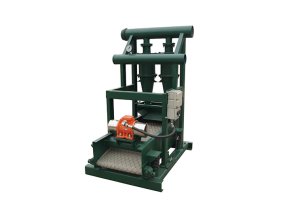 Drilling Mud Desander
 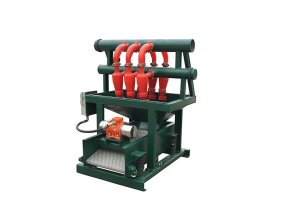 Hydrocyclone Desilter
 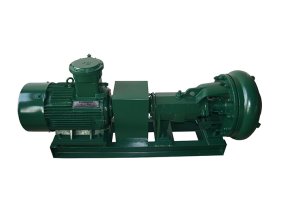 Centrifugal Pump/Centrifugal Mud Pump
 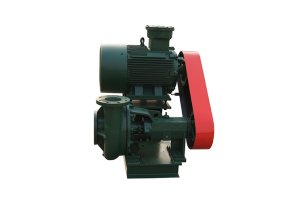 Shear Pump
 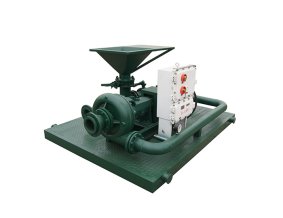 Jet Mud Mixer
 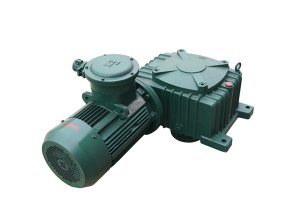 Horizontal Mud Agitator
 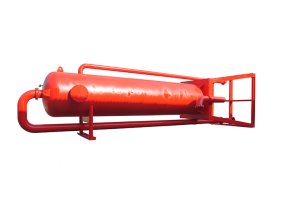 Constant Pressure Drilling Fluid Mud Gas Separator
 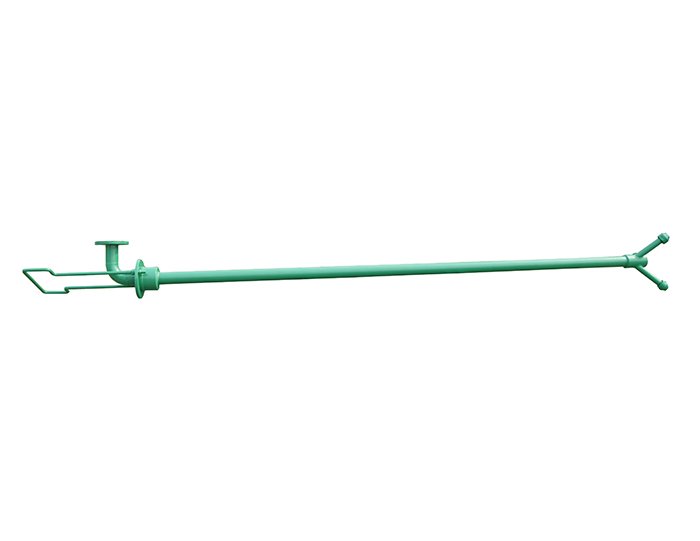 Mud Gun
  Mud Tank
 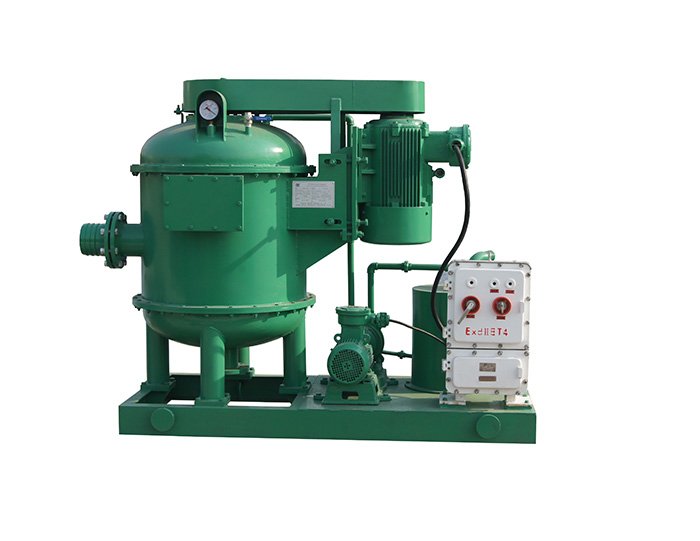 Solids Control System Vacuum Degasser
 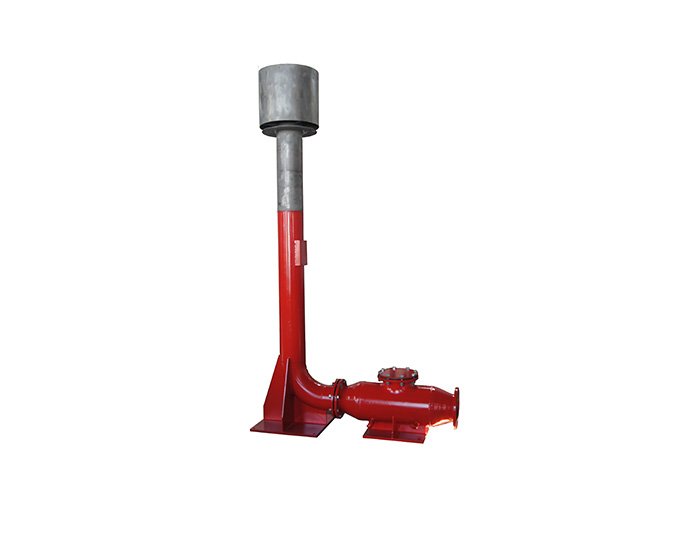 Flare Ignition Device
 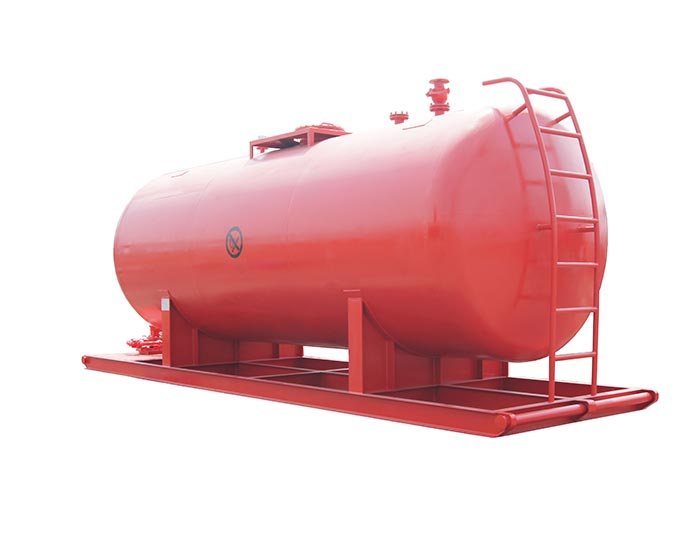 Diesel Tank
 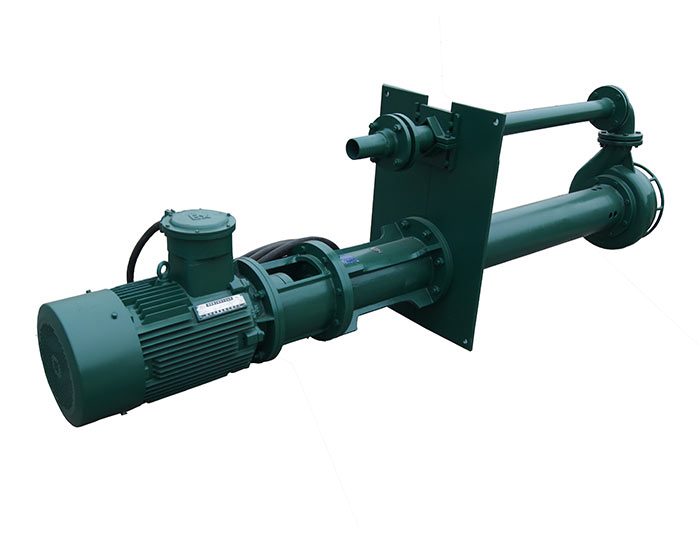 Submersible Slurry Pump