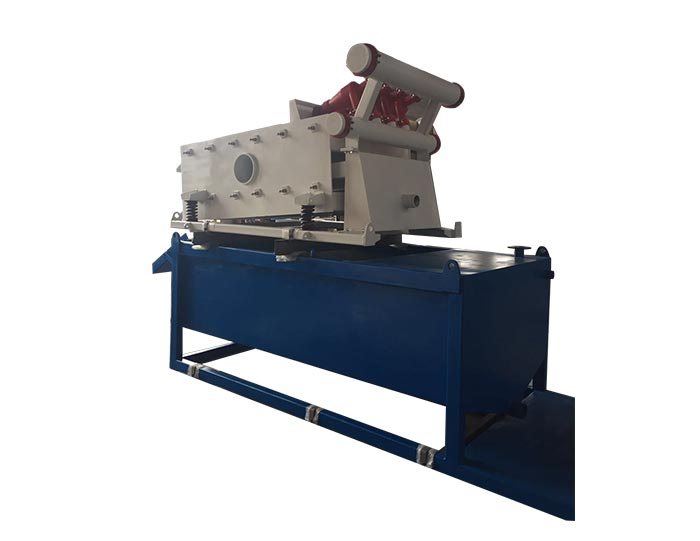
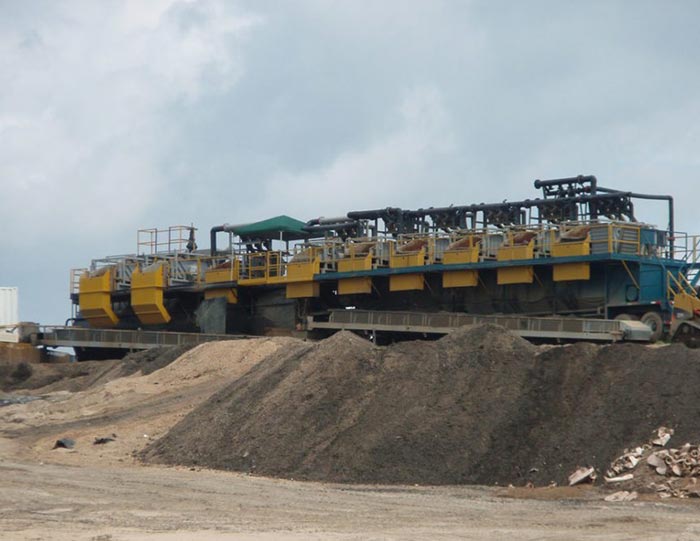
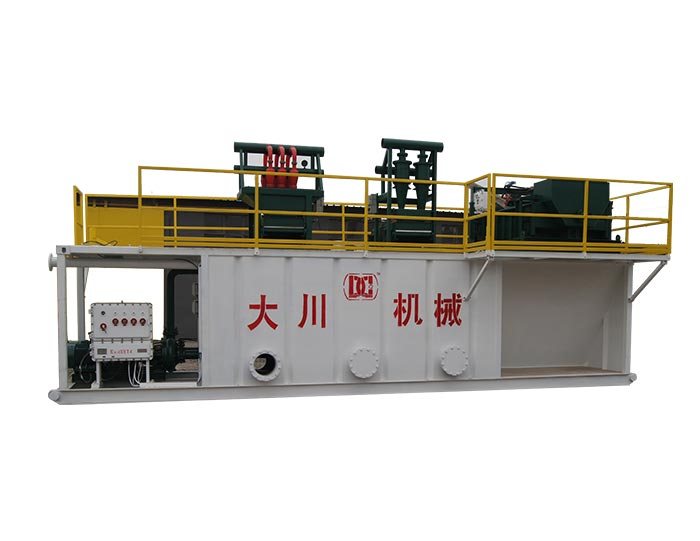
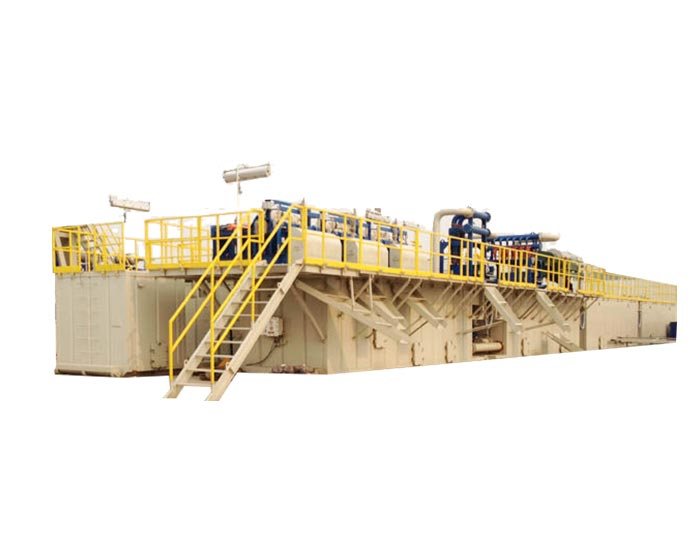
Efficient drilling operations depend heavily on maintaining stable drilling fluid properties throughout the circulation process. As drilling depth increases and formation conditions become more complex, gas intrusion into drilling mud becomes a common challenge that can negatively affect fluid density, circulation efficiency, and well control safety. To address this issue, the vacuum degasser has become one of the most important components in modern solids control systems.
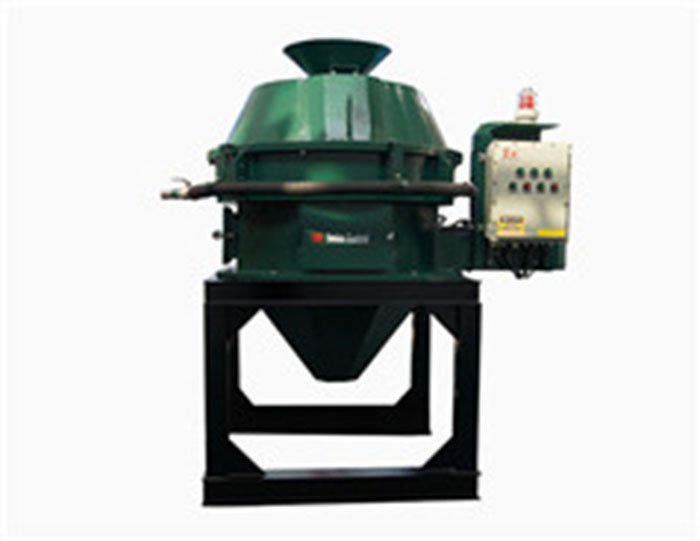
As a specialized type of mud degasser, a vacuum degasser removes harmful gas from drilling fluids before the mud proceeds to subsequent treatment stages. When integrated with other solid control equipment used in drilling operation, it helps improve drilling performance, protect downstream equipment, and maintain overall system efficiency.
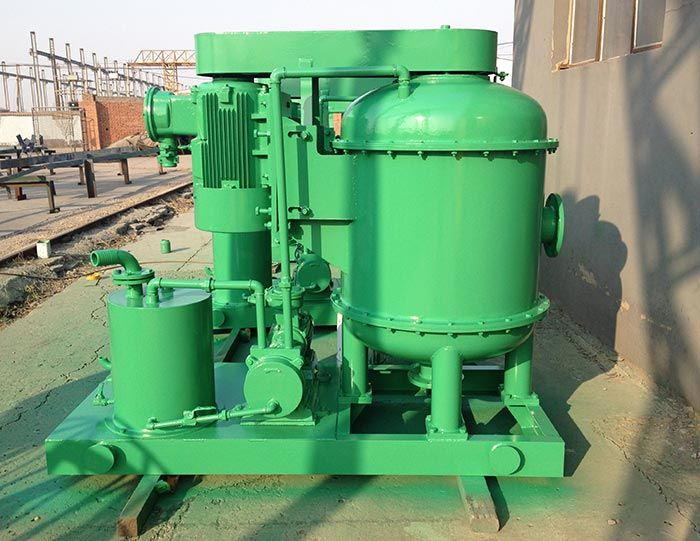
Effective Gas Removal Supports Reliable Drilling Fluid Performance
During drilling, formation gas can enter the drilling fluid as it circulates through the wellbore. Entrapped gas bubbles reduce the density of the mud and may interfere with hydrostatic pressure control. If gas-cut mud is allowed to continue circulating through the system, it can compromise drilling efficiency and increase operational risks.
Gas contamination can also affect the performance of pumps, desanders, desilters, centrifuges, and other processing equipment. In severe cases, excessive gas may cause cavitation in centrifugal pumps and reduce the effectiveness of the entire solids control process.
This is why modern drilling systems incorporate a vacuum degasser drilling solution immediately after primary solids removal equipment. By eliminating entrained gases early in the process, operators can maintain proper mud weight and improve fluid stability throughout the drilling cycle.
How a Vacuum Degasser Works?
A vacuum degasser operates by creating a negative-pressure environment inside a sealed vessel. Gas-cut drilling fluid enters the tank and is distributed across specially designed internal structures that maximize surface area exposure.
Under vacuum conditions, dissolved and entrapped gases separate rapidly from the liquid phase. The extracted gases are discharged through the vacuum system, while the treated drilling fluid returns to the circulation system with restored density and improved stability.
Compared with traditional gas separation methods, vacuum technology provides faster and more efficient gas removal. This makes the equipment particularly valuable in deep drilling projects, high-pressure formations, and wells where gas invasion is frequent.
The ability to continuously process large volumes of drilling fluid allows the mud degasser to support uninterrupted drilling operations while maintaining optimal fluid characteristics.
The Role of Vacuum Degasser in Solid Control Equipment Used in Drilling Operation
Modern drilling fluid treatment systems consist of multiple stages designed to remove different contaminants from the circulating mud. The vacuum degasser functions as an essential link between primary solids removal and secondary purification processes.
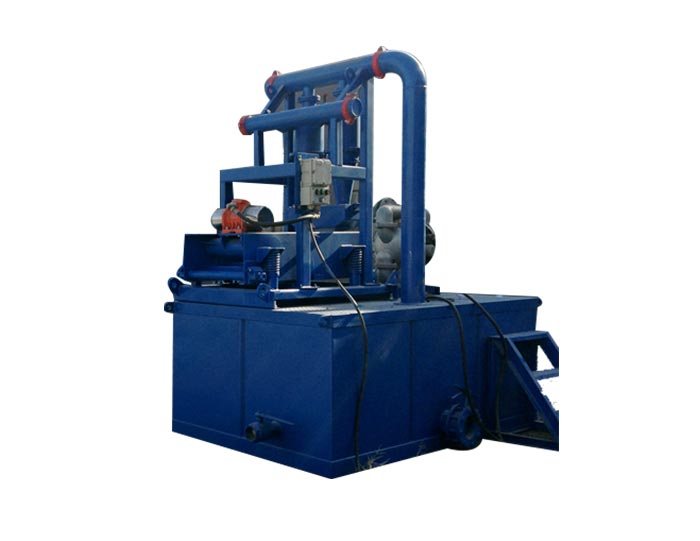
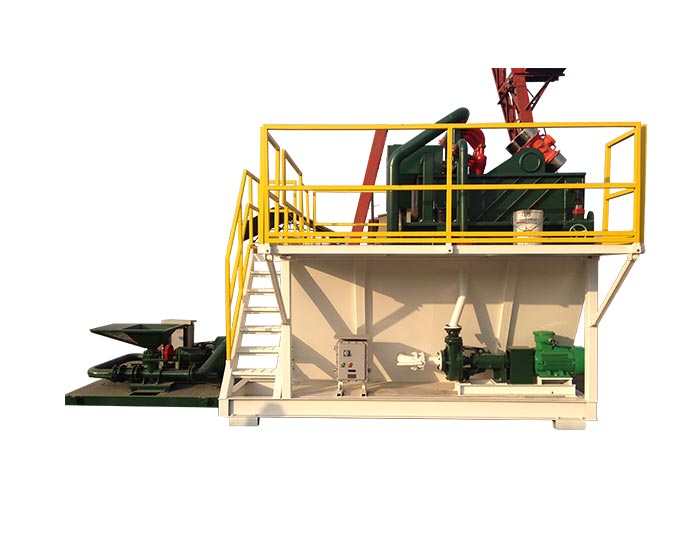
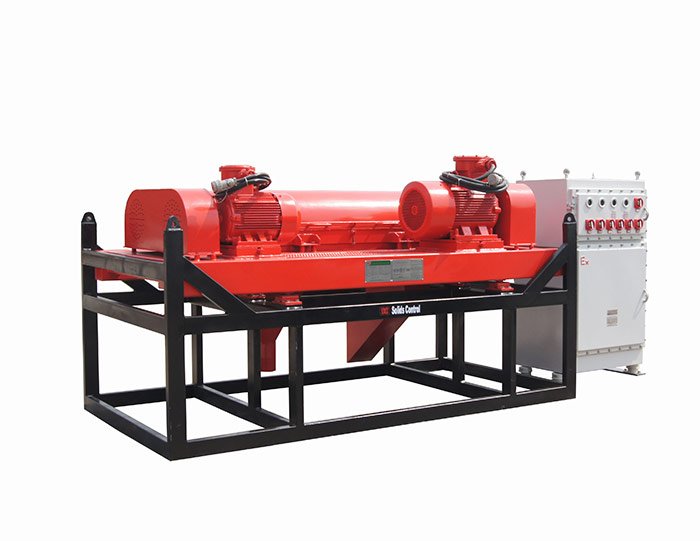
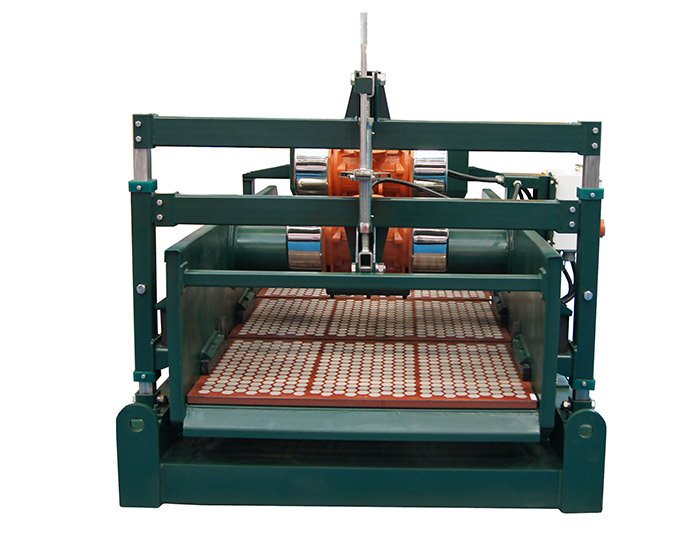
A typical solids control system may include shale shakers, vacuum degassers, desanders, desilters, mud cleaners, and centrifuges. Each piece of equipment performs a specific task, and the efficiency of the overall system depends on the performance of every stage.
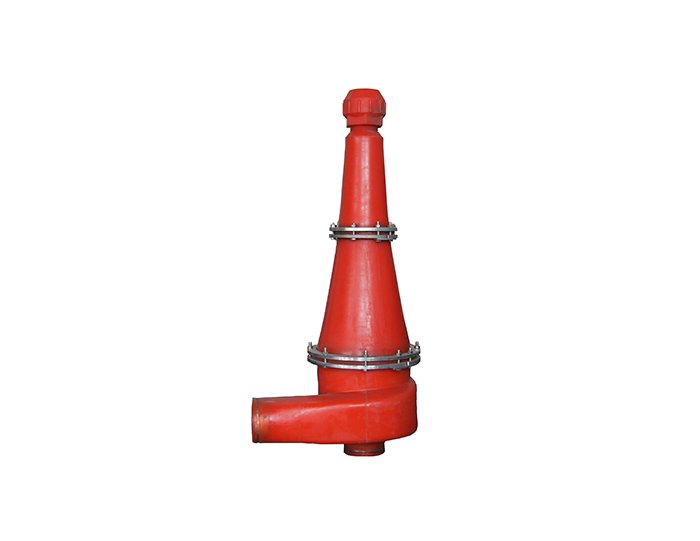
After the shale shaker removes large drill cuttings, the drilling fluid may still contain significant amounts of entrained gas. The vacuum degasser drilling process eliminates this gas before the fluid reaches hydrocyclones and centrifuges. This improves separation efficiency and reduces operational stress on downstream equipment.
By restoring mud density and preventing gas-related performance issues, the degasser helps maintain consistent treatment quality across the entire solids control system.
Applications of Vacuum Degasser in Various Drilling Projects
The use of a vacuum degasser extends across a wide range of drilling applications. In conventional oil and gas drilling, it helps manage gas-cut mud and supports stable well control. Offshore drilling operations rely on degassers to maintain fluid consistency under challenging environmental conditions.
In shale gas development, where gas-bearing formations are frequently encountered, degassing systems contribute significantly to drilling efficiency and safety. Geothermal drilling projects also benefit from gas removal technology due to the presence of naturally occurring gases in underground formations.
Horizontal directional drilling and trenchless construction projects may utilize compact degassing systems when drilling fluids encounter gas-producing zones. Regardless of the project type, effective gas separation remains a critical factor in maintaining drilling fluid performance.
Benefits of Using a Vacuum Degasser
One of the primary advantages of a vacuum degasser is its ability to restore the original density of drilling fluid. Stable mud weight helps maintain hydrostatic pressure and improves wellbore stability throughout the drilling process.
Another major benefit is the protection of downstream processing equipment. By removing gas before the mud reaches hydrocyclones, pumps, and centrifuges, operators can reduce wear, improve treatment efficiency, and minimize maintenance requirements.
The equipment also contributes to lower operating costs by improving fluid recovery and reducing the need for corrective chemical treatments. Better drilling fluid quality supports faster penetration rates, more stable circulation, and improved overall drilling performance.
For companies seeking to maximize the efficiency of their solid control equipment, investing in an effective degassing solution often delivers substantial long-term value.
Selecting the Right Vacuum Degasser for Your Project
Choosing the appropriate mud degasser depends on several operational factors, including drilling depth, mud circulation volume, expected gas content, and overall system capacity.
Buyers should evaluate processing capacity, vacuum performance, power requirements, maintenance accessibility, and compatibility with existing solids control equipment. The reliability of the manufacturer is equally important, particularly for projects requiring continuous operation under demanding field conditions.
A properly selected vacuum degasser drilling system can significantly improve fluid treatment efficiency while supporting long-term operational reliability.
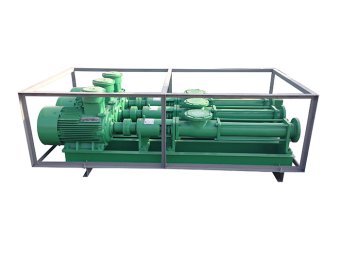
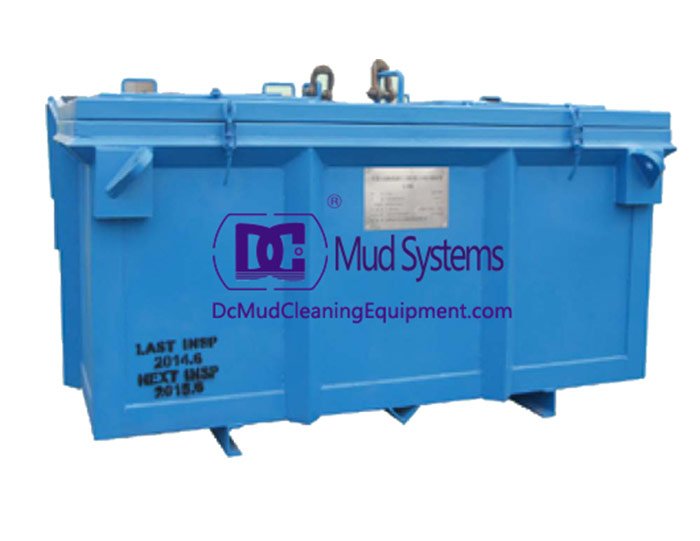
Tangshan Dachuan Machinery Co., Ltd. specializes in the production, sales, maintenance, and technical support of drilling fluid processing systems and solids control equipment. The company provides a comprehensive range of products including shale shakers, desanders, desilters, mud cleaners, mud tanks, centrifugal pumps, mud agitators, and high-performance vacuum degasser systems.
With a professional engineering team, advanced manufacturing capabilities, and extensive industry experience, Dachuan delivers reliable solutions for oil and gas drilling, geothermal projects, HDD applications, and trenchless construction operations. Every mud degasser is designed to improve drilling fluid quality, enhance equipment performance, and support efficient solids control processes.
For contractors seeking dependable solid control equipment used in drilling operation, Dachuan offers customized solutions backed by technical expertise and responsive after-sales support. Contact the Dachuan team today to learn how advanced vacuum degasser technology can improve the efficiency and reliability of your drilling fluid management system.

 Linear Motion Shale Shaker In Drilling Rig
 Oilfield Mud Cleaner
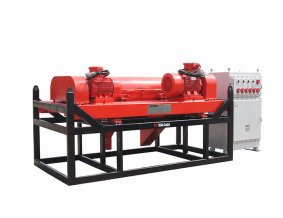 Drilling Fluid Decanter Centrifuge
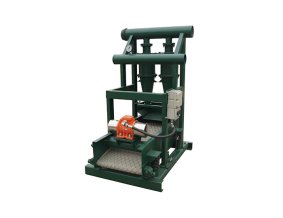 Drilling Mud Desander
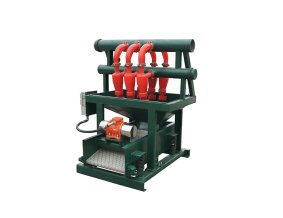 Hydrocyclone Desilter
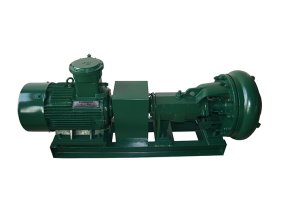 Centrifugal Pump/Centrifugal Mud Pump
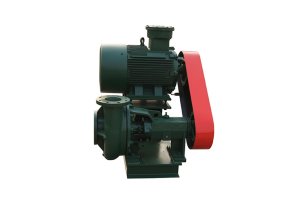 Shear Pump
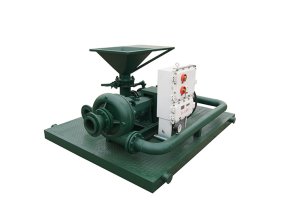 Jet Mud Mixer
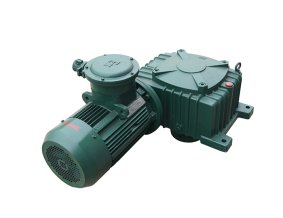 Horizontal Mud Agitator
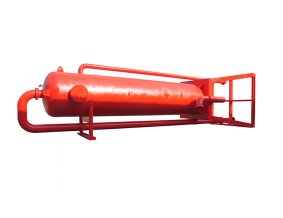 Constant Pressure Drilling Fluid Mud Gas Separator
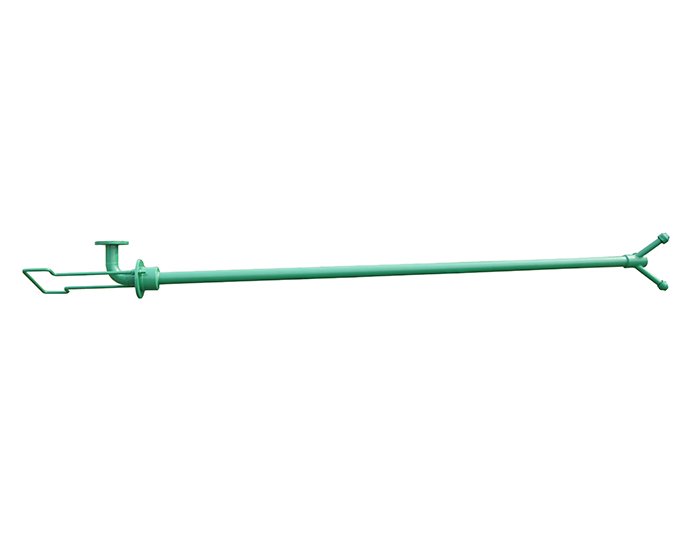 Mud Gun
 Mud Tank
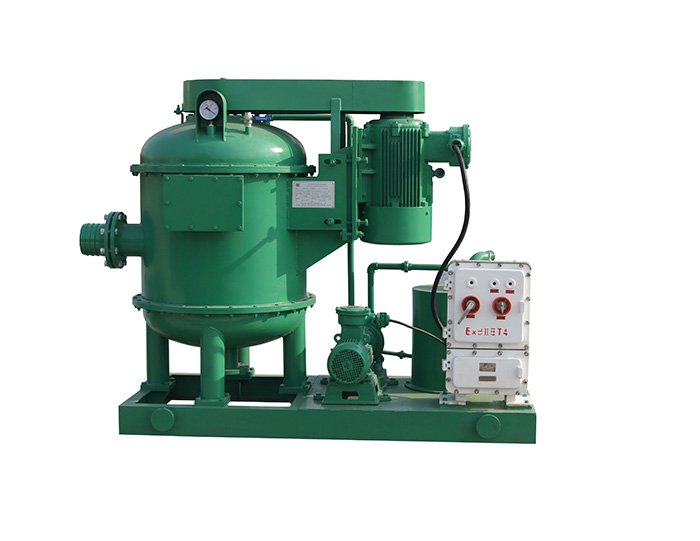 Solids Control System Vacuum Degasser
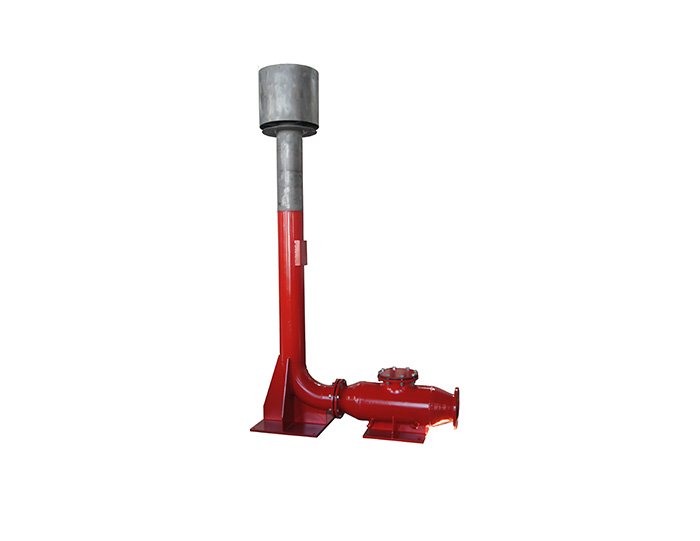 Flare Ignition Device
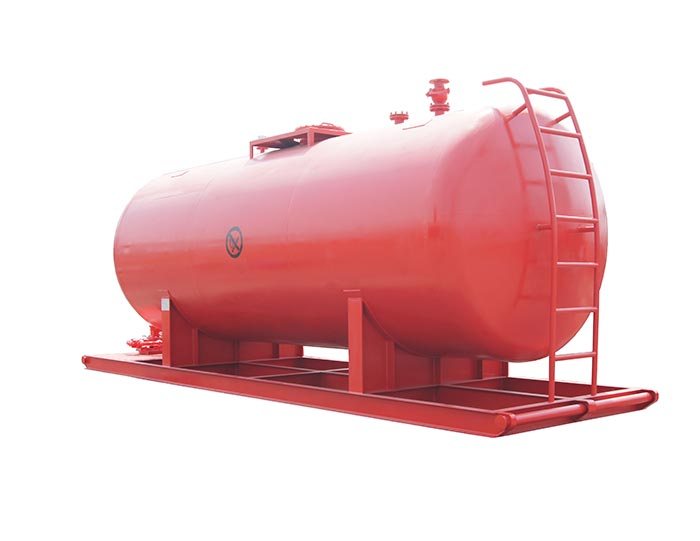 Diesel Tank
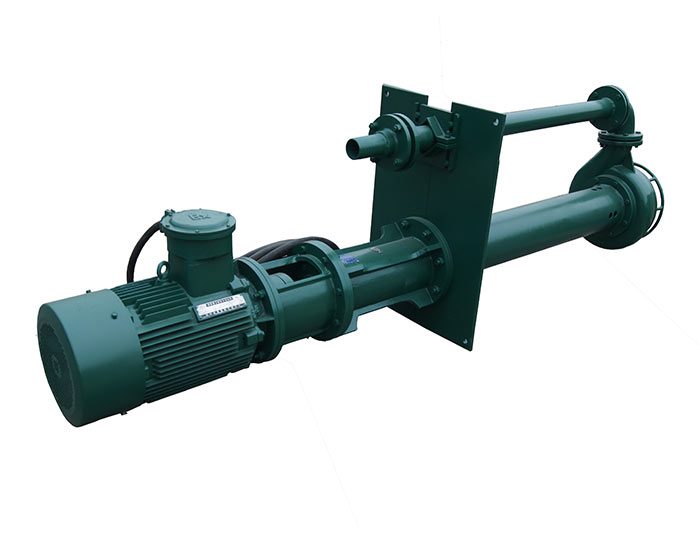 Submersible Slurry Pump