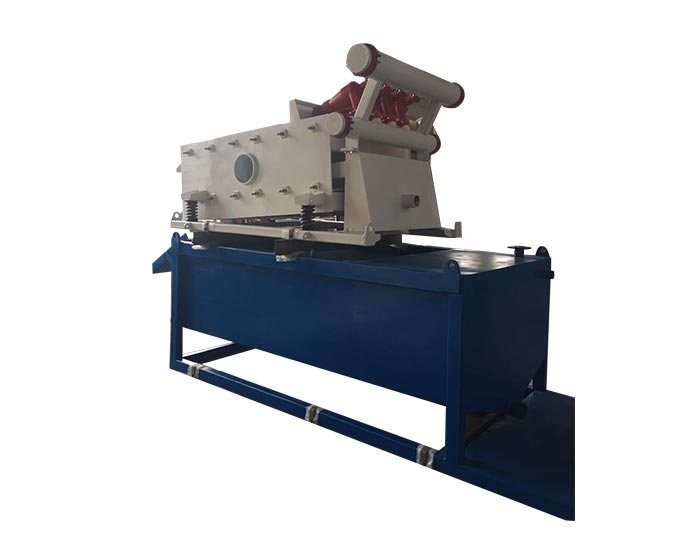
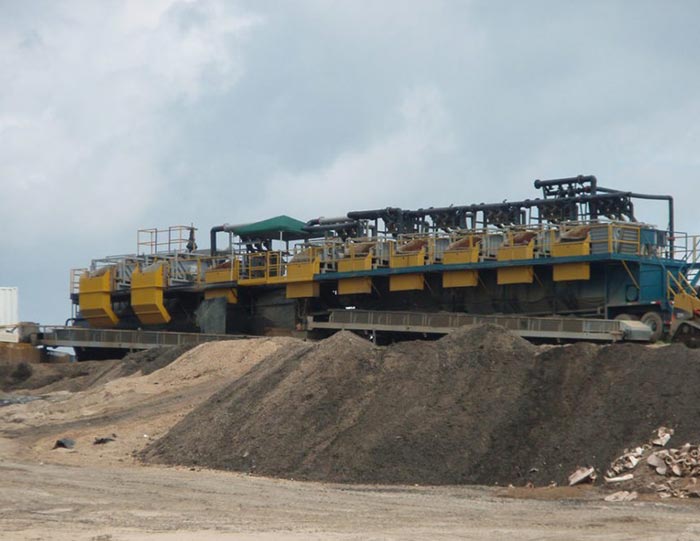
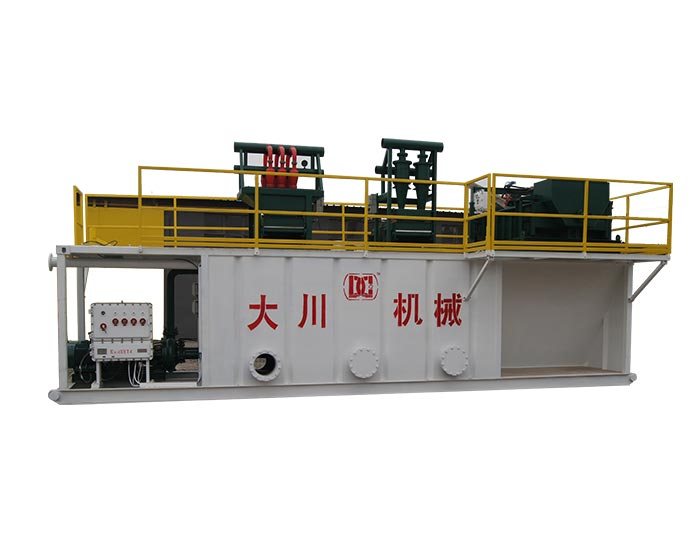
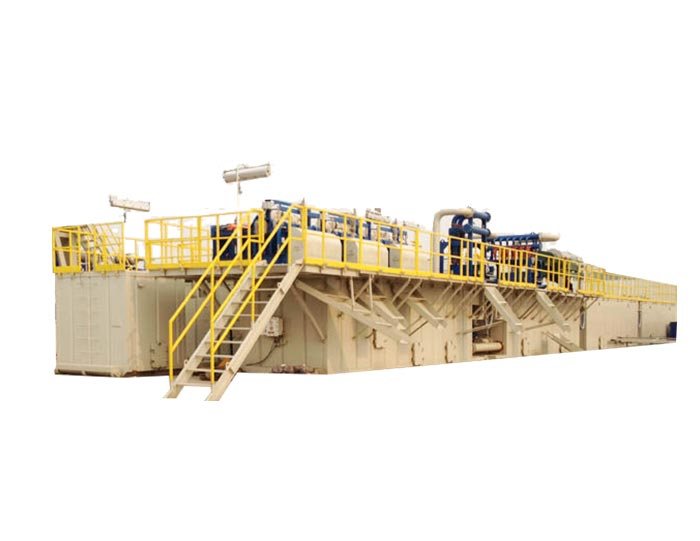
Efficient drilling fluid management is one of the most important aspects of successful oilfield operations. As drilling environments become deeper and more technically demanding, maintaining stable drilling mud performance is essential for operational safety, drilling speed, and equipment protection. One of the most effective solutions for handling gas-contaminated drilling fluids is the use of a high-performance vacuum tank degasser.
In modern drilling projects, gas intrusion into drilling mud can significantly affect fluid density, pressure balance, and circulation efficiency. A reliable vacuum degasser drilling system is designed to remove harmful gases from drilling fluids before the mud re-enters the active circulation system. This process helps stabilize drilling conditions and improves the overall efficiency of the entire fluid treatment process.
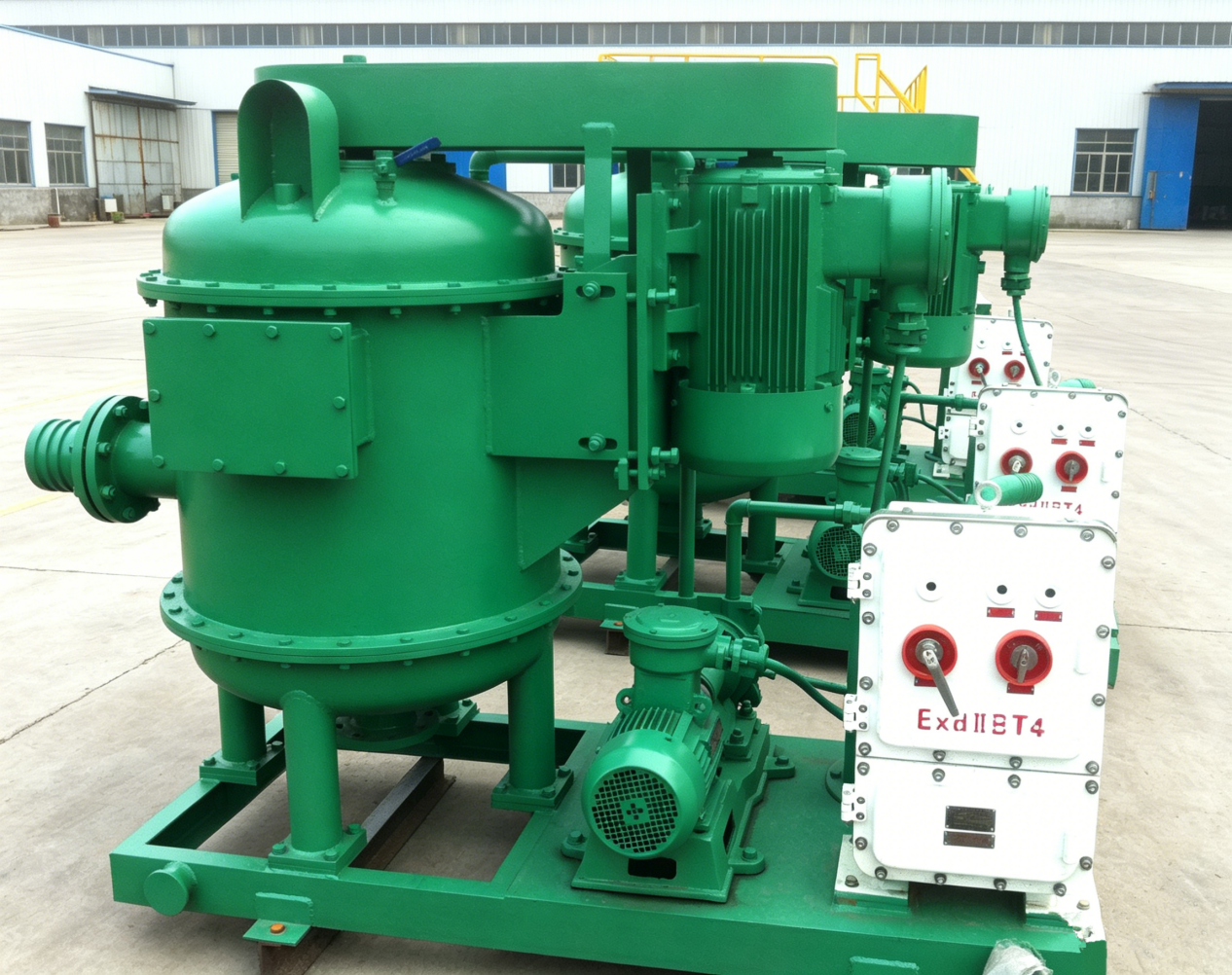
How a Vacuum Tank Degasser Improves Drilling Fluid Stability
Drilling mud plays a critical role in maintaining wellbore stability, carrying drill cuttings to the surface, and controlling formation pressure during drilling operations. However, when gas enters the drilling fluid system, the physical properties of the mud can change rapidly. Gas-cut mud often experiences reduced density, unstable viscosity, and inconsistent circulation performance.
A modern vacuum tank degasser removes dissolved and free gas from the drilling fluid by creating a negative pressure environment inside the separation chamber. Under vacuum conditions, trapped gas expands and separates from the mud, allowing clean drilling fluid to return to the circulation system.
This process restores proper mud density and helps maintain hydrostatic pressure inside the wellbore. Stable drilling fluid properties improve drilling efficiency and reduce the risk of pressure-related problems such as kicks or blowouts. In challenging drilling environments, the reliability of a high-quality vacuum degasser drilling system becomes extremely valuable for maintaining safe operations.
By continuously removing gas contamination, the drilling mud degasser also supports smoother drilling performance and minimizes fluctuations in mud treatment efficiency throughout the drilling cycle.
The Role of Drilling Mud Degasser Equipment in Solid Control Services
Modern solid control services focus on maintaining drilling fluid quality through efficient solids removal, fluid recycling, and contamination management. While shale shakers, desanders, and centrifuges remove drilled solids from the mud system, the vacuum tank degasser specifically targets gas contamination that can negatively affect drilling performance.
Gas-cut mud can interfere with the operation of downstream solids control equipment. Excessive gas content may reduce hydrocyclone efficiency, disrupt centrifuge separation performance, and create unstable fluid flow conditions. Without proper degassing, the overall effectiveness of the entire solids control process may decline.
An advanced drilling mud degasser helps stabilize the drilling fluid before it reaches other treatment equipment. This improves the operating condition of the complete solids control oilfield system and allows all fluid processing equipment to perform more efficiently.
In many drilling operations, integrated solid control services rely heavily on efficient degassing technology to maintain fluid consistency and maximize mud recovery performance. Better fluid management leads to lower operational costs and improved drilling productivity.
Vacuum Degasser Drilling Technology Enhances Well Safety
Well control is one of the most critical concerns in oil and gas drilling operations. Gas intrusion into drilling fluids can create dangerous pressure imbalances that increase operational risks. If gas-cut mud is not treated properly, it may reduce hydrostatic pressure and compromise well control stability.
A dependable vacuum tank degasser helps reduce these risks by removing harmful gas before the fluid re-enters the active mud system. By maintaining consistent mud density, the system supports stable wellbore pressure and reduces the possibility of dangerous pressure fluctuations.
Modern vacuum degasser drilling technology is especially important in high-pressure and deep drilling environments where gas invasion risks are more severe. In these demanding applications, rapid and continuous gas removal becomes essential for protecting personnel, drilling equipment, and the well itself.
Advanced drilling mud degasser systems are also designed with reliable vacuum pumps, durable sealing systems, and automated pressure controls that improve operational safety and equipment stability during long drilling campaigns.
Improved Solids Control Oilfield Performance Through Efficient Degassing
The efficiency of any solids control oilfield system depends on the stability and condition of the drilling fluid. Gas contamination often creates irregular fluid flow, unstable pressure conditions, and reduced solids separation performance.
By incorporating a modern vacuum tank degasser into the drilling fluid circulation system, operators can improve overall solids control efficiency. Degassed drilling fluid flows more consistently through shale shakers, hydrocyclones, and centrifuges, allowing these systems to separate drilled solids more effectively.
Improved solids removal contributes to cleaner drilling fluid, lower dilution requirements, and reduced waste generation. Efficient fluid recycling also lowers the overall consumption of drilling additives and helps reduce operational expenses.
In addition, stable drilling mud conditions reduce wear on pumps, pipelines, and other fluid handling equipment. This extends equipment lifespan and decreases maintenance requirements, which is particularly important for long-term drilling projects.
For drilling contractors seeking higher operational efficiency, reliable vacuum degasser drilling equipment is an important part of comprehensive solid control services.
Environmental Advantages of Vacuum Tank Degasser Systems
Environmental responsibility has become a major priority in the oil and gas industry. Drilling companies are under increasing pressure to minimize waste generation, reduce environmental impact, and improve resource utilization during drilling operations.
A high-efficiency vacuum tank degasser supports these goals by improving drilling fluid recycling performance and reducing unnecessary mud disposal. Cleaner and more stable drilling fluids can be reused more effectively throughout the drilling process, reducing waste and lowering material consumption.
Modern drilling mud degasser systems are also designed with energy-efficient vacuum technology that helps lower overall power consumption. Many systems use optimized separation chamber designs that maximize degassing performance while minimizing operational energy requirements.
Efficient solid control services supported by advanced degassing technology also reduce the risk of drilling fluid spills and contamination incidents. Better fluid management improves environmental protection while supporting compliance with industry regulations.
As sustainability becomes more important across the global energy sector, advanced solids control oilfield equipment will continue to play a significant role in environmentally responsible drilling operations.
Automation and Smart Control in Modern Vacuum Degasser Drilling Systems
The latest generation of vacuum tank degasser equipment incorporates intelligent automation and real-time monitoring technologies that improve operational reliability and efficiency.
Modern control systems allow operators to monitor vacuum pressure, fluid flow rates, and gas separation performance continuously. Automated adjustments help maintain stable operating conditions and improve degassing consistency under changing drilling environments.
Some advanced vacuum degasser drilling systems also include remote monitoring capabilities that allow operators to track equipment performance from centralized drilling control rooms. This improves operational visibility and supports faster troubleshooting when maintenance is required.
Intelligent safety features such as pressure protection systems, overload sensors, and automatic shutdown controls further enhance equipment reliability. These technologies reduce downtime and help protect the drilling mud degasser from mechanical damage caused by unstable operating conditions.
Automation also supports more efficient solid control services by integrating degassing operations with the broader drilling fluid management system.

 Linear Motion Shale Shaker In Drilling Rig
  Oilfield Mud Cleaner
 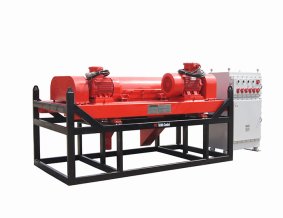 Drilling Fluid Decanter Centrifuge
 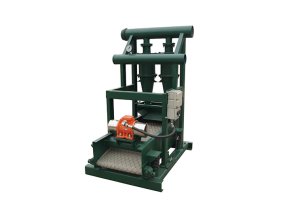 Drilling Mud Desander
 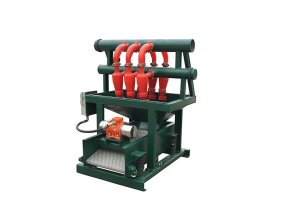 Hydrocyclone Desilter
 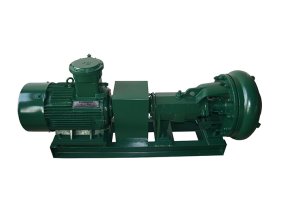 Centrifugal Pump/Centrifugal Mud Pump
 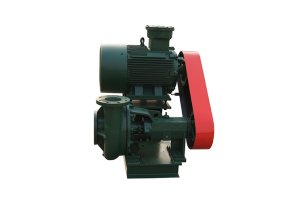 Shear Pump
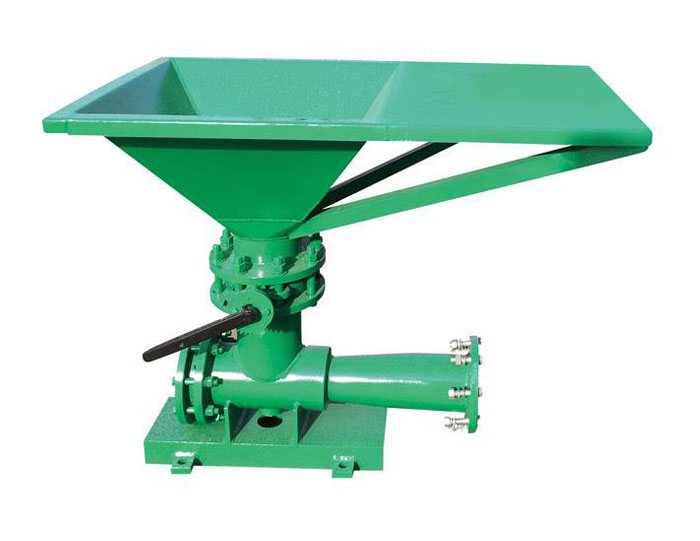
 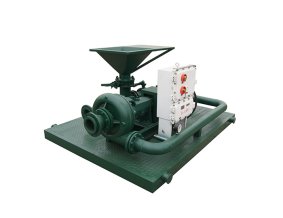 Jet Mud Mixer
 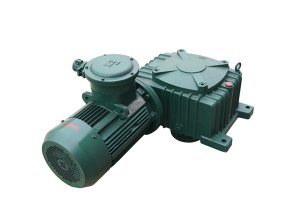 Horizontal Mud Agitator
 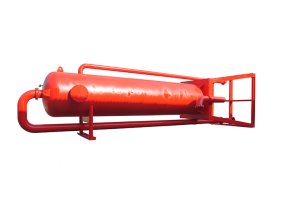 Constant Pressure Drilling Fluid Mud Gas Separator
 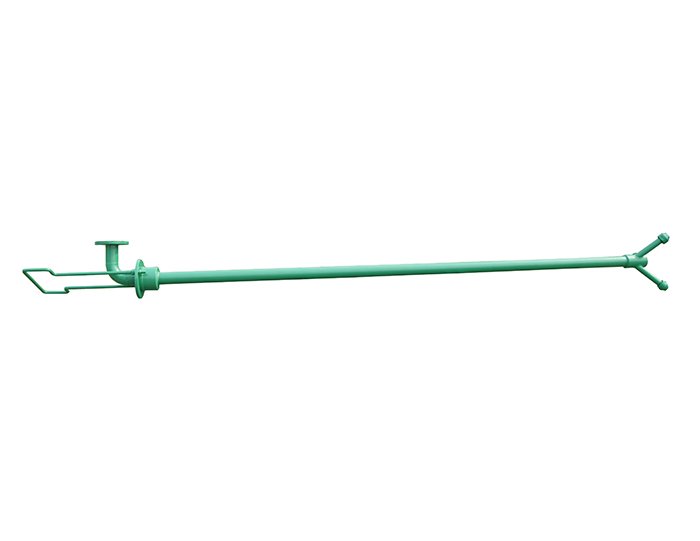 Mud Gun
  Mud Tank
 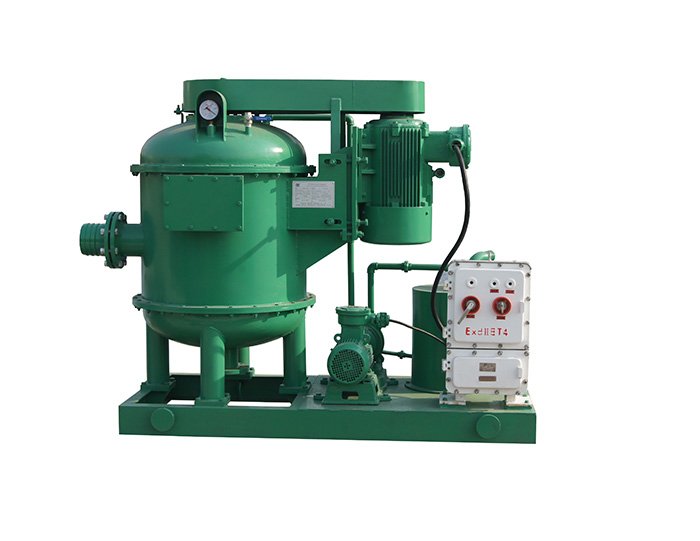 Solids Control System Vacuum Degasser
 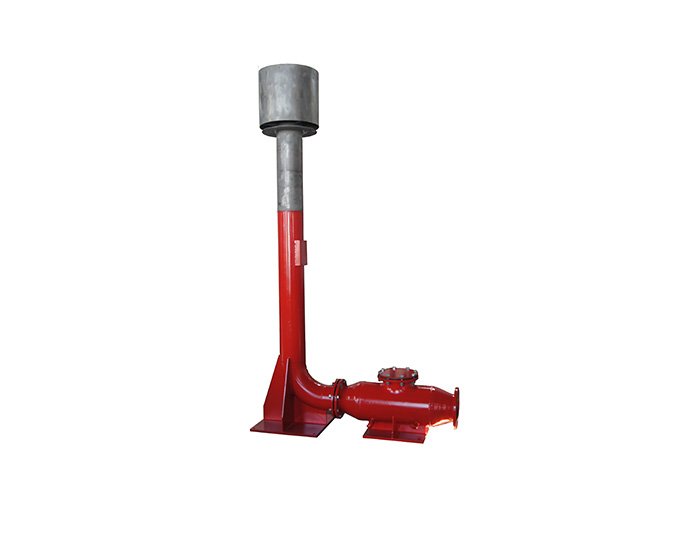 Flare Ignition Device
 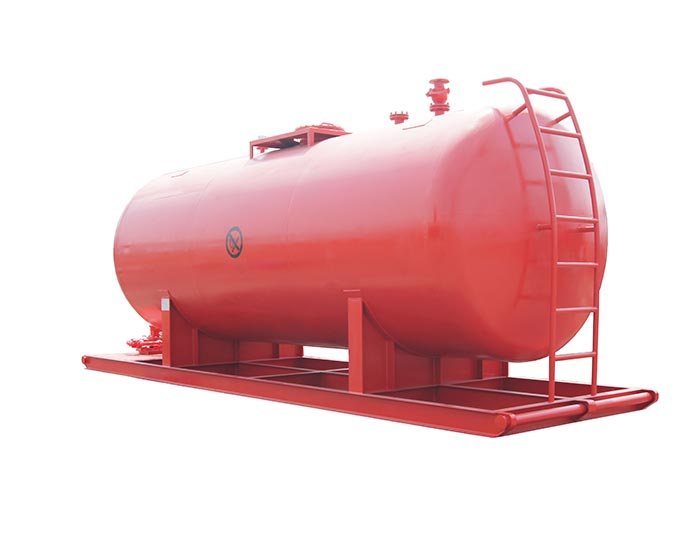 Diesel Tank
 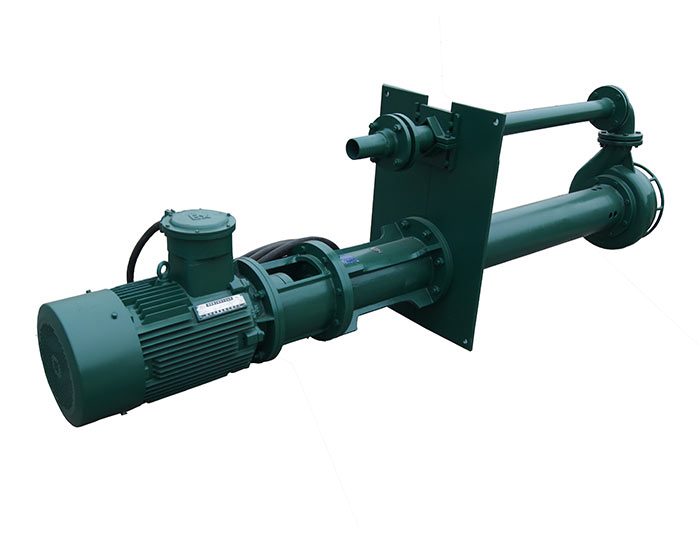 Submersible Slurry Pump