The modern oil and gas industry operates in an environment where efficiency, cost control, and environmental compliance are more important than ever before. As drilling projects become deeper, more technically demanding, and increasingly expensive, operators are searching for equipment that can improve drilling performance while reducing waste and operational downtime. One of the most important developments in modern drilling fluid processing technology is the application of the double deck shale shaker.
Traditional shale shakers have long been used as the first stage of solids separation in drilling operations. However, conventional single-deck systems can struggle to handle large fluid volumes and varying particle sizes in complex drilling environments. The introduction of double deck technology has significantly improved separation efficiency, fluid recovery, and overall drilling performance.
Today, many drilling contractors prefer double deck systems because they provide higher processing capacity and better adaptability to changing drilling conditions. Their role within the overall solids control system has become increasingly important, especially in high-volume drilling operations such as shale gas development, offshore drilling, and horizontal well construction.
How the Double Deck Shale Shaker Improves Solids Separation Efficiency
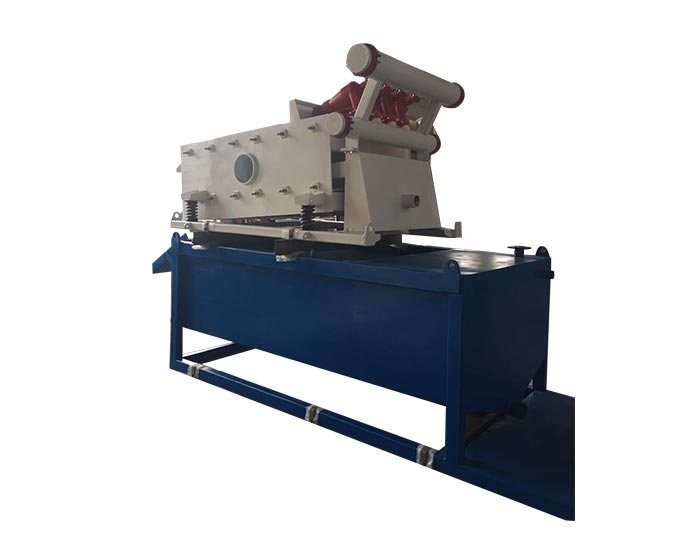
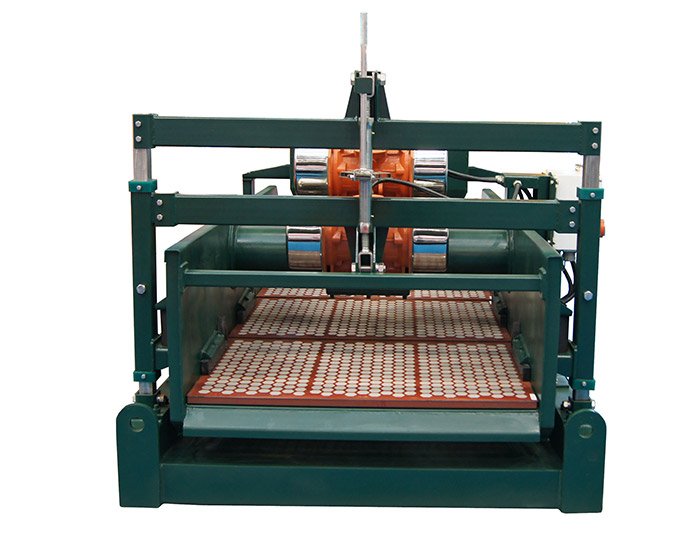
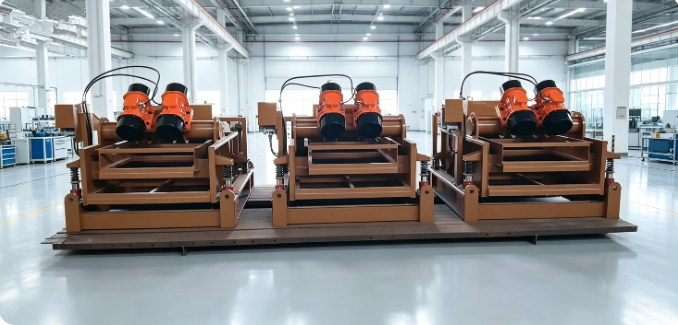
The primary advantage of a double deck shale shaker lies in its ability to process drilling fluids through two separate screening layers simultaneously. Unlike traditional single-layer systems, the double deck design allows operators to separate larger and finer particles more effectively while maintaining high fluid throughput.
During drilling operations, large quantities of rock cuttings, sand, and debris are continuously generated. If these solids remain in the drilling fluid circulation system, they can negatively affect drilling efficiency, increase equipment wear, and raise operational costs. Efficient solids removal is therefore essential for maintaining drilling stability.
The upper deck of a double deck shaker is typically designed to remove larger particles, while the lower deck handles finer solids separation. This staged screening process reduces the burden placed on individual screens and improves the overall performance of the equipment.
By distributing the solids load across two screening levels, the equipment achieves better fluid handling capacity and minimizes the risk of screen blockage. This allows drilling operators to maintain stable drilling fluid properties even during demanding drilling conditions with high solids content.
The enhanced separation capability of double deck systems also contributes to better drilling fluid recovery. Since drilling fluids represent a significant operational expense, maximizing fluid reuse helps reduce overall drilling costs and improves project profitability.
Why Drilling Mud Shale Shaker Technology Is Critical in Modern Drilling
A high-performance drilling mud shale shaker serves as the foundation of the entire drilling fluid management process. Drilling mud performs multiple functions, including lubricating the drill bit, stabilizing the wellbore, controlling formation pressure, and transporting cuttings to the surface.
However, drilling mud can only perform effectively when its physical properties remain properly balanced. Excessive solids contamination changes mud density and viscosity, reducing drilling efficiency and increasing the likelihood of operational complications.
Modern drilling projects often involve extended horizontal wells and complex geological formations that generate larger volumes of cuttings than traditional vertical wells. Under these conditions, standard shale shakers may struggle to process the increased fluid flow and solids concentration efficiently.
The double deck shale shaker addresses these challenges by providing increased processing capacity without requiring significantly larger equipment footprints. This is particularly important for offshore drilling platforms and space-limited drilling sites where equipment layout efficiency is critical.
In addition, improved solids separation helps extend the life of downstream equipment such as desanders, desilters, and centrifuges. When large solids are removed effectively at the first stage, the entire solids control process operates more efficiently and experiences lower maintenance demands.
The growing complexity of drilling operations has therefore made advanced drilling mud shale shaker technology an essential investment for companies seeking reliable performance and reduced operational risks.
The Importance of High-Quality Shale Shaker Components for Equipment Reliability
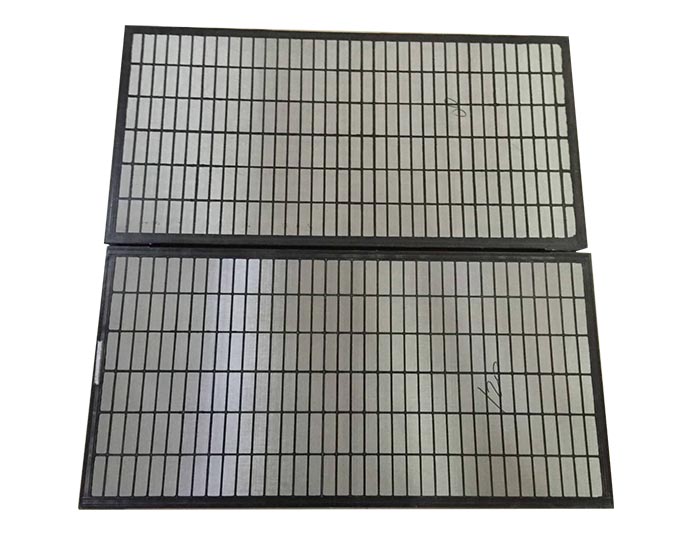
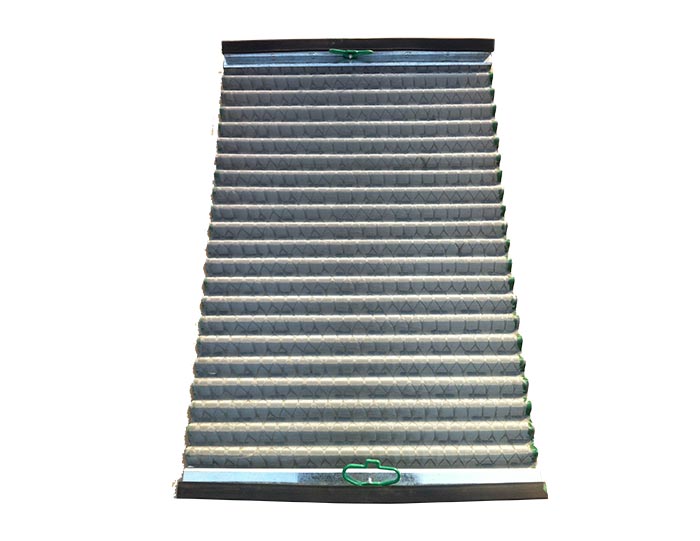
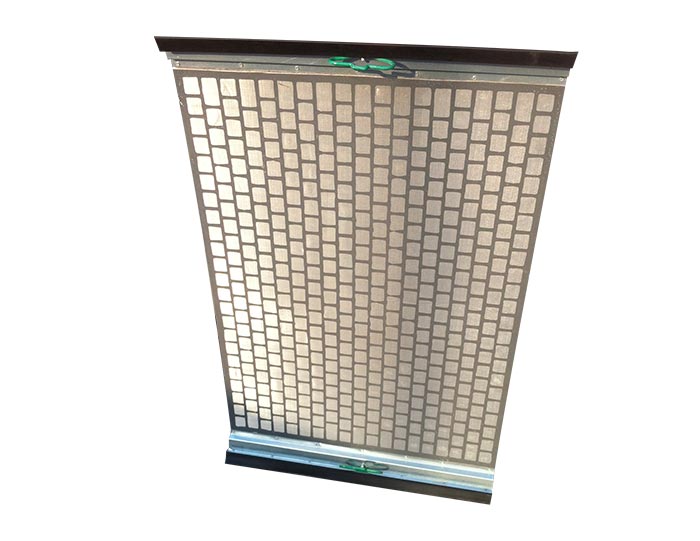
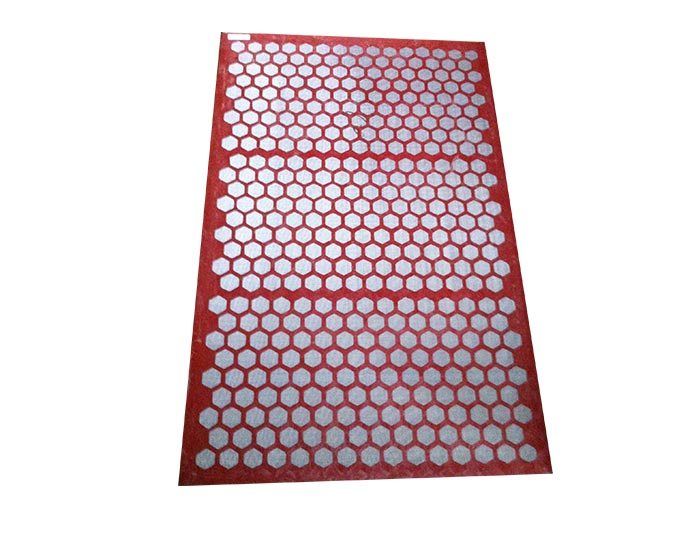
The long-term performance of a shale shaker depends heavily on the quality of its shale shaker components. Even the most advanced shaker design cannot operate effectively if critical components fail under harsh drilling conditions.
Modern drilling environments expose equipment to continuous vibration, abrasive cuttings, corrosive drilling fluids, and heavy operational loads. Under these demanding conditions, component durability becomes a major factor influencing equipment reliability and maintenance costs.
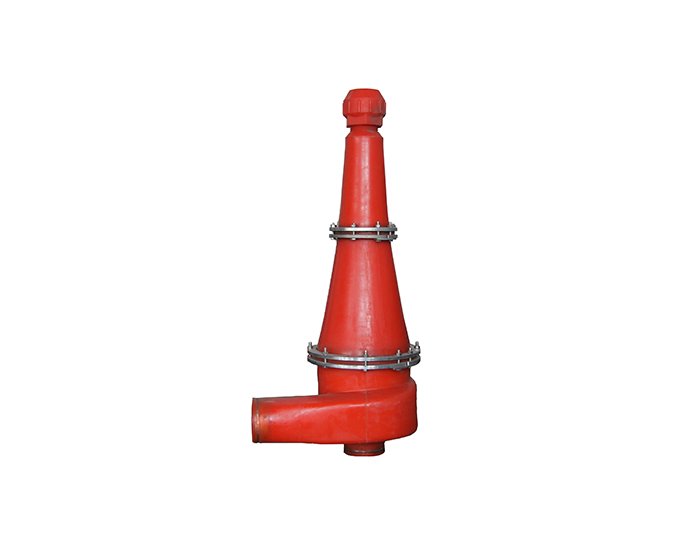
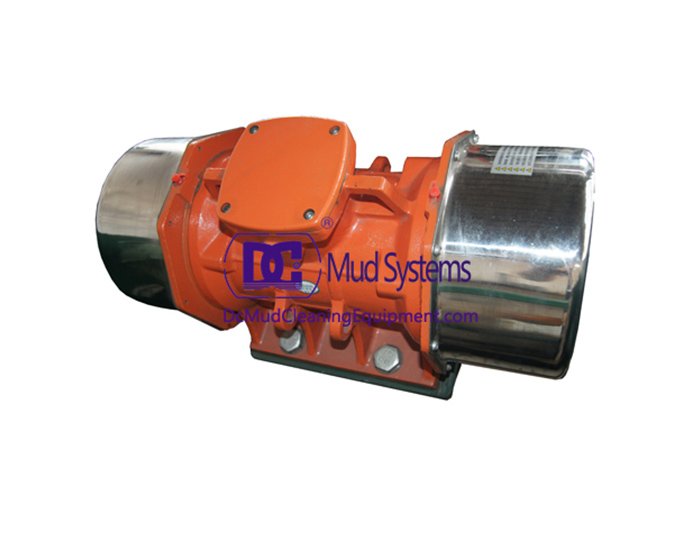
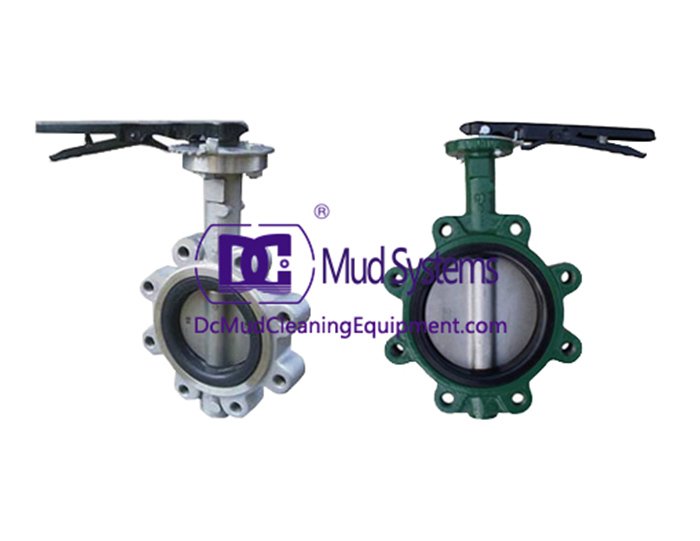
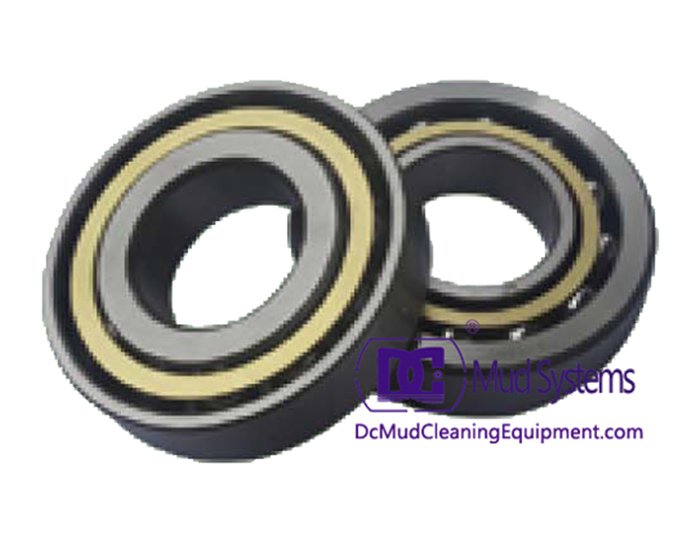
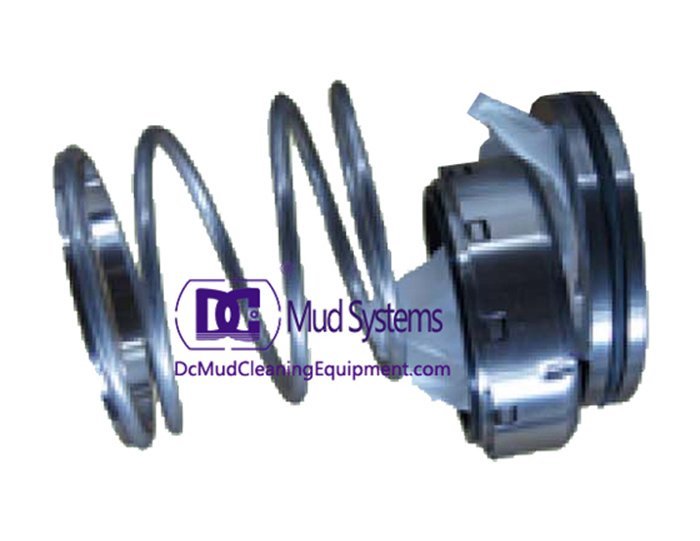
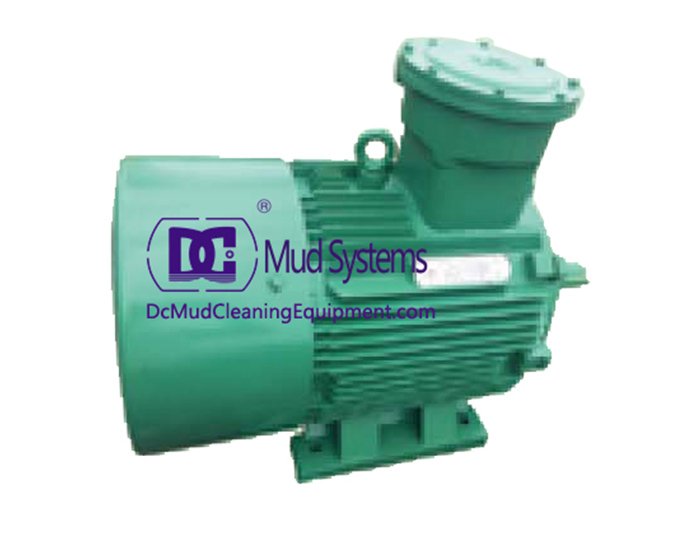
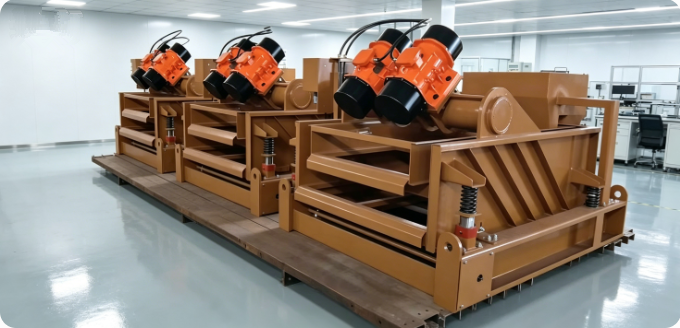
Key shaker components include vibration motors, screen frames, screen meshes, sealing systems, suspension mechanisms, and fluid distribution systems. Each part must function precisely to ensure stable screening performance and efficient solids separation.
In a double deck shale shaker, component quality becomes even more important because the equipment handles larger processing volumes and more complex separation tasks. Poorly manufactured components can lead to uneven vibration, screen damage, excessive wear, and reduced separation efficiency.
Advanced manufacturers now use precision engineering and high-strength materials to improve component lifespan and operational stability. Improved vibration systems help distribute energy evenly across both decks, enhancing solids transport and reducing screen fatigue.
High-quality screen technology also plays a major role in performance optimization. Durable mesh materials and advanced bonding techniques improve screen conductance while resisting wear caused by abrasive drilling cuttings.
As drilling contractors increasingly focus on reducing downtime, reliable shale shaker components have become a strategic factor in maintaining continuous drilling operations and controlling maintenance expenses.
How Drilling Solids Control Enhances Operational Efficiency
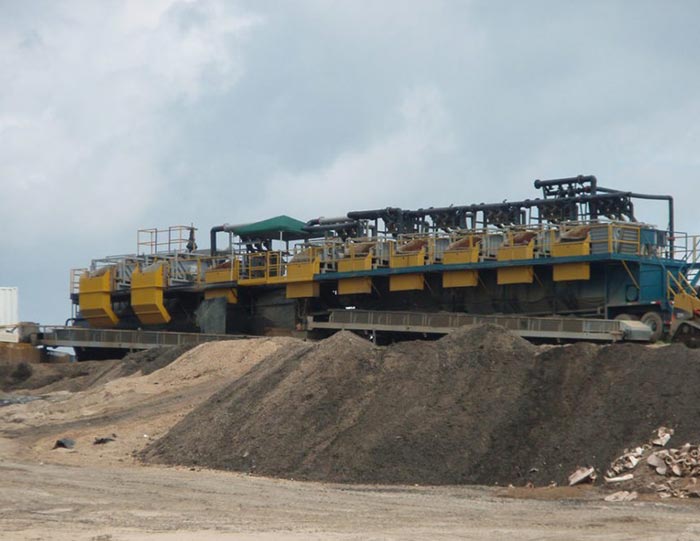
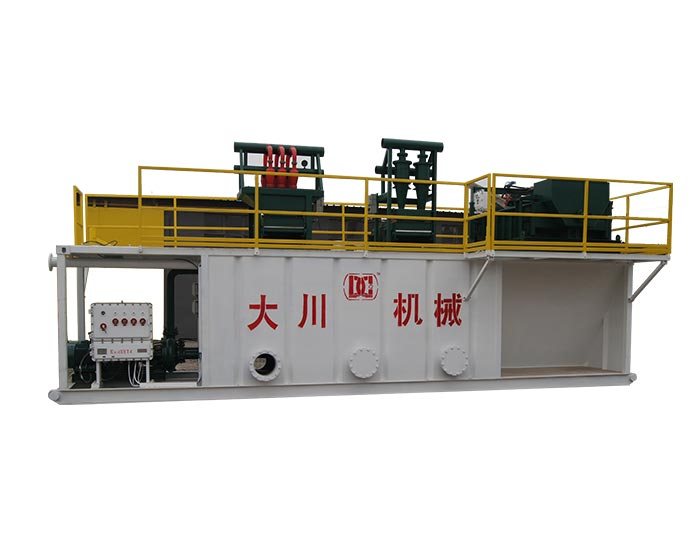
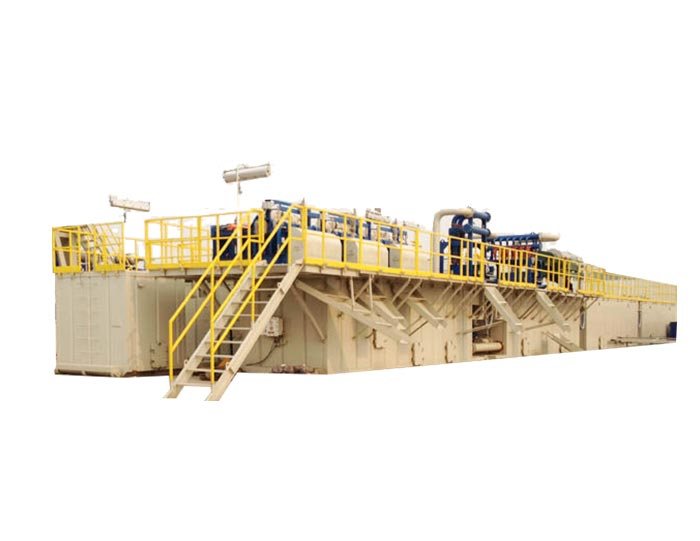
Effective drilling solids control is essential for maintaining safe and productive drilling operations. Solids control systems are responsible for removing unwanted particles from drilling fluids while preserving the fluid properties necessary for efficient drilling performance.
Without proper solids control, drilling fluids become overloaded with fine particles that increase viscosity and reduce lubrication efficiency. This can result in slower penetration rates, increased pump pressure, higher energy consumption, and accelerated equipment wear.
The double deck shale shaker improves drilling solids control by increasing screening precision and processing capacity. Better separation performance helps maintain cleaner drilling fluids and supports more stable drilling conditions throughout the operation.
Efficient solids control also contributes to lower waste disposal costs. By recovering more usable drilling fluid and reducing the volume of contaminated waste, operators can significantly reduce environmental management expenses.
Environmental regulations within the oil and gas industry are becoming stricter worldwide. Drilling companies are under increasing pressure to minimize waste generation and reduce the environmental impact of drilling activities. Advanced solids control technology helps companies meet these requirements while improving operational efficiency.
In high-performance drilling operations, maintaining consistent drilling fluid quality is critical for avoiding complications such as stuck pipe incidents, wellbore instability, and excessive torque. Reliable solids control systems help prevent these problems and support smoother drilling progress.
The role of efficient drilling solids control is especially important in unconventional drilling projects where fluid systems are exposed to extended drilling durations and highly variable formation conditions.

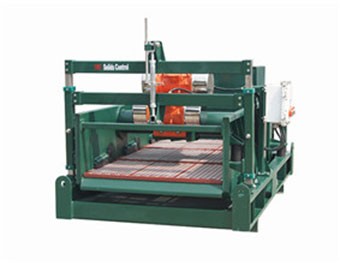 Linear Motion Shale Shaker In Drilling Rig
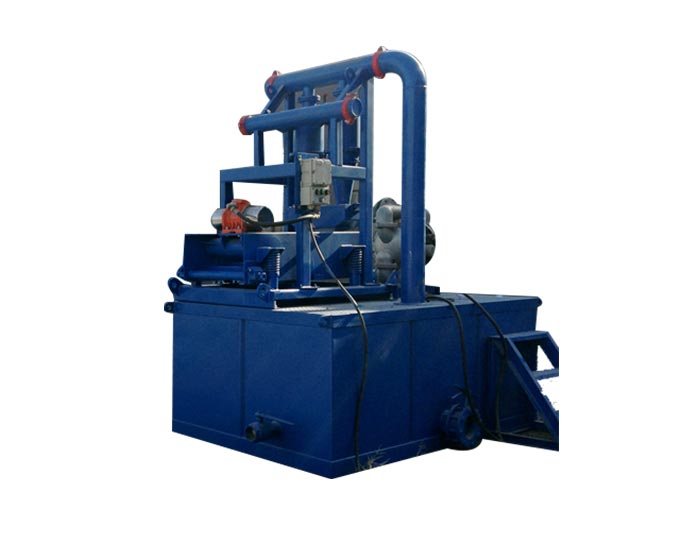
 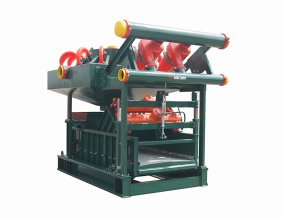 Oilfield Mud Cleaner
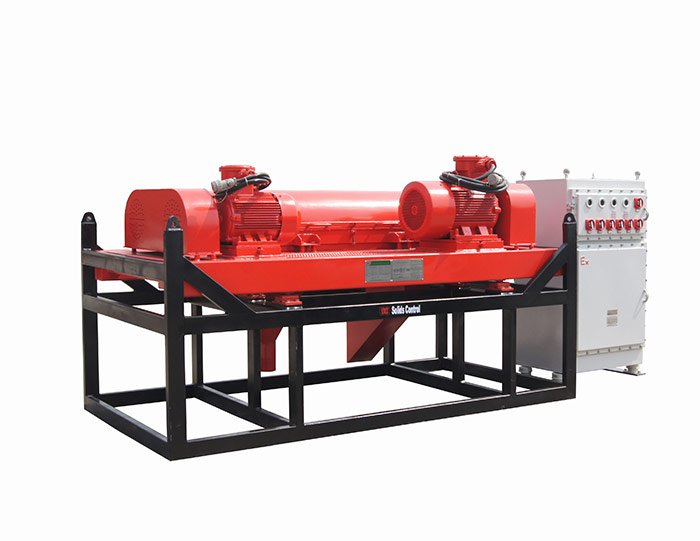
 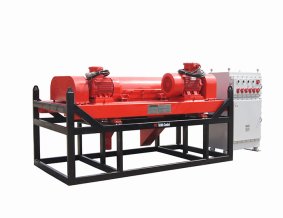 Drilling Fluid Decanter Centrifuge
 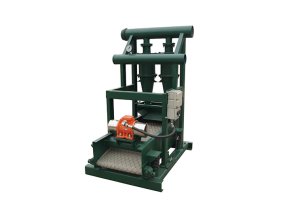 Drilling Mud Desander
 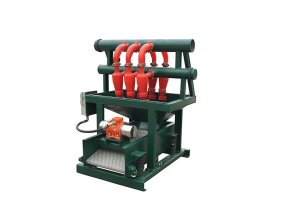 Hydrocyclone Desilter
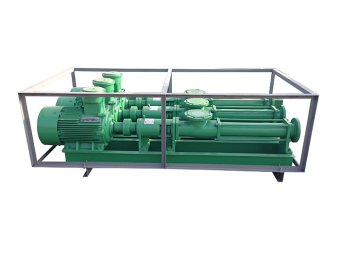
 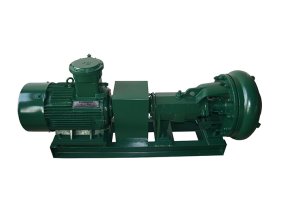 Centrifugal Pump/Centrifugal Mud Pump
 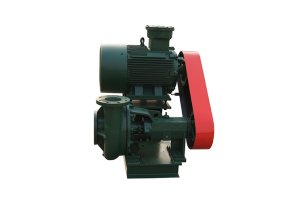 Shear Pump
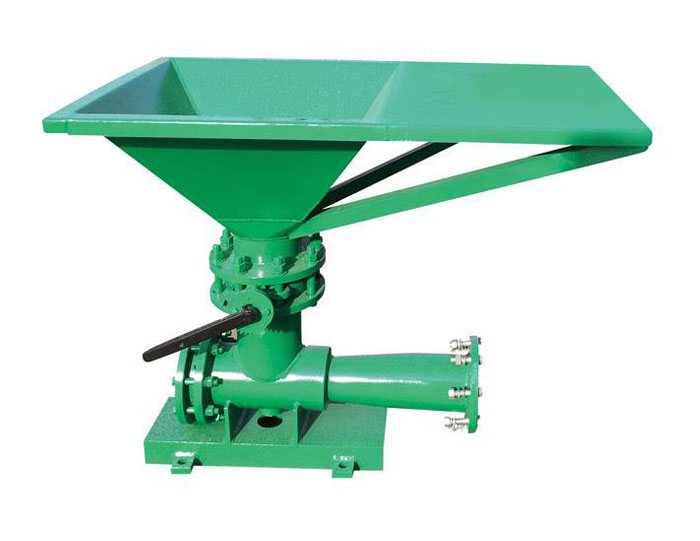
 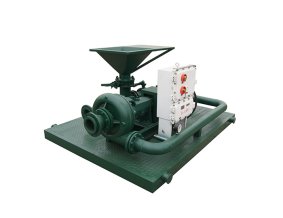 Jet Mud Mixer
 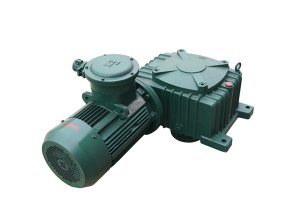 Horizontal Mud Agitator
 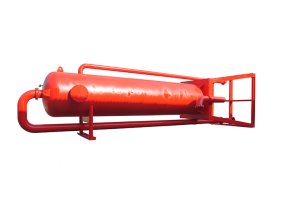 Constant Pressure Drilling Fluid Mud Gas Separator
 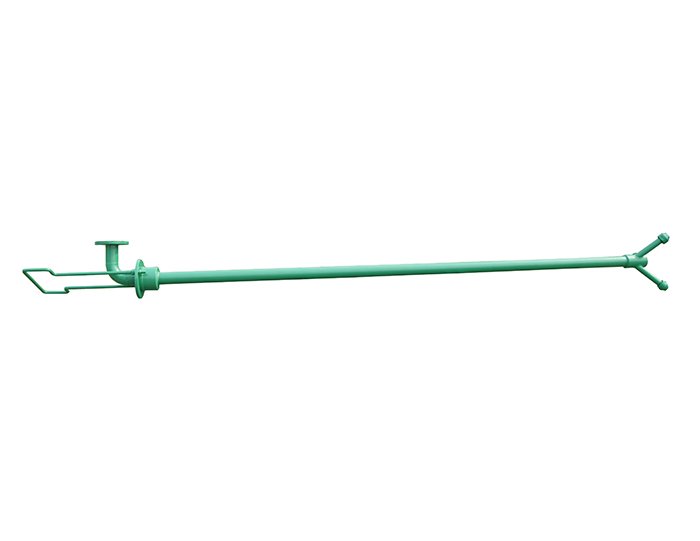 Mud Gun
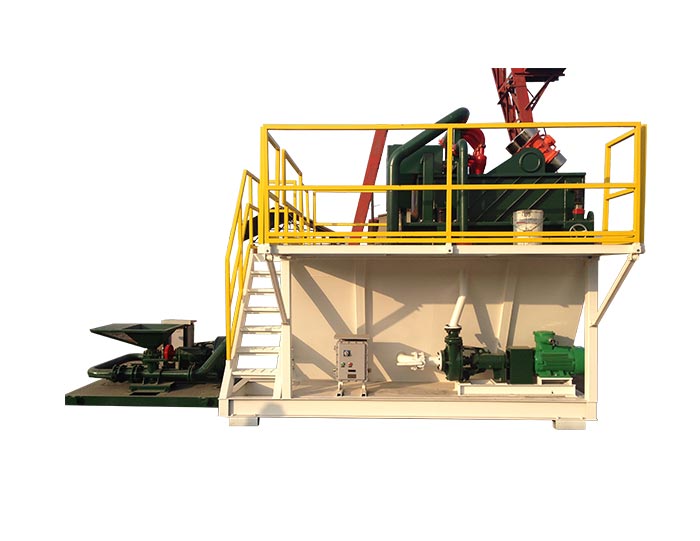
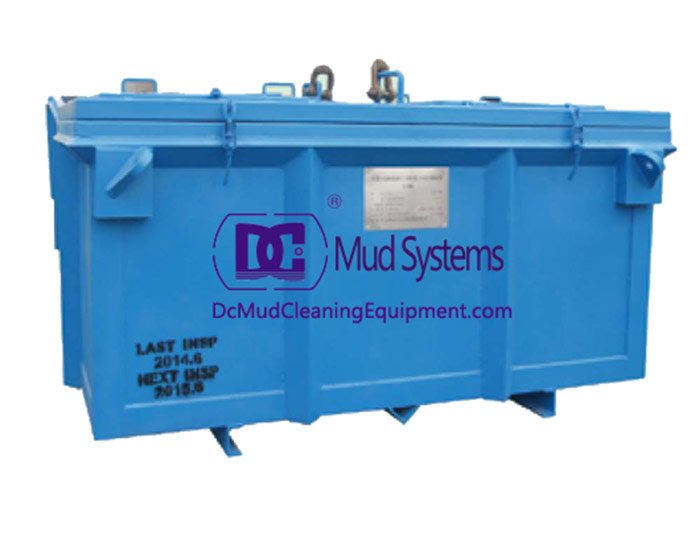
  Mud Tank
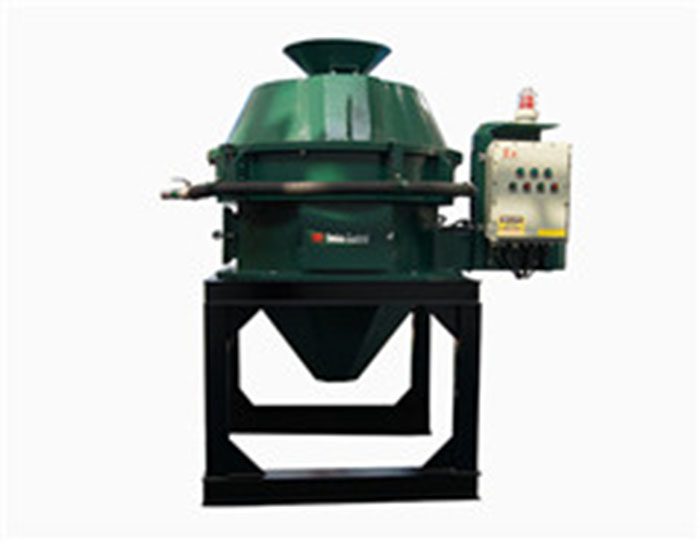
 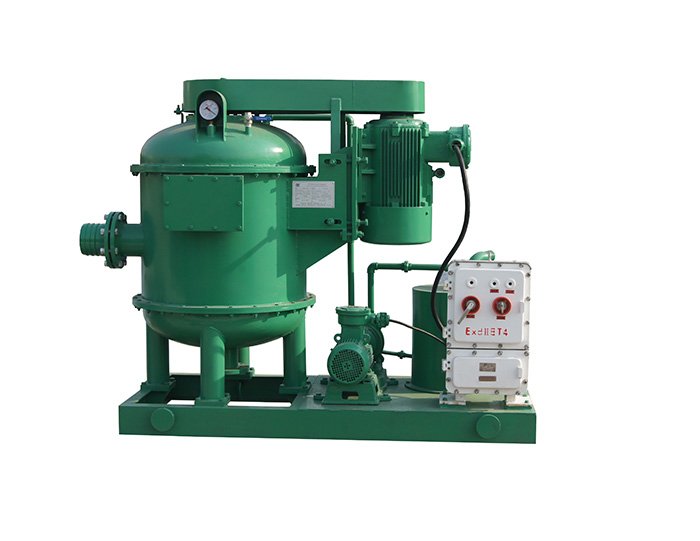 Solids Control System Vacuum Degasser
 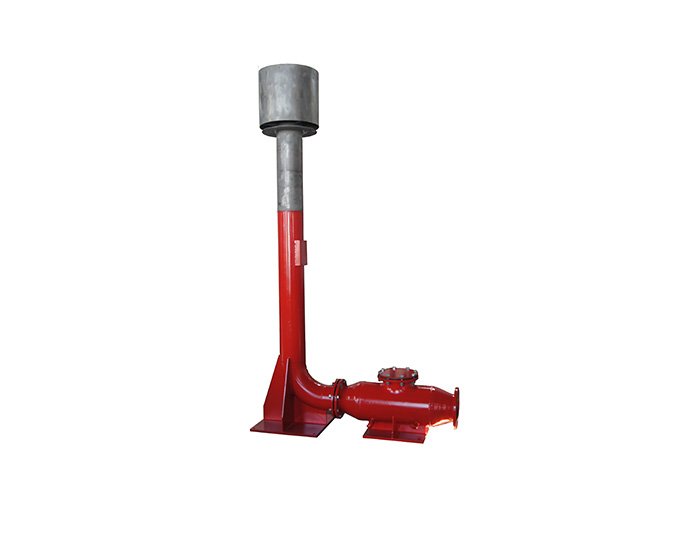 Flare Ignition Device
 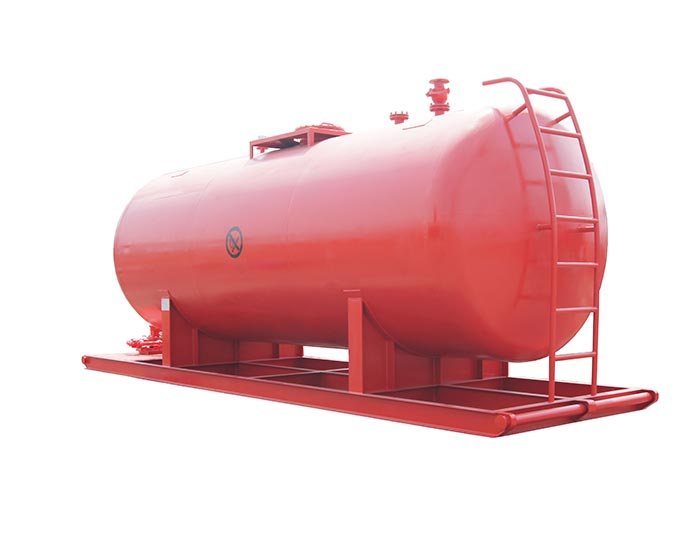 Diesel Tank
 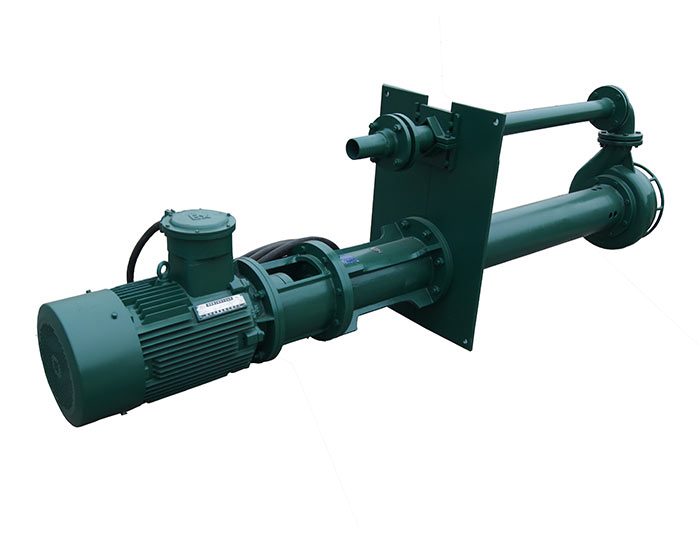 Submersible Slurry Pump