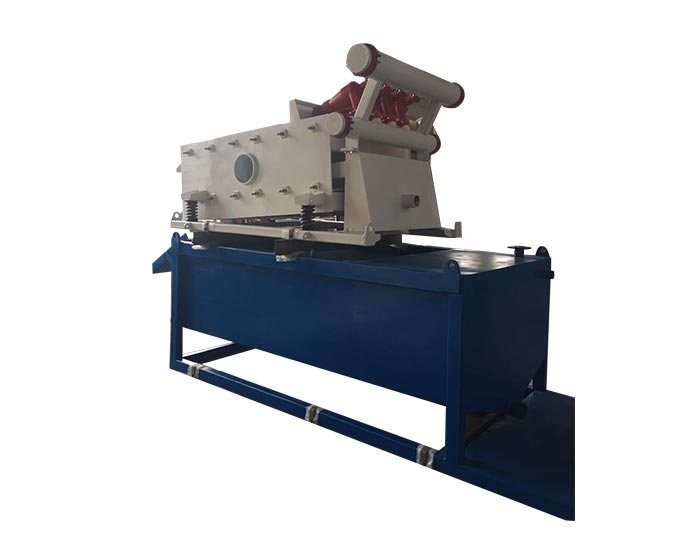
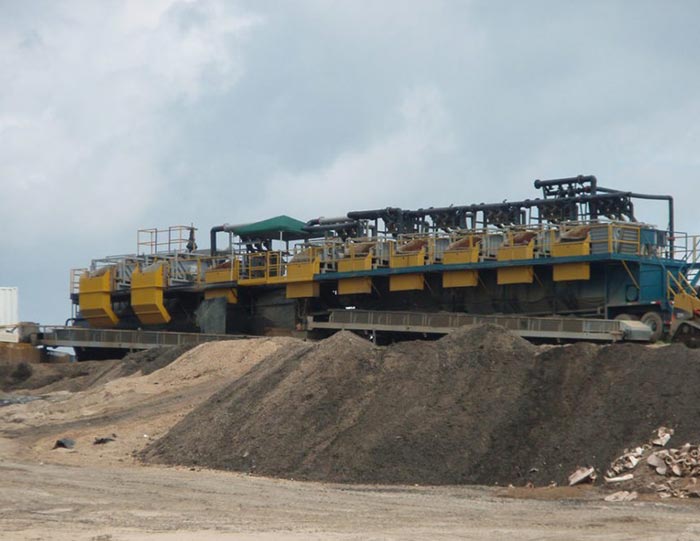
In the high-stakes arena of modern drilling, the ability to manage the physical properties of drilling fluid determines the boundary between a productive well and a costly operational delay. While horizontal designs have dominated the landscape for decades, the rise of the vertical degasser has introduced a new paradigm in fluid treatment. These units are specifically engineered to address the complexities of "gas-cut" mud—drilling fluid that has become aerated or contaminated by formation gases. By utilizing a vertical orientation, these machines leverage gravity and centrifugal force in ways that horizontal tanks cannot, providing a more compact and often more efficient solution within the broader framework of solids control systems.
The Centrifugal Advantage of the Vertical Vacuum Degasser
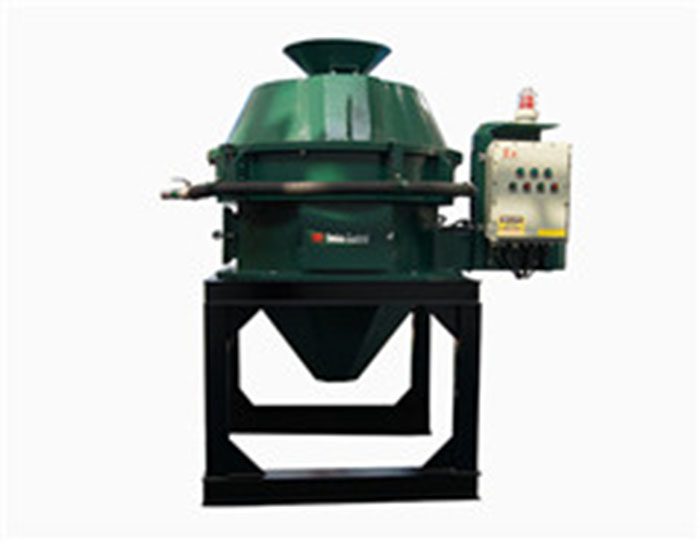
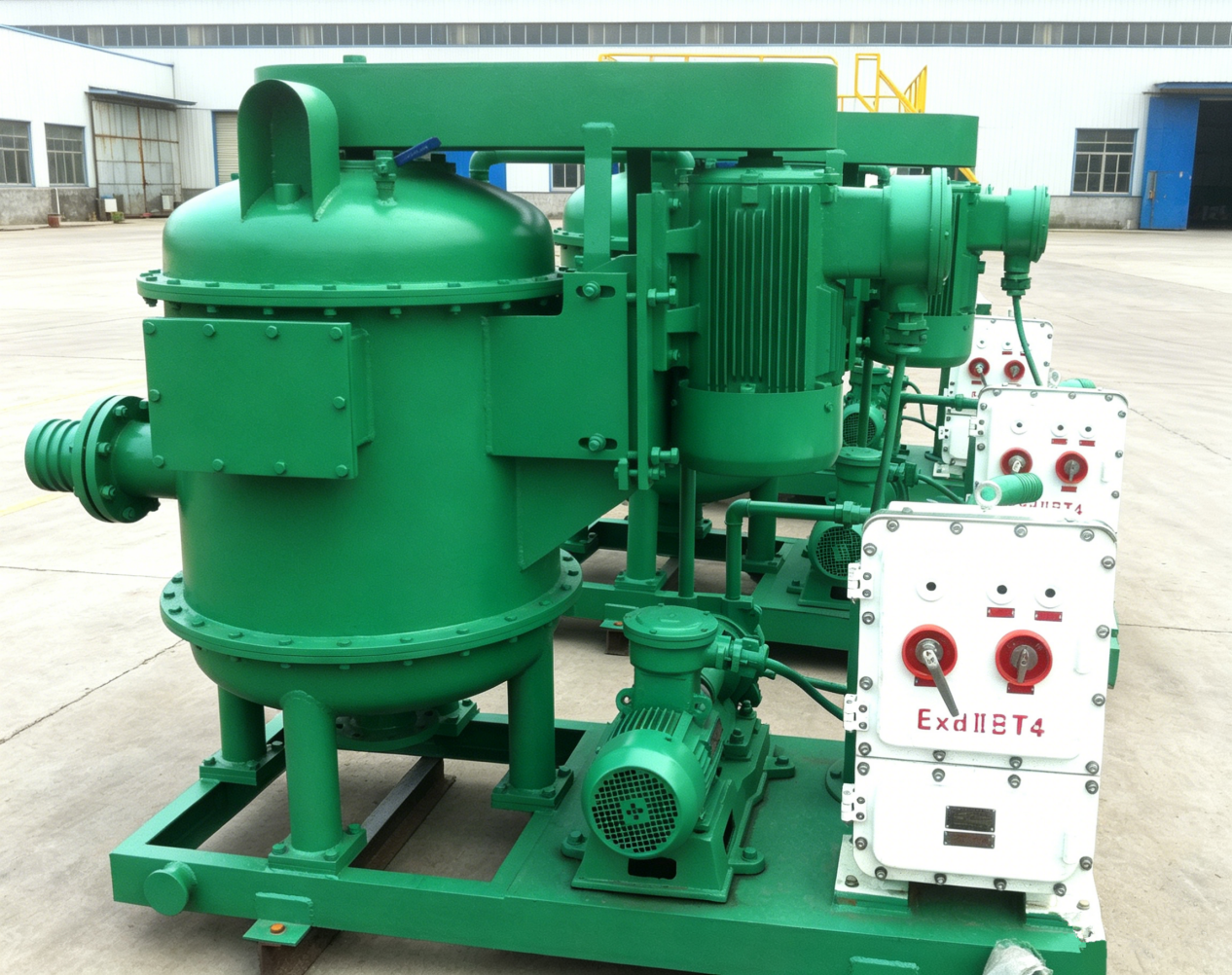
The primary distinction of the vertical vacuum degasser lies in its internal fluid dynamics. Unlike traditional units that rely on gravity-fed plates, the vertical model typically utilizes a high-speed centrifugal force to throw the mud against the inner walls of the vessel. This action creates a thin, turbulent film of fluid. In the world of liquid solids control, surface area is the most critical variable. By spreading the mud into a micro-thin layer along the vertical cylinder, the machine ensures that gas bubbles have the shortest possible path to the surface. As the vacuum pump maintains a low-pressure environment inside the tank, these bubbles expand and burst with explosive speed, effectively stripping the fluid of its gaseous content before it reaches the discharge port.
Integrating Vertical Units into Comprehensive Solids Control Systems
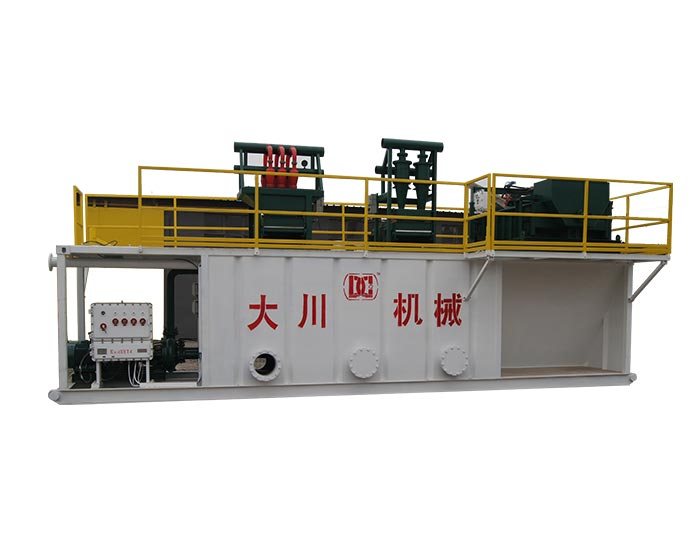
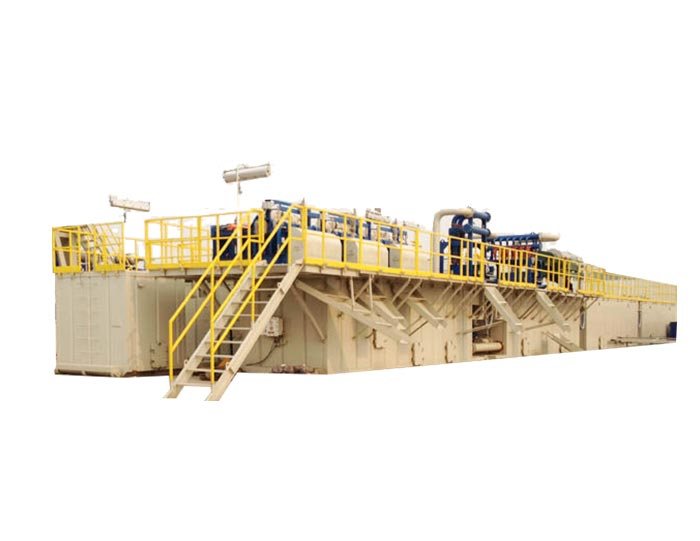
A well-orchestrated solids control systems layout is designed to treat mud in a specific sequence, and the vertical unit offers unique flexibility in this chain. Because it occupies a much smaller footprint than its horizontal counterparts, the vertical degasser is the preferred choice for offshore platforms and mobile drilling rigs where deck space is at a premium. It is usually positioned immediately after the shale shakers. By removing entrained gases early in the process, the vertical degasser prevents the "gas-locking" of centrifugal pumps that feed the desanders and desilters. This proactive removal ensures that the rest of the separation equipment operates at peak hydraulic efficiency, maintaining the integrity of the mud weight throughout the circulation cycle.
Why Engineers Consult Specialized Vacuum Degasser Suppliers
The technical requirements for de-aerating heavy or high-viscosity muds have led many operators to seek out specialized vacuum degasser suppliers. Not all degassers are created equal; the internal coating, the precision of the vacuum seal, and the reliability of the discharge impeller are all factors that influence long-term performance. Top-tier suppliers focus on the "dwell time"—the amount of time the mud remains exposed to the vacuum. In a vertical configuration, the dwell time is managed through a combination of centrifugal velocity and the height of the vessel. By tailoring these parameters to the specific geological conditions of a project, suppliers can provide a machine that handles anything from light aeration to aggressive gas kicks without overflowing or losing its prime.
Enhancing Liquid Solids Control through Pressure Differential
The core of effective liquid solids control is the management of density. When gas is entrained in the mud, it acts as a contaminant that lowers the effective density, which can lead to catastrophic well control issues. The vertical orientation of these degassers facilitates a more natural separation of the gas and liquid phases. As the mud is propelled outward, the lighter gas molecules are forced toward the center of the vessel, where they are sucked upward by the vacuum pump. This "vortex" effect is a signature of the vertical vacuum degasser, allowing for a continuous and non-clogging flow of fluid. This is particularly advantageous when dealing with muds that have high gel strength, as the mechanical energy of the vortex helps break the internal bonds of the fluid to release trapped air.
Operational Reliability and the Vertical Design of Vacuum Degasser
One of the most significant benefits of a vertical degasser is the reduction of "dead spots" within the tank. In horizontal vessels, mud can sometimes settle in the corners, leading to the accumulation of solids and a decrease in effective volume. The vertical design encourages a constant, downward spiral of fluid. This self-cleaning nature is a major selling point for vacuum degasser suppliers who emphasize low maintenance and high uptime. Because the solids are kept in suspension by the centrifugal action, there is less risk of abrasive wear on the bottom of the tank, and the discharge of the treated mud is more consistent, which is vital for maintaining the steady-state operation of the mud pumps.
Vacuum Degasser: Safety and Environmental Compliance in Gas Management
Beyond the mechanical benefits, the role of the vertical vacuum degasser in rig safety cannot be overstated. When drilling through formations containing hazardous gases like Hydrogen Sulfide, the degasser acts as the primary barrier between the wellbore and the atmosphere. By capturing these gases within a sealed vertical chamber, they can be safely piped to a flare line or a scrubber system. This level of control is essential for modern solids control systems to meet stringent environmental regulations. The vertical unit’s ability to handle high-pressure surges makes it an indispensable tool for managing the "out-of-balance" situations that occur during deep-water or high-pressure drilling operations.
Comparing Vertical and Horizontal Degassing Philosophies of Vacuum Degasser
While both styles aim to achieve the same goal, the choice of a vertical degasser often reflects a desire for higher throughput in a smaller space. Horizontal units rely on long travel paths, whereas vertical units rely on intensity. For rigs that encounter rapid changes in formation gas, the "intensity" of the vertical centrifugal approach often yields faster response times. Furthermore, the vertical configuration allows for easier gravity-fed discharge in some rig setups, eliminating the need for an extra suction pump. This simplification of the liquid solids control circuit reduces the number of potential failure points, making the entire operation more resilient against mechanical breakdowns.

 Linear Motion Shale Shaker In Drilling Rig
 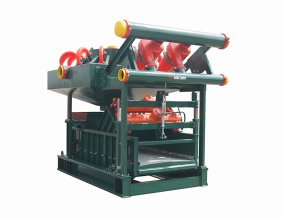 Oilfield Mud Cleaner
 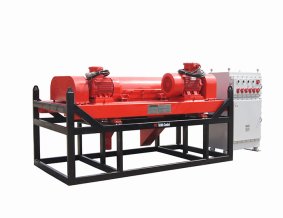 Drilling Fluid Decanter Centrifuge
 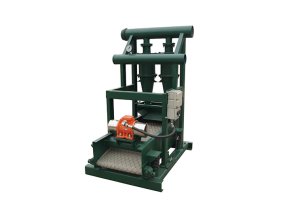 Drilling Mud Desander
 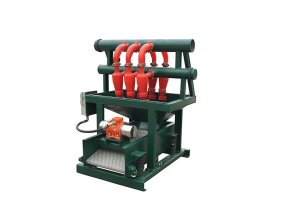 Hydrocyclone Desilter
 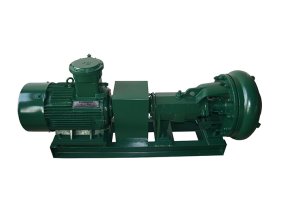 Centrifugal Pump/Centrifugal Mud Pump
 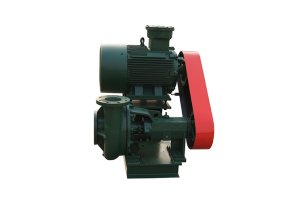 Shear Pump
 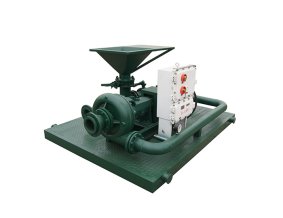 Jet Mud Mixer
 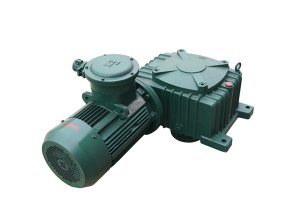 Horizontal Mud Agitator
 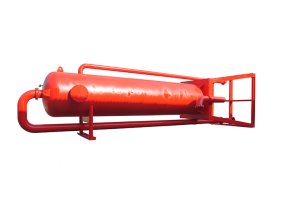 Constant Pressure Drilling Fluid Mud Gas Separator
 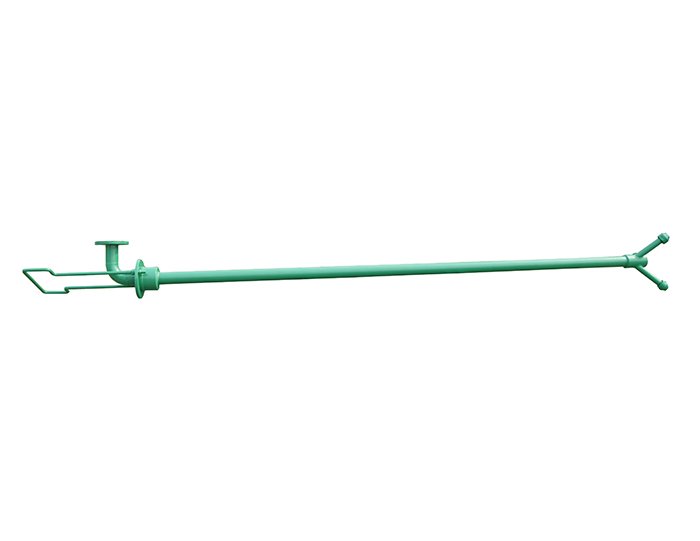 Mud Gun
  Mud Tank
 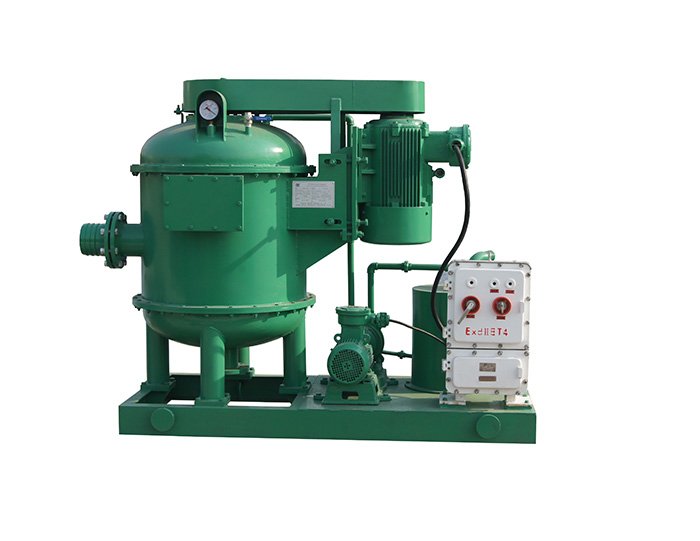 Solids Control System Vacuum Degasser
 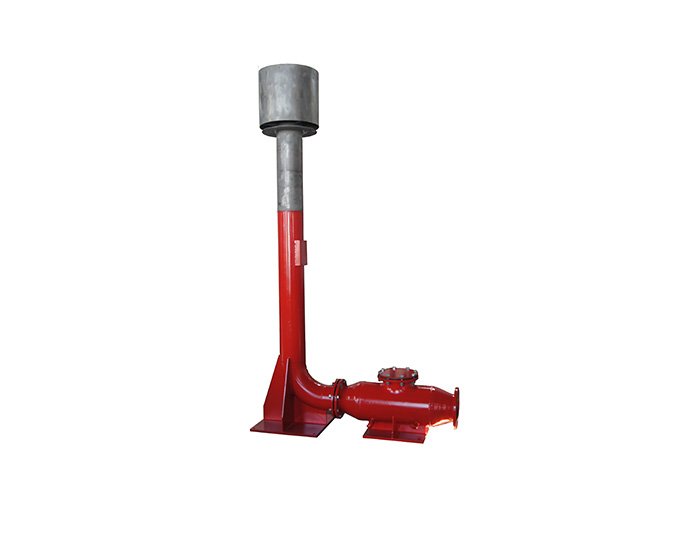 Flare Ignition Device
 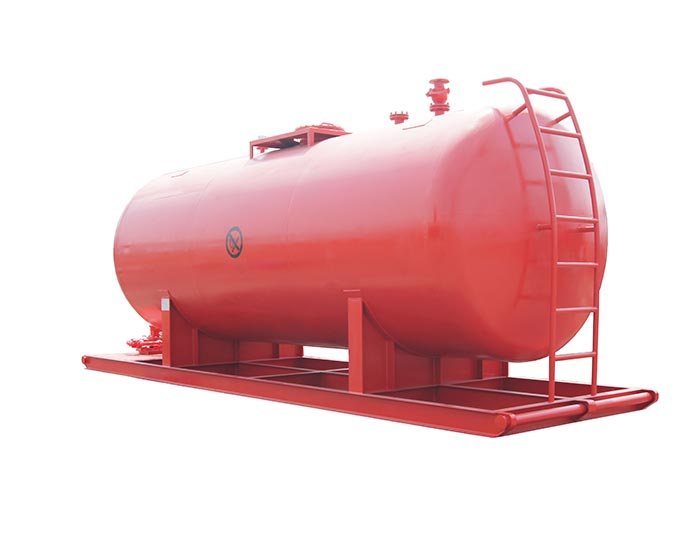 Diesel Tank
 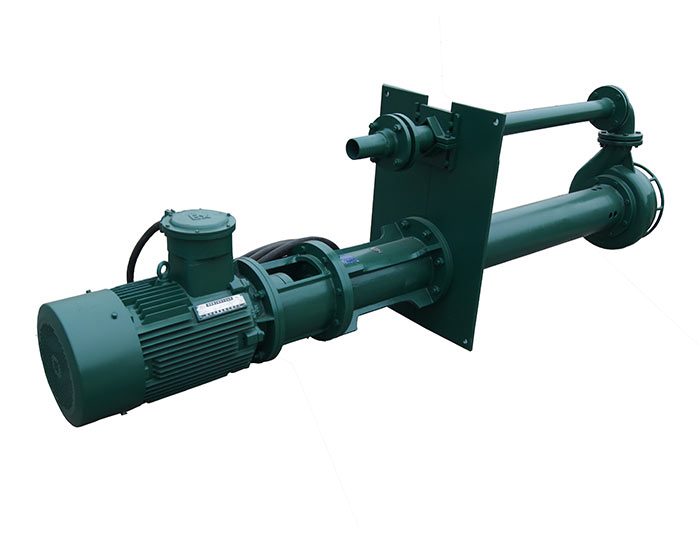 Submersible Slurry Pump