The landscape of modern energy extraction is defined by increasing complexity, where the depth of wells and the intricacy of geological formations demand a higher level of mechanical precision than ever before. At the heart of this operational excellence lies the management of drilling fluids, a process entirely dependent on the efficiency of comprehensive solids control systems. These systems are no longer viewed as mere filtration units; they are the primary defense against equipment failure and the chief architects of hydraulic stability. By maintaining the delicate balance of mud properties, a high-performing solid control system ensures that the drilling process remains predictable, safe, and economically viable in an era of tightening margins.
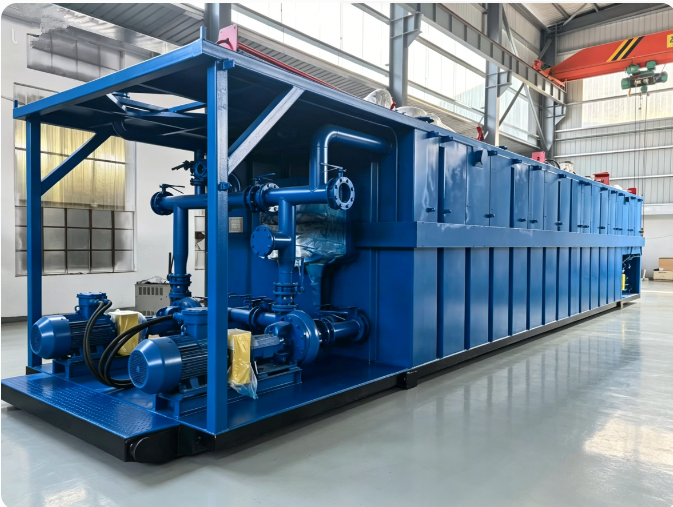
Engineering Excellence in Oilfield Solids Control and Fluid Reclamation
The primary objective of oilfield solids control is the removal of drilled solids from the circulating fluid while retaining the valuable liquid phase and chemical additives. When a drill bit penetrates the earth, it generates a continuous stream of rock fragments known as cuttings. If these cuttings are not effectively removed, they break down into ultra-fine particles that degrade the mud's quality. This degradation leads to a "thickening" of the fluid, which increases the pressure required to circulate the mud and can eventually lead to the loss of the wellbore’s structural integrity.
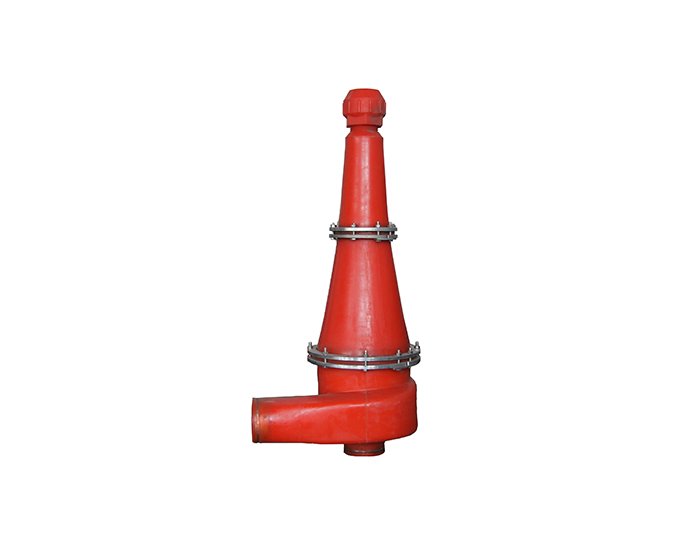
Modern oilfield solids control utilizes a tiered approach to separation, moving from coarse mechanical screening to high-speed centrifugal force. This process begins the moment the mud exits the wellbore. The fluid is directed through a series of shakers that handle the initial bulk separation. However, the true sophistication of the process is found in the subsequent stages, where hydrocyclones and centrifuges target the microscopic silts and clays. By effectively managing this separation, operators can significantly extend the life of the drilling fluid, reducing the need for costly "dump and dilute" practices that were common in previous decades. This shift toward total fluid reclamation is not only a financial necessity but a hallmark of technical maturity in the field.
Optimizing Mechanical Efficiency with Drilling Solids Control Integration
The integration of drilling solids control into the rig’s primary workflow is critical for maintaining the Rate of Penetration (ROP). Every minute that a rig is not actively making hole represents a significant financial loss. One of the leading causes of non-productive time is "stuck pipe," a condition often exacerbated by high solids content in the mud. When the fluid is overloaded with particles, it creates a thick filter cake on the wellbore wall, increasing the likelihood of differential sticking.
By employing advanced drilling solids control techniques, rigs can maintain a thin, slick filter cake that protects the formation while allowing the drill string to move freely. Furthermore, clean mud provides better cooling and lubrication for the drill bit. A bit that is properly cooled and free of abrasive debris will stay sharp longer, reducing the frequency of "trips" required to replace worn equipment. This mechanical synergy demonstrates that the investment in high-quality separation hardware is directly linked to the physical speed and efficiency of the drilling operation itself.
The Technological Evolution of the Solid Control System in Deepwater Operations
As exploration moves into deeper and more hostile environments, the demand for a specialized solid control system has intensified. In deepwater drilling, the margin between the pore pressure and the fracture gradient is often razor-thin. In these scenarios, the density of the drilling fluid must be managed with absolute precision. Any unintended increase in solids content can spike the Equivalent Circulating Density (ECD), potentially fracturing the formation and causing a catastrophic loss of circulation.
The modern solid control system for these high-stakes environments often includes automated monitoring and variable-frequency drives. These technologies allow the system to adapt in real-time to changes in the drilling environment. For instance, if the rig encounters a highly dispersive shale, the system can automatically increase the G-force of the centrifuges to capture the finer particles that would otherwise bypass standard equipment. This level of responsiveness is what allows modern operators to push the boundaries of subsea exploration, ensuring that the fluid properties remain within the narrow window required for safety and success.
Asset Longevity and the Impact of Solids Control Equipment Drilling Operations
The financial health of a drilling contractor is largely dependent on the lifespan of their capital assets. Solids control equipment drilling configurations are the primary protectors of the rig's internal machinery. High-pressure mud pumps, which are the most expensive components of the fluid circulation circuit, are particularly vulnerable to abrasive wear. When mud contains sand and silt, it acts like liquid sandpaper, eroding the liners, pistons, and valves of the pumps at an accelerated rate.
By implementing a rigorous solids control equipment drilling strategy, a contractor can effectively "de-sand" the mud before it ever reaches the pump suction. This preventive measure reduces maintenance intervals and prevents the catastrophic failure of pump components during critical drilling phases. The same protection extends to downhole tools, including Measurement-While-Drilling (MWD) and Logging-While-Drilling (LWD) sensors. These sophisticated electronic instruments are highly sensitive to the physical environment; clean mud ensures that their internal turbines and sensors remain functional, providing the driller with the accurate data needed to navigate the reservoir.
Sustainability and Environmental Stewardship in Modern Solids Control
Beyond mechanical and economic benefits, the role of solids control systems has expanded to encompass environmental compliance. In many global jurisdictions, the "Zero Discharge" mandate is becoming the standard. This means that every drop of fluid used in the drilling process must be accounted for, and the waste generated must be as dry and inert as possible.
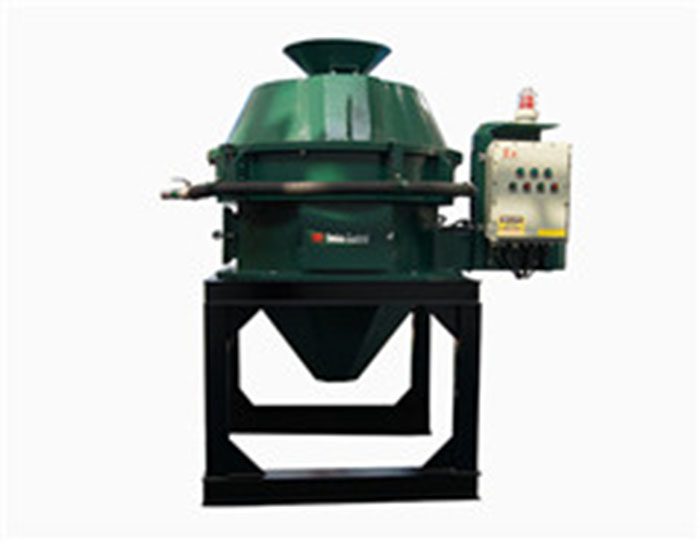
The latest innovations in solids control focus on "dry-cutting" technologies. By using high-G drying shakers and vertical cuttings dryers, the system can strip the liquid hydrocarbons from the rock fragments. This recovered fluid is returned to the active system, while the resulting solids are often dry enough to be transported in open trucks for disposal or recycling. This reduction in the volume of hazardous waste not only lowers disposal costs but also minimizes the rig's environmental footprint. In the modern era, a rig's social license to operate is often tied to its ability to demonstrate such high levels of resource efficiency and waste minimization.

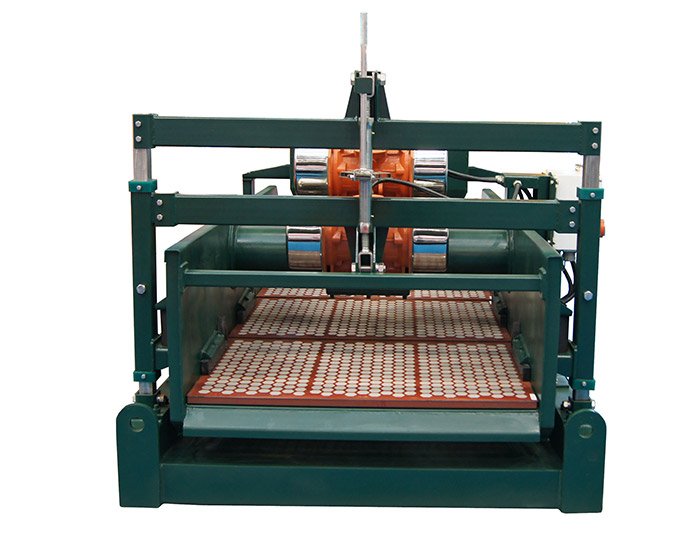
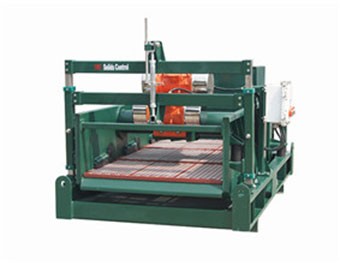 Linear Motion Shale Shaker In Drilling Rig
 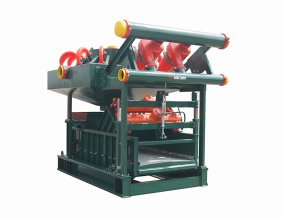 Oilfield Mud Cleaner
 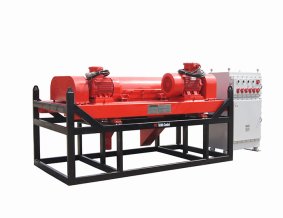 Drilling Fluid Decanter Centrifuge
 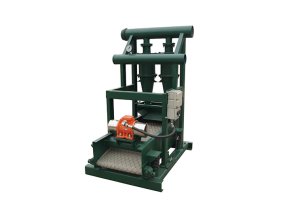 Drilling Mud Desander
 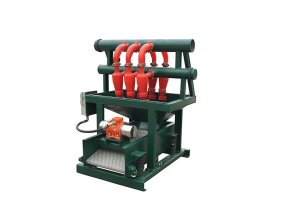 Hydrocyclone Desilter
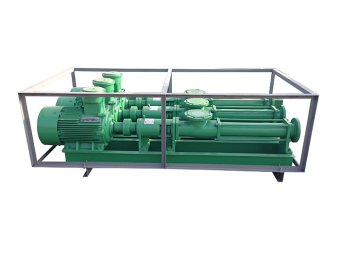
 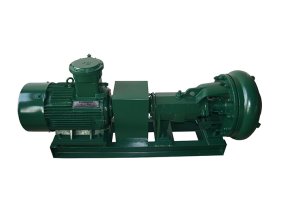 Centrifugal Pump/Centrifugal Mud Pump
 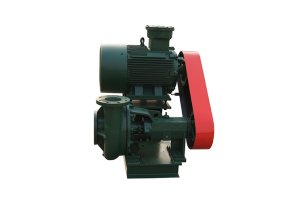 Shear Pump
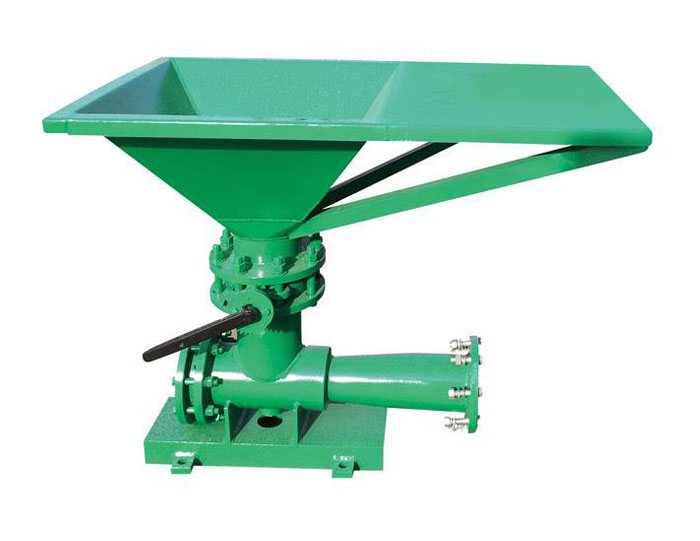
 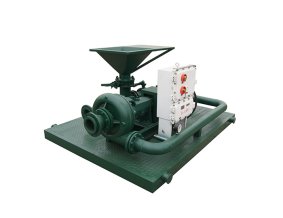 Jet Mud Mixer
 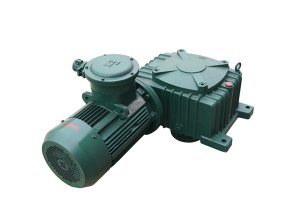 Horizontal Mud Agitator
 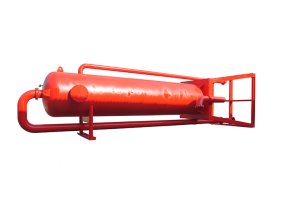 Constant Pressure Drilling Fluid Mud Gas Separator
 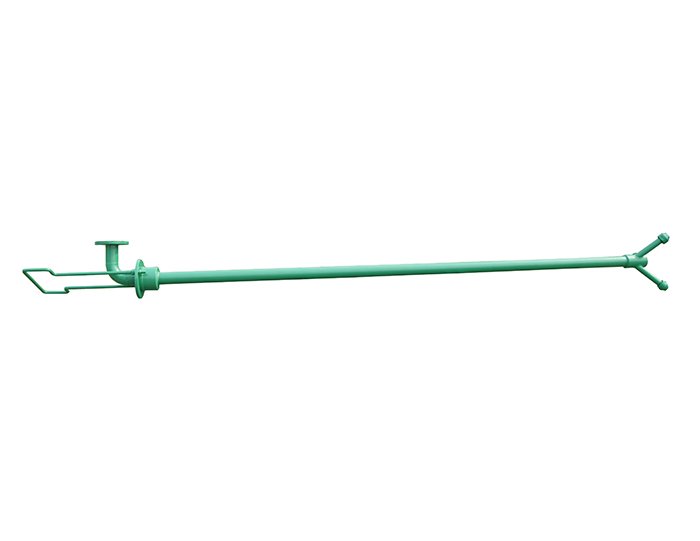 Mud Gun
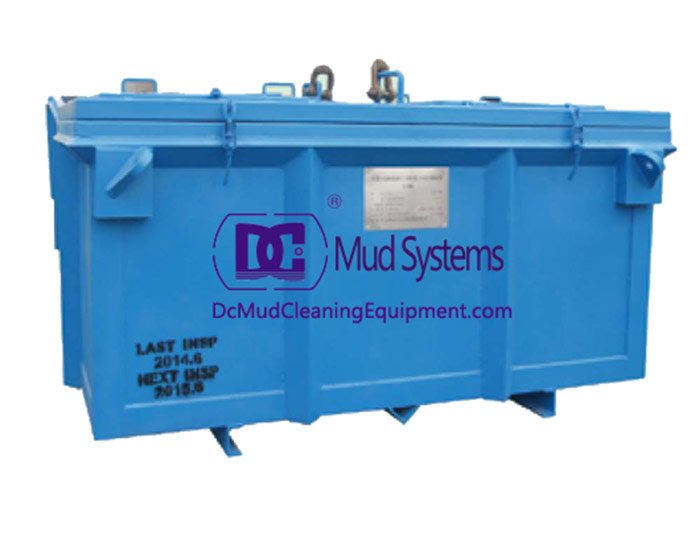
  Mud Tank
 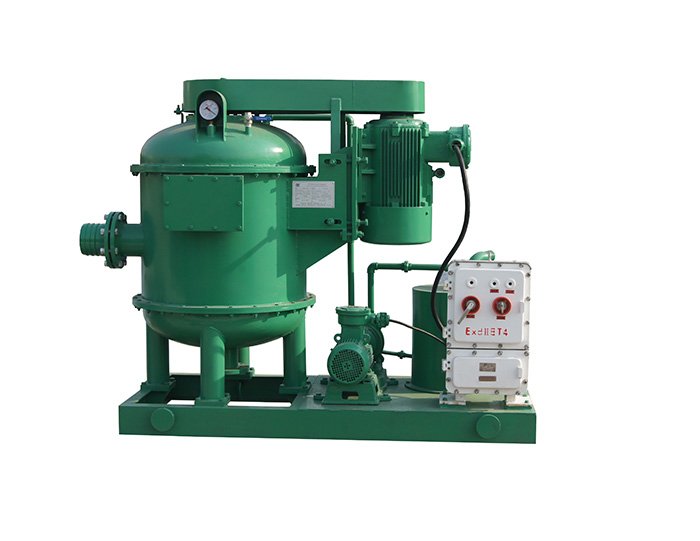 Solids Control System Vacuum Degasser
 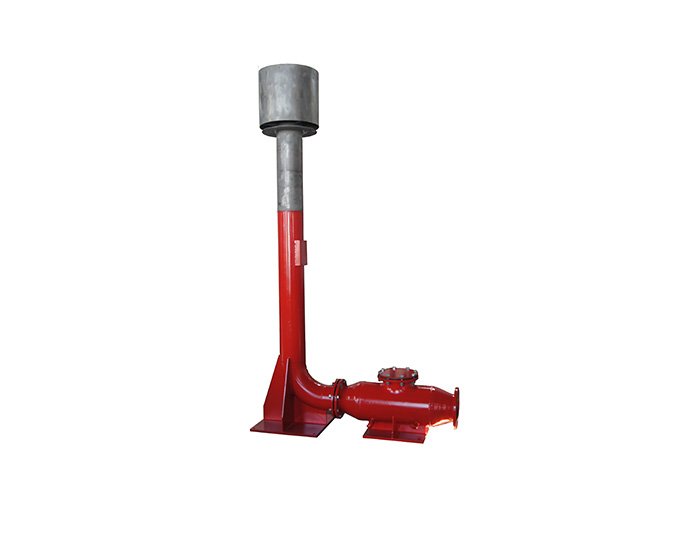 Flare Ignition Device
 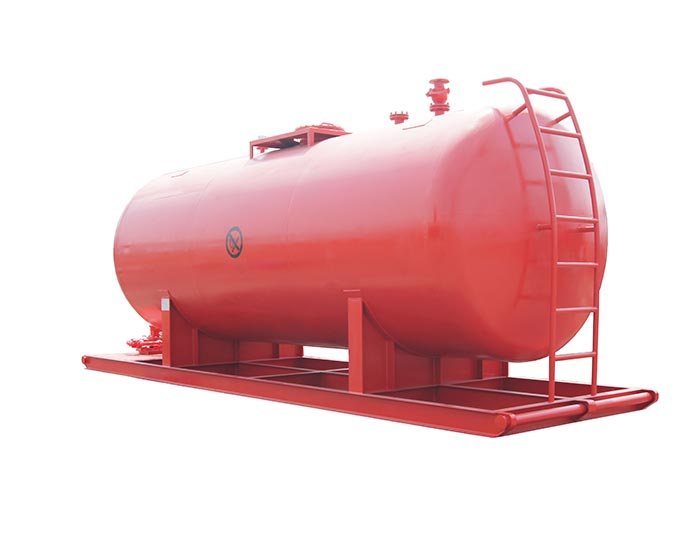 Diesel Tank
 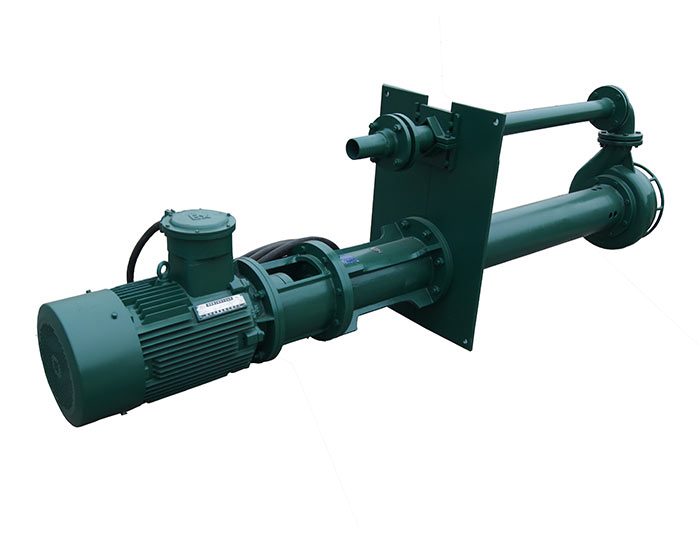 Submersible Slurry Pump