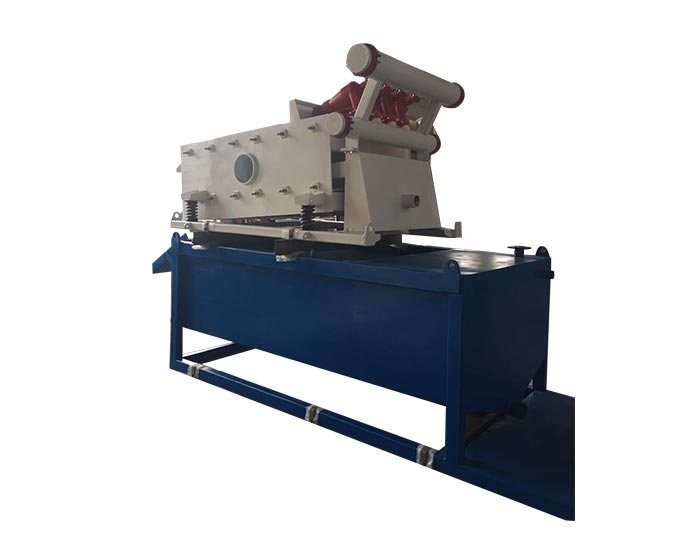
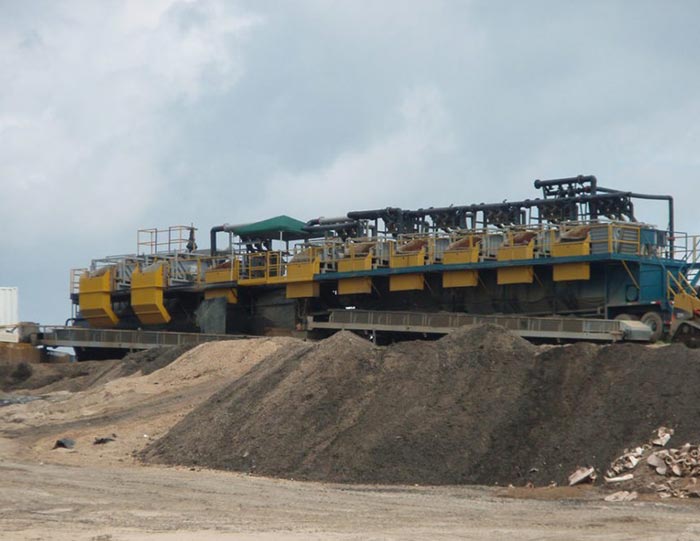
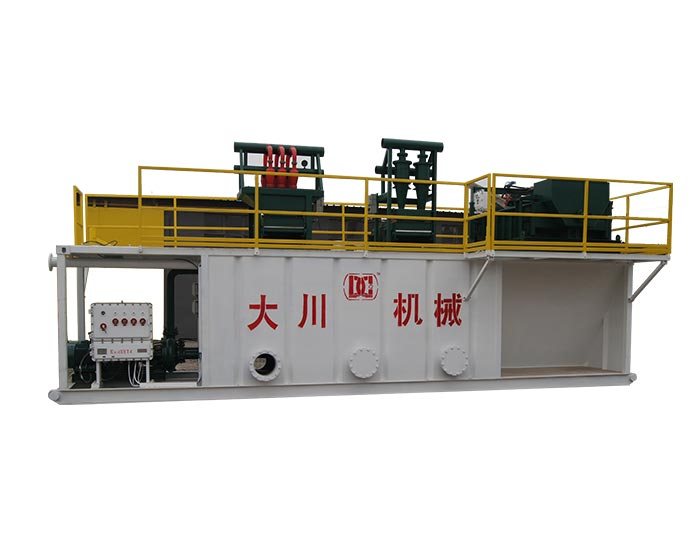
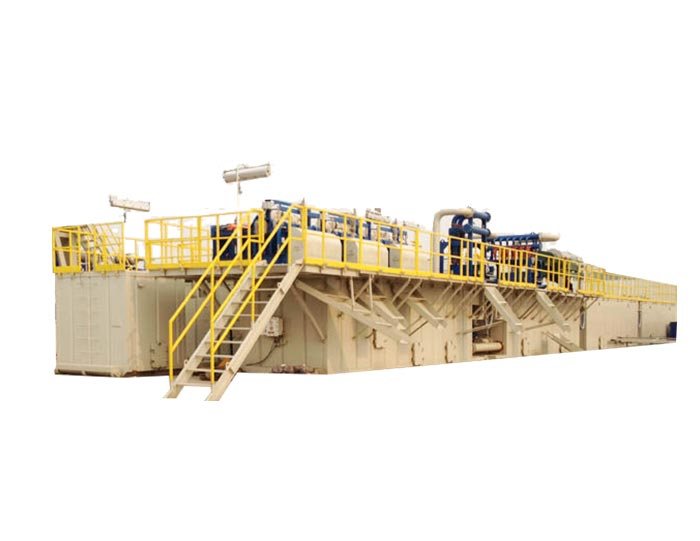
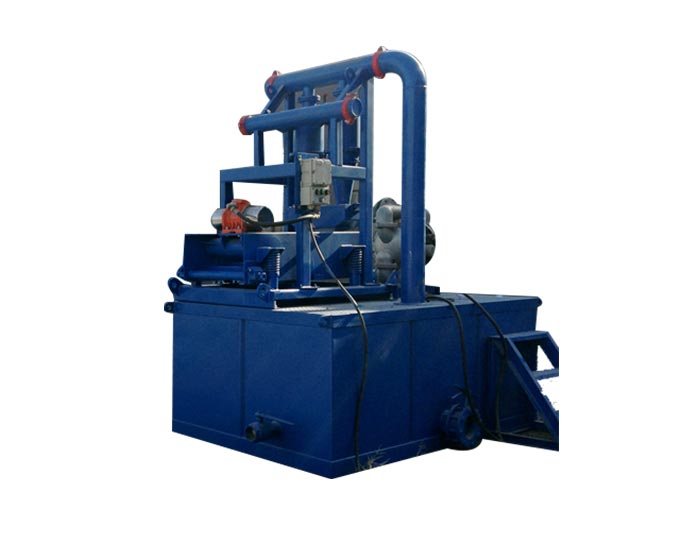
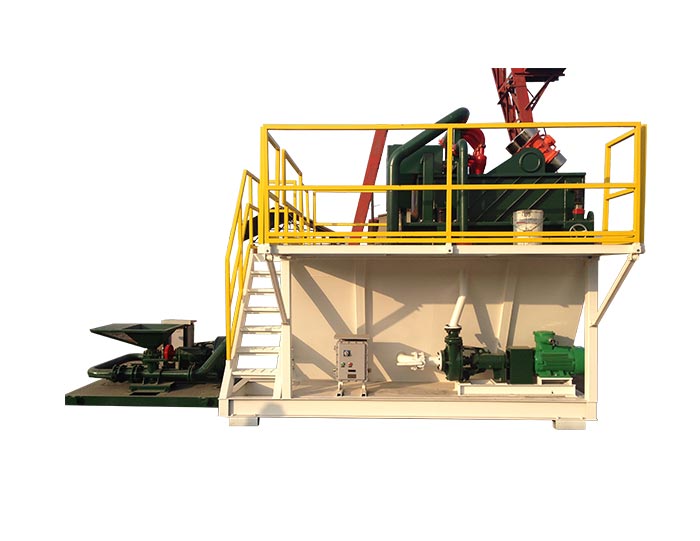
In the complex landscape of industrial drilling, the efficiency of solids control systems often dictates the overall success and cost-effectiveness of an operation. As drilling depths increase and environmental regulations become more stringent, the demand for sophisticated mud cleaner products has surged. These integrated systems serve as the second and third stages of solids control, combining the power of desanders and desilters over a high-frequency vibrating screen. Selecting the right equipment requires a deep understanding of how fluid dynamics, material science, and mechanical engineering intersect to maintain the integrity of drilling fluids.
The Role of an Experienced Mud Cleaner Factory in Equipment Longevity
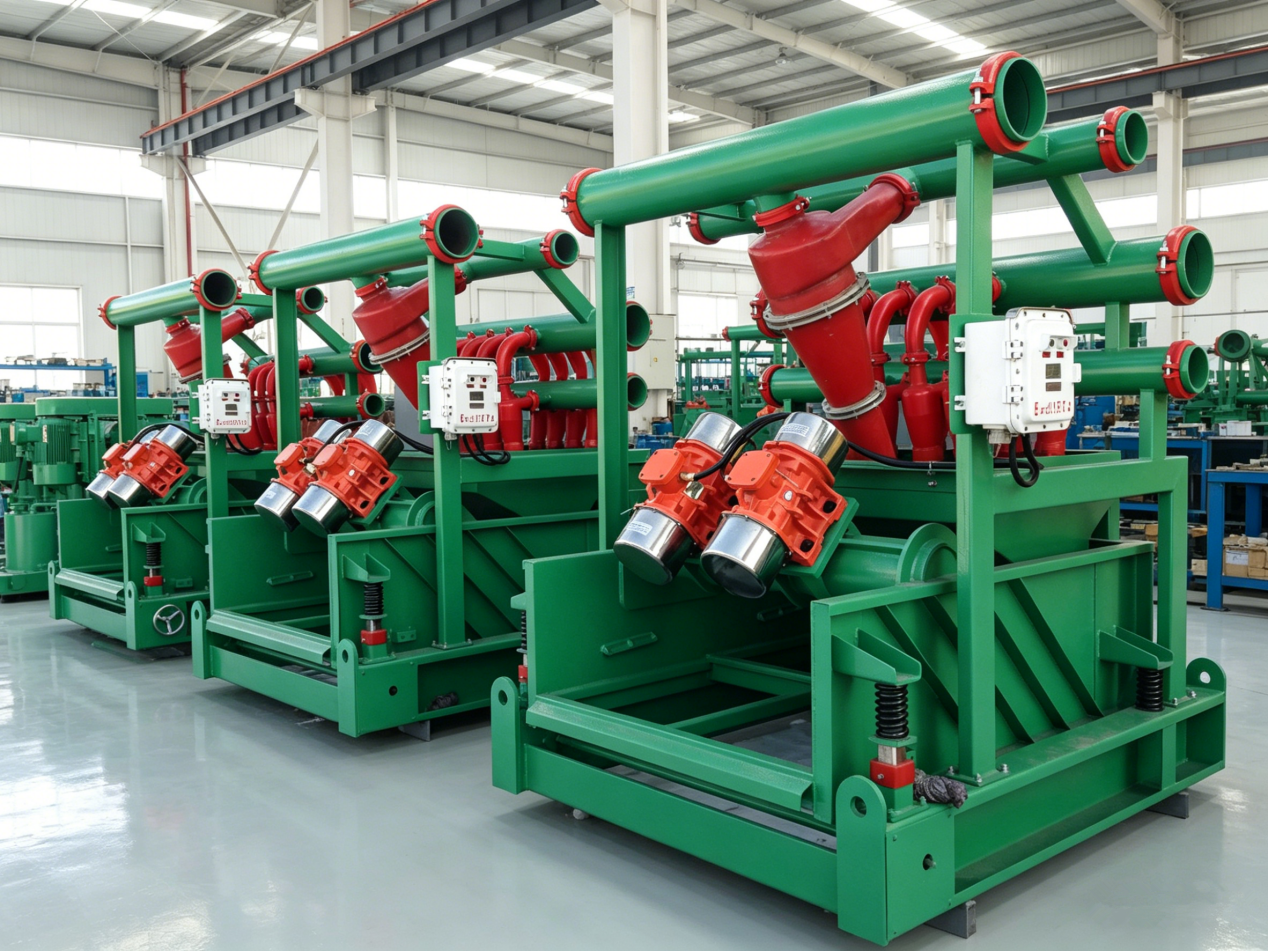
The foundation of any reliable solids control system begins with the manufacturing process. A reputable mud cleaner factory does not merely assemble components; it engineers solutions that withstand the abrasive nature of drilling slurry. When evaluating potential suppliers, it is crucial to look for facilities that prioritize high-grade polyurethane for their cyclone components and use specialized anti-corrosive coatings on the shaker baskets.
The structural integrity of the frame is equally vital. A factory that employs advanced welding techniques and stress-testing protocols ensures that the equipment can handle the intense G-force vibrations required for effective separation. Furthermore, a dedicated manufacturer provides the technical support and spare parts availability necessary to prevent costly downtime. Choosing a partner with a proven track record in metallurgical excellence ensures that the investment remains productive through years of rigorous field use.
Optimizing Fluid Integrity with Advanced Mud Cleaner Desilter Components
At the heart of the separation process lies the ability to remove ultra-fine solids that a standard shale shaker cannot catch. This is where the mud cleaner desilter functionality becomes indispensable. The desilter section typically handles particles in the 15 to 44-micron range, which are often the most damaging to drilling tools and pumps if left in the system.
An effective desilter must feature a manifold design that ensures equal pressure distribution to all hydrocyclones. If the pressure is inconsistent, some cones may "rope," allowing solids to pass back into the active mud system, while others may "plug," rendering them useless. High-quality products utilize a streamlined "dead-head" or "vortex" manifold design to minimize turbulence. This precision engineering allows for a sharper "cut point," meaning the system can more accurately differentiate between heavy barite, which needs to be saved, and unwanted silts that must be discarded.
Integrating Modular Mud Cleaner Systems for Scalable Operations
Versatility is a hallmark of superior engineering. Modern mud cleaner systems are designed to be modular, allowing operators to adjust the configuration based on the specific geological challenges of a well. For instance, in top-hole drilling where large volumes of solids are expected, the system must allow for rapid bypass or full-capacity processing without overflowing the shaker deck.
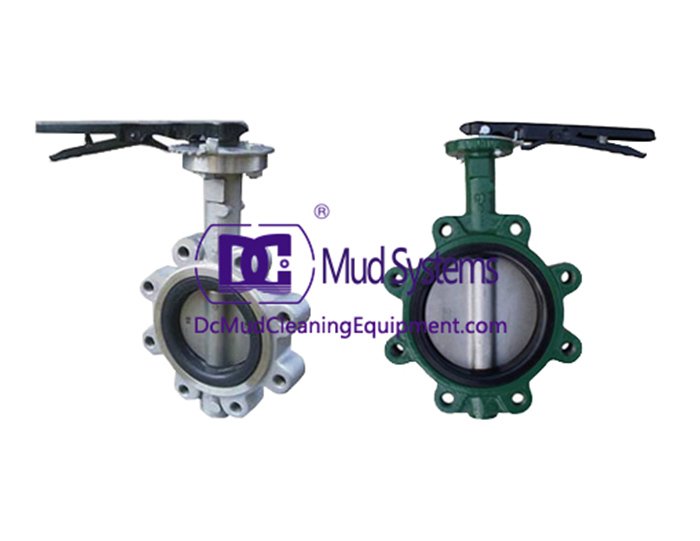
A well-integrated system includes a compact footprint that does not sacrifice processing power. It should feature an adjustable-angle shaker deck, allowing the operator to fine-tune the "pool" of fluid on the screen to maximize drying time for the discarded solids. This level of control is essential for closed-loop systems where liquid recovery is a priority. The synchronization between the centrifugal pump, the hydrocyclone inlet, and the vibrating screen determines the total throughput capacity. Systems that offer easy-to-reach valves and pressure gauges empower the crew to make real-time adjustments, ensuring the mud weight remains stable even as the rate of penetration fluctuates.
Technical Precision in High-Efficiency Mud Cleaner Cones
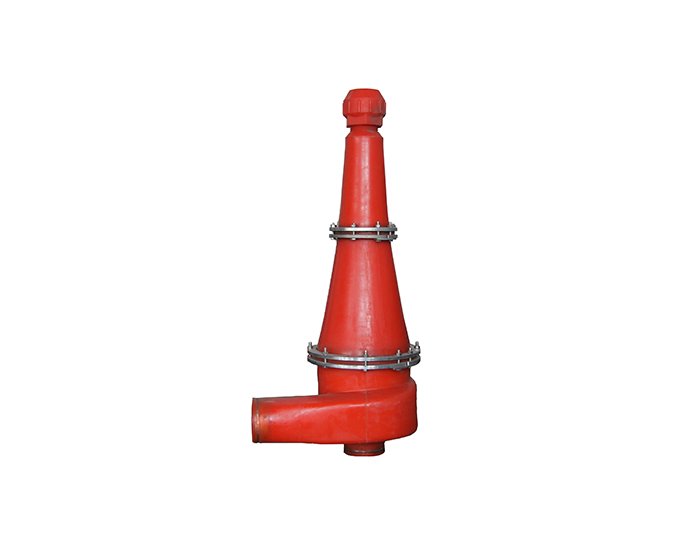
The actual separation occurs within the mud cleaner cones, and their design is perhaps the most critical factor in performance. These hydrocyclones rely on centrifugal force to move heavier solids toward the outer wall and downward through the apex, while the cleaned fluid is forced upward through the vortex finder.
Quality cones are characterized by their interior geometry. A smooth, seamless internal surface is necessary to prevent turbulence, which can disrupt the centrifugal path and decrease separation efficiency. Modern designs often utilize a "twin-cone" or "tri-cone" arrangement to increase processing volume without requiring a massive increase in footprint. The apex of the cone—the bottom opening where solids exit—should be easily adjustable. This allows the operator to control the moisture content of the discharge. If the apex is too narrow, it may clog; if it is too wide, too much expensive base fluid is lost. Premium cones are manufactured with a snap-on or quick-change design, allowing for rapid maintenance without the need for specialized tools in the middle of a drilling shift.
Enhancing Solids Control Efficiency Through G-Force and Vibration
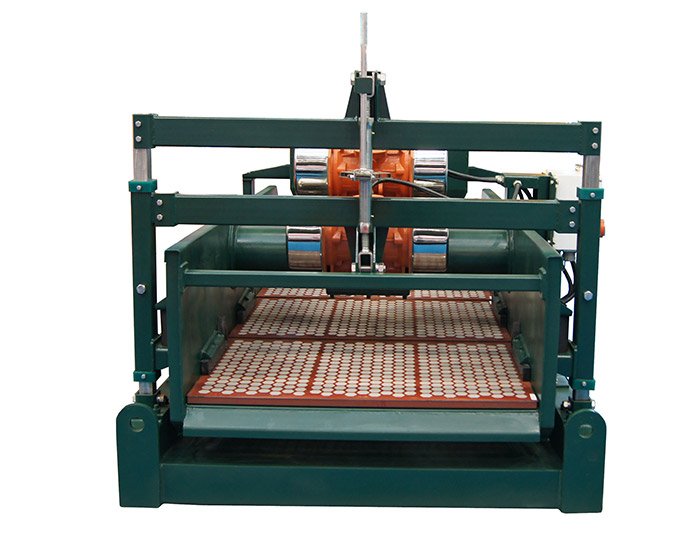
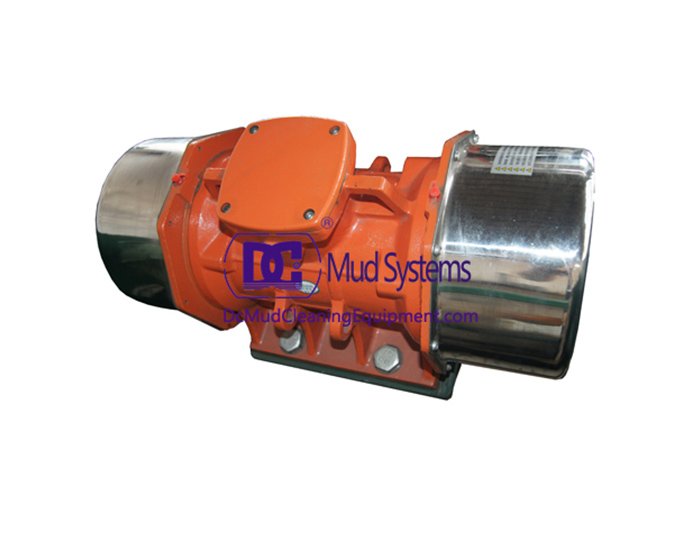
Beyond the hydrocyclones, the drying shaker underneath plays a pivotal role in the "cleaning" aspect of the equipment. The vibration motor must be capable of generating consistent linear or elliptical motion. Linear motion is generally preferred for mud cleaners because it provides superior fluid conveyance and faster discharge of solids. The ability to generate G-forces exceeding 7.0 Gs is a standard for top-tier products, as this force is necessary to break the surface tension of viscous drilling fluids and separate the liquid from the fine particles.
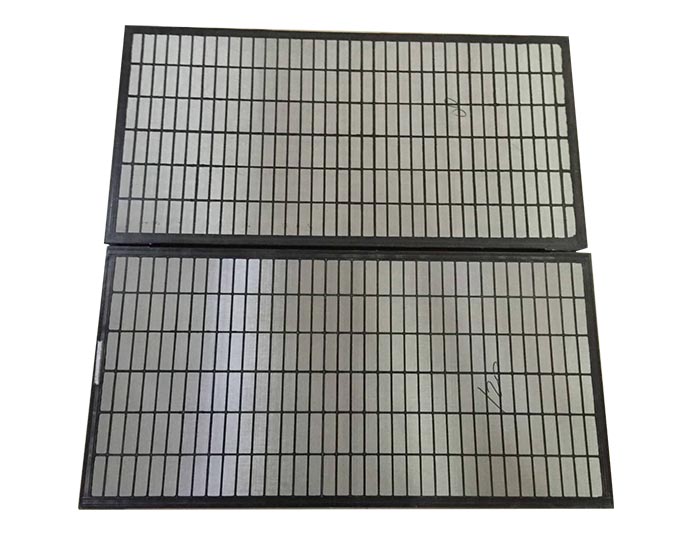
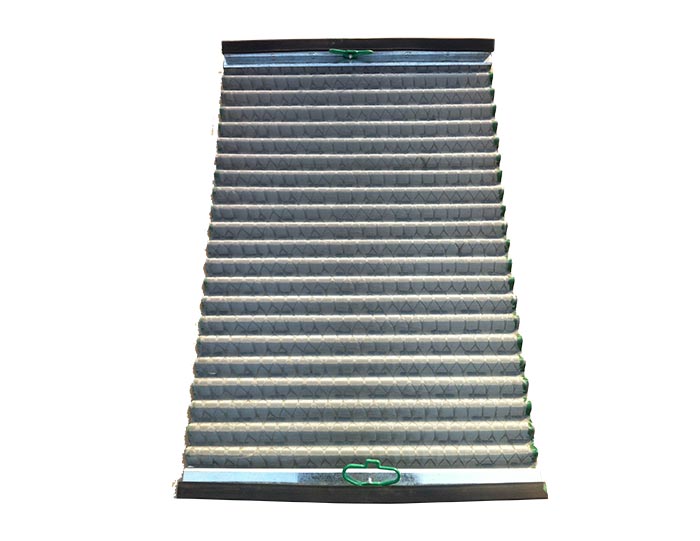
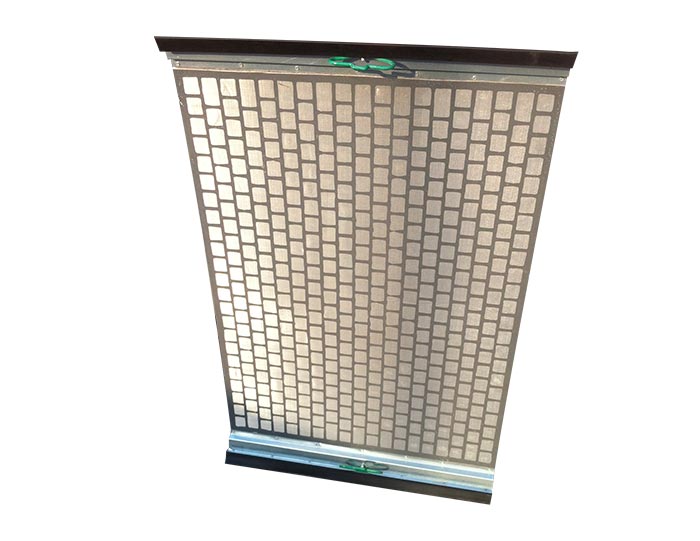
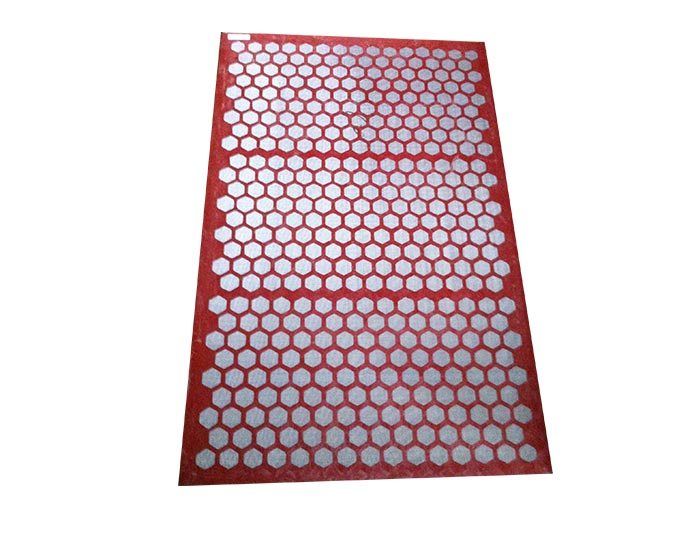
The deck of the shaker should be constructed from stainless steel to resist the corrosive chemicals often found in modern mud recipes. Furthermore, the tensioning system for the screens must be robust. A loose screen will vibrate independently of the shaker basket, leading to premature screen failure and "by-pass," where solids leak around the edges of the mesh. High-end systems often incorporate wedge-lock designs that allow for screen changes in under two minutes, ensuring the equipment stays in optimal condition throughout the interval.
Sustainability and Environmental Compliance in Mud Management
In the contemporary drilling industry, environmental impact is no longer an afterthought. Efficient solids control is the primary defense against excessive waste generation. By utilizing high-performance mud cleaner products, operators can significantly reduce the volume of waste hauled to disposal sites.
A clean mud system reduces the need for "dilution," which is the practice of adding fresh water and chemicals to lower the solids concentration. Since dilution is the single largest contributor to waste volume, an effective mud cleaner pays for itself by minimizing the consumption of expensive additives like bentonite and polymers. Furthermore, by reclaiming more of the base fluid—whether it be water-based or oil-based—the project lowers its overall carbon footprint and adheres to strict environmental mandates regarding "dry" cuttings and zero-discharge sites.

 Linear Motion Shale Shaker In Drilling Rig
  Oilfield Mud Cleaner
 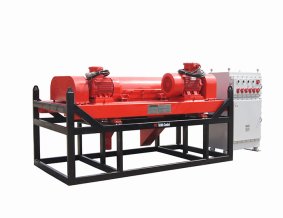 Drilling Fluid Decanter Centrifuge
 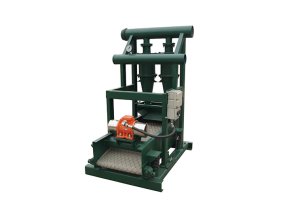 Drilling Mud Desander
 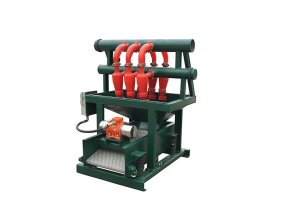 Hydrocyclone Desilter
 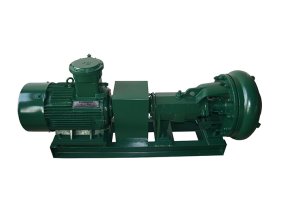 Centrifugal Pump/Centrifugal Mud Pump
 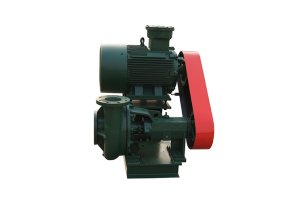 Shear Pump
 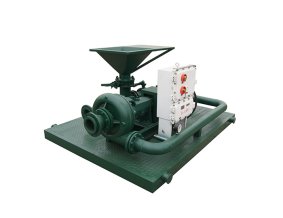 Jet Mud Mixer
 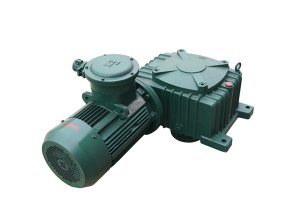 Horizontal Mud Agitator
 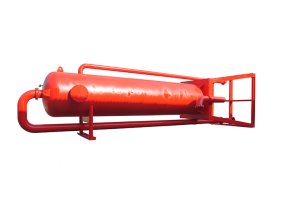 Constant Pressure Drilling Fluid Mud Gas Separator
 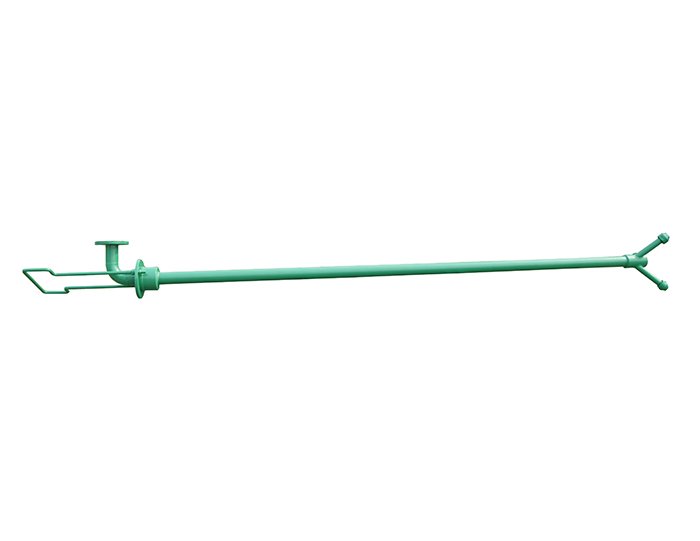 Mud Gun
  Mud Tank
 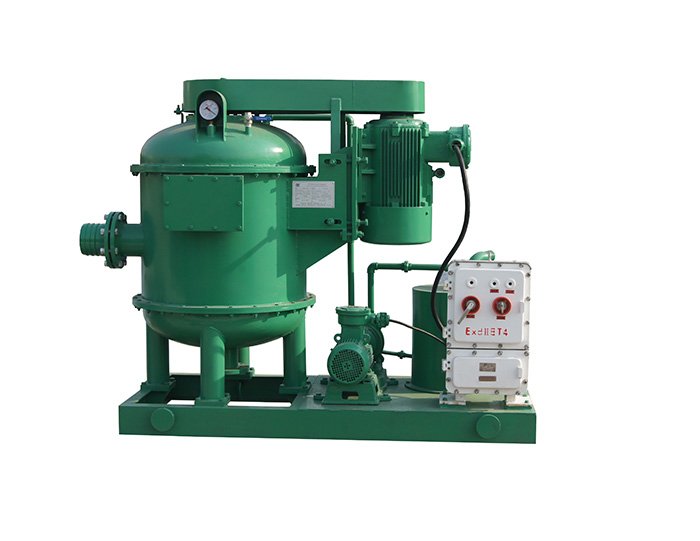 Solids Control System Vacuum Degasser
 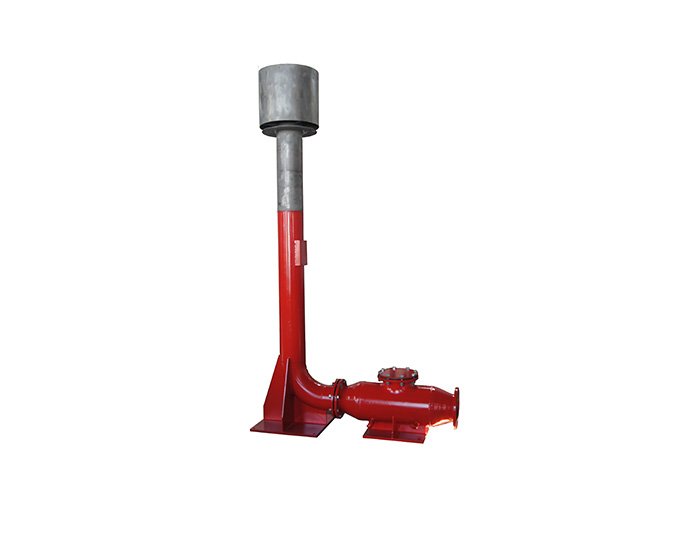 Flare Ignition Device
 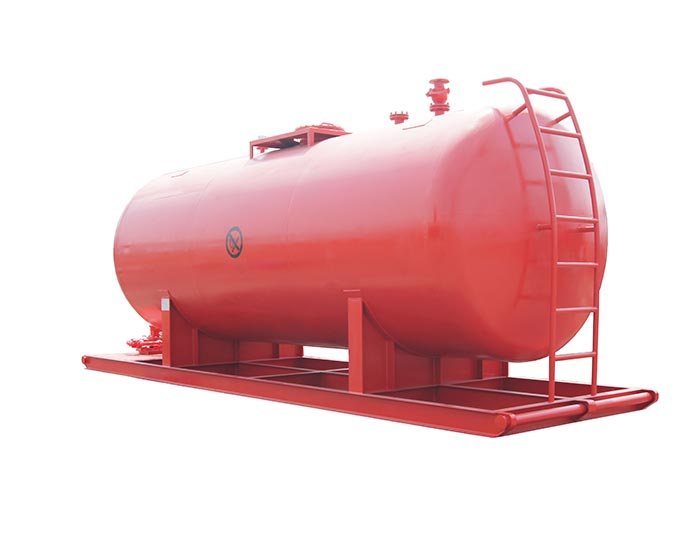 Diesel Tank
 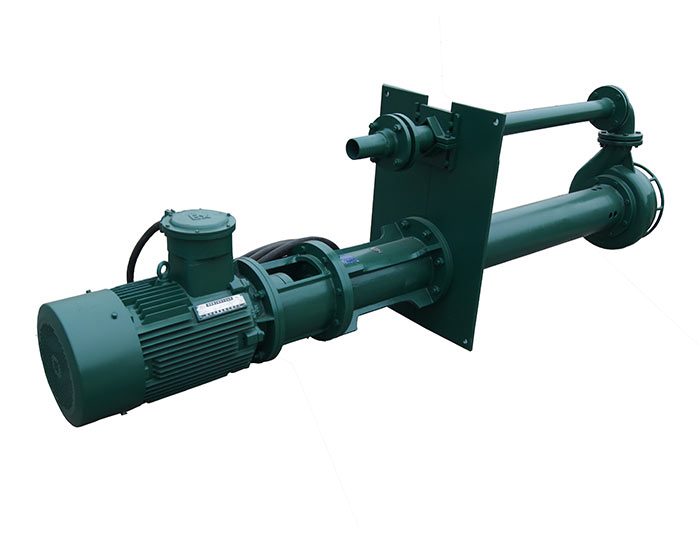 Submersible Slurry Pump