Deep well exploration represents the frontier of the modern energy industry, pushing mechanical and chemical limits to reach reservoirs miles beneath the earth's surface. At these extreme depths, high temperatures, intense pressures, and complex geological formations demand a drilling fluid that is perfectly conditioned. The "blood" of the rig must remain thin enough to circulate yet dense enough to prevent blowouts, all while being free of abrasive micro-solids. Achieving this balance is the primary role of high-performance mud cleaner products. As exploration moves into more challenging environments, the evaluation of these machines becomes a strategic priority for operators who must protect their high-pressure pumps and downhole electronics from the silent erosion caused by sand and silt.
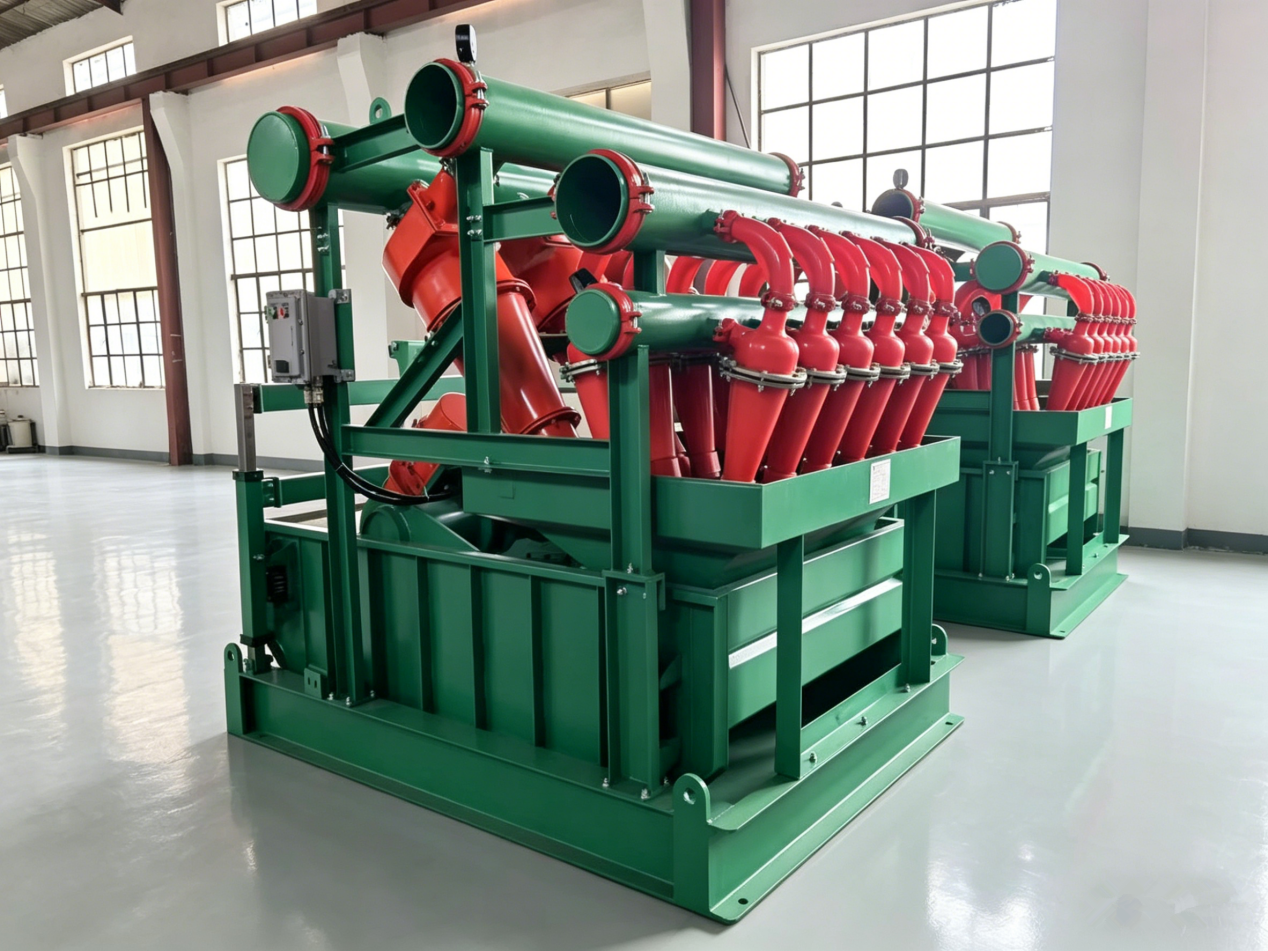
The Technical Necessity of Specialized Mud Cleaner Products in Deepwater
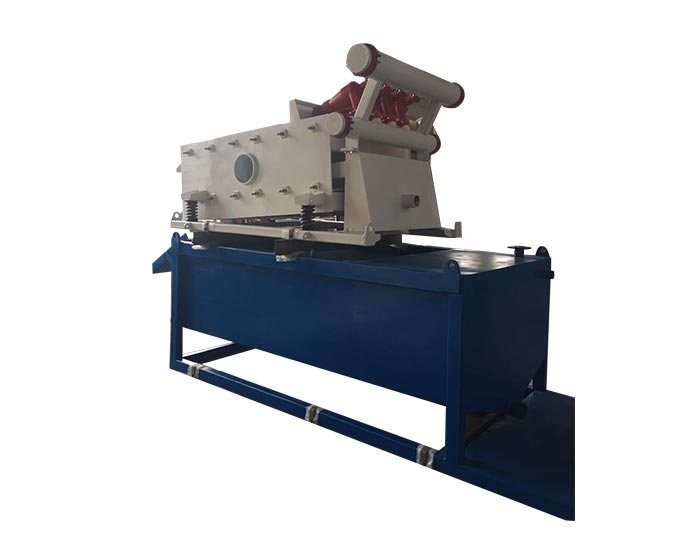
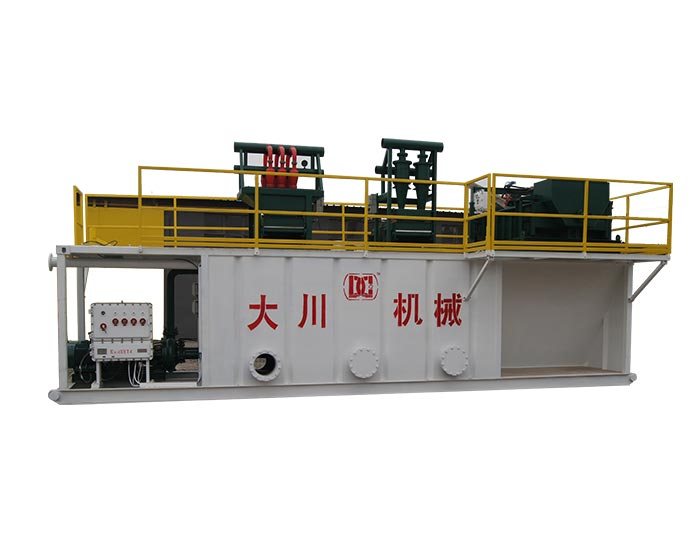
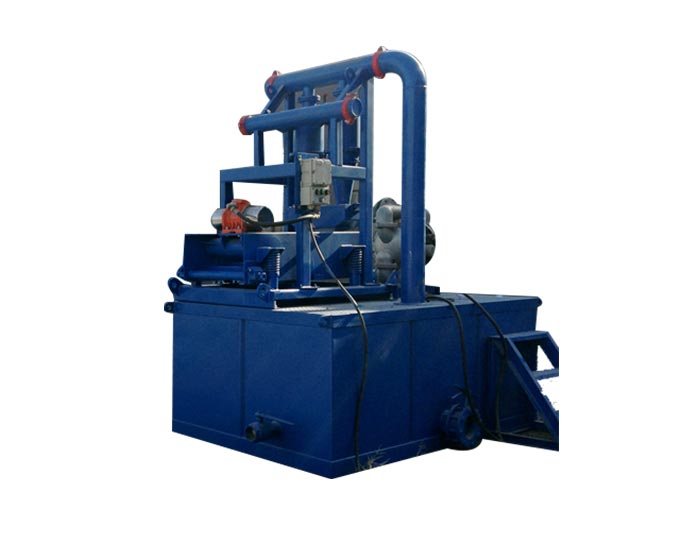
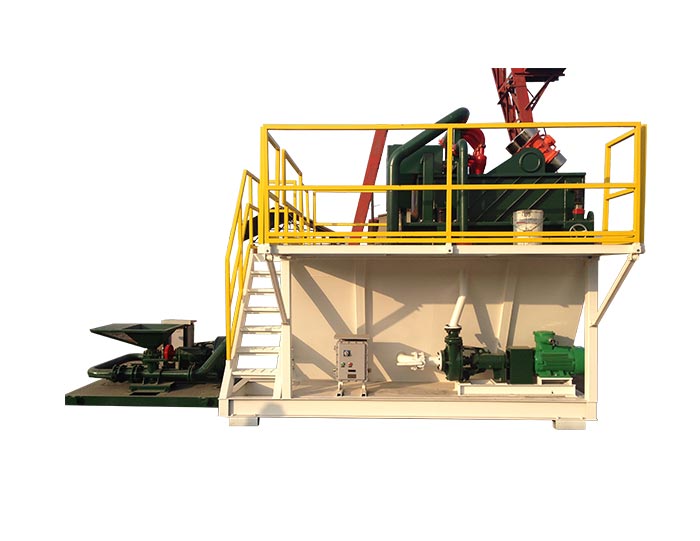
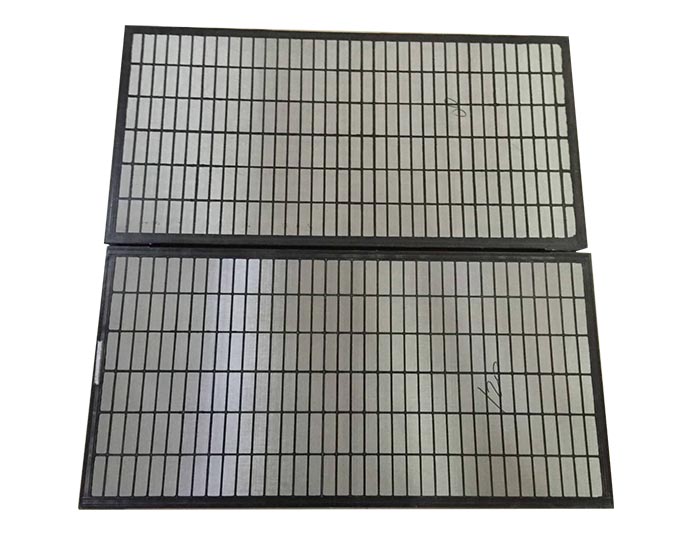
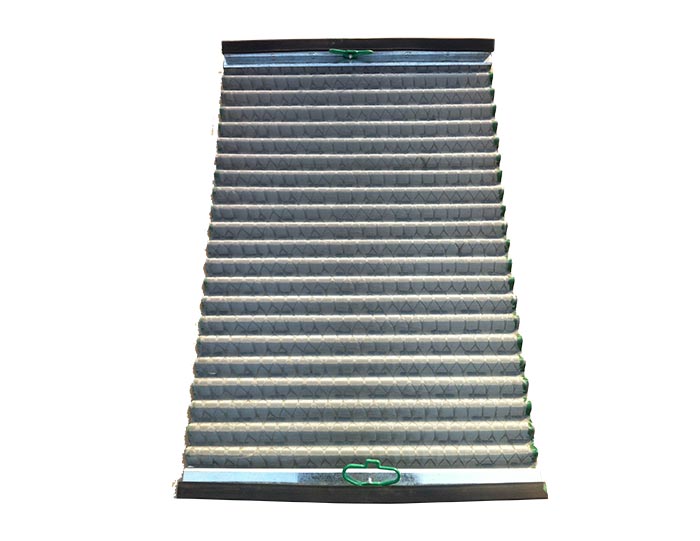
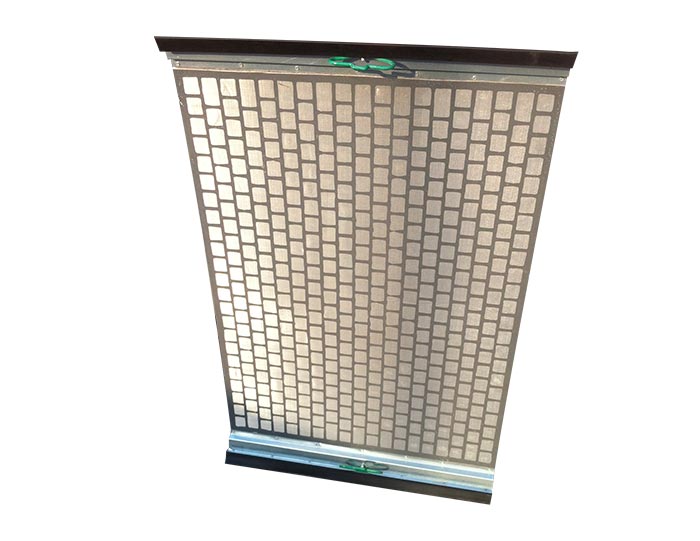
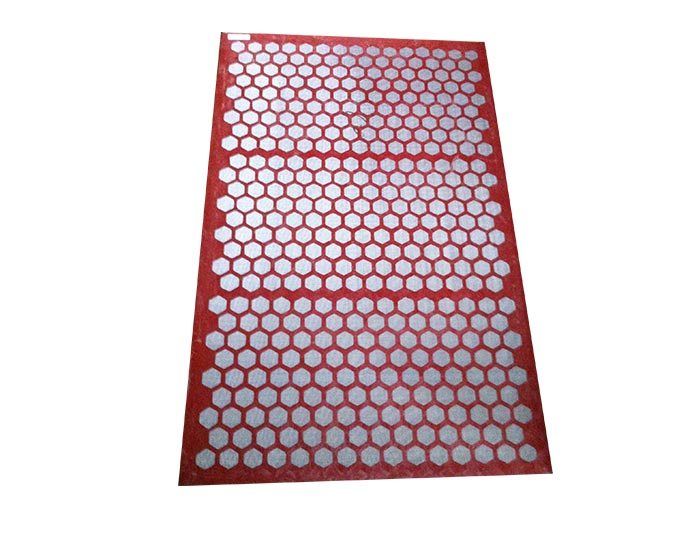
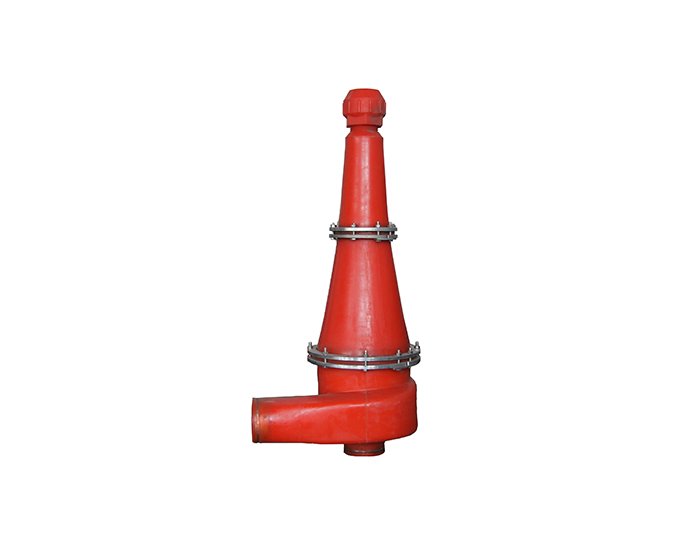
In the context of deep well operations, the term "solids control" takes on a much higher level of criticality. When a drill bit is thousands of feet below the mud line, the equivalent circulating density (ECD) of the fluid must be managed with surgical precision. Traditional shale shakers are excellent at removing large cuttings, but they often allow particles between 15 and 74 microns to return to the active system. This is where specialized mud cleaner products intervene. By integrating a bank of hydrocyclones with a fine-mesh vibrating screen, these units strip out the "drilled solids" that would otherwise thicken the mud and increase the risk of differential sticking.
The evaluation of mud cleaner products for deep exploration focuses heavily on the "liquid recovery" aspect. In deep wells, synthetic-based muds (SBM) are frequently used due to their thermal stability, yet they are incredibly expensive. A standard desilter might remove the solids but would also discard a significant volume of SBM with them. A high-efficiency drilling mud cleaner recovers this fluid by dewatering the cyclone underflow on a high-G force shaker deck, ensuring that the only thing leaving the rig is a semi-dry cake of waste. This recovery process is the difference between a profitable well and one plagued by excessive chemical costs.
Assessing the Structural Integrity of a Drilling Mud Cleaner
When exploring deep horizons, the equipment is subjected to relentless vibration and corrosive fluids for months at a time. Therefore, an essential criterion for evaluating a drilling mud cleaner is its structural and material engineering. The manifold—the "heart" that distributes fluid to the cones—must be designed to minimize internal turbulence. Any uneven pressure distribution within the manifold will cause some cones to "rope" while others "spray," leading to inconsistent separation.
Furthermore, the cones themselves must be manufactured from materials that can withstand the abrasive bombardment of high-velocity sand. High-grade polyurethane with ceramic or specialized polymer linings is often the standard for a premium drilling mud cleaner. During the evaluation phase, operators should look for "modular" cone designs that allow for easy replacement of the apex or the vortex finder. In deep well scenarios, downtime is measured in thousands of dollars per hour; a machine that requires a total teardown for a simple cone blockage is a liability rather than an asset.
The Operational Versatility of a High-Performance Mud Cleaner Machine
A modern mud cleaner machine must be an adaptable tool, capable of transitioning between different drilling phases. In the early stages of a deep well, the fluid volume might be high but the solids relatively coarse. As the well reaches its target depth, the volume might decrease, but the solids become finer and more concentrated. The best mud cleaner machine designs allow for the independent operation of desander and desilter banks, providing the derrickman with the flexibility to engage only the number of cones necessary to maintain the proper head pressure.
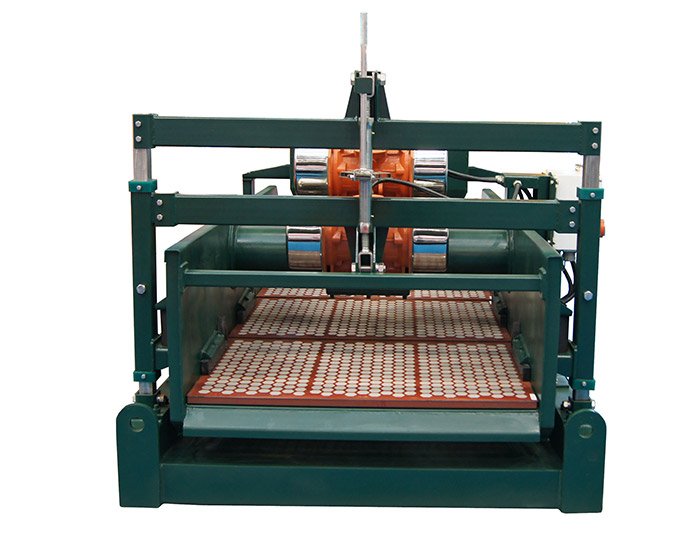
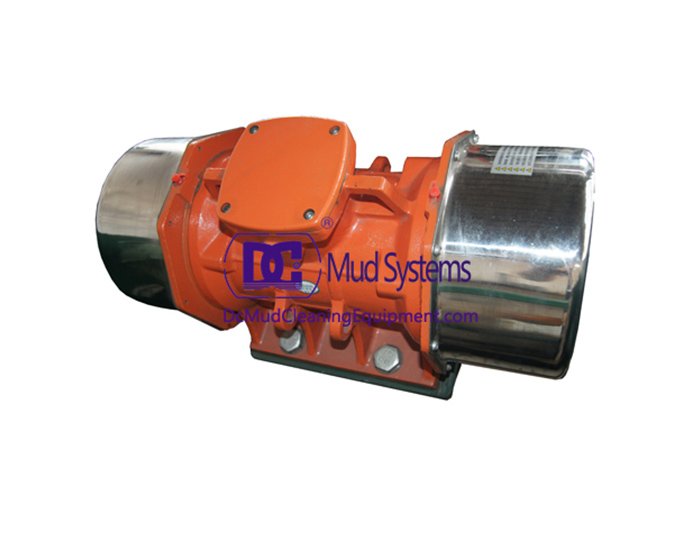
Another vital aspect of the mud cleaner machine is the "motion" of its shaker deck. For deep well exploration, linear motion is typically preferred because it provides the high G-force (often exceeding 7.0G) required to move heavy, sticky solids across fine screens without "blinding." The ability to adjust the deck angle—often referred to as "awning"—while the machine is in operation is a hallmark of a superior design. This allows the operator to maintain the "liquid pool" at the optimal position on the screen, maximizing the dewatering time for the solids before they are discharged.
Partnering with Reliable Mud Cleaner Manufacturers for Global Projects
The sourcing of equipment is as much about the partner as it is about the hardware. When evaluating mud cleaner manufacturers, global logistics and technical support become paramount. Deep well exploration often takes place in remote offshore locations or isolated land basins where a missing spare part can halt an entire project. Leading mud cleaner manufacturers provide comprehensive "spares kits" and maintain a network of field engineers who understand the specific nuances of high-pressure fluid dynamics.
Beyond hardware, the top mud cleaner manufacturers are those that invest in research and development. In 2026, the trend is toward "smart" solids control, where sensors integrated into the mud cleaner machine provide real-time data on the moisture content of the discharge and the pressure within the hydrocyclone headers. By selecting mud cleaner manufacturers who prioritize this digital integration, operators can move away from "reactive" maintenance and toward a "proactive" model, where the equipment performance is optimized through data analytics rather than manual guesswork.
The Economic Impact of a Well-Maintained Oilfield Mud Cleaner
Ultimately, the choice of an oilfield mud cleaner is an economic decision. The primary objective is to reduce the "total cost of the mud." This is achieved through three avenues: reducing the volume of waste hauled away, minimizing the amount of new chemicals added to the system, and protecting the rig's hardware. The abrasive silt that an oilfield mud cleaner removes is the number one cause of premature wear on mud pump liners and drill bit nozzles.
When an oilfield mud cleaner is functioning at its peak, it effectively "polishes" the mud, keeping the solids content below the threshold that causes mechanical damage. For deep well exploration, where pump pressures are extreme, even a 1% increase in sand content can lead to a catastrophic failure of the high-pressure manifold. Therefore, the mud cleaner products selected for the job are effectively the insurance policy for the rig's most expensive mechanical assets. A well-conditioned fluid environment ensures that the drill bit can stay on bottom longer, increasing the "Rate of Penetration" and bringing the well to completion ahead of schedule.

 Linear Motion Shale Shaker In Drilling Rig
 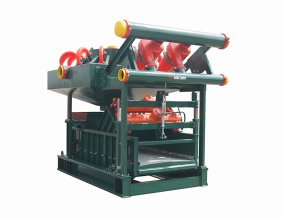 Oilfield Mud Cleaner
 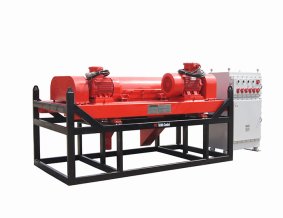 Drilling Fluid Decanter Centrifuge
 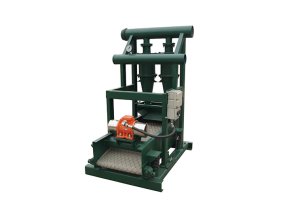 Drilling Mud Desander
 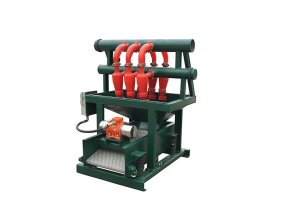 Hydrocyclone Desilter
 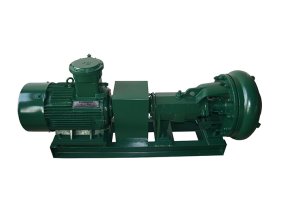 Centrifugal Pump/Centrifugal Mud Pump
 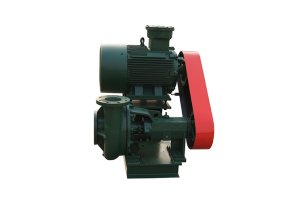 Shear Pump
 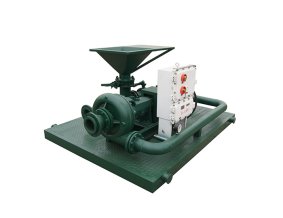 Jet Mud Mixer
 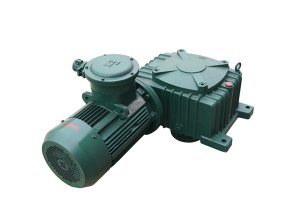 Horizontal Mud Agitator
 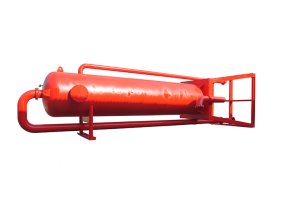 Constant Pressure Drilling Fluid Mud Gas Separator
 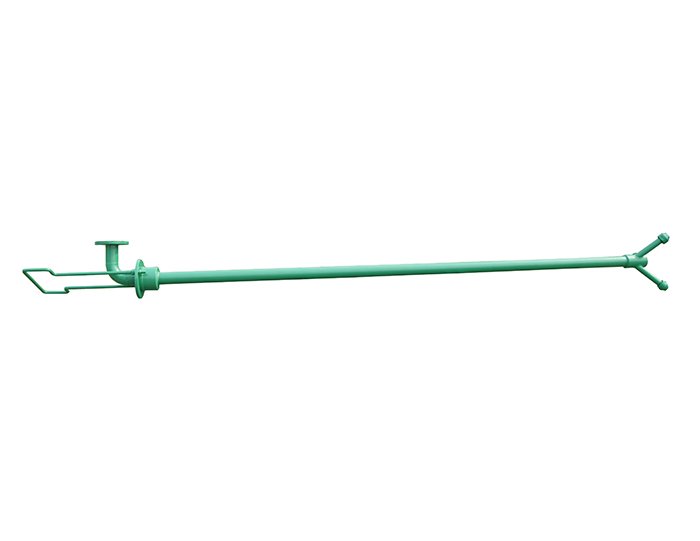 Mud Gun
  Mud Tank
 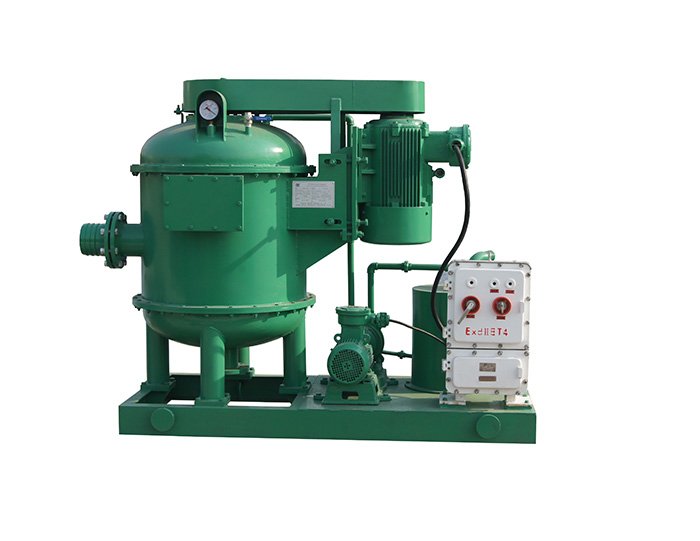 Solids Control System Vacuum Degasser
 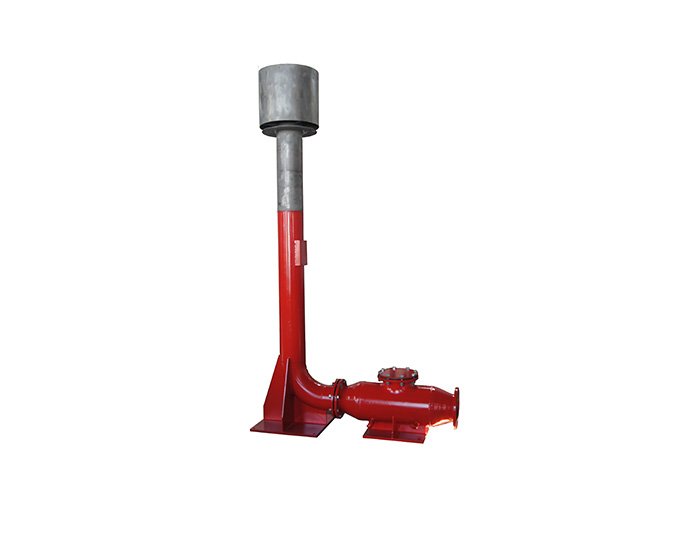 Flare Ignition Device
 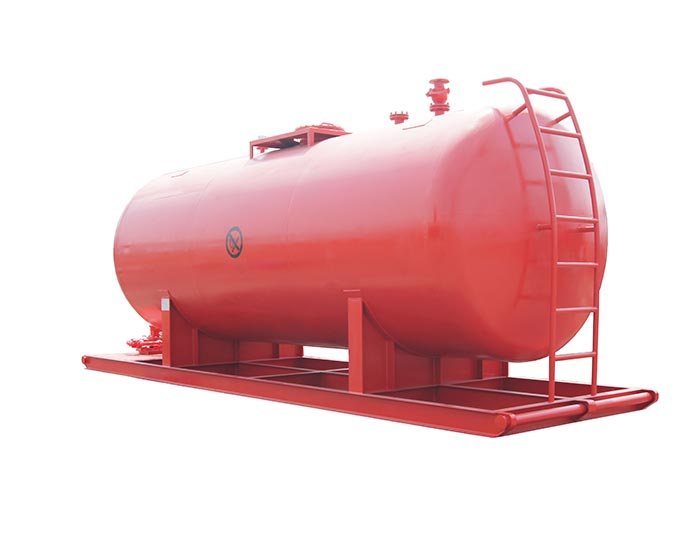 Diesel Tank
 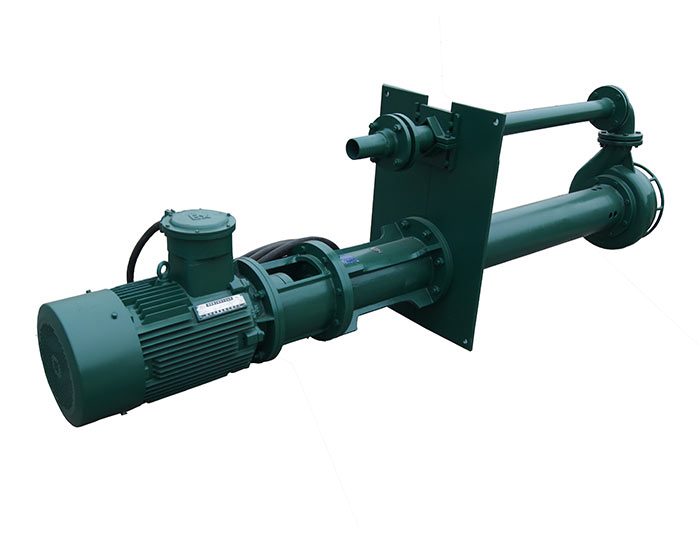 Submersible Slurry Pump