In the modern oil and gas industry, the push toward deeper, hotter, and more chemically complex reservoirs has redefined the requirements for surface equipment. When drilling through sour gas formations or utilizing high-salinity brine muds, the oilfield shale shaker is subjected to an environment that is as chemically aggressive as it is mechanically demanding. In these corrosive settings, the standard carbon steel construction that once sufficed is no longer a viable option. Selecting the appropriate drilling fluid shale shaker material has become a critical engineering decision, directly impacting the equipment’s lifespan, the safety of the rig crew, and the overall cost-efficiency of the solids control program. As we navigate the operational challenges of 2026, understanding the synergy between metallurgy and fluid chemistry is the key to maintaining a reliable mud circulation system.
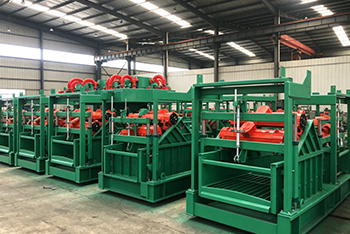
The Chemistry of Decay: Why Material Selection Matters in an Oilfield Shale Shaker
The primary challenge in a corrosive drilling environment is the presence of hydrogen sulfide, carbon dioxide, and high concentrations of chloride ions from salt-saturated muds. When these chemicals interact with the vibrating surfaces of an oilfield shale shaker, they initiate several forms of degradation, including pitting corrosion, stress corrosion cracking, and uniform oxidation. The constant high-frequency vibration of the shaker exacerbates these issues by preventing the formation of a stable protective oxide layer on the metal surface.
If the drilling fluid shale shaker material is not specifically chosen to resist these agents, the structural integrity of the shaker basket will rapidly decline. Microscopic pits can turn into structural cracks under the influence of 7.0G to 8.0G of acceleration. For an operator, this means that a machine designed to last a decade might experience catastrophic frame failure in less than two years. Therefore, evaluating materials through the lens of the Pitting Resistance Equivalent Number (PREN) and NACE (National Association of Corrosion Engineers) standards is now a standard part of the procurement process for high-spec drilling projects.
Advanced Alloys: The Evolution of Drilling Fluid Shale Shaker Material
To combat the limitations of traditional materials, leading shale shaker manufacturers have turned to advanced alloys and specialized coating technologies. Stainless steels, particularly 304 and 316L grades, were the first step in this evolution. While 316L offers excellent resistance to general corrosion, it can still be vulnerable to chloride-induced stress corrosion cracking in the high-temperature environments often found in deep-well mud returns.
In 2026, the "gold standard" for a corrosive-service drilling fluid shale shaker material is shifting toward Duplex stainless steels and high-performance "Super Chrome" alloys. These materials offer a unique dual-phase microstructure that provides significantly higher yield strength and superior resistance to localized pitting. By using these advanced metals for the shaker’s "wet parts"—those directly in contact with the mud—manufacturers can ensure that the shaker basket remains rigid and vibration-stable even when processing the most aggressive fluids. This unremitting pursuit of metallurgical excellence is what allows modern rigs to operate in the world’s most hostile geological basins without fear of equipment downtime.
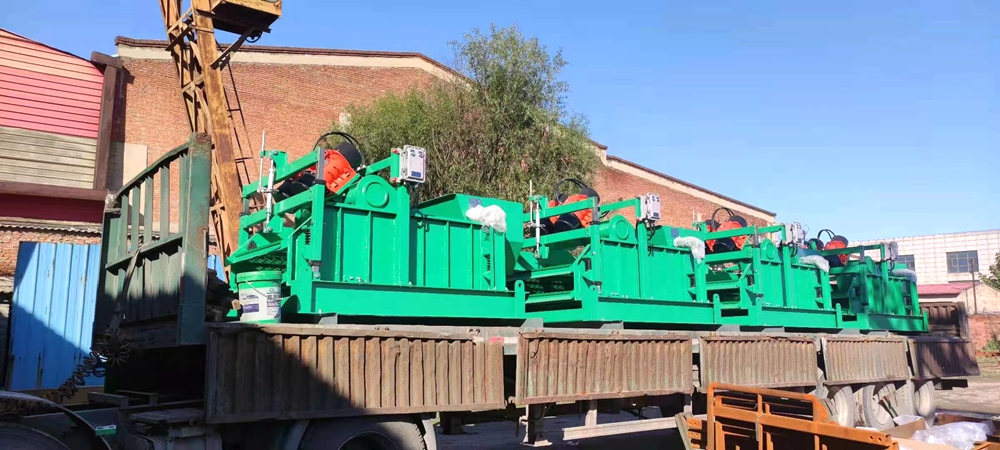
Structural Integrity and the High G Shale Shaker in Corrosive Service
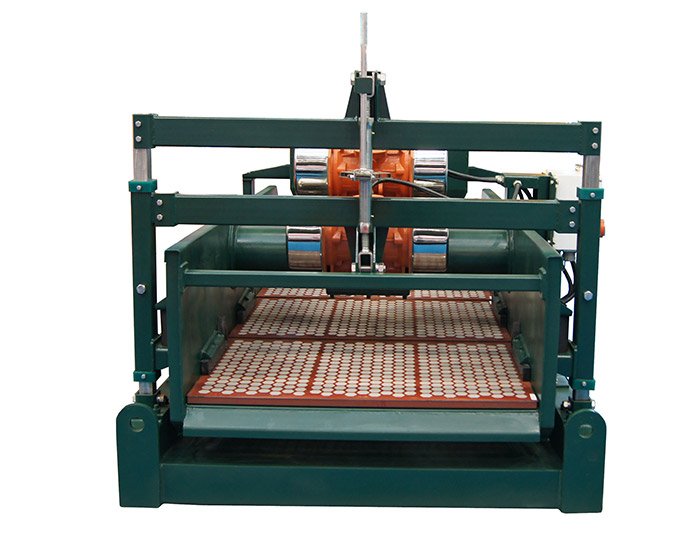
The demand for higher separation efficiency has led to the widespread adoption of the high g shale shaker. However, the mechanical physics of a high g shale shaker place immense strain on the materials used. When a shaker operates at 8.0G, the internal stresses on the welds and joints are amplified. If the material has been even slightly weakened by corrosion, the risk of fatigue failure increases exponentially.
This is why the evaluation of drilling fluid shale shaker material must go beyond just the surface chemistry; it must also consider the fatigue limit of the alloy in a "wet" state. Corrosion-fatigue is the hidden killer of solids control equipment. Professional shale shaker manufacturers now utilize finite element analysis (FEA) to simulate how different materials respond to high vibration while simultaneously undergoing chemical attack. By optimizing the basket's geometry and using materials with a high strength-to-weight ratio, they can produce a high g shale shaker that is both light enough to achieve high acceleration and robust enough to survive the corrosive "bath" of the drilling mud.
The Role of Shale Shaker Manufacturers in Material Innovation
The responsibility for solving the corrosion puzzle falls largely on the shoulders of the shale shaker manufacturers. In the current global market, the most reputable producers are those who invest in proprietary coating systems and heat-treatment processes. For example, some manufacturers now offer "baked-on" epoxy coatings or thermal spray aluminum (TSA) finishes that provide a sacrificial barrier against the mud.
Furthermore, leading shale shaker manufacturers are exploring the use of composite materials for non-structural components like tensioning rails and header boxes. High-strength, fiber-reinforced polymers are entirely immune to the electrochemical processes that cause metal corrosion. By strategically combining these composites with high-alloy steels in a hybrid design, manufacturers can create an oilfield shale shaker that is significantly more resilient than a purely metallic one. This market-oriented approach to design ensures that the equipment can be tailored to the specific salinity and pH levels of the client’s project, providing a personalized customized service that maximizes the ROI of the equipment.
Shale Shaker: Economic and Environmental Impact of Corrosion-Resistant Equipment
The financial implications of material selection are profound. While an oilfield shale shaker constructed from Duplex stainless steel has a higher initial purchase price, its total cost of ownership (TCO) is substantially lower. Frequent repairs, weld-patches, and the premature replacement of carbon steel shaker baskets lead to massive indirect costs, including lost rig time and increased logistics for heavy spare parts.
From an environmental perspective, a failure in the drilling fluid shale shaker material can lead to mud leaks or spills on the rig floor, creating safety hazards and potential contamination. By using durable, corrosion-resistant materials, operators ensure a "closed" and secure mud circulation system. This alignment with ESG (Environmental, Social, and Governance) goals is increasingly important in 2026, as the industry is under intense pressure to demonstrate that its equipment is not only effective but also sustainable and safe for the environment.

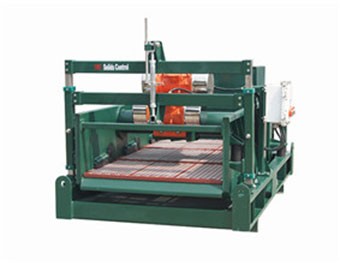 Linear Motion Shale Shaker In Drilling Rig
 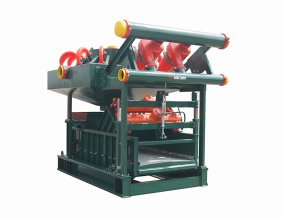 Oilfield Mud Cleaner
 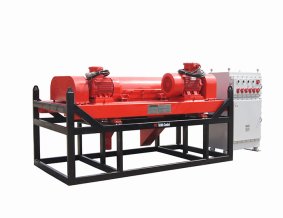 Drilling Fluid Decanter Centrifuge
 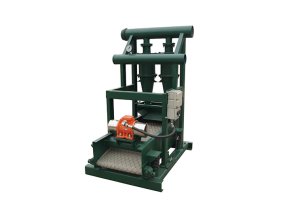 Drilling Mud Desander
 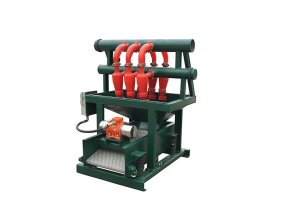 Hydrocyclone Desilter
 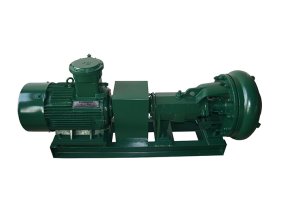 Centrifugal Pump/Centrifugal Mud Pump
 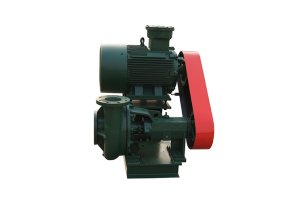 Shear Pump
 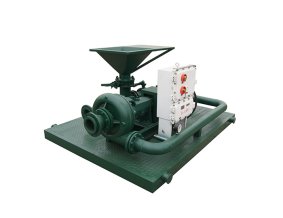 Jet Mud Mixer
 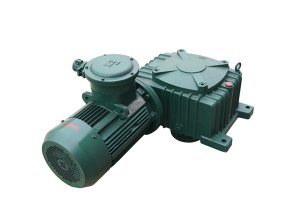 Horizontal Mud Agitator
 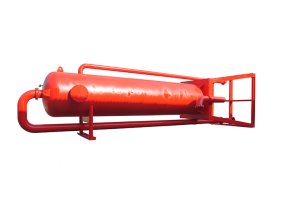 Constant Pressure Drilling Fluid Mud Gas Separator
 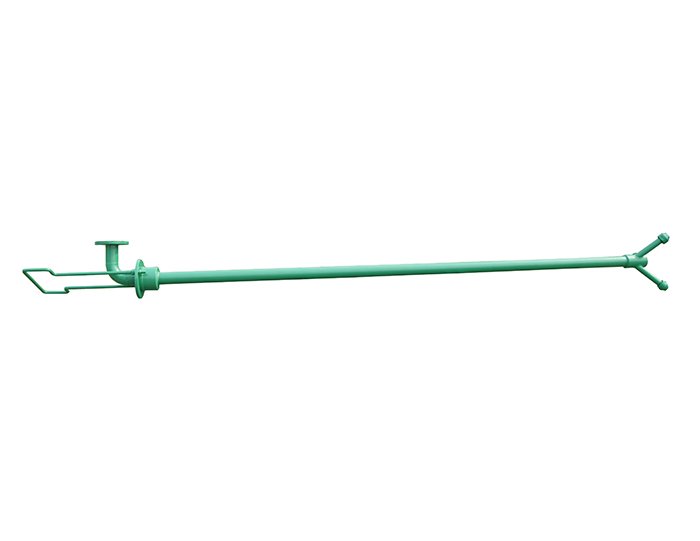 Mud Gun
  Mud Tank
 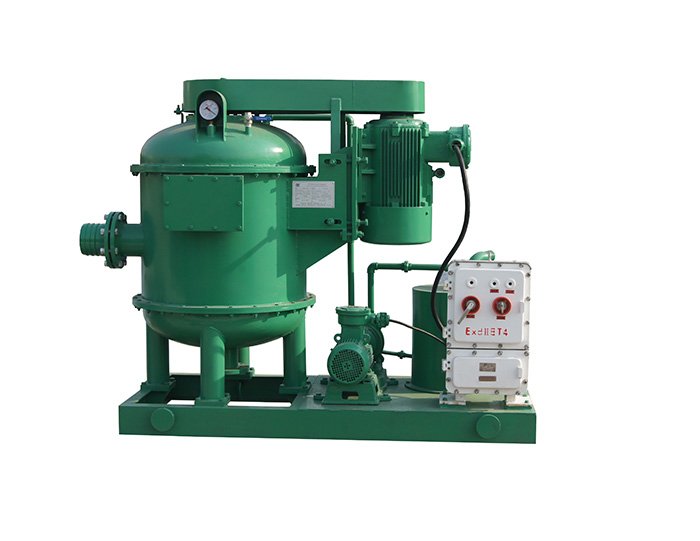 Solids Control System Vacuum Degasser
  Flare Ignition Device
  Diesel Tank
  Submersible Slurry Pump