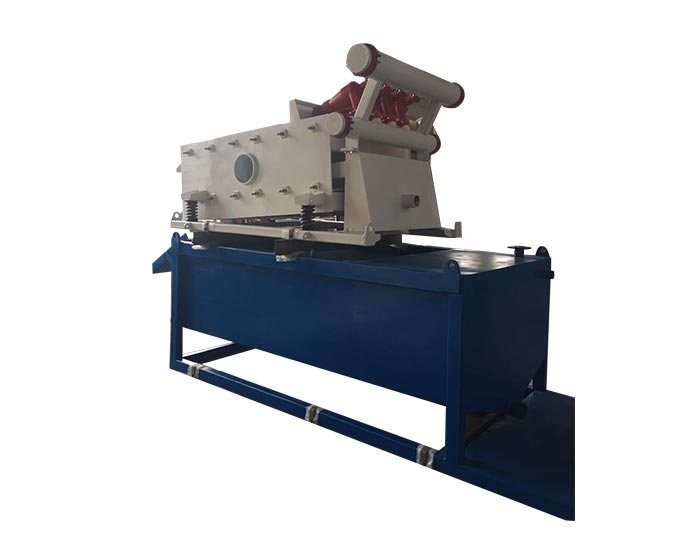
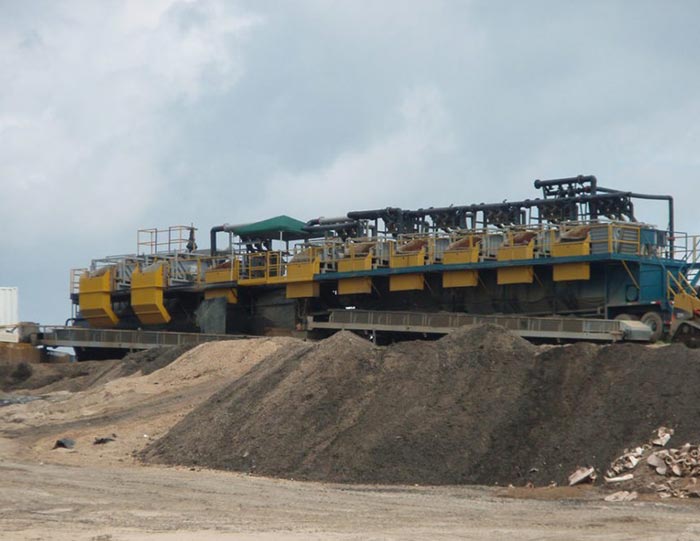
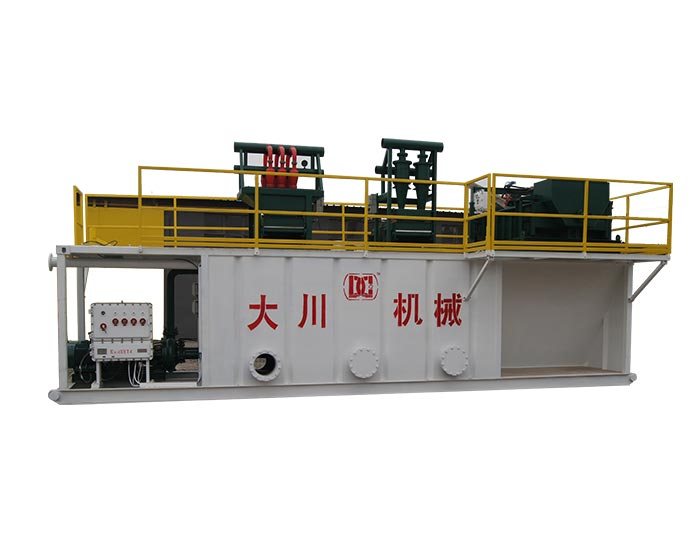
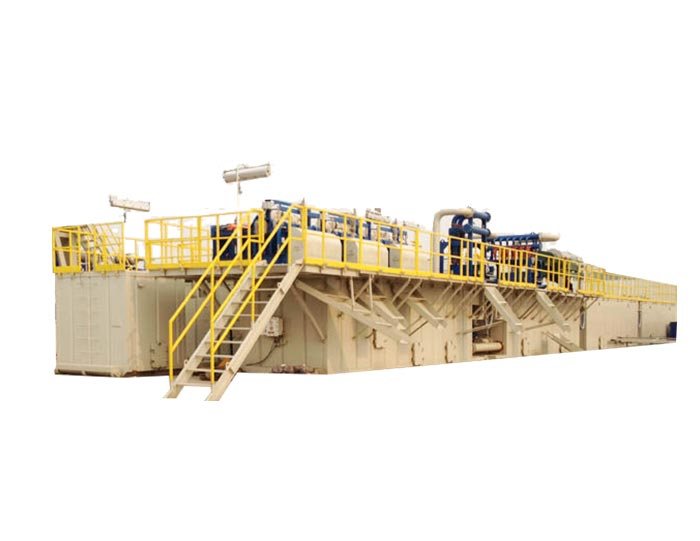
In the globalized landscape of the 2026 energy sector, the demand for high-performance drilling equipment has necessitated a shift in how machinery is designed for international trade. For drilling contractors operating in remote offshore fields or land-based exploration sites across borders, the mud vacuum unit stands as a non-negotiable asset for maintaining wellbore stability. As environmental regulations tighten and the cost of synthetic drilling fluids rises, the ability to effectively remove entrained gases from the mud system has become a primary metric for operational success. Designing and manufacturing these units for export requires a deep understanding of mechanical resilience, logistics, and the diverse geological challenges encountered by global operators.
A high-efficiency mud vacuum unit is a sophisticated assembly of pressure vessels and fluid management technology. Its role is to protect the rig’s primary mud pumps from cavitation and to ensure that the hydrostatic pressure of the mud column remains consistent. When these units are destined for the export market, they must be engineered to withstand not only the rigors of the drilling process but also the harsh conditions of international shipping and varying electrical standards. From the internal baffling to the external vacuum pumps, every component must be optimized for longevity and ease of service in regions where specialized technical support may be hundreds of miles away.
Engineering the Pressure Vessel: The Role of the Vacuum Tank Degasser
The core of any degassing system is the separation chamber, frequently referred to in technical specifications as the vacuum tank degasser. For units intended for the export market, the construction of this vessel is governed by stringent international safety codes, such as the ASME or CE standards. The primary function of this tank is to provide an environment where the drilling fluid can be spread into a thin film while subjected to a negative pressure. This physical transformation allows entrained gas bubbles to expand and burst, effectively "cleaning" the mud of flammable or toxic gases like methane and hydrogen sulfide.
Reliable vacuum degasser manufacturers focus on the internal geometry of this tank to maximize throughput. Instead of a simple hollow cylinder, an efficient vessel is equipped with tiered internal plates or corrugated umbrellas. As the mud enters the unit, it cascades over these surfaces, which increases the surface area-to-volume ratio. This thin-film aeration is the secret to high-efficiency degassing. For export-grade units, these internal components are often manufactured from high-purity stainless steel or coated with specialized abrasion-resistant materials to ensure that the constant flow of abrasive drilling mud does not erode the vessel over time, thereby extending the machine's service life in the field.
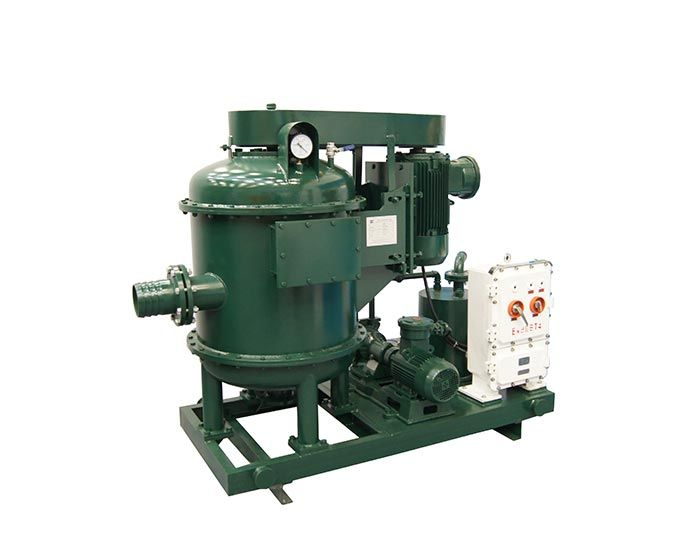
Maximizing Gas Separation with the Integrated Vacuum Degasifier System
A modern vacuum degasifier is more than just a tank; it is a holistic system designed to balance suction and discharge. The efficiency of the gas separation is directly tied to the unit's ability to maintain a consistent vacuum level regardless of the mud's viscosity. In many export models, the mud vacuum unit is designed to be self-priming, utilizing the vacuum itself to pull the gas-cut mud from the shaker tank. This eliminates the need for a separate centrifugal feed pump, which significantly reduces the mechanical footprint and simplifies the spare parts inventory for the end-user.
The separation efficiency of the vacuum degasifier is also influenced by the discharge mechanism. As the gas is stripped from the fluid, the cleaned mud must be returned to the active system without introducing new air. This is achieved through a specialized discharge valve or a liquid-seal arrangement. For international clients, manufacturers often provide modular discharge configurations that can be adapted to different rig heights and tank layouts. This versatility is a hallmark of an export-ready design, allowing the same unit to be deployed across a wide variety of rig architectures from North America to the Middle East.
The Heart of the Machine: The High-Performance Vacuum Degasser Pump
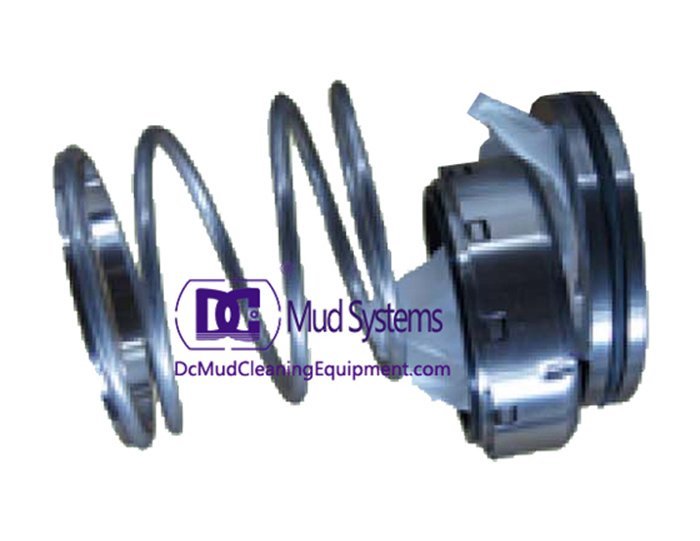
No vacuum degasser can function without a reliable source of negative pressure. The vacuum pump is the mechanical heart of the system, and its selection is critical for export success. Most leading manufacturers now utilize liquid-ring vacuum pumps for their durability and "self-cooling" properties. Because these pumps use a rotating ring of liquid (usually water) to create the seal, they are capable of handling small amounts of gas-borne moisture or debris without the risk of mechanical seizure.
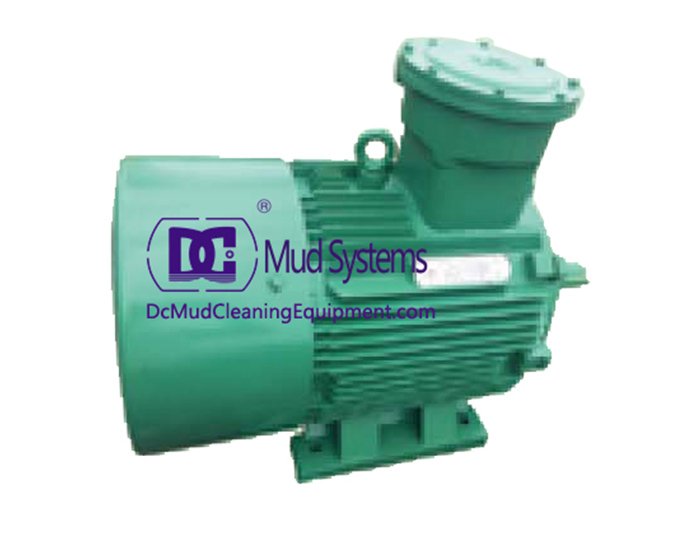
In 2026, the focus for vacuum degasser manufacturers has shifted toward energy efficiency and "explosion-proof" electrical standards. Units destined for export are typically equipped with multi-voltage, multi-frequency motors that can operate on 50Hz or 60Hz power grids. This ensures that the mud vacuum unit remains functional regardless of the regional electrical infrastructure. Furthermore, the vacuum intensity must be adjustable. High-density, "weighted" muds require a deeper vacuum to liberate trapped gases than lighter, water-based fluids. Providing a control system that allows the operator to fine-tune the vacuum pressure ensures that the rig can maintain peak efficiency across different geological formations.
Strategic Considerations for International Vacuum Degasser Manufacturers
For companies established as premier vacuum degasser manufacturers, the export process involves more than just crating the machinery. Reliability in the international market is built on the foundation of post-sale support and the availability of consumable parts. An efficient mud vacuum unit is only as good as the technician's ability to maintain it. Therefore, export models are often designed with "user-serviceable" components, such as easy-access manways for internal cleaning and standardized seals that can be sourced globally.
Furthermore, the environmental footprint of the machinery is a growing concern for international buyers. The capture and venting of gases must be handled with extreme care to meet local air quality standards. Modern vacuum degasifier units are designed with integrated flare-line connections and flame arrestors to ensure that the removed gases are disposed of safely and responsibly. By incorporating these safety and environmental features into the standard export package, manufacturers provide a solution that is compliant with global ESG (Environmental, Social, and Governance) requirements, making their products more attractive to major international oil companies and nationalized energy firms.
Logistics and the Modular Design of the Mud Vacuum Unit
The final hurdle for export is the physical logistics of moving heavy machinery across oceans. A truly efficient mud vacuum unit for the export market is designed with a "skid-mounted" or modular footprint. This allows the unit to be easily loaded into standard shipping containers or onto flatbed trailers, minimizing shipping costs and reducing the risk of damage during transit. The external piping and electrical conduit are often recessed within the frame to protect them from impact during the loading and unloading process.
Ultimately, the goal of exporting a vacuum tank degasser is to provide the client with a "plug-and-play" solution. When the unit arrives at the rig site, it should require minimal assembly to become operational. Clear, multilingual technical documentation and digital troubleshooting guides have become standard offerings from the world's top manufacturers. By combining robust mechanical engineering with a deep understanding of international operational realities, manufacturers can ensure that their equipment remains the gold standard for solids control and gas separation, regardless of where in the world the drill bit is turning.
In conclusion, the essential components of a modern degassing system—the vacuum tank, the internal separator, the high-performance pump, and the modular frame—work in harmony to ensure safe and efficient drilling operations. As the industry continues to evolve, the mud vacuum unit will remain a vital component of the global energy infrastructure, protecting both the environment and the structural integrity of the wellbore for years to come.

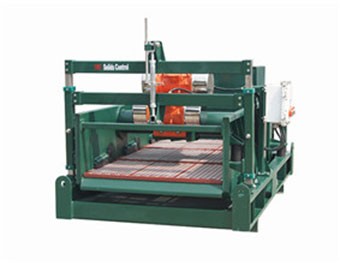 Linear Motion Shale Shaker In Drilling Rig
 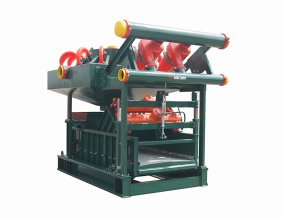 Oilfield Mud Cleaner
 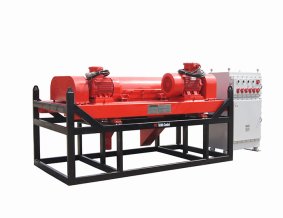 Drilling Fluid Decanter Centrifuge
 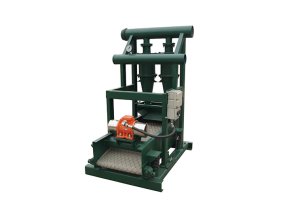 Drilling Mud Desander
 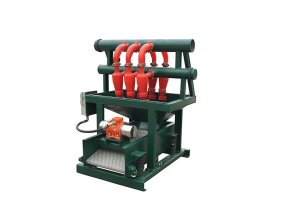 Hydrocyclone Desilter
 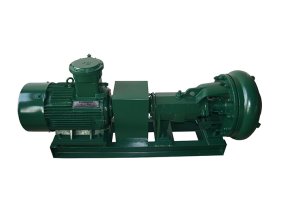 Centrifugal Pump/Centrifugal Mud Pump
 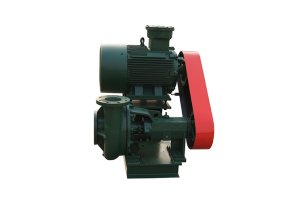 Shear Pump
 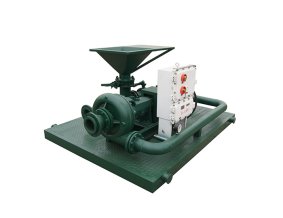 Jet Mud Mixer
 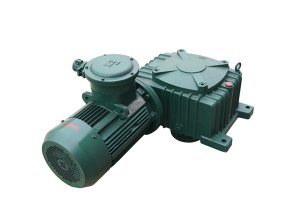 Horizontal Mud Agitator
 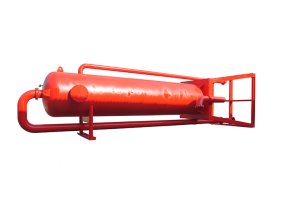 Constant Pressure Drilling Fluid Mud Gas Separator
 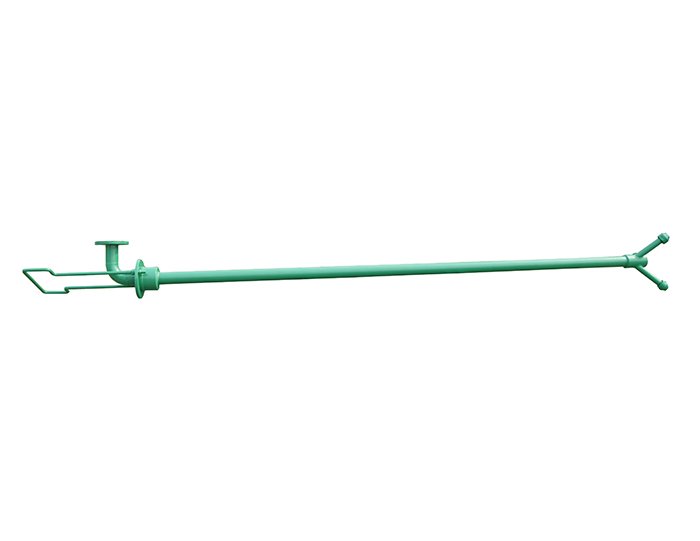 Mud Gun
  Mud Tank
 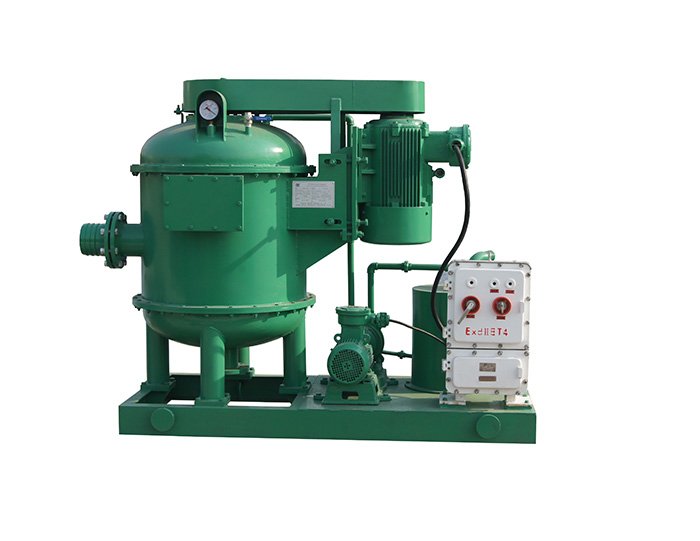 Solids Control System Vacuum Degasser
 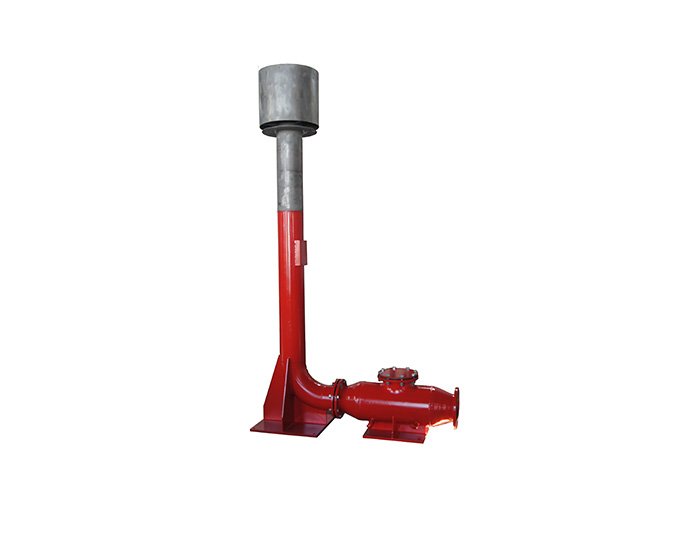 Flare Ignition Device
 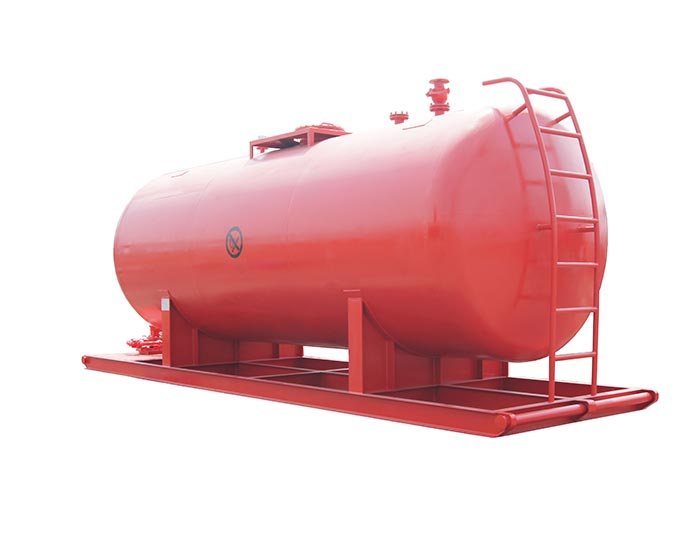 Diesel Tank
 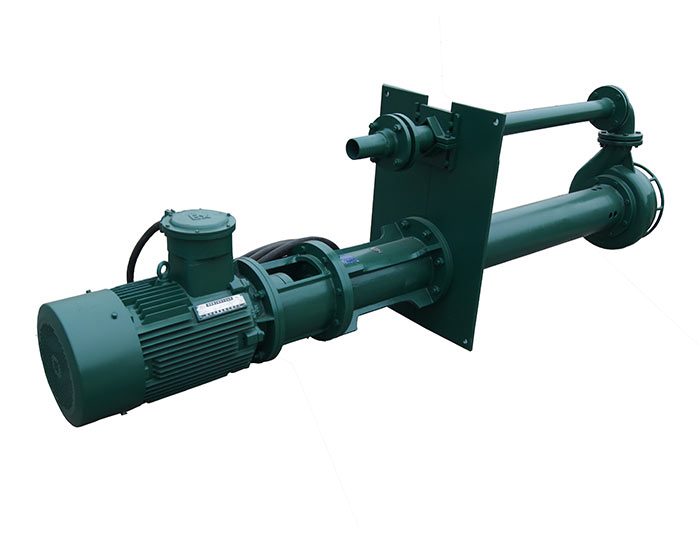 Submersible Slurry Pump