In the modern oil and gas industry, the efficiency of a solids control system is the primary benchmark for operational success. As drilling projects venture into deeper, more complex geological formations, the management of drilling fluids—commonly referred to as "mud"—has become a sophisticated engineering challenge. One of the most significant threats to mud integrity is entrained gas, which can lead to density fluctuations, pump cavitation, and hazardous well-control situations. To combat these issues while maximizing the reuse of expensive drilling fluids, the vertical vacuum degasser has emerged as a superior technological solution. By integrating this specialized equipment into the recovery circuit, operators can ensure a cleaner, more stable fluid return, significantly reducing the environmental footprint and the overall cost of the drilling program.
The fundamental goal of a mud vacuum system is to restore the mud to its original design specifications before it is recirculated downhole. When gas bubbles are trapped within the viscous drilling fluid, they reduce the hydrostatic pressure exerted by the mud column, potentially allowing formation fluids to enter the wellbore. The vertical iteration of the degasser provides a unique mechanical advantage in this process, utilizing space-saving design and gravity-assisted separation to achieve a level of efficiency that traditional horizontal units often struggle to match in high-volume environments.
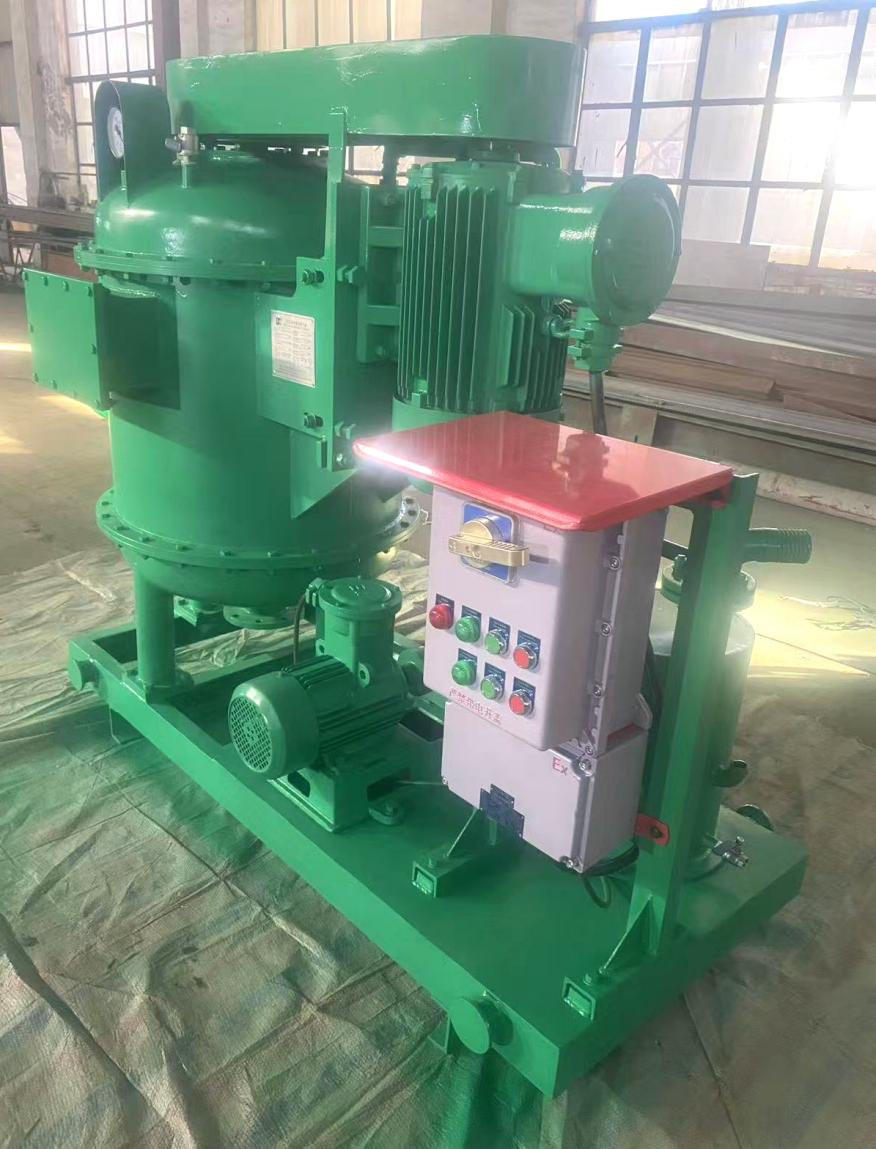
The Mechanical Logic of the Vertical Vacuum Degasser in Recovery Operations
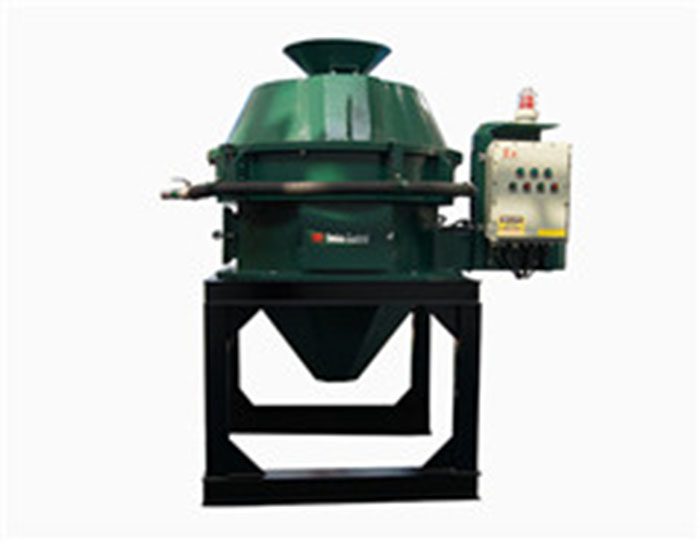
Understanding the effectiveness of the vertical vacuum degasser requires an analysis of its internal fluid dynamics. Unlike horizontal units that rely on a shallow pool and long residence times, the vertical unit utilizes a tall, cylindrical vacuum chamber. As the gas-cut mud is drawn into the vacuum degasser unit, it is distributed onto a series of internal, tiered plates. This arrangement forces the mud to cascade downward in thin, high-surface-area films. In this state, the vacuum pressure can more easily penetrate the fluid’s surface tension, causing entrained gas bubbles to expand and burst.
This vertical orientation is particularly beneficial for mud recovery because it optimizes the "dwell time" of the fluid under vacuum without requiring a massive horizontal footprint. Gravity assists in moving the degassed mud toward the discharge outlet at the base, while the separated gases are pulled upward by the vacuum pump. This counter-current flow ensures that the mud exiting the vacuum degassing system is almost entirely free of entrained air and combustible gases, making it ready for immediate weight adjustment and chemical conditioning.
Optimizing the Mud Vacuum System for High-Density Fluids
One of the most difficult challenges in mud recovery is treating high-density, weighted drilling fluids. These "heavy" muds are often used in high-pressure reservoirs to maintain well stability, but their high solids content makes them exceptionally viscous, which traps gas bubbles more firmly than thinner fluids. A standard solids control system might struggle to liberate gas from these fluids through simple agitation alone. However, the mud vacuum system equipped with a vertical degasser creates a powerful pressure differential that effectively "boils" the gas out of the heavy mud without the need for high heat.
The vertical design enhances this process by utilizing centrifugal force. Many high-end vertical units introduce the mud into the chamber at a tangential angle, creating a vortex as the fluid hits the internal baffles. This spinning action adds a mechanical shear force to the vacuum’s suction, breaking the bond between the gas and the heavy barite or other weighting agents. By successfully degassing these expensive, high-density fluids, the vertical vacuum degasser prevents the need for "dilute and heavy" cycles, where operators are forced to discard gas-cut mud and mix new batches. This preservation of weighted mud represents a massive direct saving in chemical costs and logistics.
Integration within the Modern Solids Control System Hierarchy
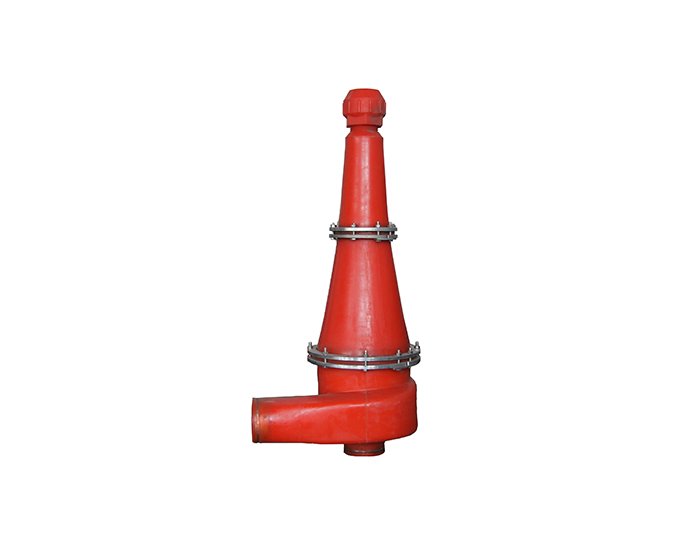
A vacuum degassing system is not a standalone tool; it is a critical link in a chain of mechanical separation. In a professionally managed solids control system, the degasser is typically positioned immediately after the shale shakers. The shale shakers remove the large cuttings, but the fine gas bubbles remain. If this gas-cut mud is allowed to bypass the vacuum degasser unit and move directly to the hydrocyclones (desanders and desilters), the efficiency of those secondary separation stages drops precipitously.
This drop in efficiency occurs because hydrocyclones rely on centrifugal force and fluid density to separate fine solids. Gas bubbles alter the fluid's apparent density and cause turbulence within the cyclone cones, leading to "plugging" or poor separation. By ensuring that the mud vacuum system is fully operational and degassed, the downstream equipment can perform at its peak engineered capacity. This synergy results in a much higher recovery rate of base fluids and a significantly lower volume of discarded waste, aligning the rig’s operations with modern environmental, social, and governance (ESG) standards.
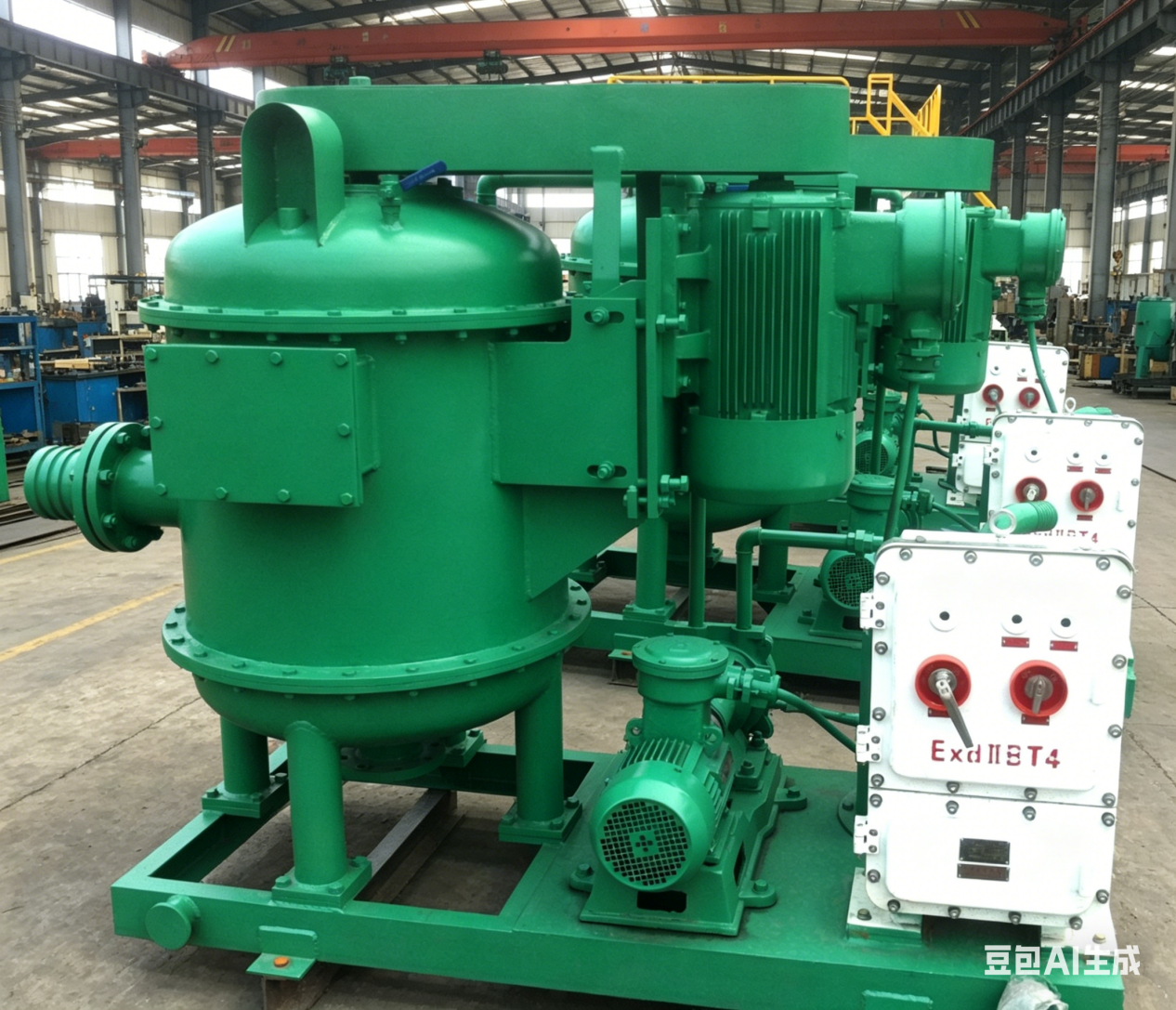
Environmental and Safety Benefits of the Vacuum Degassing System
Beyond the economic advantages of mud recovery, the vertical vacuum degasser serves as a vital safety barrier on the rig floor. The captured gases—which can include toxic Hydrogen Sulfide or flammable methane—must be handled with extreme care. The vacuum degassing system is a closed circuit, meaning the gases are never exposed to the atmosphere near the workers. Instead, they are piped away from the rig to a flare stack or a vent line located at a safe distance.
This contained environment is a hallmark of the modern vacuum degasser unit. By removing these gases at the surface, the system prevents the accumulation of hazardous fumes in the mud pits, where maintenance crews frequently operate. Furthermore, by returning gas-free mud to the well, the system ensures a predictable hydrostatic head, which is the primary defense against blowouts. In the high-stakes world of offshore and deep-well drilling, the reliability of the vertical vacuum degasser is not just a matter of efficiency; it is a matter of life and death, providing a level of wellbore stability that atmospheric separation simply cannot provide.
Strategic Longevity: Maintenance and the Vacuum Degasser Unit
For a mud vacuum system to provide long-term value in mud recovery, the equipment must be designed for the punishing conditions of the oilfield. The vertical vacuum degasser is often preferred by maintenance crews because of its simpler mechanical layout. Because it stands upright, the internal components are less prone to "solids settling"—a common problem in horizontal tanks where sand and silt can accumulate in the corners, eventually reducing the unit’s volume and effectiveness.
A high-quality vertical vacuum degasser is built with high-purity internal coatings that resist the abrasive nature of drilling mud. Regular maintenance is simplified by the vertical orientation, allowing for easier access to the vacuum pump and the internal spray nozzles. When a solids control system is equipped with a durable and easy-to-service vacuum degassing system, the rig experiences less "non-productive time" (NPT). In the 2026 drilling market, where day rates remain high and margins are tight, the ability to maintain continuous, high-efficiency mud recovery is a competitive necessity.
In conclusion, the vertical vacuum degasser represents the pinnacle of gas separation technology in modern mud treatment. By combining a space-efficient vertical footprint with advanced vacuum and centrifugal physics, it provides a superior solution for restoring mud integrity. Whether protecting the safety of the crew, reducing the environmental impact of waste disposal, or saving millions in chemical costs, this essential component of the mud vacuum system ensures that the "lifeblood" of the drilling operation remains pure, stable, and ready for the challenges of the wellbore.

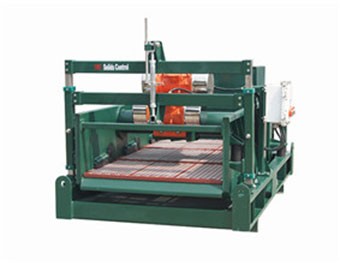 Linear Motion Shale Shaker In Drilling Rig
 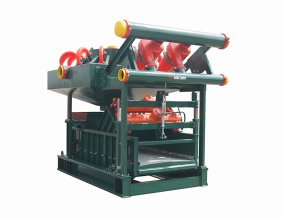 Oilfield Mud Cleaner
 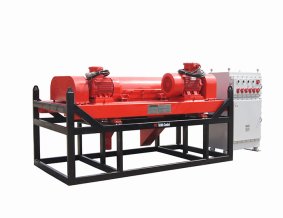 Drilling Fluid Decanter Centrifuge
 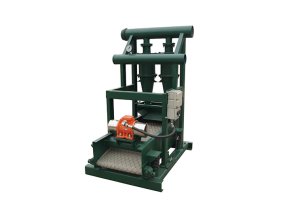 Drilling Mud Desander
 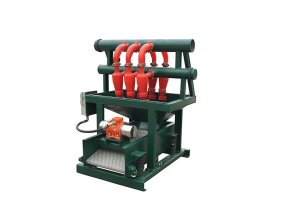 Hydrocyclone Desilter
 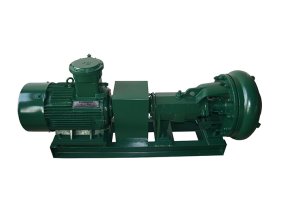 Centrifugal Pump/Centrifugal Mud Pump
 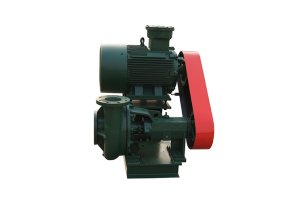 Shear Pump
 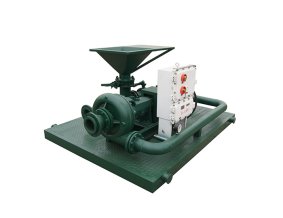 Jet Mud Mixer
 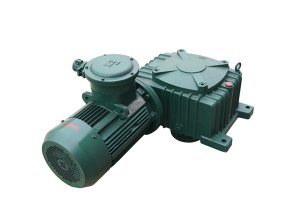 Horizontal Mud Agitator
 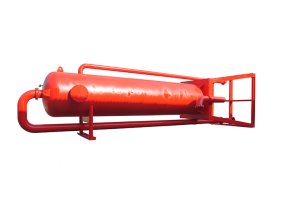 Constant Pressure Drilling Fluid Mud Gas Separator
 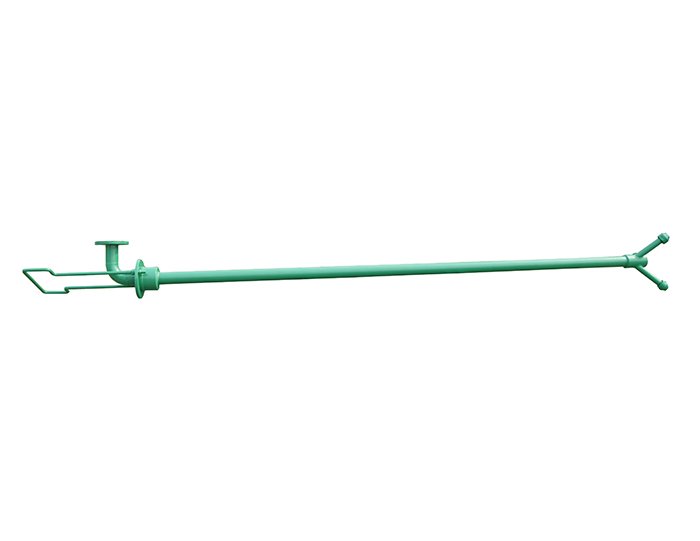 Mud Gun
  Mud Tank
 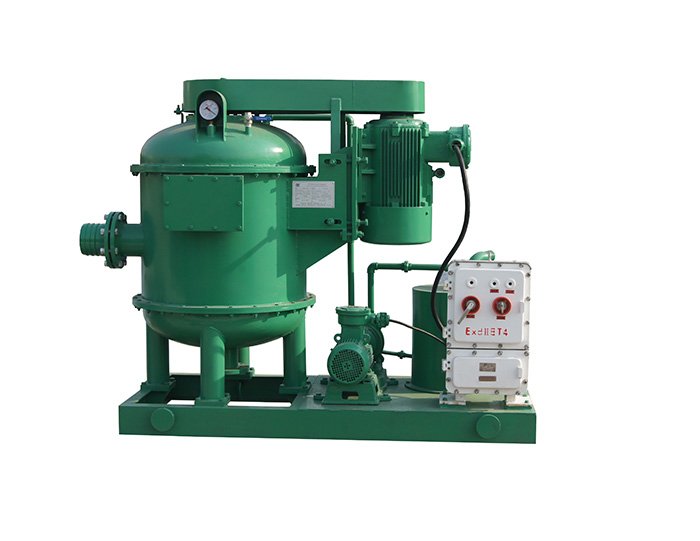 Solids Control System Vacuum Degasser
 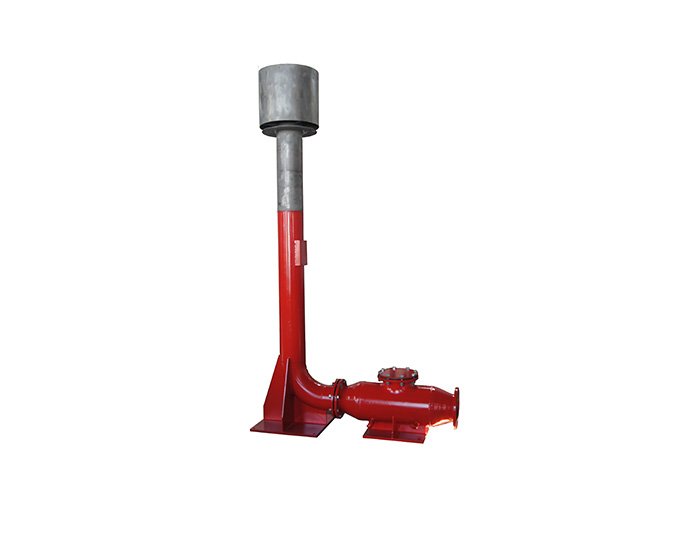 Flare Ignition Device
 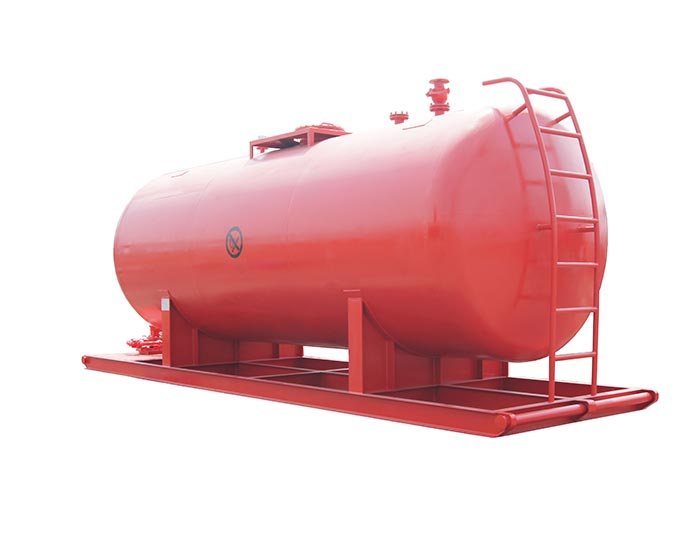 Diesel Tank
 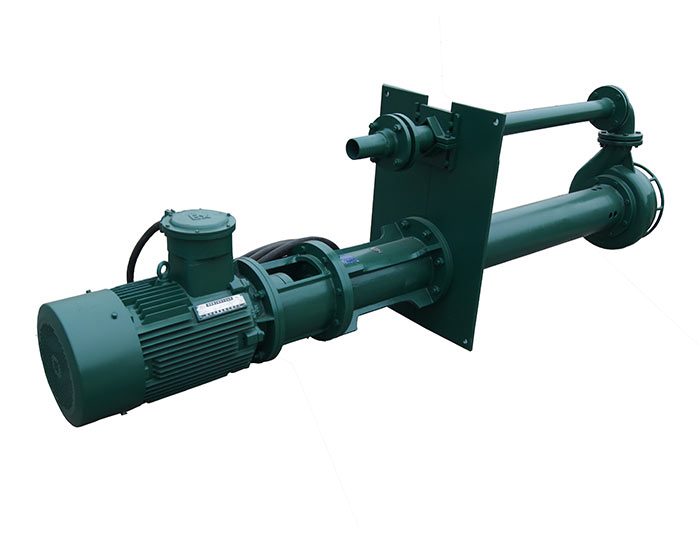 Submersible Slurry Pump