In the high-stakes environment of offshore drilling, space is the most valuable commodity on the platform, and mechanical reliability is the thin line between a profitable venture and an environmental or financial catastrophe. Within the complex ecosystem of an offshore rig, the solids control system serves as the kidneys of the operation, filtering out the "drill cuttings" that threaten the integrity of the wellbore. Among the elite tier of equipment used in these deepwater projects, the mud cleaner derrick design stands as a benchmark for high-volume, high-efficiency separation. Comparing these specialized designs requires an understanding of how centrifugal physics, structural engineering, and automated controls converge to create a mud cleaner machine capable of surviving the corrosive and turbulent conditions of the open ocean.
Structural Integrity and Spatial Efficiency of the Mud Cleaner Derrick
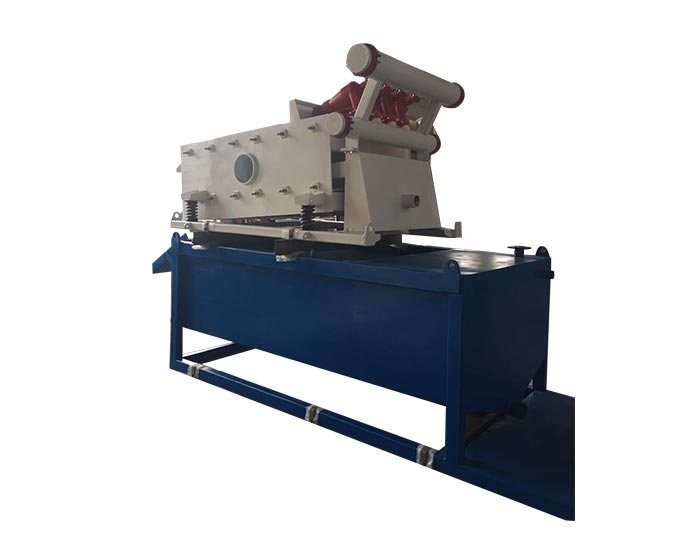
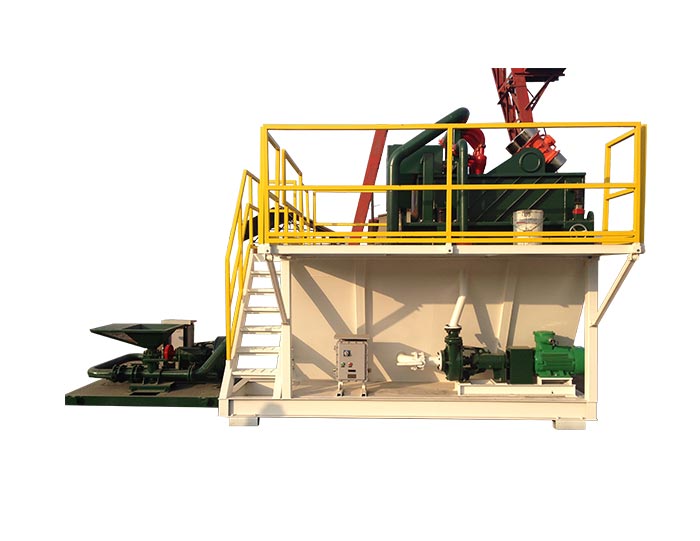
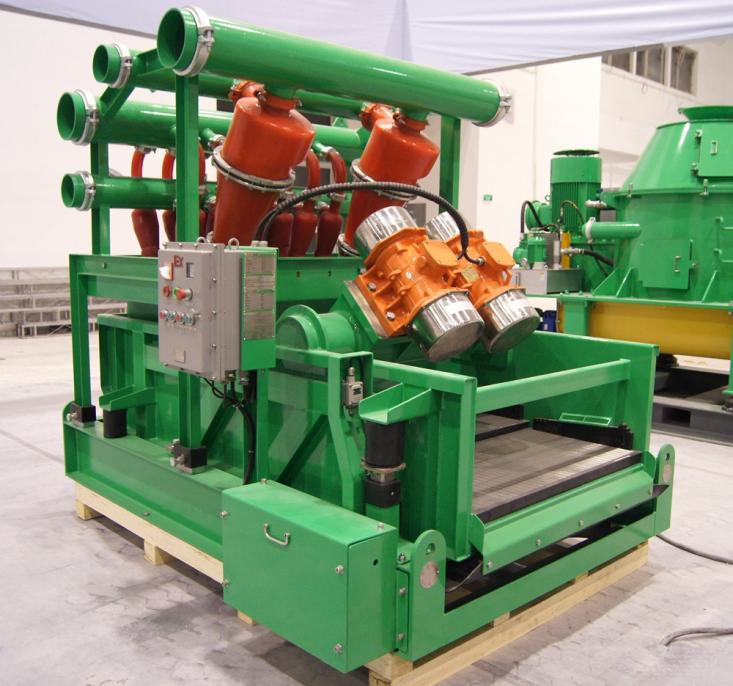
The architecture of a mud cleaner derrick is fundamentally different from land-based models due to the extreme vibration and motion compensation required on jack-ups, drillships, and semi-submersibles. An offshore-rated mud cleaner machine must possess a reinforced frame capable of withstanding constant salt spray and the structural harmonics generated by massive power generators. Unlike standard units, the derrick-style design often utilizes a high-G linear motion or elliptical motion deck that is precision-balanced to prevent the transfer of vibration into the rig’s primary structure.
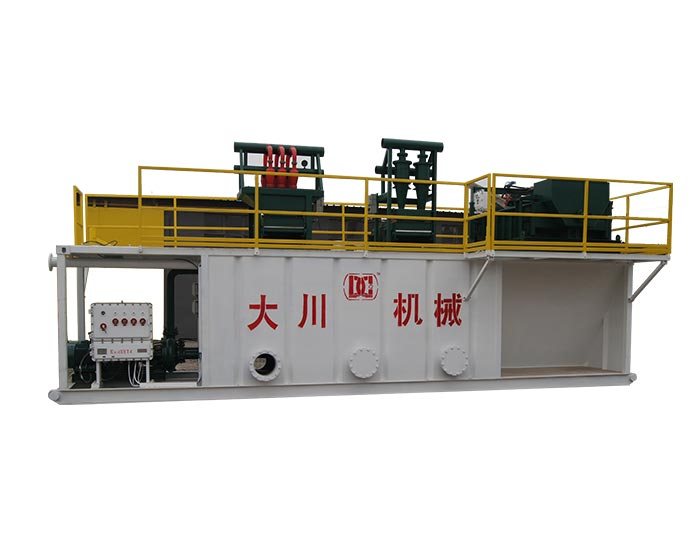
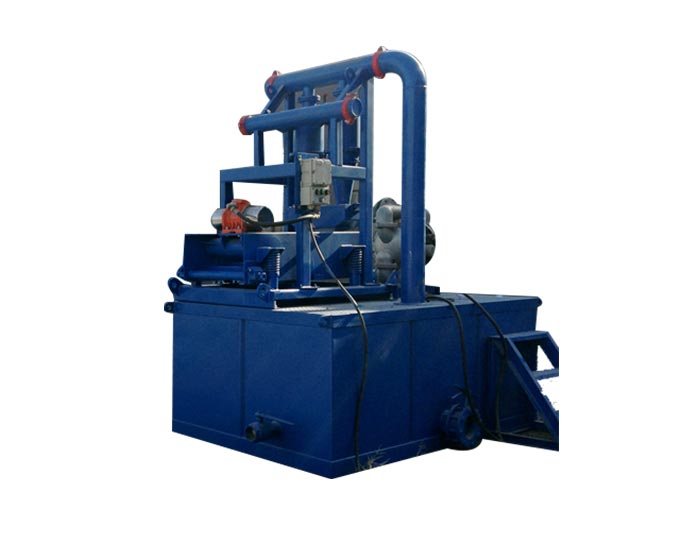
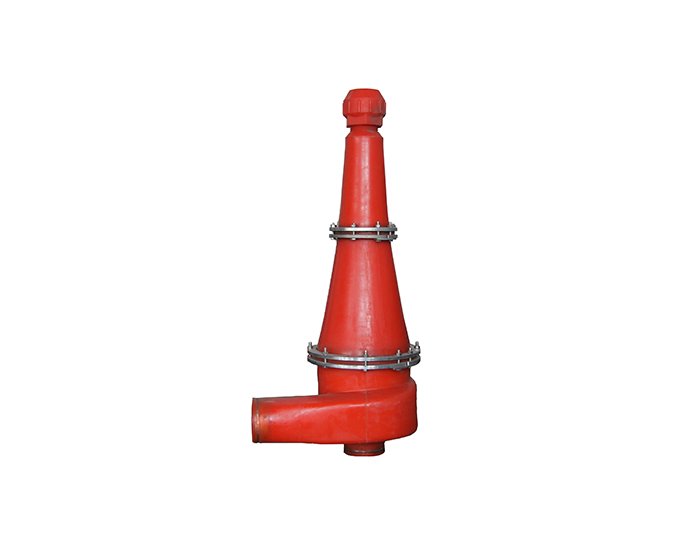
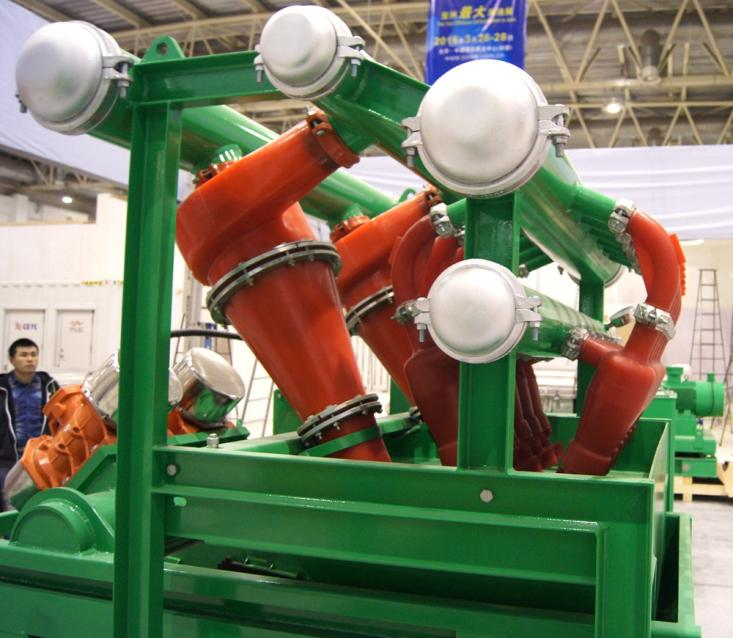
In offshore logistics, footprint is everything. Modern mud cleaner systems are designed with a vertical integration philosophy. By stacking the desander and desilter manifolds directly above the shaker deck in a compact derrick configuration, engineers can save significant deck space. This "tower" approach allows for a larger number of mud cleaner derrick hydrocyclone cones—sometimes up to 20 desilter cones—to be mounted on a single unit. This high-density cone arrangement ensures that the drilling mud cleaner can process the massive flow rates associated with large-diameter top-hole sections without requiring multiple, bulky machines that would clutter the limited mud-pit room.
Advanced Centrifugal Physics in Mud Cleaner Systems for Deepwater
When drilling in deepwater, the rheology of the mud is affected by cold sea-floor temperatures and high hydrostatic pressures. Consequently, the mud cleaner systems used offshore must be far more sensitive than their terrestrial counterparts. The mud cleaner machine must strip out fine silt and sand (15 to 74 microns) while preserving expensive synthetic-based fluids (SBM) that can cost upwards of $300 per barrel. The technical advantage of the derrick design lies in its manifold pressure regulation. By maintaining a constant "head" of pressure to the mud cleaner derrick cones, the system ensures a consistent vortex, which is vital for the selective separation of barite from drilled solids.
Furthermore, offshore mud cleaner systems often incorporate polyurethane cones with replaceable ceramic inserts at the apex. This material choice is critical because the abrasive nature of offshore volcanic or basaltic formations can erode standard cones in a matter of days. A high-performance mud cleaner machine in an offshore setting is judged by its "underflow" dryness. If the derrick shaker beneath the cones is not perfectly synchronized with the cone discharge, valuable SBM is lost to the cuttings box. The integrated nature of the mud cleaner derrick allows for real-time adjustment of the screen angle—often while the machine is running—to optimize the "pool" of fluid on the screen and maximize liquid recovery.
The Role of the Mud Cleaner Drilling Rig Interface in Harsh Environments
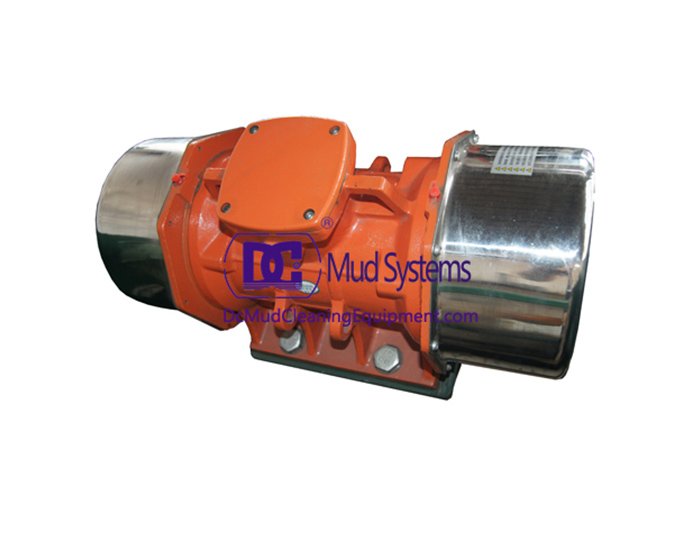
Integration is the heartbeat of offshore success. The mud cleaner drilling rig interface must be seamless, often involving automated PLC (Programmable Logic Controller) systems that talk to the rig's main control room. In modern offshore operations, the drilling mud cleaner is no longer a manually operated "set and forget" tool. It is an intelligent node in a digital network. Sensors monitor the density of the mud entering and exiting the mud cleaner derrick, automatically adjusting the vibration frequency of the motors to compensate for changes in mud weight or viscosity.
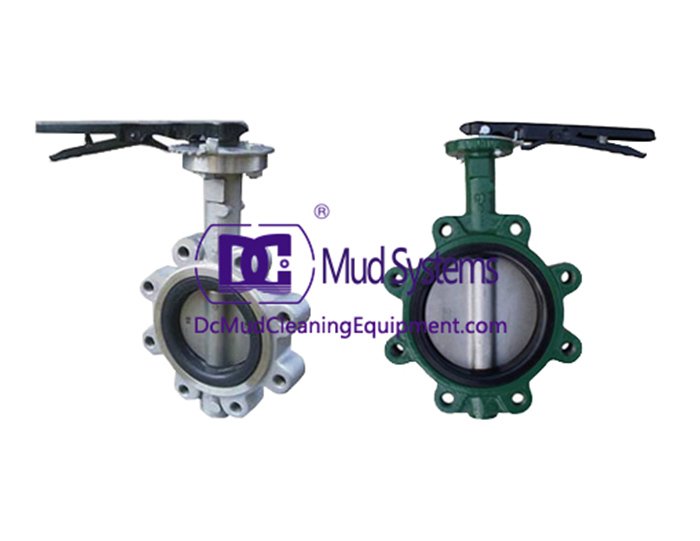
In the event of a "kick" or a sudden influx of gas, the mud cleaner drilling rig layout must allow for rapid bypassing or emergency shut-offs. Offshore derrick designs often feature "quick-change" manifold valves that allow a derrickman to isolate a clogged cone without shutting down the entire mud cleaner machine. This level of operational redundancy is what separates a standard drilling mud cleaner from an offshore-grade powerhouse. When a rig is costing $500,000 a day in "spread rate," five minutes of downtime caused by a poorly designed manifold is an unacceptable risk.
Economic Impact of the Drilling Mud Cleaner on Synthetic Fluid Recovery
The financial narrative of offshore drilling is dominated by the cost of fluids and the cost of waste. Because offshore rigs cannot easily transport wet waste back to shore, the drilling mud cleaner becomes an essential de-watering tool. The mud cleaner derrick design focuses heavily on the "G-force" applied to the shaker deck. By hitting the cuttings with 7.5 to 8.5 Gs of force, the mud cleaner machine strips the liquid film off the solid particles, resulting in a "shrivelled" cutting that meets strict environmental discharge regulations.
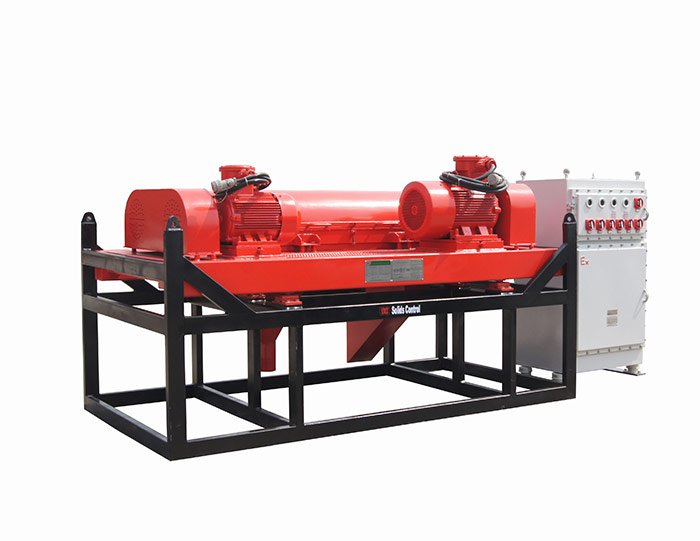
The recovery of base oil through high-efficiency mud cleaner systems can save an offshore project millions of dollars over a multi-well campaign. If a mud cleaner drilling rig setup can improve fluid recovery by just 5%, the return on investment for the equipment is often realized within the first month of operation. Moreover, the drilling mud cleaner serves as a guard for the ultra-expensive decanting centrifuges. By removing the bulk of the sand and silt, the mud cleaner derrick prevents the centrifuge from being overwhelmed, allowing the "polishing" stage of solids control to run at higher speeds and achieve even greater fluid clarity.
Environmental Governance and the Modern Mud Cleaner Machine
In 2026, the offshore industry is under intense scrutiny regarding its environmental footprint. The mud cleaner systems are the front line of this defense. Modern derrick designs are moving toward "Zero Discharge" capabilities, where the mud cleaner machine is coupled with a cuttings dryer to ensure that absolutely no oil-on-cuttings (OOC) is released into the ocean. The ability of the mud cleaner derrick to produce high-quality, dry waste reduces the total volume of material that must be "skipped and shipped"—the process of loading cuttings into containers for transport to shore.
The carbon footprint of an offshore project is also reduced when a drilling mud cleaner is functioning at peak efficiency. Fewer supply boat trips are needed to bring out new mud chemicals, and fewer trips are needed to haul away waste. This holistic view of the mud cleaner drilling rig as an environmental tool is reshaping how offshore operators select their vendors. They are no longer looking for the cheapest mud cleaner machine; they are looking for the most efficient mud cleaner derrick that can prove its fluid-recovery metrics through transparent, real-time data.
Why the Mud Cleaner Derrick Defines Offshore Success
The evolution of the mud cleaner derrick from a simple shaker-cone hybrid into a digitally integrated, high-G separation tower is a testament to the industry's drive for perfection. In the offshore world, where the pressures are higher and the stakes are greater, the mud cleaner machine is the guardian of the mud system's lifeblood. By comparing derrick designs, operators can find the perfect balance between spatial economy, mechanical power, and environmental responsibility.
Whether it is through the precision of the mud cleaner systems or the rugged durability of the mud cleaner drilling rig structure, the goal remains the same: to keep the drilling fluid clean, the pumps protected, and the project on budget. In the vast blue of the offshore frontier, the drilling mud cleaner is not just a piece of steel—it is a sophisticated instrument of economic and environmental survival.

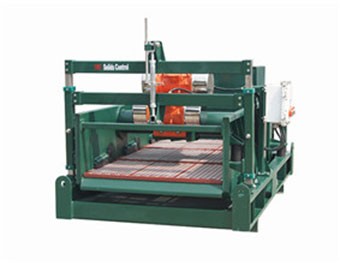 Linear Motion Shale Shaker In Drilling Rig
 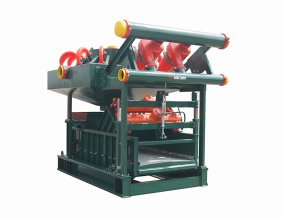 Oilfield Mud Cleaner
 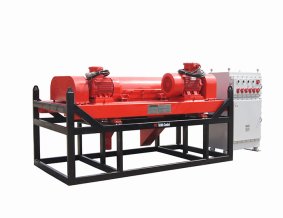 Drilling Fluid Decanter Centrifuge
 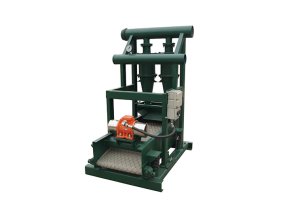 Drilling Mud Desander
 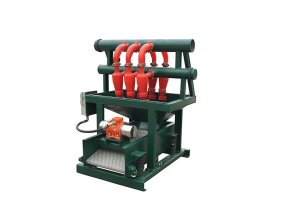 Hydrocyclone Desilter
 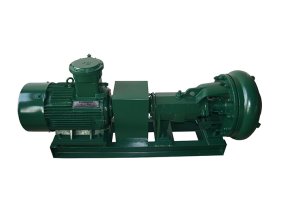 Centrifugal Pump/Centrifugal Mud Pump
 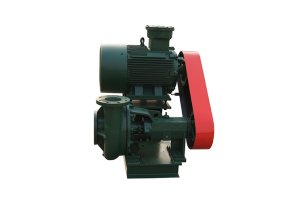 Shear Pump
 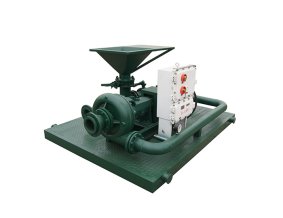 Jet Mud Mixer
 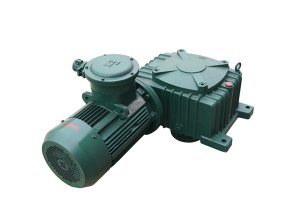 Horizontal Mud Agitator
 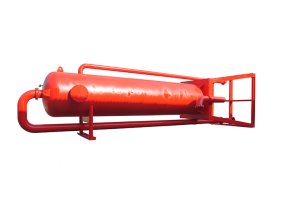 Constant Pressure Drilling Fluid Mud Gas Separator
 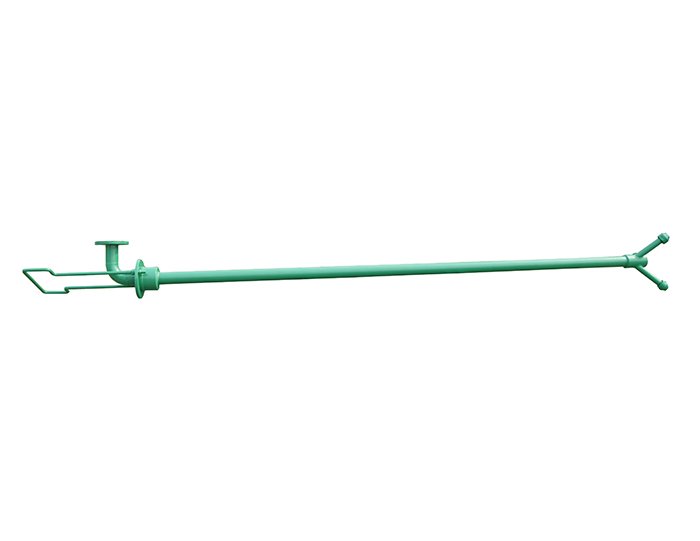 Mud Gun
  Mud Tank
 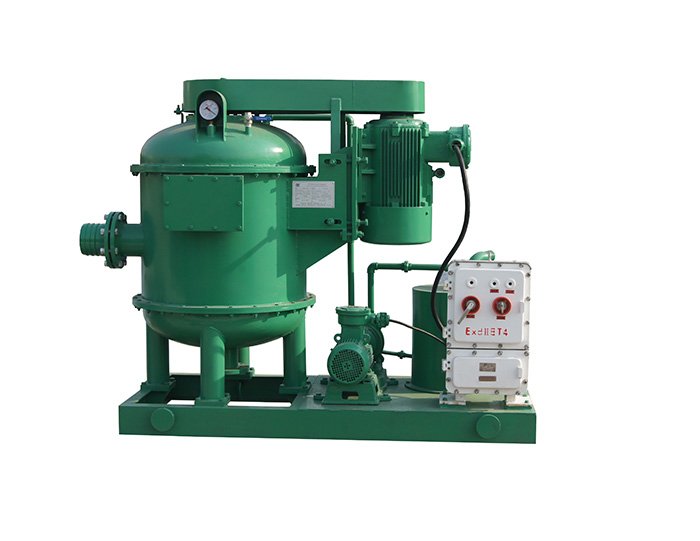 Solids Control System Vacuum Degasser
 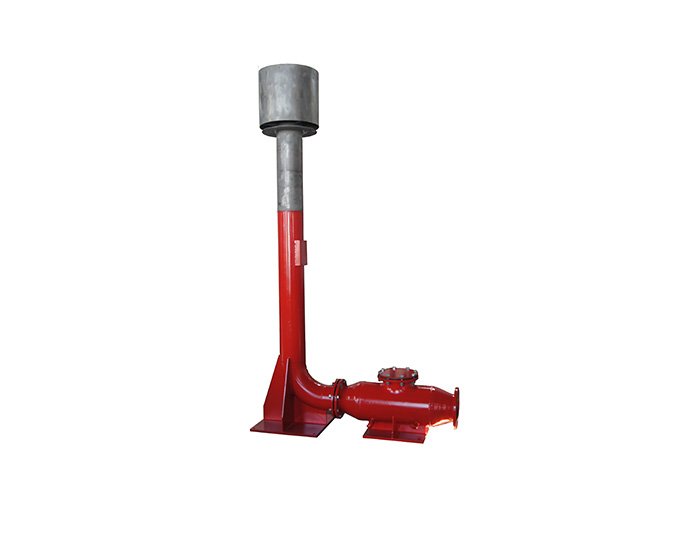 Flare Ignition Device
 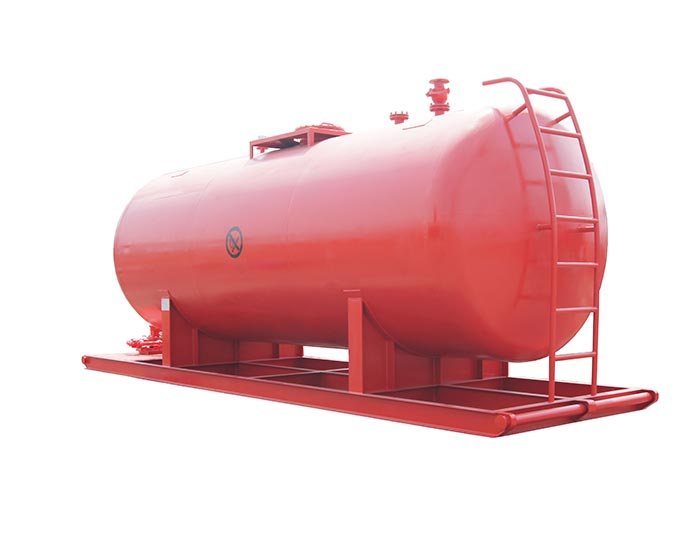 Diesel Tank
 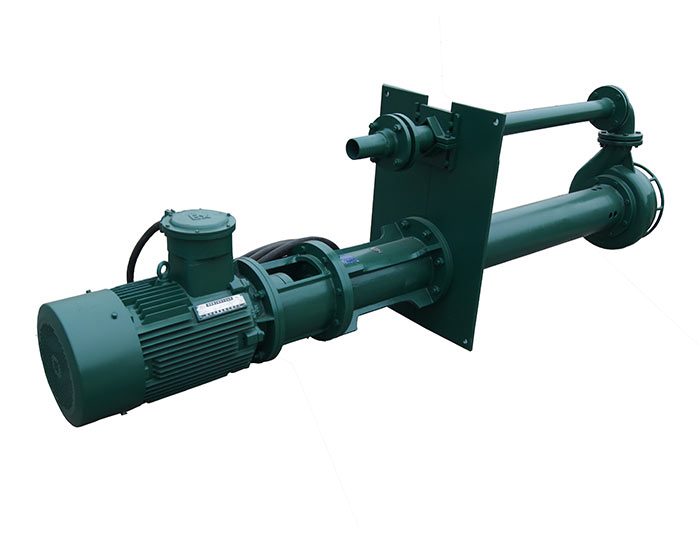 Submersible Slurry Pump