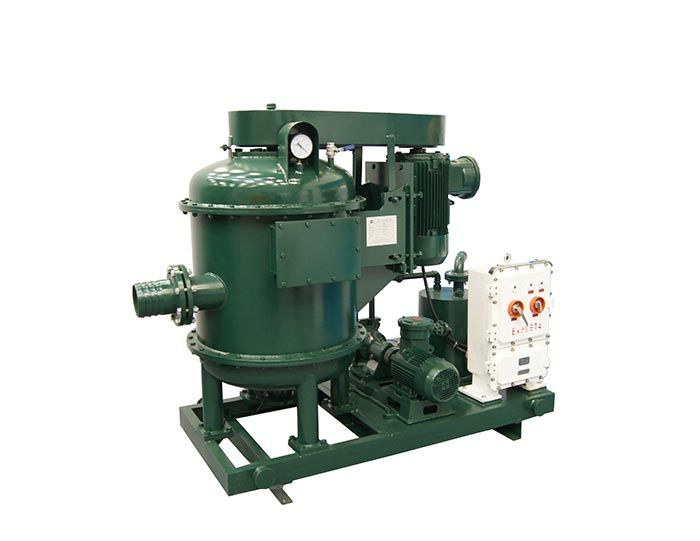
In the high-pressure environment of oil and gas exploration, the management of drilling fluids, commonly referred to as "mud," is a critical factor in both operational safety and economic efficiency. As a drill bit penetrates various geological formations, it often encounters pockets of trapped gases—such as methane, carbon dioxide, or hydrogen sulfide—which can become entrained within the circulating mud. If these gases are not effectively removed before the fluid is pumped back down the wellbore, they can cause catastrophic "kicks" or blowouts, reduce the density of the mud, and damage expensive pumping equipment. This is where the question of what is a vacuum degasser becomes central to the rig’s survival. A vacuum degasser is a specialized piece of solids control equipment designed to strip entrained gases from the drilling fluid using sub-atmospheric pressure, ensuring the mud remains stable and safe for continuous circulation.
The fundamental principle behind what is a vacuum degasser is the manipulation of physical laws, specifically Henry’s Law and the behavior of gas bubbles under reduced pressure. When drilling mud returns to the surface, it is often "gas-cut," meaning it contains tiny, dispersed bubbles that are difficult to remove by gravity alone. By pulling a vacuum inside a sealed vessel, the degasser forces these microscopic bubbles to expand rapidly. As they grow in size, their buoyancy increases, allowing them to break through the surface tension of the viscous mud and be vented away safely. Without this technology, the gas would remain trapped, leading to a "lightened" mud weight that could fail to provide the hydrostatic pressure necessary to keep formation fluids from surging into the well.
The Strategic Role Of The Solids Control System Vacuum Degasser
To truly understand the utility of the equipment, one must look at its position within the broader mechanical ecosystem of the rig. The solids control system vacuum degasser is typically the second or third stage of the mud cleaning process, positioned immediately after the shale shakers and sometimes before or after the desanders and desilters. While shale shakers remove large rock fragments and debris, they cannot address the molecular or gaseous contaminants that compromise the fluid's integrity. The solids control system vacuum degasser acts as the primary defense against gas-cut mud, a condition that, if left untreated, would cause the mud pumps to lose prime or undergo "gas locking," effectively halting the entire drilling operation.
The efficiency of a solids control system vacuum degasser is highly dependent on the surface area exposure of the mud. Modern designs utilize internal "splash plates" or corrugated "leaf" assemblies inside the tank. As the gas-cut mud enters the vacuum environment, it is spread over these plates in thin films. This maximizes the exposure of the fluid to the low-pressure atmosphere, facilitating the rapid release of entrained air and gas. By the time the mud exits the bottom of the degasser, its density has been restored to its original weight, ensuring that the pressure balance at the bottom of the well remains within the "drilling window." This process is essential for preventing formation damage and maintaining the structural integrity of the borehole.
Mechanical Integrity Of The Vacuum Tank Degasser
The heart of the operation lies within the vacuum tank degasser vessel itself. This is typically a large, horizontally or vertically oriented cylindrical tank capable of withstanding significant internal negative pressure. The design must be robust enough to handle the abrasive nature of drilling mud while maintaining an airtight seal. Inside the vacuum tank degasser, a vacuum pump or a venturi-style jet creates the necessary suction. As the mud is pulled into the tank, the lack of atmospheric pressure causes the internal gas bubbles to swell to many times their original volume. This rapid expansion shatters the bubbles, allowing the gas to be drawn out through a top vent line, often leading to a flare pit or a specialized gas handling system where hazardous fumes can be neutralized.
A critical feature of the vacuum tank degasser is its automated fluid level management. If the tank fills too quickly, mud could be sucked into the vacuum pump, causing mechanical failure. Conversely, if it empties too fast, the vacuum seal is broken. To prevent this, modern units utilize float-controlled valves or electronic sensors that regulate the intake and discharge of the mud. This ensures that the vacuum tank degasser can operate continuously in the background, requiring minimal intervention from the derrickman or mud engineer. The reliability of this internal plumbing is what allows modern rigs to drill through highly gaseous formations with a high degree of confidence.
Efficiency Of The Mud Vacuum System In Extreme Conditions
In offshore and deep-water drilling, space and weight are at a premium, making the efficiency of the mud vacuum system even more vital. A high-performance mud vacuum system must be capable of processing large volumes of fluid—often several hundred gallons per minute—without occupying an excessive footprint on the mud pits. Many of the latest systems utilize centrifugal force in combination with vacuum pressure. In these "centrifugal vacuum" designs, the mud is spun rapidly against the inner walls of the tank, using G-forces to help squeeze the gas bubbles out of the liquid phase while the vacuum pulls them away. This dual-action approach significantly increases the throughput of the mud vacuum system, making it suitable for high-speed drilling operations where mud circulation rates are extreme.
Furthermore, the mud vacuum system plays a pivotal role in environmental stewardship. In many regions, drilling fluids contain oil-based or synthetic-based additives that can release volatile organic compounds (VOCs) when agitated. By capturing these gases within a sealed mud vacuum system, the rig can prevent harmful emissions from escaping into the local atmosphere, protecting the health of the crew and complying with strict environmental regulations. The gas captured by the system is often piped away for controlled combustion or filtration, ensuring that the drilling site remains as clean and safe as possible.

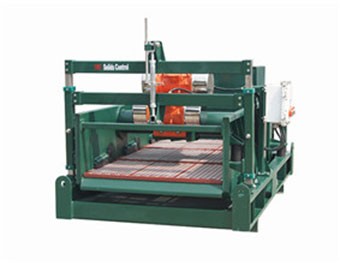 Linear Motion Shale Shaker In Drilling Rig
 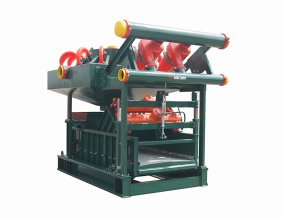 Oilfield Mud Cleaner
 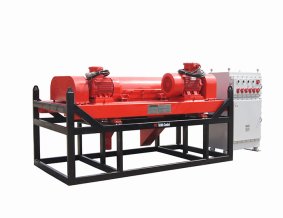 Drilling Fluid Decanter Centrifuge
 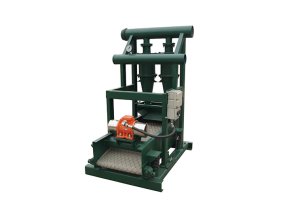 Drilling Mud Desander
 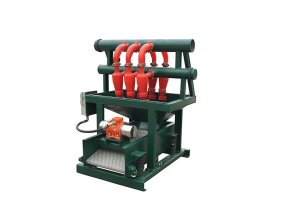 Hydrocyclone Desilter
 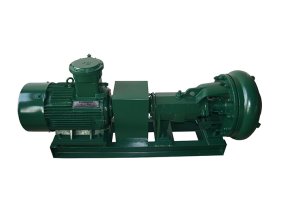 Centrifugal Pump/Centrifugal Mud Pump
 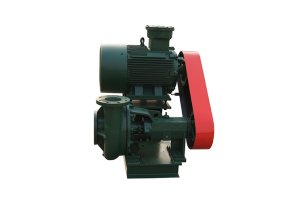 Shear Pump
 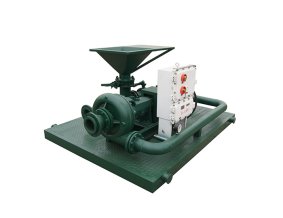 Jet Mud Mixer
 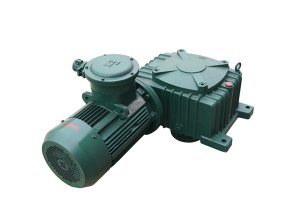 Horizontal Mud Agitator
 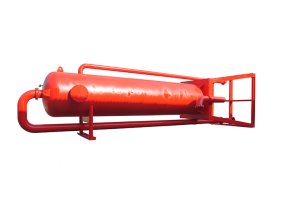 Constant Pressure Drilling Fluid Mud Gas Separator
 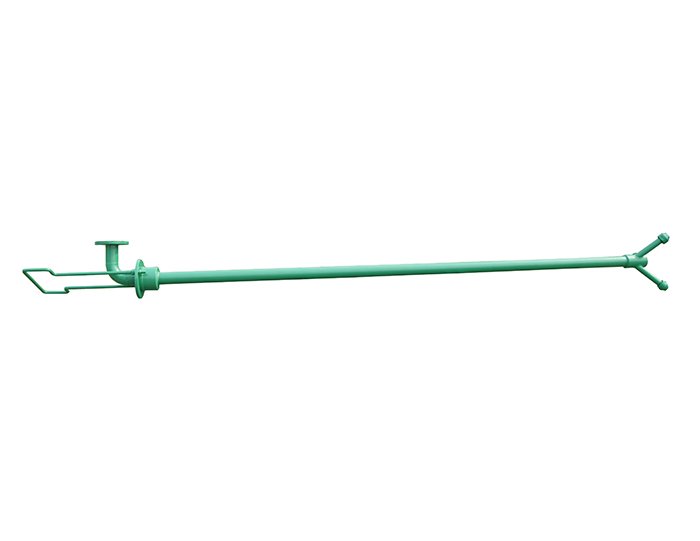 Mud Gun
  Mud Tank
 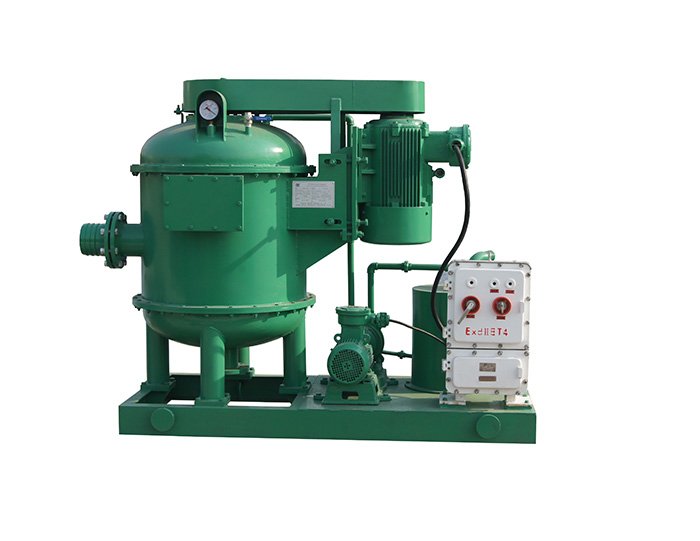 Solids Control System Vacuum Degasser
 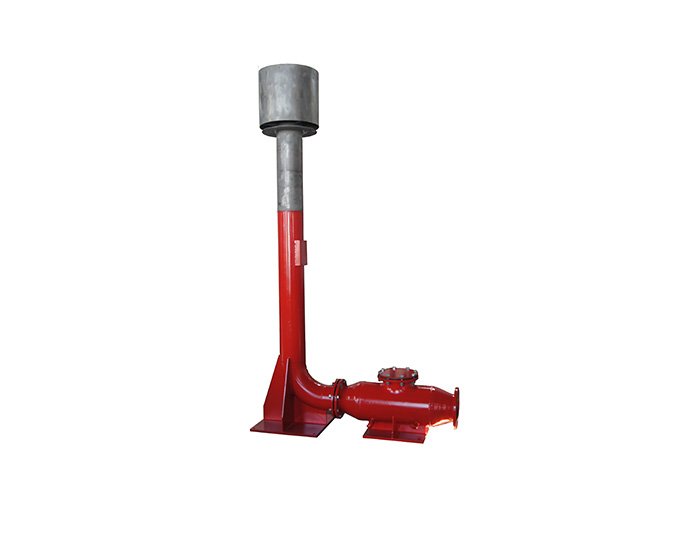 Flare Ignition Device
 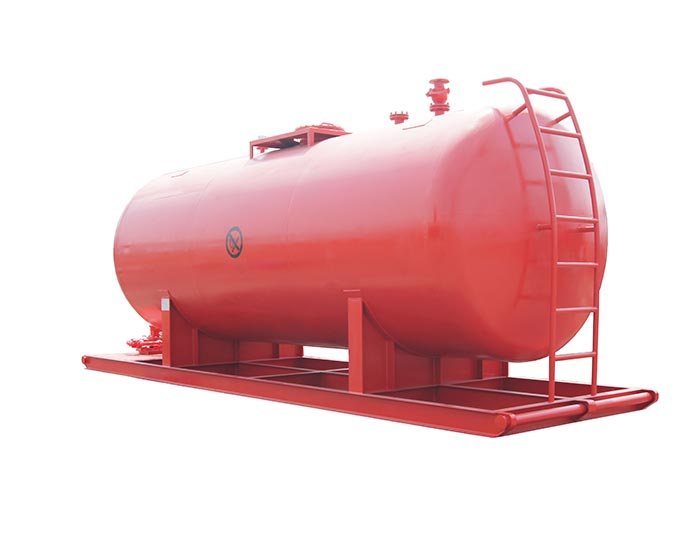 Diesel Tank
 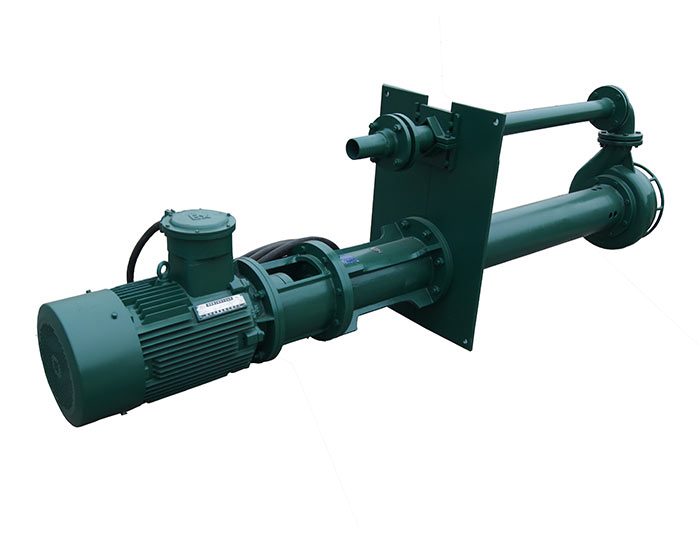 Submersible Slurry Pump