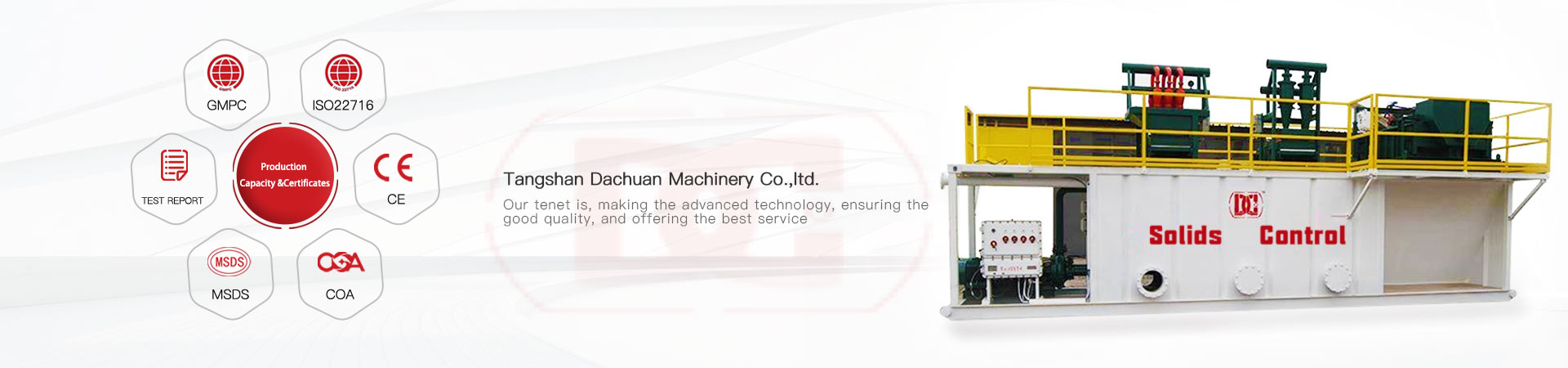
In the demanding environment of modern oil and gas exploration, the integrity of the drilling fluid serves as the primary safeguard for both the wellbore and the mechanical assets on the surface. To maintain this integrity, a sophisticated multi-stage filtration process is required. The integration of the desilter and desander represents the second and third stages of solids control, effectively bridges the gap between the coarse separation performed by shale shakers and the ultra-fine polishing required for high-density mud systems. For specialized manufacturers like Tangshan Dachuan Machinery Co., Ltd., the engineering of these integrated units is a response to the industry's need for a compact, efficient, and cost-effective fluid rejuvenation plant.
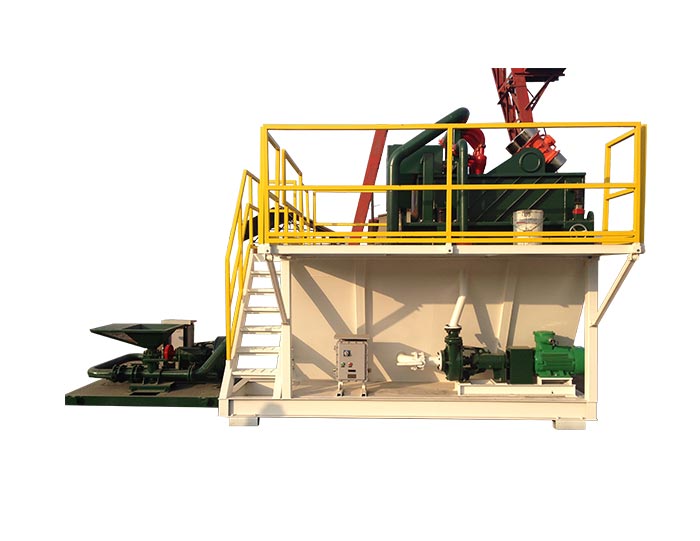
A well-orchestrated circulation system does not treat these components as isolated machines but as a unified "mud cleaner" system. By harmonizing the centrifugal forces of different-sized hydrocyclones, operators can remove a wide spectrum of solid contaminants, ranging from abrasive sands to microscopic silts. This synergy is essential for reducing the "equivalent circulating density" (ECD), protecting high-pressure mud pumps, and ensuring that the rate of penetration remains at its peak.
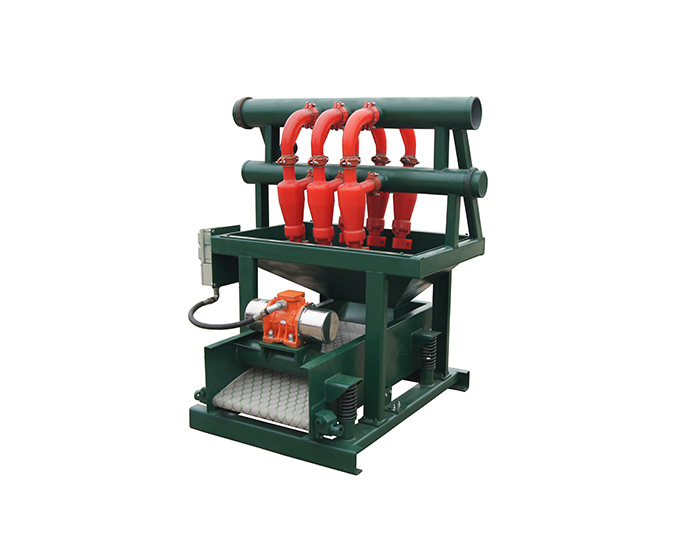
The Mechanical Architecture of the Desander and Desilter Cluster
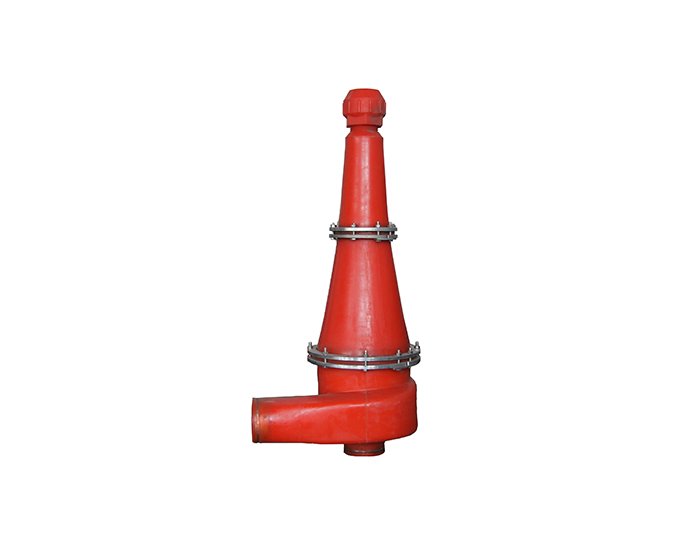
The fundamental difference between these two components lies in their classification range, which is determined by the diameter of the hydrocyclone cones. In a standard desander and desilter integration, the desander typically utilizes larger cones—usually 10 to 12 inches in diameter—to target particles in the 47 to 74-micron range. These are the larger, abrasive grains that can cause rapid erosion on pump liners and downhole tools. Once the desander has stripped away these medium-sized solids, the fluid progresses to the desilter bank.
The desilter employs smaller cones, typically 4 inches in diameter, which generate a much higher centrifugal G-force. This allows the desander desilter duo to classify particles down to the 15 to 20-micron level. The physics of this process is elegant: fluid is injected tangentially into the cones, creating a high-speed vortex. The solids are flung toward the outer walls and discharged via the apex at the bottom, while the cleaned fluid is forced upward into the overflow manifold. By integrating these two stages into a single unit, the system ensures a continuous gradient of purification, leaving the drilling mud in its ideal state for reinjection into the borehole.
Efficiency Gains through Shaker Desander Desilter Integration
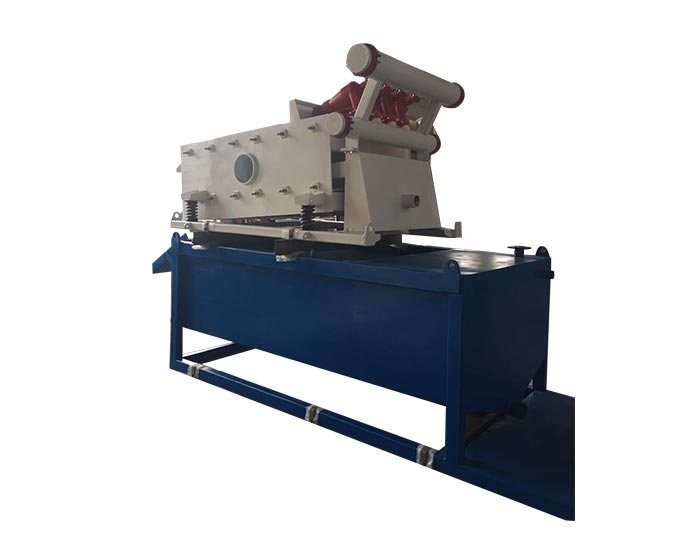
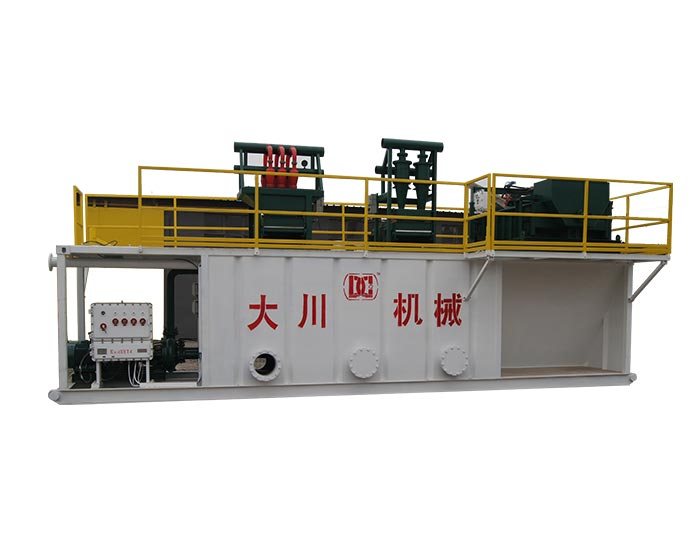
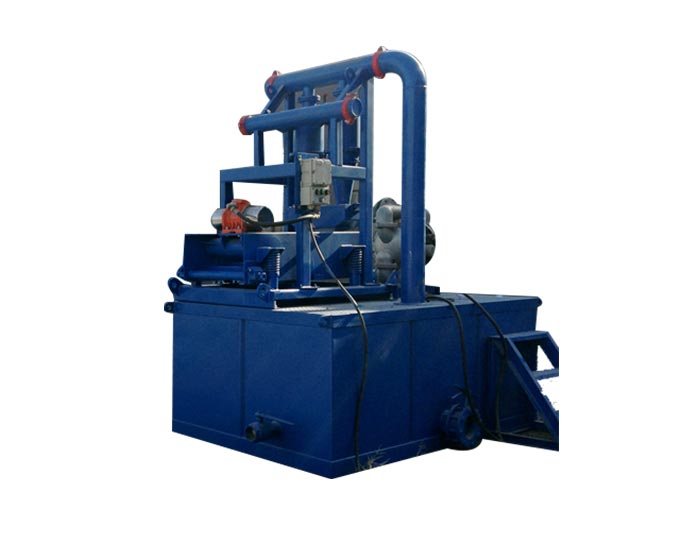
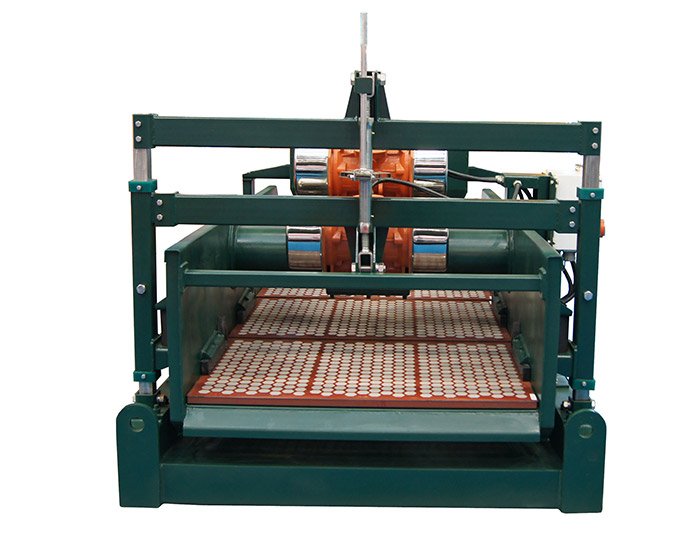
One of the most significant advancements in solids control technology is the mounting of the hydrocyclone clusters directly above a high-frequency vibrating screen, creating a shaker desander desilter assembly. In traditional systems, the underflow from the cones—a slurry of solids and trapped liquid—was often discarded into a waste pit. This led to massive losses of expensive base fluids and weighting agents like barite.
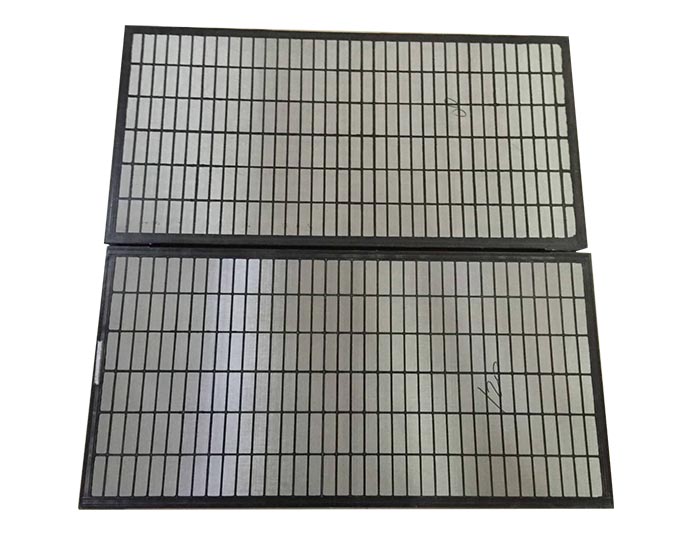
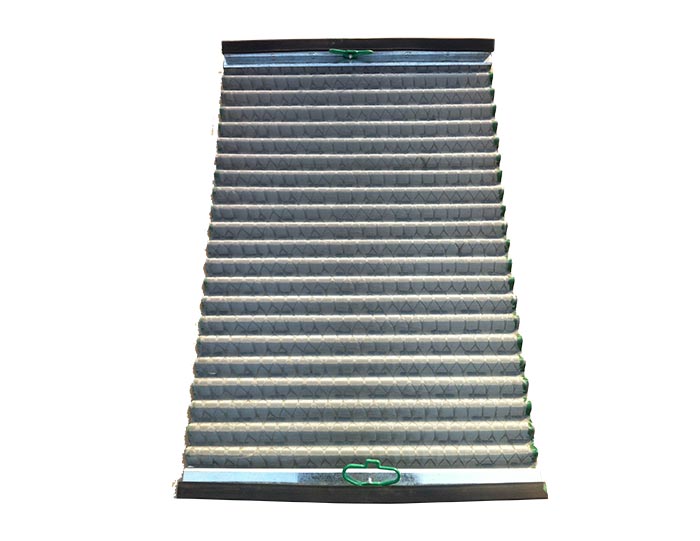
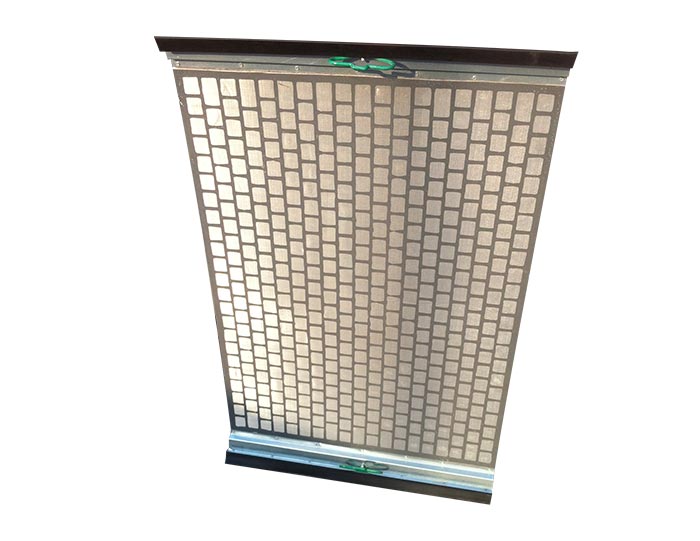
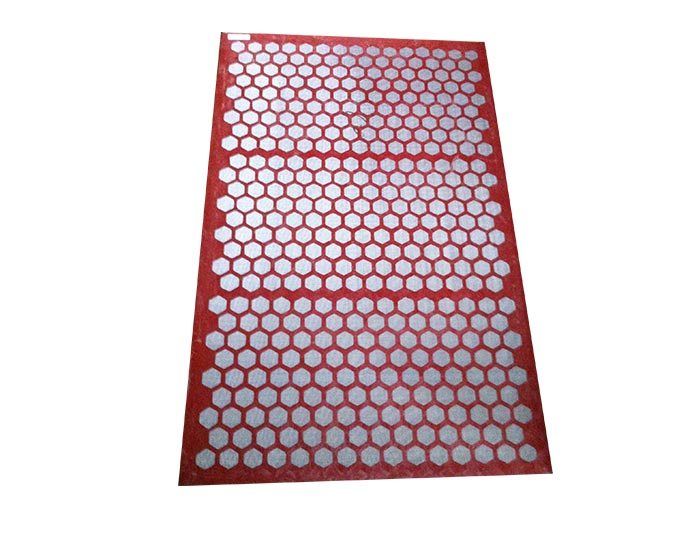
By utilizing a integrated desander desilter shaker design, the slurry from the cones drops onto a fine-mesh screen. The vibration of the shaker recovers the liquid phase and returns it to the active mud tank, while the "dried" solids are conveyed off the end for disposal. This "mud cleaner" configuration is particularly vital for weighted mud systems. It allows the operator to remove harmful silts and sands while retaining the barite particles, which are essential for maintaining the hydrostatic pressure needed to prevent well blowouts. This selective separation is a hallmark of Tangshan Dachuan Machinery’s engineering philosophy, focusing on matching the specific density and viscosity requirements of the customer’s mud program.
Operational Fluid Dynamics within the Desander Desilter Shaker
The successful operation of a desander desilter shaker relies heavily on the hydraulic balance of the entire rig. Each hydrocyclone requires a specific "head" or intake pressure to create the necessary vortex. If the centrifugal pump supplying the unit is undersized, the centrifugal force will be insufficient, and the cones will simply act as a drainage pipe, allowing solids to bypass the system. Conversely, excessive pressure can lead to "roping," where the cone's bottom opening becomes clogged with a thick, rope-like stream of mud, causing high fluid loss.
The technical consulting provided by senior engineers at Tangshan Dachuan Machinery is crucial during this setup phase. With a team of 15 senior engineers and 15 senior artisans, the company ensures that the desilter and desander manifolds are balanced to provide equal pressure to every cone in the cluster. This precision prevents "short-circuiting," where some cones are overloaded while others are under-utilized. This level of mechanical accuracy is what allows the exported equipment to handle the high flow rates required by modern heavy-duty drilling rigs, ensuring that the fluid returned to the suction tank is as clean as possible.
Material Integrity and the Longevity of Desander Desilter Units
Because the desander and desilter components are subjected to high-velocity abrasive particles and corrosive chemical additives, the materials used in their construction are of paramount importance. Modern cones are almost exclusively made from high-grade polyurethane, which offers superior wear resistance compared to traditional cast iron. Polyurethane's smooth internal surface reduces turbulence, which in turn improves the separation efficiency of the vortex.
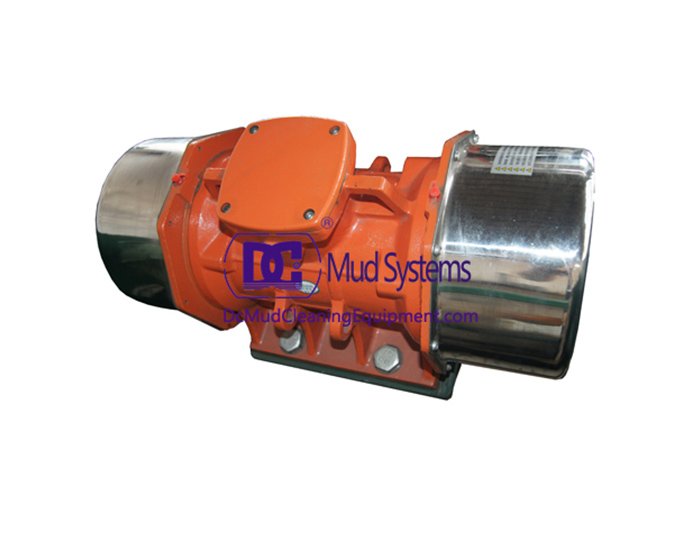
Furthermore, the frame of the shaker desander desilter must withstand the constant G-forces of the vibration motors. This requires high-strength structural steel and specialized welding techniques to prevent metal fatigue. Tangshan Dachuan Machinery’s management principle of "ensuring the good quality" is reflected in their choice of 15 senior artisans who supervise the fabrication process. By applying multi-layer epoxy coatings and using stainless steel hardware where necessary, the equipment is designed to survive the harshest environments, from the humidity of offshore platforms to the extreme temperatures of remote land sites.

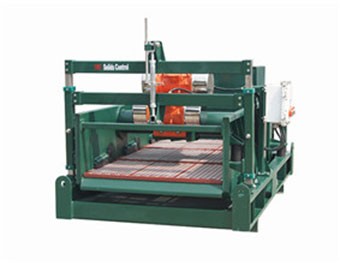 Linear Motion Shale Shaker In Drilling Rig
 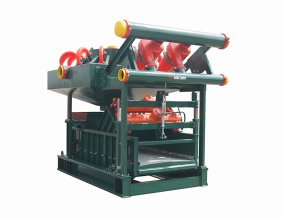 Oilfield Mud Cleaner
 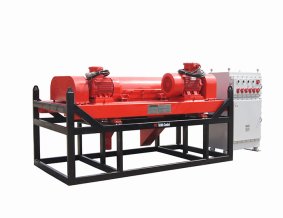 Drilling Fluid Decanter Centrifuge
 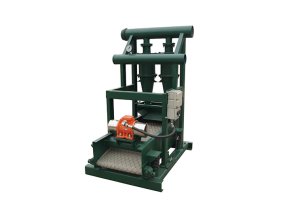 Drilling Mud Desander
 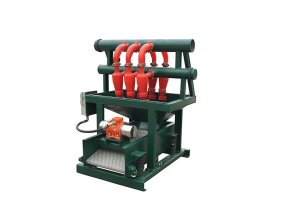 Hydrocyclone Desilter
 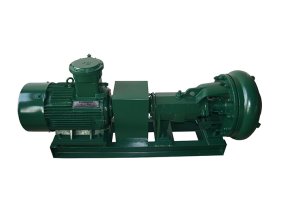 Centrifugal Pump/Centrifugal Mud Pump
 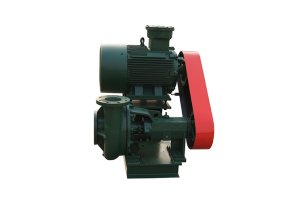 Shear Pump
 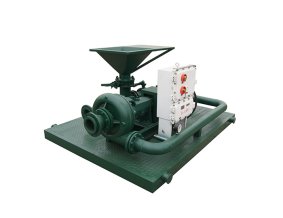 Jet Mud Mixer
 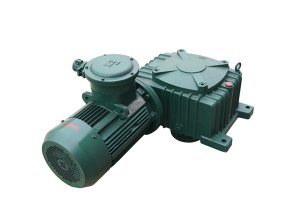 Horizontal Mud Agitator
 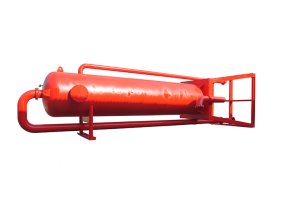 Constant Pressure Drilling Fluid Mud Gas Separator
 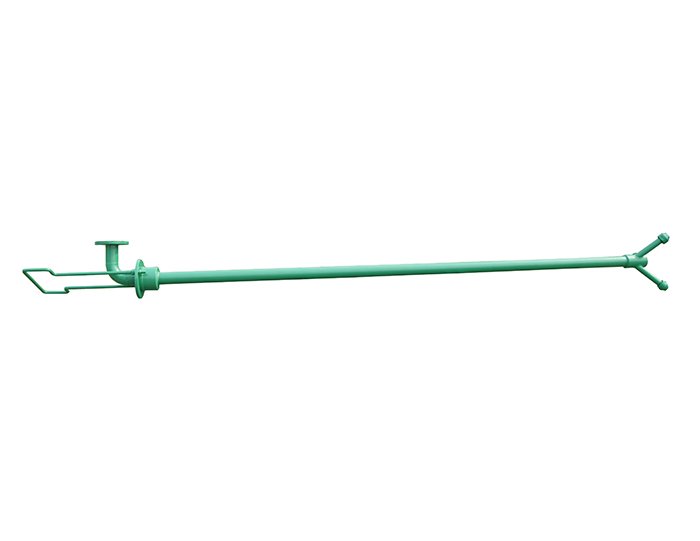 Mud Gun
  Mud Tank
 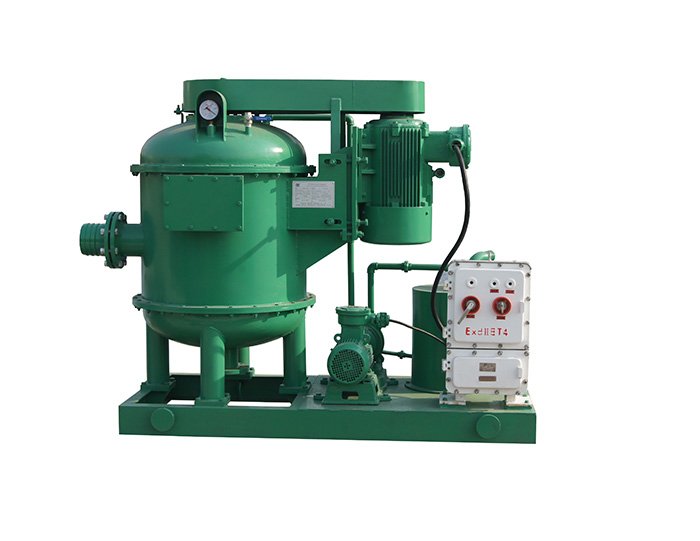 Solids Control System Vacuum Degasser
 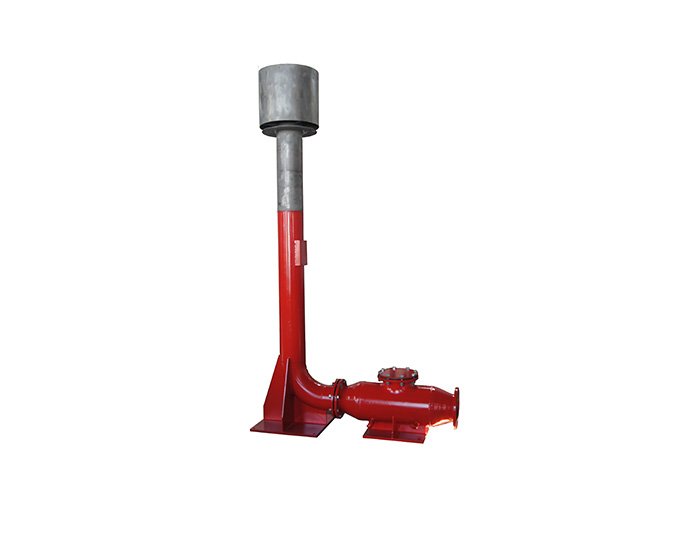 Flare Ignition Device
 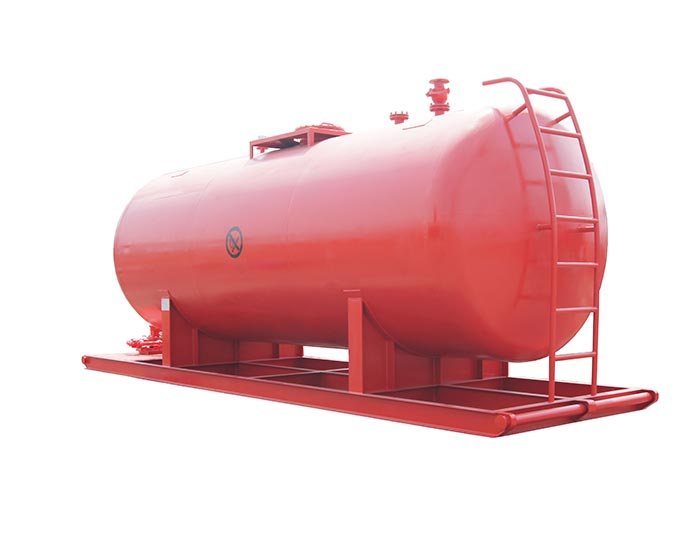 Diesel Tank
 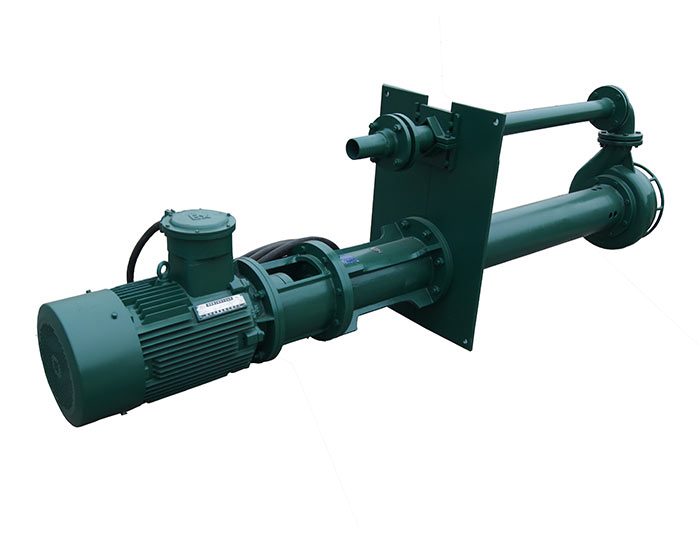 Submersible Slurry Pump