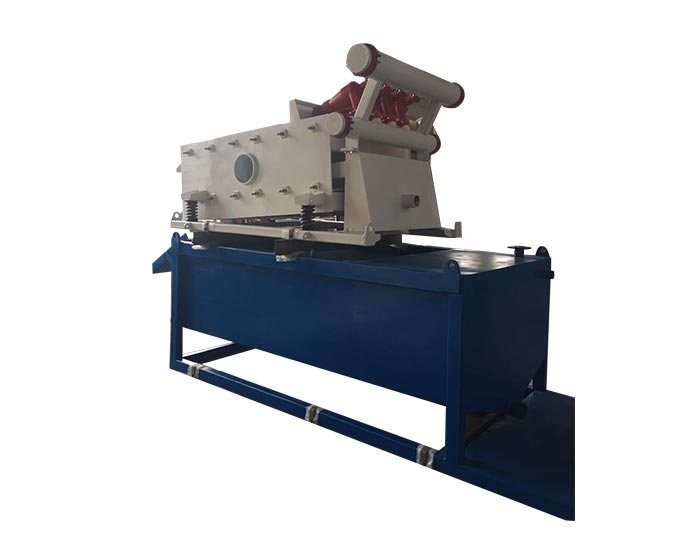
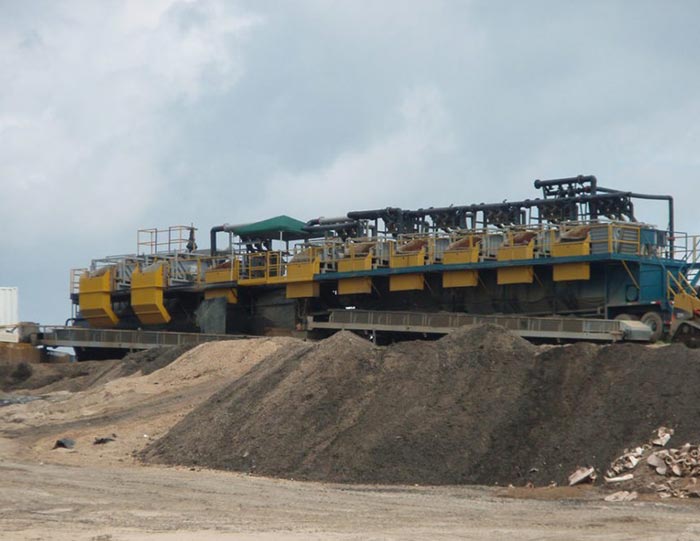
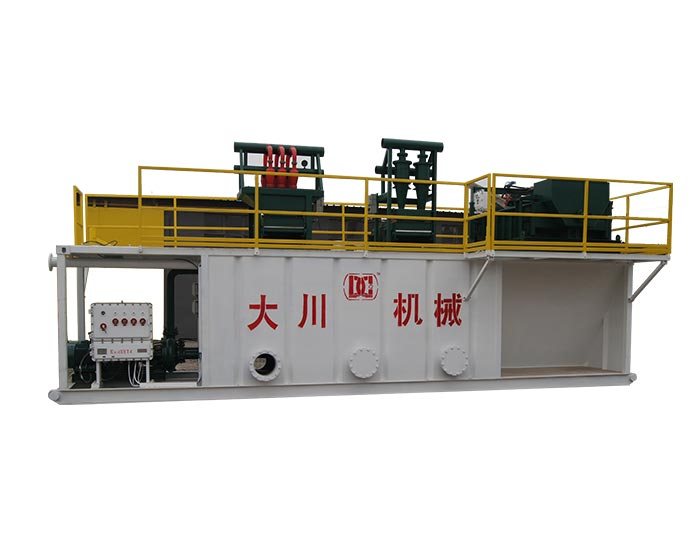
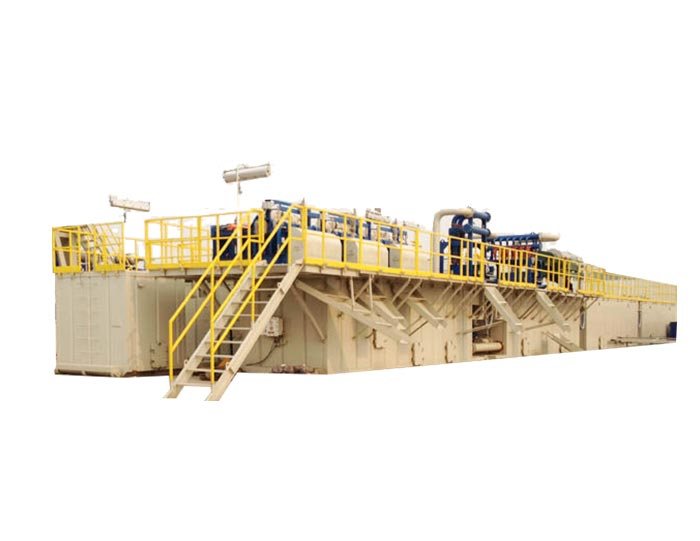
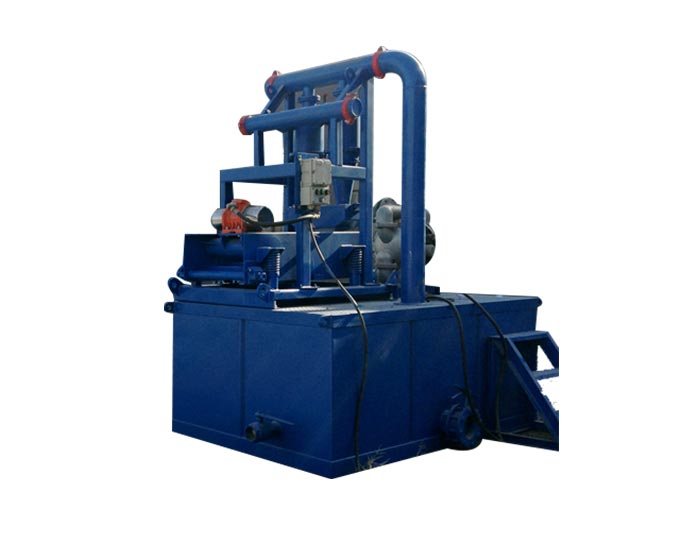
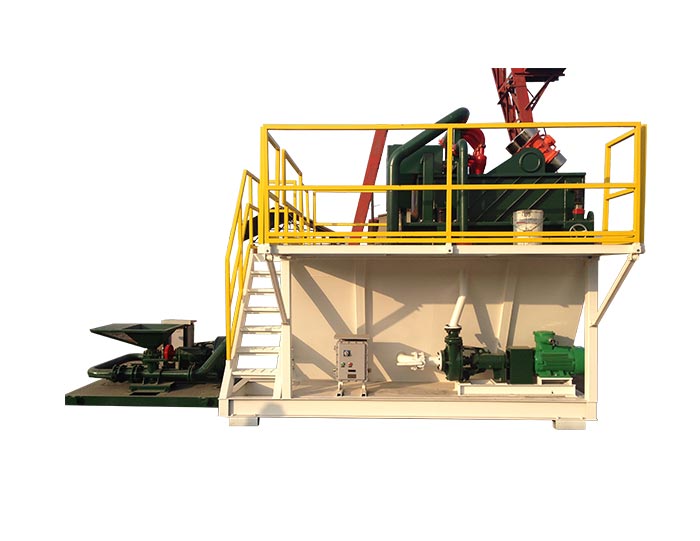
The global energy sector relies heavily on the seamless orchestration of surface equipment, among which oilfield mud tanks stand as the most critical infrastructure for fluid management. Whether situated on a remote land-based rig or a cramped offshore platform, these tanks serve as the primary containment and processing units for drilling fluids. The transition between onshore and offshore environments demands a radical shift in engineering priorities, moving from the rugged, mobile requirements of land rigs to the space-saving, corrosion-resistant necessities of the sea. Companies like Tangshan Dachuan Machinery Co., Ltd. have mastered this duality, providing mud tanks products that bridge the gap between heavy-duty performance and sophisticated logistical adaptability.
Designing Versatile Oilfield Mud Tanks for Land-Based Operations
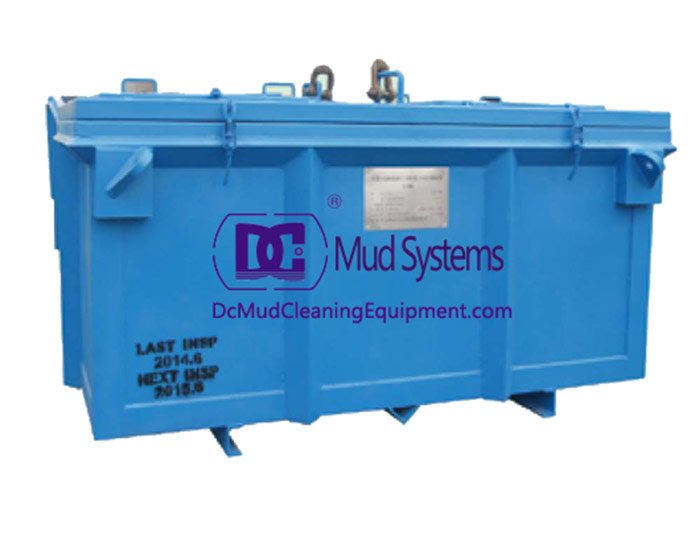
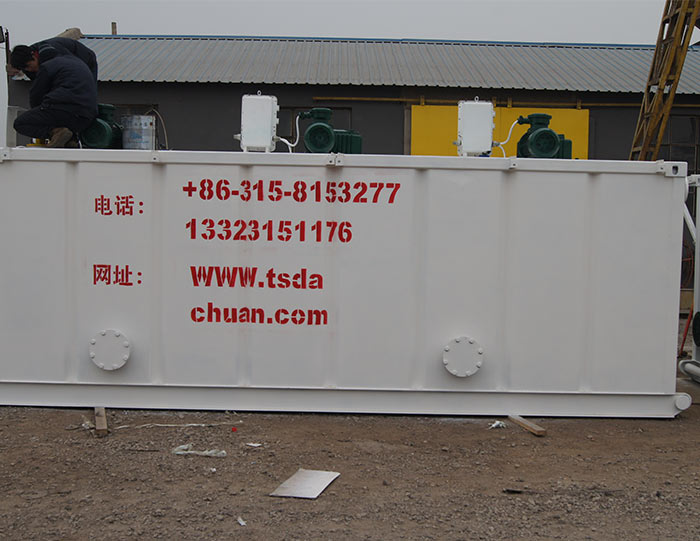
In onshore drilling, the primary challenge is mobility and rapid deployment. Land-based oilfield mud tanks are typically designed as "skid-mounted" units, allowing them to be hauled across vast distances and set up quickly. The structural integrity of these tanks is paramount, as they must survive the vibrations of heavy transport and the uneven terrain of drill sites. Manufacturers utilize high-strength corrugated steel to ensure that the tank walls can support the weight of heavy drilling mud without bulging or leaking.
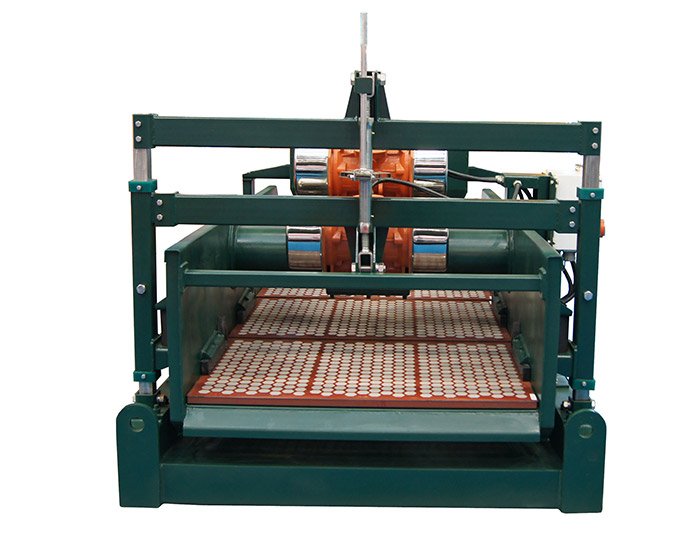
A key feature often found in onshore setups is the use of open top mud tanks. These designs allow for easy visual inspection of the fluid levels and the operation of surface-mounted equipment like agitators and shale shakers. While open designs are common, they are engineered with safety gratings and walkways to ensure that rig personnel can navigate the system safely. The flexibility of onshore tank systems allows for a linear arrangement, where multiple tanks are connected in series, creating a long path for the mud to travel, which aids in the natural settling of finer solids before the fluid reaches the suction phase.
Specialized Mud Tank Oil and Gas Solutions for Offshore Platforms
Offshore drilling presents an entirely different set of constraints. On a jack-up rig or a floating drillship, space is the most expensive commodity. Consequently, the mud tank oil and gas systems designed for offshore use are often vertically integrated or modularly stacked. Unlike their onshore counterparts, these tanks must be designed to withstand the corrosive effects of salt spray and high humidity. This necessitates the use of advanced mud tanks material choices, such as marine-grade coatings and stainless steel components in critical areas.
Stability is another crucial factor offshore. As a vessel moves with the ocean currents, the fluid inside the tanks can shift, potentially affecting the rig's center of gravity. To mitigate this, offshore tanks are designed with internal baffles and sophisticated level-monitoring systems. Furthermore, offshore operations often require closed-loop systems to prevent any accidental discharge into the ocean, aligning with strict international environmental regulations. The precision engineering provided by Tangshan Dachuan Machinery ensures that these tanks operate as a closed, pressurized, or vented system that protects the marine ecosystem while maintaining drilling efficiency.
Innovation in Mud Tanks Products and Solid Control Integration
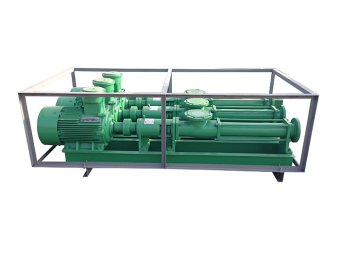
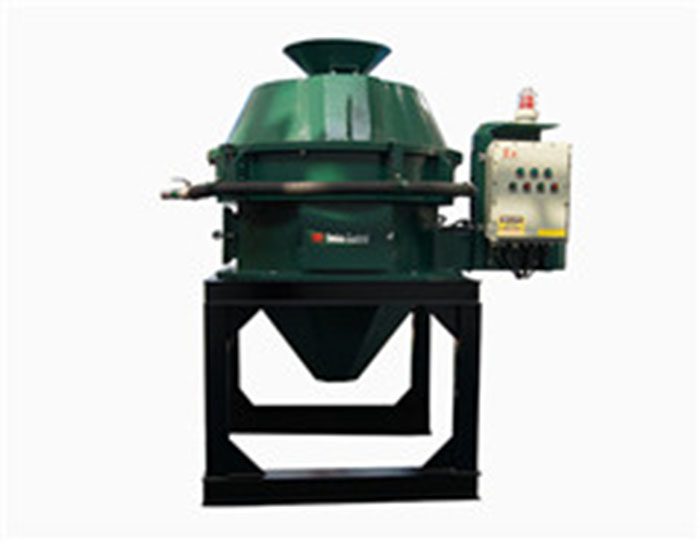
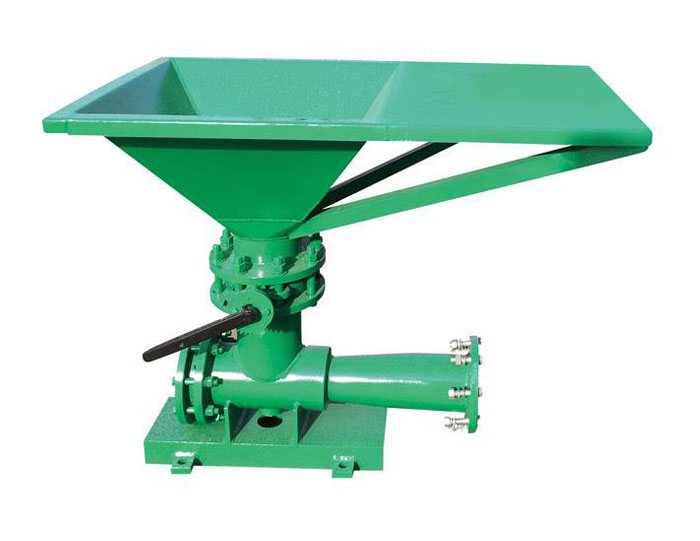
The modern oilfield demands more than just storage; it requires an active processing plant. The latest mud tanks products are characterized by their high degree of mechanical integration. A single tank unit may now house a centrifugal pump, a vacuum degasser, and a jet mud mixer all on one skid. This "plug-and-play" approach reduces the footprint of the equipment and simplifies the piping requirements on-site.
For example, the suction tank in a high-performance system is no longer just a reservoir. it is an engineered chamber designed to prevent air entrainment. By using specialized vortex breakers and suction headers, manufacturers ensure that the high-pressure mud pumps receive a steady, air-free flow of fluid. This prevents pump cavitation and ensures that the borehole receives a consistent flow of mud, which is vital for maintaining the "wellbore window"—the narrow pressure range between the pore pressure and the fracture gradient of the rock.
Selecting the Right Mud Tanks Material for Longevity
The lifespan of a mud system is directly tied to the quality of the mud tanks material used in its construction. In the past, simple carbon steel was the industry standard, but the aggressive nature of modern drilling additives—such as potassium chloride or oil-based muds—has forced a shift toward more resilient materials. High-performance epoxy resins and glass-flake linings are now standard for the internal surfaces of oilfield mud tanks. These coatings provide a smooth, non-porous surface that prevents mud from sticking to the walls, making the cleaning process faster and more effective during mud-type transitions.
External protection is equally vital. In the harsh environments of the Middle Eastern deserts or the North Sea, the external paint system must resist UV radiation, extreme temperature fluctuations, and physical impact. A multi-layer coating system, often including a zinc-rich primer and a polyurethane topcoat, ensures that the tanks remain structurally sound for decades. This commitment to material science is a core tenet of Tangshan Dachuan Machinery’s philosophy, ensuring that their equipment remains "high quality and rapid" in its service to the customer.
The Operational Advantages of Open Top Mud Tanks in Fluid Maintenance
While closed systems are necessary for certain offshore and gas-rich environments, open top mud tanks remain a staple in the industry due to their operational transparency. Being able to see the mud surface allows operators to quickly identify issues such as "foaming" or "oil-on-top," which could indicate a problem downhole. In trenchless mud recovery systems, which are used for infrastructure projects like pipeline crossings, open tanks allow for the easy removal of large debris that might bypass the initial screening process.
Moreover, open designs facilitate better heat dissipation. As the drill bit grinds through rock, the friction generates significant heat, which is transferred to the mud. An open tank allows the fluid to cool slightly through evaporation and contact with the air before it is recirculated. For deep-hole drilling where mud temperatures can exceed 100 degrees Celsius, this natural cooling is a valuable supplement to mechanical mud coolers.

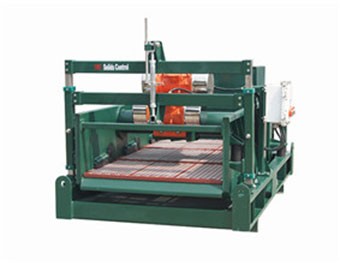 Linear Motion Shale Shaker In Drilling Rig
 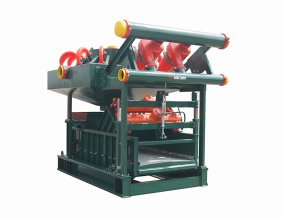 Oilfield Mud Cleaner
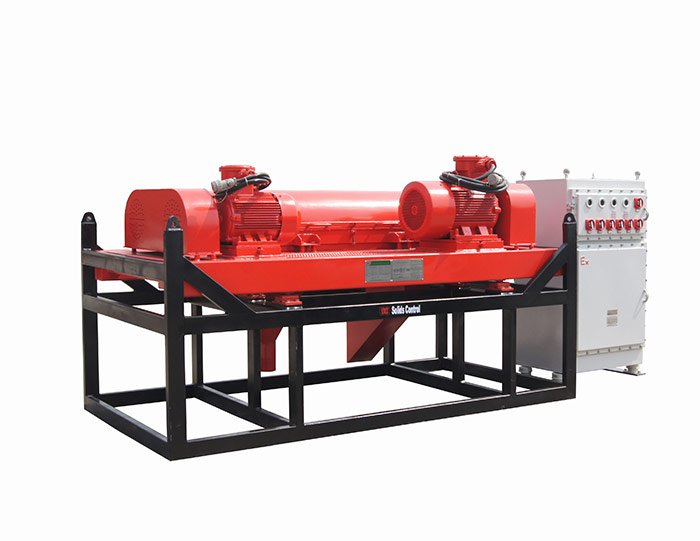
 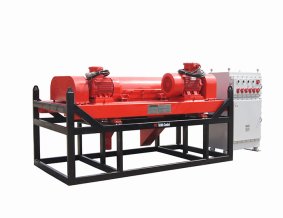 Drilling Fluid Decanter Centrifuge
 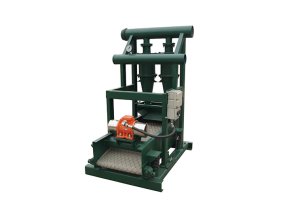 Drilling Mud Desander
 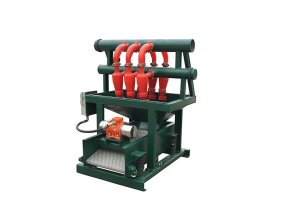 Hydrocyclone Desilter
 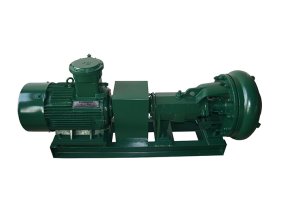 Centrifugal Pump/Centrifugal Mud Pump
 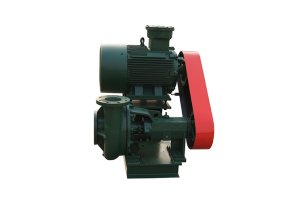 Shear Pump
 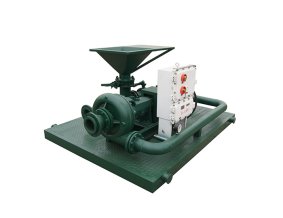 Jet Mud Mixer
 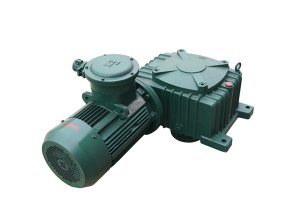 Horizontal Mud Agitator
 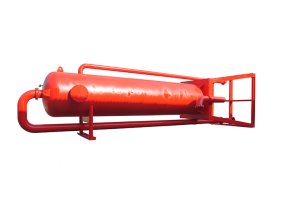 Constant Pressure Drilling Fluid Mud Gas Separator
 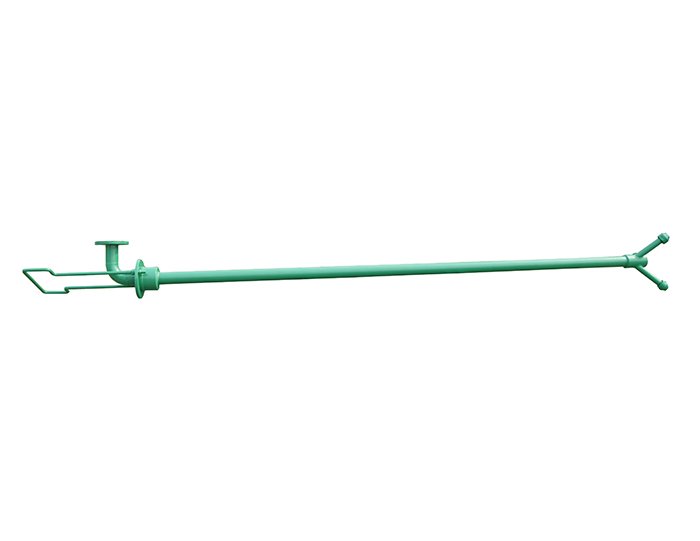 Mud Gun
  Mud Tank
 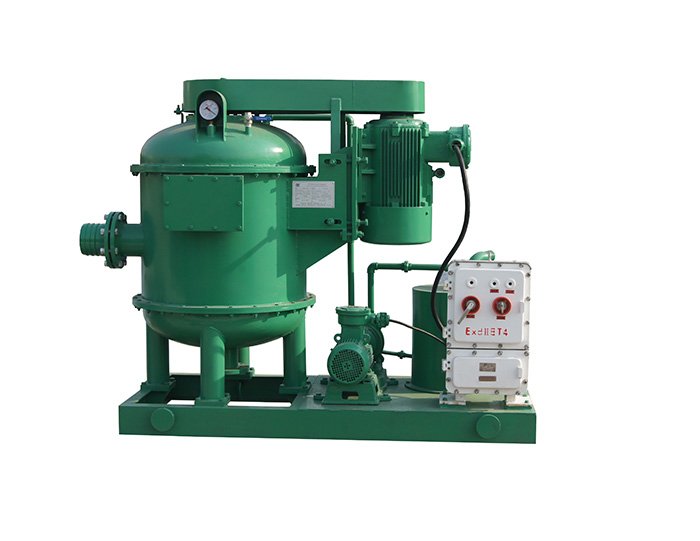 Solids Control System Vacuum Degasser
 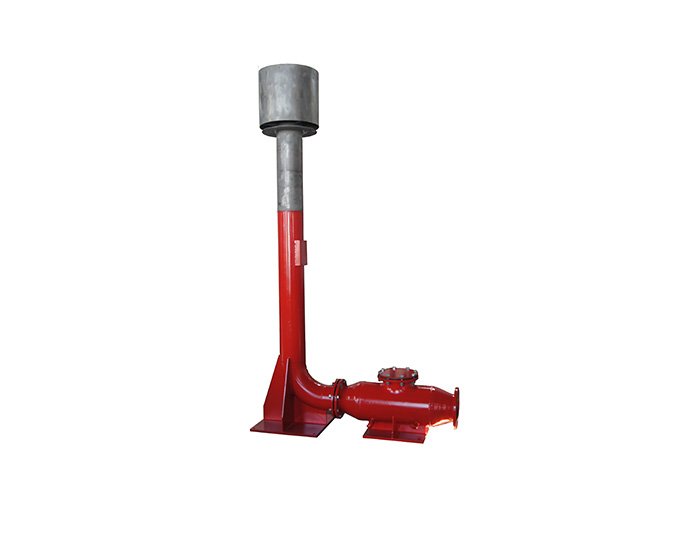 Flare Ignition Device
 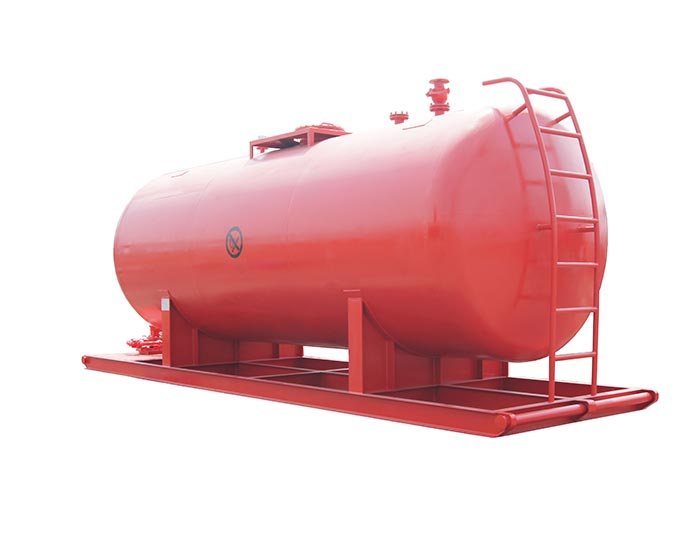 Diesel Tank
 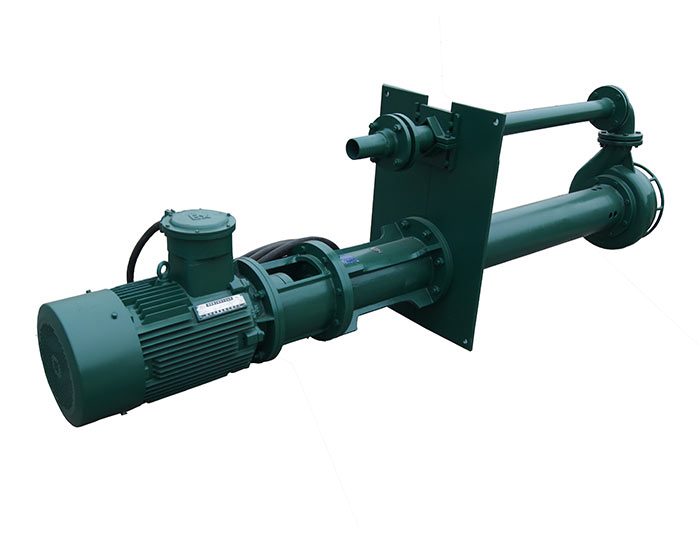 Submersible Slurry Pump