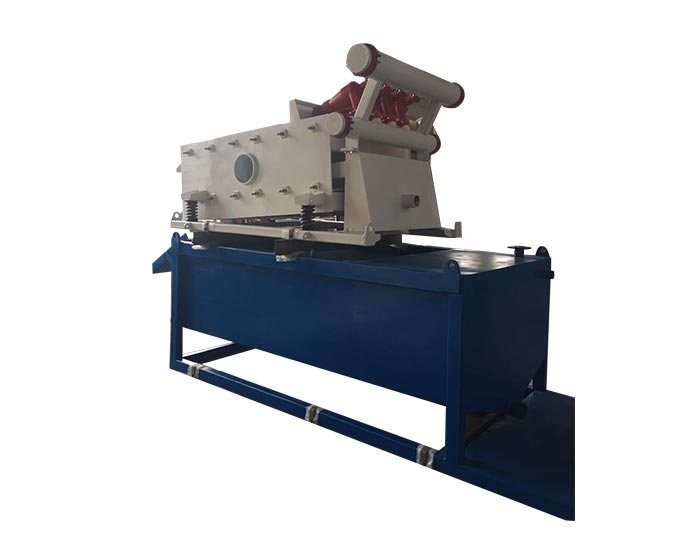
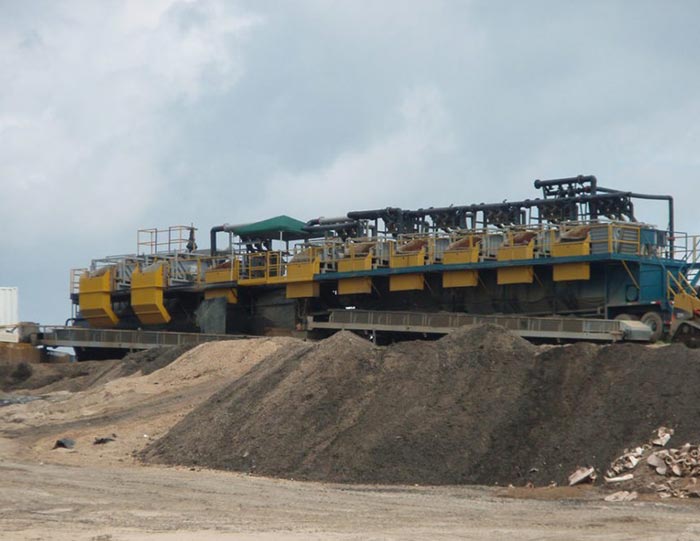
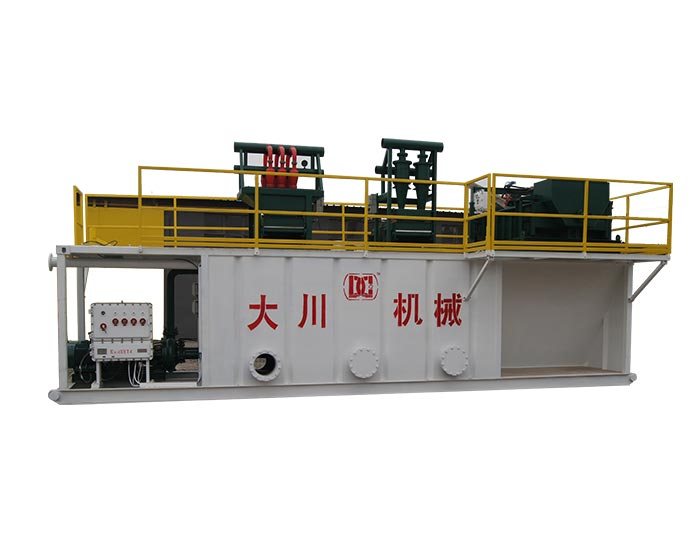
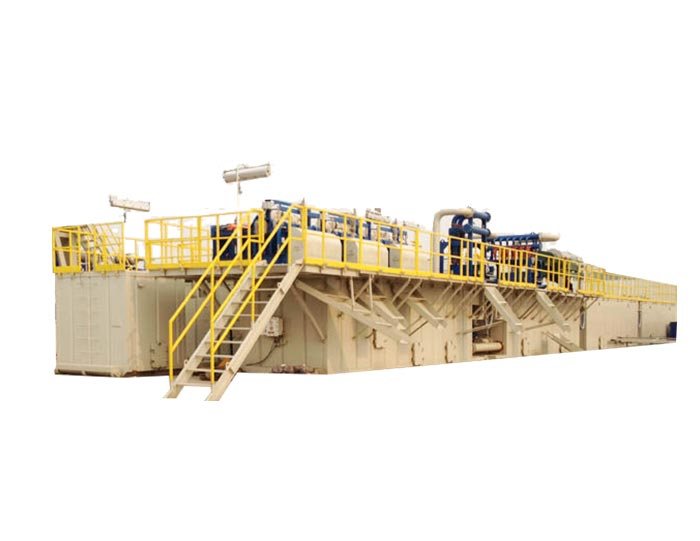
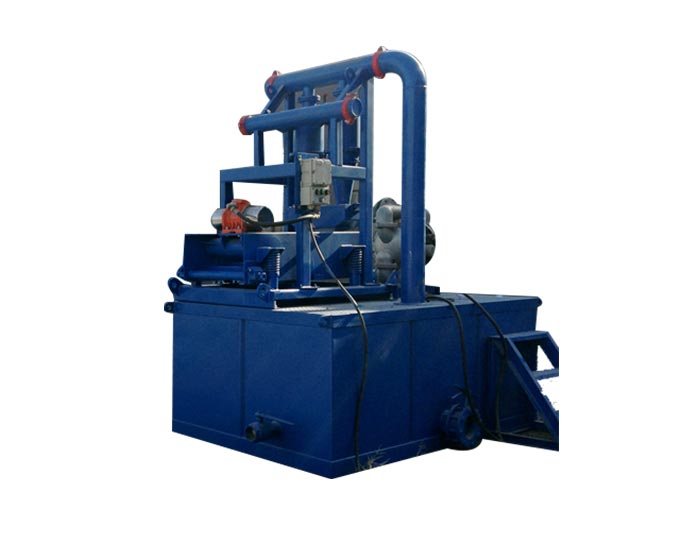
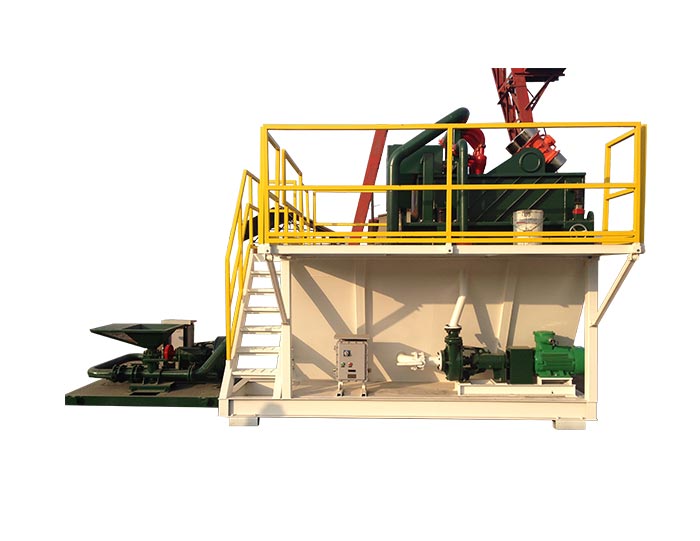
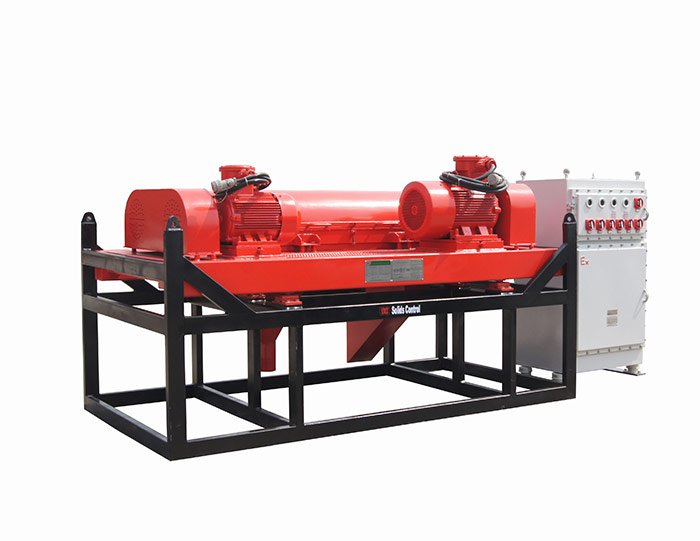
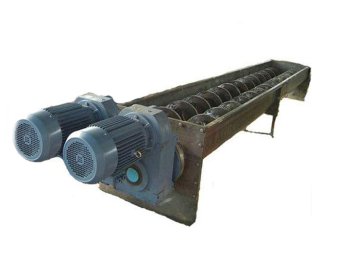
In the high-stakes environment of energy exploration, the surface circulation system acts as the primary filtration and conditioning center for the entire rig. The mud tank system is the centerpiece of this operation, serving as the reservoir and processing plant for the drilling fluids that ensure wellbore stability. Designing these systems is a complex engineering feat that balances fluid dynamics, structural load-bearing capacity, and mechanical integration. Companies like Tangshan Dachuan Machinery Co., Ltd. specialize in this precision engineering, ensuring that every mud tank design is optimized for the specific geological and logistical challenges of the modern oilfield.
The transition from a simple storage vessel to a sophisticated mud tank system involves a deep understanding of how drilling mud behaves under pressure and during different stages of the solid control process. A well-executed design does more than just hold fluid; it enhances the efficiency of the entire drilling program by reducing chemical waste, protecting high-pressure pumps, and ensuring the safety of the rig crew.
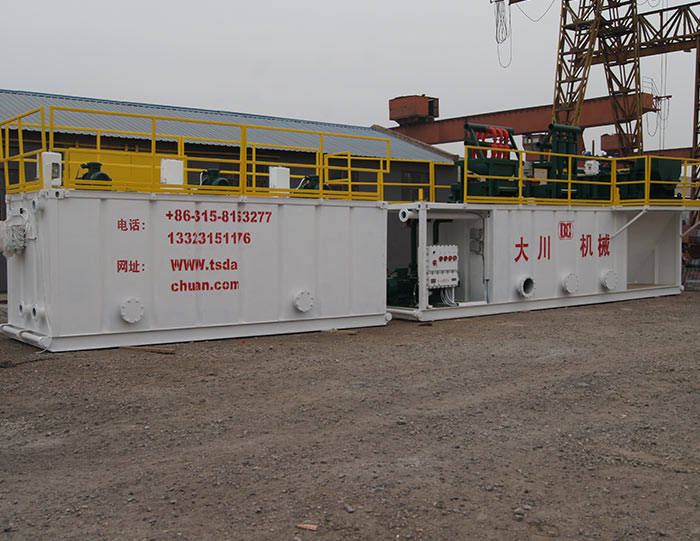
The Core Principles of Drilling Mud Tank Design
The primary objective of any drilling mud tank design is to facilitate a continuous, uninterrupted flow of treated fluid. This begins with the structural blueprint. Engineers must consider the specific gravity of the mud, which can often be significantly heavier than water. Consequently, the tank must be constructed from heavy-duty carbon steel with internal reinforcements to prevent wall bowing. The floor of the tank is often designed with a slight slope or a "dish" shape to prevent the accumulation of stagnant solids and to make the cleaning process more efficient during mud-type changeovers.
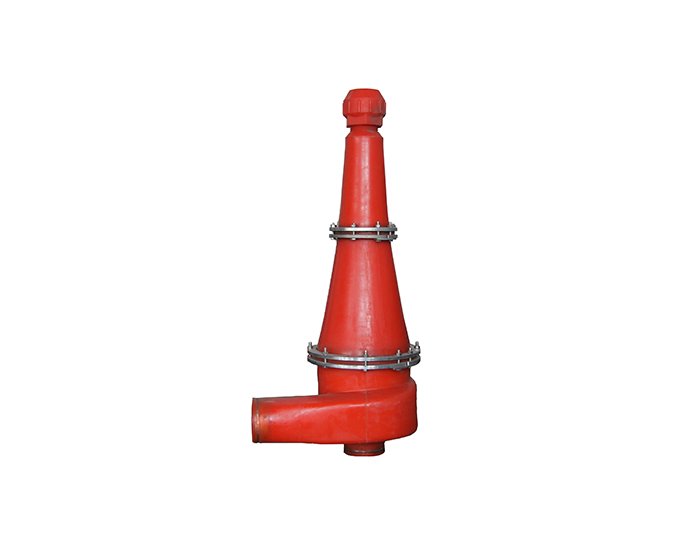
In addition to structural strength, the mud tank design must account for the integration of secondary equipment. This includes the placement of shale shakers, vacuum degassers, and hydrocyclones. The deck of the tank must be reinforced to handle the localized vibrations of this machinery. Furthermore, the design must incorporate safety features such as non-slip walkways, handrails, and explosion-proof lighting, ensuring that the operators can manage the system 24/7 in all weather conditions.
Strategic Mud Tank Layout and Compartmentalization
The internal mud tank layout is perhaps the most critical factor in determining the system's efficiency. A standard system is typically divided into several functional compartments: the settling tank, the header tank, the suction tank, and the mixing tank. Each compartment is separated by a series of weirs or baffles. The design of these overflows is vital; they must be positioned to allow for the transfer of fluid while preventing the migration of settled solids from one stage to the next.
A strategic mud tank layout ensures that the "dirty" mud returning from the wellbore spends enough time in the settling phase to allow for the removal of large cuttings. As the fluid moves through the compartments, it undergoes increasingly finer filtration. The suction tank, located at the end of the chain, must be kept absolutely clean. Any debris or air entrained in the suction tank can cause cavitation in the triplex mud pumps, leading to costly downtime and mechanical failure. Tangshan Dachuan Machinery utilizes advanced flow simulation to ensure that the "active" volume of the tank is maximized, eliminating dead spots where mud could stagnate and harden.
Determining Optimal Mud Tank Dimensions for Global Logistics
When calculating mud tank dimensions, engineers must balance the need for high-volume capacity with the constraints of global transportation. For onshore rigs, the width and height of the tank are often limited by road transport regulations. Most tanks are designed to fit within standard shipping footprints or are skid-mounted to allow for easy loading onto oilfield trailers. A typical tank might measure approximately 12 meters in length, but these dimensions can vary greatly depending on whether the rig is a light workover unit or a heavy-duty deep-well explorer.
In offshore applications, mud tank dimensions are even more restricted by the available deck space of the jack-up or drillship. In these cases, designers often increase the depth of the tanks to maintain the required volume while minimizing the surface footprint. This deeper design requires more powerful mud agitators with longer shafts to ensure that the weighting agents, like barite, do not settle at the bottom. The engineering team at Tangshan Dachuan Machinery works closely with senior artisans and engineers to customize these dimensions, ensuring that the capacity matches the pump rates required for the specific borehole diameter.
Mechanical Synergy in the Mud Tank System
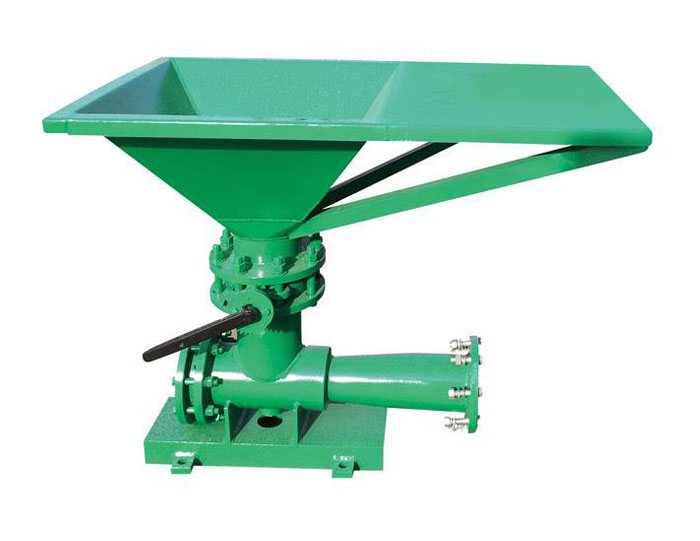
A high-performance mud tank system is a masterpiece of mechanical synergy. Every component, from the centrifugal pumps to the shear pumps, must be sized to match the flow rates of the overall system. The jet mud mixer, for instance, must be capable of introducing new additives at a rate that keeps up with the drilling progress. If the mixer is undersized, the mud density may drop, risking a well-control incident.
The agitation system is another cornerstone of the mud tank design. Agitators must be spaced correctly according to the mud tank layout to ensure a uniform mud weight throughout the active system. Tangshan Dachuan Machinery’s approach involves using high-torque gearboxes and optimized impeller pitches to maintain a consistent "rolling" motion in the fluid. This prevents the "sand-up" of tanks, which can be a nightmare for rig crews to clean manually. By integrating these mechanical elements seamlessly into the tank's structure, the system becomes a reliable, automated environment for fluid conditioning.

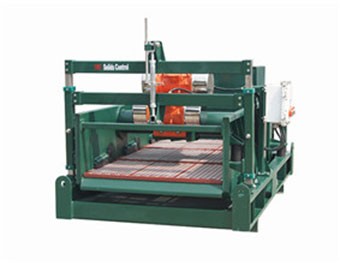 Linear Motion Shale Shaker In Drilling Rig
 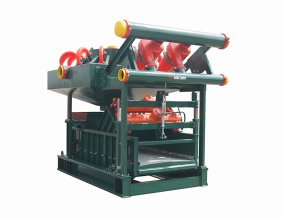 Oilfield Mud Cleaner
 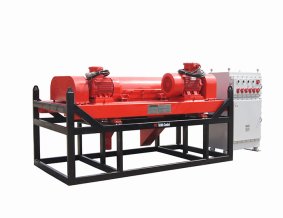 Drilling Fluid Decanter Centrifuge
 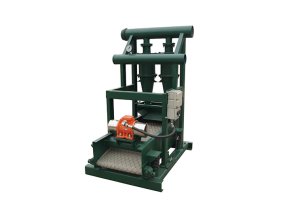 Drilling Mud Desander
 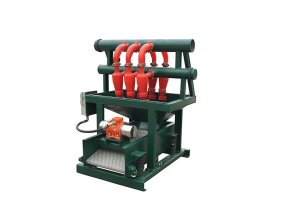 Hydrocyclone Desilter
 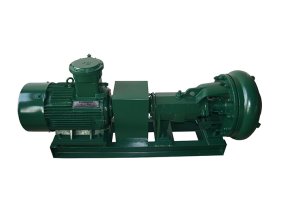 Centrifugal Pump/Centrifugal Mud Pump
 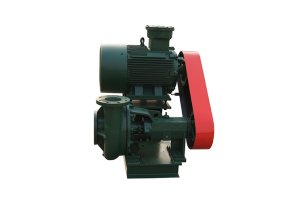 Shear Pump
 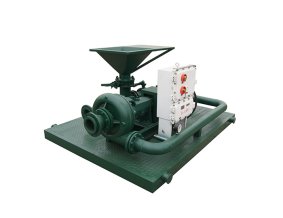 Jet Mud Mixer
 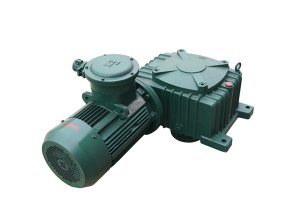 Horizontal Mud Agitator
 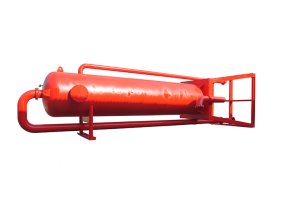 Constant Pressure Drilling Fluid Mud Gas Separator
 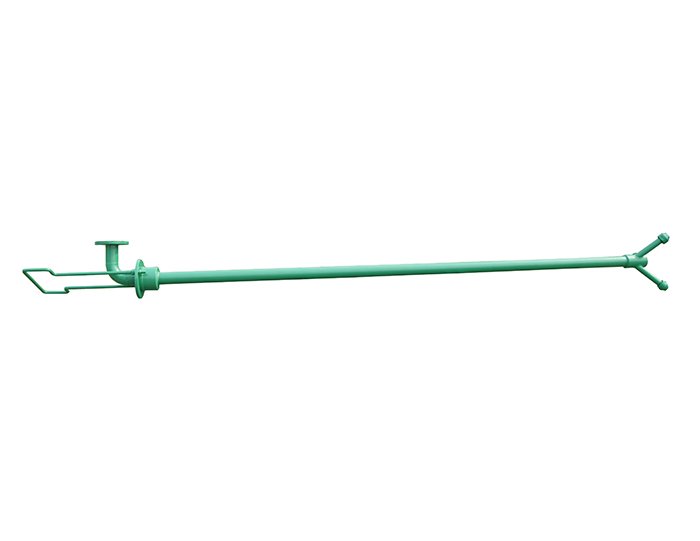 Mud Gun
 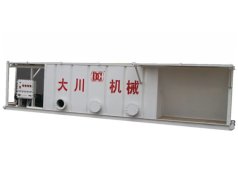 Mud Tank
 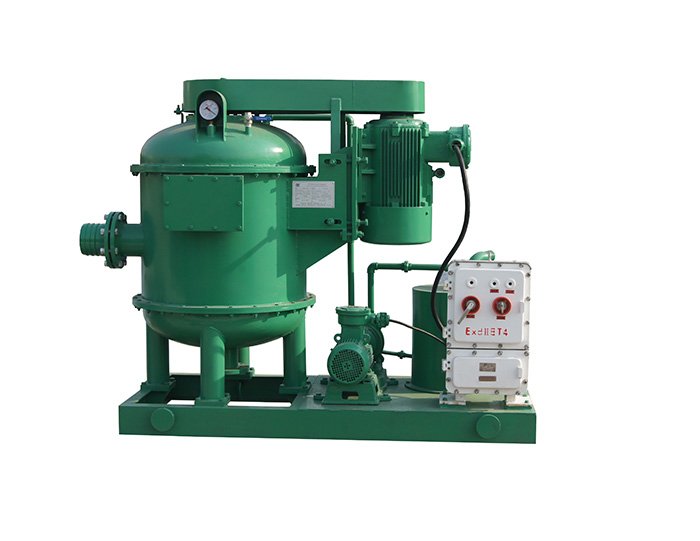 Solids Control System Vacuum Degasser
 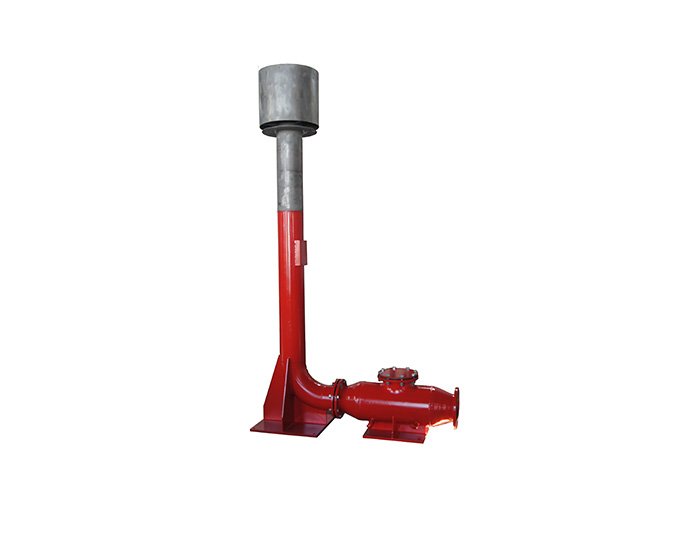 Flare Ignition Device
 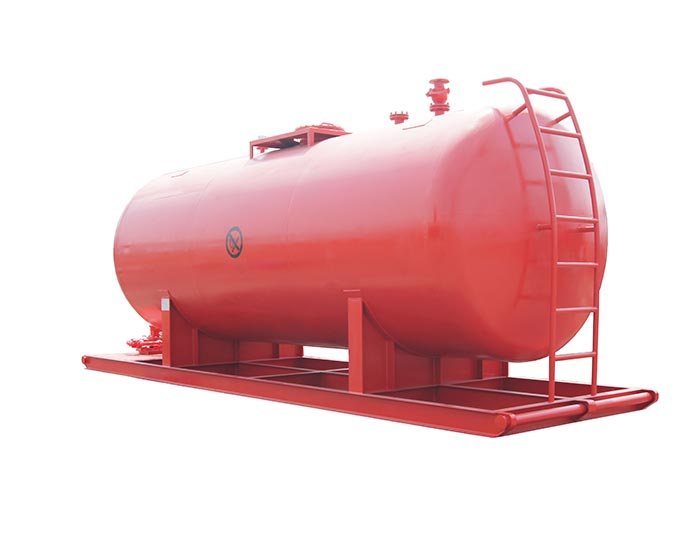 Diesel Tank
 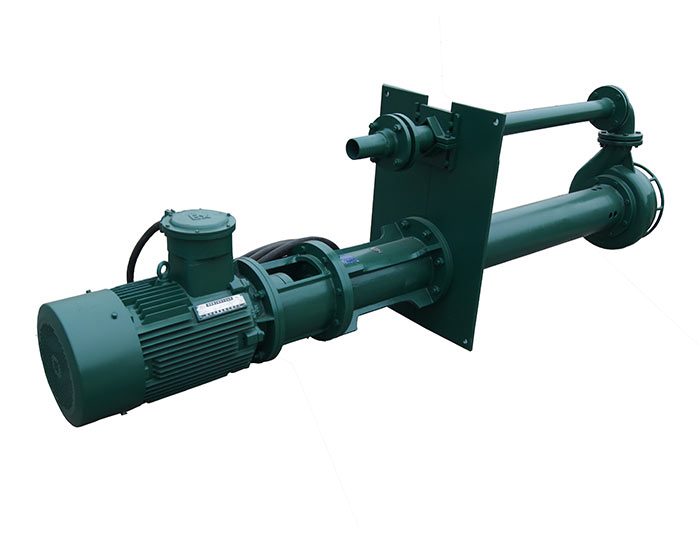 Submersible Slurry Pump