In the high-intensity environment of a drilling site, the reliability of the solids control system is the thin line between a productive day and an expensive mechanical failure. Among the various components that ensure the integrity of the drilling fluid, the mud vacuum pump stands as a critical mover of air and gas. Tasked with creating the negative pressure required to strip entrained gases from heavy drilling mud, this pump operates under constant stress, facing abrasive particles, corrosive chemicals, and fluctuating pressures. Maintaining the mud vacuum pump is not merely a matter of occasional cleaning; it is a systematic approach to preserving the hydraulic balance of the entire rig. When a pump fails, the degasser becomes a passive tank, allowing gas-cut mud to recirculate, which eventually lightens the mud weight and compromises wellbore safety.
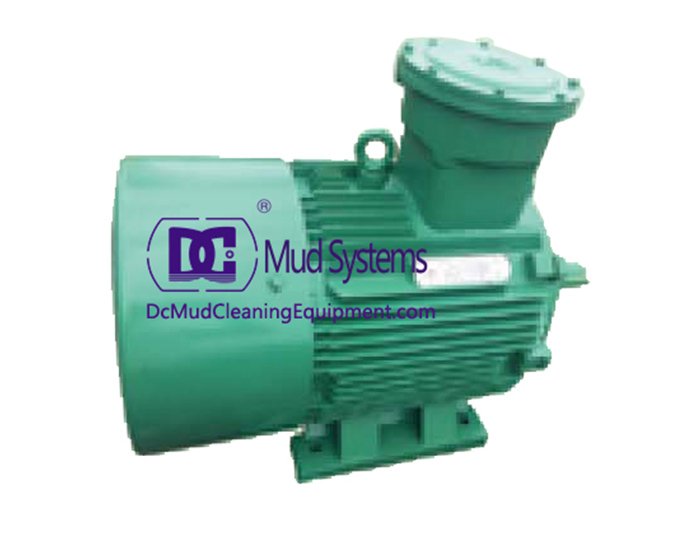
The primary challenge in maintaining a mud vacuum pump is the nature of the fluid it indirectly manages. While the pump itself is designed to move air, the proximity to drilling mud means that fine solids and moisture carry-over are inevitable. Over time, these contaminants can accumulate within the pump casing, leading to internal friction and reduced volumetric efficiency. A consistent maintenance schedule must prioritize the inspection of the intake filters and the moisture separator. By ensuring that only dry air enters the internal chambers of the mud vacuum pump, the operator prevents the "sludging" effect that can seize the rotor or damage the internal vanes.
The Critical Integrity Of The Vacuum Pump Mechanical Seal
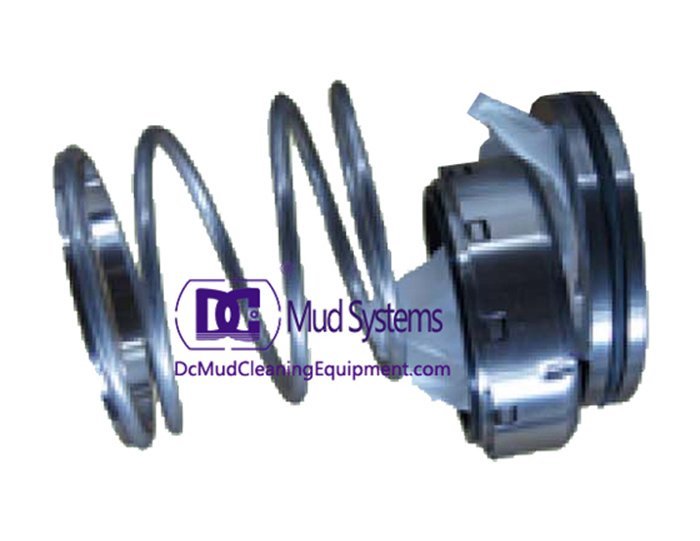
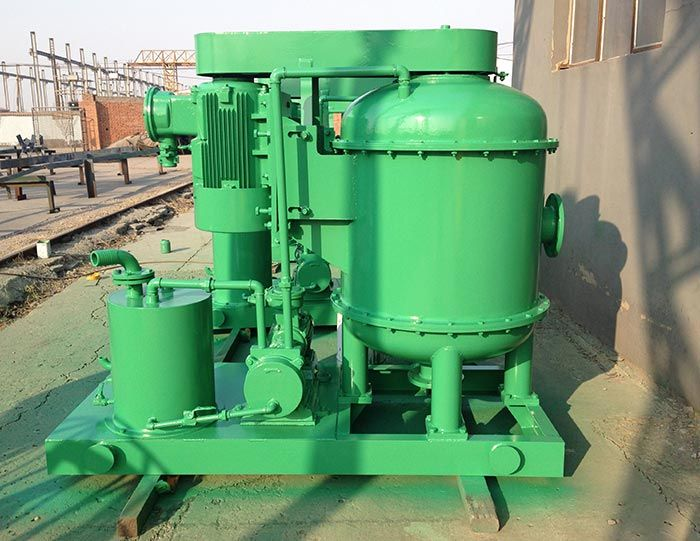
The most vulnerable point in any fluid-moving system is the interface between the rotating shaft and the stationary housing. In a degasser environment, the vacuum pump mechanical seal is the primary guardian against atmospheric leakage. If the seal fails, the pump begins to draw in outside air rather than pulling a vacuum on the mud tank, rendered the entire degasser ineffective. Maintaining the vacuum pump mechanical seal requires a keen eye for "weeping"—the slow, tell-tale drip of fluid that indicates the sealing faces are no longer perfectly flat. Because these seals often rely on a thin film of lubricant or the process fluid itself to maintain their integrity, any interruption in the fluid supply can lead to rapid overheating and "thermal cracking" of the seal faces.
To extend the life of the vacuum pump mechanical seal, operators must ensure that the shaft alignment remains within strict tolerances. Vibration is the silent killer of mechanical seals; even a slight misalignment between the motor and the pump can cause the seal faces to "chatter," leading to premature chipping and failure. Regular vibration analysis and the use of high-quality dial indicators during installation are essential steps in a proactive maintenance strategy. Furthermore, when replacing a vacuum pump mechanical seal, it is imperative to maintain a pristine environment. Even a microscopic speck of grit introduced during the assembly process can act as an abrasive, grinding down the polished faces of the seal the moment the pump is energized.
Optimizing The Performance Of The Vacuum Degasser Unit
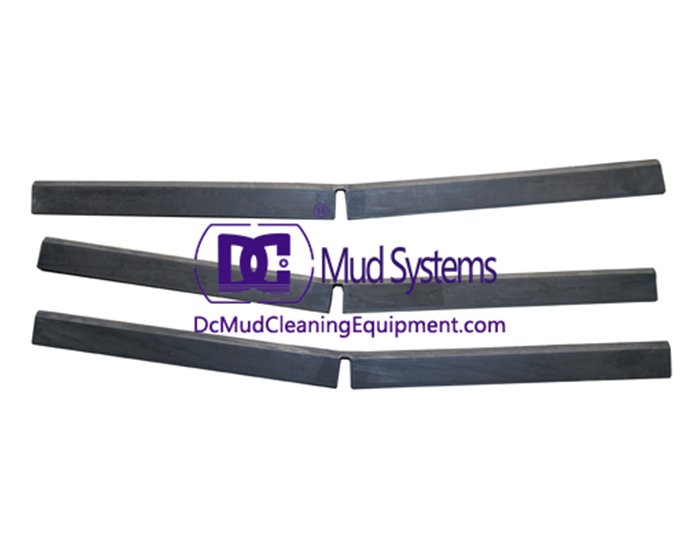
The vacuum degasser unit is a large-scale vessel that relies on the harmony of its internal components to function. Beyond the pump, the internal "leaf" or "splash" plates are the primary sites where gas separation occurs. Over time, these plates can become coated with dried mud or "cake," which reduces the surface area available for gas liberation. A key maintenance tip for the vacuum degasser unit is the implementation of a regular flush cycle. By circulating clean water or a base fluid through the vessel at the end of a drilling section, the operator prevents the buildup of solids that could eventually block the intake or discharge ports.
Furthermore, the sensors and float valves within the vacuum degasser unit must be calibrated frequently. These components regulate the level of mud inside the tank; if a float becomes stuck due to mud accumulation, the tank could overfill, sending liquid mud directly into the vacuum pump. This "slugging" event is often catastrophic for the pump's internal components. Regularly opening the inspection hatches of the vacuum degasser unit to manually check the movement of the floats and the condition of the internal coatings ensures that the automated safety systems remain reliable under the most demanding drilling conditions.
Strategic Integration Within The Solids Control System
Viewed as a whole, the solids control system is only as strong as its weakest link. While shale shakers and centrifuges handle the physical rocks and silts, the vacuum degasser handles the invisible threats. Maintenance of the degasser must be integrated into the broader rig maintenance management system. This means that when the shakers are serviced, the degasser’s vacuum lines should also be checked for leaks. Small cracks in the suction hoses or loose clamps can significantly degrade the vacuum level, forcing the mud vacuum pump to work harder and run hotter to achieve the same results.
In a high-functioning solids control system, the operator monitors the "vacuum gauge" as a primary diagnostic tool. A steady decline in vacuum pressure usually indicates a leak in the plumbing or a failing vacuum pump mechanical seal. By catching these trends early, the rig crew can schedule repairs during a "tripping" phase—when the drill string is being pulled out of the hole—rather than during active drilling when a shutdown would be far more costly. This holistic view of the solids control system ensures that every piece of equipment is optimized to protect the wellbore and the environment.

 Linear Motion Shale Shaker In Drilling Rig
  Oilfield Mud Cleaner
 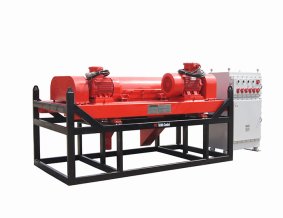 Drilling Fluid Decanter Centrifuge
 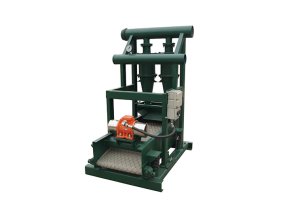 Drilling Mud Desander
 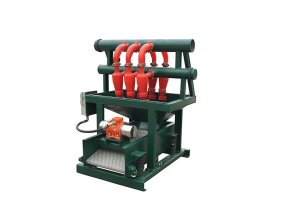 Hydrocyclone Desilter
 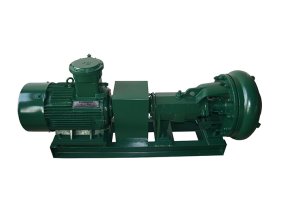 Centrifugal Pump/Centrifugal Mud Pump
 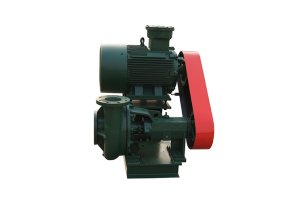 Shear Pump
 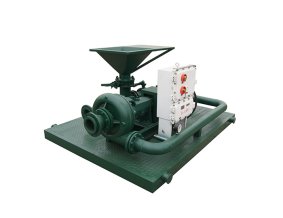 Jet Mud Mixer
 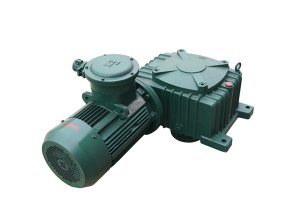 Horizontal Mud Agitator
 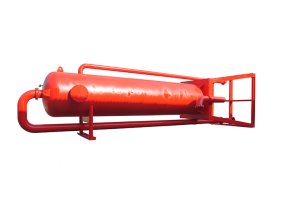 Constant Pressure Drilling Fluid Mud Gas Separator
 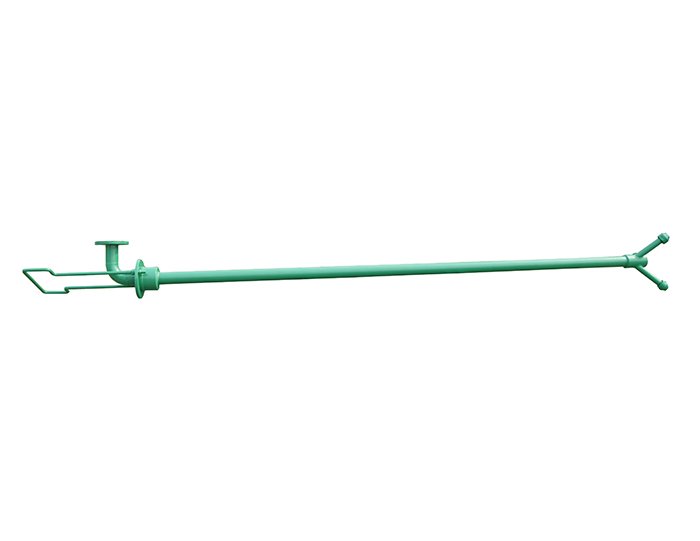 Mud Gun
  Mud Tank
 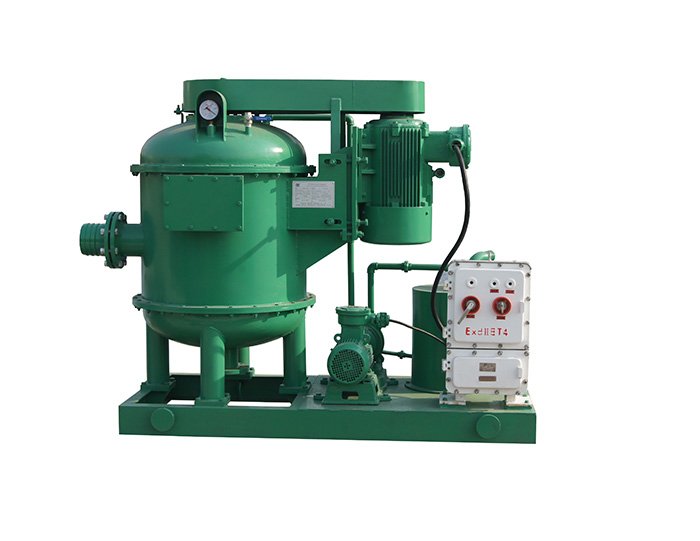 Solids Control System Vacuum Degasser
 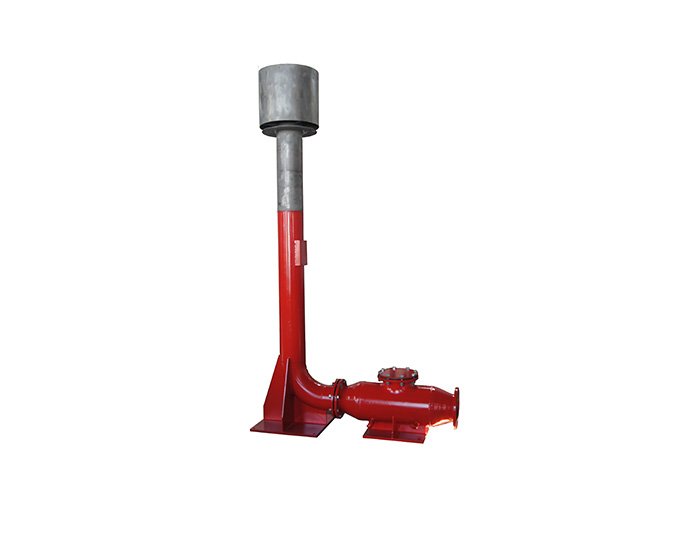 Flare Ignition Device
 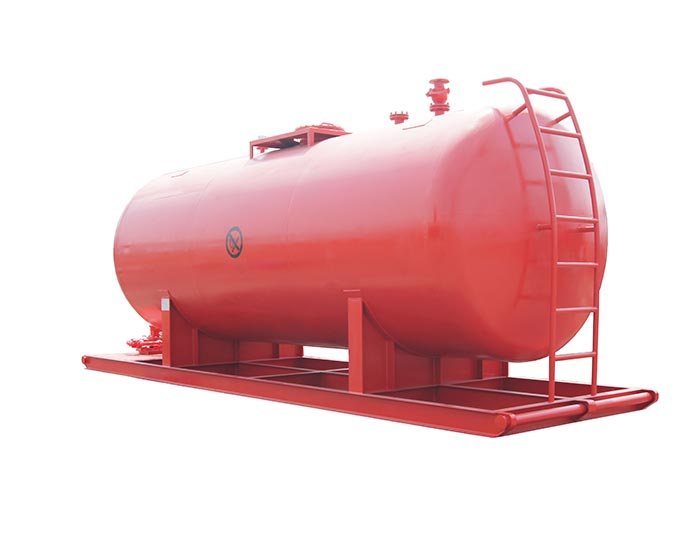 Diesel Tank
 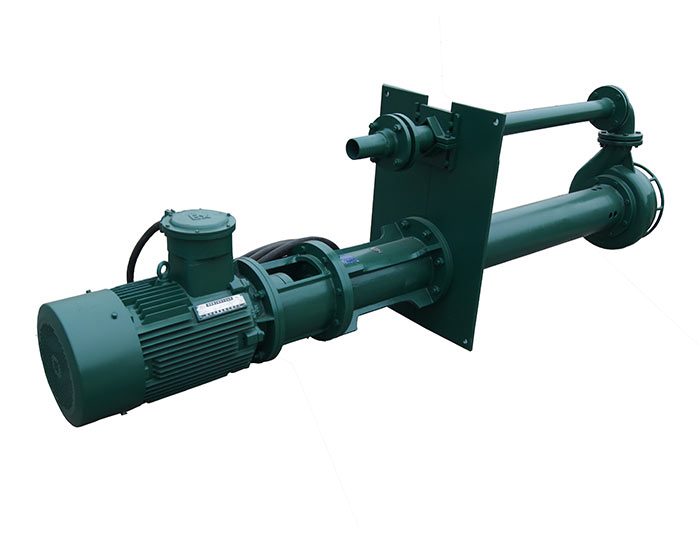 Submersible Slurry Pump