Modern hydrocarbon exploration requires an uncompromised commitment to fluid integrity and resource conservation. As a borehole extends thousands of feet into the subsurface, the drilling mud circulating through the system undergoes severe physical and chemical degradation. This fluid must continuously cool the drill bit, stabilize volatile formations, and transport rock cuttings back to the surface. However, while primary mechanical separation equipment like shale shakers can easily remove coarse rock fragments, fine and ultra-fine colloidal silts inevitably bypass these initial barriers. To prevent these microscopic contaminants from permanently altering mud rheology, advanced centrifuge solids control represents the ultimate mechanism for deep fluid purification.
When these micro-particles are allowed to build up within the active mud system, they increase the plastic viscosity and yield point of the fluid. This buildup triggers a cascade of operational inefficiencies, including increased torque and drag, accelerated pump wear, and a significant drop in daily penetration rates. By utilizing high-speed centrifugal force, operators can isolate and extract these sub-micron particles with exceptional precision. This process ensures that the valuable liquid phase of the drilling mud remains entirely stable, highly reusable, and mechanically clean through multiple circulation loops.
Technical Performance Dynamics of High-Speed Decanter Equipment in Drilling Solids Control
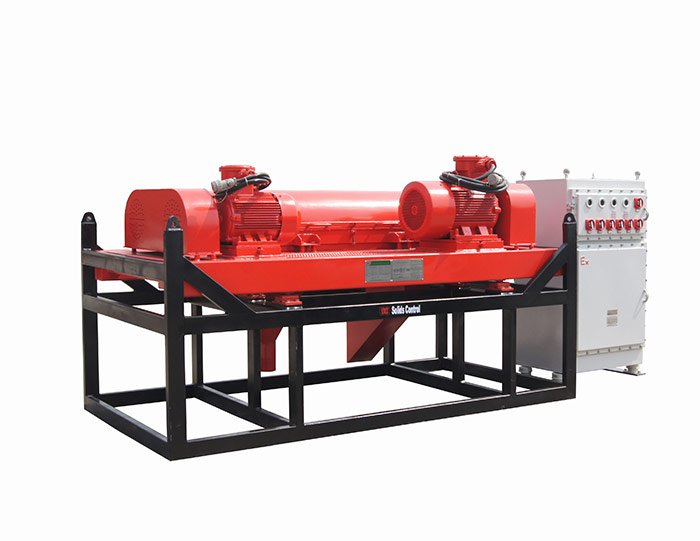
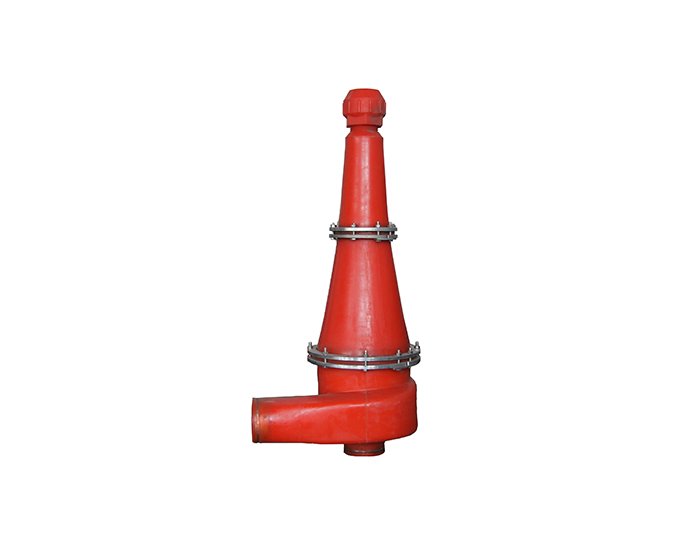
Understanding how a high-speed decanter processing unit achieves this extreme level of separation requires a deep dive into industrial fluid dynamics. Within the broader framework of drilling solids control, the centrifuge operates at the absolute apex of mechanical separation efficiency. While hydrocyclones and desilters rely on fixed pressure drops to separate particles down to roughly twenty microns, a horizontal decanting centrifuge utilizes thousands of rotational gravitational forces to separate colloidal particles as small as two to five microns.
Inside the rapidly spinning horizontal bowl of the machine, the dense, unconditioned slurry is subjected to intense centrifugal acceleration. This immense force throws the heavier solid particles outward against the internal wall of the bowl, forming a compacted cake layer. Simultaneously, an internal conveyor scroll, rotating at a slightly different speed than the outer bowl, continuously pushes this solid cake toward the conical end of the machine for dry discharge. The clarified liquid phase, now entirely stripped of its abrasive micro-solids, flows backward toward the opposite end of the bowl, where it is skimmed off and returned directly to the active suction pits for immediate downhole deployment.
Advancing Resource Sustainability through Liquid Solids Control Methodologies
The economic viability of deepwater and high-temperature drilling projects depends heavily on sophisticated liquid solids control practices that emphasize continuous closed-loop mud reclamation. Formulating premium synthetic- or oil-based muds represents one of the single largest variable costs in well construction, making the accidental disposal of these fluids financially restrictive. The primary objective of modern fluid conditioning is therefore to minimize waste by maximizing the lifecycle of the liquid chemicals and weighting agents.
Implementing a rigorous centrifugal separation workflow allows mud technicians to execute highly precise fluid adjustments based on shifting subsurface geologies. For instance, when drilling through fast-dispersing clay formations that threaten to dissolve into the liquid phase, the centrifuge can be calibrated to run at ultra-high speeds, pulling the reactive clay platelets out of suspension before they can hydrate and permanently damage the chemical properties of the mud. This meticulous control over the liquid-solid boundary dramatically reduces the volume of liquid waste generated on-site, lowering the heavy logistics expenses associated with waste hauling and environmental remediation while preserving the structural properties of the primary chemical asset.
Strategic Integration within Premium Fleet Solids Control Equipment Arrays
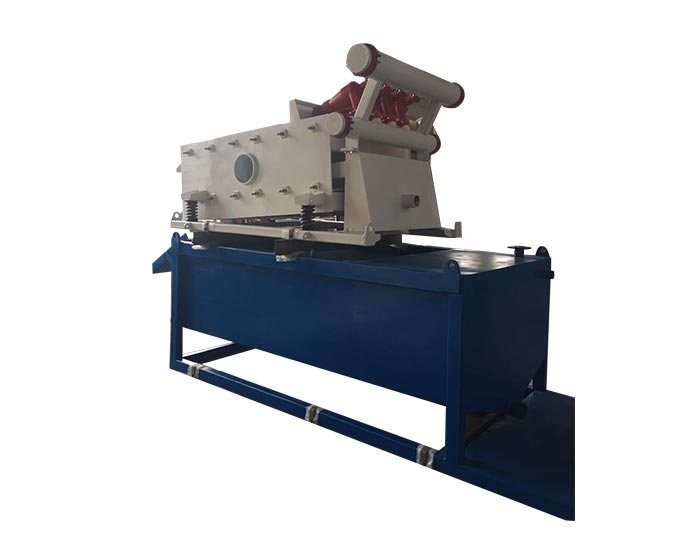
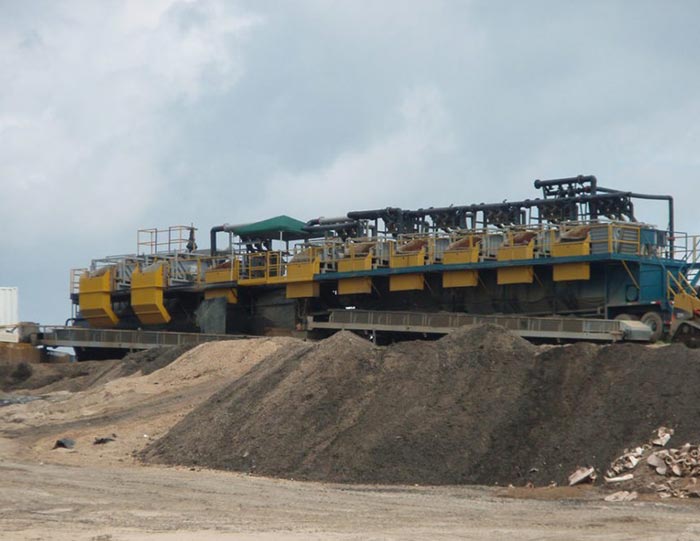
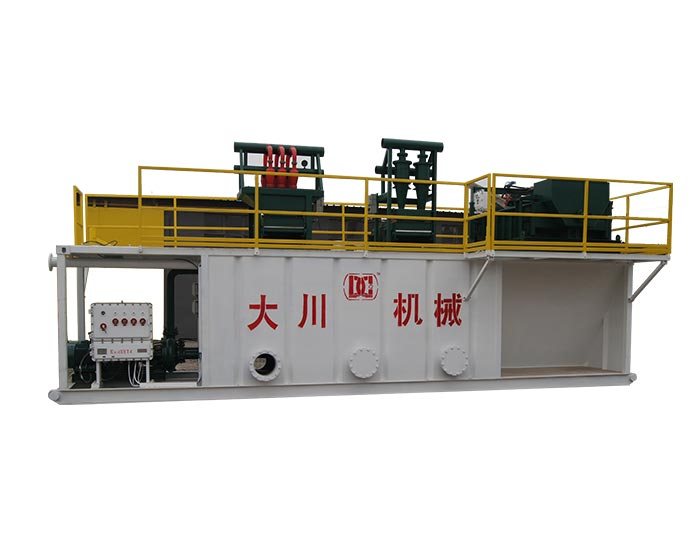
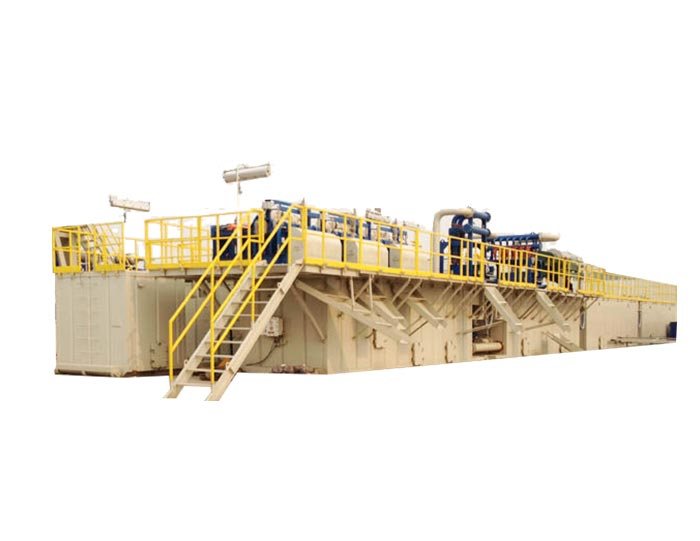
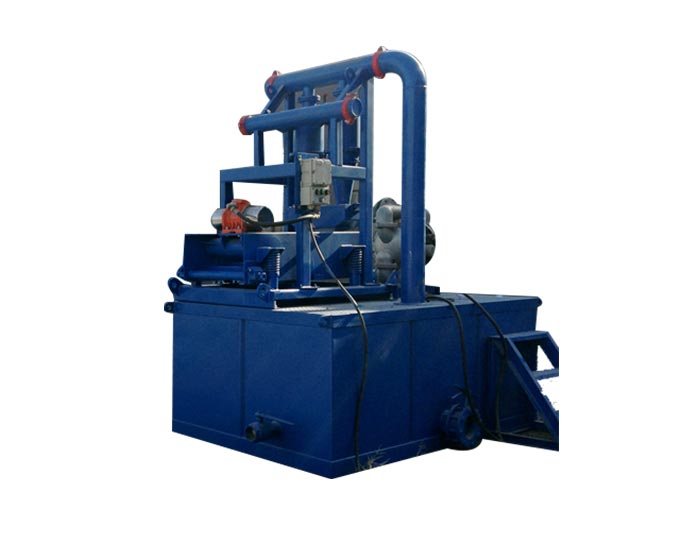
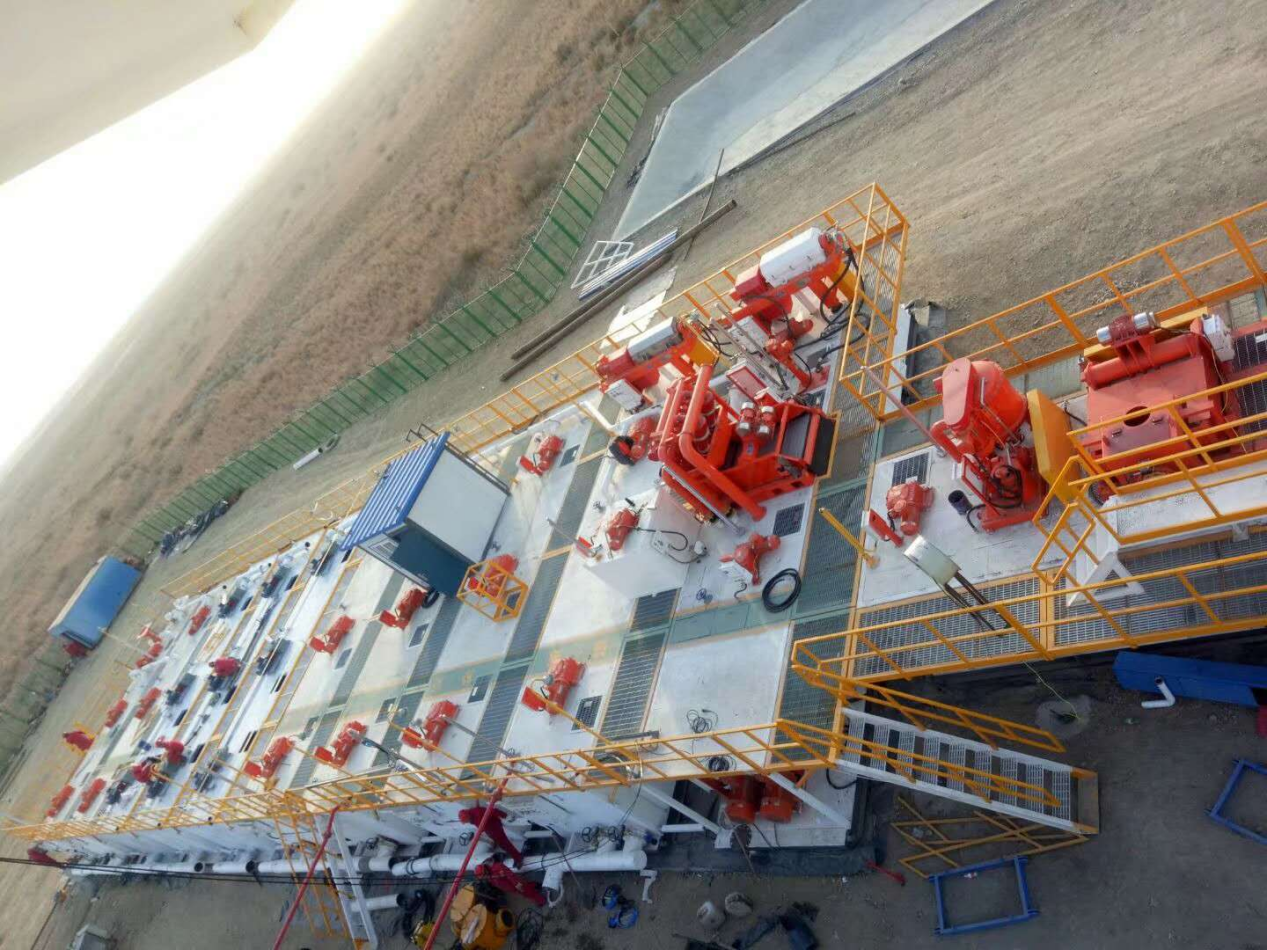
A single high-performance machine cannot entirely manage surface mud conditioning on its own; instead, it must function as a synchronized component within a comprehensive fleet of solids control equipment. This multi-tiered mechanical line is engineered to remove contaminants sequentially, moving systematically from the coarsest formation fragments down to microscopic colloidal particles. Within this operational hierarchy, the decanting centrifuge serves as the final, absolute defense mechanism for the active fluid cycle.
The fluid processing line relies on a strict sequential workflow where each machine prepares the mud for the subsequent phase. The mud flows first through the primary shale shakers to remove large rock debris, then through vacuum degassers to eliminate trapped formation gases, and finally through desanders and desilters. By the time the fluid reaches the high-speed centrifuge, the bulk of the coarse and medium solids have already been extracted. If the upstream equipment fails or suffers from poor maintenance, the centrifuge becomes overwhelmed with oversized solids, leading to immediate internal plugging, excessive vibration, and rapid erosive wear on the carbide-coated nozzles of the scroll conveyor.
Maximizing Operational Uptime with Comprehensive Solid Control Systems
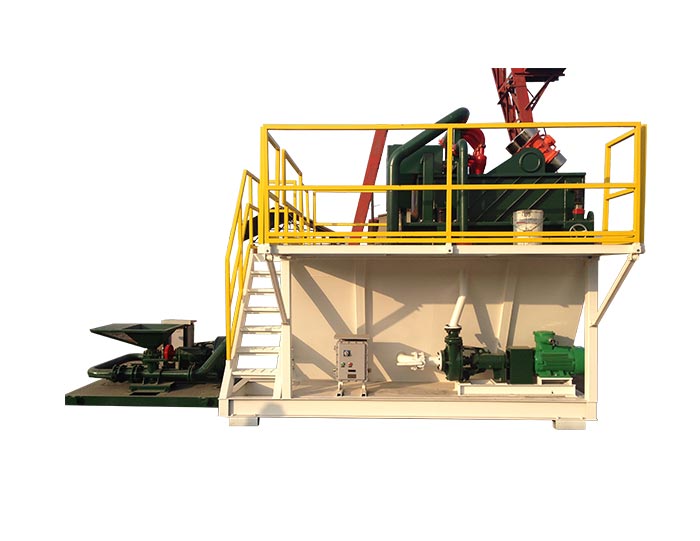
The true measure of structural engineering success on a modern rig site is the seamless integration of individual machinery into unified, automated solid control systems. When a specialized engineering firm designs the surface mud tank layout, they do not simply focus on individual processing capacities; rather, they analyze fluid velocity, tank retention times, and electrical control synchronization across the entire reclamation pipeline. This holistic approach eliminates structural bottlenecks and ensures that fluid transitions between different treatment phases occur with minimal turbulence.
In an advanced, digitally synchronized system, the centrifuge is linked directly to automated mud density meters and variable-frequency drive controls. If the system detects a sudden spike in mud weight due to an influx of downhole silt, the automated controls instantly increase the rotational speed of the centrifuge bowl while modulating the feed pump volume to handle the increased solids load. This self-regulating capability prevents equipment downtime, reduces the need for manual troubleshooting by the rig crew, and ensures that the surface processing infrastructure can maintain peak separation efficiency throughout critical, high-pressure drilling intervals.

 Linear Motion Shale Shaker In Drilling Rig
  Oilfield Mud Cleaner
 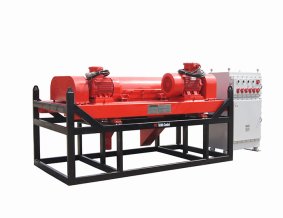 Drilling Fluid Decanter Centrifuge
 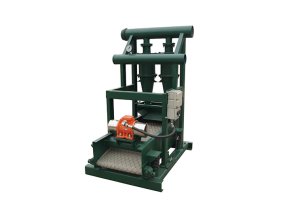 Drilling Mud Desander
 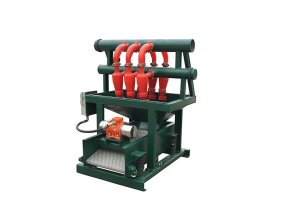 Hydrocyclone Desilter
 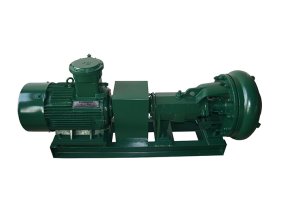 Centrifugal Pump/Centrifugal Mud Pump
 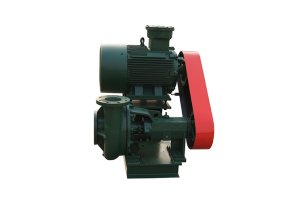 Shear Pump
 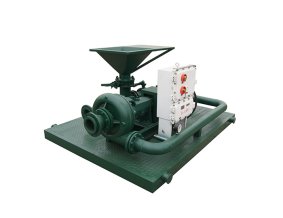 Jet Mud Mixer
 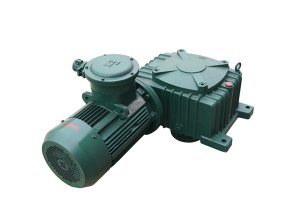 Horizontal Mud Agitator
 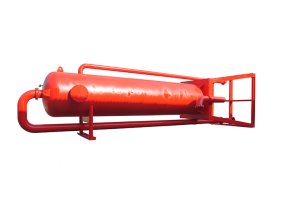 Constant Pressure Drilling Fluid Mud Gas Separator
 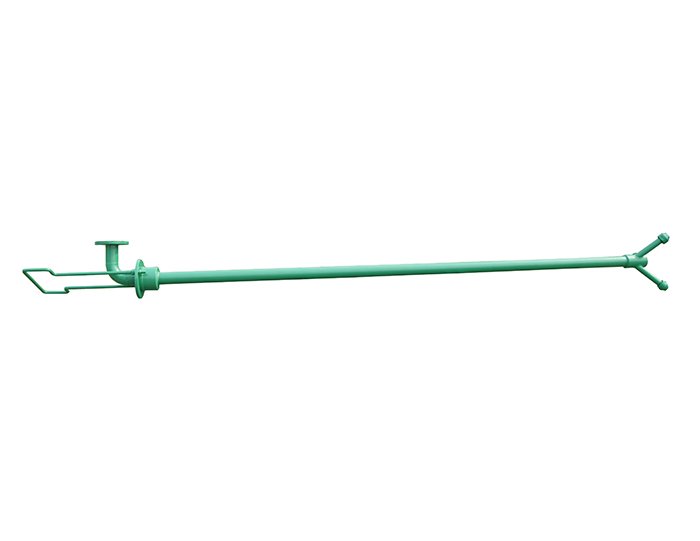 Mud Gun
  Mud Tank
 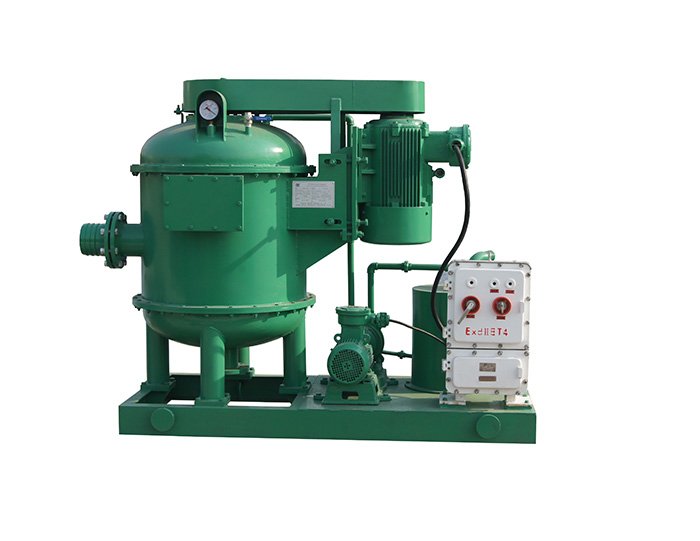 Solids Control System Vacuum Degasser
 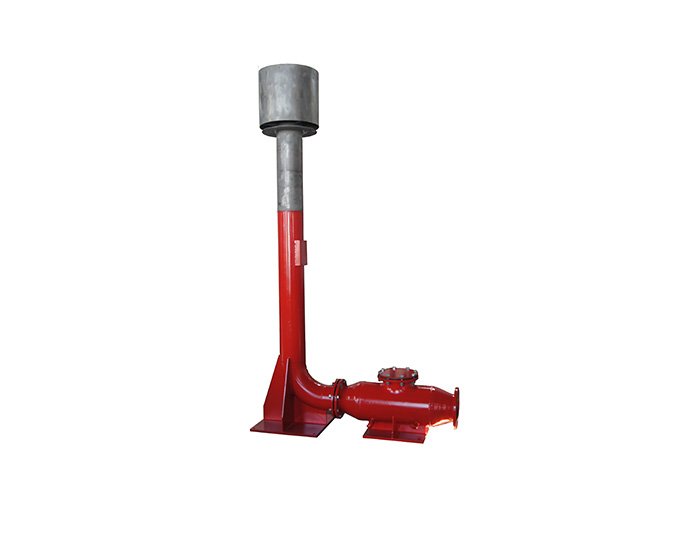 Flare Ignition Device
 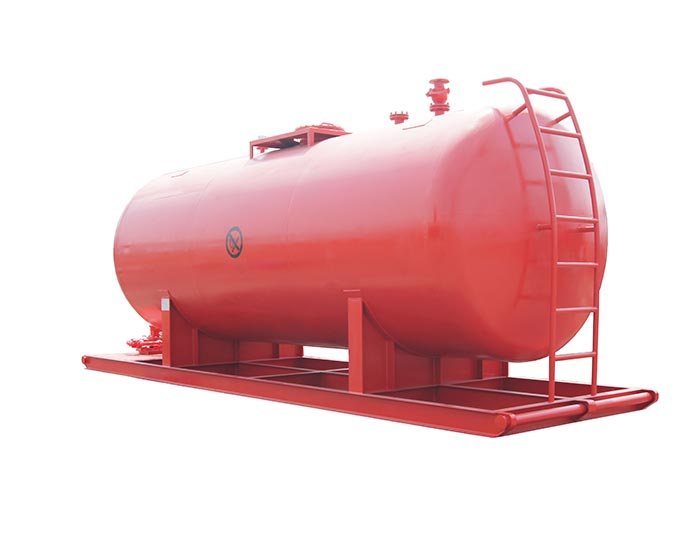 Diesel Tank
 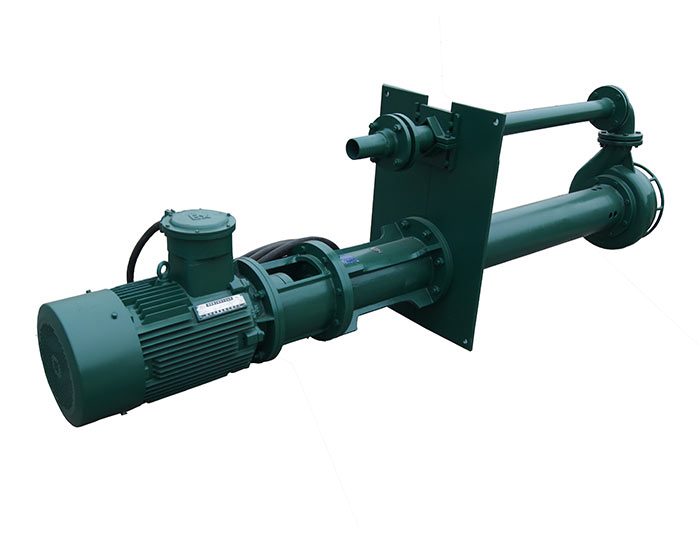 Submersible Slurry Pump