The efficiency of modern drilling operations depends heavily on the ability to manage drilling fluids and remove unwanted solids as quickly as possible. As exploration projects move into deeper formations and more challenging geological environments, drilling contractors are under increasing pressure to maintain productivity while controlling operational costs. One of the most important technologies supporting these objectives is the shale shaker, which serves as the first stage of solids control during drilling.
In recent years, dual shale shakers technology has gained significant attention across the drilling industry. Unlike traditional single-unit systems, dual shaker configurations provide enhanced processing capacity, improved fluid recovery, and greater operational flexibility. These advantages have made dual shaker systems an important solution for operators seeking to optimize drilling performance and improve overall solids control efficiency.
As drilling demands continue to evolve, advanced shaker technologies are becoming a critical part of integrated fluid management strategies. Their influence extends beyond basic solids removal and contributes directly to equipment protection, drilling fluid quality, and long-term project success.
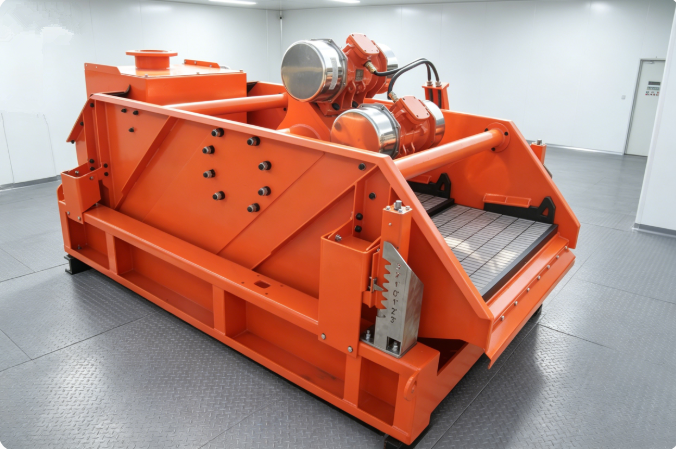
Why Dual Shale Shakers Are Transforming Modern Drilling Operations
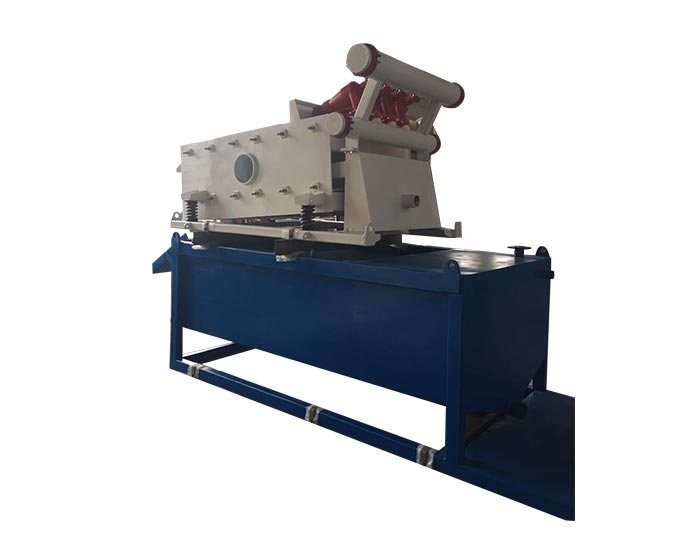
The primary function of a shale shaker is to separate drilled cuttings from the circulating drilling fluid before the fluid moves through subsequent treatment stages. Because this process occurs at the very beginning of the solids control sequence, its effectiveness has a direct impact on the performance of the entire fluid management system.
The adoption of dual shale shakers provides operators with a more robust approach to handling large volumes of drilling fluid. By distributing fluid processing across multiple screening units, these systems can maintain efficient solids separation even when drilling conditions become more demanding.
One of the most significant advantages of dual shale shakers is their ability to support continuous operation. In situations where maintenance or screen replacement becomes necessary, operators often benefit from greater operational flexibility compared to relying on a single shaker unit. This contributes to reduced interruptions and more consistent drilling performance.
The increasing complexity of drilling projects has highlighted the importance of dependable solids control systems. Dual shaker technology addresses these challenges by providing enhanced screening efficiency while helping maintain fluid quality throughout the drilling process.
How the Best Dual Shale Shakers Improve Fluid Recovery
Drilling fluid represents a valuable operational resource that directly influences drilling efficiency and overall project costs. Recovering and reusing drilling fluid effectively has become a major priority for drilling contractors worldwide.
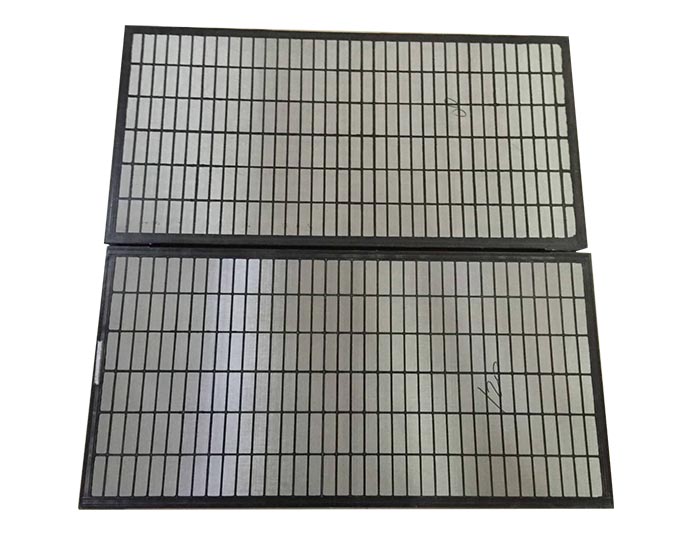
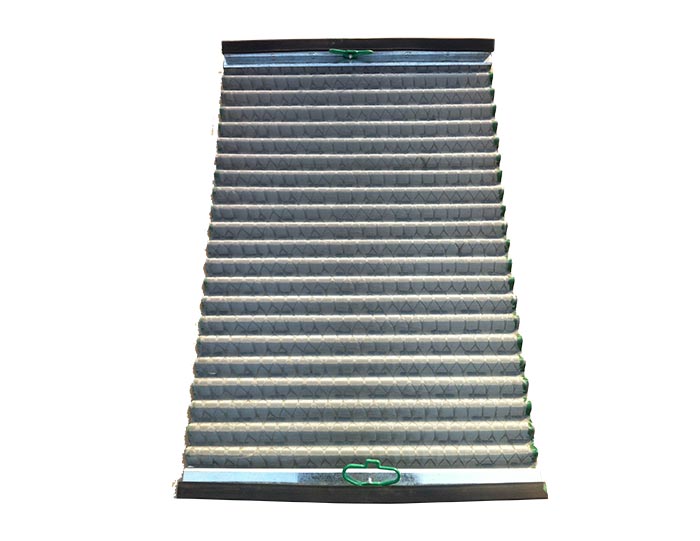
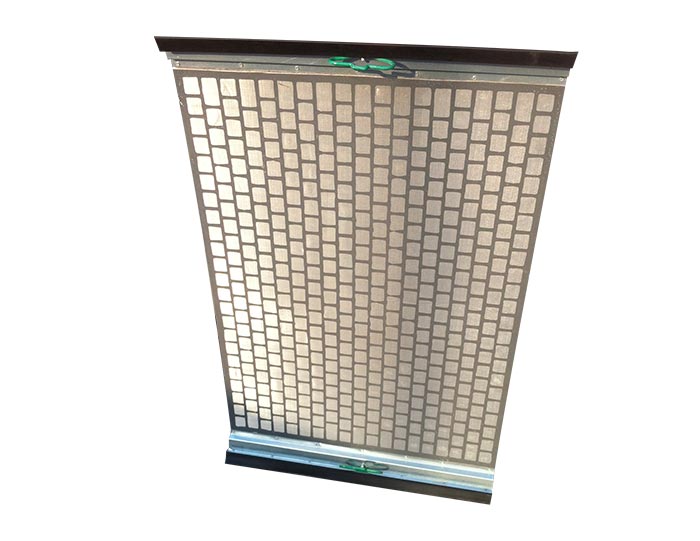
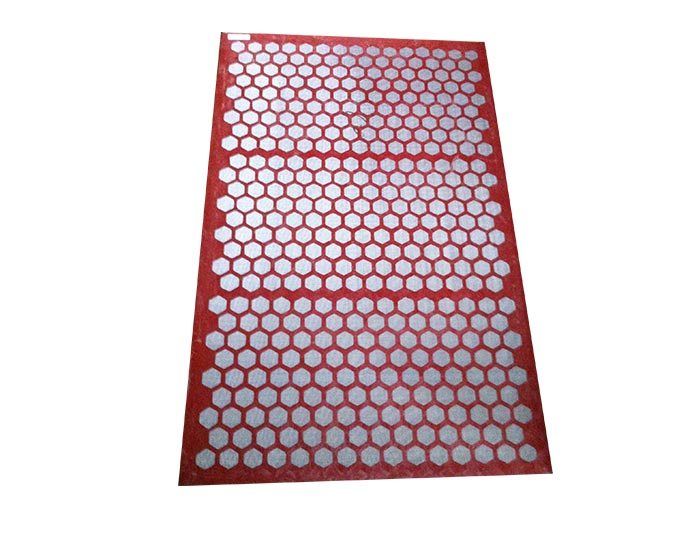
The best dual shale shakers are designed to maximize fluid recovery while maintaining high solids removal efficiency. Through advanced screen technologies and optimized vibration systems, these units allow valuable drilling fluid to pass through the screens while effectively removing larger solids.
Improved fluid recovery helps operators reduce the need for excessive fluid replacement and supports more sustainable drilling practices. Cleaner drilling fluid entering downstream treatment stages also improves the performance of additional solids control equipment.
Modern best dual shale shakers incorporate engineering advancements that enhance screening accuracy and operational stability. Improved screen support structures, optimized vibration mechanisms, and intelligent monitoring systems contribute to more consistent separation performance under varying drilling conditions.
As operators continue focusing on cost control and resource efficiency, the ability of advanced shaker systems to improve fluid recovery remains one of their most valuable benefits.
The Growing Market for Dual Shale Shakers Products
The increasing demand for efficient drilling technologies has driven significant innovation in the development of dual shale shakers products. Manufacturers are continually introducing new designs aimed at improving processing capacity, reducing maintenance requirements, and enhancing overall system reliability.
Modern dual shale shakers products are engineered to address a wide range of operational challenges. Whether operating in conventional drilling environments or technically demanding projects, these systems are designed to maintain effective solids separation while supporting long-term equipment durability.
One of the key trends influencing the development ofdual shale shakers products is the integration of automation and digital monitoring technologies. Operators increasingly expect real-time performance data that allows them to monitor equipment conditions and optimize processing efficiency.
The evolution of shaker technology also reflects growing environmental awareness within the industry. By improving fluid recovery and reducing waste generation, advanced shaker systems help operators achieve both economic and environmental objectives.
As manufacturers continue investing in research and development, the capabilities of dual shale shaker products are expected to expand further, providing even greater value for drilling operations worldwide.
The Importance of Shale Shaker Drilling Efficiency
Successful shale shaker drilling operations depend on the ability to maintain effective solids removal from the earliest stages of fluid processing. When drilling cuttings remain within the circulating fluid system for extended periods, they can negatively impact fluid properties and reduce overall drilling efficiency.
Efficientshale shaker drilling helps prevent excessive solids accumulation and supports the maintenance of stable drilling fluid characteristics. Cleaner fluids contribute to improved drilling performance by reducing friction, enhancing hole cleaning, and supporting better pressure control.
The quality of initial solids separation also influences the effectiveness of downstream treatment equipment. When shale shakers perform efficiently, hydrocyclones, centrifuges, and other processing units can operate under more favorable conditions, resulting in improved overall system performance.
Modern drilling operations often involve varying formation types and rapidly changing drilling conditions. Advanced shale shaker drilling technologies provide the flexibility needed to adapt to these challenges while maintaining consistent solids control performance.
As drilling projects continue to demand higher levels of efficiency, optimizing shale shaker performance remains a critical component of successful fluid management strategies.

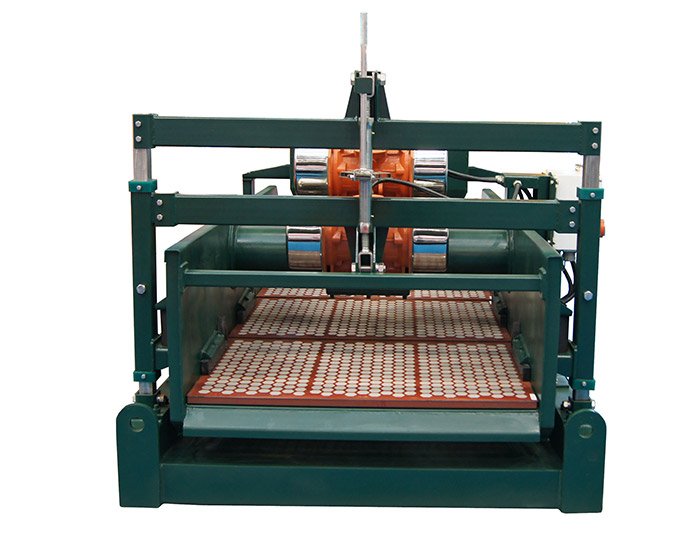
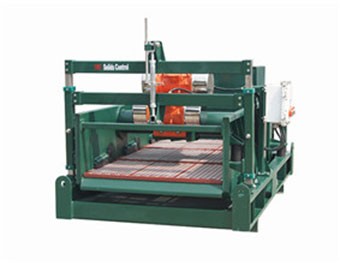 Linear Motion Shale Shaker In Drilling Rig
 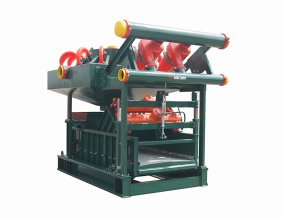 Oilfield Mud Cleaner
 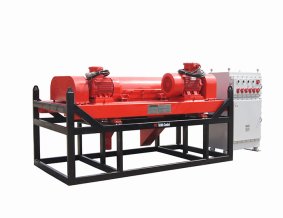 Drilling Fluid Decanter Centrifuge
 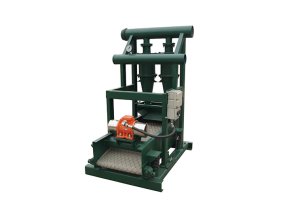 Drilling Mud Desander
 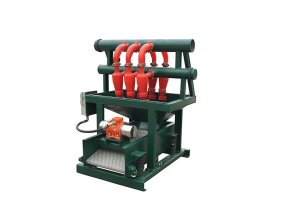 Hydrocyclone Desilter
 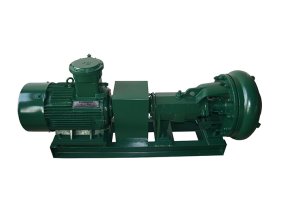 Centrifugal Pump/Centrifugal Mud Pump
 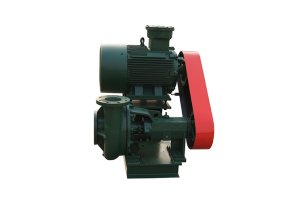 Shear Pump
 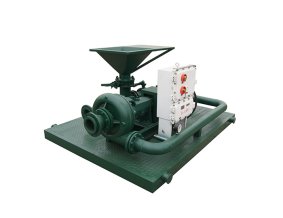 Jet Mud Mixer
 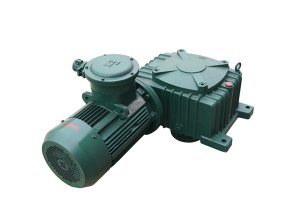 Horizontal Mud Agitator
 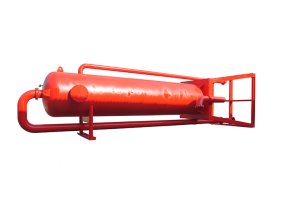 Constant Pressure Drilling Fluid Mud Gas Separator
 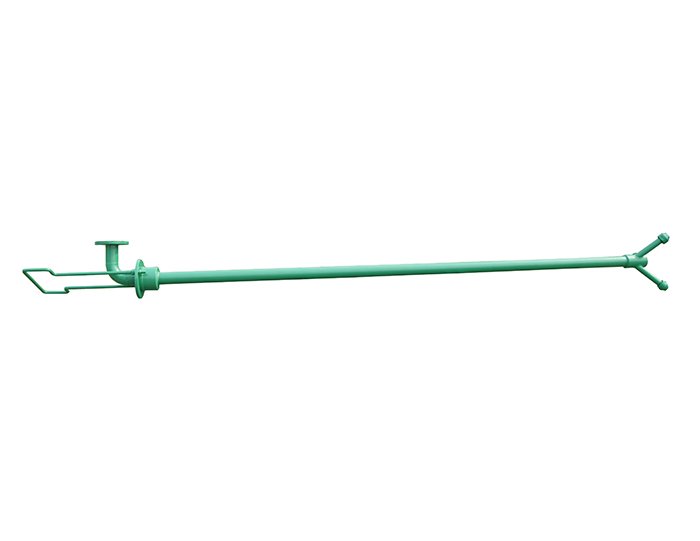 Mud Gun
  Mud Tank
 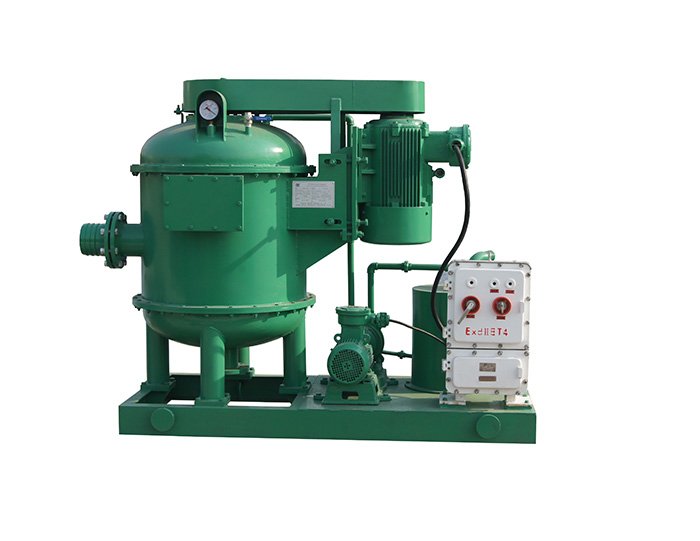 Solids Control System Vacuum Degasser
 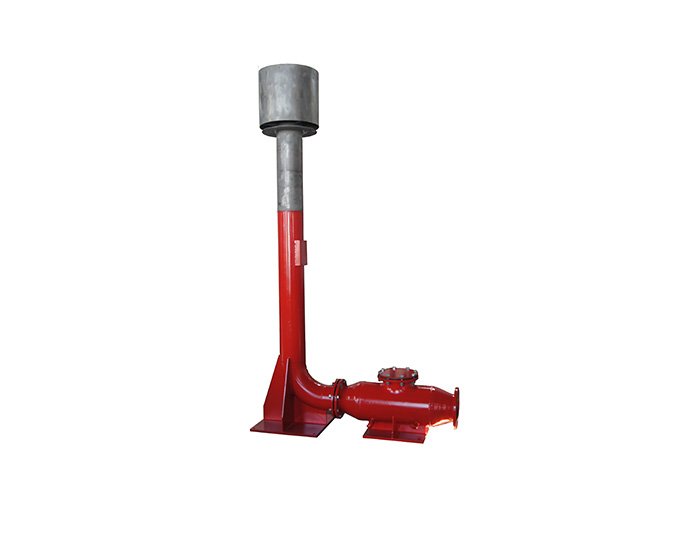 Flare Ignition Device
 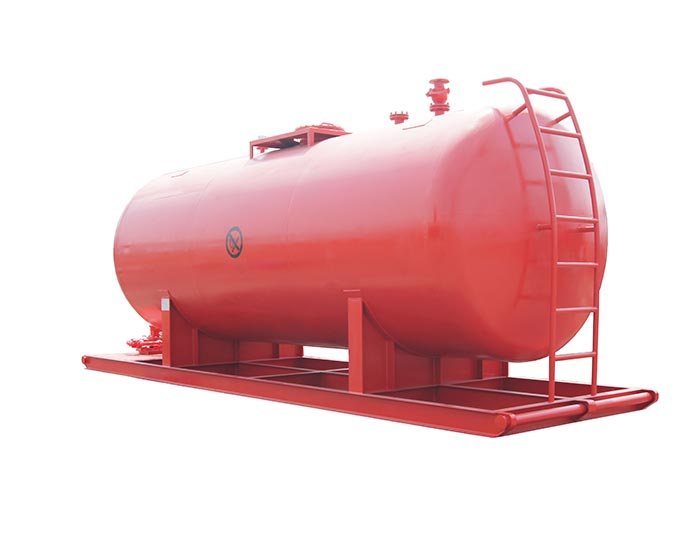 Diesel Tank
 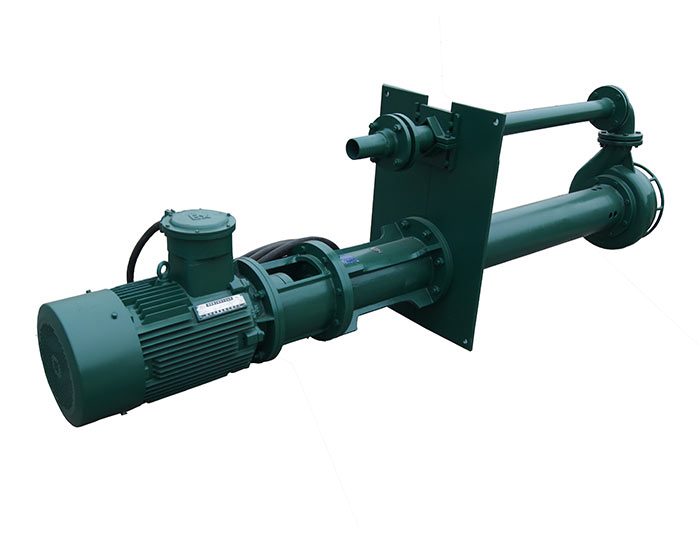 Submersible Slurry Pump