The oil and gas drilling industry continues to evolve as operators seek higher efficiency, better environmental performance, and more reliable drilling fluid management systems. Among the essential components of modern drilling operations, vacuum degassers play a critical role in maintaining drilling fluid quality and ensuring smooth drilling performance. As drilling projects become more technically demanding, leading vacuum degasser manufacturers are investing heavily in technological innovation, intelligent control systems, and advanced engineering solutions to meet changing industry requirements.
Today, modern vacuum degasser technology is no longer limited to basic gas removal functions. Leading manufacturers are focusing on comprehensive system integration, automation, and enhanced operational reliability. These developments are reshaping the future of drilling fluid processing and creating new opportunities for drilling contractors worldwide.
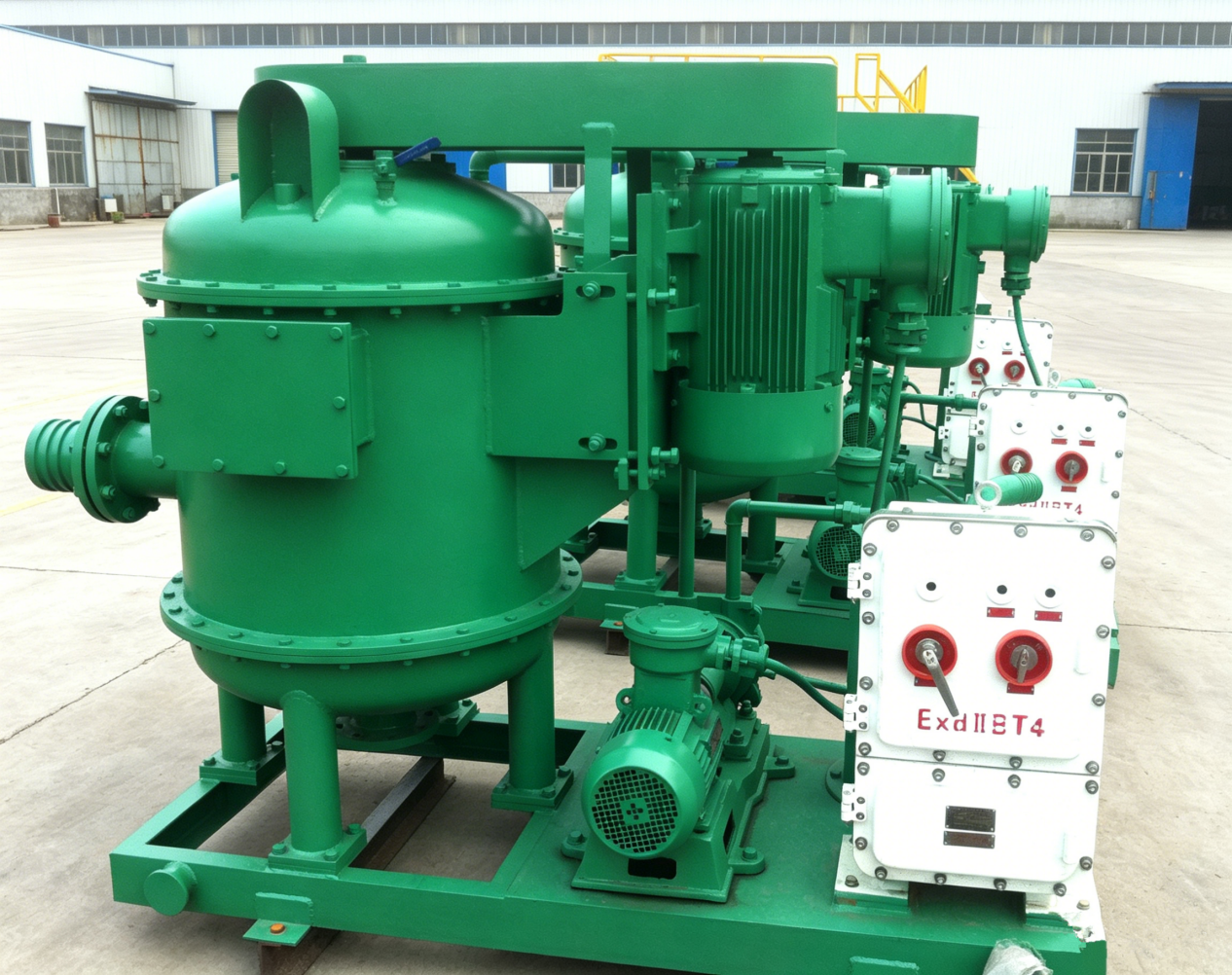
How Vacuum Degasser Manufacturers Are Transforming Fluid Processing Technology
The primary purpose of a vacuum degasser is to remove harmful gas from drilling fluids before the fluid returns to circulation. Excess gas trapped within drilling mud can negatively affect density, viscosity, and overall drilling performance. In challenging drilling environments, efficient gas removal becomes even more important for maintaining operational stability.
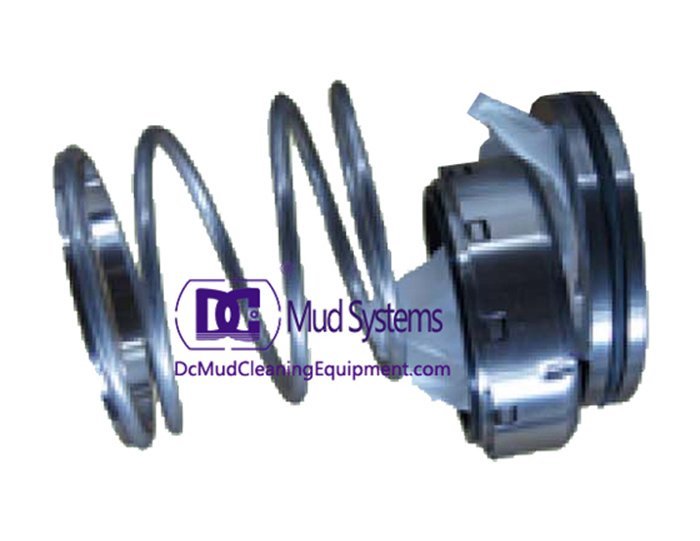
Modern vacuum degasser manufacturers have recognized the growing need for more efficient equipment capable of handling increasingly complex drilling conditions. As a result, many companies have introduced improved vacuum chamber designs, optimized impeller structures, and advanced sealing technologies that enhance gas separation efficiency while reducing energy consumption.
The latest generation of vacuum degassers often incorporates intelligent monitoring systems that allow operators to track equipment performance in real time. These systems provide valuable operational insights and help reduce unexpected downtime by identifying potential issues before they develop into costly failures. Such innovations contribute significantly to improved drilling fluid management and overall project efficiency.
Why Vacuum Degasser Suppliers Focus on Reliability and Automation
In today's competitive energy sector, drilling contractors place significant emphasis on equipment reliability. Unplanned equipment failures can interrupt drilling schedules, increase operating expenses, and create additional maintenance requirements. For this reason, vacuum degasser suppliers are continuously improving product durability and operational stability.
Automation has become one of the most influential trends within the solids control industry. Modern vacuum degassers increasingly feature programmable control systems, automated startup procedures, and intelligent fault diagnosis functions. These technologies simplify operation while reducing dependence on manual intervention.
As drilling operations expand into remote locations and challenging environments, automated equipment offers additional advantages. Operators can monitor system performance more efficiently, allowing technical teams to focus on broader drilling objectives rather than routine equipment management tasks. This shift toward automation reflects the industry's broader movement toward digital transformation and smarter field operations.
Furthermore, vacuum degasser suppliers are developing equipment that integrates seamlessly with existing solids control systems. Enhanced compatibility ensures smoother communication between various processing units, creating a more efficient and coordinated drilling fluid treatment process.
The Expanding Role of a Solids Control Company in Modern Drilling Projects
The responsibilities of a modern solids control company extend far beyond supplying individual pieces of equipment. Today’s industry leaders provide comprehensive solutions that address the entire drilling fluid management process, from initial fluid preparation to final waste treatment.
As environmental regulations become more stringent across global markets, drilling contractors increasingly seek partners capable of delivering complete system solutions. A professional solids control company can help optimize fluid recycling, reduce waste generation, and improve overall environmental compliance.
Innovation within the solids control sector has encouraged closer collaboration between equipment manufacturers and drilling operators. This partnership-driven approach enables customized system configurations tailored to specific project requirements. By understanding unique geological conditions, drilling objectives, and operational constraints, suppliers can recommend solutions that maximize performance and cost efficiency.
The growing complexity of drilling projects has also increased demand for integrated service support. Modern solids control company providers often offer technical consulting, system design assistance, equipment commissioning, and ongoing maintenance programs. These value-added services help customers achieve long-term operational success while minimizing risks associated with equipment performance.
Precision Solids Control Solutions for Enhanced Operational Efficiency
The concept of precision solids control has gained increasing attention as drilling operations demand greater accuracy and consistency in fluid management. Precision solids control focuses on optimizing every stage of the fluid treatment process to ensure maximum performance and resource utilization.
Vacuum degassers play a vital role within this precision-driven approach. Effective gas removal contributes to improved drilling fluid stability, allowing downstream equipment to operate more efficiently. When gas contamination is properly controlled, the entire solids control system can achieve better separation performance and more predictable operational outcomes.
Manufacturers are incorporating advanced engineering techniques to support precision solids control objectives. Improved fluid dynamics, optimized component design, and enhanced process control capabilities all contribute to higher system efficiency. These innovations allow operators to maintain tighter control over drilling fluid properties, ultimately supporting safer and more productive drilling operations.
The integration of digital technologies has further strengthened precision solids control strategies. Real-time monitoring, predictive maintenance tools, and intelligent analytics provide operators with deeper visibility into system performance. This data-driven approach supports informed decision-making and helps identify opportunities for continuous improvement throughout the drilling process.
Innovation Trends Shaping the Future of Solid Control Equipment
The future development of solid control equipment is being influenced by several important industry trends. Sustainability, automation, and operational efficiency remain key priorities for both manufacturers and drilling operators.
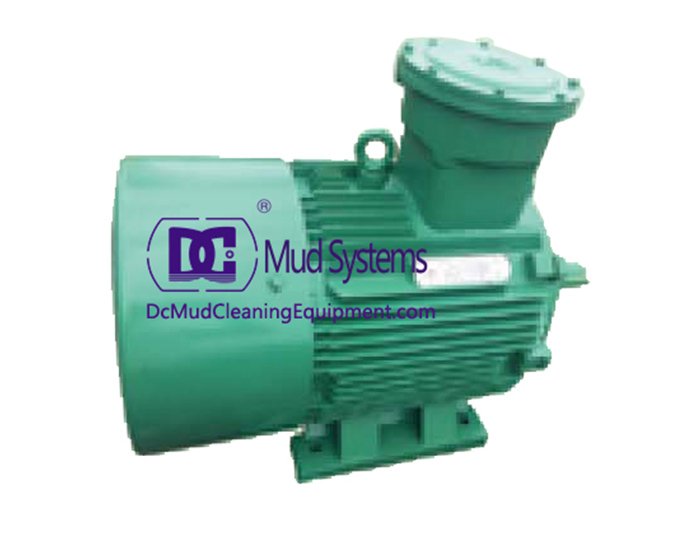
Equipment designers are increasingly focused on reducing energy consumption while maintaining high processing performance. More efficient motors, optimized mechanical systems, and advanced control technologies help achieve this balance. These improvements not only lower operating costs but also support environmental objectives by reducing overall energy demand.
Remote monitoring capabilities are becoming another defining feature of modern solid control equipment. Cloud-based platforms and intelligent communication systems enable operators to access equipment data from virtually any location. This connectivity improves maintenance planning, accelerates troubleshooting, and supports more effective resource allocation.
Manufacturers are also investing in modular solid control equipment designs that offer greater flexibility and scalability. Modular systems can be adapted to various project requirements, making them attractive for drilling contractors working across different regions and operational environments. This flexibility helps customers maximize equipment utilization while reducing long-term investment risks.
Artificial intelligence and advanced analytics are expected to play an increasingly important role in future solids control systems. These technologies have the potential to optimize equipment performance automatically, identify inefficiencies, and recommend operational adjustments based on real-time data analysis. As digital technologies continue to mature, the capabilities of solid control equipment will likely expand significantly.

 Linear Motion Shale Shaker In Drilling Rig
  Oilfield Mud Cleaner
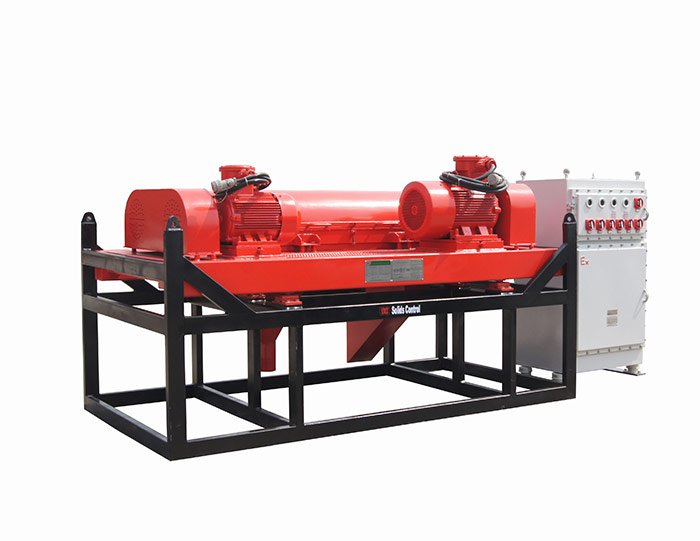
 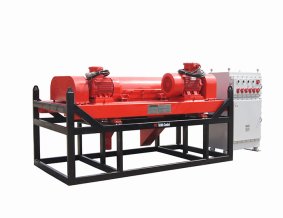 Drilling Fluid Decanter Centrifuge
 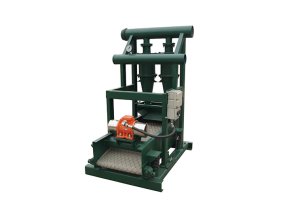 Drilling Mud Desander
 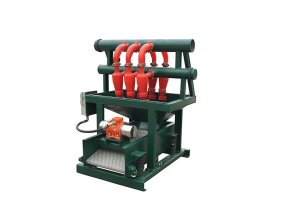 Hydrocyclone Desilter
 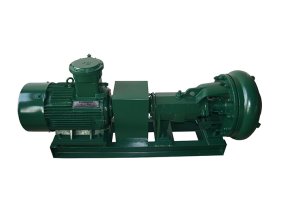 Centrifugal Pump/Centrifugal Mud Pump
 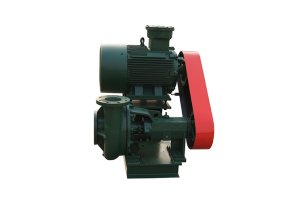 Shear Pump
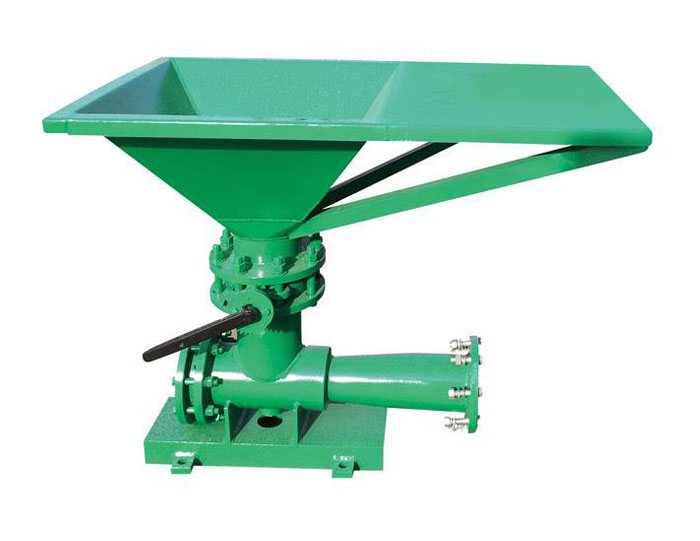
 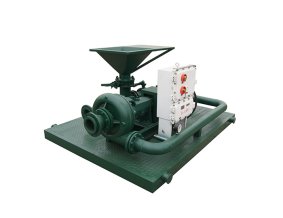 Jet Mud Mixer
 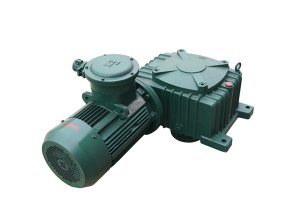 Horizontal Mud Agitator
 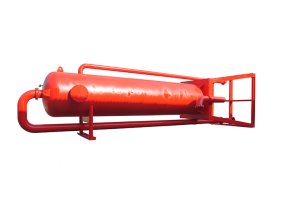 Constant Pressure Drilling Fluid Mud Gas Separator
 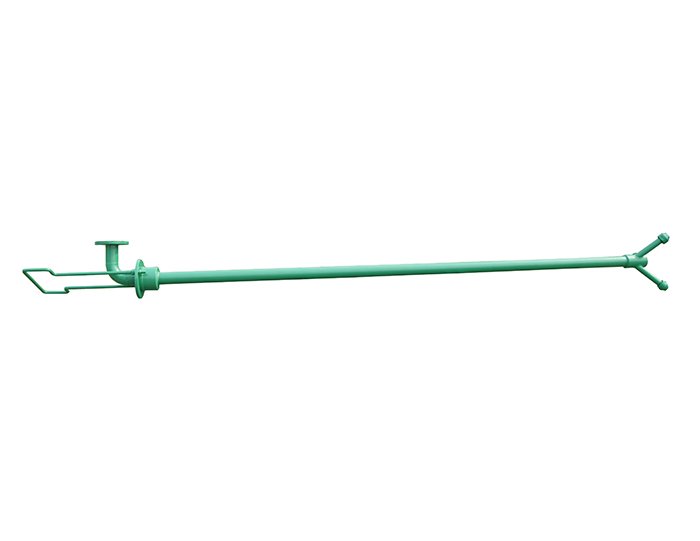 Mud Gun
  Mud Tank
 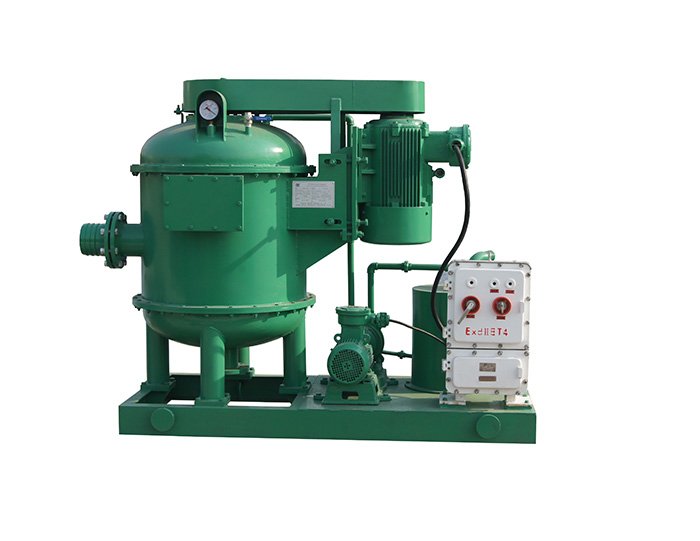 Solids Control System Vacuum Degasser
 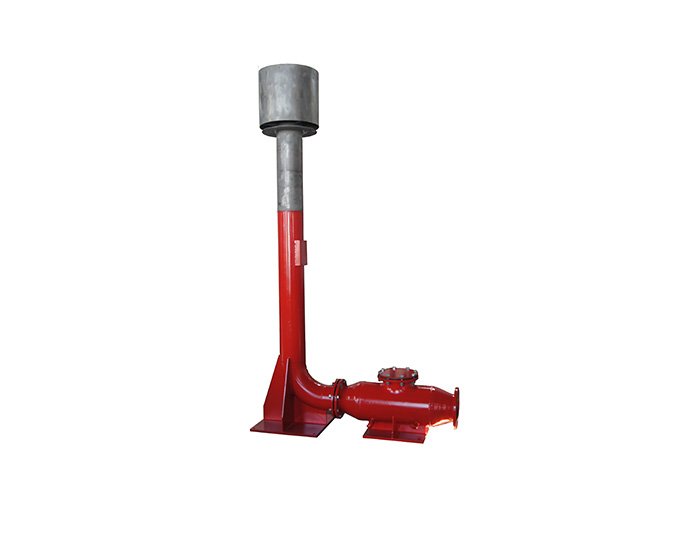 Flare Ignition Device
 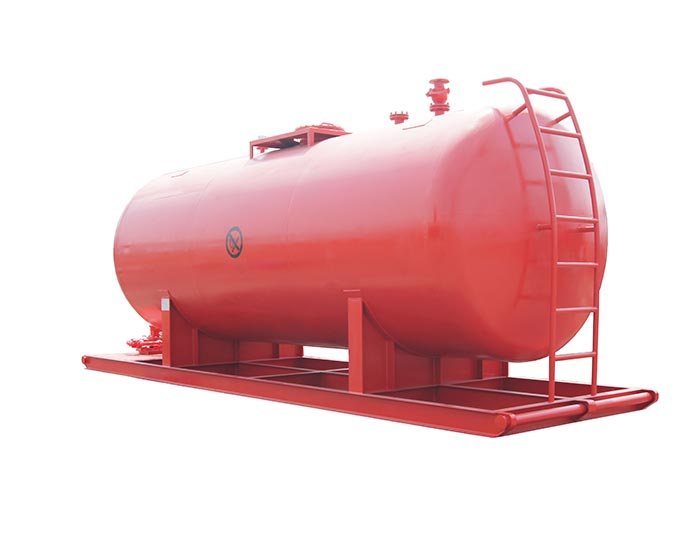 Diesel Tank
 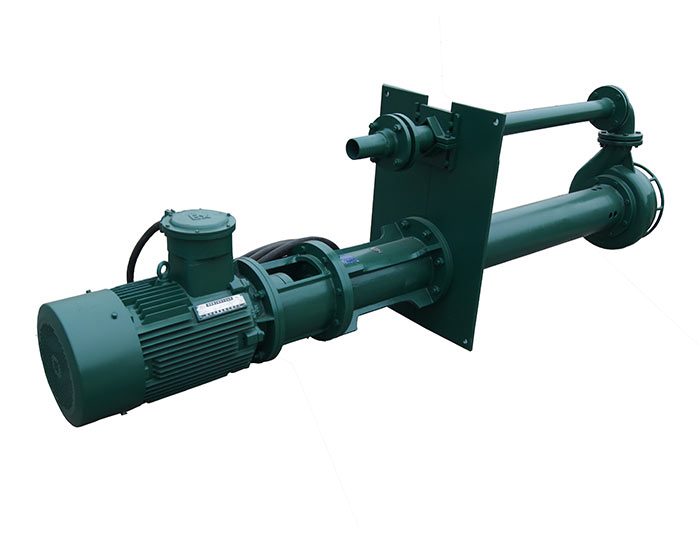 Submersible Slurry Pump