The extraction of hydrocarbon reserves from deep subterranean formations is a highly complex engineering feat that requires precise control over pressure, chemistry, and mechanical forces. At the center of this process is the continuous circulation of drilling fluid, commonly referred to as drilling mud. This specialized fluid performs multiple critical functions, including cooling the drill bit, carrying rock cuttings to the surface, and maintaining hydrostatic pressure within the wellbore to prevent catastrophic blowouts. However, as the drill bit penetrates porous gas-bearing formations, pockets of formation gas inevitably become entrained within the circulating mud. Managing this contamination requires specialized surface processing machinery, which leads to the fundamental operational question for many new industry professionals: what is a vacuum degasser and why is it considered an indispensable asset on a modern drilling rig?
When formation gas mixes with drilling fluid at high pressures deep underground, it expands rapidly as the mud travels back up toward the surface where atmospheric pressure is much lower. If this entrained gas is not systematically removed before the mud is pumped back down into the hole, the overall density of the drilling fluid will decrease significantly. A drop in mud weight reduces the hydrostatic head pressure exerted against the open formation, severely compromising well control and drastically increasing the risk of a dangerous influx of formation fluids. To prevent this hazardous scenario, drilling operators implement a multi-staged purification system at the surface, placing a heavy reliance on a specialized drilling mud degasser to restore the fluid's proper density and ensure the safety of the entire drilling operation.
The Positioning of Mechanical Separation Within Heavy-Duty Solid Controls Systems
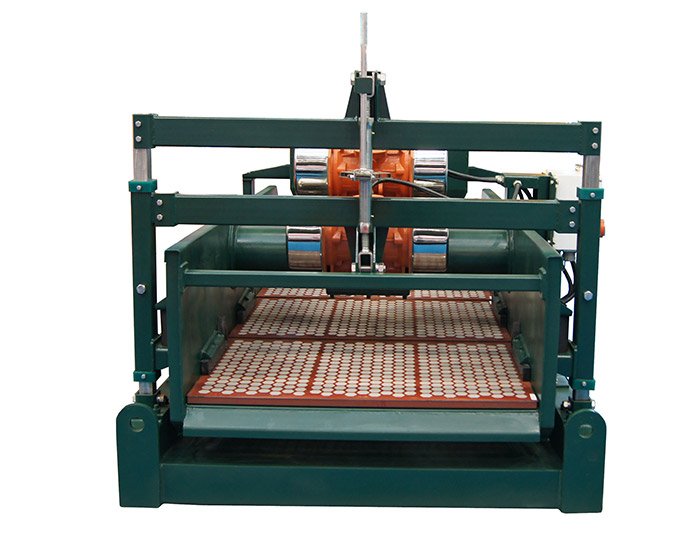
The surface processing of drilling fluid is an iterative, multi-staged separation process designed to remove both solid particles and gaseous contaminants before the mud can be safely reused. This entire array of processing machinery is collectively managed under the department of solid controls, which acts as the primary defense mechanism against fluid degradation. As the contaminated mud exits the wellbore, it first passes over high-frequency shale shakers to remove large rock fragments and cavings. Immediately following this initial mechanical separation, the fluid must be treated to remove any lighter-than-fluid gaseous elements that have bypassed the shaker screens.
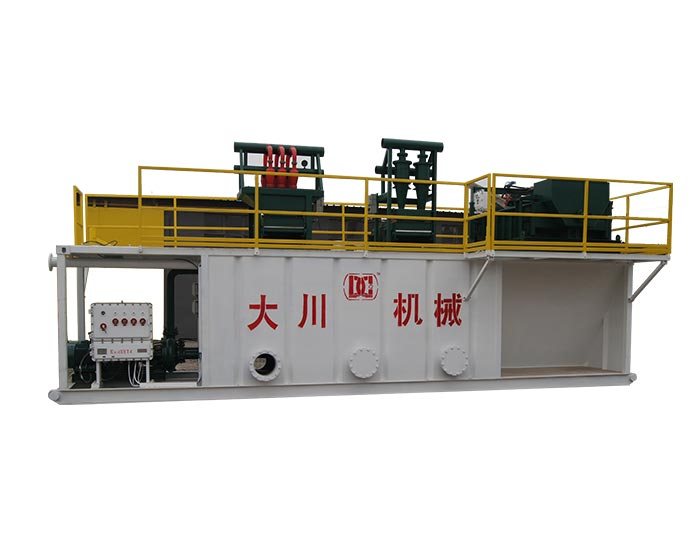
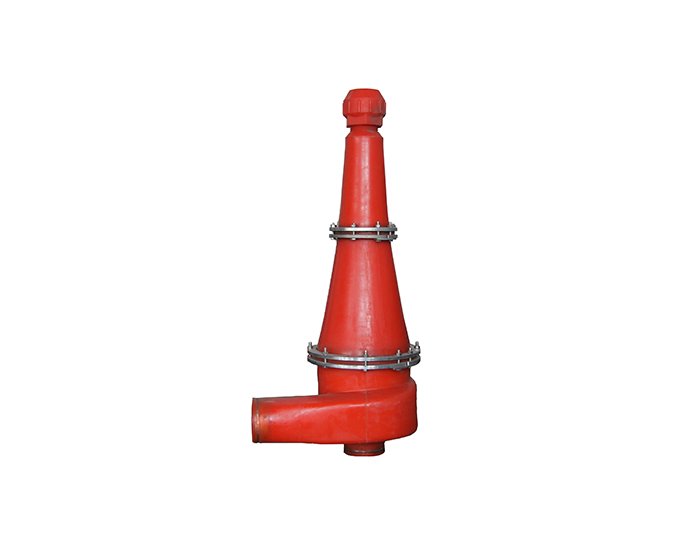
Within a standard mud tank layout, the degasser occupies a highly specific and strategically vital position downstream from the shakers but upstream from the finer desand and desilter hydrocyclones. Maintaining this precise sequence within the solid controls circuit is essential for mechanical efficiency. If gas-cut mud is allowed to bypass the degassing stage and enter downstream centrifugal pumps, the compressible gas bubbles will cause severe pump cavitation, rapid mechanical wear, and a complete loss of fluid priming. By positioning the degassing unit directly after the initial solids removal phase, operators ensure that all subsequent fluid conditioning equipment receives a stable, gas-free, and predictable liquid stream, thereby maximizing the efficiency and operational lifespan of the entire surface processing layout.
The Mechanical Processing Secrets of a Modern Drilling Mud Degasser
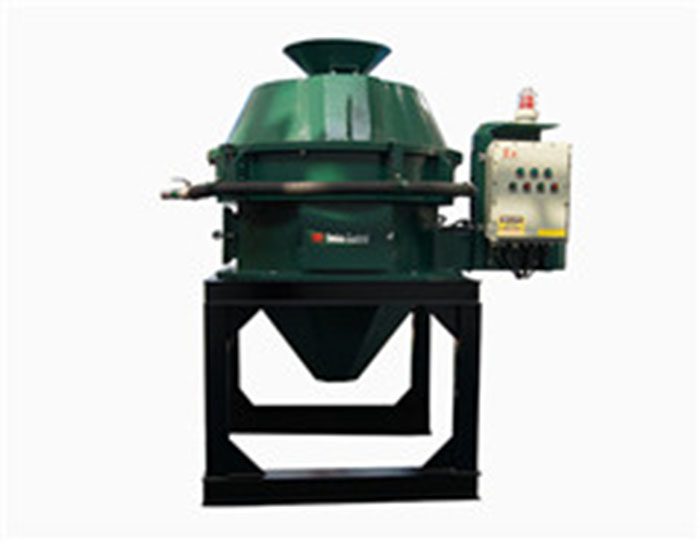
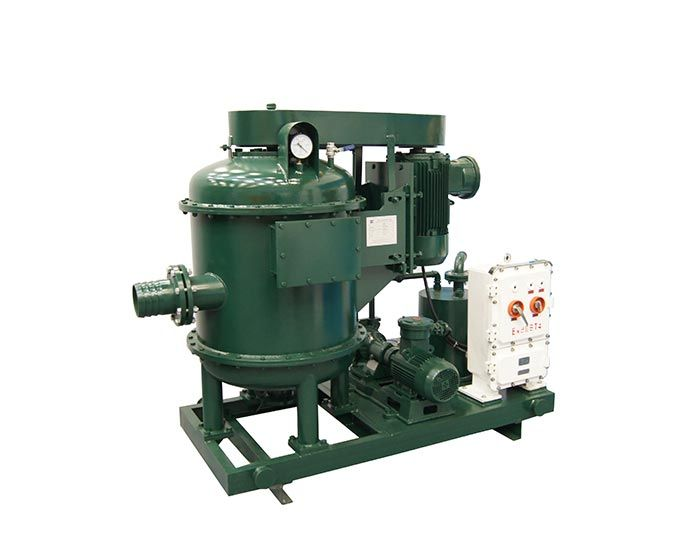
The internal physics of a vacuum-assisted degassing unit relies on a combination of pressure reduction and surface area maximization to break the molecular surface tension of the liquid mud. When looking closely at what is a vacuum degasser from a structural perspective, the machine typically consists of a large, sealed cylindrical vessel connected to a high-capacity vacuum pump. The internal environment of this vessel is maintained at a negative pressure relative to the outside atmosphere, creating a powerful suction effect that draws the gas-cut drilling mud up from the mud tanks without requiring an independent feed pump.
As the contaminated mud enters the top of the vacuum chamber, it is directed onto a series of internal, tiered splashing plates or corrugated leaf assemblies. The fluid flows downward across these expansive internal surfaces in thin, highly agitated layers. This mechanical spreading action radically increases the surface area of the mud, while the surrounding vacuum environment forces the compressed gas bubbles trapped within the fluid matrix to expand rapidly and burst. The liberated gases are then continuously drawn out through the top of the vessel by the vacuum pump and safely vented to a remote flare line or gas disposal system, while the heavy, gas-free drilling mud settles to the bottom of the chamber and discharges back into the active mud system via a specialized gravitational displacement mechanism.
Why a High-Capacity Degasser Oil and Gas System Prevents Dangerous Cavitation
The presence of micro-bubbles within circulating drilling fluid presents more than just an atmospheric safety hazard on the rig floor; it also introduces severe mechanical challenges to the fluid circulation infrastructure. Implementing a robust degasser oil and gas solution is critical for protecting expensive high-pressure triplex mud pumps from the destructive forces of internal fluid cavitation. When gas-cut mud enters the intake manifold of a high-pressure pump, the rapid pressure shifts cause the trapped gas bubbles to collapse violently. This localized implosion generates intense hydraulic shockwaves that can pit steel pistons, erode valve seats, and quickly destroy heavy-duty internal seals.
Furthermore, a failure to properly degas the fluid can severely compromise the accuracy of downhole directional drilling tools and measurement-while-drilling telemetry systems. Many modern downhole instruments rely on mud pulse telemetry to transmit real-time data regarding wellbore trajectory and formation characteristics back to the surface. These systems function by creating acoustic pressure waves within the liquid mud column. If the fluid column is contaminated with compressible gas bubbles, the acoustic signal becomes heavily muffled and distorted, leading to a complete loss of data transmission. By utilizing a highly efficient vacuum separation unit, operators can guarantee a continuous, non-compressible liquid column that ensures flawless tool communication and accurate wellbore positioning.

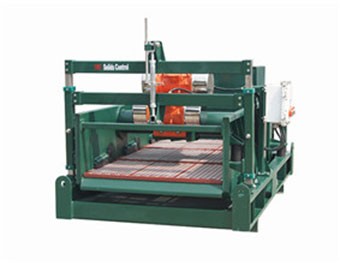 Linear Motion Shale Shaker In Drilling Rig
 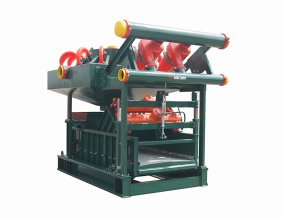 Oilfield Mud Cleaner
 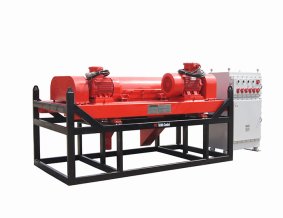 Drilling Fluid Decanter Centrifuge
 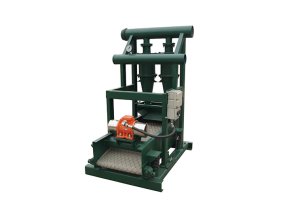 Drilling Mud Desander
 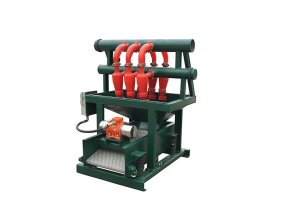 Hydrocyclone Desilter
 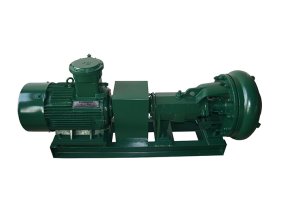 Centrifugal Pump/Centrifugal Mud Pump
 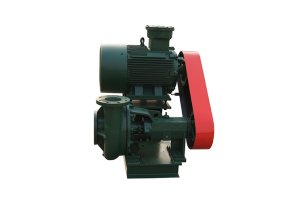 Shear Pump
 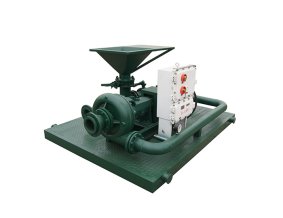 Jet Mud Mixer
 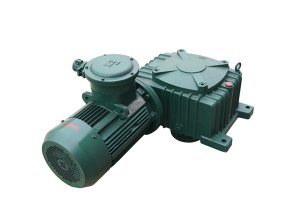 Horizontal Mud Agitator
 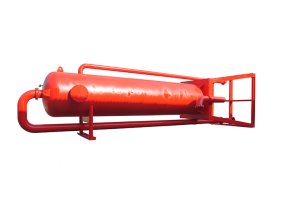 Constant Pressure Drilling Fluid Mud Gas Separator
 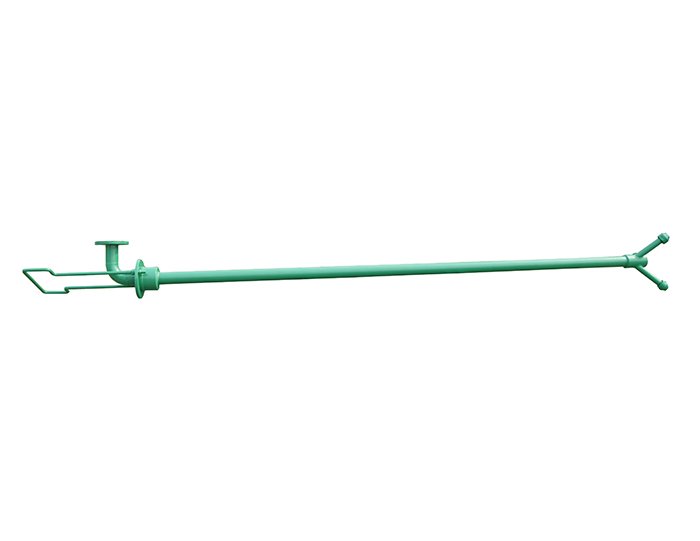 Mud Gun
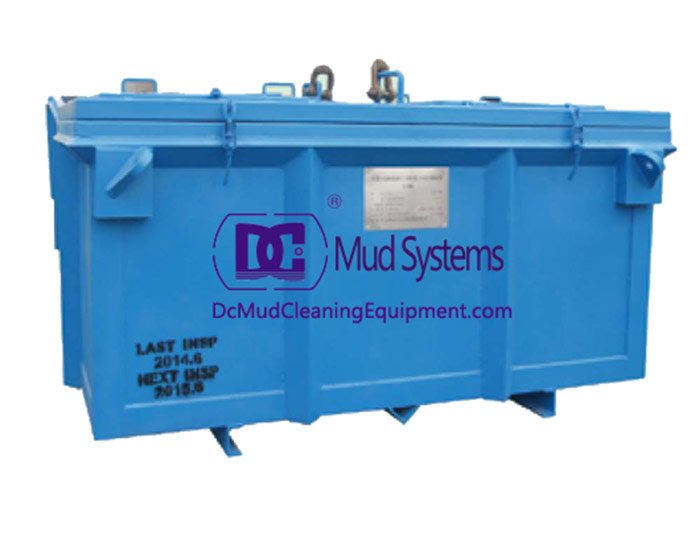
  Mud Tank
 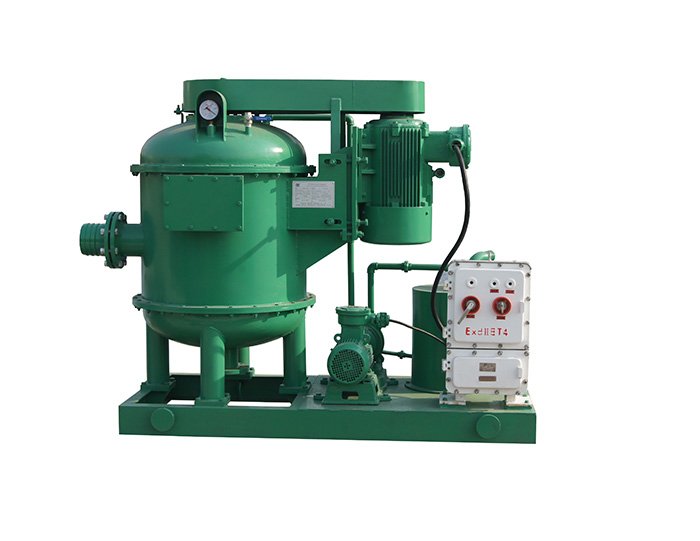 Solids Control System Vacuum Degasser
 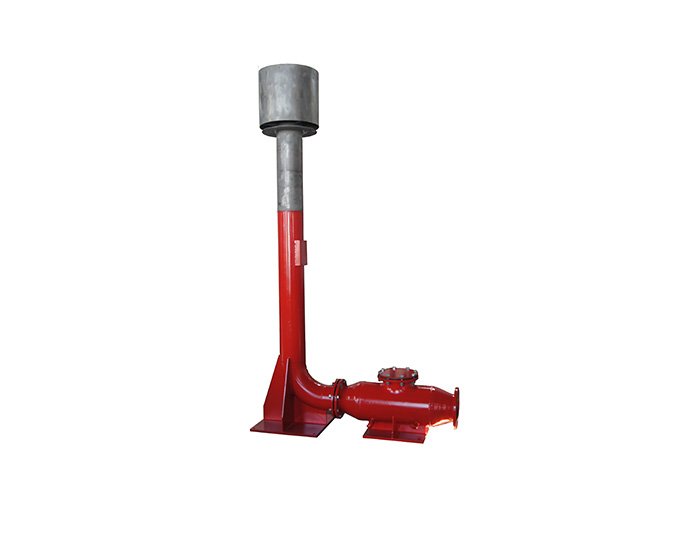 Flare Ignition Device
 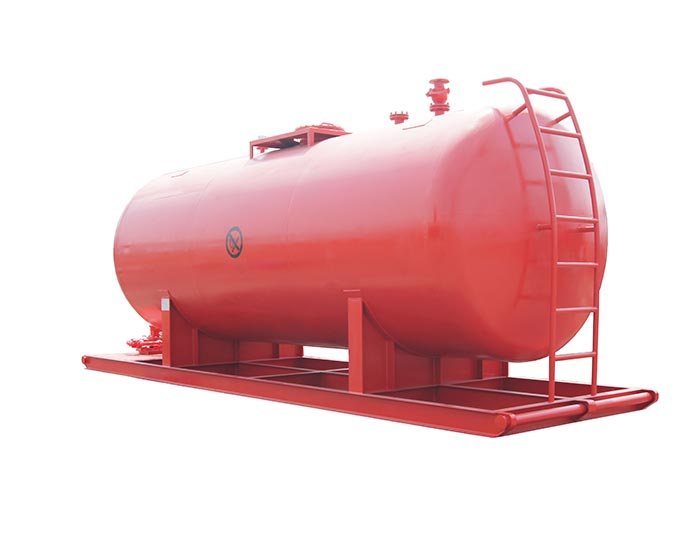 Diesel Tank
 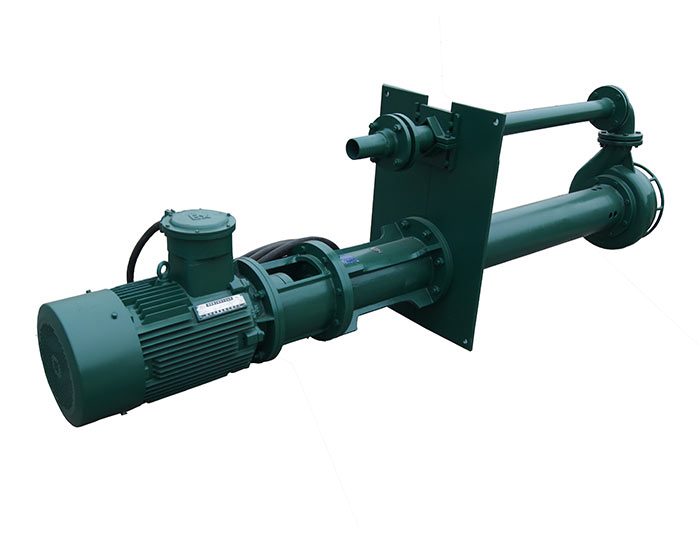 Submersible Slurry Pump