Efficient drilling fluid management is one of the most important factors affecting the success of modern drilling operations. As wells become deeper and drilling conditions become increasingly challenging, maintaining the quality of drilling fluids is essential for achieving stable performance, protecting equipment, and controlling operational costs. Among the various components used in solids control systems, the mud cleaner desilter plays a critical role in removing fine solids and preserving valuable drilling fluid properties.
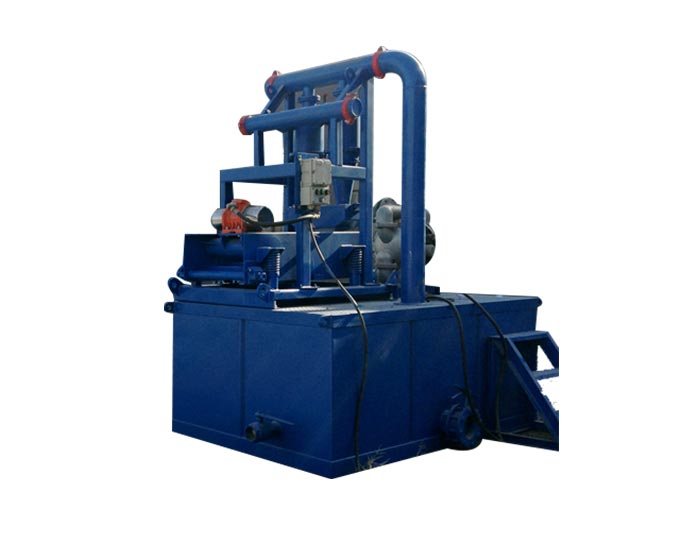
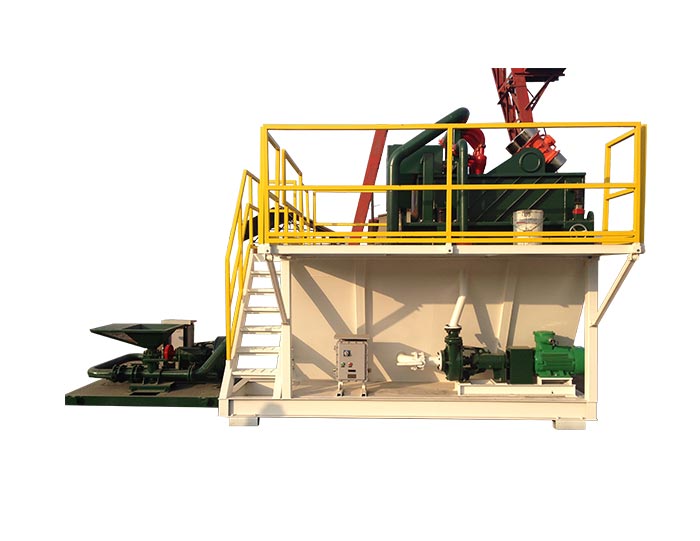
A mud cleaner desilter is positioned between primary and fine solids separation stages, serving as a highly efficient processing unit that helps maintain drilling fluid quality throughout the circulation process. By combining hydrocyclone technology with screening equipment, this system provides an effective solution for removing unwanted particles while minimizing fluid loss.
Understanding how a mud cleaner desilter works allows drilling contractors and operators to better appreciate its contribution to drilling efficiency and overall solids control performance. As drilling projects continue to demand higher levels of productivity and environmental responsibility, the importance of this technology continues to grow.
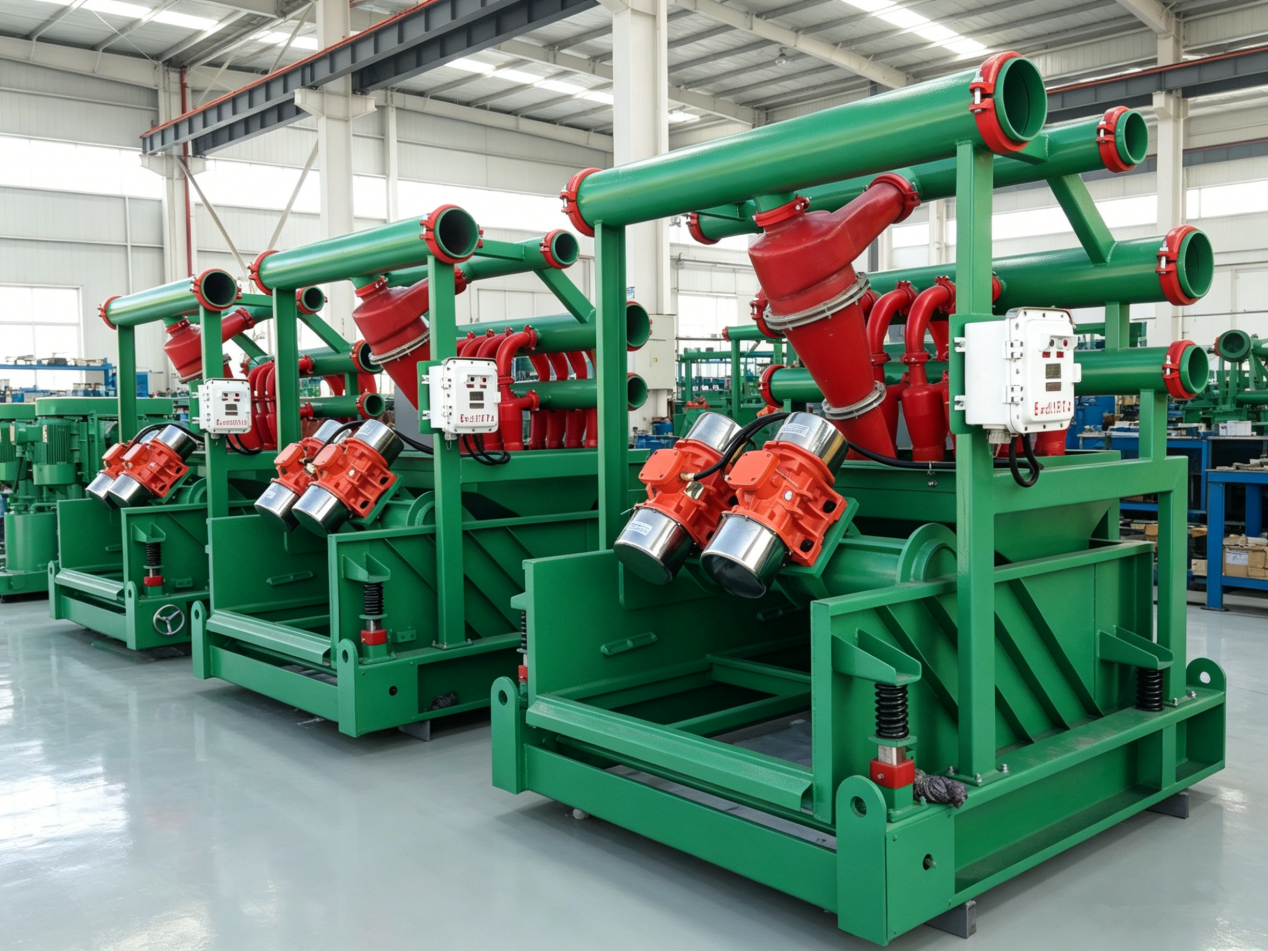
The Role of a Mud Cleaner Desilter in Modern Solids Control
The primary function of a mud cleaner desilter is to remove fine drilled solids that cannot be efficiently separated by shale shakers alone. After drilling fluid passes through the initial screening stage, smaller particles often remain suspended within the fluid. If left untreated, these solids can gradually accumulate and negatively affect drilling fluid performance.
A mud cleaner desilter uses hydrocyclone separation principles to isolate fine particles from the drilling fluid stream. The system then processes the separated solids through a secondary screening stage that recovers valuable fluid while discarding unwanted solids.
This dual-treatment approach makes the mud cleaner desilter one of the most efficient solids control devices available in drilling operations. By targeting particle sizes that fall between the capabilities of shale shakers and centrifuges, the equipment helps maintain cleaner drilling fluids and supports more efficient downstream processing.
As drilling environments become more complex, operators increasingly rely on advanced solids control equipment to preserve drilling fluid quality. The mud cleaner desilter remains an essential component within these integrated fluid treatment systems.
How Mud Cleaner Drilling Technology Improves Fluid Quality
The success of any mud cleaner drilling operation depends on the ability to maintain drilling fluid properties within desired operating parameters. Drilling fluids are carefully engineered to perform multiple functions, including cuttings transport, wellbore stabilization, pressure control, and lubrication.
Excessive concentrations of fine solids can alter fluid characteristics and reduce overall drilling efficiency. This is where mud cleaner drilling technology provides significant value. By removing undesirable particles from the circulating fluid, mud cleaners help maintain optimal fluid performance throughout the drilling process.
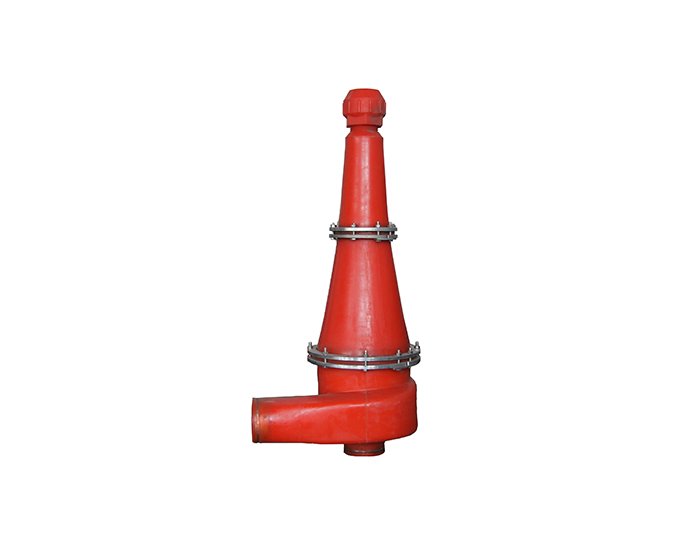
The hydrocyclones within a mud cleaner generate centrifugal force that separates solids based on particle size and density. This process allows fine solids to be efficiently removed while retaining valuable fluid components that can be recirculated within the system.
Improved fluid quality contributes directly to better drilling performance. Cleaner fluids reduce wear on equipment, improve hole cleaning efficiency, and support more stable wellbore conditions. These benefits help operators achieve higher levels of productivity while reducing maintenance requirements and fluid replacement costs.
The growing emphasis on drilling efficiency has made mud cleaner drilling technology an increasingly important element of modern solids control strategies.
Why a Drilling Mud Cleaner Is Essential for Solids Management
A drilling mud cleaner serves as a bridge between coarse solids removal and fine particle processing within the solids control sequence. Its ability to target intermediate particle sizes makes it one of the most valuable tools for maintaining drilling fluid quality.
The effectiveness of a drilling mud cleaner lies in its combination of hydrocyclone separation and screening technology. While hydrocyclones concentrate the solids stream, the attached screening system recovers usable drilling fluid and minimizes waste.
Without an efficient drilling mud cleaner, excessive fine solids may remain within the circulating system. Over time, this accumulation can lead to increased fluid density, higher viscosity, and reduced drilling performance. Equipment wear may also accelerate due to the abrasive nature of suspended particles.
The role of the drilling mud cleaner extends beyond solids removal alone. By helping preserve the balance of fluid properties, the system supports better pressure management, improved drilling stability, and more efficient fluid utilization.
As drilling operations continue to pursue cost-effective and environmentally responsible solutions, the value of reliable drilling mud cleaner technology becomes increasingly apparent.
The Engineering Behind an Advanced Mud Cleaner Machine
Modern mud cleaner machine designs reflect years of technological development aimed at improving separation efficiency and operational reliability. Manufacturers continuously refine system configurations to maximize performance while reducing maintenance requirements.
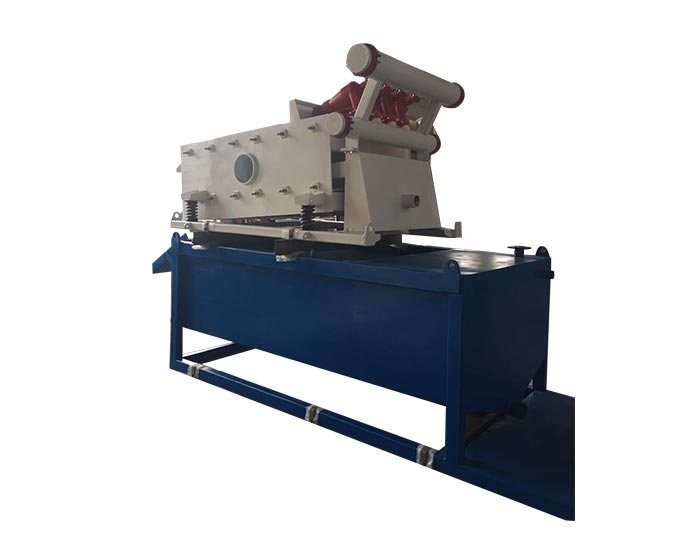
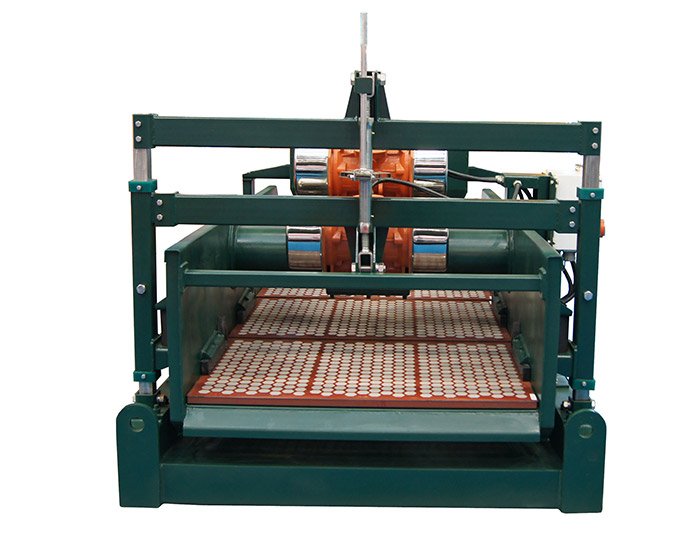
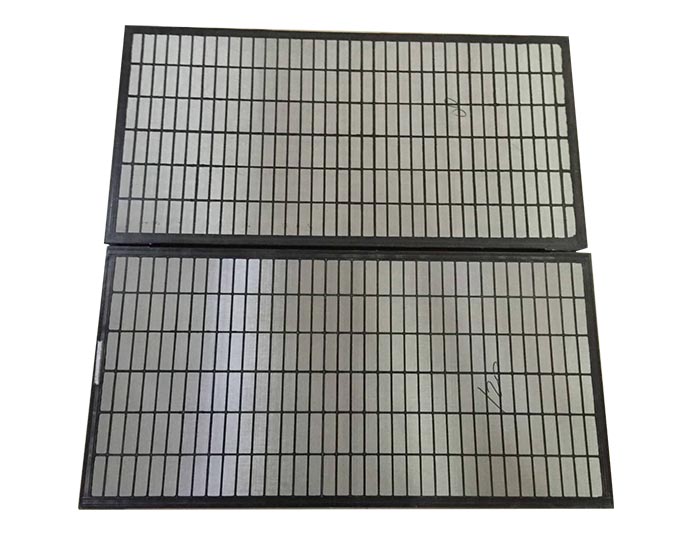
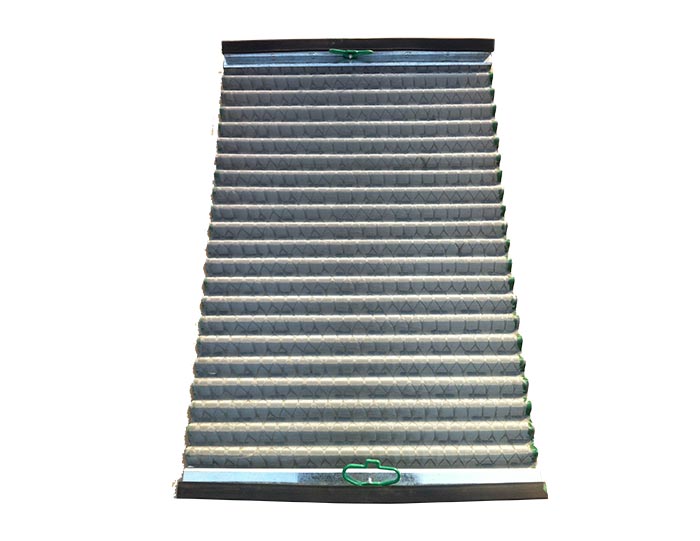
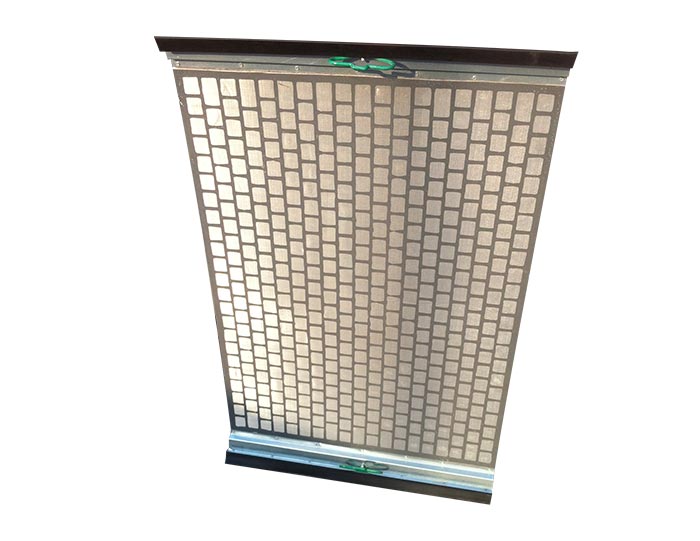
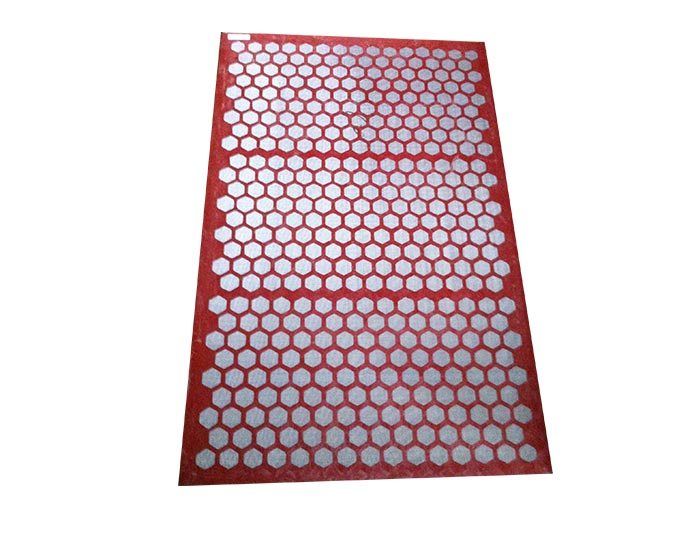
A typical mud cleaner machine incorporates multiple hydrocyclones positioned above a high-performance screening deck. As drilling fluid enters the hydrocyclones, centrifugal forces separate solids from the fluid stream. The concentrated solids discharge onto the screen surface, where additional fluid recovery takes place.
The efficiency of a mud cleaner machine depends on several engineering factors, including hydrocyclone design, screen selection, fluid flow management, and structural stability. Advances in these areas have enabled modern systems to achieve higher processing capacities while maintaining excellent separation performance.
Manufacturers are also integrating automation and monitoring technologies into contemporary mud cleaner machine designs. These systems allow operators to monitor performance more effectively and make adjustments that optimize solids removal efficiency.
As drilling projects become increasingly demanding, the ability of advanced mud cleaner machines to maintain consistent performance under varying conditions provides a significant operational advantage.
How Mud Cleaner Systems Support Drilling Efficiency
The contribution of mud cleaner systems extends throughout the entire drilling operation. By maintaining fluid quality and reducing solids contamination, these systems help create more favorable conditions for efficient drilling performance.
One of the primary benefits of mud cleaner systems is their ability to reduce the concentration of harmful fine solids within the drilling fluid. Cleaner fluids improve equipment reliability and help maintain consistent drilling conditions throughout the project.
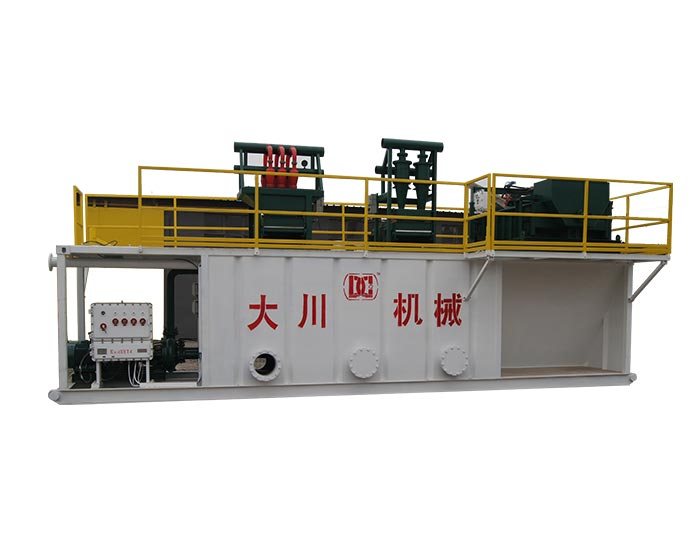
The integration of mud cleaner systems within broader solids control networks allows operators to achieve more effective fluid management. These systems work alongside shale shakers, desanders, centrifuges, and other processing equipment to create a comprehensive treatment solution.
Efficient solids removal also contributes to improved fluid recovery. By preserving valuable drilling fluid components, mud cleaner systems help reduce the need for replacement fluid and support more sustainable drilling practices.
As environmental regulations and operational efficiency requirements continue to evolve, the importance of integrated mud cleaner systems will only increase. Their ability to improve fluid management while reducing waste generation aligns closely with modern drilling objectives.

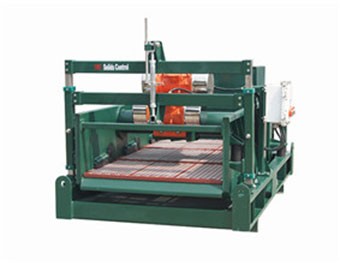 Linear Motion Shale Shaker In Drilling Rig
 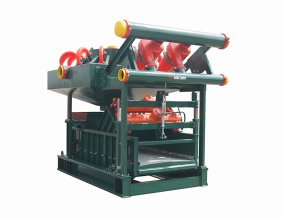 Oilfield Mud Cleaner
 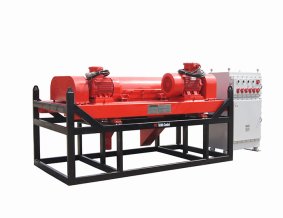 Drilling Fluid Decanter Centrifuge
 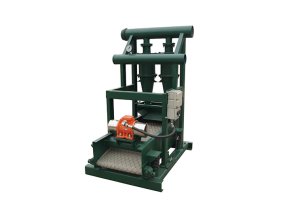 Drilling Mud Desander
 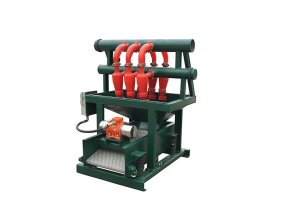 Hydrocyclone Desilter
 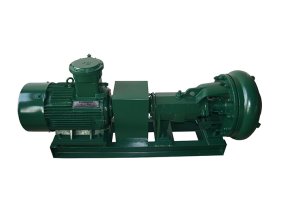 Centrifugal Pump/Centrifugal Mud Pump
 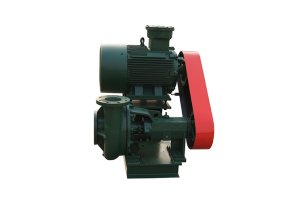 Shear Pump
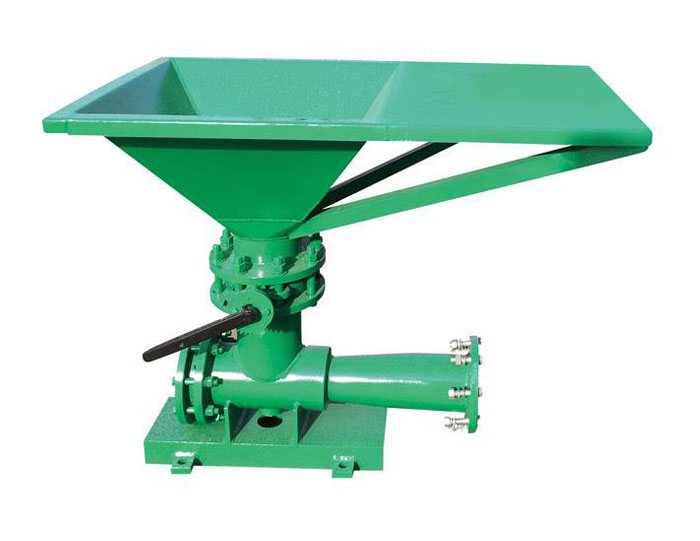
 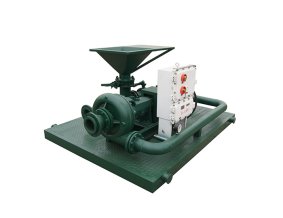 Jet Mud Mixer
 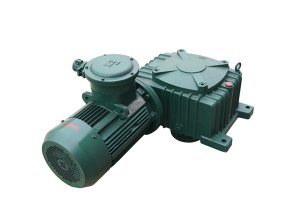 Horizontal Mud Agitator
 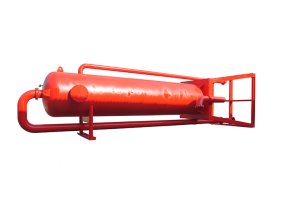 Constant Pressure Drilling Fluid Mud Gas Separator
 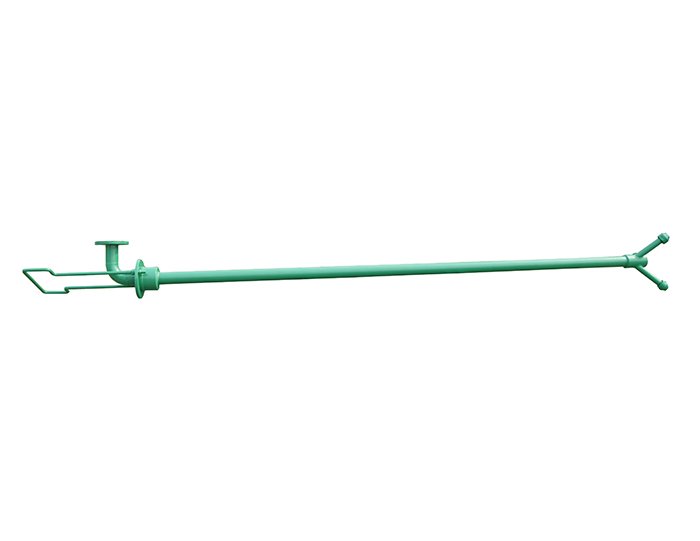 Mud Gun
  Mud Tank
 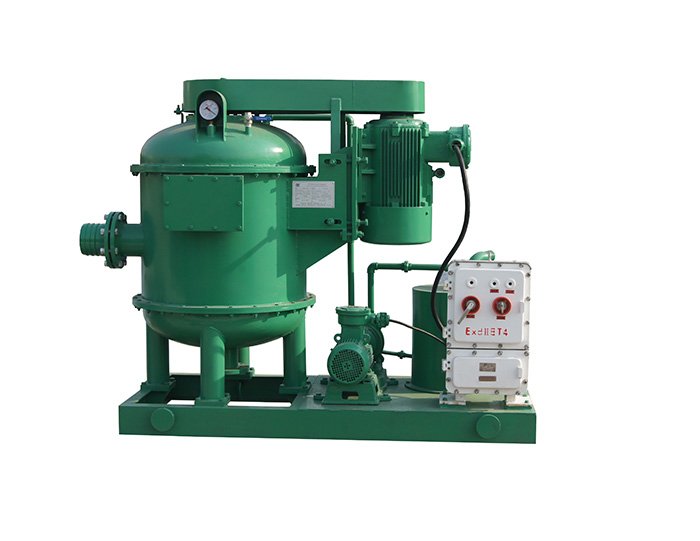 Solids Control System Vacuum Degasser
 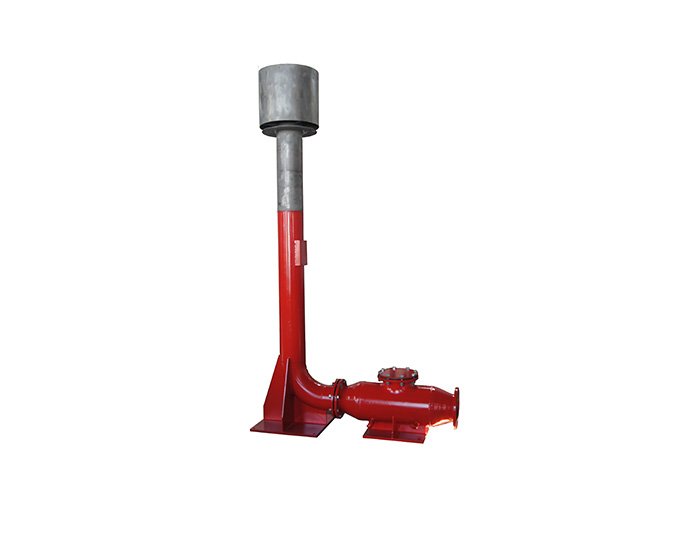 Flare Ignition Device
 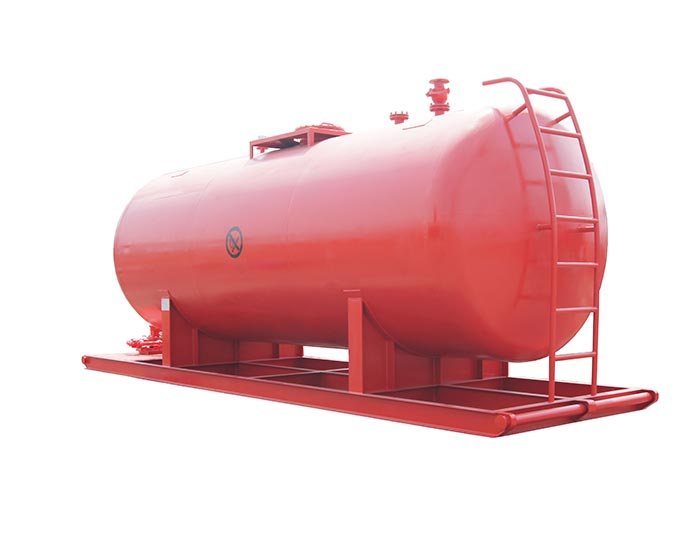 Diesel Tank
 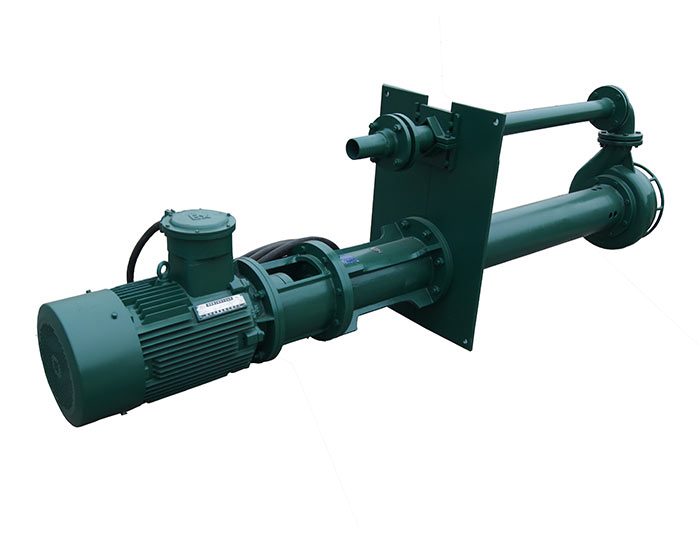 Submersible Slurry Pump