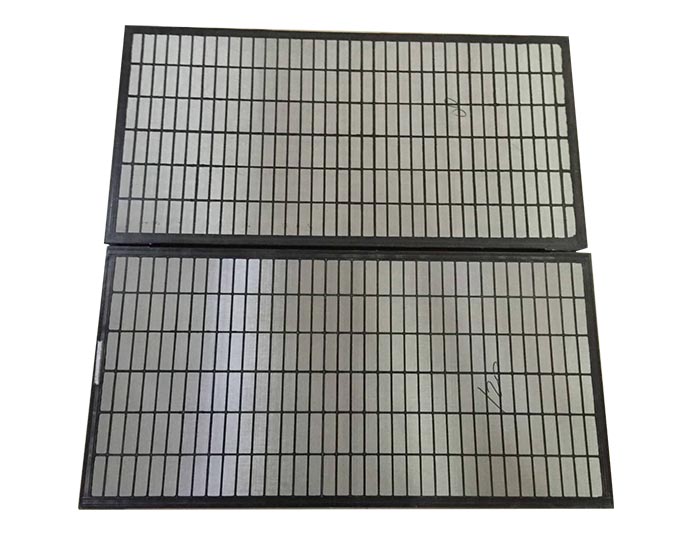
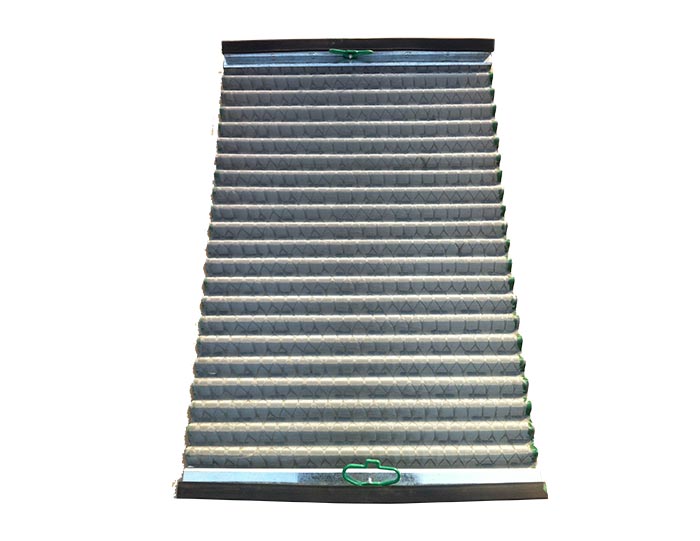
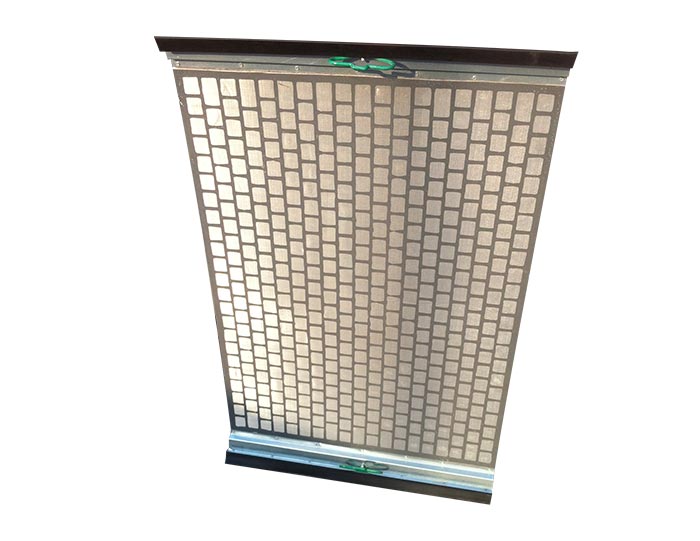
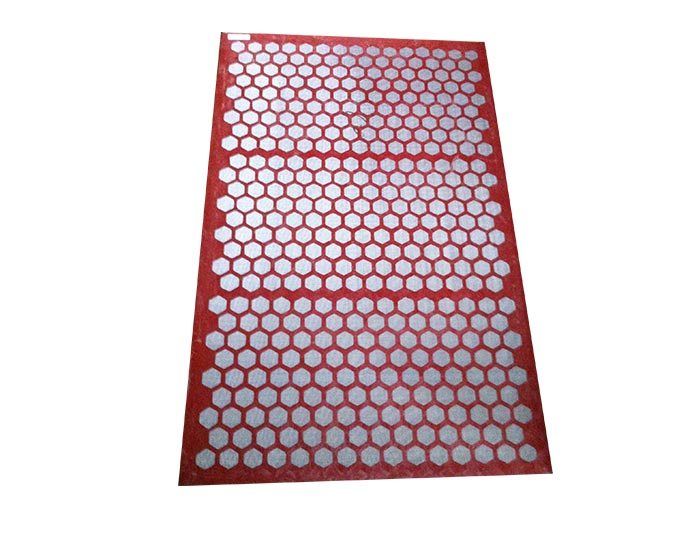
The profitability and operational safety of any drilling campaign rely heavily on the continuous maintenance of the drilling mud. As the fluid circulates down the drill string and returns to the surface, it carries an enormous volume of drilled rock fragments, sand, and silt. If these abrasive solids are not removed immediately upon surface arrival, they quickly degrade downhole motors, erode mud pumps, and alter the crucial hydrostatic balance of the well. The primary line of defense against this destructive debris is the primary mechanical separation unit, where premium replacement shale shaker screens serve as the absolute gatekeeper for the fluid recycling loop.
Without this initial mechanical filtration, the entire downstream fluid conditioning network becomes virtually useless. Fine solids that bypass the primary separation phase break down into micro-particles under the continuous churning of the mud pumps, becoming permanently embedded in the liquid phase. Choosing the correct filtration media is therefore not merely a routine maintenance consideration but a critical operational strategy that directly impacts wellbore stability, daily penetration rates, and the overall lifespan of the entire industrial asset.
Understanding the Primary Shale Shaker Screens Purpose in Fluid Reclamation
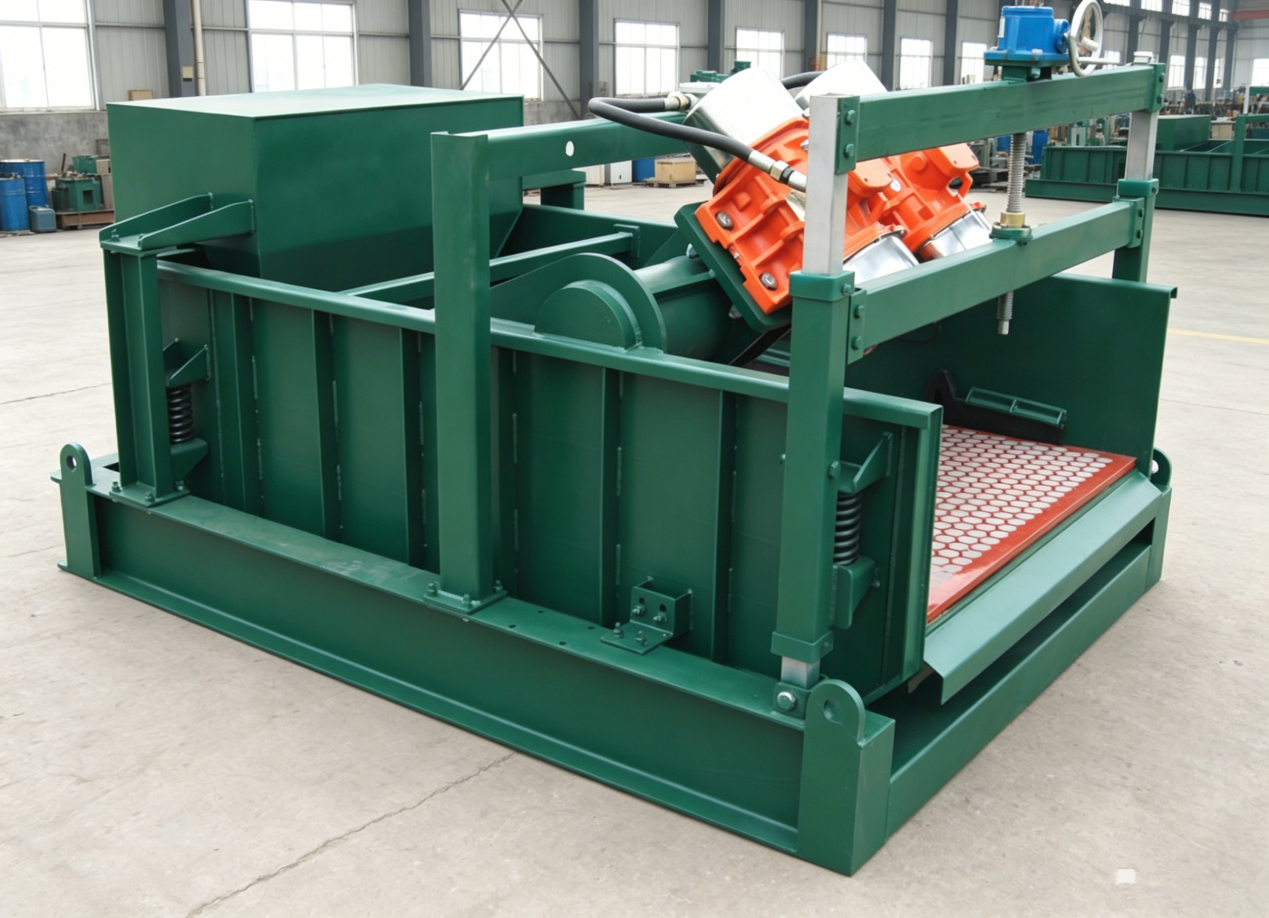
To optimize the efficiency of a processing site, operators must have a crystalline understanding of the core shale shaker screens purpose within the active mud loop. The primary function of these wire mesh barriers is to achieve clean, size-specific separation under immense volumetric force. As the raw, solids-laden slurry is dumped onto the vibrating basket of the shaker, the fluid and smaller particles pass through the mesh openings by gravity and vibratory force, while larger, destructive formation cuttings are rejected and cast off the edge of the machine.
This process must happen with extreme speed and precision. If a screen mesh is too coarse, excessive amounts of oversized drill solids will slip through into the mud tanks, accelerating the wear and tear on downstream hydrocyclones and decanter centrifuges. Conversely, if the mesh is unnecessarily fine or poorly manufactured, it will blind over instantly, causing the costly liquid phase of the drilling mud to run off the end of the shaker basket into the waste pit. Balancing this separation threshold requires highly engineered mesh geometries that can withstand high G-forces while maximizing fluid conductance.
Critical Interdependence Within a Global Solids Control System Supplier Network
Industrial sourcing managers recognize that high-performance separation machinery is only as good as the wear parts that support it over months of continuous operation. Partnering with a reliable, technically proficient solids control system supplier ensures that a drilling rig has access to a steady, uncompromised stream of matching components designed for severe service environments. These specialized suppliers do not simply provide metal frames; they engineer comprehensive material workflows where the filtration cloth is calibrated to match the exact vibration profiles and structural dynamics of the machinery.
When a supplier fabricates high-quality replacement parts, they pay careful attention to the tensioning systems, composite bonding methods, and wire chemistry used in production. A variance of even a few microns in wire diameter can significantly alter the non-blanked open area of a screen panel, fundamentally changing how a rig processes high-viscosity muds. Establishing a robust supply chain with a trusted manufacturer guarantees that replacement panels fit perfectly within the shaker basket wedges or tensioning rails, eliminating fluid bypass and maintaining steady processing rates during intensive drilling phases.
Maintaining Peak Efficiency of the Core Drilling Fluid Shale Shaker Unit
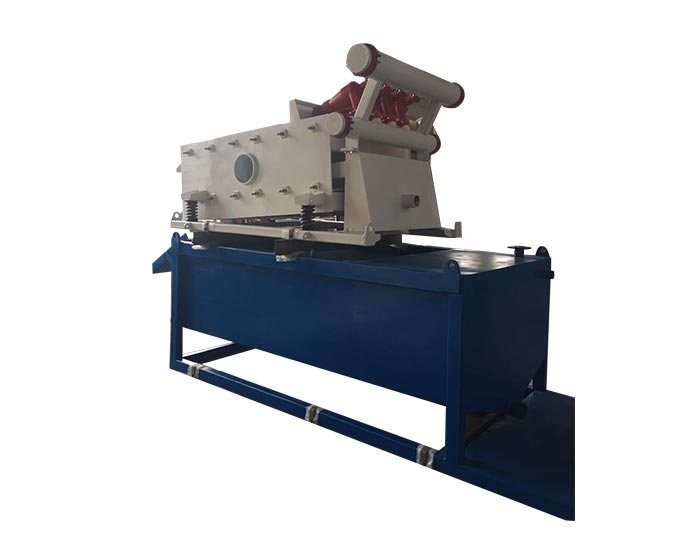
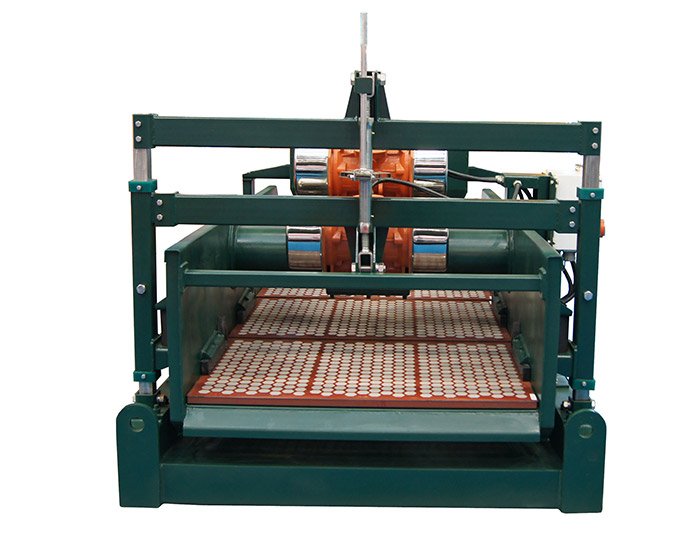
The mechanical heart of surface mud conditioning is undoubtedly the heavy-duty drilling fluid shale shaker. This machine subjects the returning mud to continuous linear, elliptical, or balanced elliptical motion, creating G-forces that shake loose the liquid film adhering to the rock cuttings. Because this unit is the very first piece of equipment to receive the unconditioned mud directly from the flowline, it bears the brunt of the physical and chemical punishment inherent to oilfield exploration.
If the filtration panels mounted inside this machine are allowed to wear down past their optimal operational thresholds, the entire drilling fluid chemistry begins a downward spiral. Damaged panels allow abrasive sands to enter the mud suction pits, where they quickly score the ceramic liners of mud pumps and erode the nozzles of the drill bit downhole. Protecting this vital piece of machinery requires rigorous inspection intervals and an uncompromised commitment to replacing worn separation media before minor tears manifest as catastrophic fluid bypass incidents.
Recognizing the Mechanical Wear and Failure Points of Critical Shale Shaker Parts
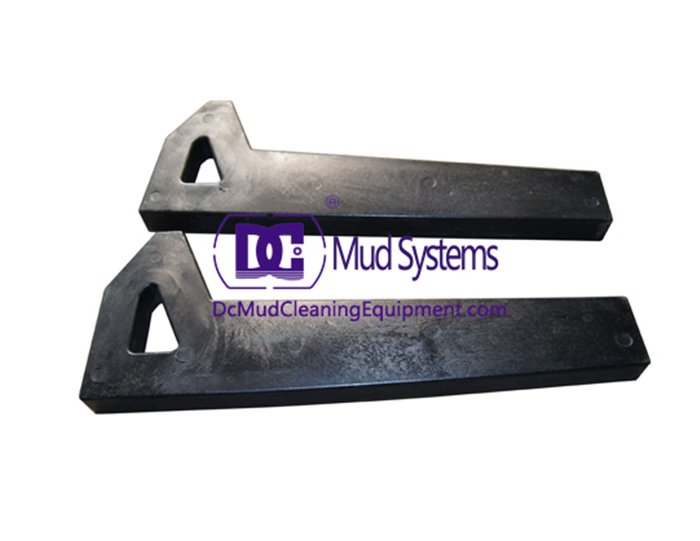
Like any heavy machinery operating under continuous mechanical stress, high-frequency separation systems depend on a variety of interlocking shale shaker parts to perform reliably. From the rubber channel gaskets that absorb vibration to the wedge blocks that lock the panels into place, each component plays a role in maintaining structural equilibrium. However, the screen panel itself remains the most vulnerable element in this assembly, constantly exposed to high-velocity impacts, abrasive particle scraping, and chemically aggressive drilling surfactants.
Common failure modes such as wire blinding, mesh blistering, and localized tearing usually stem from prolonged exposure to mismatched particle sizes or improper deck tensioning. When a screen is loose, it whips against the basket bed, creating localized fatigue points that cause the fine wire mesh to snap prematurely. By training rig crews to identify early signs of wire fatigue and ensuring that supportive parts like modern rubber dampeners are replaced in tandem with the filtration panels, drilling contractors can significantly extend the operational lifespan of their filtration consumables.

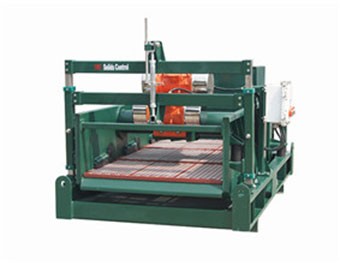 Linear Motion Shale Shaker In Drilling Rig
 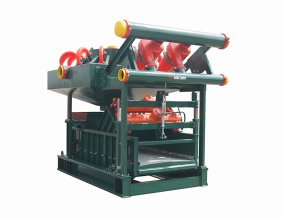 Oilfield Mud Cleaner
 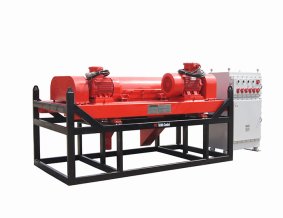 Drilling Fluid Decanter Centrifuge
 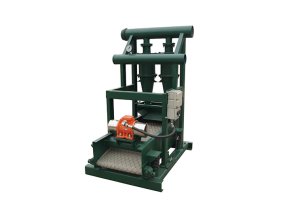 Drilling Mud Desander
 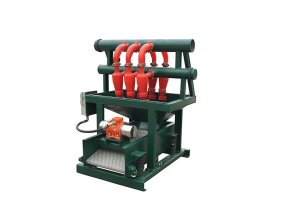 Hydrocyclone Desilter
 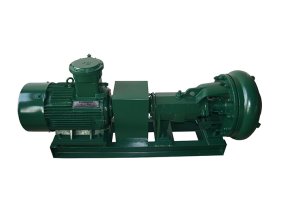 Centrifugal Pump/Centrifugal Mud Pump
 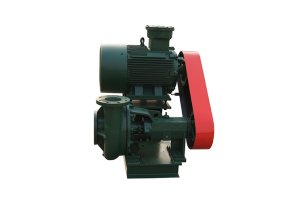 Shear Pump
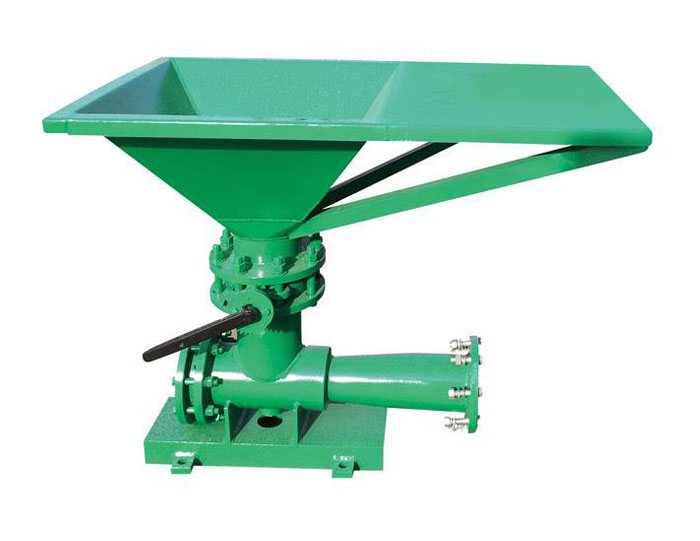
 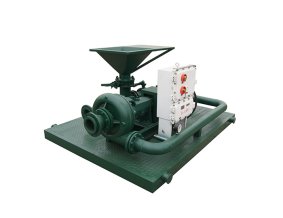 Jet Mud Mixer
 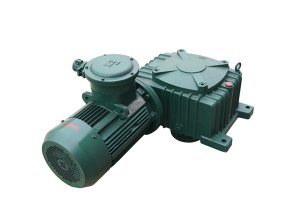 Horizontal Mud Agitator
 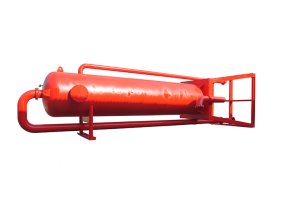 Constant Pressure Drilling Fluid Mud Gas Separator
 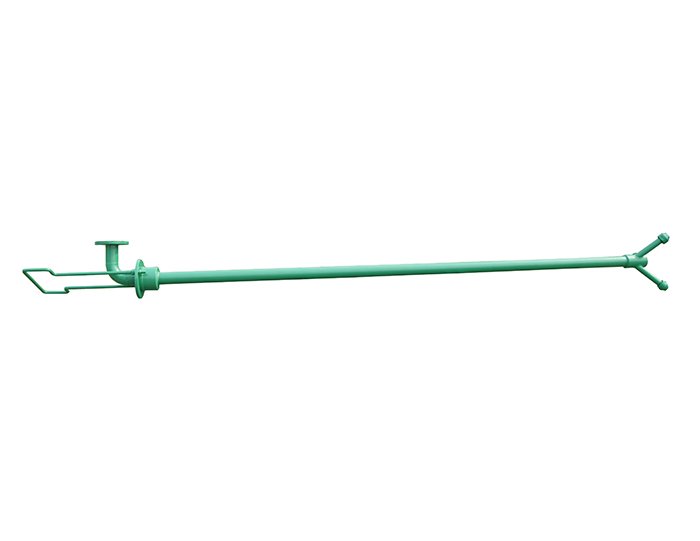 Mud Gun
  Mud Tank
 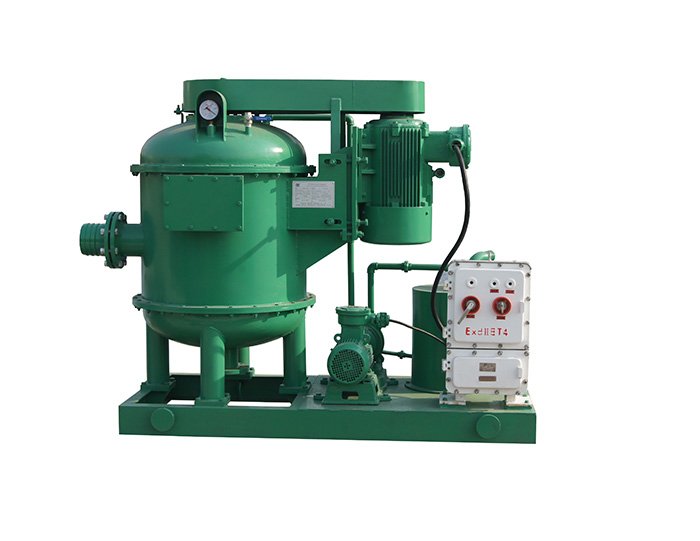 Solids Control System Vacuum Degasser
 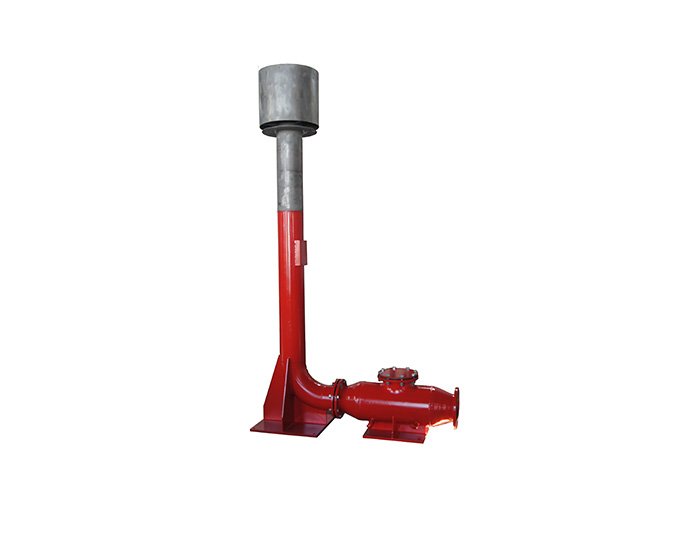 Flare Ignition Device
 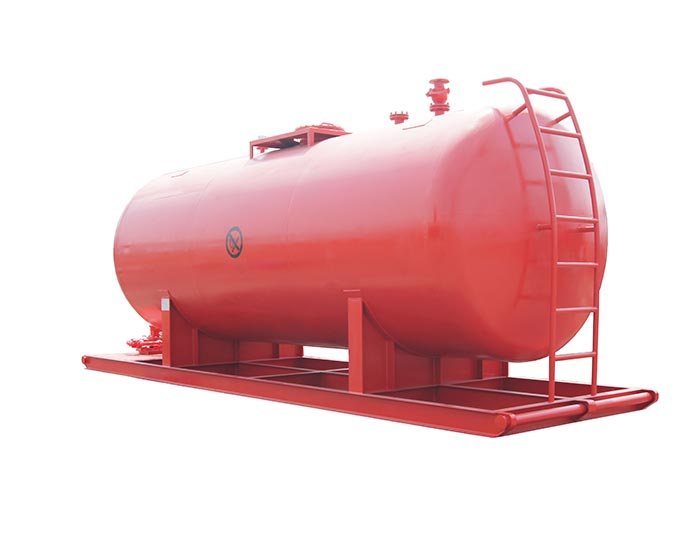 Diesel Tank
 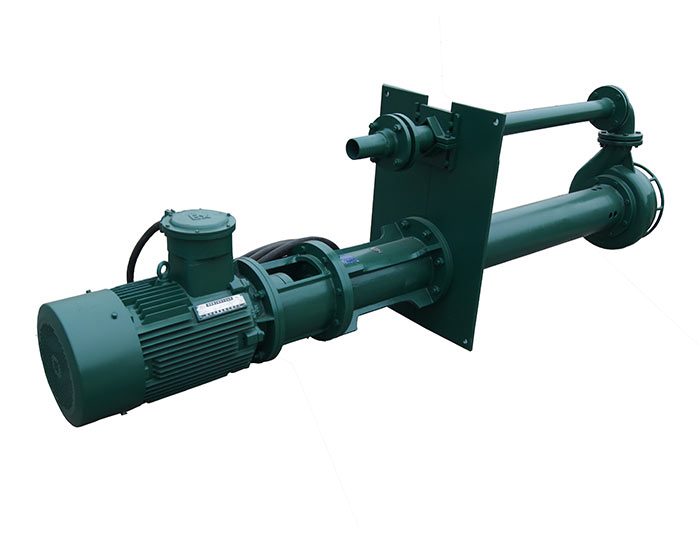 Submersible Slurry Pump