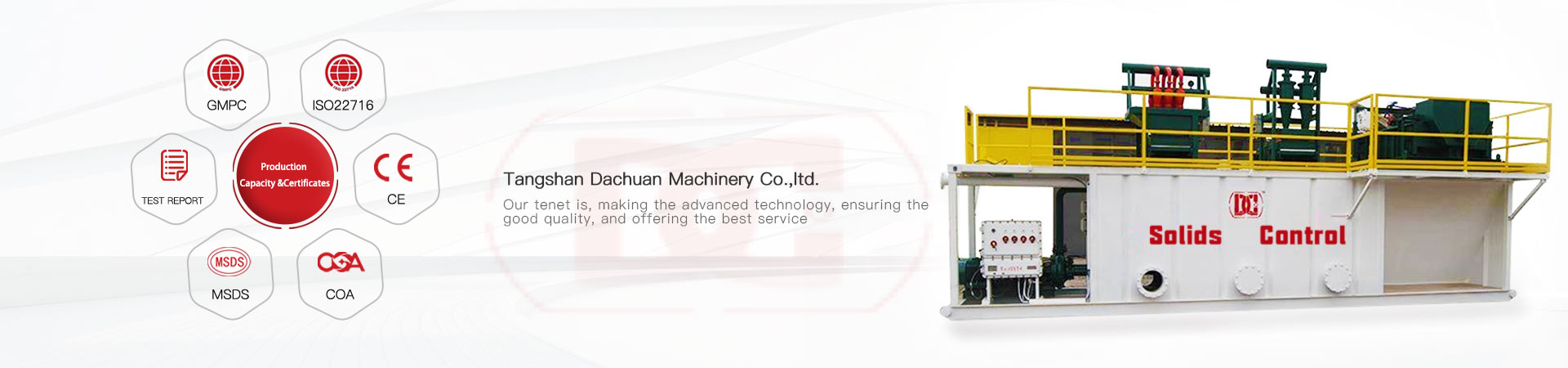
Deep-well drilling projects require absolute precision when managing surface fluid conditioning loops. As the drilling mud travels down the drill string and returns to the surface, it brings back vast quantities of drilled solids, reactive clays, and abrasive sands. While primary separation machinery like shale shakers can effectively catch large rock fragments, fine and ultra-fine particles often slip through the primary mesh screens. To halt these microscopic contaminants before they ruin mud rheology, deploying an oilfield mud cleaner represents the ultimate mechanism for advanced fluid purification.
Operating this specialized equipment effectively requires a thorough understanding of fluid dynamics and mechanical separation principles. The primary goal of a dual-action separation unit is to achieve an uncompromised balance between fine-particle removal and chemical asset preservation. When managed correctly, this machine prevents the buildup of sub-micron silt that accelerates the wear and tear on expensive downhole tools, scores the ceramic liners of mud pumps, and lowers the daily penetration rates of the drilling rig.
Technical Performance Dynamics of a Modern Drilling Mud Cleaner
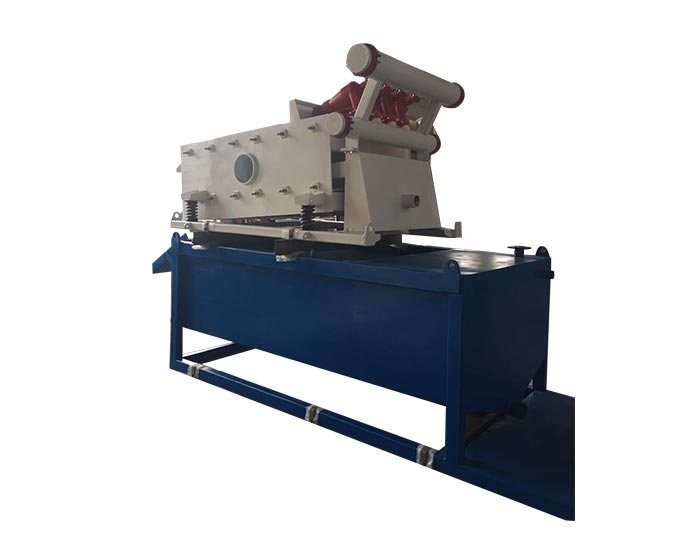
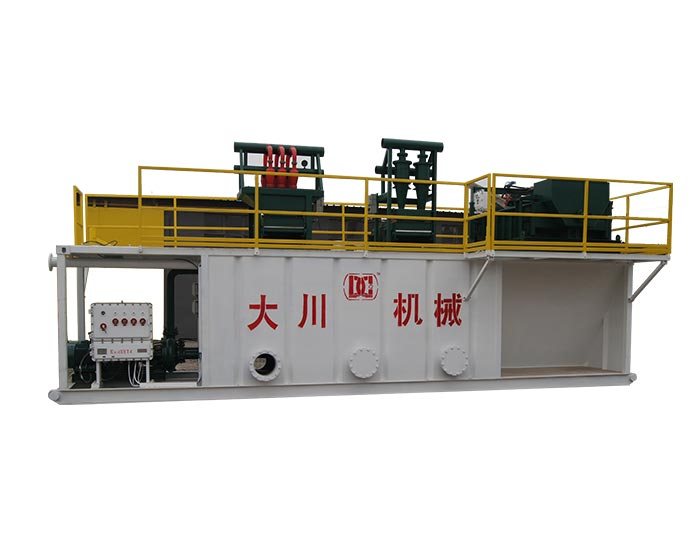
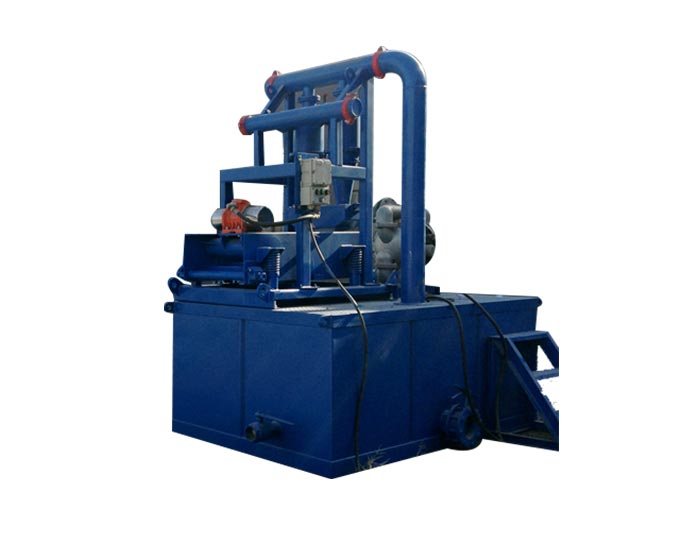
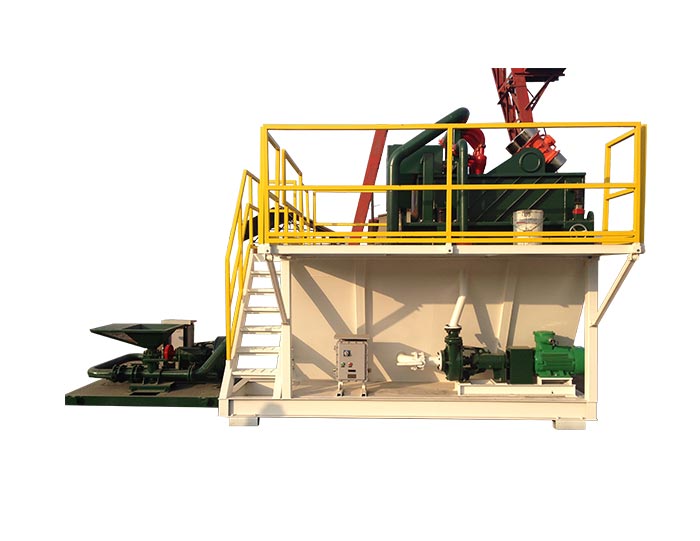
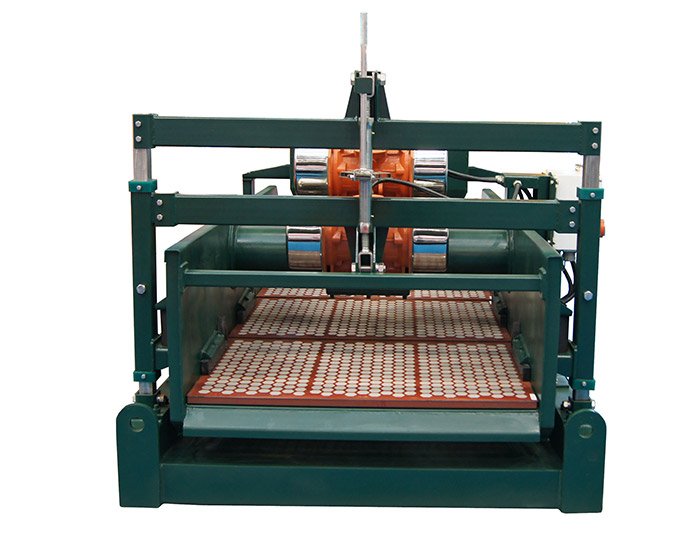
To maximize the efficiency of a processing site, operators must maintain close control over the technical variables that govern a drilling mud cleaner. This equipment operates as a high-efficiency combination unit, nesting a cluster of precise hydrocyclones directly above a high-frequency vibrating screen basket. This dual-stage configuration allows the machine to process high volumes of weighted drilling mud while occupying a remarkably small physical footprint on the mud tank modules.
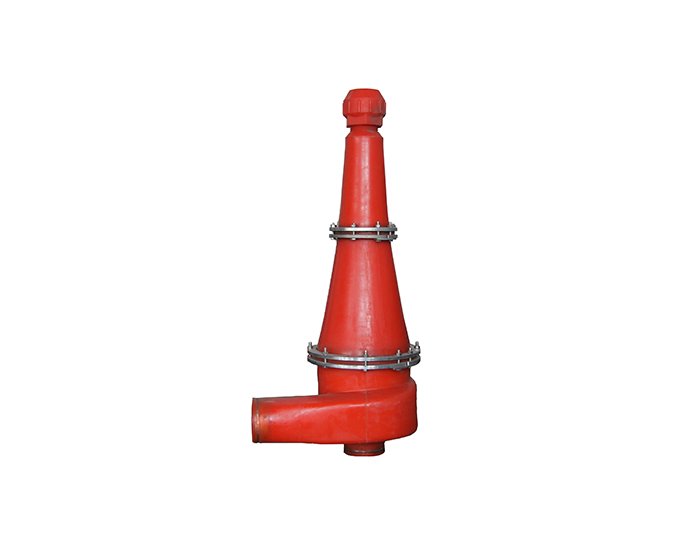
The separation sequence begins when unconditioned mud is pumped under pressure into the hydrocyclone headers. The internal geometry of the cyclones forces the fluid into a rapid downward vortex, generating intense centrifugal forces that throw the heavier solids outward against the urethane walls. The clarified liquid phase is drawn upward through the center vortex finder and returned directly to the active suction pits, while the concentrated solids drop out of the bottom apex onto the fine mesh screen below. This continuous, multi-tiered approach allows crews to strip out destructive sands without accidentally discarding expensive weighting agents like barite.
Optimizing the Throughput Capacity of a Complete Mud Cleaner System
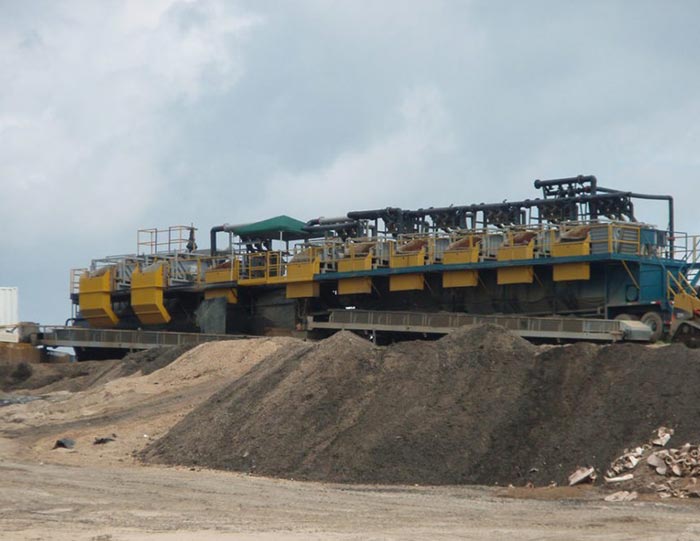
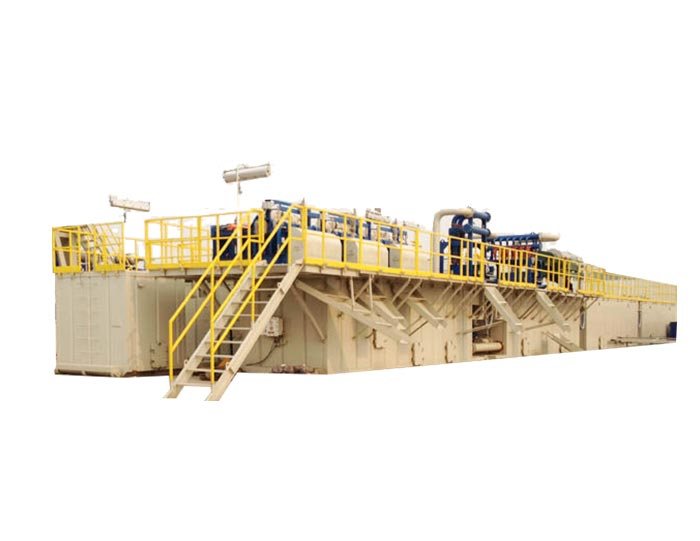
Achieving peak performance downhole depends heavily on how well a rig crew monitors and balances the entire mud cleaner system. A common mistake on the rig floor is treating this piece of machinery as an isolated unit rather than a synchronized step within a multi-staged solids control pipeline. The fluid feeding into the cyclone headers must be meticulously maintained at a stable, uniform pressure to ensure the internal vortex remains unbroken.
If the feed pump pressure fluctuates or drops below optimal operating thresholds, the centrifugal velocity inside the cyclones collapses. This operational failure causes the unseparated, solids-laden slurry to dump directly onto the underlying screen panels, instantly blinding the wire mesh and causing expensive chemical additives to overflow into the waste ditch. Conversely, excessive feed pressure creates extreme internal turbulence that forces fine abrasive silts upward into the clean mud stream, completely defeating the purpose of the secondary filtration process. Maintaining a steady, calibrated feed volume is therefore essential to preserve the structural equilibrium of the entire reclamation loop.
Preventive Maintenance Protocols for Specialized Mud Cleaner Cones
The mechanical heart of any high-capacity separation system lies within the design and maintenance of the individual mud cleaner cones. These desander and desilter hydrocyclones endure continuous mechanical punishment and internal abrasive erosion from high-velocity sand particles. Over prolonged drilling intervals, the intense scraping action can wear down the internal walls of the cyclones, altering the fluid trajectory and destroying separation accuracy.
Rig crews must implement a rigorous daily inspection routine to check the physical condition of these internal chambers. Operators must look for signs of localized clogging or scaling at the top inlet ports, which can cause fluid to bypass the vortex entirely. Furthermore, the bottom discharge apex of each cone must be continuously monitored for proper spray patterns. A healthy cone should discharge solids in a fine, hollow umbrella spray; if a cone begins discharging mud in a thick, solid stream—a phenomenon known as "roping"—it indicates that the apex is overloaded or plugged, requiring immediate manual cleanouts to prevent premature screen damage.
Maximizing Structural Alignment with Premium Mud Cleaner Derrick Formats
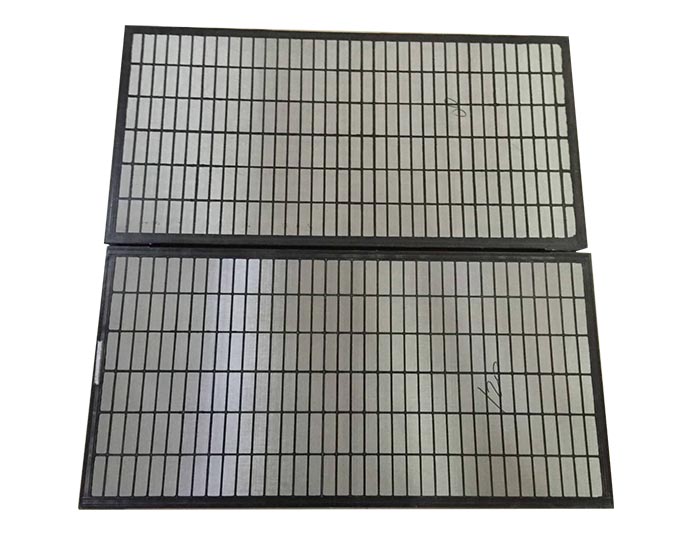
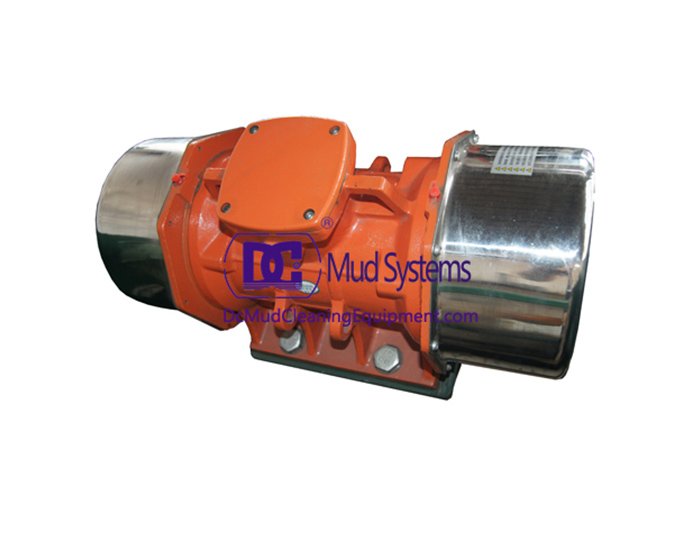
The physical stability and vibration profile of the vibrating basket are critical factors that dictate the overall lifespan of the filtration consumables. Utilizing a heavy-duty mud cleaner derrick structural frame configuration ensures that the high G-forces required for fluid dewatering are distributed evenly across the entire surface of the screen panel. These premium structural housings are engineered using advanced finite element analysis to eliminate localized structural stress points and prevent harmonic vibrations from damaging adjacent mud tank modules.
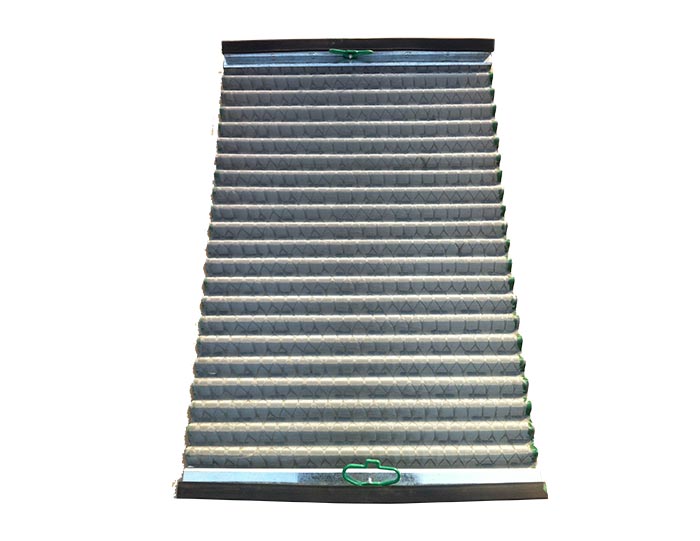
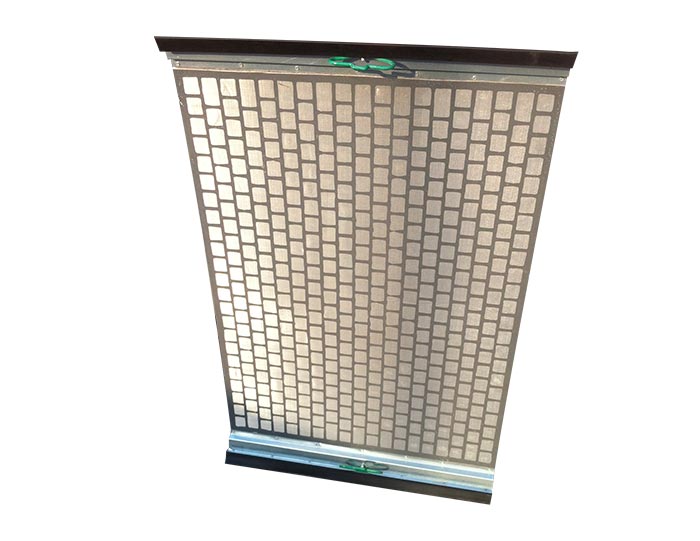
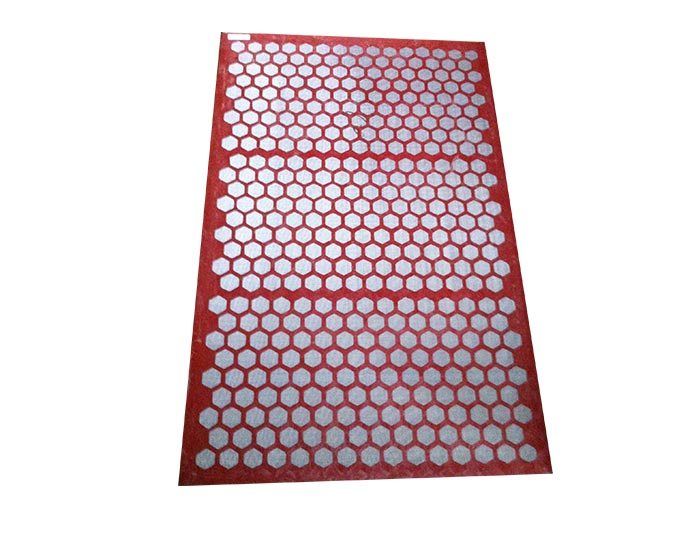
Properly tensioning the screen panels within these rugged frame formats is a critical operational task that must never be overlooked. If a screen panel is installed loosely or lacks proper support from the rubber channel cushions, it will whip against the basket bed during operation, causing the fine wire mesh to snap prematurely. By ensuring that the deck angle is perfectly leveled and matching the screen mesh size precisely to the shifting geology of the formation, operators can significantly extend the operational life of their consumables, minimize liquid phase losses, and achieve a highly sustainable, closed-loop fluid recycling process.

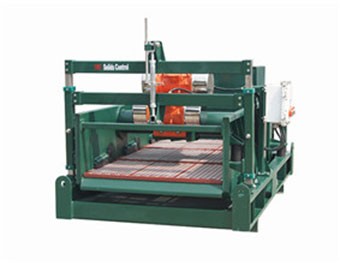 Linear Motion Shale Shaker In Drilling Rig
 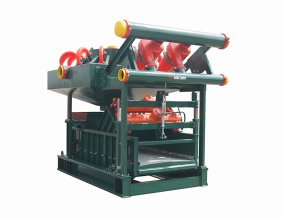 Oilfield Mud Cleaner
 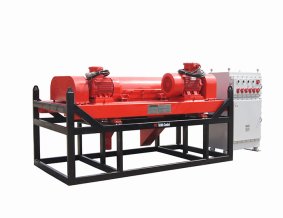 Drilling Fluid Decanter Centrifuge
 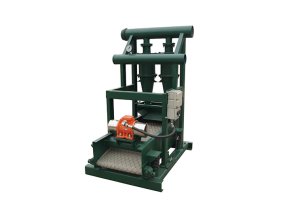 Drilling Mud Desander
 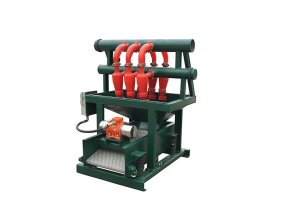 Hydrocyclone Desilter
 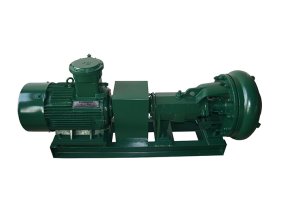 Centrifugal Pump/Centrifugal Mud Pump
 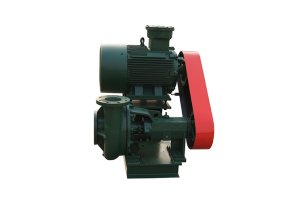 Shear Pump
 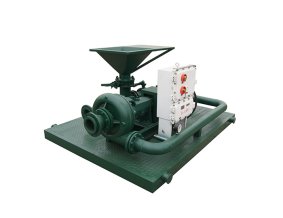 Jet Mud Mixer
 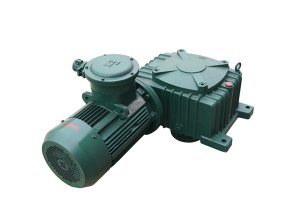 Horizontal Mud Agitator
 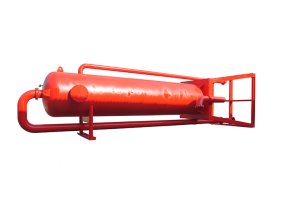 Constant Pressure Drilling Fluid Mud Gas Separator
 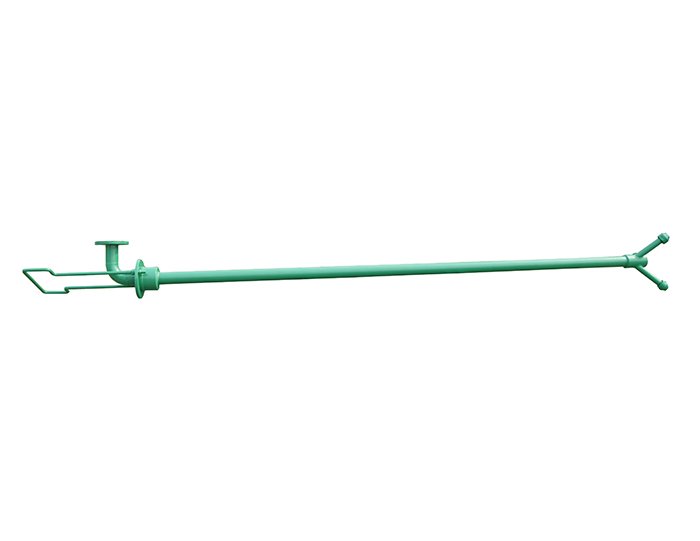 Mud Gun
 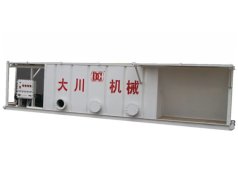 Mud Tank
 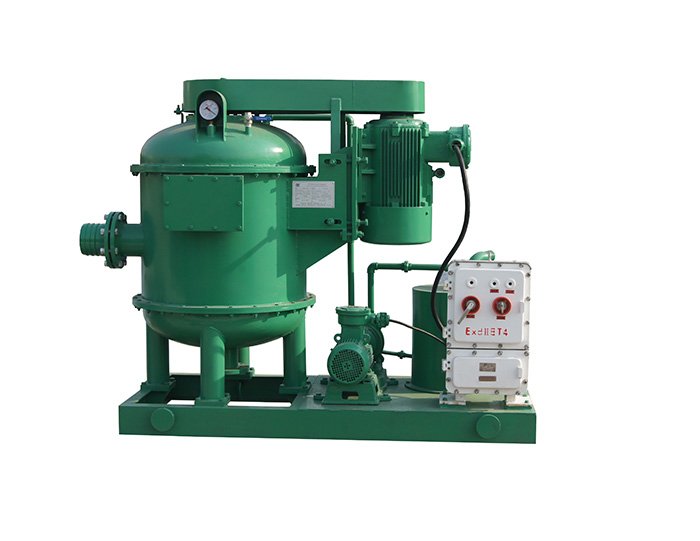 Solids Control System Vacuum Degasser
 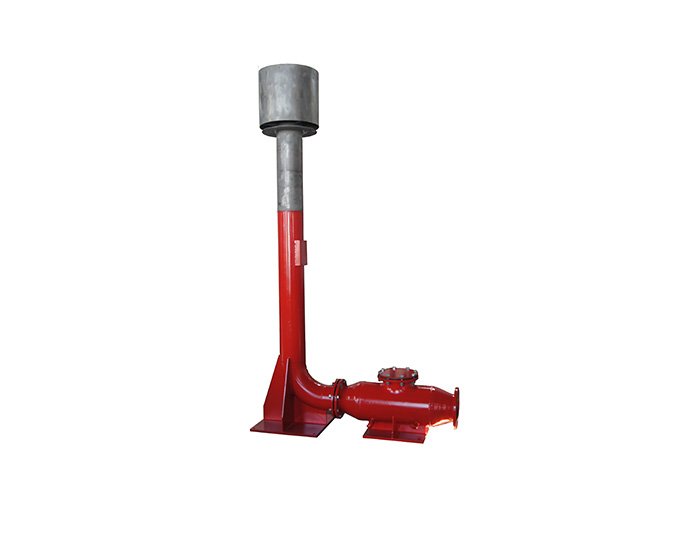 Flare Ignition Device
 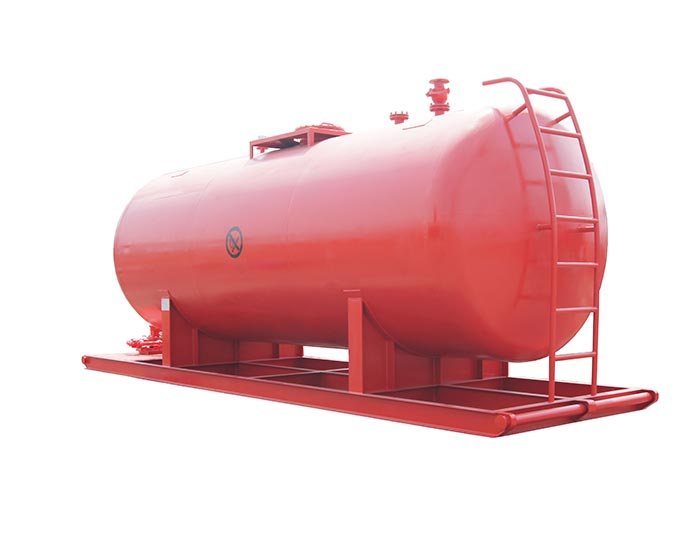 Diesel Tank
 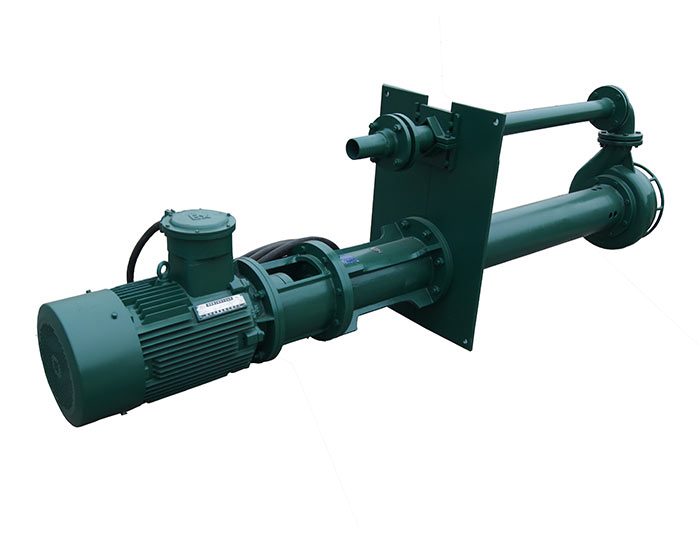 Submersible Slurry Pump