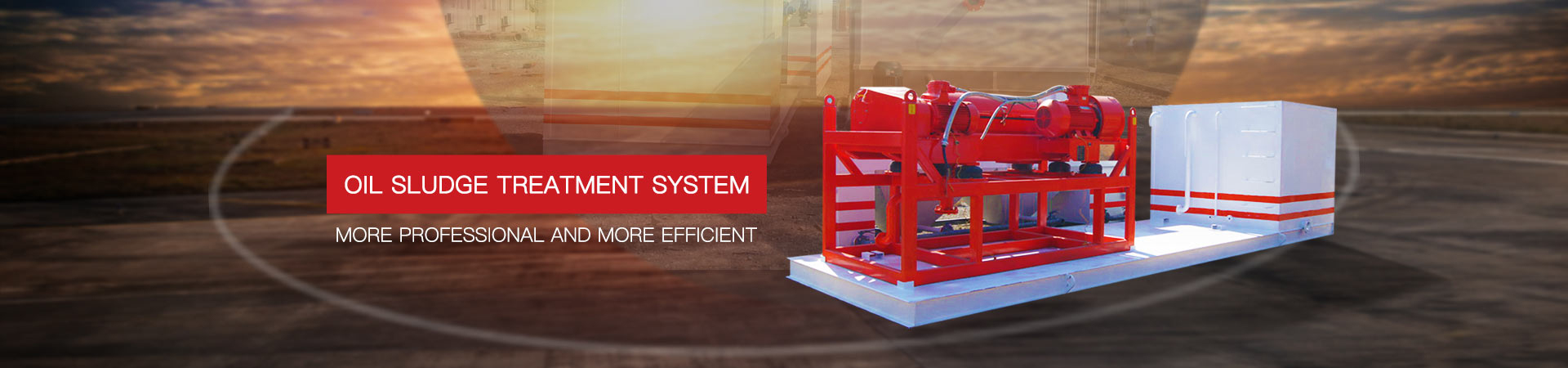
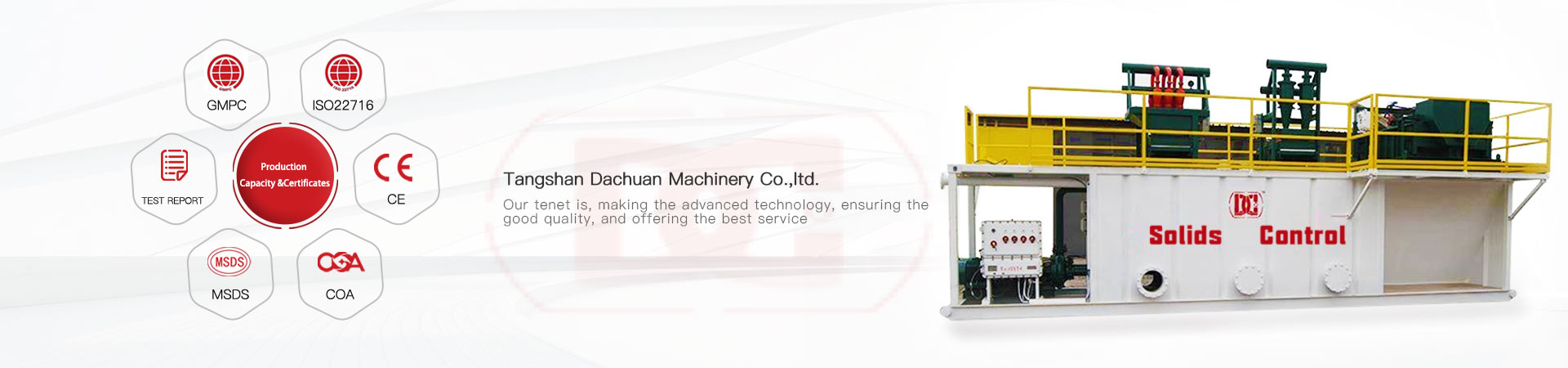
Deep-well drilling projects demand absolute mechanical reliability and rapid adaptability to shifting subsurface geologies. As a borehole deepens, the characteristics of the returning subsurface formations can alter within minutes, transitioning from hard, brittle rock to sticky, reactive clays. To maintain optimal penetration rates and safeguard downhole tooling, the surface mud-conditioning equipment must be capable of immediate adjustment. This operational agility has triggered a major technological evolution on modern rig sites, marking a significant transition from traditional mechanical-spring vibration systems to the advanced hydraulic shale shaker design.
Traditional separation systems rely on fixed mechanical springs and manual tensioning rails, which require crews to shut down the mud flow entirely whenever a deck angle adjustment or structural modification is needed. In contrast, heavy-duty fluid systems utilizing fluid-driven actuation offer real-time control over the physical dynamics of the processing basket. By allowing operators to adjust the tilt and vibration profile dynamically while processing full fluid loads, these advanced units ensure that the primary separation process remains continuous and completely uncompromised, regardless of sudden surges in return volume or cutting characteristics.
Technical Innovation from Leading Drilling Fluid Shale Shaker Manufacturers
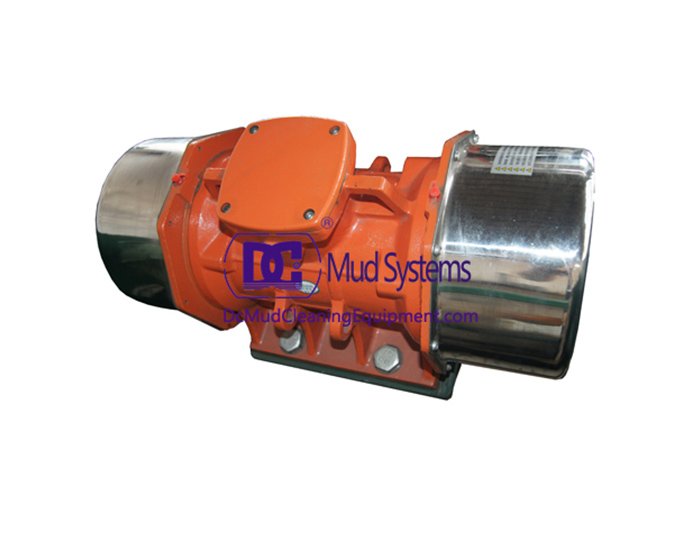
The rapid adoption of fluid-driven vibration systems is the direct result of intense engineering development by specialized drilling fluid shale shaker manufacturers. These international engineering firms have recognized that the harsh environments of onshore deserts and offshore marine platforms demand machinery that eliminates mechanical failure points. Conventional separation units frequently suffer from spring fatigue, uneven weight distribution, and motor bearing failure caused by the punishing G-forces required to separate heavy drilling fluids from sticky rock cuttings.
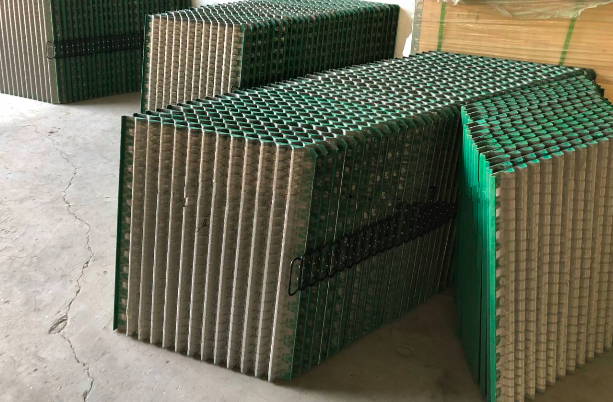
To resolve these vulnerabilities, premium manufacturing facilities have replaced traditional coil springs with heavy-duty pneumatic or hydraulic isolation bellows and fluid-driven drive mechanisms. These systems distribute the vibrating energy evenly across the entire structural frame of the basket, eliminating localized structural stress and drastically extending the operational lifespan of the internal screen panels. Furthermore, by incorporating smart sensors into the fluid loops, these advanced machines can automatically detect changes in mud weight and fluid pool depth, instantly modulating the internal pressure to maintain an optimized separation angle without requiring manual intervention from the rig crew.
Mechanics of the Modern Fluid-Driven Shale Shaker Machine
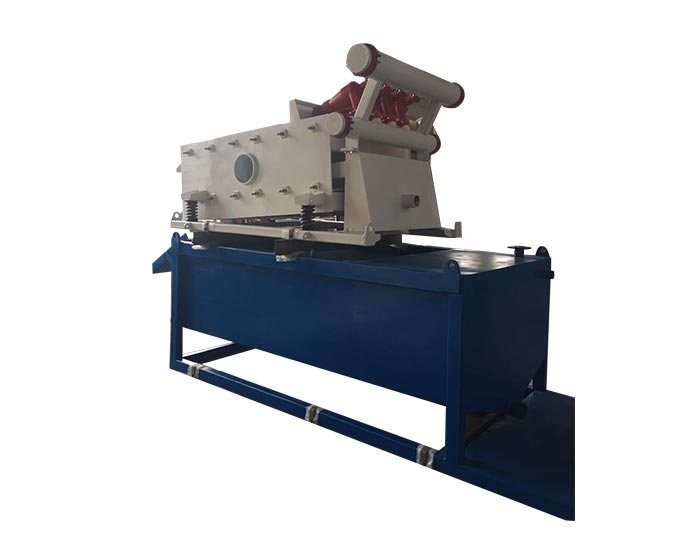
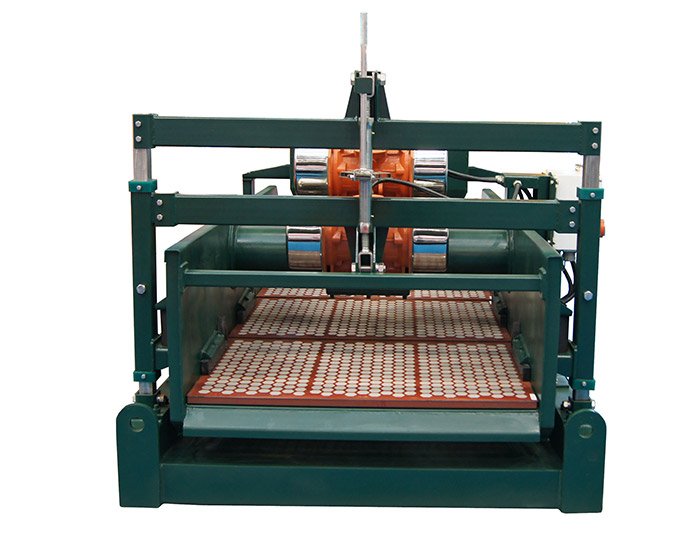
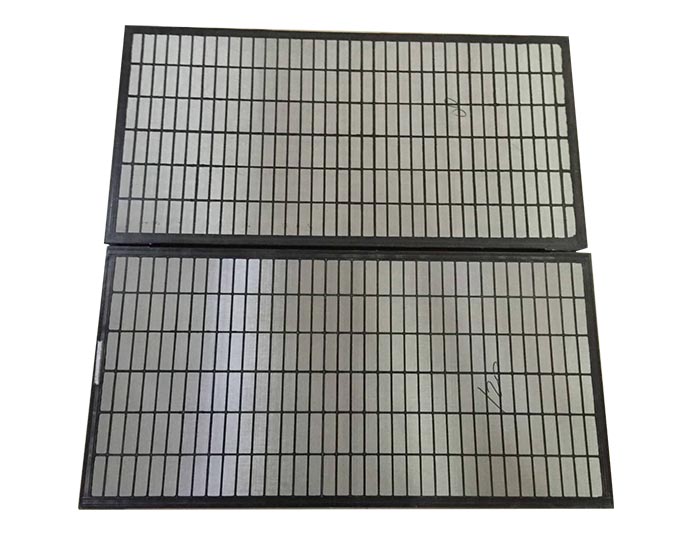
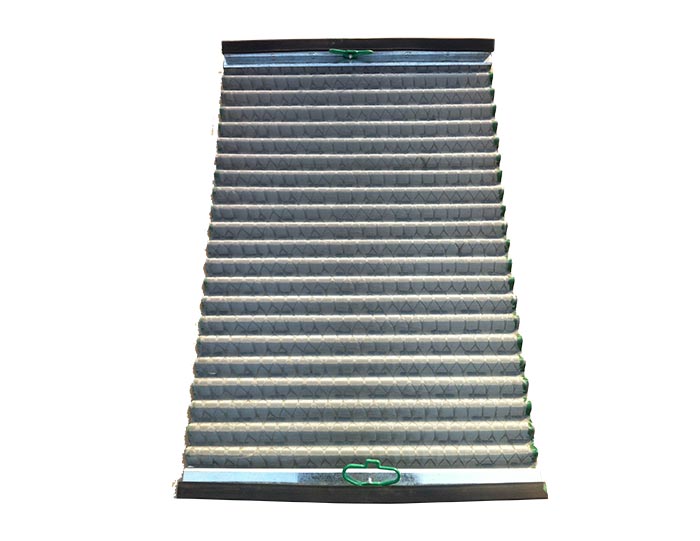
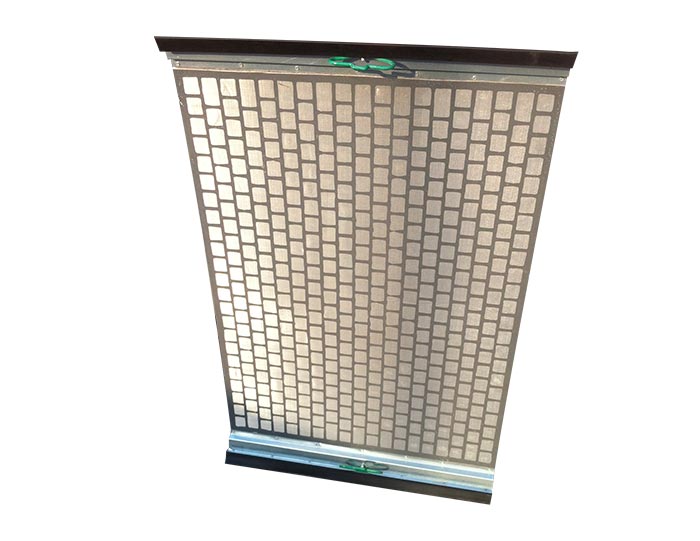
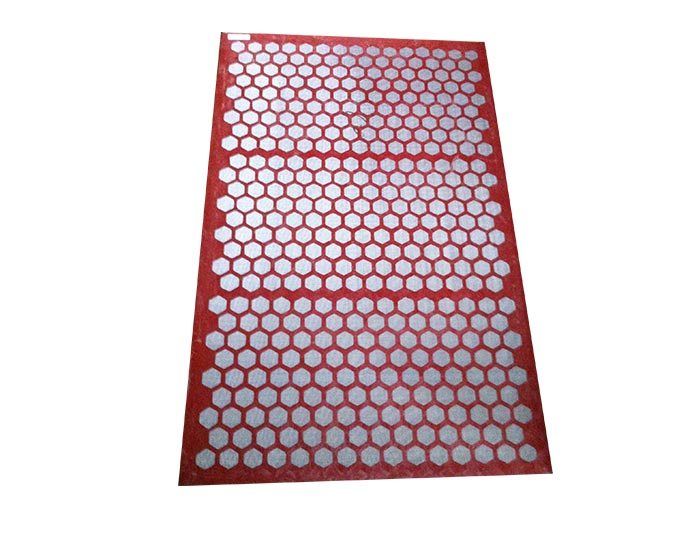
To maximize the separation efficiency of an active surface mud system, one must understand the internal fluid dynamics that govern a high-performance shale shaker machine. The primary objective of this unit is to act as a high-volume mechanical sieve that processes raw, unconditioned mud directly from the wellbore flowline. As the dense, cutting-laden slurry cascades onto the deck, the machine subjects the mixture to powerful linear or elliptical G-forces, forcing the reusable liquid phase through the fine mesh openings while conveying the oversized rock fragments upward along the inclined deck for disposal.
The integration of hydraulic controls transforms this process by introducing variable-speed vibration and infinite tilt adjustability. When a rig encounters heavy, high-viscosity mud surges, the operator can instantly raise the angle of the deck to create a larger fluid pool, maximizing the submerged screen area and preventing the costly liquid mud from overflowing into the waste ditch. Conversely, when processing light, fast-drilling formations, the deck can be lowered below horizontal to accelerate the conveyance of dry cuttings off the edge of the machine. This precise control over the fluid-solid boundary layer ensures maximum liquid recovery and exceptionally dry waste discharge.
Elevating System Performance Across the Entire Drilling Solids Control Pipeline
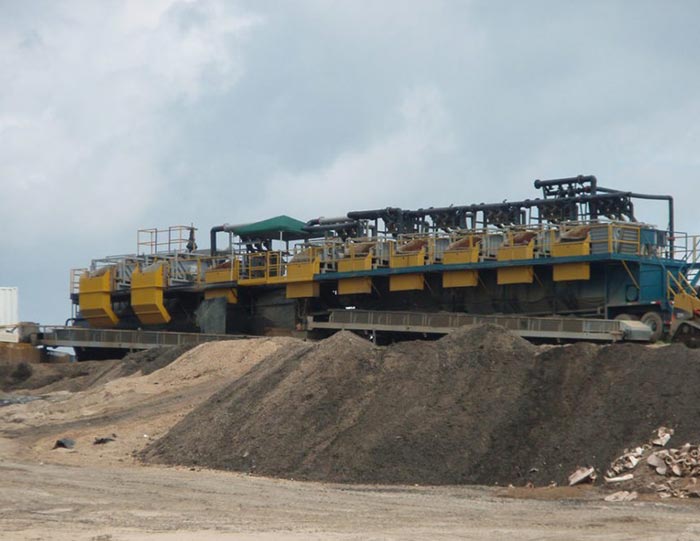
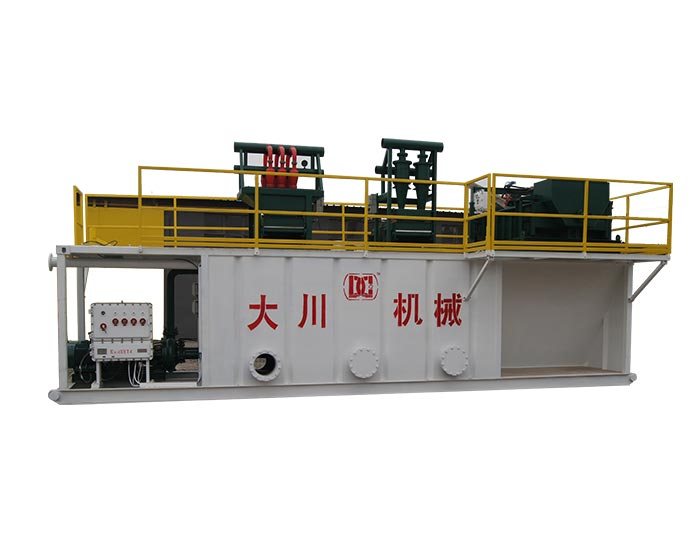
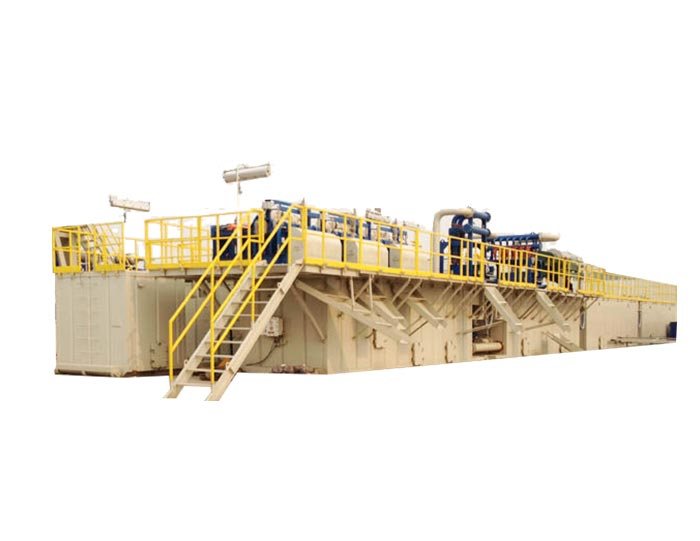
The primary separation unit does not operate in a vacuum; rather, it serves as the foundational anchor for the entire drilling solids control sequence. Surface fluid processing is a multi-tiered mechanical hierarchy designed to remove contaminants sequentially, moving from the coarsest formation fragments down to microscopic colloidal particles. Because the shaker is the very first piece of machinery to receive the unconditioned mud directly from the wellbore, its performance dictates the operational health of every subsequent cleaning phase.
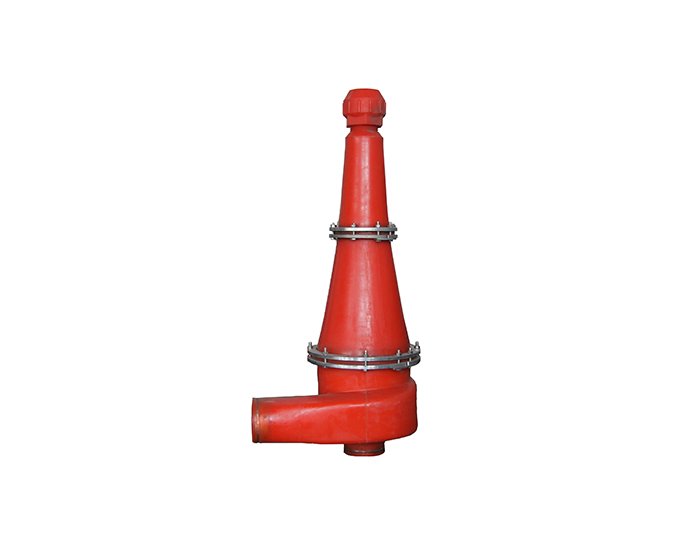
If a primary separation unit fails to perform efficiently due to poor angle management or screen blinding, the entire downstream treatment line is thrown into structural imbalance. Hydrocyclones, desanders, desilters, and high-speed decanter centrifuges are highly precise machines designed exclusively to handle fine particle separation. When oversized drill cuttings and coarse sands bypass a poorly calibrated shaker deck, they cause immediate plugging in hydrocyclone nozzles and cause catastrophic abrasive wear on the high-speed internal scrolls of centrifuges. Maintaining an optimized, fluid-controlled primary separation zone is therefore essential to preserve the mechanical integrity and processing capacity of the entire surface asset.
The Strategic Importance of Professional Solid Control Services for Resource Maximization
Deploying advanced fluid-driven machinery is an excellent first step, but ensuring that this sophisticated equipment integrates perfectly with the specific chemistry of a custom mud system requires dedicated expertise. This is why forward-thinking exploration companies rely heavily on comprehensive solid control services to manage their surface infrastructure. Third-party technical service providers bring specialized knowledge in fluid rheology, asset management, and equipment calibration that generic rig crews often lack.
Professional service technicians remain on-site to continuously monitor the performance of the hydraulic separation systems, adjusting vacuum levels, deck inclinations, and G-force profiles based on real-time mud density and downhole gas chromatography data. This proactive management prevents equipment bottlenecks during critical, high-pressure drilling intervals. Furthermore, outsourced technical services ensure that all regional environmental regulations regarding waste moisture content and chemical containment are meticulously followed, mitigating the risk of regulatory penalties while maintaining an uncompromised standard of operational safety on the rig floor.

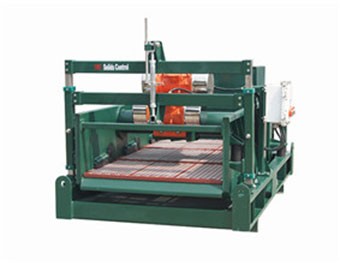 Linear Motion Shale Shaker In Drilling Rig
 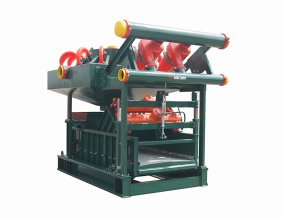 Oilfield Mud Cleaner
 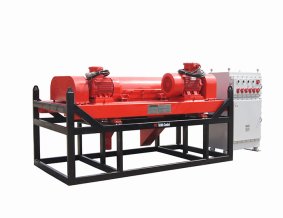 Drilling Fluid Decanter Centrifuge
 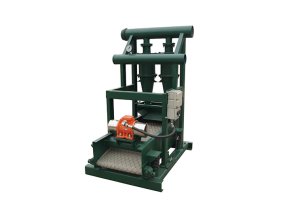 Drilling Mud Desander
 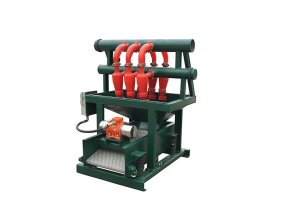 Hydrocyclone Desilter
 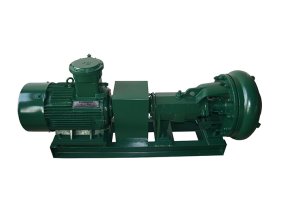 Centrifugal Pump/Centrifugal Mud Pump
 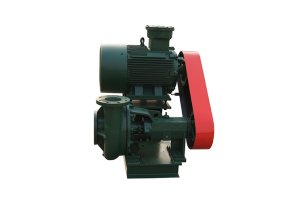 Shear Pump
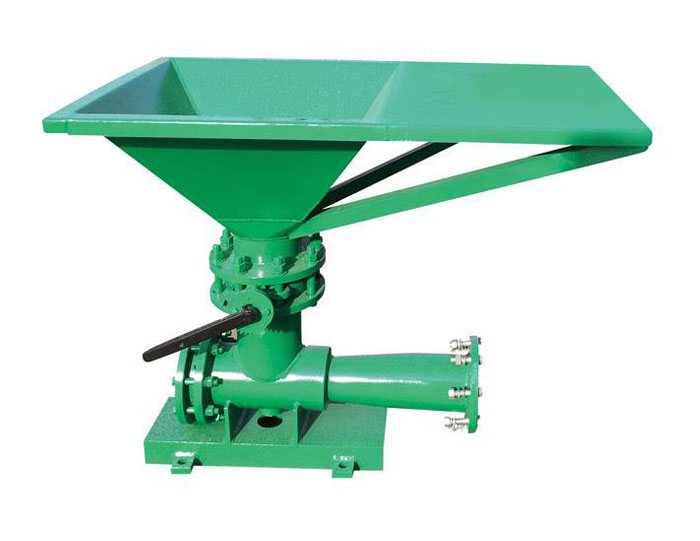
 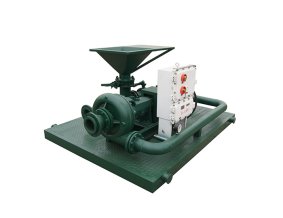 Jet Mud Mixer
 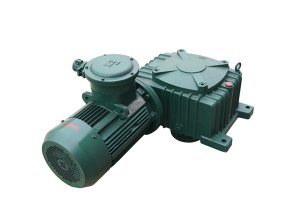 Horizontal Mud Agitator
 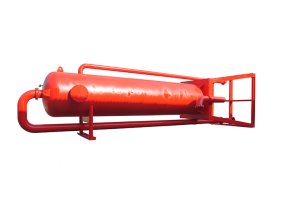 Constant Pressure Drilling Fluid Mud Gas Separator
 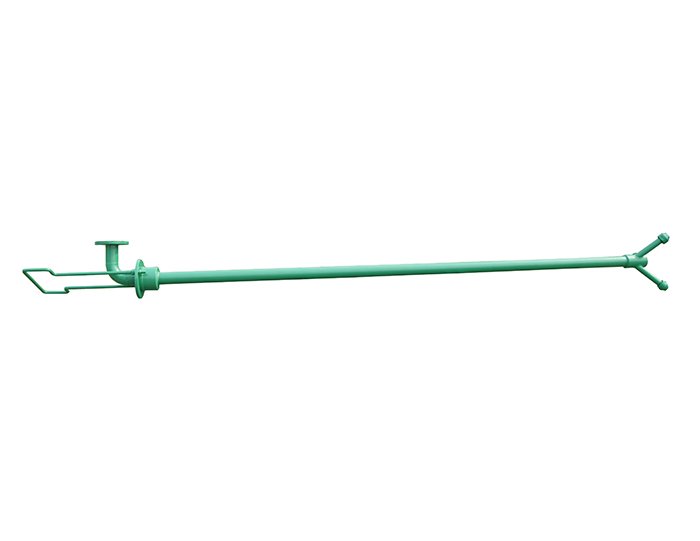 Mud Gun
  Mud Tank
 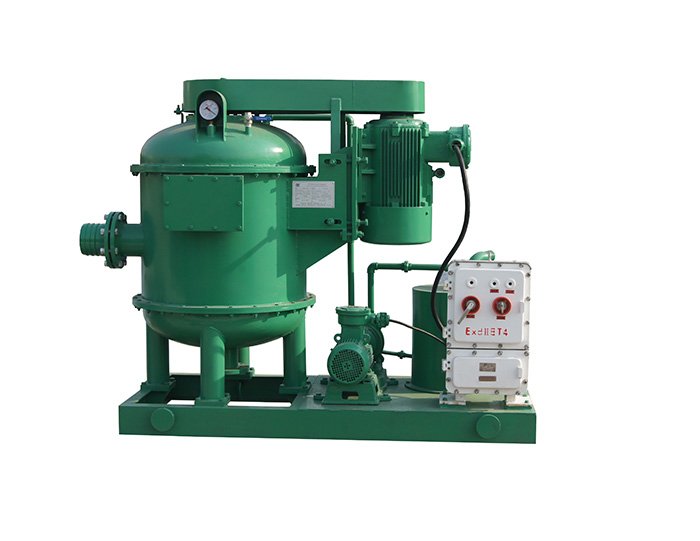 Solids Control System Vacuum Degasser
 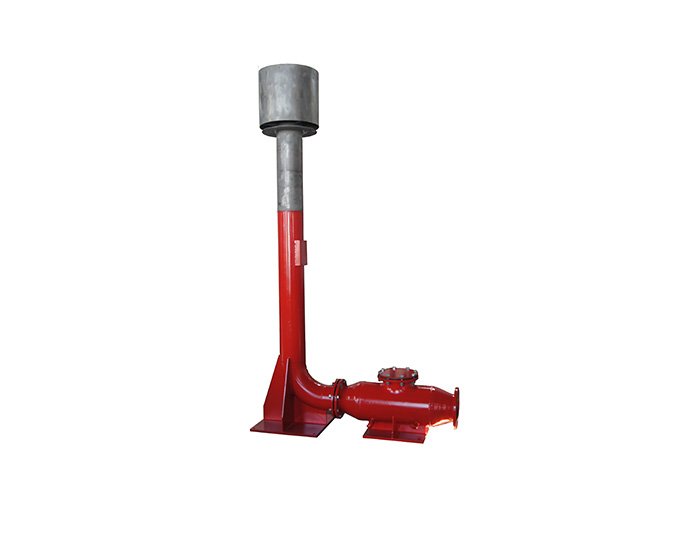 Flare Ignition Device
 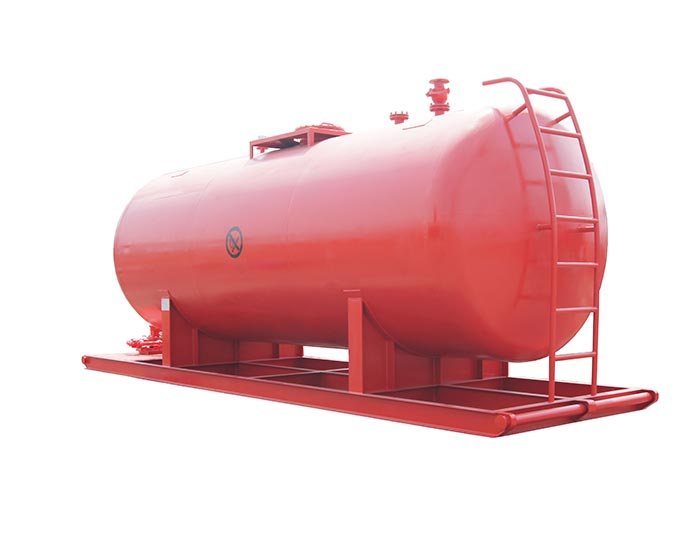 Diesel Tank
 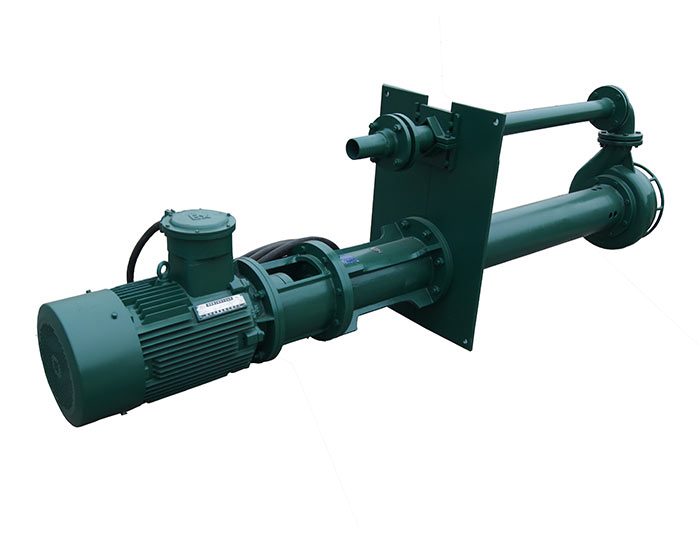 Submersible Slurry Pump