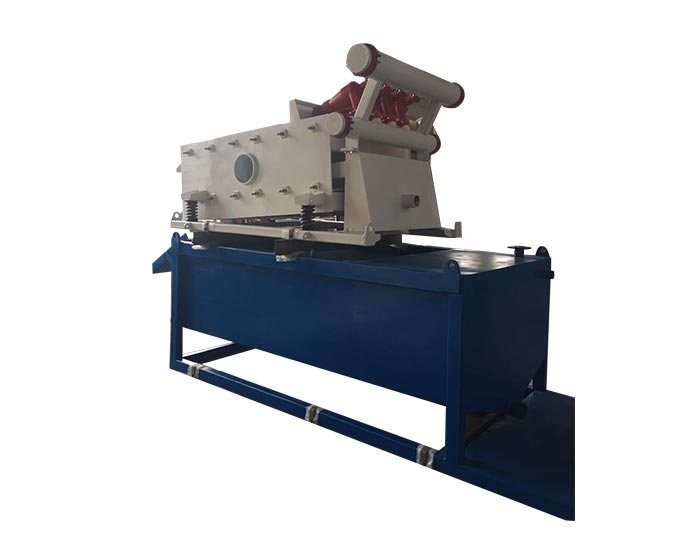
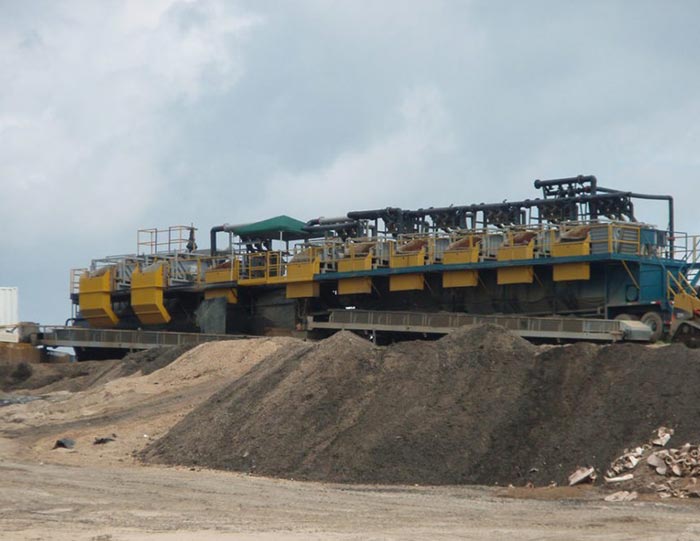
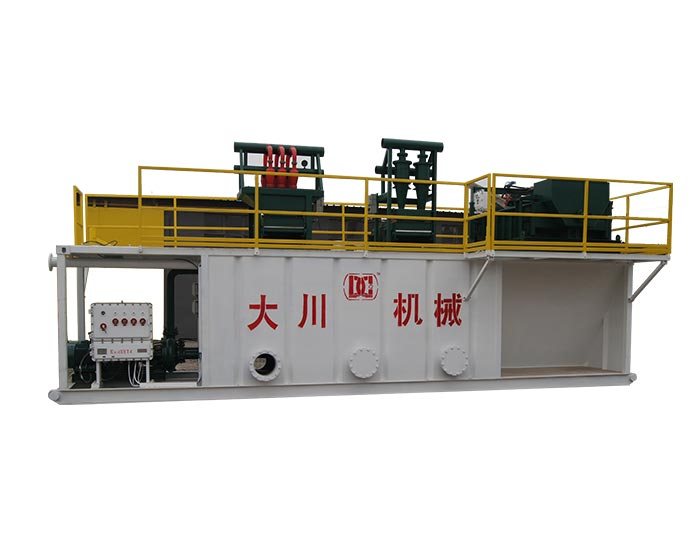
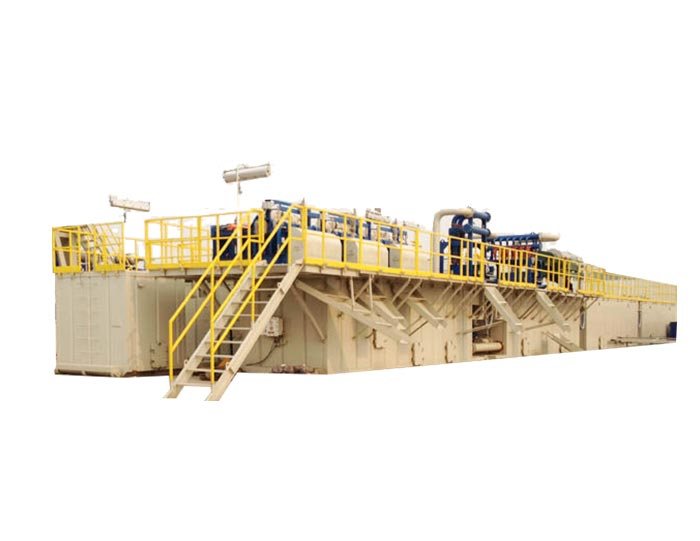
The international energy sector continuously seeks methods to optimize operational efficiency while managing the massive capital expenditures associated with deep-well exploration. Traditionally, exploration contractors relied almost exclusively on Western European or North American engineering firms to source their heavy surface equipment. However, a profound shift has occurred within the upstream supply chain over the past decade. Today, international drilling operations are increasingly prioritizing the adoption of a complete china solids control system to anchor their surface mud-conditioning loops.
This shifting procurement trend is driven by much more than simple cost considerations. It reflects a deeper structural realization that regional production clusters in Asia have matured into highly sophisticated engineering centers. As oil and gas projects push into increasingly hostile environments—ranging from ultra-deepwater marine horizons to complex high-pressure, high-temperature onshore plays—the need for reliable, robust, and rapidly deployable fluid conditioning technology has intensified. This global demand has positioned modern, integrated manufacturing hubs at the very forefront of the oilfield supply chain, delivering highly advanced mud-recycling solutions that match or exceed old industry benchmarks.
Technical Integration via a Premium Solids Control System Supplier
The modern approach to managing surface drilling mud rejects the idea of treating individual components as isolated machinery. When an international exploration company partners with a premier solids control system supplier, they are investing in a thoroughly synchronized fluid processing ecosystem. Industrial fluid conditioning relies on a strict mechanical hierarchy where the performance of each stage directly dictates the success of the next.
[Flowline Return] ➔ [Shale Shaker] ➔ [Vacuum Degasser] ➔ [Decanter Centrifuge]
Advanced manufacturing networks excel in this integrated design philosophy. Rather than merely assembling disparate components under one roof, these suppliers utilize advanced computer modeling and finite element analysis to engineer the entire surface tank layout as a unified workflow. The placement of high-frequency shale shakers, the fluid velocity within internal suction compartments, and the positioning of high-speed decanting centrifuges are all calibrated to minimize fluid turbulence. This precise design approach prevents the premature breakdown of expensive chemical polymers within the mud, eliminates processing bottlenecks, and ensures that the entire system functions with maximum energy efficiency from the moment it is deployed on the rig site.
Engineering Standards Across Contemporary Oilfield Solids Control Ecosystems
The harsh environmental realities of contemporary drilling operations demand machinery that can endure continuous mechanical punishment under severe chemical exposure. Equipment deployed in these settings faces relentless vibration, abrasive sand scraping, and chemically aggressive drilling surfactants, which means that any structural weakness will quickly manifest as catastrophic equipment downtime. Within the field of modern oilfield solids control, Asian manufacturers have achieved massive progress by overhauling their metallurgy and fabrication protocols.
Modern production facilities utilize high-grade, corrosion-resistant steel alloys that are systematically treated to withstand prolonged contact with heavy, oil-based or synthetic drilling fluids. The widespread implementation of automated robotic welding, non-destructive laser testing, and rigorous pressure-chamber validations ensures that every mud tank, shaker basket, and centrifuge bowl adheres to strict international standards such as API and ISO specifications. By enforcing these uncompromising quality controls across the entire manufacturing pipeline, these systems provide exceptional structural endurance, allowing global drilling contractors to operate continuously in remote desert expanses or ultra-deepwater environments without fearing structural fatigue or unexpected mechanical failure.
Universal Versatility of Modern High-Capacity Solids Control Systems
A major logistical challenge facing modern exploration crews is the extreme variability of downhole geologies. A single wellbore can transition rapidly from hard, brittle granitic formations to highly reactive, fast-dispersing clay structures, requiring immediate changes in how the surface fluid is filtered and conditioned. The latest generations of regional solids control systems are deliberately engineered with this need for extreme operational flexibility in mind.
Instead of producing rigid, single-purpose machinery, contemporary designers emphasize modularity and smart automation. Modern separation decks are equipped with dual-motion or balanced elliptical vibration profiles that can be modulated via variable-frequency drives with the flip of a single switch on the control panel. Smart sensory arrays are embedded directly within the active mud pits to track fluid density, viscosity, and chemical variations in real time, allowing the processing equipment to adjust its throughput speeds and deck inclinations automatically. This rapid adaptability ensures that the surface equipment can handle sudden mud surges or heavy cutting volumes without triggering fluid losses, effectively maximizing daily penetration rates across highly unpredictable geological formations.
Strategic Distinctions Driving Competitive Solid Control Companies
The global marketplace for surface fluid reclamation is highly competitive, forcing technical providers to continuously innovate their service delivery models. What truly sets top-tier solid control companies apart in the modern era is their ability to pair world-class engineering with highly agile supply chain logistics. Because these specialized companies are situated within densely concentrated manufacturing clusters, they enjoy immediate geographic access to specialized component foundries, premium electronics suppliers, and advanced steel mills.
This geographic concentration compresses fabrication lead times significantly, allowing these companies to deliver fully customized mud-conditioning systems in a fraction of the time required by traditional Western manufacturers. Furthermore, this localized efficiency drastically reduces structural overhead costs. These financial savings are passed directly to the drilling contractor, allowing exploration projects to significantly reduce their initial capital expenditures while maintaining an uncompromised standard of technical performance and operational safety on the rig floor.
Securing Environmental Compliance and Asset Longevity in the Energy Sector
Beyond the immediate mechanical and financial advantages, the adoption of advanced surface fluid management infrastructure plays a vital role in helping exploration companies meet stringent global environmental regulations. Formulating modern drilling fluids requires an enormous investment in specialized polymers, weighting materials, and chemical stabilizers. Allowing these fluids to escape into the environment due to inefficient surface separation is no longer commercially viable or ecologically permissible.
Advanced multi-stage reclamation systems mitigate these risks by incorporating fully enclosed vapor containment hoods and high-efficiency vacuum-assisted drying technologies. Enclosed systems prevent hazardous volatile organic compounds from venting onto the open rig floor, protecting the health of the crew and ensuring compliance with strict regional air quality mandates. Concurrently, high-speed centrifugal drying systems extract the absolute maximum amount of liquid mud from the discarded rock cuttings just before they leave the processing tank. This relentless focus on liquid minimization transforms the rejected material into exceptionally dry, manageable waste flakes, drastically reducing the heavy logistics expenses associated with waste transportation, vacuum truck hauling, and deep-well injection disposal while maximizing the lifecycle of the primary chemical asset.

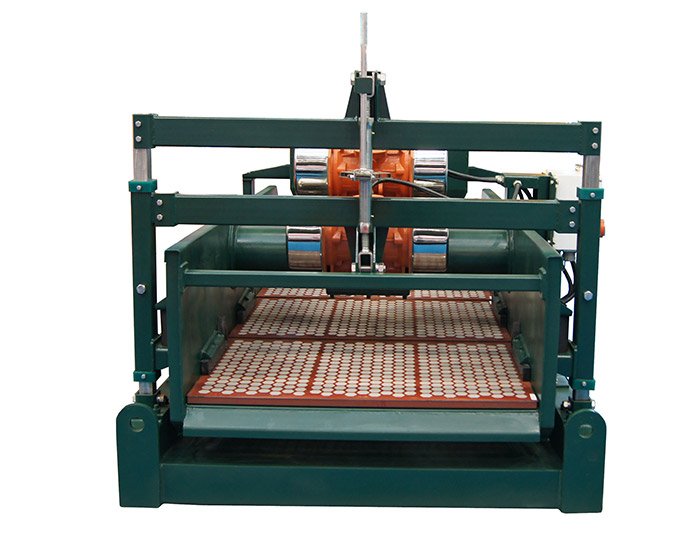
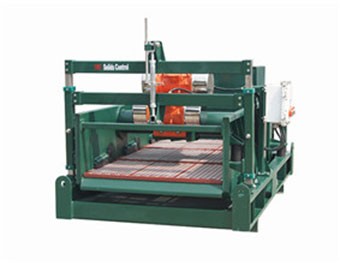 Linear Motion Shale Shaker In Drilling Rig
 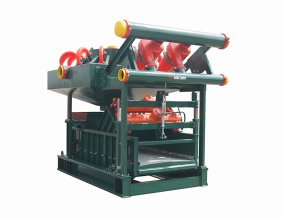 Oilfield Mud Cleaner
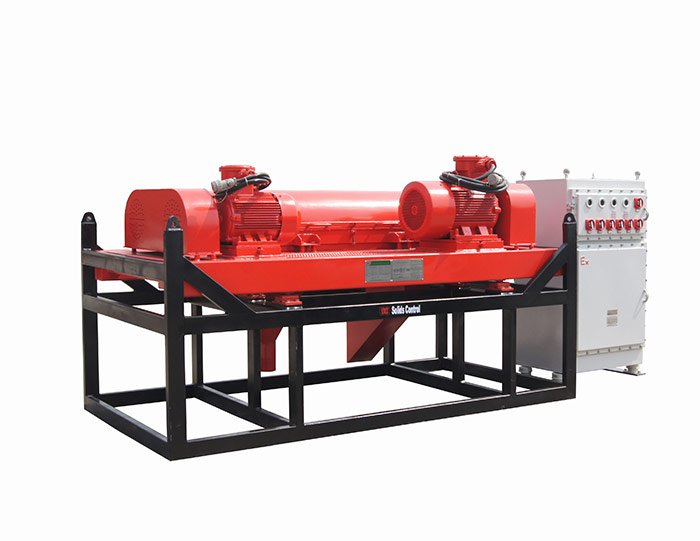
 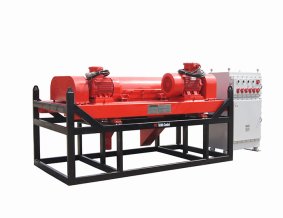 Drilling Fluid Decanter Centrifuge
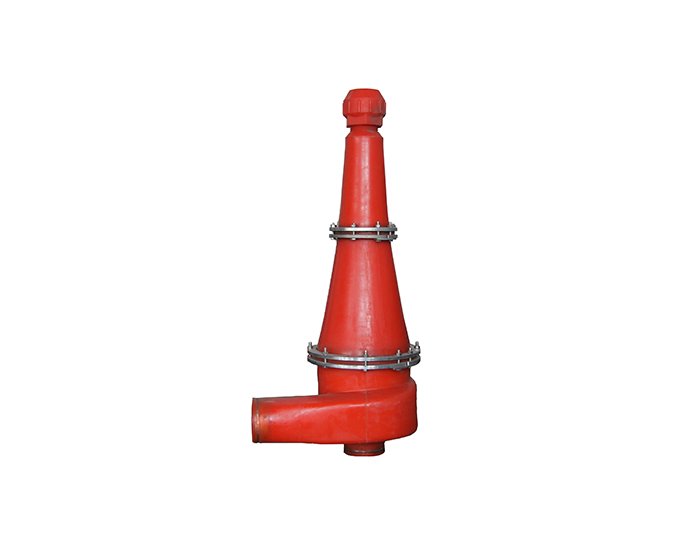
 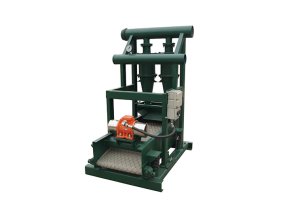 Drilling Mud Desander
 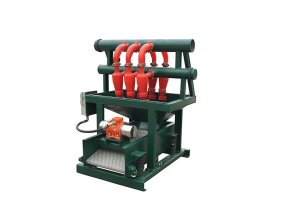 Hydrocyclone Desilter
 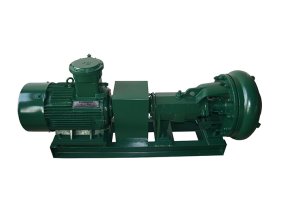 Centrifugal Pump/Centrifugal Mud Pump
 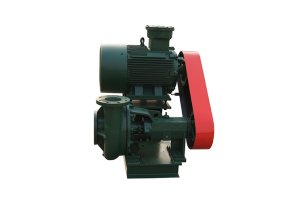 Shear Pump
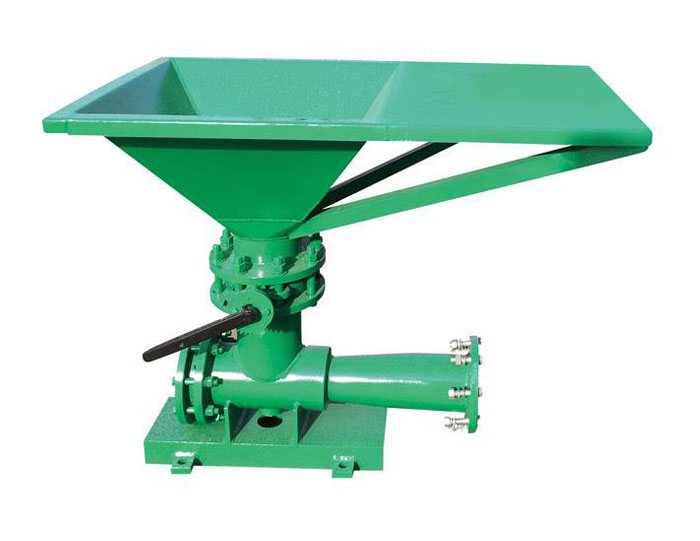
 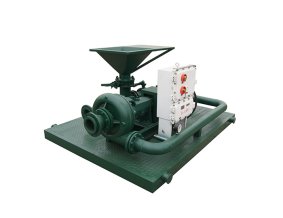 Jet Mud Mixer
 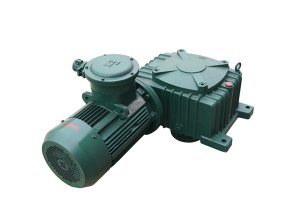 Horizontal Mud Agitator
 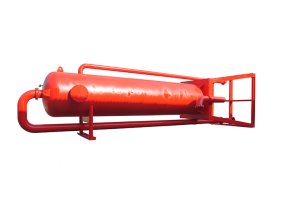 Constant Pressure Drilling Fluid Mud Gas Separator
 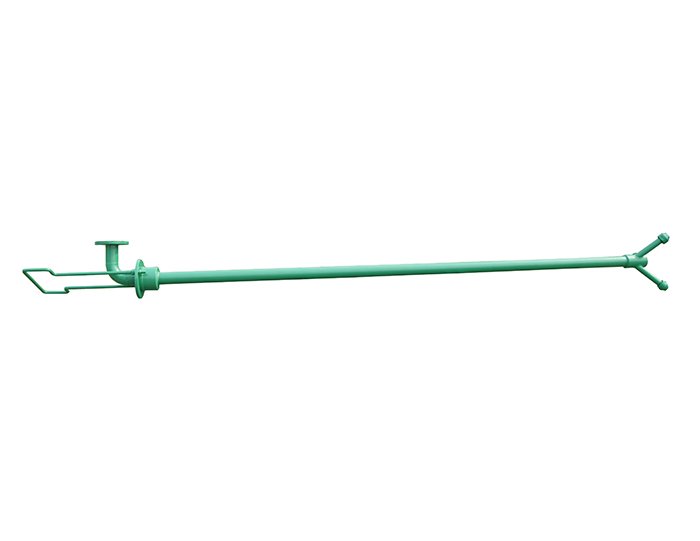 Mud Gun
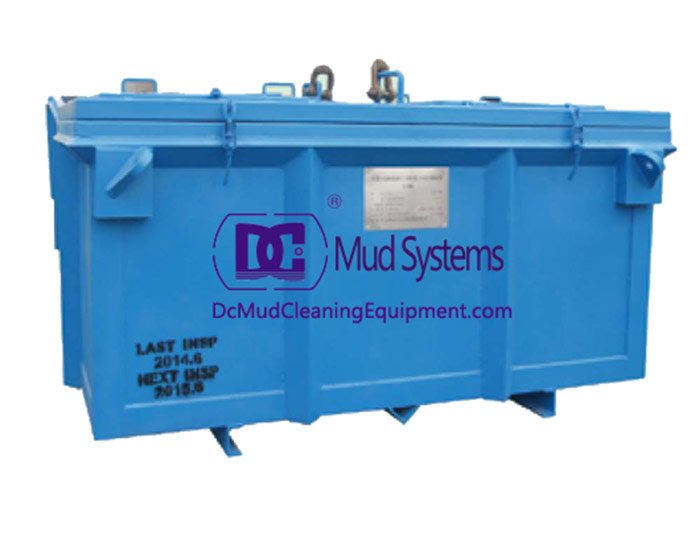
  Mud Tank
 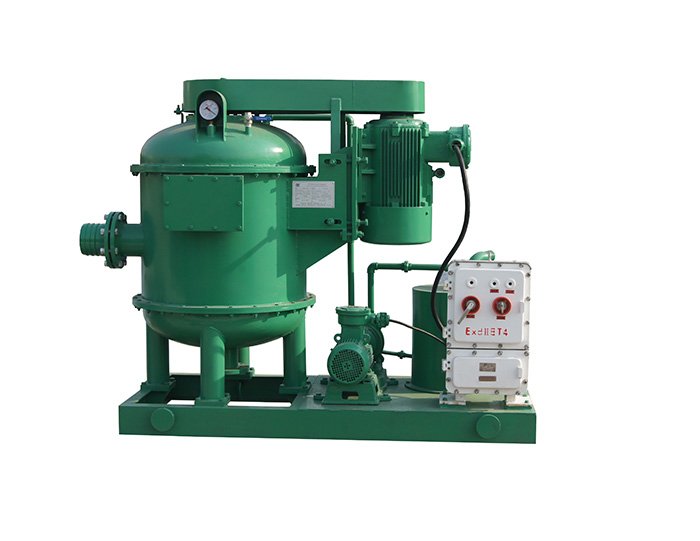 Solids Control System Vacuum Degasser
 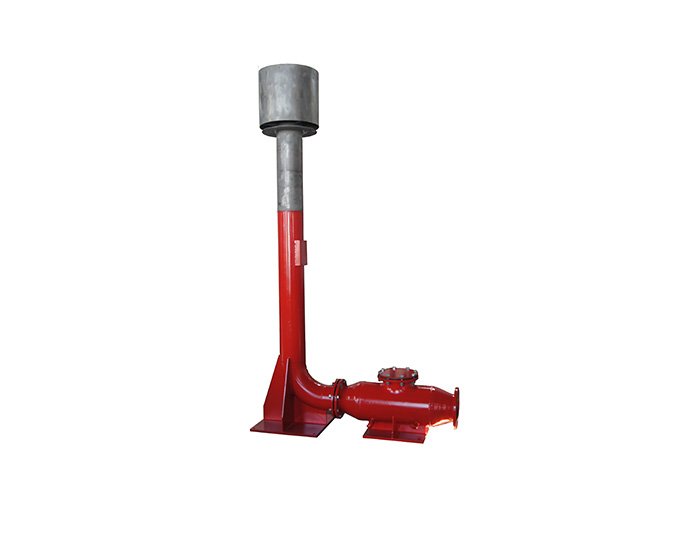 Flare Ignition Device
 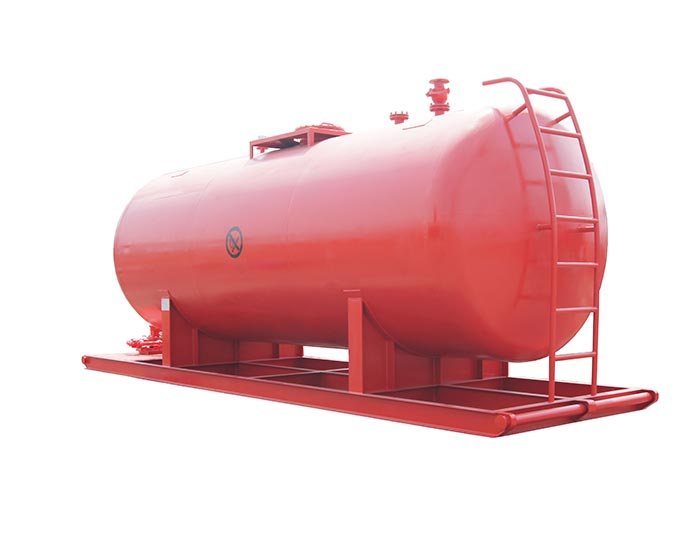 Diesel Tank
 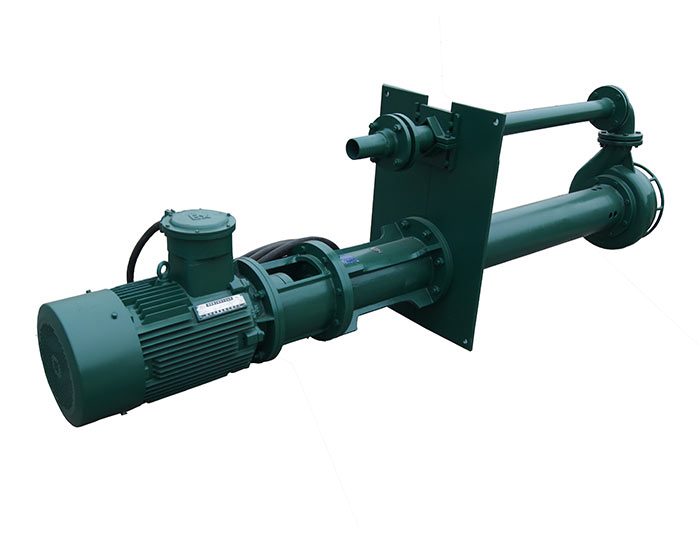 Submersible Slurry Pump