Offshore drilling platforms represent some of the most logistically challenging real estate in the industrial world. Every square foot of deck space must be carefully rationed, and every piece of machinery must justify its footprint. Traditional horizontal fluid conditioning units, while effective, present a massive physical profile that complicates platform layout and increases structural weight. To overcome these spatial limitations, marine drilling operations are increasingly turning to the vertical vacuum degasser as their primary method for gas extraction.
By orienting the separation chamber vertically rather than horizontally, equipment designers have managed to slash the required footprint of the unit by more than half. This structural pivot allows offshore engineers to optimize the layout of the mud pit modules without sacrificing degassing capacity. In the volatile environment of deepwater exploration, where subsurface gas kicks pose a constant threat, having an efficient, space-saving gas extraction system is not just an operational convenience—it is a structural necessity that directly impacts the safety and efficiency of the entire marine vessel.
Technical Mechanics of the Modern Vacuum Degasser Unit
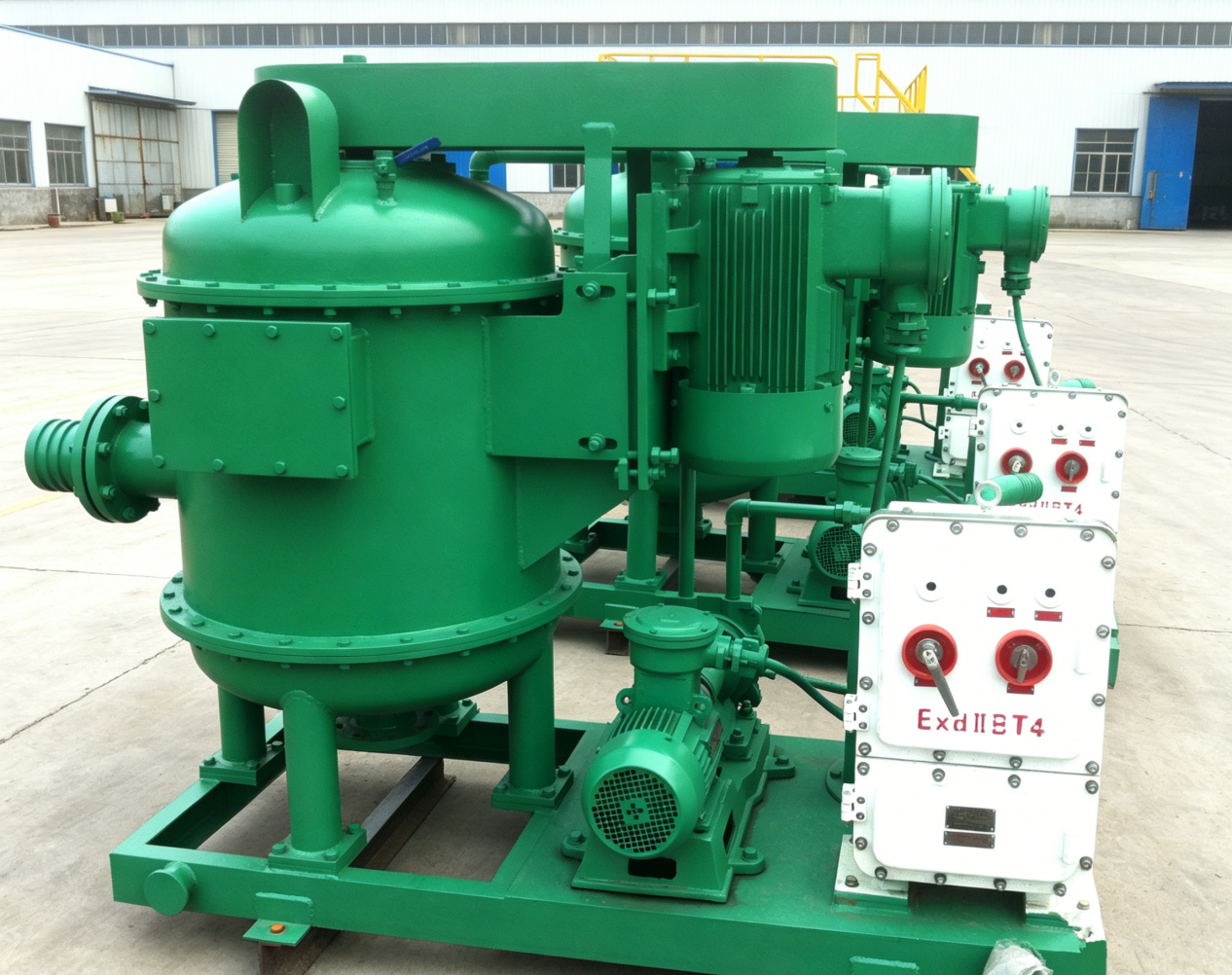
Understanding how a vertical system achieves high-efficiency gas removal requires a look into internal fluid dynamics. A specialized vacuum degasser unit operates on the principle of negative pressure acceleration. When gas-cut drilling mud is drawn into the vessel, the internal vacuum environment forces the trapped gas bubbles to expand rapidly. As these bubbles grow, their surface tension weakens, making them far easier to break apart and release from the liquid medium.
In a vertical configuration, the fluid enters through the top or upper mid-section of the tower and is distributed across a series of internal cascading plates or corrugated cones. Gravity pulls the mud downward over these internal structures while the vacuum pump simultaneously draws air upward. This counter-current flow mechanism creates an ultra-thin layer of mud that maximizes surface area exposure. Because the mud must travel downward through a sequence of baffles, the residence time inside the vacuum environment is highly controlled, ensuring that even the smallest micro-bubbles are thoroughly ruptured and evacuated through the top vent line before the clarified mud reaches the discharge pump at the base.
Integrating Gas Extraction into Oilfield Solids Control Ecosystems
The process of reclaiming and conditioning drilling fluid is inherently multi-layered, requiring a synchronized sequence of mechanical separations. Within the broader framework of oilfield solids control, gas extraction serves as a critical bridge between coarse shale shaking and fine centrifugal separation. If gas is allowed to remain entrained within the drilling mud, the entire downstream purification process suffers.
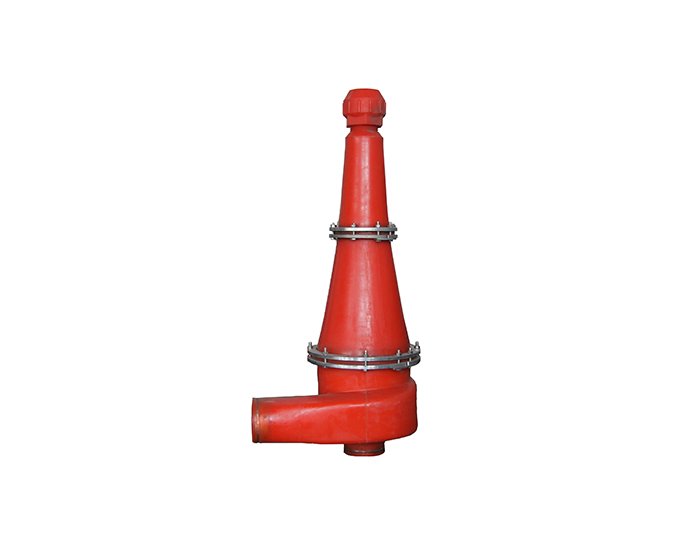
Gas-cut mud exhibits erratic density and viscosity, which severely disrupts the pressure differentials required for hydrocyclones, desanders, and desilters to function correctly. When aerated fluid enters a hydrocyclone, the air pockets create turbulence that destroys the centrifugal vortex, causing fine solids to bypass separation and return downhole. By placing a vertical extraction tower directly after the primary shakers, operators ensure that the fluid entering the subsequent cleaning phases is entirely stable and gas-free, thereby preserving the separation efficiency of the entire downstream processing sequence.
Elevating Rig Reliability with Premium Solids Control Equipment Drilling Projects Require
The harsh realities of offshore environments demand machinery that can withstand continuous operation under extreme mechanical stress. Marine rigs face corrosive salt spray, high humidity, and relentless vibration, which means that the solids control equipment drilling engineers choose must be exceptionally robust. Traditional horizontal degassers often rely on complicated internal float mechanisms and external piping networks that are prone to mechanical failure and scaling.
Modern vertical extraction towers eliminate many of these failure points through simplified internal architecture. The vertical drop design naturally utilizes gravity for fluid discharge, reducing the mechanical load on the internal pumps and minimizing the risk of fluid stagnation or sediment buildup within the chamber. This self-cleaning nature is particularly beneficial when handling heavy, oil-based muds that tend to leave thick residues in horizontal tanks. By reducing the frequency of manual cleanouts and part replacements, these rugged vertical units enhance overall rig uptime and allow crews to maintain focus on drilling penetration rates.
Strategic Advantages of Comprehensive Solid Control Services for Offshore Operators
Deploying advanced machinery is only half the battle; ensuring that it integrates seamlessly with the specific geology and fluid chemistry of a well requires specialized expertise. This is why leading offshore operators rely heavily on comprehensive solid control services to manage their fluid processing infrastructure. Third-party technical service teams bring specialized knowledge in fluid rheology and equipment calibration that generic rig crews may lack.
Professional service technicians continuously monitor the performance of the vertical extraction units, adjusting vacuum levels and throughput rates based on real-time mud density and gas chromatography data. This proactive management prevents equipment bottlenecks during high-pressure drilling phases. Furthermore, outsourced technical services ensure that all environmental regulations regarding gas venting and waste disposal are meticulously followed, mitigating the risk of regulatory fines or environmental incidents while maintaining an uncompromised standard of operational safety on the platform.

 Linear Motion Shale Shaker In Drilling Rig
 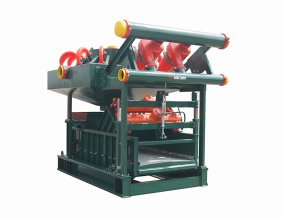 Oilfield Mud Cleaner
 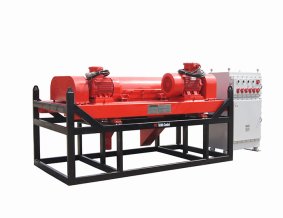 Drilling Fluid Decanter Centrifuge
 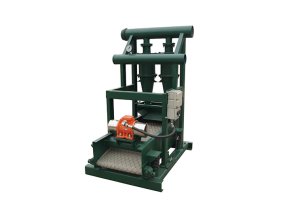 Drilling Mud Desander
 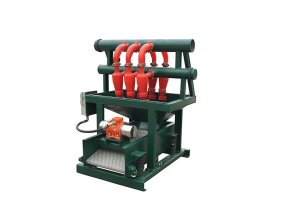 Hydrocyclone Desilter
 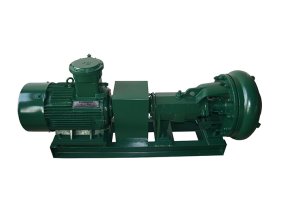 Centrifugal Pump/Centrifugal Mud Pump
 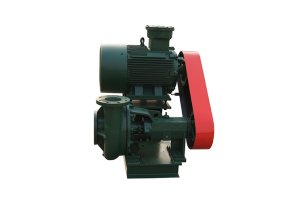 Shear Pump
 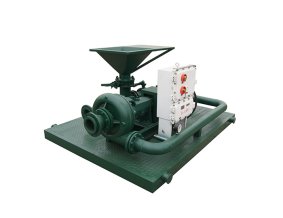 Jet Mud Mixer
 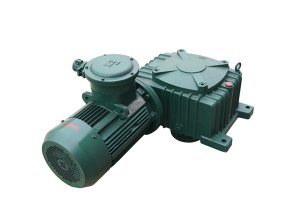 Horizontal Mud Agitator
 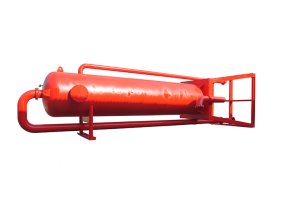 Constant Pressure Drilling Fluid Mud Gas Separator
 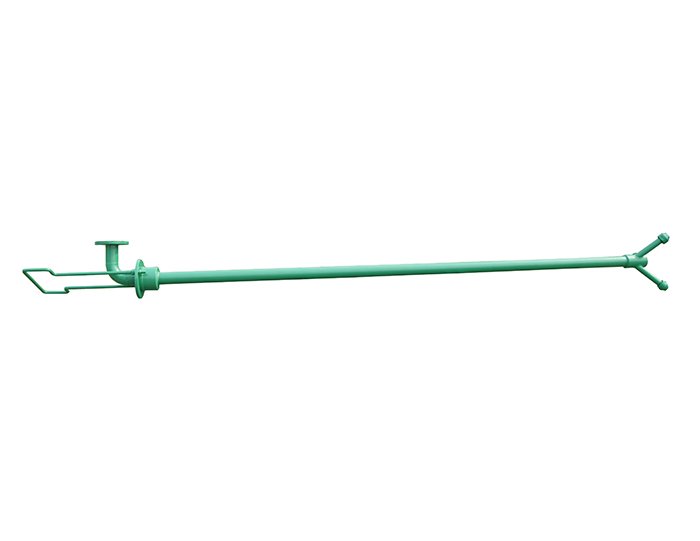 Mud Gun
  Mud Tank
 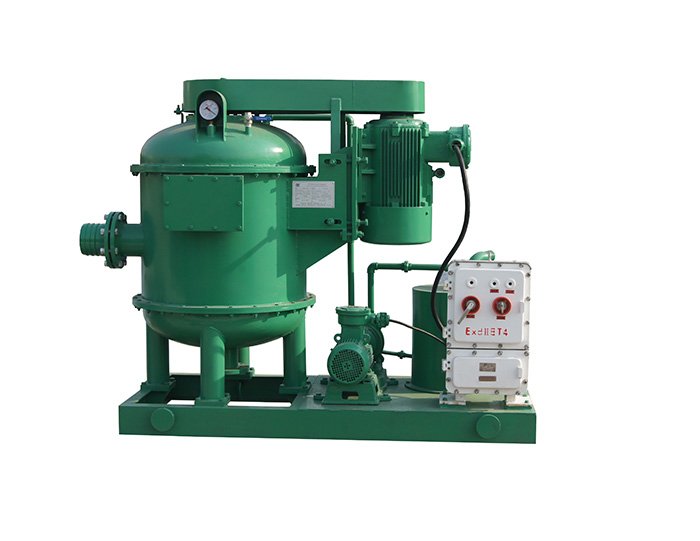 Solids Control System Vacuum Degasser
 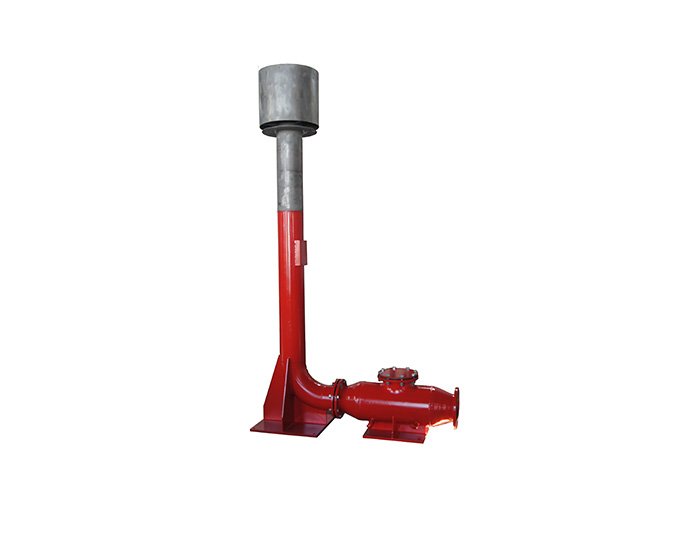 Flare Ignition Device
 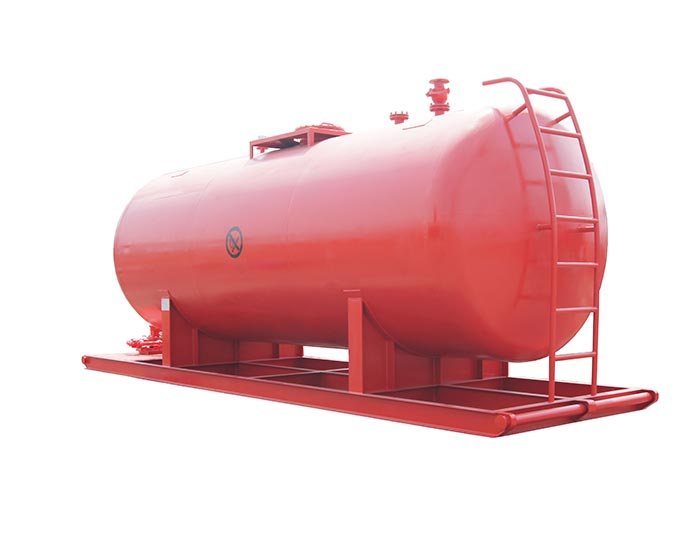 Diesel Tank
 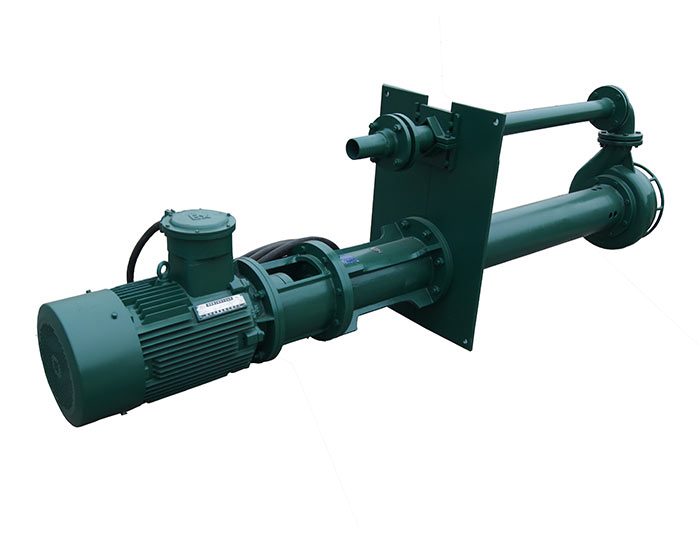 Submersible Slurry Pump