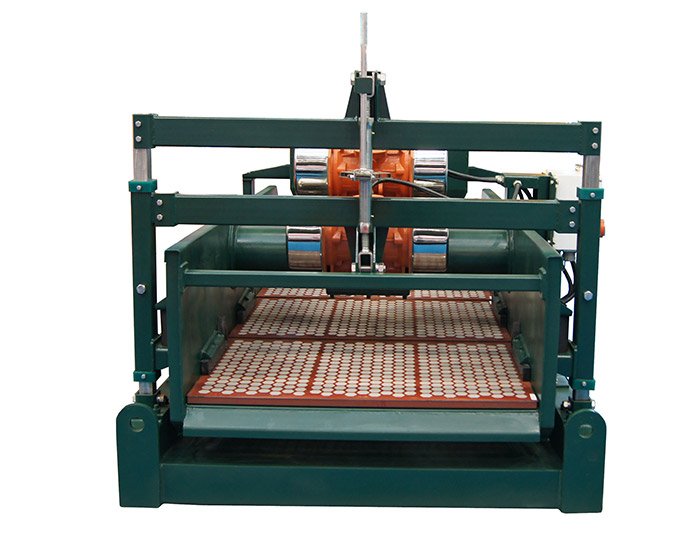
The landscape of upstream oil and gas exploration is undergoing a rapid mechanical transformation, driven by the need for extreme resource efficiency and stringent environmental compliance. At the epicenter of this evolution is the primary surface filtration process, where the engineering behind mud conditioning is being completely rewritten. Historically, surface filtration machinery was viewed as a basic, brute-force vibrating screen designed simply to catch large rocks. However, the contemporary shale shaker design paradigm has shifted toward highly sophisticated, smart machinery capable of adapting dynamically to volatile subsurface geologies.
Modern exploration wells are deeper, hotter, and increasingly horizontal, pushing the chemical and physical boundaries of drilling fluids. To handle these extreme conditions, engineers are abandoning old, fixed-motion configurations in favor of highly adaptive, multi-motion structural frames. This design evolution focuses on optimizing the transmission of structural energy across the filtration deck while minimizing weight and maximizing the active processing area. By re-engineering the structural dynamics of the vibrating basket, modern equipment ensures that high-density, highly viscous drilling muds can be processed at unprecedented volumes without triggering surface fluid losses or premature equipment fatigue.
Technical Paradigms Championed by Leading Shale Shaker Manufacturers
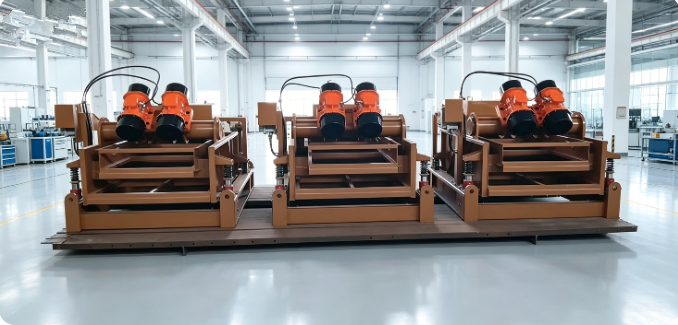
The realization of these advanced structural concepts is the direct result of intense engineering competition among specialized global shale shaker manufacturers. These heavy-equipment designers are moving away from standardized, one-size-fits-all assembly lines, transitioning instead into specialized engineering hubs that treat fluid separation as a high-precision mechanical science. The primary focus of modern manufacturing centers on eliminating traditional mechanical vulnerabilities, such as localized weld cracking, uneven G-force distribution, and high-frequency spring failure.
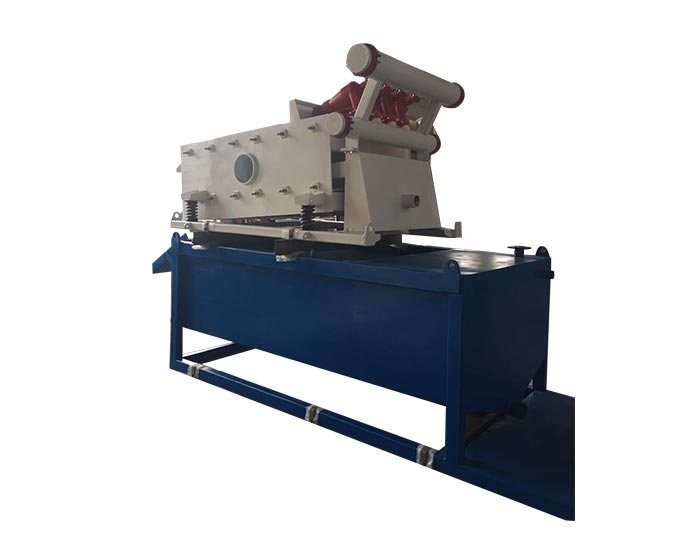
To resolve these legacy issues, premium manufacturers are utilizing aerospace-grade finite element analysis to identify stress points across the shaker basket before a single piece of steel is cut. Traditional coil springs are rapidly being replaced by advanced polyurethane isolators or integrated pneumatic bellows, which provide a significantly smoother vibration profile and prevent destructive harmonic frequencies from echoing back into the rig structure. Additionally, by introducing modular deck configurations, manufacturers allow drilling contractors to switch between linear, elliptical, and balanced elliptical motion profiles with the flip of a switch, ensuring the machinery can be optimized for shifting drilling speeds and cutting sizes.
Strategic Integration within the Global Solids Control Company Ecosystem
As drilling logistics grow more complex, exploration operators are re-evaluating how they procure and manage their surface equipment. Rather than purchasing disparate mechanical components from scattered vendors, the industry is relying heavily on the comprehensive engineering capabilities of a dedicated solids control company. These specialized enterprises handle the entire life cycle of surface fluid management, ensuring that every piece of machinery on the suction tanks works in absolute mechanical harmony.
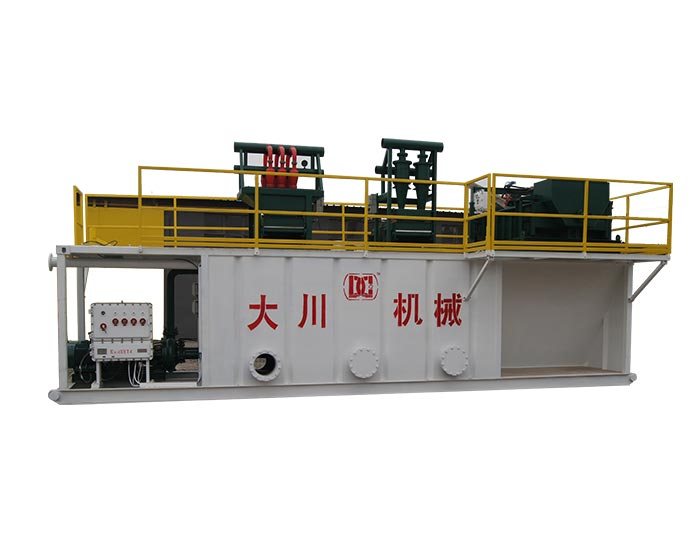
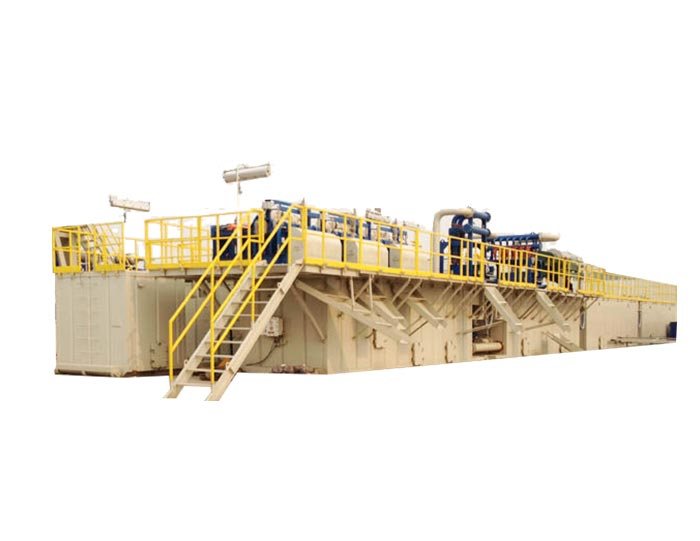
When a single specialized enterprise oversees the equipment layout, the primary separation unit is no longer treated as an isolated machine. Instead, it is structurally and digitally integrated into the broader fluid recycling loop. The positioning of the shakers relative to the flowline, the integration of under-flow mud hoppers, and the alignment of downstream vacuum degassing systems are all calculated as a unified workflow. This macro-level engineering approach ensures that fluid transitions between different purification phases occur with minimal turbulence, preventing the premature degradation of expensive chemical polymers and optimizing the footprint of the entire surface rig layout.
The Operational Imperial of Precision Solids Control in High-Stakes Drilling
The economic viability of modern well construction depends heavily on a concept known as precision solids control. This operational philosophy dictates that mud maintenance must be handled with microscopic accuracy, discarding destructive formation silts while preserving expensive weighting agents like barite. Achieving this delicate separation threshold requires an uncompromised commitment to maintaining the exact fluid-solid boundary layer across the vibrating screen surface.
If a separation system operates with erratic vibration or improper deck inclination, the boundary layer breaks down, leading to immediate operational failure. Under-vibration causes the dense mud pool to overwhelm the screen deck, resulting in the accidental discharge of expensive liquid chemicals into the waste pit. Over-vibration, on the other hand, can pulverize fragile shale cuttings into ultra-fine particles that are too small for standard mechanical mesh to catch. Modern smart design trends solve this by embedding real-time acoustic and laser sensors into the shaker basket, allowing the machine to continuously calculate fluid depth and instantly adjust both the deck tilt and motor frequency to maintain peak separation efficiency without human intervention.
Synchronizing Advanced Primary Separation with Complex Solids Control Systems
The true measure of a primary filtration unit’s success is its ability to protect and enhance the performance of the entire multi-tiered solids control systems array. Surface fluid reclamation is a sequential process, relying on a chain of machines that target increasingly finer contaminants. The primary shaker occupies the critical anchor position at the absolute beginning of this processing pipeline, bearing the full force of the unconditioned wellbore return slurry.
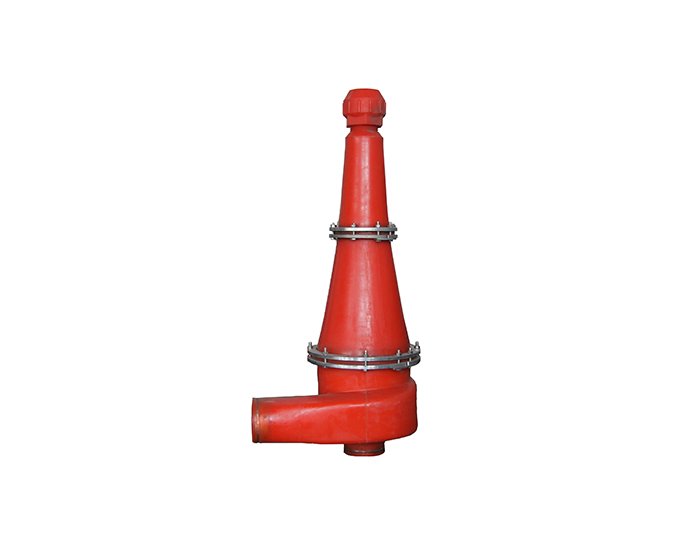
When primary filtration units fail to perform optimally due to outdated architecture or torn screen mesh, a destructive domino effect ripples through the entire processing line. Downstream assets like hydrocyclones, desanders, and high-speed decanter centrifuges possess incredibly tight internal tolerances and are engineered exclusively to process fine particle suspensions. If oversized drill fragments and sharp sands bypass a poorly calibrated shaker deck, they cause immediate plugging in hydrocyclone nozzles and trigger catastrophic abrasive erosion on the high-speed internal scrolls of centrifuges. Ensuring a robust, highly optimized primary separation phase is therefore the single most effective way to safeguard the mechanical integrity and operational uptime of the entire surface investment.

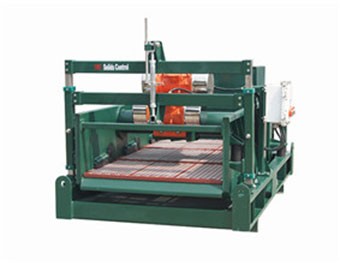 Linear Motion Shale Shaker In Drilling Rig
 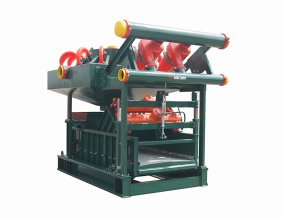 Oilfield Mud Cleaner
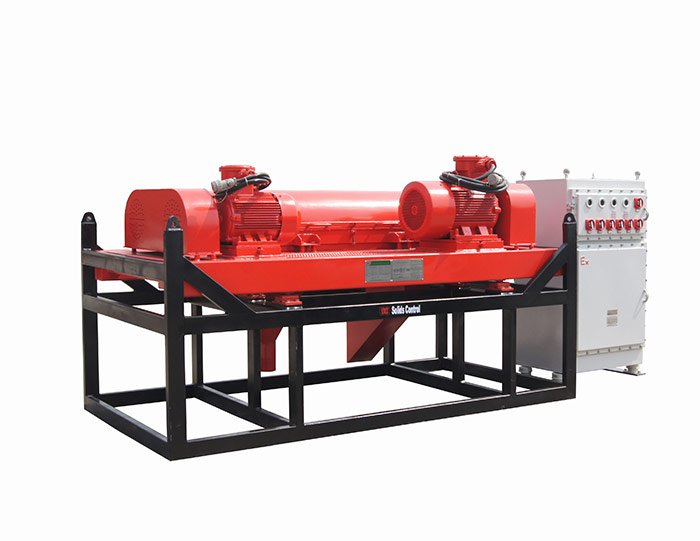
 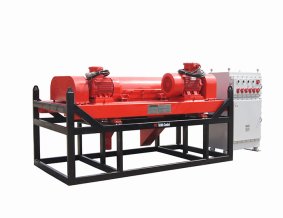 Drilling Fluid Decanter Centrifuge
 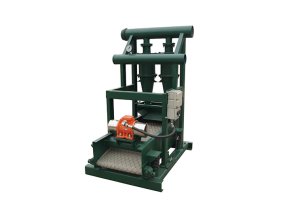 Drilling Mud Desander
 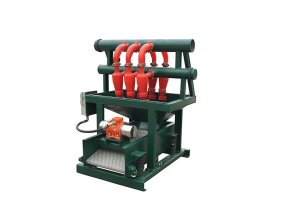 Hydrocyclone Desilter
 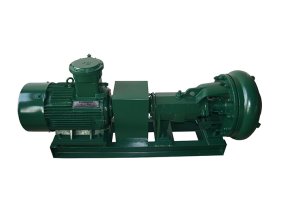 Centrifugal Pump/Centrifugal Mud Pump
 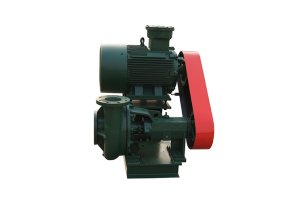 Shear Pump
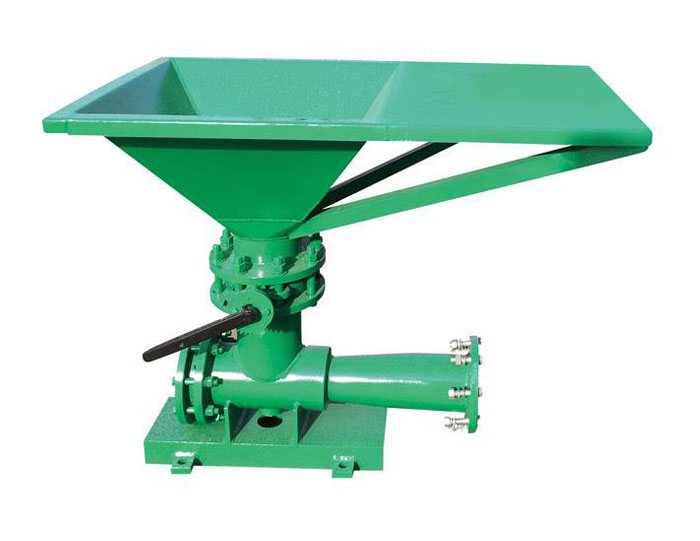
 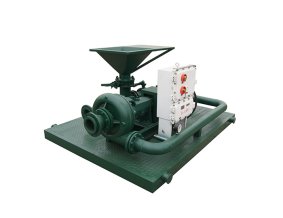 Jet Mud Mixer
 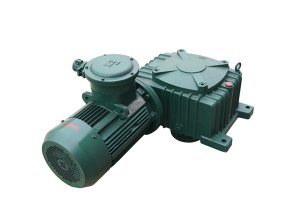 Horizontal Mud Agitator
 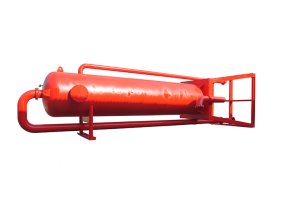 Constant Pressure Drilling Fluid Mud Gas Separator
 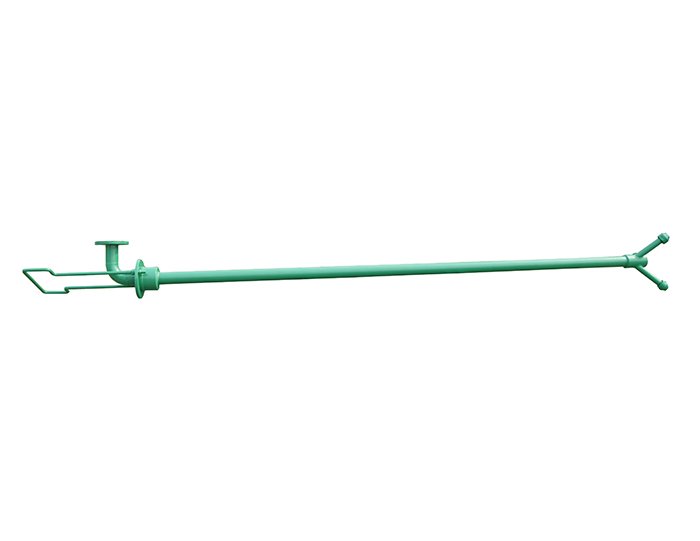 Mud Gun
  Mud Tank
 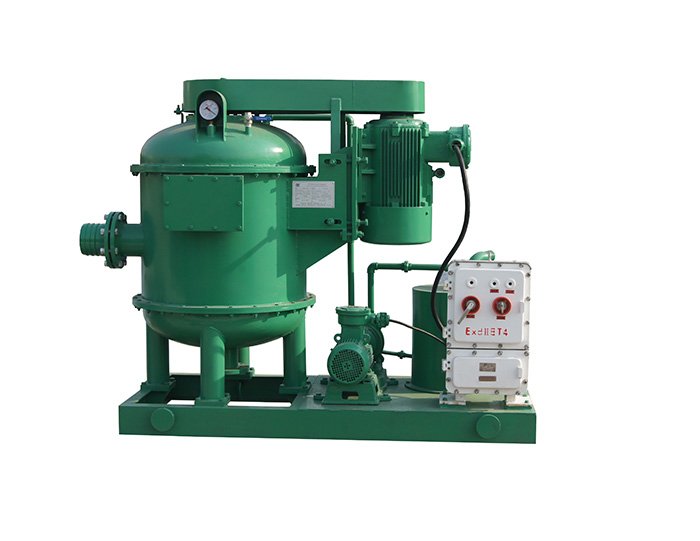 Solids Control System Vacuum Degasser
 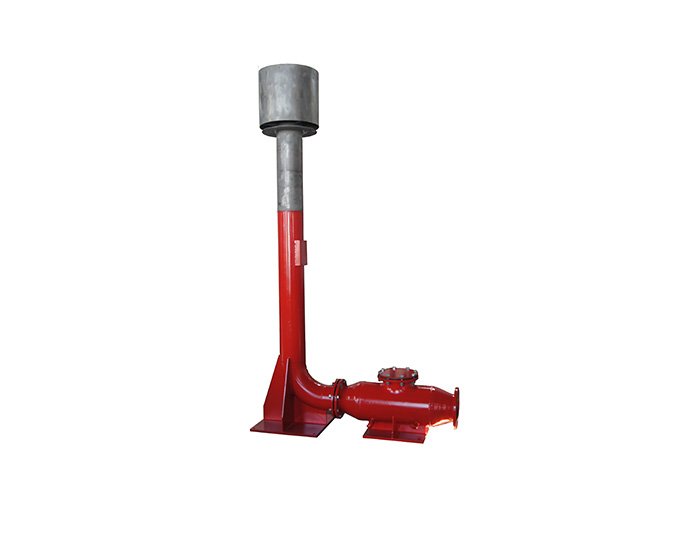 Flare Ignition Device
 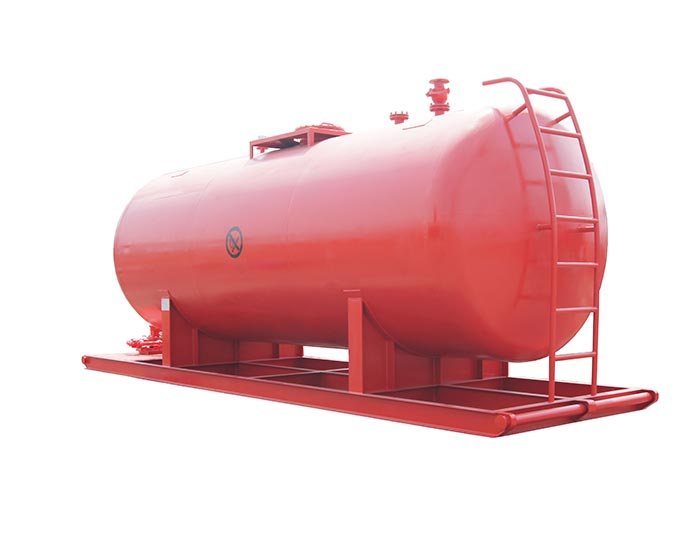 Diesel Tank
 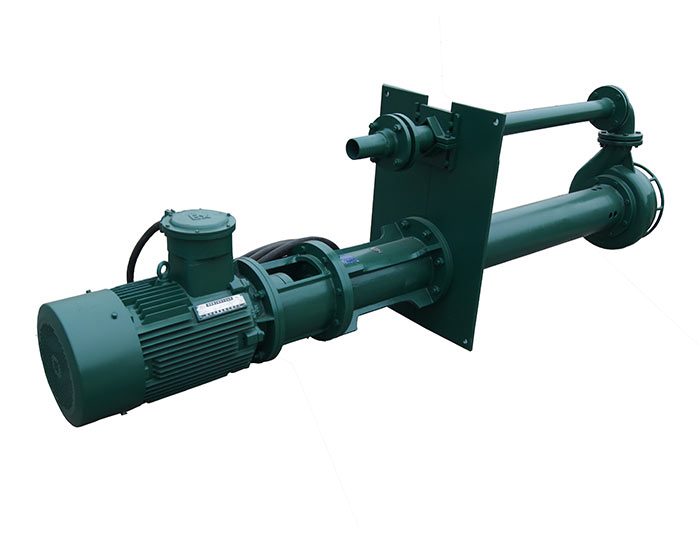 Submersible Slurry Pump