The success of modern oilfield operations depends heavily on the efficiency and reliability of drilling fluid management systems. As drilling projects become more complex and operators face increasing demands for safety, environmental compliance, and operational efficiency, every component within the fluid treatment process plays an important role. Among these components, mud gas separator or degasser equipment stands out as a critical solution for maintaining drilling fluid quality and ensuring stable drilling performance.
Gas intrusion is a common challenge during drilling operations. Formation gas entering the drilling fluid system can alter mud properties, affect pressure control, and reduce the effectiveness of downstream treatment equipment. Without proper gas removal, drilling operations may experience reduced efficiency and increased operational risks. This is why advanced gas separation technology has become an indispensable part of modern drilling fluid processing systems.
Today’s oilfield operators recognize that effective gas removal is not simply a supporting function. It is a key factor that directly influences drilling performance, equipment longevity, fluid recovery efficiency, and overall project success.
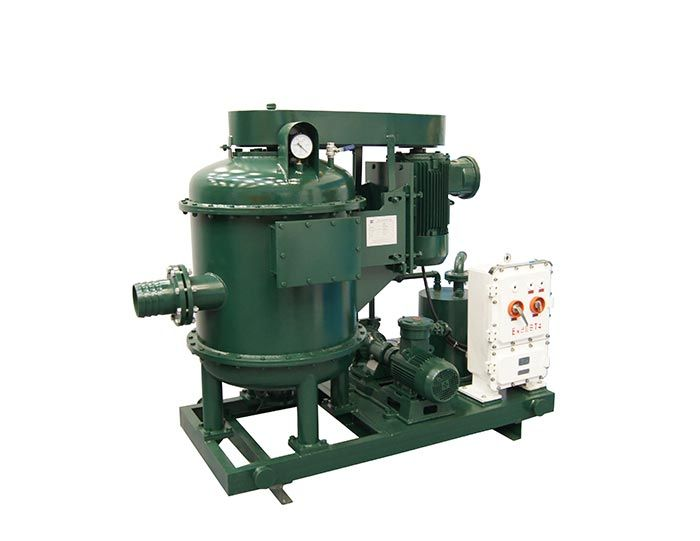
The Critical Role of Mud Gas Separator or Degasser Technology
During drilling activities, gas can become entrained within the circulating drilling fluid. As the fluid returns to the surface, this trapped gas creates challenges that affect both drilling performance and fluid treatment efficiency. The primary objective of a mud gas separator or degasser is to remove these unwanted gases before the drilling fluid continues through the solids control process.
Gas contamination can significantly alter the density and flow characteristics of drilling mud. When these properties change unexpectedly, operators may face difficulties maintaining well control and achieving consistent drilling performance. By removing gas at an early stage, the mud gas separator or degasser helps restore fluid stability and supports smoother drilling operations.
Modern degassing systems are designed to handle varying levels of gas contamination while maintaining continuous processing efficiency. Improved engineering designs allow these systems to operate effectively under demanding oilfield conditions, ensuring that drilling fluids remain suitable for reuse and recirculation.
As drilling projects continue to explore deeper and more technically challenging formations, reliable gas removal equipment becomes increasingly important. Effective degassing contributes directly to safer operations and improved drilling efficiency.
How a Degasser Tank Improves Drilling Fluid Quality
The performance of any drilling fluid treatment system depends largely on the condition of the fluid entering the process. A properly designed degasser tank provides a controlled environment where entrained gas can be separated from drilling mud before further treatment occurs.
The effectiveness of a degasser tank extends beyond basic gas removal. By reducing gas content within the fluid, the system helps stabilize mud density and improve the performance of downstream processing equipment. This stabilization allows solids separation devices to operate more efficiently and contributes to improved fluid recovery rates.
Modern degasser tank designs often incorporate advanced vacuum technologies and optimized internal structures that enhance separation efficiency. These innovations help maximize gas removal while minimizing energy consumption and operational complexity.
In addition to improving fluid quality, a well-designed degasser tank helps reduce wear on other equipment within the solids control system. Cleaner and more stable drilling fluids place less stress on pumps, centrifuges, and separation equipment, contributing to longer service life and reduced maintenance requirements.
The growing emphasis on operational efficiency has encouraged manufacturers to continuously improve degasser tank performance, making these systems an increasingly valuable asset in modern oilfield operations.
Why Drilling Mud Degasser Systems Support Well Control and Safety
Maintaining proper well control remains one of the most important priorities in any drilling project. Gas-contaminated drilling fluids can create pressure management challenges that may compromise drilling safety and operational stability.
A high-performance drilling mud degasser helps mitigate these risks by removing gas before it accumulates within the circulating fluid system. By maintaining more consistent mud properties, the drilling mud degasser supports accurate pressure control and reduces the likelihood of unexpected fluid behavior.
The importance of a drilling mud degasser becomes particularly evident when drilling through gas-bearing formations. In such environments, effective gas removal can significantly improve the ability of operators to maintain stable drilling conditions and respond effectively to changing downhole circumstances.
Modern drilling operations often rely on integrated fluid management systems that combine degassing technology with other solids control equipment. Within these systems, the drilling mud degasser serves as a vital first-stage treatment component that enhances the performance of subsequent separation processes.
As industry standards continue to emphasize safety and risk reduction, the role of advanced drilling mud degassing technology will remain essential for achieving reliable and efficient drilling operations.
Advancing Solids Control Oilfield Performance Through Effective Gas Removal
The effectiveness of any solids control oilfield operation depends on the ability to maintain drilling fluid quality throughout the drilling process. Gas contamination can interfere with solids separation efficiency, making it more difficult to remove unwanted particles and recover valuable drilling fluids.
By eliminating entrained gas early in the treatment process, degassing equipment creates favorable conditions for downstream solids control operations. This improvement allows separation equipment to achieve greater efficiency and contributes to more consistent fluid quality.
Modern solids control oilfield systems are designed to maximize fluid recovery while minimizing waste generation. Effective gas removal supports these objectives by improving overall system performance and reducing the need for excessive fluid replacement.
The relationship between degassing technology and solids control performance continues to strengthen as drilling projects become more complex. Operators increasingly recognize that gas removal is not an isolated process but an integral part of comprehensive drilling fluid management strategies.
Within a modern solids control oilfield environment, every stage of fluid treatment contributes to operational success. Degassing systems play a foundational role by ensuring that drilling fluids enter subsequent treatment stages in optimal condition.
The Evolution of Solid Control Equipment in Modern Oilfields
Technological innovation has transformed the capabilities of modern solid control equipment. What were once relatively simple mechanical systems have evolved into sophisticated solutions that combine advanced engineering, automation, and intelligent monitoring technologies.
Today's solid control equipment is designed to address a wide range of operational challenges while supporting higher levels of efficiency and reliability. Manufacturers are increasingly focused on developing equipment that can adapt to changing drilling conditions and deliver consistent performance across diverse applications.
Degassing systems have benefited significantly from these technological advancements. Modern units feature improved vacuum generation technologies, enhanced separation mechanisms, and integrated control systems that allow operators to monitor performance in real time.
The integration of digital technologies into solid control equipment has further improved operational visibility and decision-making capabilities. Real-time monitoring systems enable operators to identify performance trends, optimize equipment settings, and address potential issues before they impact operations.
As the industry moves toward greater automation and data-driven management, intelligent solid control equipment will continue to play a central role in improving drilling efficiency and reducing operational risks.

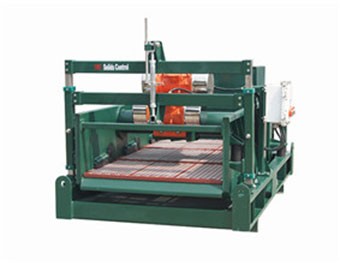 Linear Motion Shale Shaker In Drilling Rig
 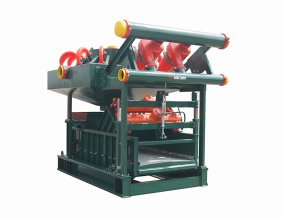 Oilfield Mud Cleaner
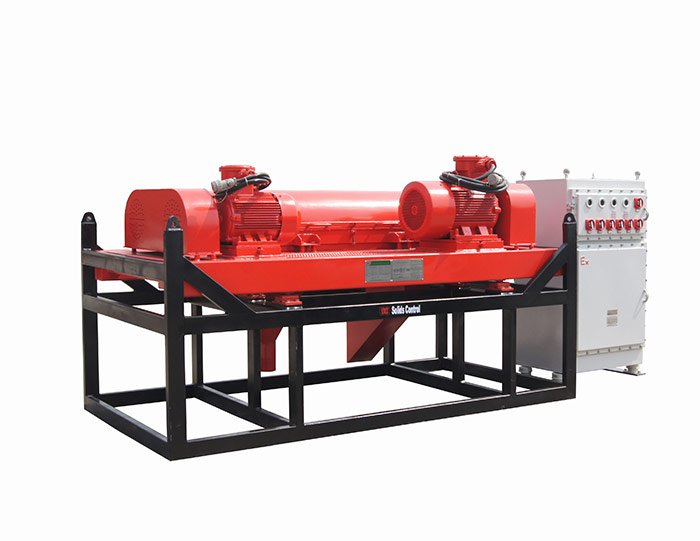
 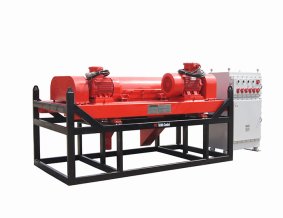 Drilling Fluid Decanter Centrifuge
 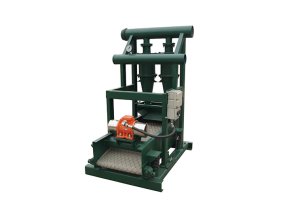 Drilling Mud Desander
 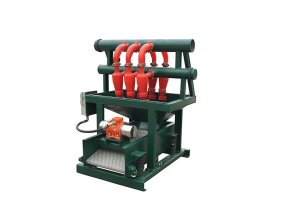 Hydrocyclone Desilter
 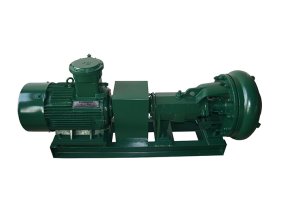 Centrifugal Pump/Centrifugal Mud Pump
 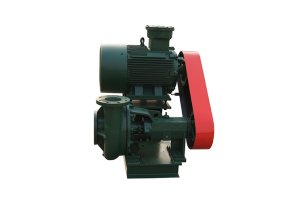 Shear Pump
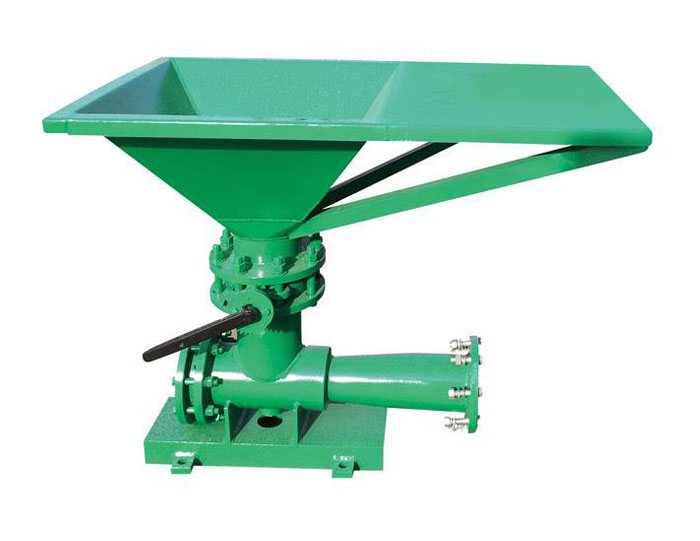
 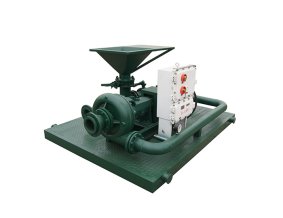 Jet Mud Mixer
 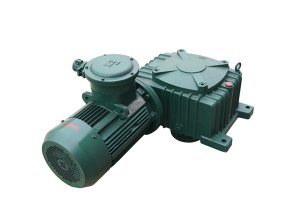 Horizontal Mud Agitator
 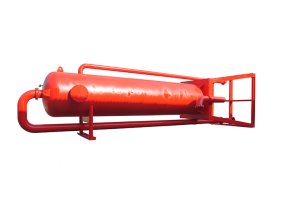 Constant Pressure Drilling Fluid Mud Gas Separator
 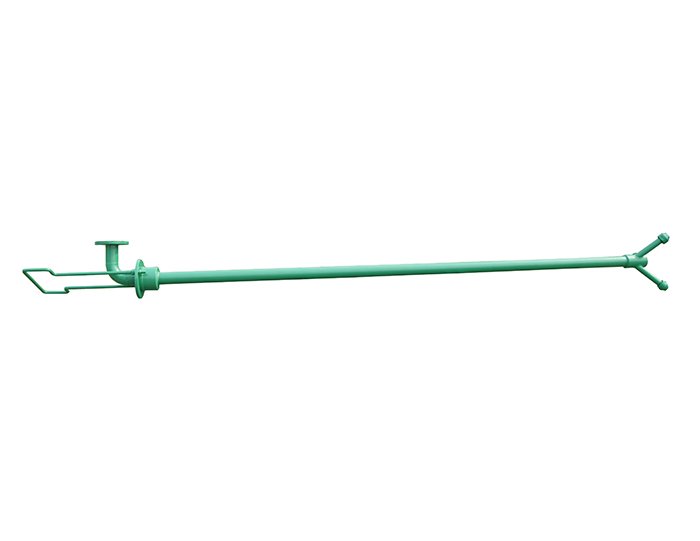 Mud Gun
  Mud Tank
 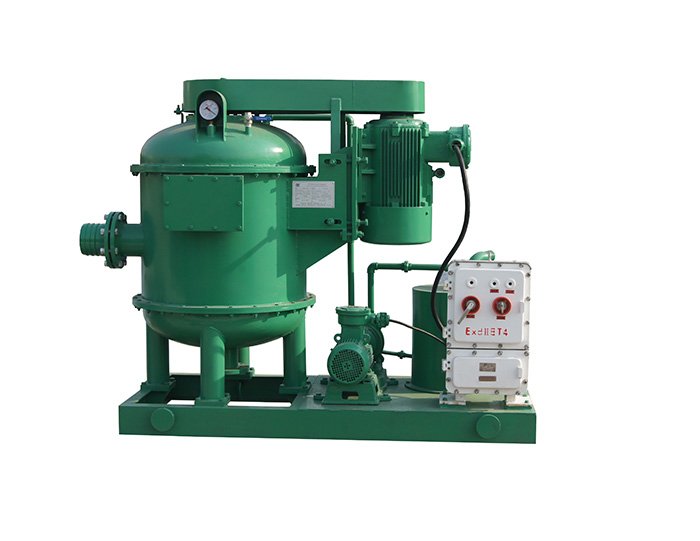 Solids Control System Vacuum Degasser
 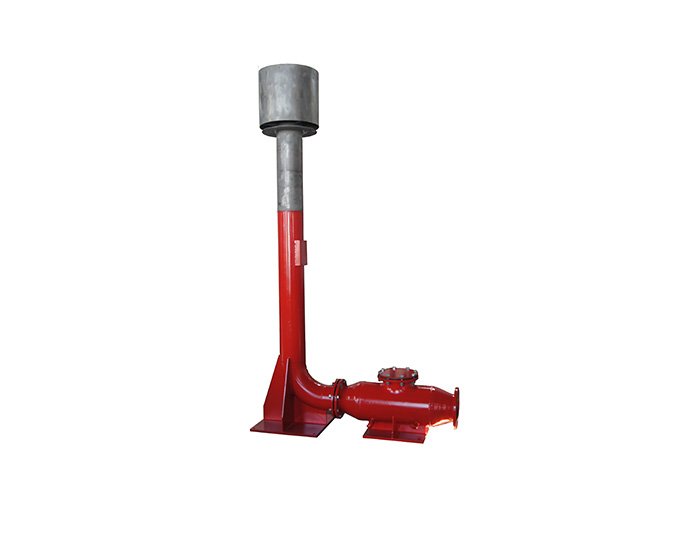 Flare Ignition Device
 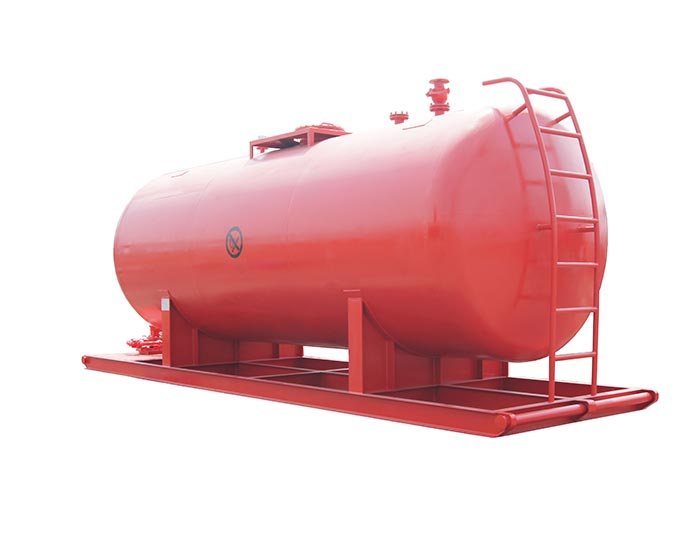 Diesel Tank
 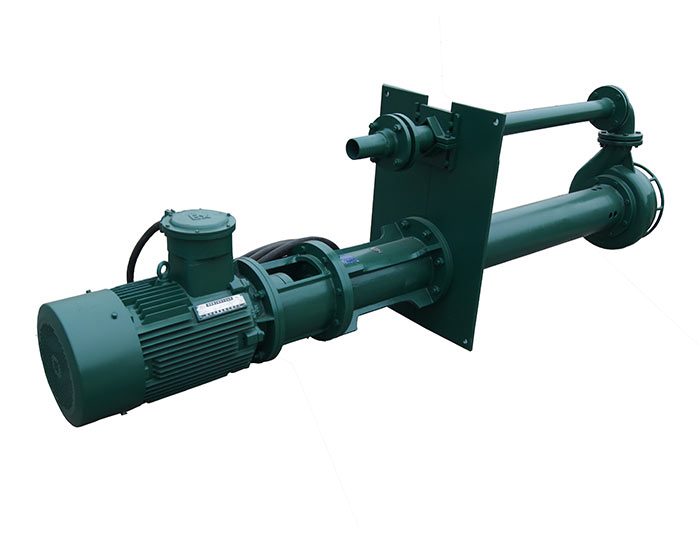 Submersible Slurry Pump