The success of any drilling operation depends on the effective management of drilling fluids. These fluids serve multiple critical functions, including transporting cuttings to the surface, maintaining wellbore stability, controlling formation pressure, and cooling drilling tools. However, drilling fluids can only perform efficiently when contaminants are continuously removed from the circulation system. This is where the relationship between shale shakers and drilling fluid systems becomes essential.
In modern drilling operations, shale shakers represent the first and most important stage of solids removal. Their performance directly influences the condition of the drilling fluid and affects the efficiency of every downstream treatment process. Rather than functioning as independent pieces of equipment, shale shakers and fluid management systems operate as an integrated solution designed to maintain drilling efficiency, protect equipment, and reduce operational costs.
As drilling projects become increasingly complex, understanding the interaction between solids control equipment and drilling fluid management has become more important than ever. The ability to maintain clean and reusable drilling fluids can significantly influence both drilling performance and project profitability.
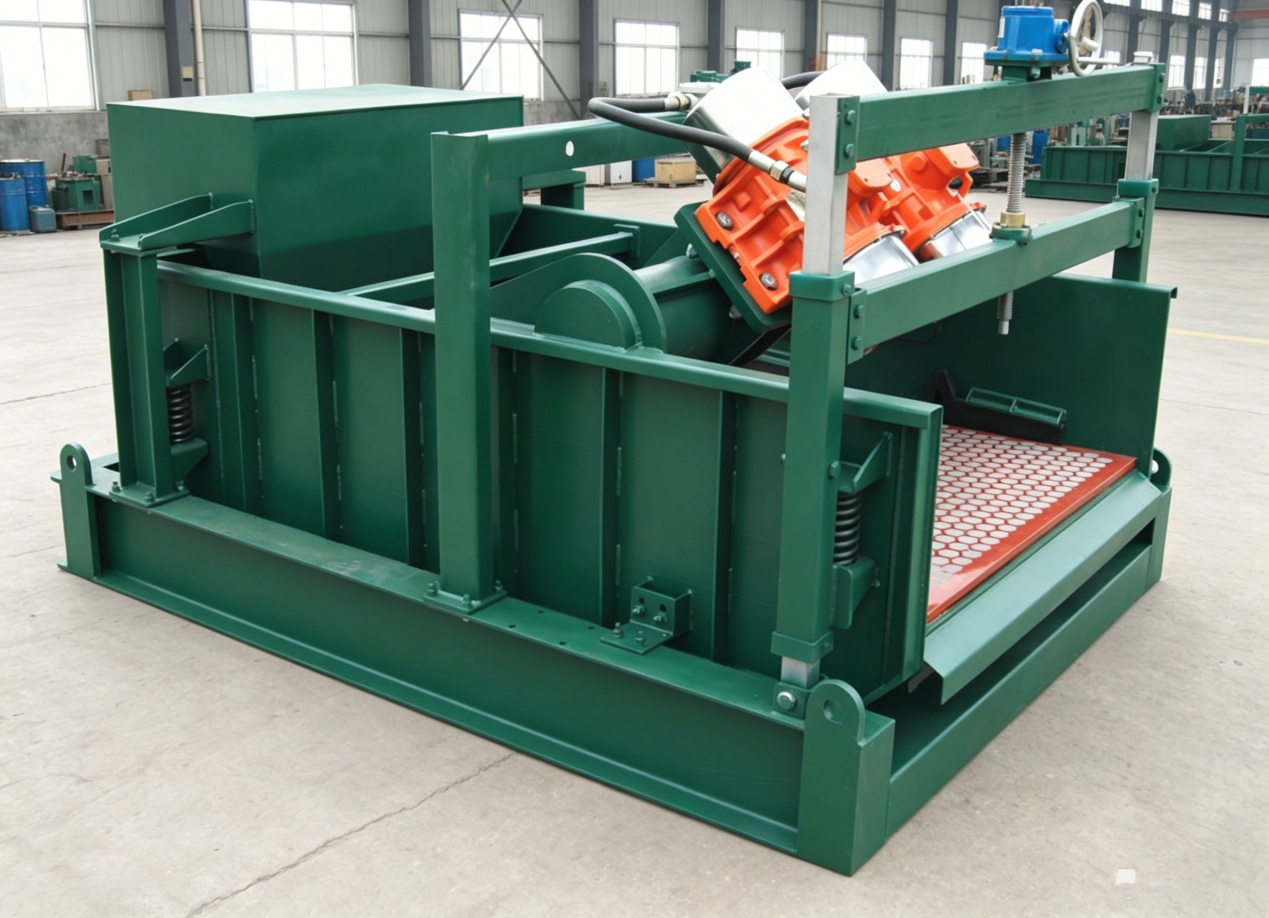
The Connection Between Shale Shakers and Drilling Fluid Systems
The relationship between shale shakers and drilling fluid systems begins the moment drilling fluid returns from the wellbore carrying drilled cuttings and formation debris. Before the fluid can be recirculated, unwanted solids must be removed to prevent contamination and maintain optimal fluid properties.
Shale shakers serve as the first processing stage within the fluid treatment sequence. Their primary role is to separate larger solids from the returning drilling mud while allowing valuable fluid to pass through the screen for further treatment and reuse.
Without effective interaction between shale shakers and drilling fluid systems, solids can accumulate within the circulating mud, leading to changes in density, viscosity, and overall fluid performance. These changes may negatively affect drilling efficiency, increase equipment wear, and contribute to higher operational costs.
Modern drilling operations depend on maintaining a continuous balance between solids removal and fluid preservation. Shale shakers support this objective by creating a cleaner fluid stream that can move efficiently through subsequent treatment stages while retaining valuable drilling fluid components.
As drilling environments become more demanding, the importance of this integrated relationship continues to grow across the global oil and gas industry.
Why the Drilling Fluid Shale Shaker Is the First Line of Defense
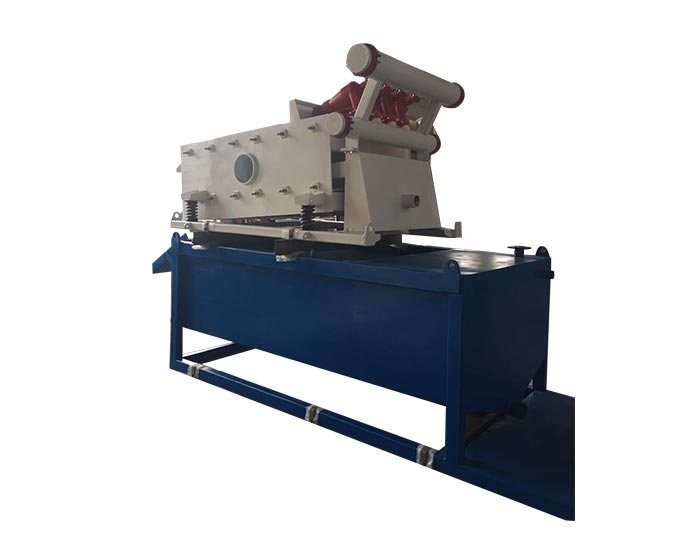
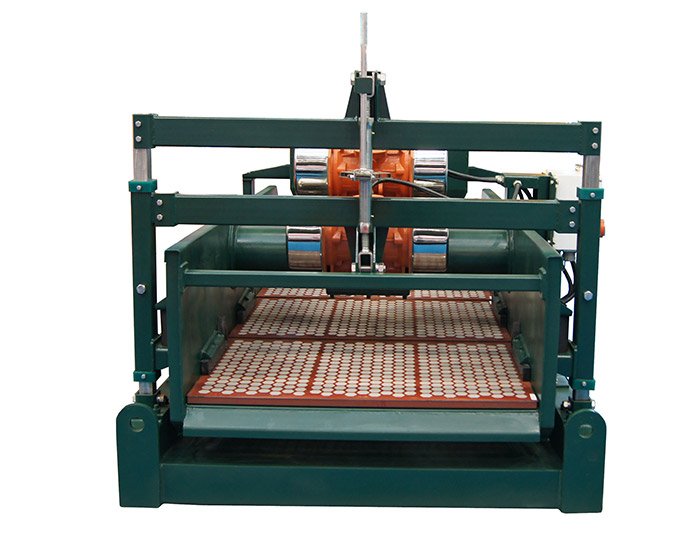
The drilling fluid shale shaker occupies a unique position within the solids control process. As the initial separation stage, its performance directly affects every component that follows within the fluid treatment system.
When drilling fluid reaches the surface, it often contains varying concentrations of drilled solids. The drilling fluid shale shaker removes these larger particles before the fluid proceeds to additional treatment equipment such as desanders, desilters, and centrifuges.
The efficiency of a drilling fluid shale shaker influences the workload placed on downstream equipment. When the shaker performs effectively, subsequent treatment stages can focus on finer particle removal rather than handling excessive volumes of larger solids. This improves overall system efficiency and helps extend equipment lifespan.
Advancements in screen technology, vibration systems, and equipment design have significantly enhanced the capabilities of the modern drilling fluid shale shaker. Today's systems provide improved fluid recovery and more efficient solids removal, supporting better drilling fluid management throughout the operation.
As drilling projects demand greater productivity and cost control, the importance of maintaining high shaker performance remains a key factor in overall operational success.
The Role of Drilling Solids Control in Fluid Quality Management
Maintaining drilling fluid quality is impossible without effective drilling solids control. Solids introduced during drilling can gradually alter fluid properties and reduce its ability to perform essential operational functions.
Effective drilling solids control focuses on removing unwanted particles while preserving valuable drilling fluid. This process helps maintain stable fluid characteristics, improve drilling performance, and reduce the need for excessive fluid replacement.
The interaction between shale shakers and drilling fluid systems forms the foundation of successful solids control strategies. By removing a significant portion of drilled solids at the earliest stage, shale shakers help create favorable conditions for downstream processing equipment.
Modern drilling solids control practices are increasingly focused on maximizing fluid recovery and minimizing waste generation. Operators seek solutions that improve efficiency while supporting environmental objectives and reducing disposal requirements.
As the industry moves toward more sustainable drilling practices, the role of drilling solids control continues to expand beyond traditional fluid treatment. It has become a critical component of operational efficiency and resource management.
How a Solids Control System Factory Supports Equipment Integration
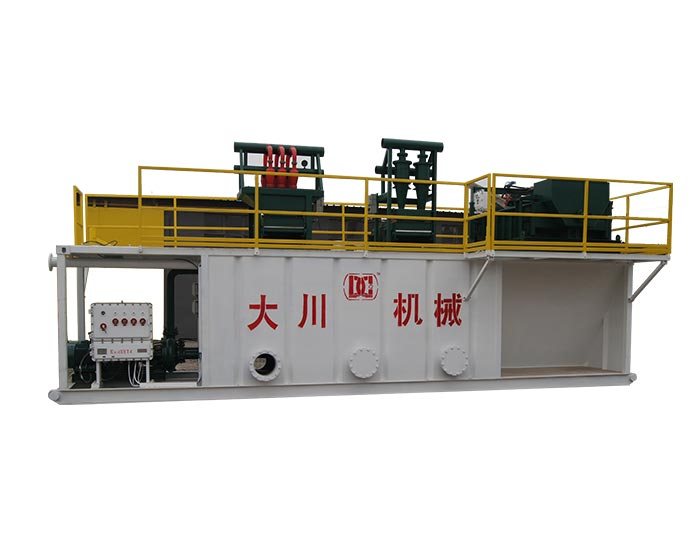
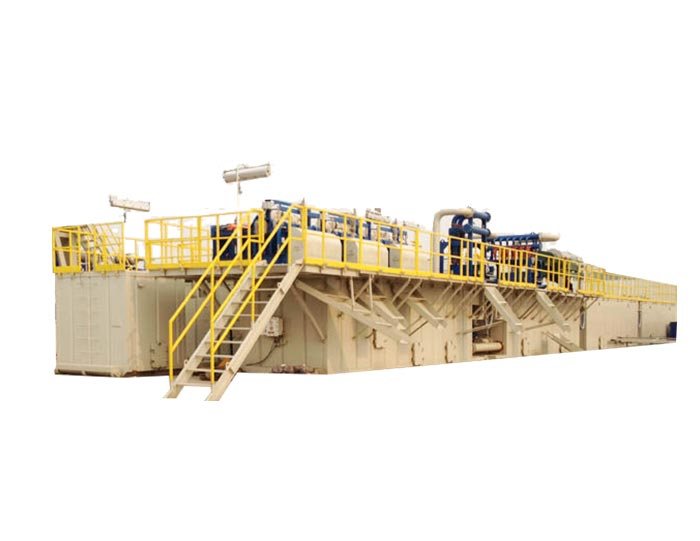
The effectiveness of a fluid treatment system often depends on how well individual components work together. A professional solids control system factory plays an important role in designing and manufacturing integrated solutions that maximize operational performance.
Rather than viewing shale shakers as standalone products, a modern solids control system factory develops complete systems where each piece of equipment supports the overall treatment process. This integrated approach improves fluid quality management and enhances overall system efficiency.
The design process begins with understanding the specific requirements of drilling operations. A solids control system factory considers factors such as drilling fluid characteristics, expected solids loading, operational capacity requirements, and environmental conditions when developing system configurations.
By ensuring proper compatibility between shale shakers and other treatment equipment, manufacturers help operators achieve smoother fluid processing and more reliable performance. Well-integrated systems also reduce maintenance requirements and improve equipment longevity.
As drilling operations become increasingly sophisticated, the expertise provided by a solids control system factory becomes a valuable resource for achieving long-term operational success.
Why Solid Controls Influence Overall Drilling Performance
The concept of solid controls extends beyond the simple removal of drilled cuttings. It encompasses the entire process of managing solids contamination to preserve drilling fluid quality and maintain operational efficiency.
Effective solid controls help ensure that drilling fluids retain the properties necessary for successful drilling operations. Cleaner fluids improve hole cleaning performance, support pressure management, and reduce wear on critical equipment.
The relationship between shale shakers and drilling fluid systems forms the foundation of comprehensive solid controls strategies. When solids removal occurs efficiently at the earliest stage, the entire treatment process becomes more effective.
Modern solid controls programs are designed to balance operational efficiency with cost management. By reducing fluid losses and minimizing equipment wear, operators can achieve significant long-term benefits throughout the drilling project.
As drilling technologies continue to evolve, the importance of advanced solid controls will remain central to maintaining competitive and efficient operations.

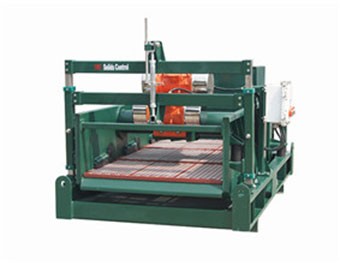 Linear Motion Shale Shaker In Drilling Rig
 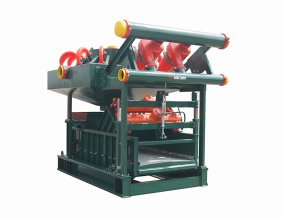 Oilfield Mud Cleaner
 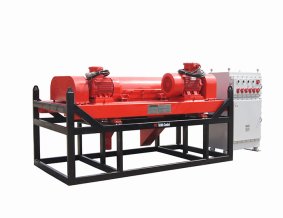 Drilling Fluid Decanter Centrifuge
 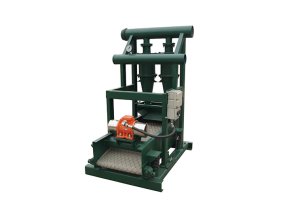 Drilling Mud Desander
 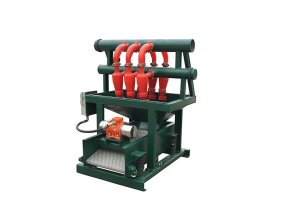 Hydrocyclone Desilter
 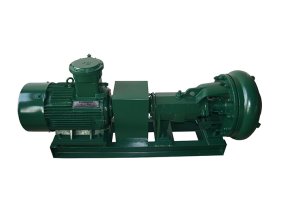 Centrifugal Pump/Centrifugal Mud Pump
 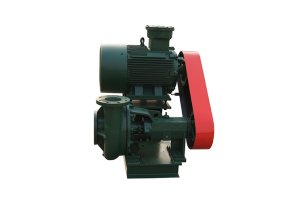 Shear Pump
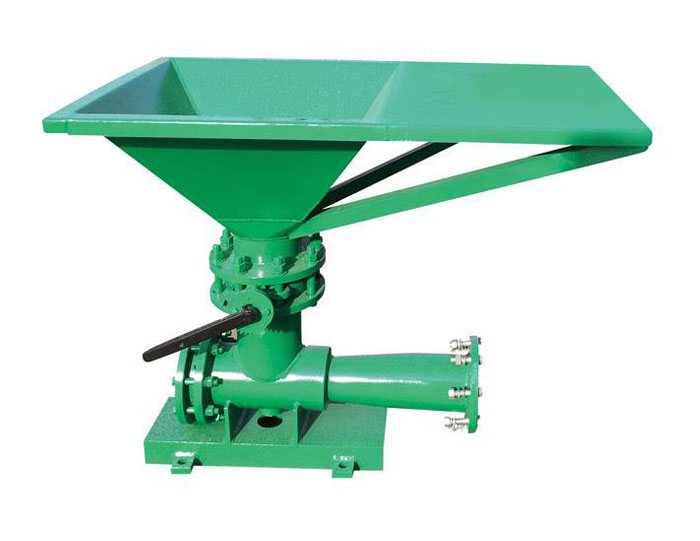
 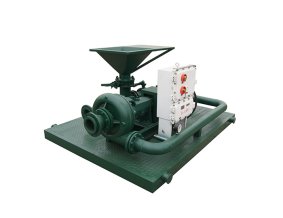 Jet Mud Mixer
 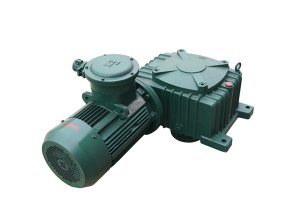 Horizontal Mud Agitator
 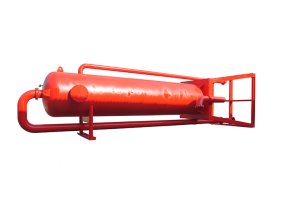 Constant Pressure Drilling Fluid Mud Gas Separator
 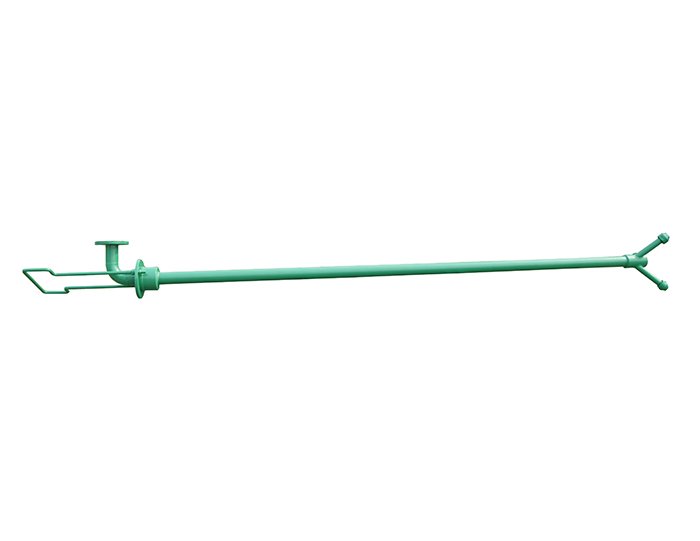 Mud Gun
  Mud Tank
 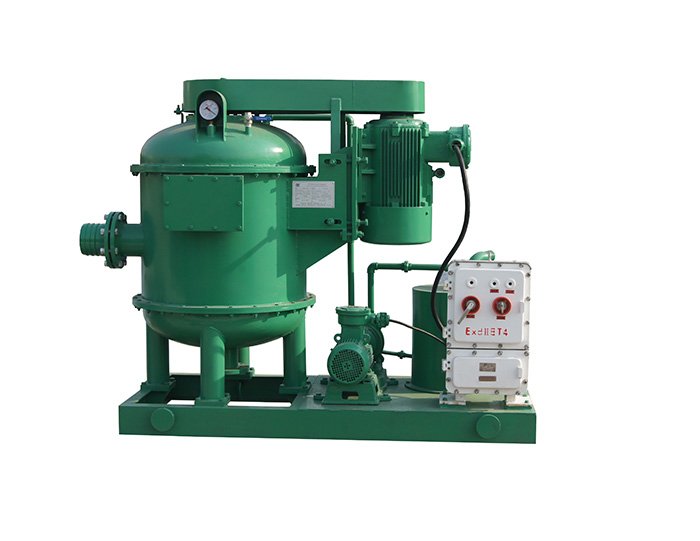 Solids Control System Vacuum Degasser
 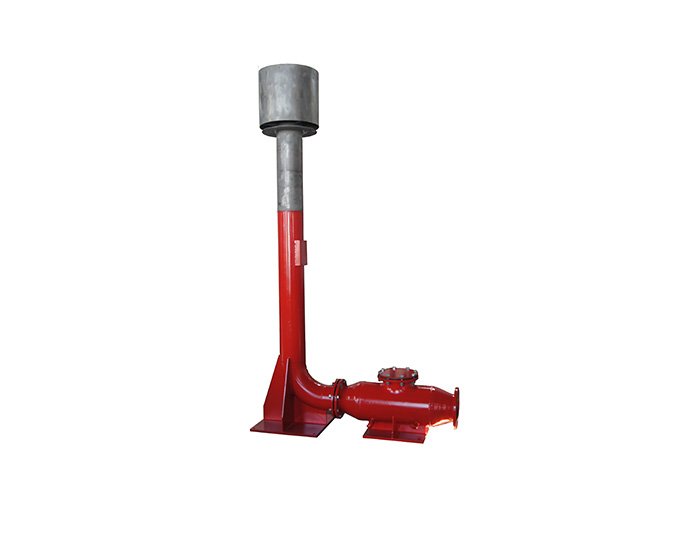 Flare Ignition Device
 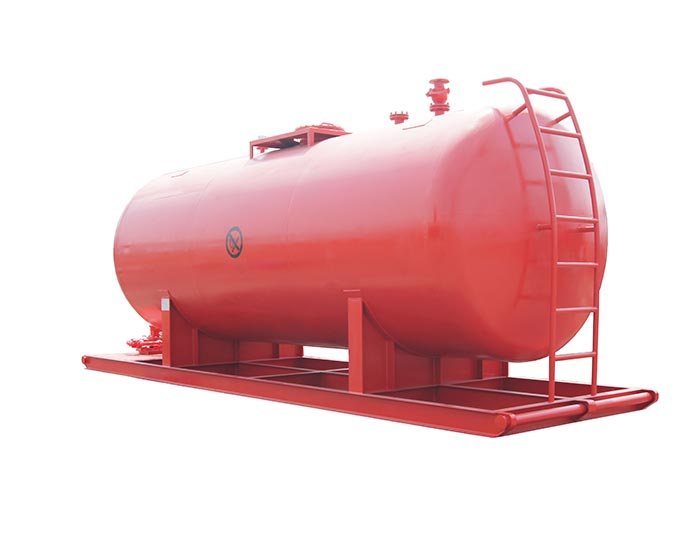 Diesel Tank
 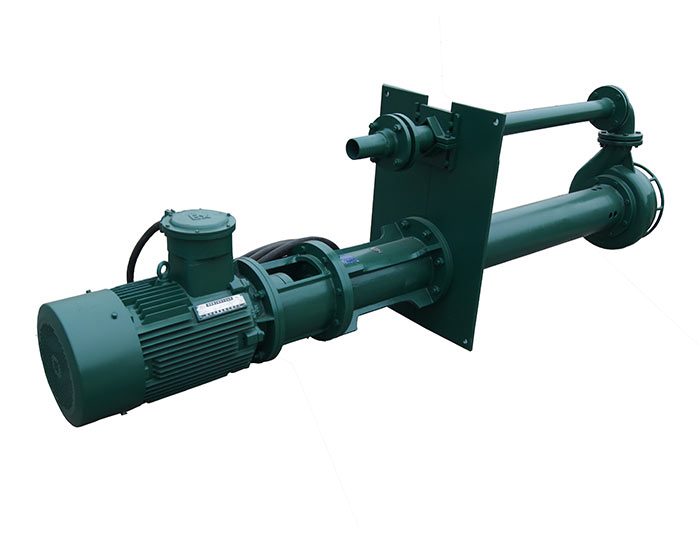 Submersible Slurry Pump