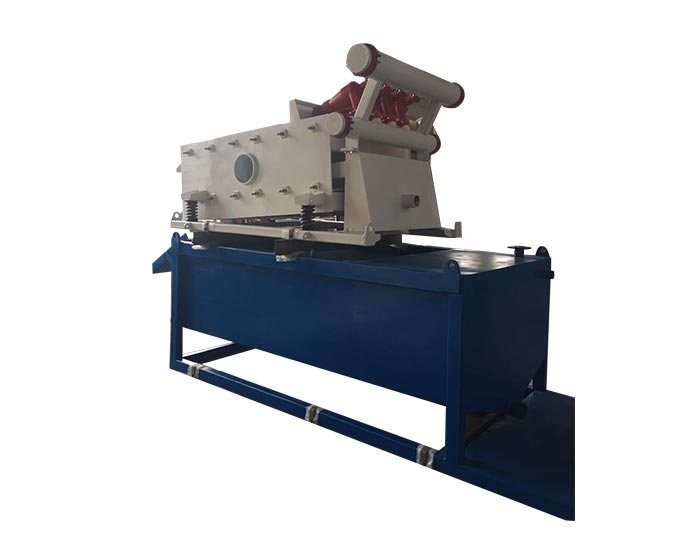
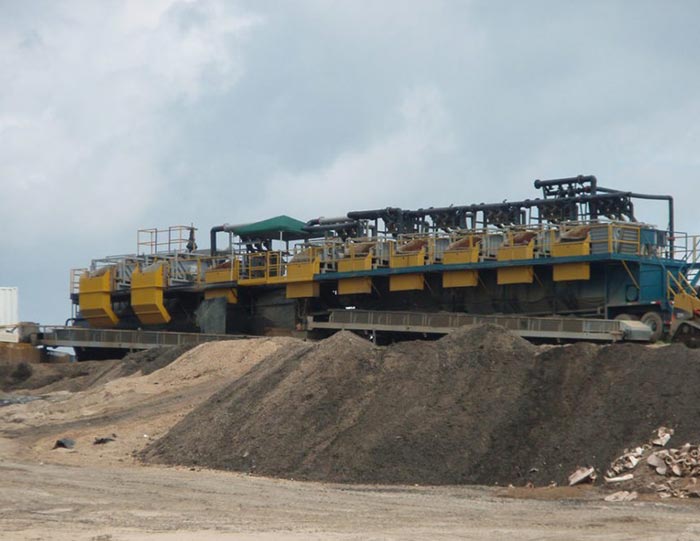
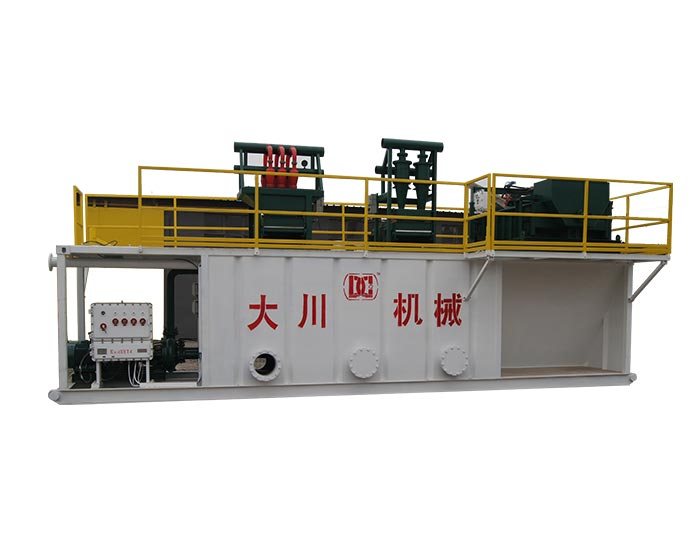
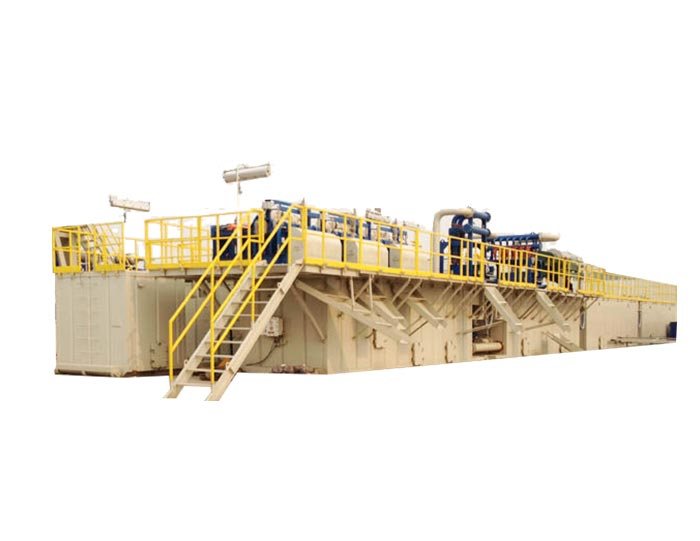
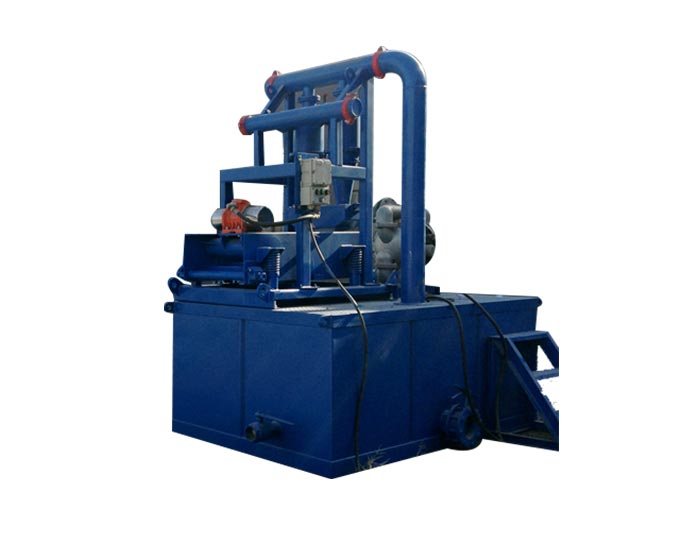
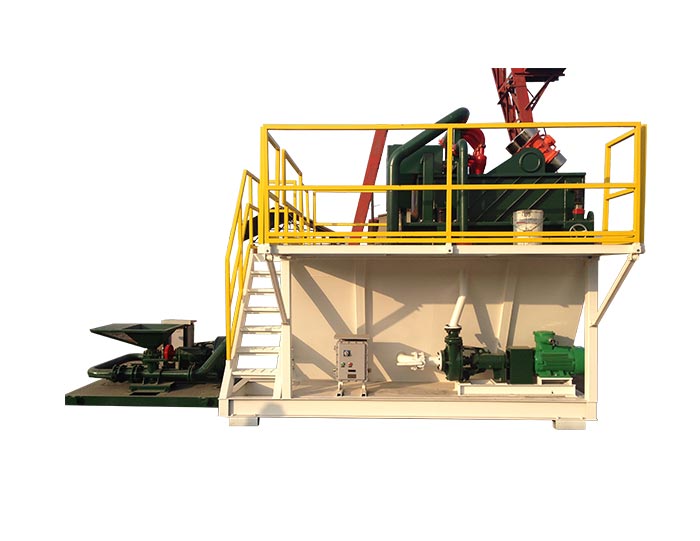
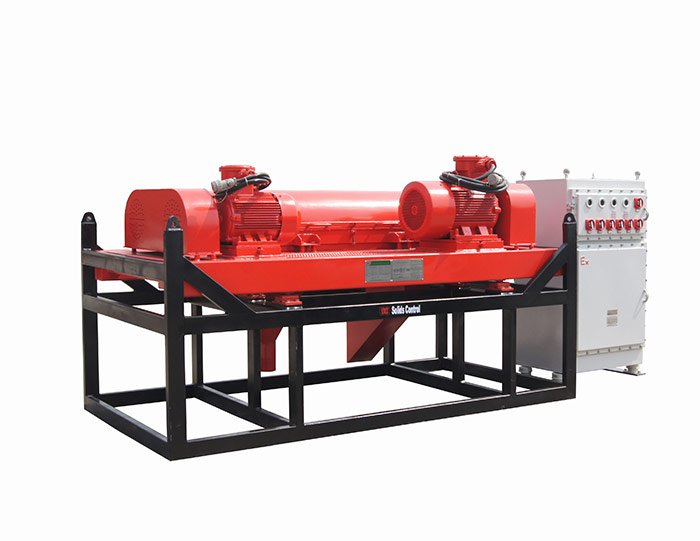
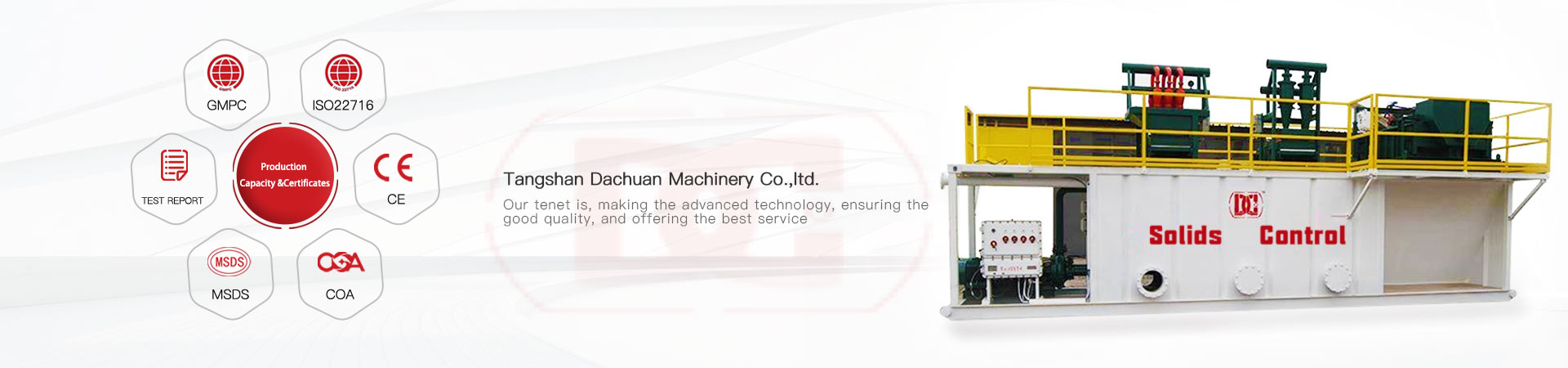
The global energy landscape demands that upstream exploration projects achieve an uncompromised balance between high mechanical penetration rates and rigorous environmental stewardship. As a borehole descends through thousands of feet of volatile subsurface structures, the drilling fluid circulating within the wellbore serves as the primary system for heat dissipation, hydrostatic stabilization, and downhole debris evacuation. However, as this expensive fluid returns to the surface, it carries an immense volume of destructive rock fragments and abrasive silt. Managing this contaminated slurry effectively requires the deployment of advanced solids control equipment drilling modules to continuously clean and stabilize the active fluid system.
Failing to isolate and extract these formation solids immediately upon surface arrival introduces severe structural and financial risks to a drilling campaign. If abrasive sand particles are allowed to recirculate downhole, they quickly erode the high-speed internal components of mud pumps, score the ceramic liners of directional drilling assemblies, and wear down the nozzles of the drill bit. Furthermore, an unconditioned mud system experiences rapid increases in plastic viscosity, which can trigger downhole differential sticking—a catastrophic event that can stall a multi-million-dollar project for days. Implementing a disciplined, automated surface separation workflow is therefore the single most effective strategy for mitigating these operational hazards while preserving the integrity of the primary capital asset.
Technical Performance Dynamics Across the Drilling Solids Control Spectrum
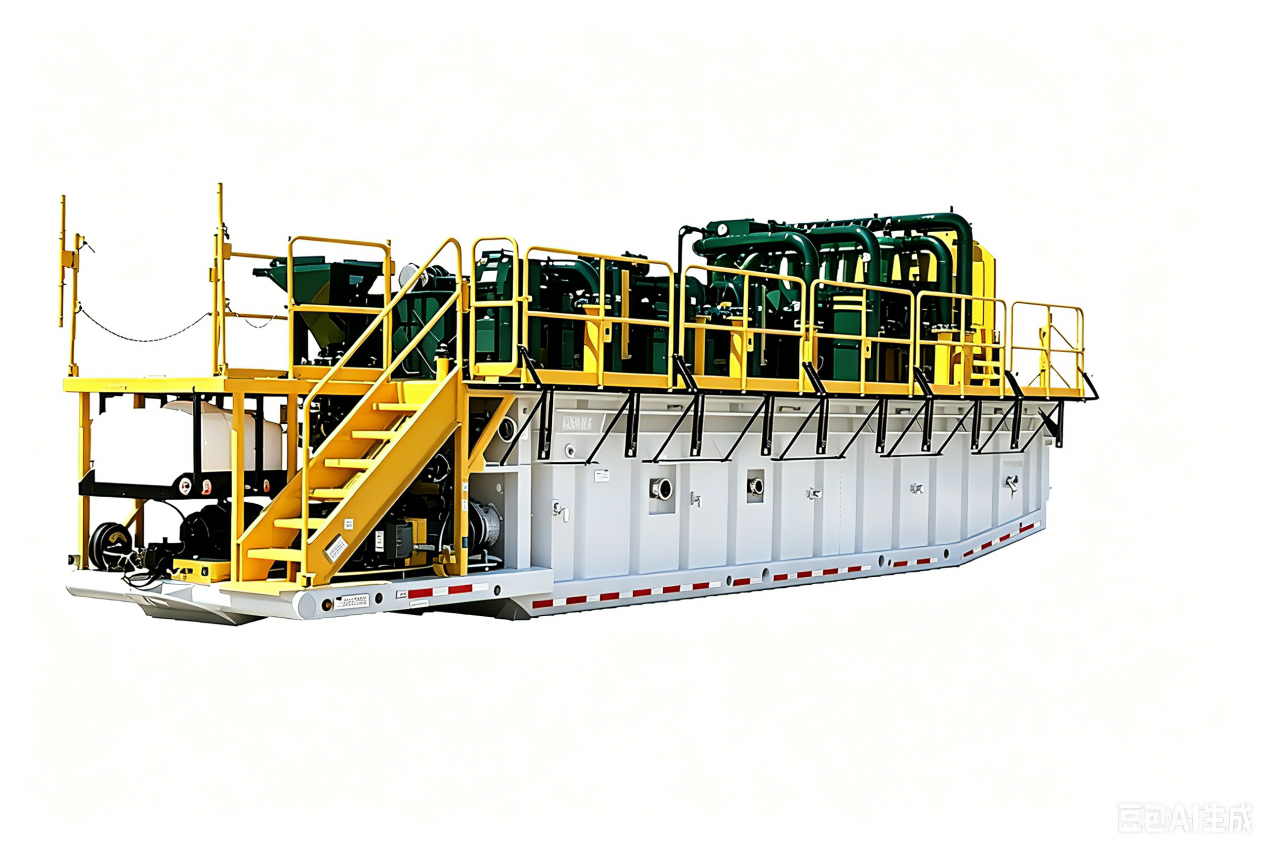
To fully appreciate how contemporary fluid management protects a rig site, one must understand the mechanical layers that define modern drilling solids control workflows. Surface fluid reclamation is structured as a sequential hierarchy of mechanical exclusions, where each machine targets a progressively smaller particle size. The entire system is engineered to handle massive fluid volumes under extreme variable surges, ensuring that no unconditioned mud bypasses the purification loop.
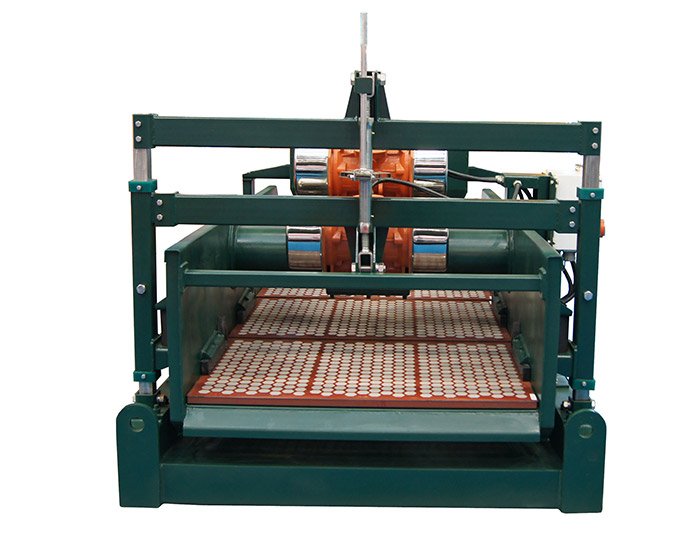
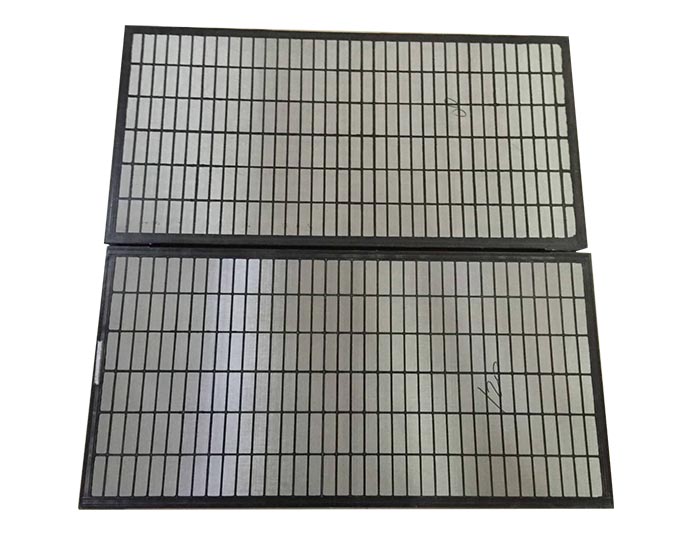
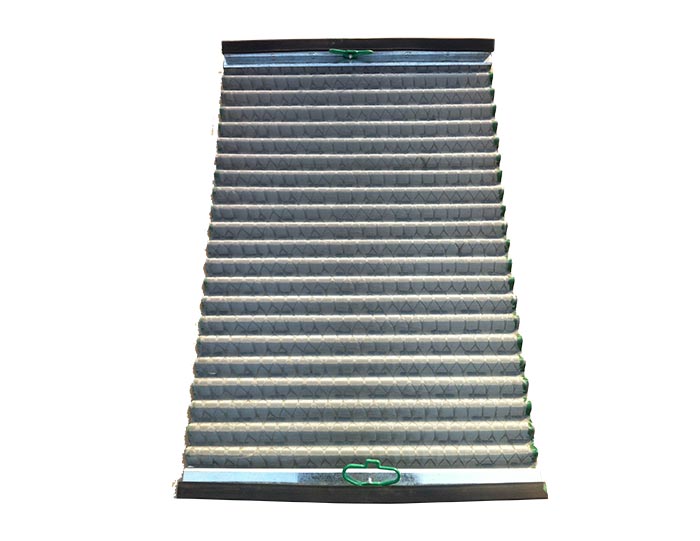
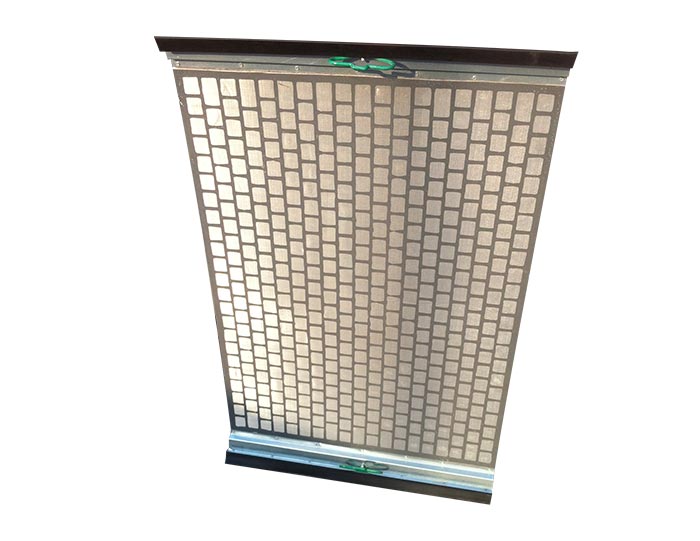
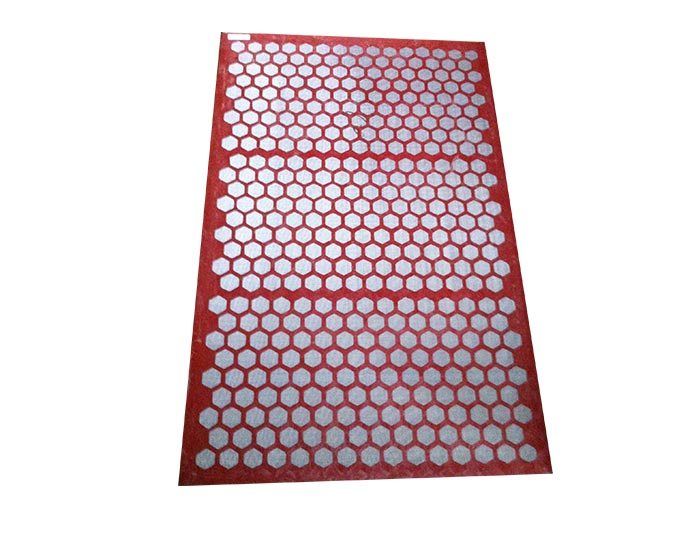
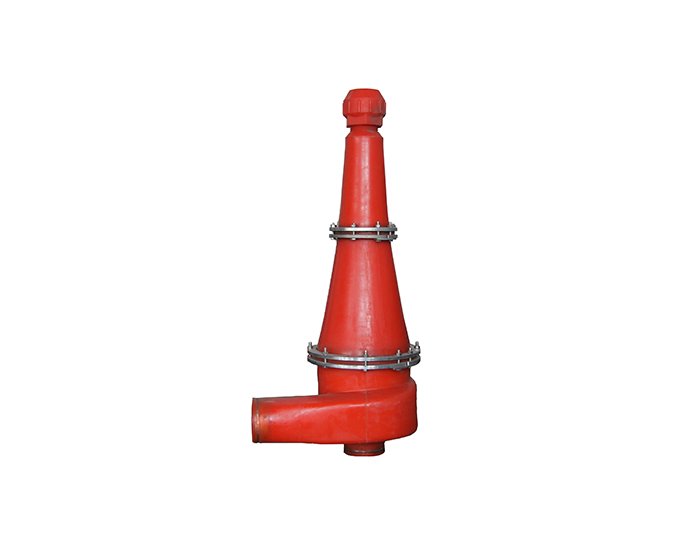
The process begins at the primary shale shakers, which utilize high G-force linear or elliptical motion to filter out large rock cuttings. Once the coarse material is rejected, the mud flows into vacuum degassers to eliminate trapped formation gases that threaten hydrostatic pressure control. The final, most precise phases of the mechanical separation pipeline rely on high-speed hydrocyclones and decanter centrifuges. These advanced high-speed units subject the fluid to thousands of rotational gravitational forces, pulling sub-micron colloidal silts out of suspension. This comprehensive, multi-staged approach to separation ensures that the fluid returning downhole is entirely clean and structurally sound, preventing the accumulation of abrasive particles that cause premature equipment failure.
Advanced Resource Conservation Through Liquid Solids Control Methodologies
The financial viability of deepwater and high-temperature drilling projects depends heavily on highly sophisticated liquid solids control practices that emphasize continuous closed-loop fluid recycling. Formulating premium synthetic- or oil-based muds represents one of the single largest variable costs in modern well construction. Allowing these fluids to escape into the environment or be prematurely discarded due to inefficient surface separation is no longer commercially viable or ecologically permissible.
Modern fluid conditioning equipment addresses this challenge by focusing on maximum liquid recovery at every stage of the separation process. Advanced separation decks are equipped with specialized under-flow vacuum systems that actively pull the valuable liquid phase through the fine filtration mesh just before the rock cuttings are discarded. By continuously reclaiming the expensive chemical polymers, emulsifiers, and weighting agents, these systems dramatically reduce the need for constant mud dilution with fresh water and raw chemical additives. This meticulous control over the liquid-solid boundary layer maximizes the lifecycle of the primary fluid investment while ensuring that the generated waste material remains exceptionally dry and highly consolidated.
Optimizing Fleet Efficiency with Premium Solids Control Equipment Arrays
A single processing machine cannot entirely manage the complex chemical and physical variations of a returning mud system; instead, the entire surface asset must function as a synchronized network of premium solids control equipment. When a specialized engineering firm designs a modern mud tank layout, they analyze fluid velocity, tank retention times, and electrical control synchronization across the entire reclamation pipeline. This holistic design methodology eliminates structural bottlenecks and ensures that fluid transitions between different treatment phases occur with minimal turbulence.
In an advanced, digitally synchronized equipment array, the individual processing units are linked directly to automated mud density meters and variable-frequency drive controls. If the system detects a sudden spike in mud weight due to a rapid change in downhole geology, the automated controls instantly increase the rotational speed of the decanting centrifuges while modulating the feed pump volume to handle the increased solids load. This self-regulating capability prevents equipment downtime, eliminates the need for manual troubleshooting by the rig crew, and ensures that the surface processing infrastructure can maintain peak separation efficiency throughout critical, high-pressure drilling intervals.
The Strategic Importance of Outsourced Solid Control Services for Risk Mitigation
Deploying advanced mechanical infrastructure is an excellent first step, but ensuring that this sophisticated machinery integrates perfectly with the specific geology and fluid chemistry of a well requires specialized expertise. This is why forward-thinking exploration companies rely heavily on comprehensive solid control services to manage their surface infrastructure. Third-party technical service providers bring specialized knowledge in fluid rheology, asset management, and equipment calibration that generic rig crews often lack.
Professional service technicians remain on-site to continuously monitor the performance of the separation systems, adjusting vacuum levels, deck inclinations, and G-force profiles based on real-time mud density and downhole gas chromatography data. This proactive management prevents equipment bottlenecks during critical drilling phases. Furthermore, outsourced technical services ensure that all regional environmental regulations regarding waste moisture content and chemical containment are meticulously followed, mitigating the risk of regulatory penalties while maintaining an uncompromised standard of operational safety on the rig floor.

 Linear Motion Shale Shaker In Drilling Rig
  Oilfield Mud Cleaner
 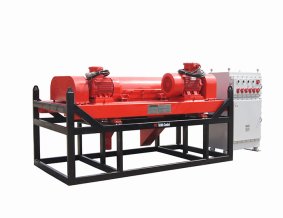 Drilling Fluid Decanter Centrifuge
 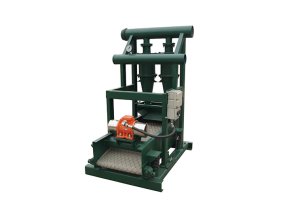 Drilling Mud Desander
 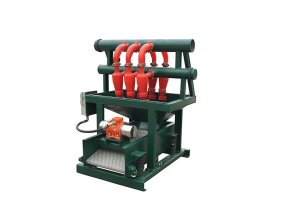 Hydrocyclone Desilter
 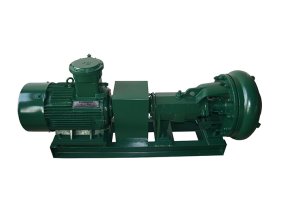 Centrifugal Pump/Centrifugal Mud Pump
 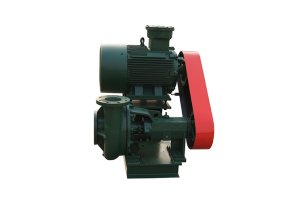 Shear Pump
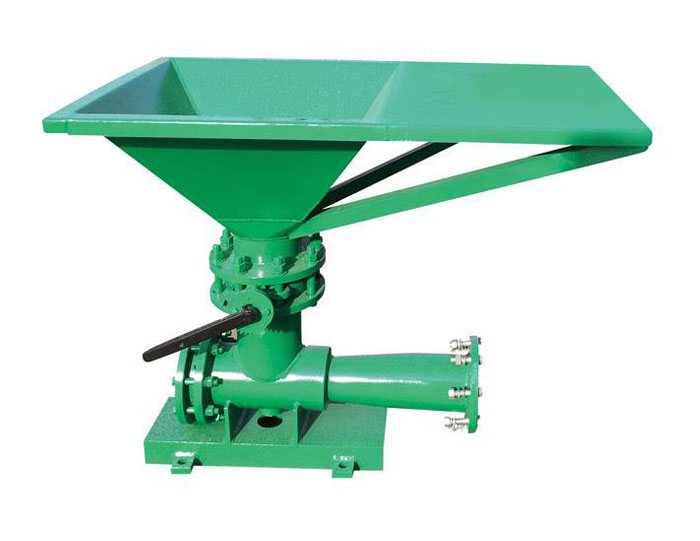
 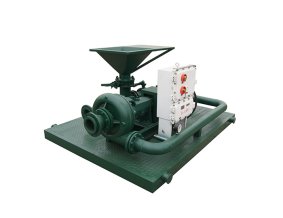 Jet Mud Mixer
 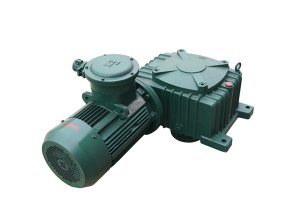 Horizontal Mud Agitator
 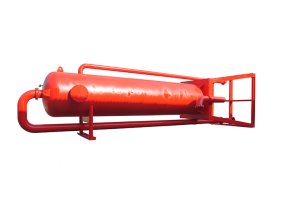 Constant Pressure Drilling Fluid Mud Gas Separator
 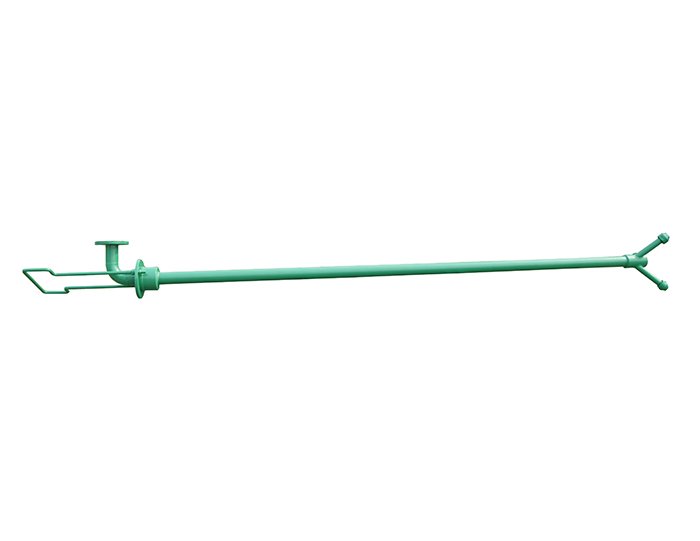 Mud Gun
  Mud Tank
 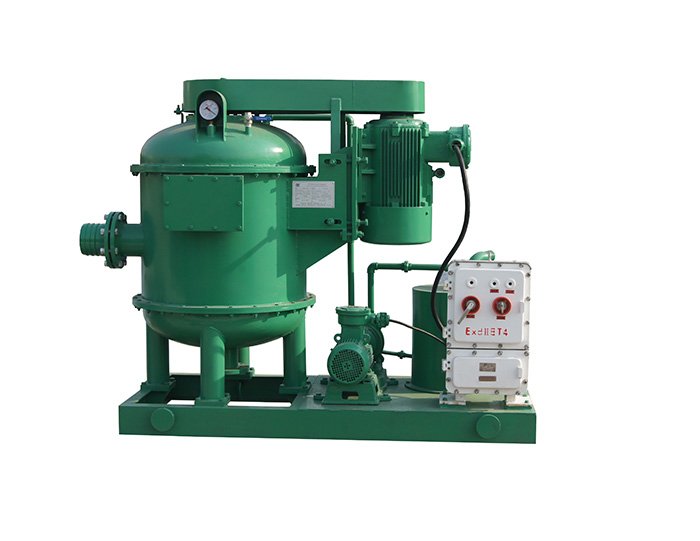 Solids Control System Vacuum Degasser
 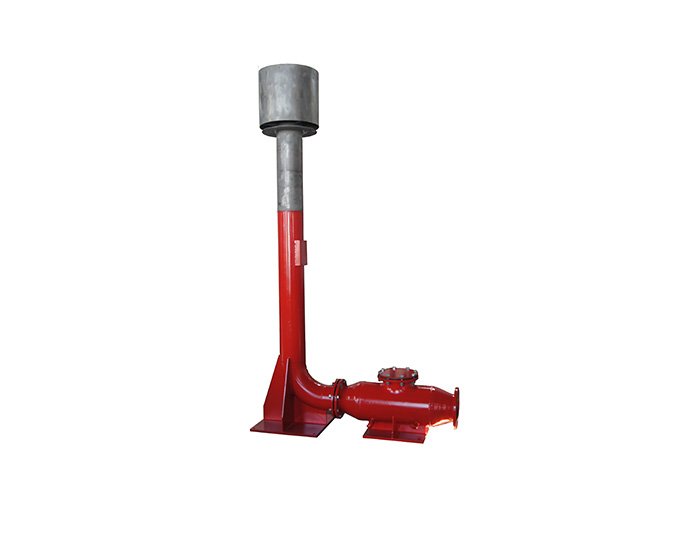 Flare Ignition Device
 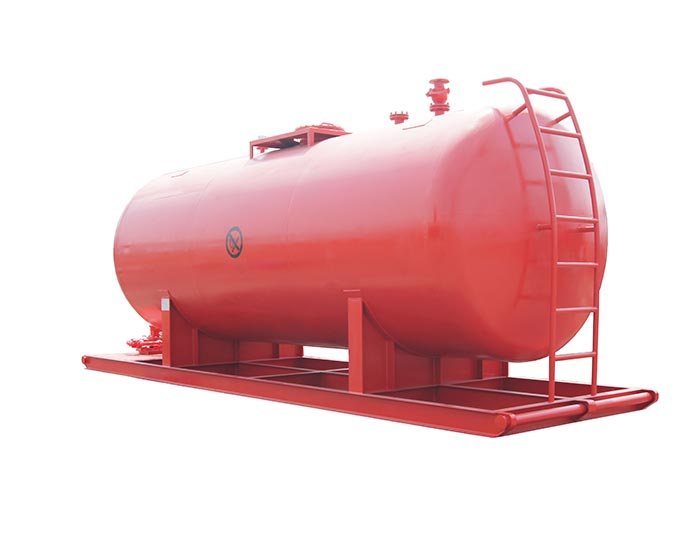 Diesel Tank
 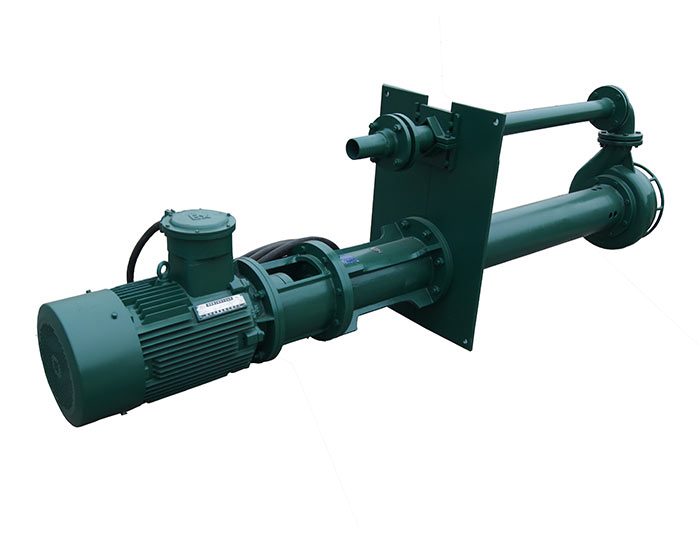 Submersible Slurry Pump