The efficiency and reliability of drilling operations depend heavily on the condition of drilling fluids circulating throughout the system. While drilling fluids are primarily responsible for carrying cuttings, balancing formation pressure, and cooling drilling tools, they also have a direct impact on the lifespan and performance of critical drilling equipment. One often overlooked challenge in fluid management is the presence of entrained gas within the drilling mud. If not properly removed, gas contamination can create operational instability and contribute to equipment wear throughout the drilling process.
This is why modern vacuum degasser unit systems have become an essential part of advanced drilling fluid management. By removing harmful gases from drilling fluids before they enter downstream processing stages, vacuum degassers help maintain fluid consistency, improve solids separation efficiency, and protect valuable equipment from unnecessary stress.
As drilling projects become increasingly complex and costly, operators are focusing not only on production efficiency but also on protecting the assets that support drilling operations. The role of vacuum degassing technology has therefore expanded from a simple fluid treatment function into a critical component of equipment protection strategies.
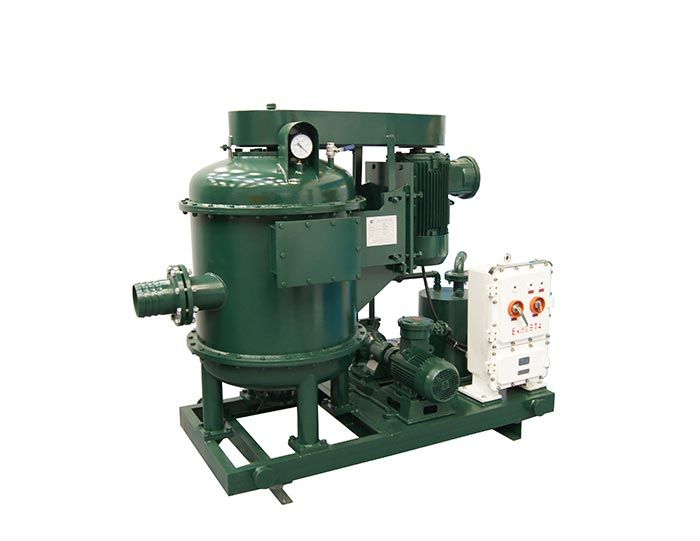
Why a Vacuum Degasser Unit Is Essential for Equipment Reliability
Gas contamination can affect nearly every part of a drilling fluid circulation system. When gas becomes trapped within drilling mud, fluid density and rheological properties may fluctuate unexpectedly. These changes can influence pump performance, reduce separation efficiency, and increase the workload placed on processing equipment.
A properly designed vacuum degasser unit eliminates entrained gas before the fluid reaches other treatment stages. By stabilizing drilling fluid properties, the system creates a more predictable operating environment for the entire solids control process.
Equipment reliability often depends on maintaining consistent operating conditions. Sudden variations in fluid characteristics can accelerate component wear and contribute to premature equipment failure. Through effective gas removal, a vacuum degasser unit minimizes these fluctuations and supports long-term operational stability.
Modern vacuum degassers are engineered to operate continuously under demanding field conditions. Their ability to maintain fluid quality allows downstream equipment to function more efficiently, reducing the likelihood of unexpected breakdowns and costly maintenance interventions.
As drilling operations pursue higher productivity and longer equipment service life, vacuum degassing systems continue to play an increasingly important role in protecting critical assets.
The Role of the Mud Vacuum Pump in System Performance
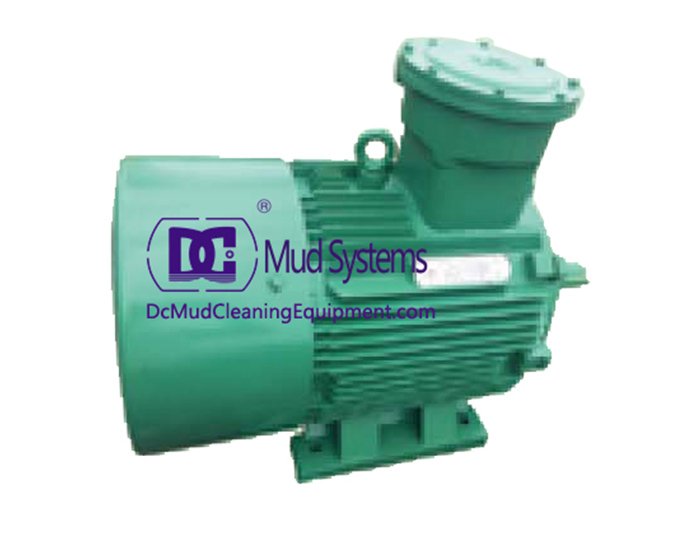
At the heart of many degassing systems lies the mud vacuum pump, a key component responsible for creating the vacuum conditions necessary for effective gas separation. The performance of the entire degassing process depends heavily on the reliability and efficiency of this equipment.
A high-quality mud vacuum pump enables the rapid extraction of entrained gases from drilling fluids. By maintaining stable vacuum pressure, the pump ensures that gas removal occurs consistently, even when fluid conditions change during drilling operations.
The benefits of an efficient mud vacuum pump extend beyond gas separation itself. When drilling fluids enter downstream equipment with reduced gas content, processing systems experience fewer disruptions and operate under more stable conditions. This helps protect pumps, hydrocyclones, centrifuges, and other critical components from excessive strain.
Technological advancements have significantly improved mud vacuum pump design in recent years. Modern systems are engineered for enhanced durability, improved energy efficiency, and lower maintenance requirements. These improvements contribute to overall system reliability and help reduce operational costs throughout the drilling project.
As operators continue seeking ways to maximize equipment longevity, the role of the mud vacuum pump remains central to achieving effective fluid conditioning and equipment protection.
How Drilling Solids Control Benefits from Effective Degassing
The success of any drilling solids control operation depends on maintaining drilling fluid quality throughout the treatment process. Gas contamination can interfere with solids separation by altering fluid behavior and reducing the efficiency of separation equipment.
When drilling fluids contain excessive gas, downstream processing systems may struggle to achieve optimal performance. The presence of gas bubbles can disrupt separation dynamics and reduce the effectiveness of equipment designed to remove drilled solids.
By incorporating a vacuum degasser unit into the treatment process, operators can improve overall drilling solids control performance. Gas-free drilling fluids allow separation equipment to function more efficiently, resulting in cleaner fluids and more effective solids removal.
Improved solids control directly benefits equipment health. Cleaner fluids reduce abrasive wear on pumps and processing components, helping extend equipment lifespan and lower maintenance requirements. This relationship between fluid quality and equipment protection highlights the importance of comprehensive drilling solids control strategies.
As drilling environments become increasingly challenging, maintaining effective solids control remains a fundamental requirement for operational success. Vacuum degassing technology supports this objective by creating more favorable conditions for downstream fluid treatment processes.
Enhancing Equipment Lifespan Through Advanced Solids Control Systems
Modern solids control systems are designed to optimize drilling fluid performance while minimizing equipment wear. These systems integrate multiple treatment technologies into a coordinated process that removes contaminants and preserves valuable drilling fluids.
Within advanced solids control systems, vacuum degassers often serve as one of the first treatment stages. Their role is critical because gas removal helps prepare drilling fluids for more efficient processing throughout the remainder of the system.
Equipment protection begins with fluid quality. When drilling fluids contain fewer contaminants and maintain consistent physical properties, mechanical components experience less stress during operation. This contributes to improved equipment reliability and reduced maintenance frequency.
The effectiveness of modern solids control systems depends on the seamless interaction between individual processing units. Vacuum degassers help ensure this interaction remains efficient by stabilizing fluid conditions before the mud reaches downstream equipment.
Manufacturers continue to develop smarter and more integrated solids control systems that provide enhanced monitoring capabilities and automated performance optimization. These innovations further strengthen the ability of operators to protect equipment while maintaining efficient drilling operations.
Why Solid Controls Are Critical for Long-Term Cost Reduction
The concept of solid controls extends beyond simple solids removal. It encompasses the broader management of drilling fluid quality, equipment protection, and operational efficiency throughout the drilling process.
Effective solid controls help reduce the accumulation of contaminants that can damage equipment and increase maintenance costs. By maintaining cleaner drilling fluids, operators create conditions that support longer service intervals and improved equipment reliability.
Vacuum degassing technology plays an important role within modern solid controls strategies. Removing entrained gas helps preserve fluid properties and enhances the effectiveness of subsequent treatment stages. The result is a more stable drilling fluid system that places less strain on critical equipment.
Long-term cost reduction often depends on preventing problems before they occur. Equipment failures can lead to significant operational disruptions, repair expenses, and project delays. Comprehensive solid controls programs help minimize these risks by maintaining optimal fluid conditions throughout drilling operations.
As drilling companies focus increasingly on asset management and operational efficiency, solid controls continue to evolve into a strategic component of overall project planning. Their contribution extends far beyond fluid treatment, directly influencing equipment longevity and financial performance.

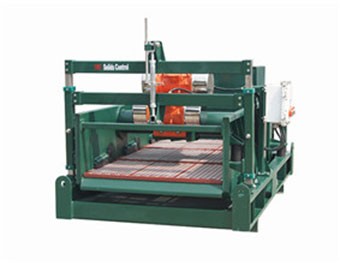 Linear Motion Shale Shaker In Drilling Rig
 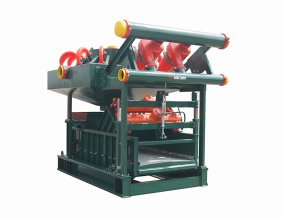 Oilfield Mud Cleaner
 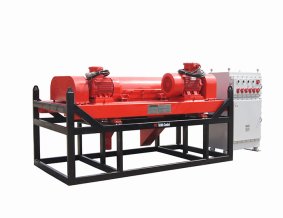 Drilling Fluid Decanter Centrifuge
 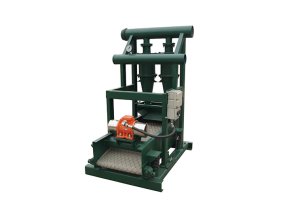 Drilling Mud Desander
 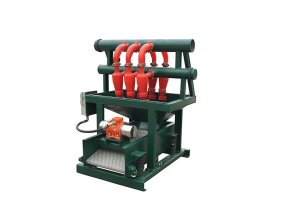 Hydrocyclone Desilter
 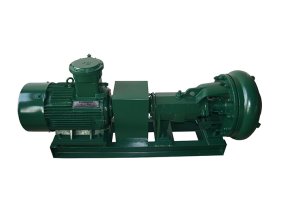 Centrifugal Pump/Centrifugal Mud Pump
 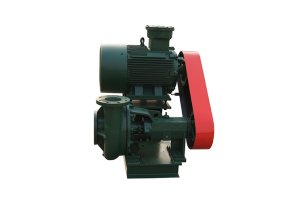 Shear Pump
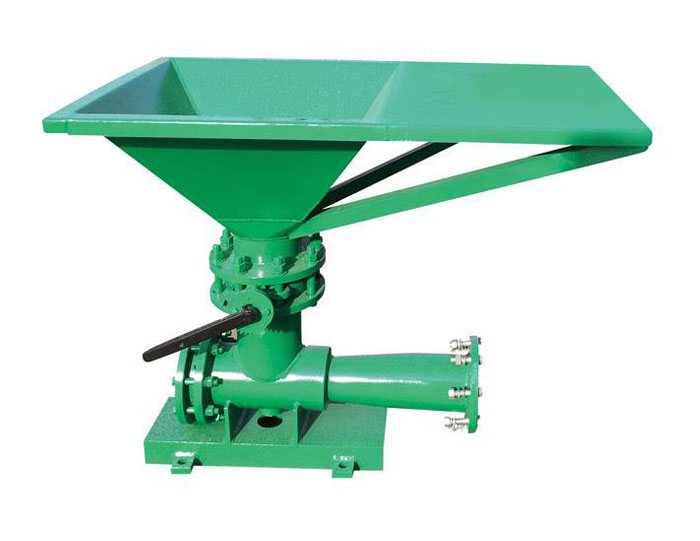
 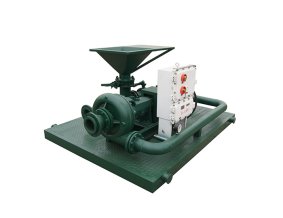 Jet Mud Mixer
 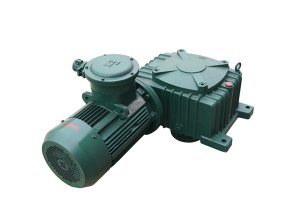 Horizontal Mud Agitator
 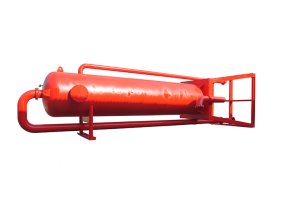 Constant Pressure Drilling Fluid Mud Gas Separator
 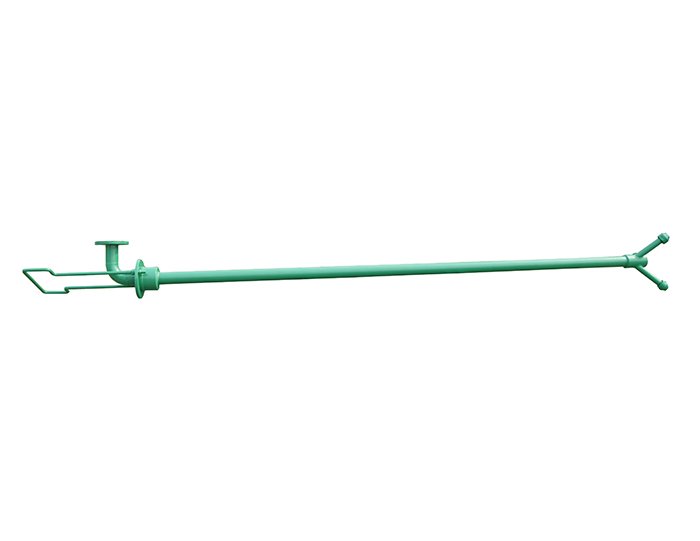 Mud Gun
  Mud Tank
 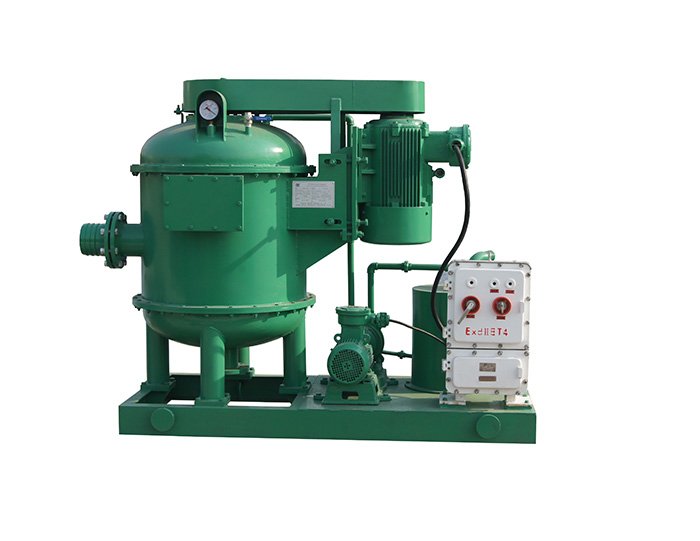 Solids Control System Vacuum Degasser
 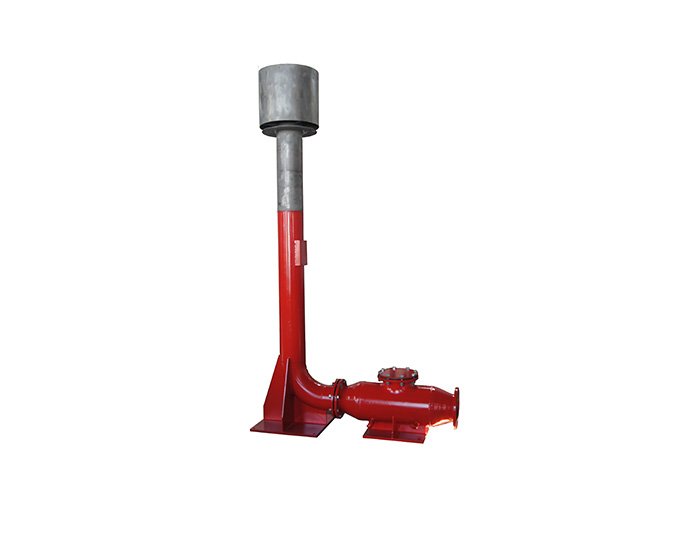 Flare Ignition Device
 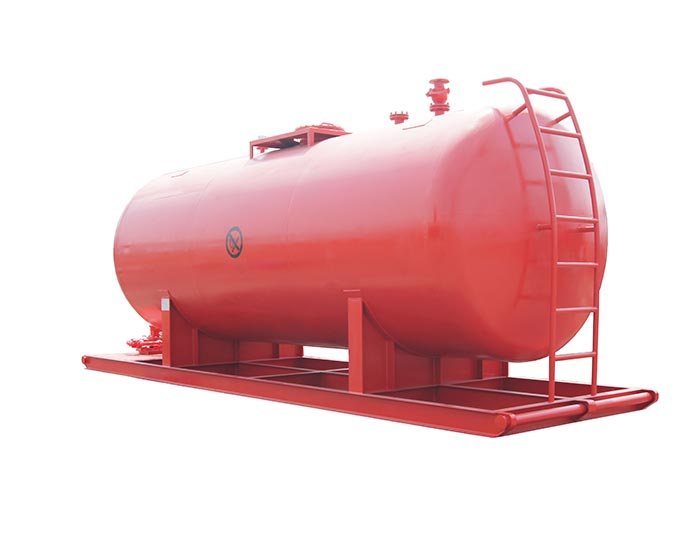 Diesel Tank
 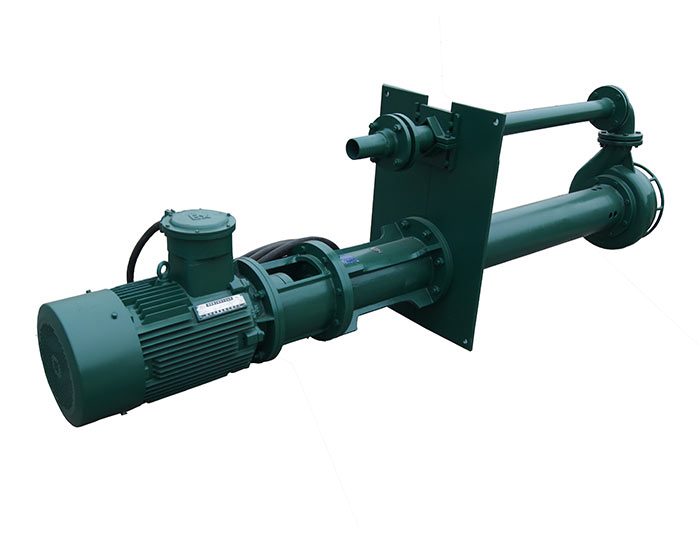 Submersible Slurry Pump