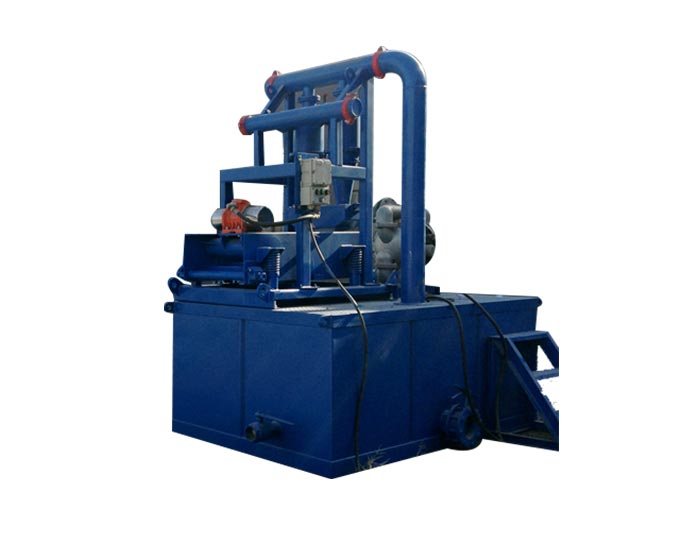
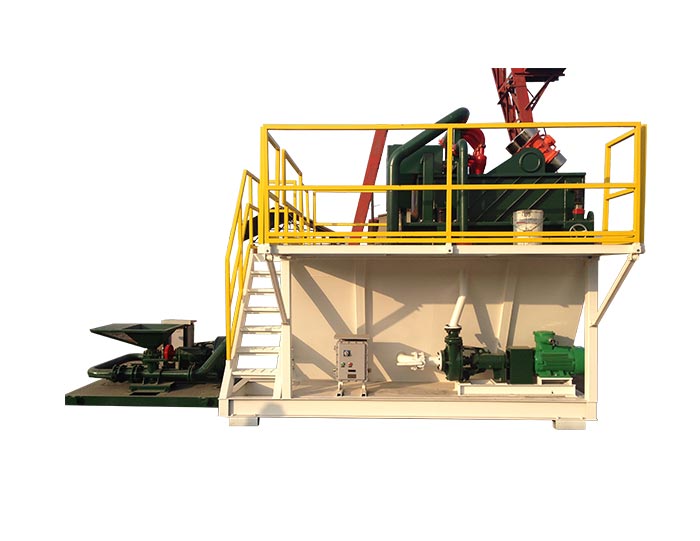
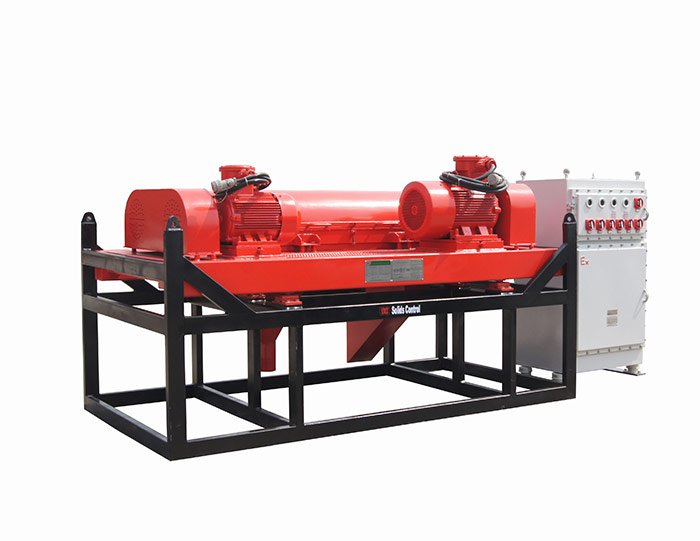
Efficient solids separation is an essential part of maintaining drilling fluid performance and protecting the complete solid control equipment system. During drilling, large quantities of rock cuttings are continuously carried back to the surface by drilling fluid. If these solids are not removed promptly, they can negatively affect mud properties and increase the workload of downstream treatment equipment. Among different types of separation equipment, the linear motion shale shaker is widely used as a first-stage solids separation solution. Understanding the shale shaker working principle can help drilling contractors select suitable equipment and achieve more efficient drilling fluid treatment.
What Is a Linear Motion Shale Shaker?
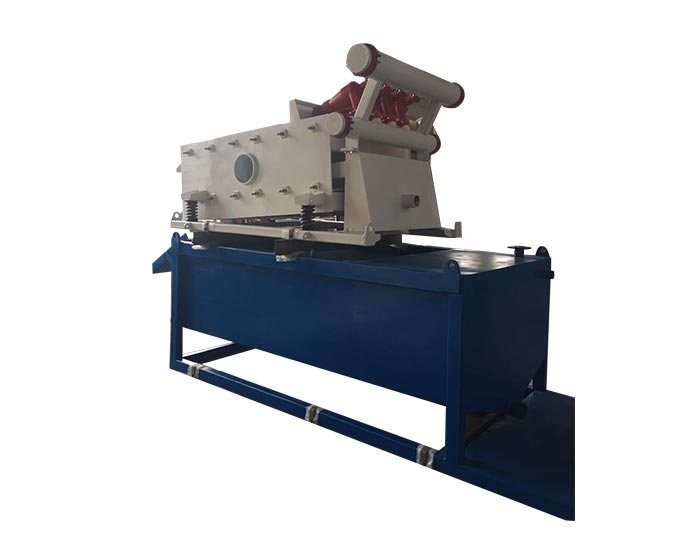
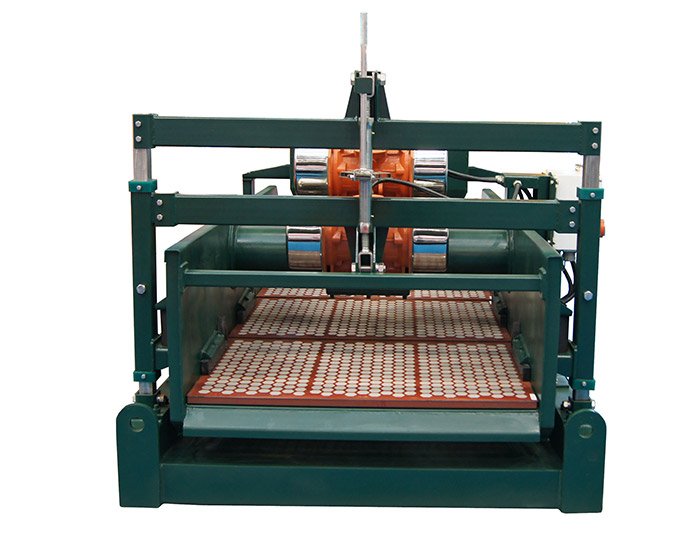
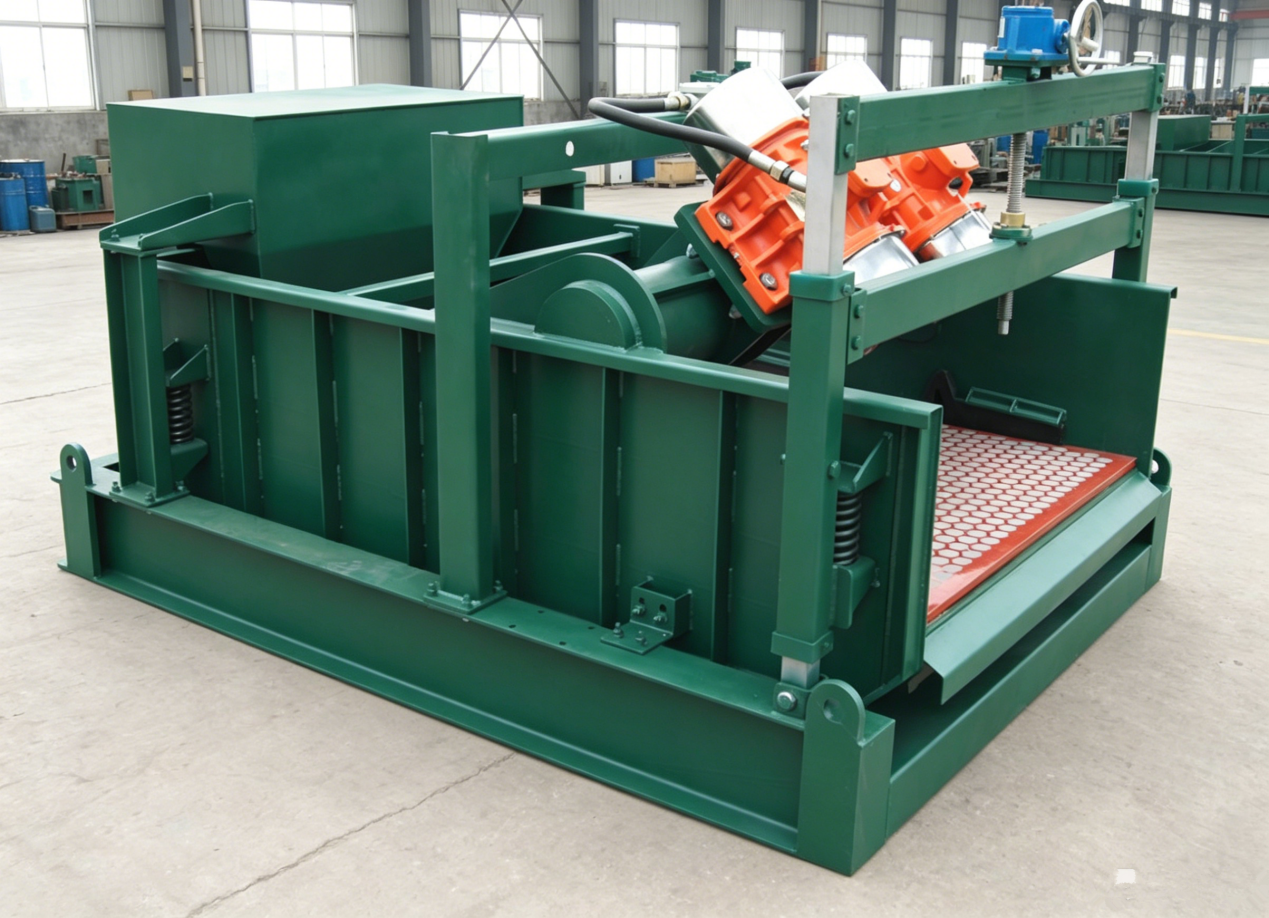
A linear motion shale shaker is a vibrating screening machine designed to separate drilled solids from drilling fluid. It is normally installed at the beginning of the solids control process, where returning drilling mud enters the shaker and flows across vibrating screen panels.
Unlike simple static filtration equipment, a linear motion shale shaker uses controlled vibration to transport drill cuttings across the screen while allowing drilling fluid and appropriately sized particles to pass through. The separated cuttings are discharged from the shaker, while the recovered drilling fluid continues into the next stage of the treatment system.
Because of its continuous screening capability and efficient solids transportation, this type of shale shaker is commonly used in oil and gas drilling, trenchless construction, and other applications where drilling fluids require continuous solids separation.
What Is the Working Principle of a Shale Shaker?
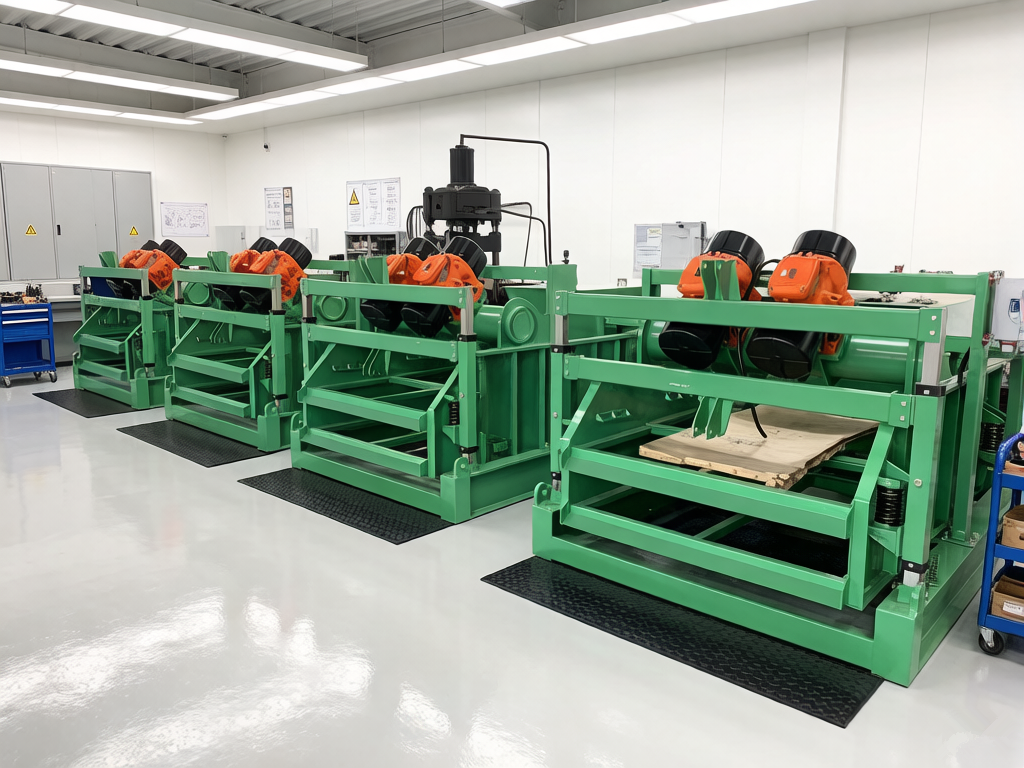
The basic shale shaker working principle is based on vibration and screening. When contaminated drilling fluid enters the shaker, it is distributed over the screen surface. The vibration generated by the drive system causes the screen deck to move in a controlled linear motion.
As the screen vibrates, larger drill cuttings remain on or above the screen surface and are transported toward the solids discharge end. At the same time, liquid and particles small enough to pass through the screen openings move downward into the collection area.
The separation process therefore involves three basic actions: feeding the drilling fluid onto the screen, vibrating and transporting solids across the screen, and separating liquid from solids through the screen openings. The efficiency of these actions determines the overall performance of the linear motion shale shaker.
How Does Linear Motion Improve Solids Transportation?
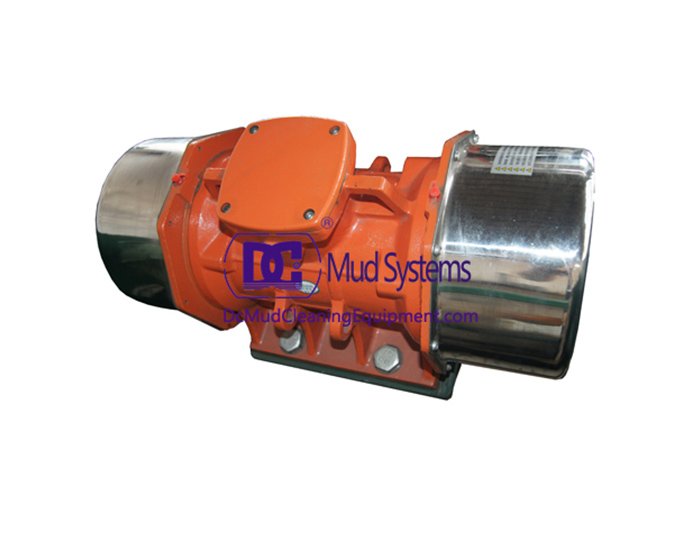
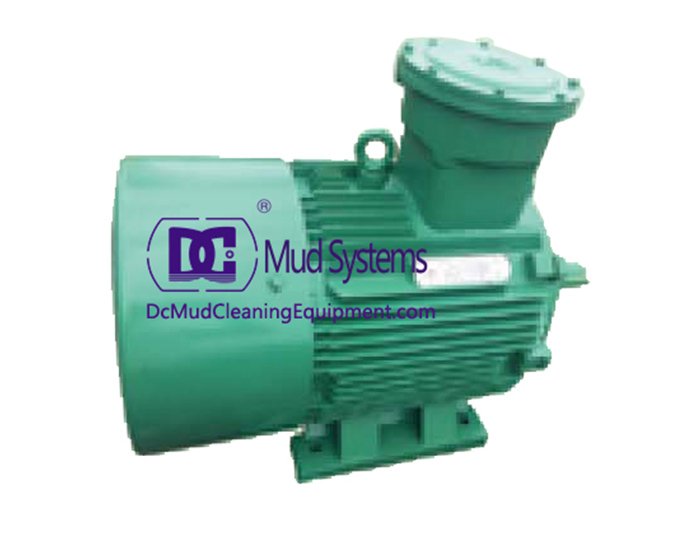
The key feature of a linear motion shale shaker is its linear vibrating movement. The vibration is normally generated by one or more vibrating motors or an equivalent drive mechanism. These components create a controlled excitation force that causes the screen basket to move rapidly along a specific direction.
This movement helps convey drill cuttings across the screen surface rather than allowing them to remain in one location. As the solids move toward the discharge end, drilling fluid has more opportunities to pass through the screen openings.
The linear movement also helps maintain continuous material transportation. Instead of relying only on gravity, the shaker uses mechanical vibration to control the movement of the solids. This makes the screening process more suitable for continuous drilling operations.
How Do Screen Panels Affect the Separation Process?
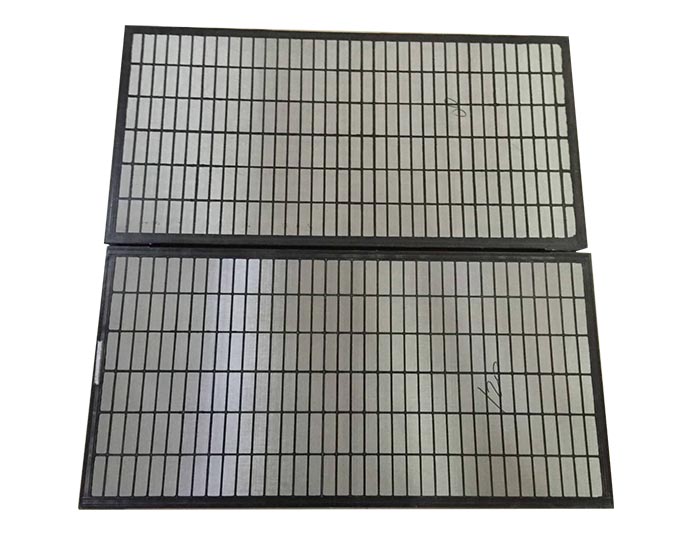
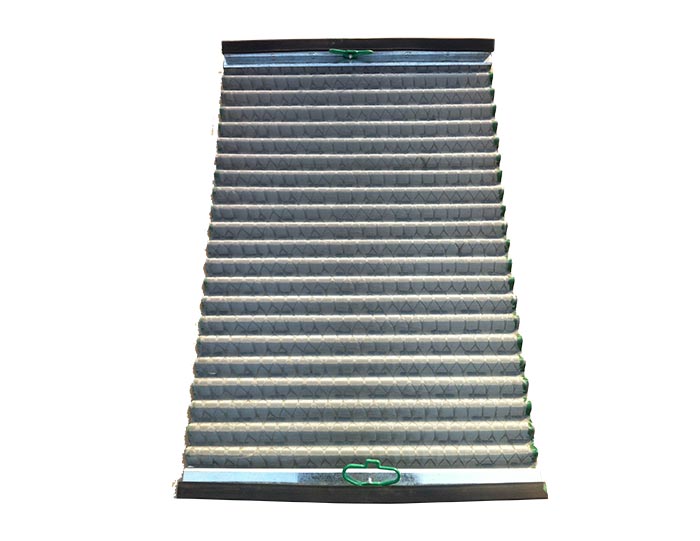
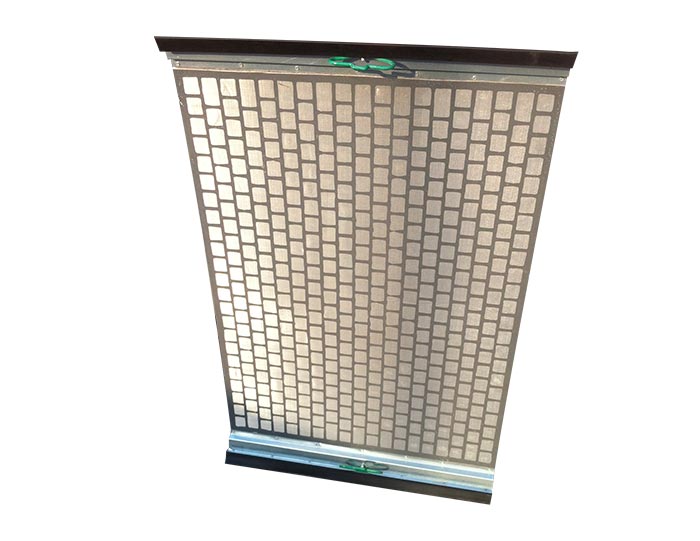
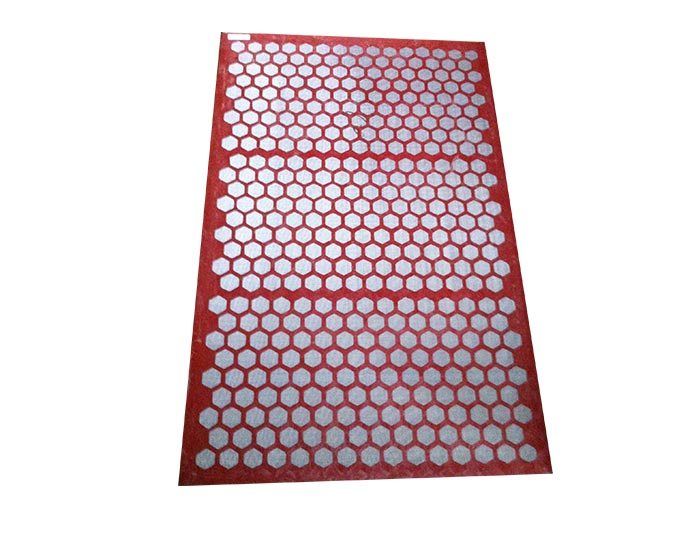
The screen is one of the most important working components of a shale shaker. Its opening size determines which particles can pass through and which particles remain on the surface.
When drilling fluid enters the shaker, liquid and fine solids that are smaller than the effective screen openings can pass through, while larger cuttings are retained and transported toward the discharge area. Therefore, selecting an appropriate screen configuration is essential for balancing solids removal and drilling fluid recovery.
A screen that is too coarse may allow unwanted solids to remain in the drilling fluid, while a screen that is too fine may increase fluid loss or reduce processing capacity. For this reason, screen selection should be based on drilling conditions, mud properties, expected solids concentration, and required separation performance.
What Happens When a Shale Shaker Is Used in a Drilling Rig?
A shale shaker in drilling rig applications normally receives drilling fluid directly after it returns from the wellbore. During drilling, the circulating mud carries rock cuttings from the bottom of the well to the surface. These cuttings must be removed before the drilling fluid is returned to the active mud system.
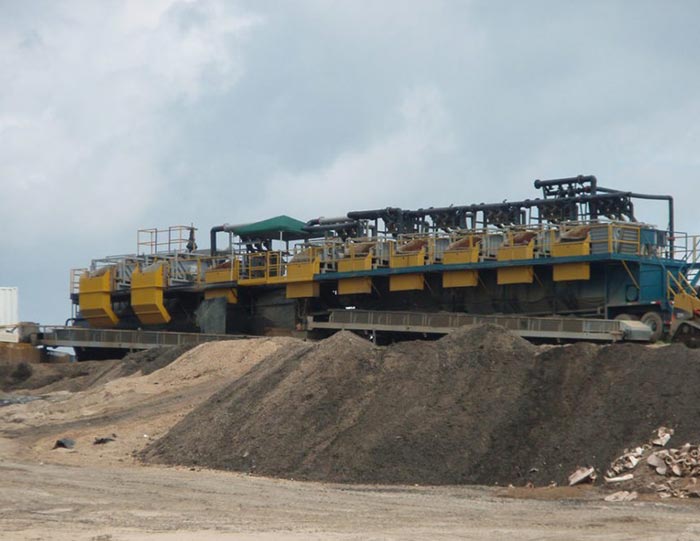
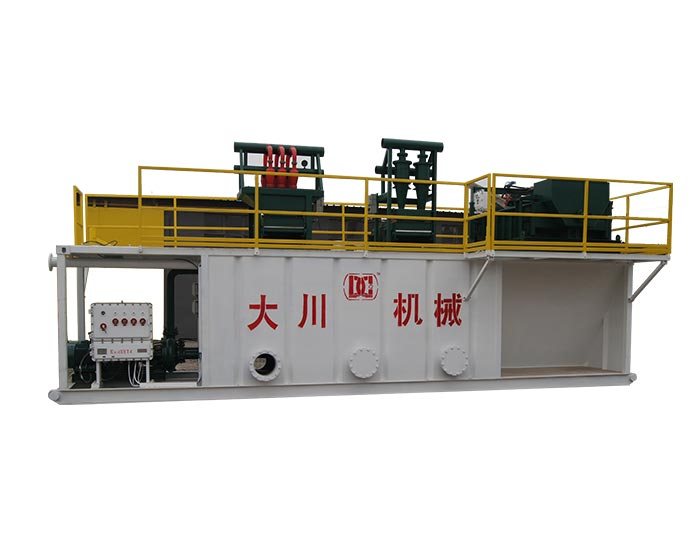
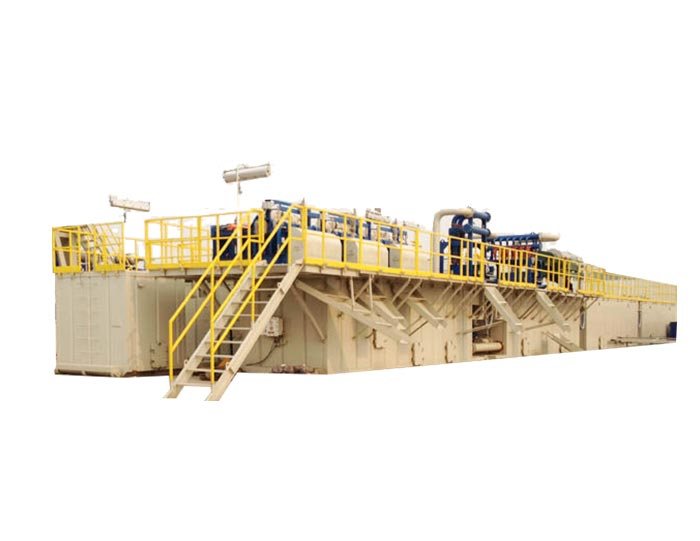
The shale shaker in drilling rig systems performs the initial separation of relatively large solids. After passing through the shaker, the treated drilling fluid can move to other solid control equipment(https://www.dcsolidscontrol.com/solid-control-equipment/), such as vacuum degassers, desanders, desilters, mud cleaners, and centrifuges.
This arrangement creates a multi-stage solids control process. The shaker handles larger solids first, allowing downstream equipment to focus on finer particles and other contaminants. As a result, the performance of the first-stage shaker can directly influence the efficiency and operating conditions of the entire drilling fluid treatment system.
Why Is a Linear Motion Shale Shaker Important for Solid Control Equipment?
The performance of the first solids separation stage has an important effect on downstream solid control equipment. If large quantities of drill cuttings remain in the drilling fluid, downstream equipment may have to process a higher solids concentration than necessary.
A properly selected linear motion shale shaker can remove a significant portion of the larger drilled solids before the mud reaches subsequent treatment stages. This can reduce the solids burden on downstream equipment and help maintain more stable drilling fluid properties.
Efficient solids removal can also help reduce abrasive wear on pumps, pipelines, and other equipment. By controlling solids at an early stage, the complete solids control system can operate in a more coordinated manner.
What Factors Affect the Working Performance of a Linear Motion Shale Shaker?
Although the shale shaker working principle is relatively straightforward, actual separation performance depends on several operating factors. Drilling fluid flow rate, solids concentration, screen opening size, vibration intensity, deck angle, and material properties can all influence the final result.
The condition of the screen is also important. Damaged, blocked, or improperly installed screens can reduce separation efficiency and increase fluid loss. Regular inspection and timely replacement of worn screen panels can help maintain stable operation.
In addition, the shaker should have sufficient processing capacity for the expected drilling fluid flow. Choosing equipment according to actual drilling requirements is therefore more effective than selecting a shaker based only on its nominal specifications.
How Does a Linear Motion Shale Shaker Improve Drilling Fluid Management?
The primary purpose of a linear motion shale shaker is solids separation, but its effect extends to overall drilling fluid management. By removing large drill cuttings early, the shaker helps reduce the accumulation of unwanted solids in the circulating mud.
Cleaner drilling fluid can contribute to more consistent mud properties and reduce the amount of unnecessary solids entering the subsequent treatment stages. This helps operators maintain a more stable mud circulation process.
For drilling contractors, efficient solids removal can also support better equipment protection and reduce unnecessary maintenance caused by excessive abrasive solids. Therefore, the linear motion shale shaker is not simply a screening machine; it is an important component of an integrated drilling fluid management system.
Selecting the right linear motion shale shaker requires more than considering the shaker itself. The equipment needs to match the drilling fluid system, expected processing capacity, solids characteristics, and downstream treatment equipment. Professional technical support and after-sales service are also important for maintaining long-term operating efficiency.
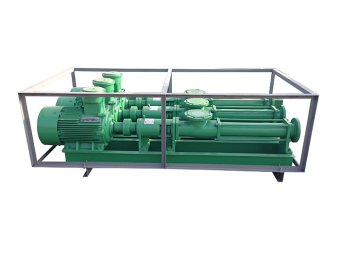
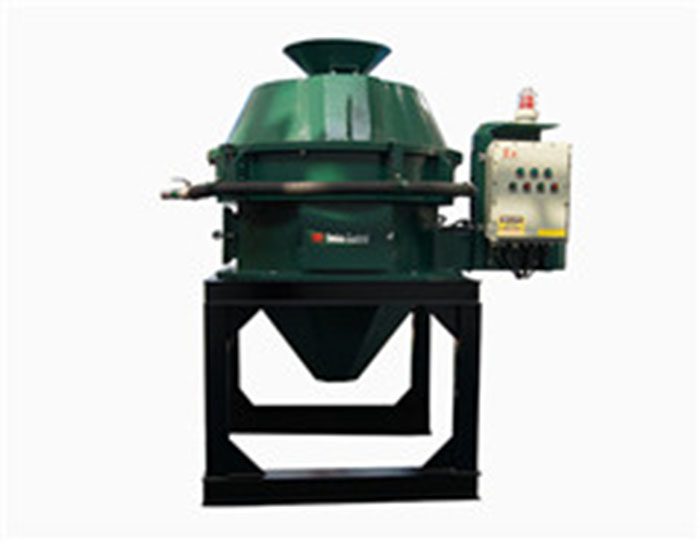
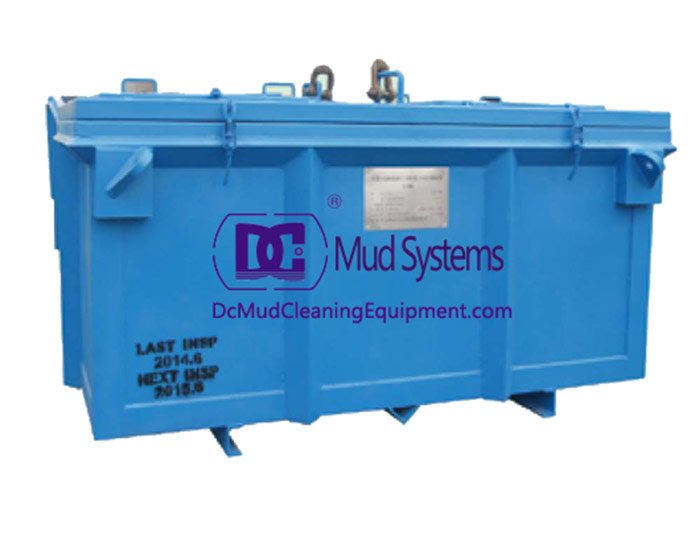
Tangshan Dachuan Machinery Co., Ltd. focuses on the production, sales, after-sales service, and maintenance of petroleum drilling mud cleaning equipment and trenchless mud recovery systems. Its main products include shale shaker, vacuum degasser, desander, desilter, mud cleaner, mud gas separator, mud agitator, centrifugal pump, shear pump, flare ignition device, jet mud mixer, mud tank, water tank, diesel tank, and vertical cutting dryer.
The company is committed to matching equipment with customer requirements and providing high-quality, rapid, honest, and considerate service. Its service philosophy focuses on advanced technology, reliable quality, and professional technical support, including complete drilling fluid systems, spare parts, and technical services.
With 85 employees, including 15 senior engineers, 5 development personnel, and 15 senior artisans, Dachuan Machinery has the ability to independently develop and manufacture equipment. The company also cooperates with professional institutes to support the precision and quality of its exported equipment, while its after-sales personnel provide technical consultation and service.
If you are looking for a reliable linear motion shale shaker for oilfield drilling or trenchless applications, Dachuan Machinery can provide suitable equipment and technical support according to your operating requirements. Contact us today to discuss your drilling fluid system, select the right shale shaker in drilling rig solution, and request a quotation for your project.
FAQs About Linear Motion Shale Shaker
What is the working principle of a linear motion shale shaker?
The shale shaker working principle is based on vibrating screening. Drilling fluid enters the vibrating screen deck, larger drill cuttings are retained and transported toward the discharge end, while liquid and appropriately sized particles pass through the screen openings.
What makes a linear motion shale shaker different from other shale shakers?
A linear motion shale shaker uses controlled linear vibration to move drilling cuttings across the screen surface. This movement supports continuous solids transportation while allowing drilling fluid to pass through the screen.
What is the function of a shale shaker in drilling rig systems?
A shale shaker in drilling rig systems is normally the first-stage solids separation equipment. It removes relatively large drill cuttings from returning drilling fluid before the fluid enters other solid control equipment.
How does a shale shaker affect drilling fluid quality?
A shale shaker removes unwanted larger solids from circulating drilling fluid. Effective early-stage separation can help control solids concentration, maintain more stable mud properties, and reduce the solids load on downstream treatment equipment.
What should be considered when choosing a linear motion shale shaker?
When selecting a linear motion shale shaker, operators should consider drilling fluid flow rate, solids concentration, screen configuration, vibration characteristics, drilling conditions, and the capacity of downstream solid control equipment. Proper equipment matching can help improve overall separation efficiency.
Can a linear motion shale shaker be integrated into a complete solid control system?
Yes. A linear motion shale shaker can work as the first separation stage in a complete solid control equipment system. It can be combined with equipment such as vacuum degassers, desanders, desilters, mud cleaners, centrifuges, pumps, and mud tanks to provide multi-stage drilling fluid treatment.

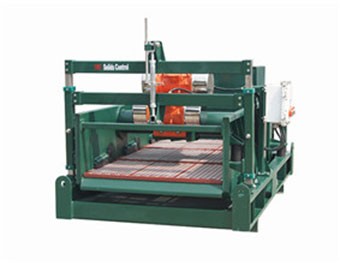 Linear Motion Shale Shaker In Drilling Rig
 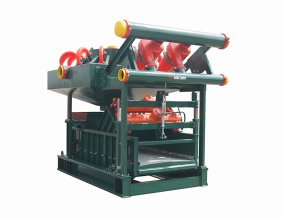 Oilfield Mud Cleaner
 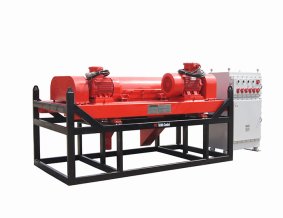 Drilling Fluid Decanter Centrifuge
 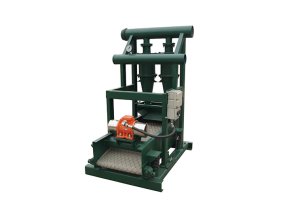 Drilling Mud Desander
 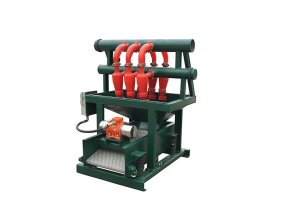 Hydrocyclone Desilter
 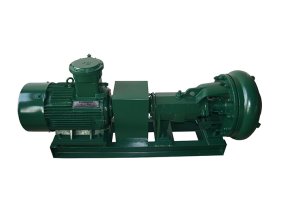 Centrifugal Pump/Centrifugal Mud Pump
 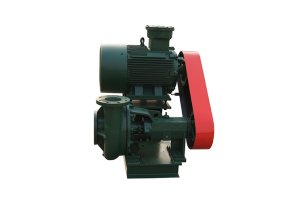 Shear Pump
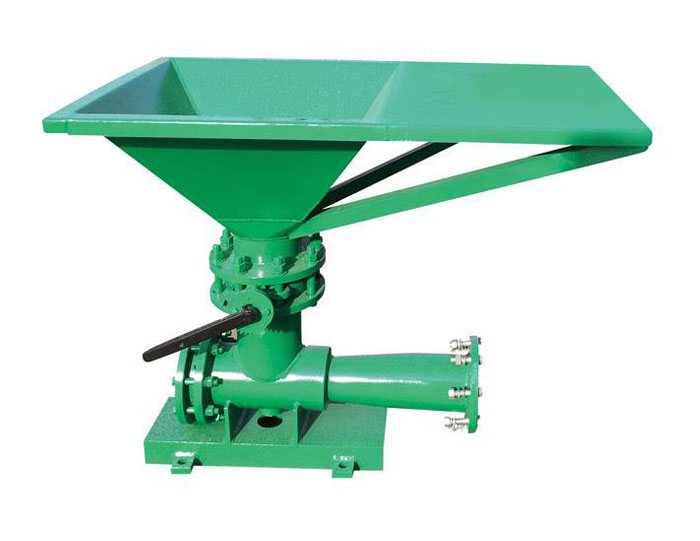
 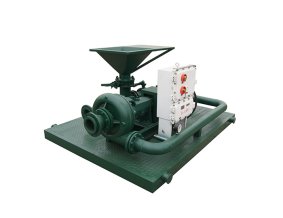 Jet Mud Mixer
 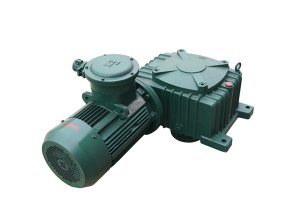 Horizontal Mud Agitator
 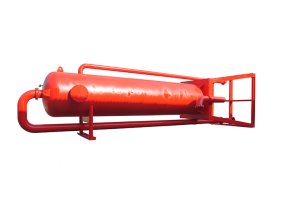 Constant Pressure Drilling Fluid Mud Gas Separator
 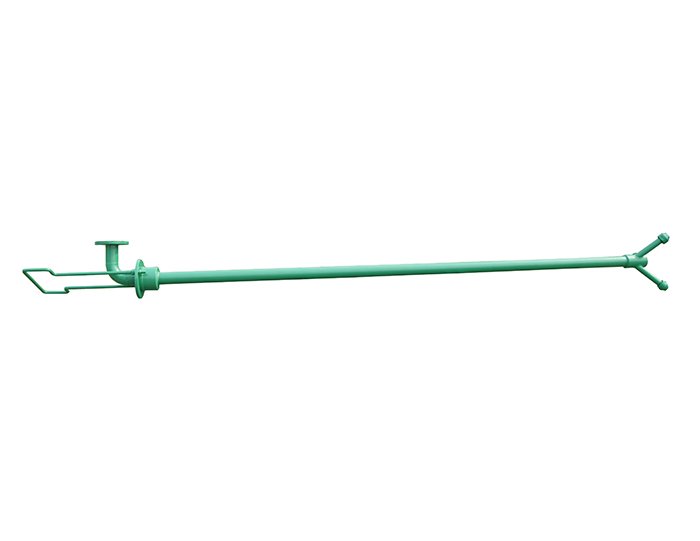 Mud Gun
  Mud Tank
 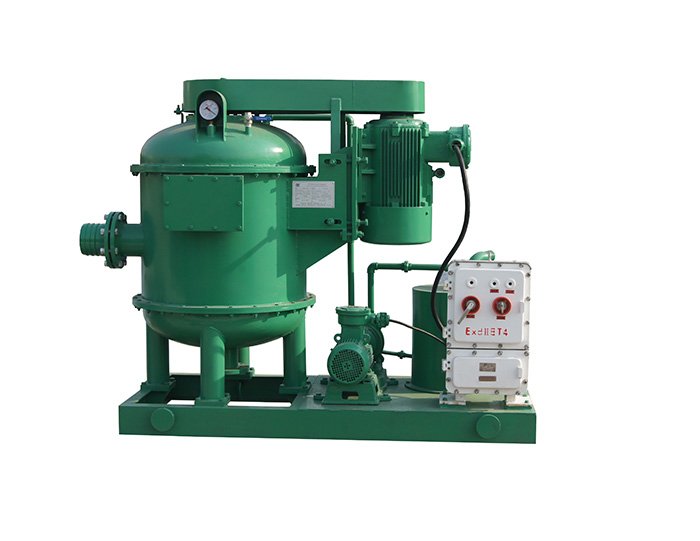 Solids Control System Vacuum Degasser
 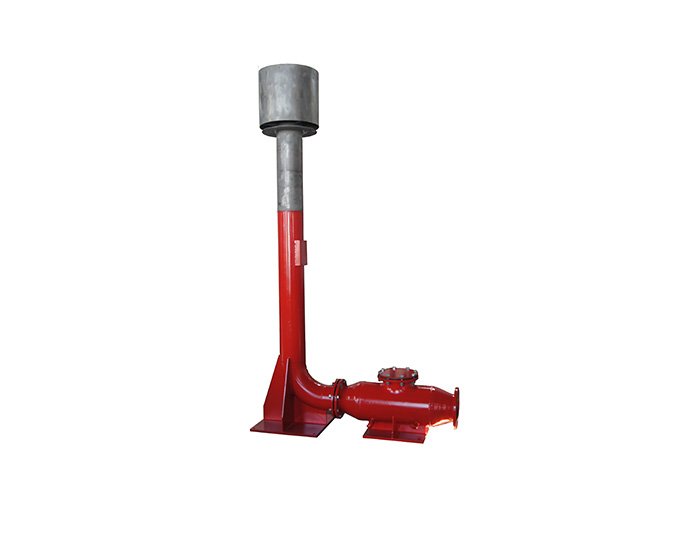 Flare Ignition Device
 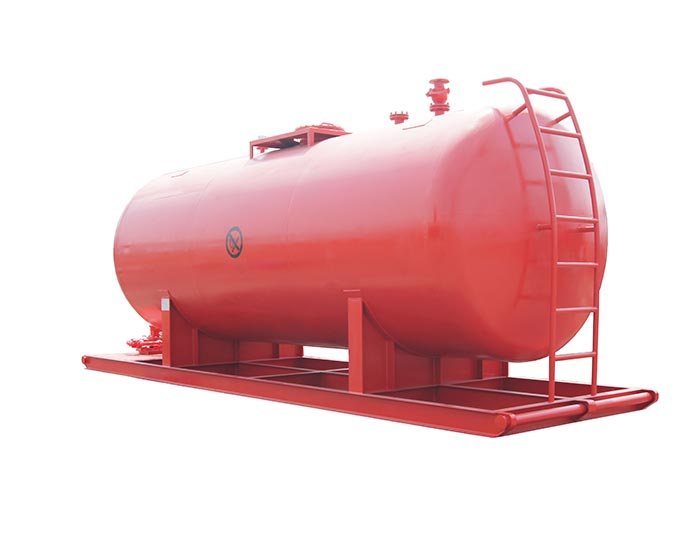 Diesel Tank
 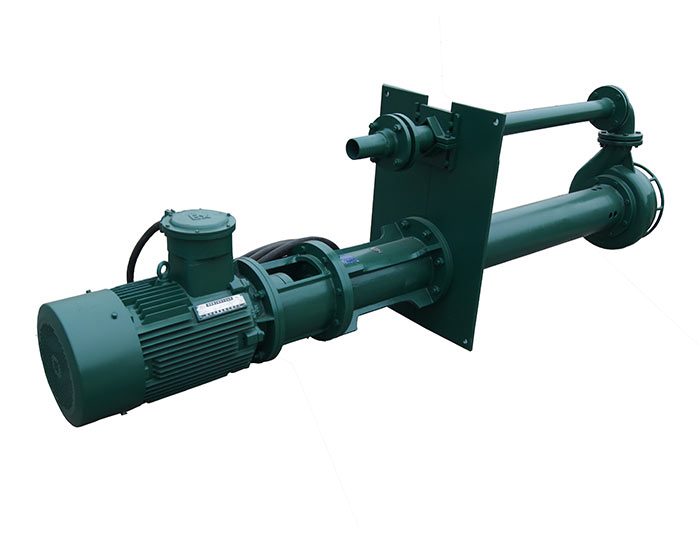 Submersible Slurry Pump