In the high-pressure environment of a drilling rig, the ability to maintain the physical properties of the drilling fluid is the difference between a profitable operation and a costly failure. The primary mechanism for this maintenance is the solids control system, which begins and ends with the performance of the shaker. Specifically, the selection of shale shaker screen mesh sizes is a critical technical decision that impacts everything from the rate of penetration to the longevity of downstream pumps. By understanding the intricate relationship between mesh geometry, fluid rheology, and particle size distribution, operators can optimize their systems to achieve maximum separation efficiency and minimize waste.
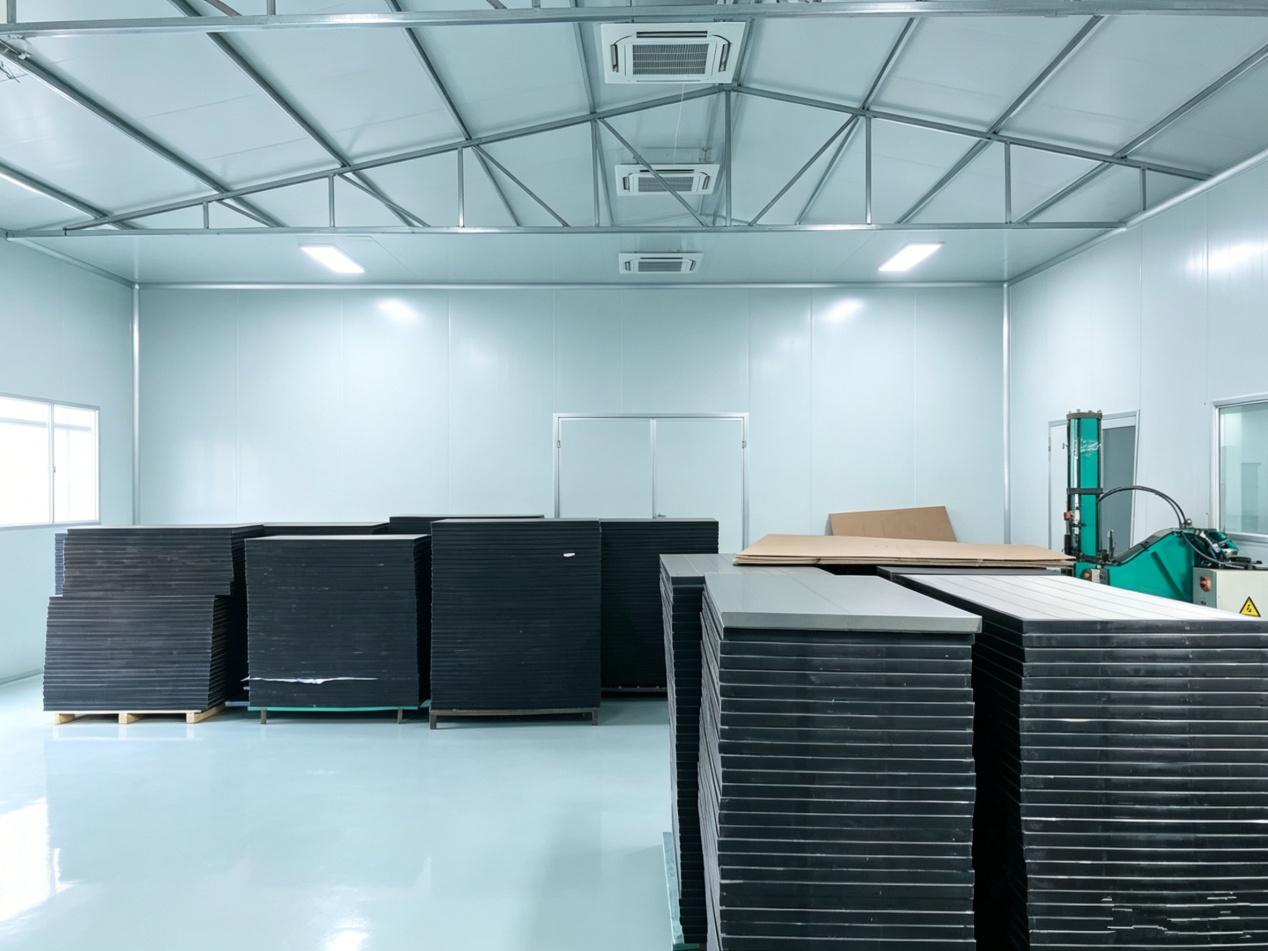
The Technical Complexity of Shale Shaker Screen Mesh Sizes and Cut Points
When discussing shale shaker screen mesh sizes, it is important to look beyond a simple hole count. In the context of a screen shale shaker, the mesh size refers to the number of openings per linear inch. However, the true measure of a screen's effectiveness is its "cut point," or the specific size of particle that the mesh is designed to reject. As a drill bit grinds through various geological formations, it creates a wide spectrum of debris, ranging from large rock chips to microscopic silts.
Selecting a mesh that is too coarse allows smaller, abrasive particles to remain in the circulating mud, where they can act like liquid sandpaper on the internal components of the drill string. Conversely, selecting a mesh that is too fine can lead to "fluid over-run," where the expensive drilling mud cannot pass through the tight openings fast enough and is instead discarded over the back of the shaker along with the cuttings. This delicate balance requires constant adjustment as the drilling depth increases and the characteristics of the formation change. Modern API standards provide a framework for labeling these screens, allowing technicians to predict how a specific mesh will perform under the unique pressures of the wellbore.
Structural Integrity of Stainless Steel Shale Shaker Screen Mesh
The environment on a shaker deck is one of constant mechanical stress and chemical aggression. Therefore, the material composition of the screen is just as important as the size of its openings. The industry standard remains stainless steel shale shaker screen mesh because of its exceptional tensile strength and resistance to corrosion. High-quality 304 or 316 grade stainless steel is utilized to ensure that the wires do not stretch or snap under the high G-forces generated by the shaker's vibration motors.
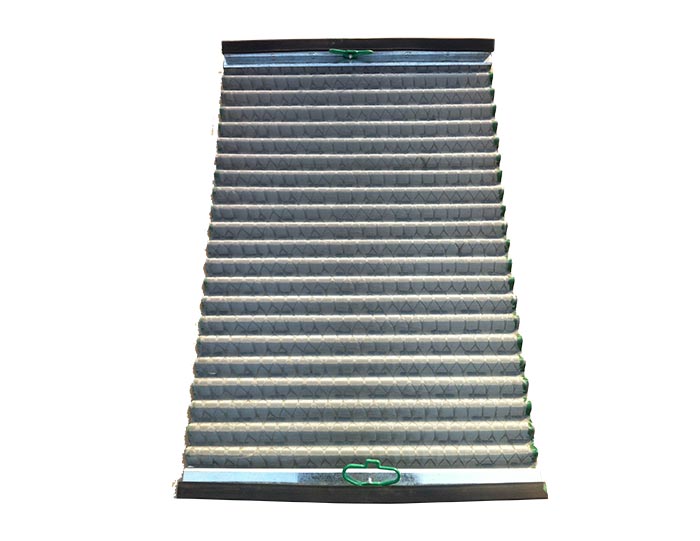
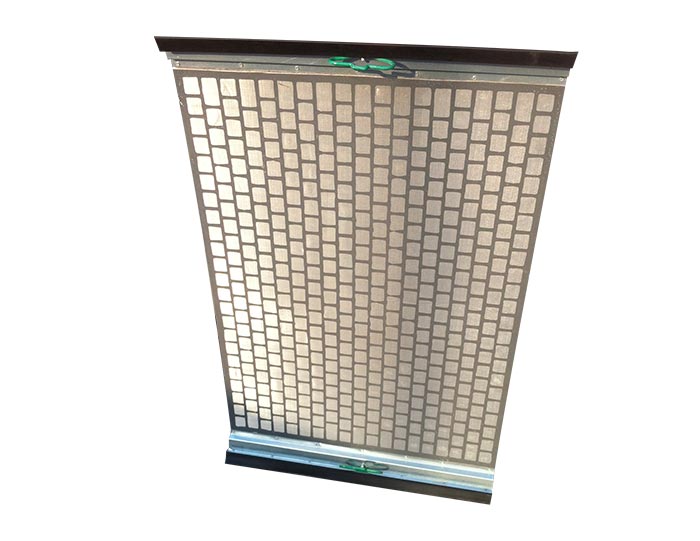
The durability of the wire is essential because any deformation in the mesh pattern immediately alters the separation efficiency. If the wires move or "migrate," the designated shale shaker screen mesh becomes inconsistent, allowing oversized solids to bypass the primary filtration stage. Advanced manufacturing techniques now involve bonding multiple layers of this stainless steel cloth to a rigid composite or metal frame. This multi-layered approach not only increases the structural life of the screen but also creates a more complex path for the fluid, which helps to break the surface tension and improve the "conductance" or the ease with which the liquid passes through the mesh.
Maximizing Conductance and Flow in a Screen Shale Shaker
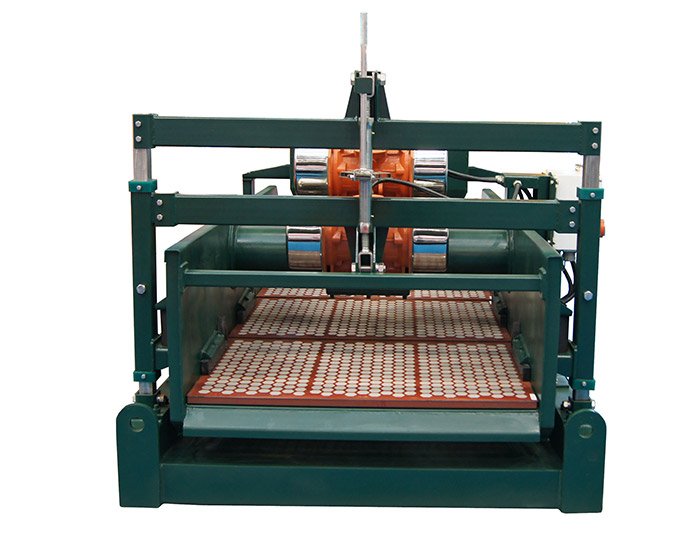
The primary challenge of a screen shale shaker is managing the volume of fluid returning from the well. Conductance is a term used to describe the flow capacity of a screen, and it is directly influenced by the percentage of "open area" within the mesh design. For an operator, the goal is to maximize open area without compromising the strength of the screen.
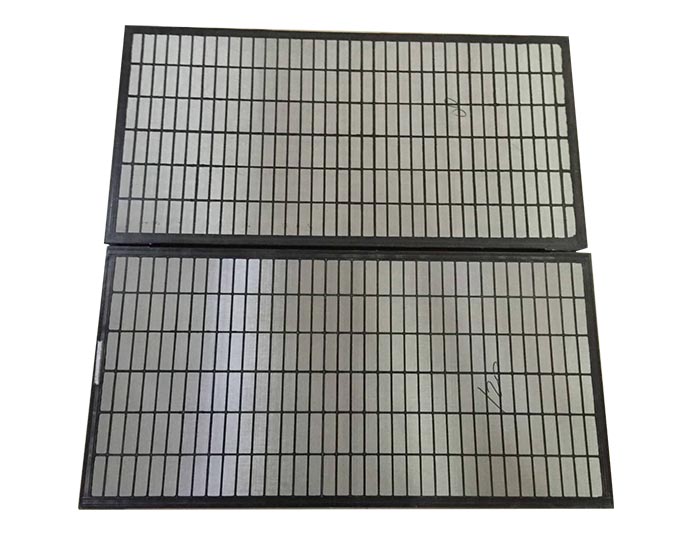
Innovations in shale shaker screen mesh have led to the development of rectangular and triple-layer designs. Unlike traditional square weaves, rectangular mesh provides a larger open area while maintaining a specific cut point in one dimension. This allows for higher flow rates, which is particularly beneficial when drilling through fast-moving intervals where the volume of returning mud is high. When the mesh is optimized for the flow rate, the fluid forms a thin, even pool on the shaker deck, allowing for rapid separation. If the conductance is too low, the fluid "piles up," leading to a thick filter cake that traps clean mud and carries it out to the waste pit, significantly increasing the cost of the project.
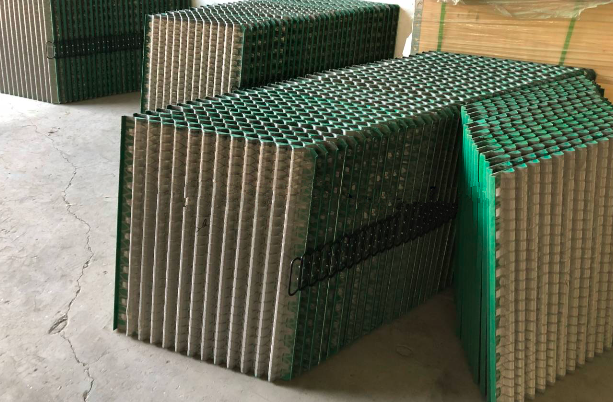
Integrating Mesh Selection into Solids Control Equipment Drilling Strategies
A professional approach to solids control equipment drilling requires a holistic view of the entire mud circuit. The shaker screen is merely the first gatekeeper. If the shale shaker screen mesh sizes are chosen correctly, the downstream equipment—such as desanders, desilters, and centrifuges—can operate within their design parameters. If the shaker screens are too coarse, the hydrocyclones in the secondary stage will become overwhelmed by the solids load, leading to plugging and inefficient separation.
Strategic mesh selection involves a proactive analysis of the "solids load." For instance, when drilling through reactive clay formations, the solids tend to swell and become "sticky." In these scenarios, a slightly coarser mesh with high-vibration energy might be more effective than a fine mesh that would quickly become "blinded" or clogged by the clay. By matching the mesh size to the anticipated geology, the operator ensures that the solids control equipment drilling process remains a "closed-loop" system. This minimizes the need for dilution, which is the practice of adding fresh fluid to lower the solids concentration, and is often the most expensive part of mud management.

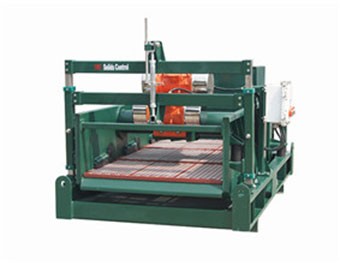 Linear Motion Shale Shaker In Drilling Rig
 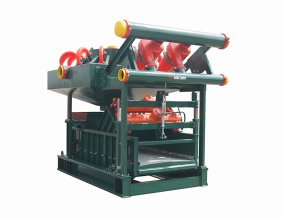 Oilfield Mud Cleaner
 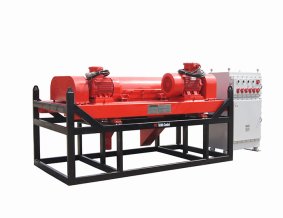 Drilling Fluid Decanter Centrifuge
 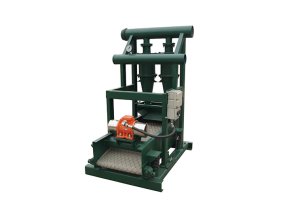 Drilling Mud Desander
 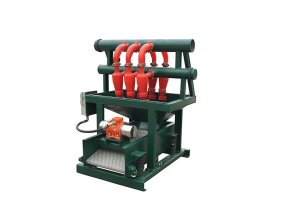 Hydrocyclone Desilter
 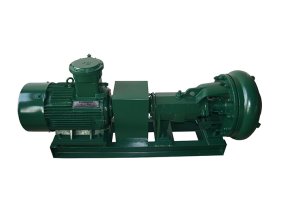 Centrifugal Pump/Centrifugal Mud Pump
 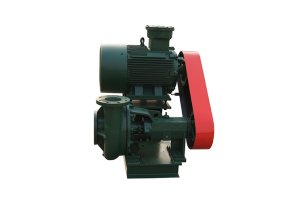 Shear Pump
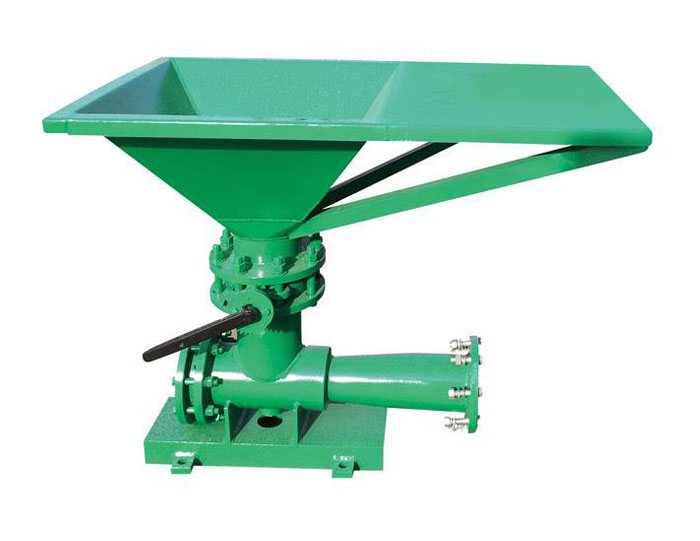
 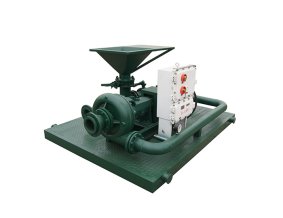 Jet Mud Mixer
 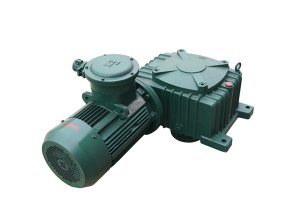 Horizontal Mud Agitator
 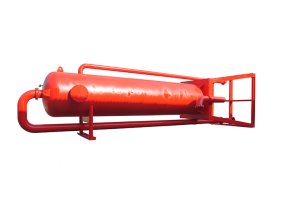 Constant Pressure Drilling Fluid Mud Gas Separator
 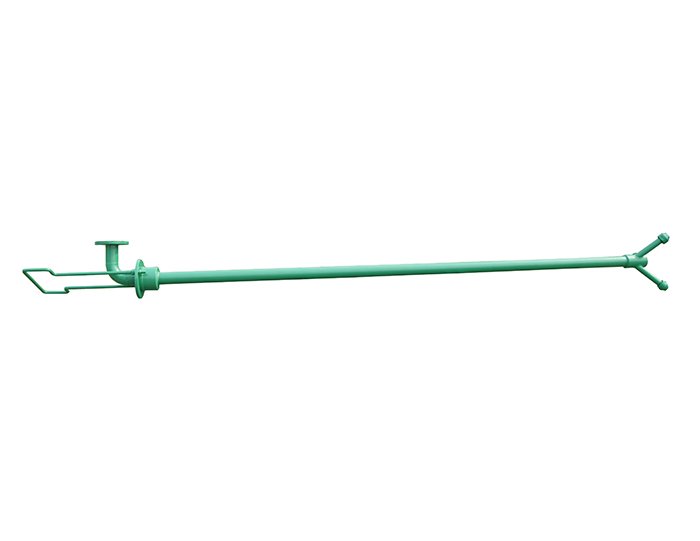 Mud Gun
  Mud Tank
 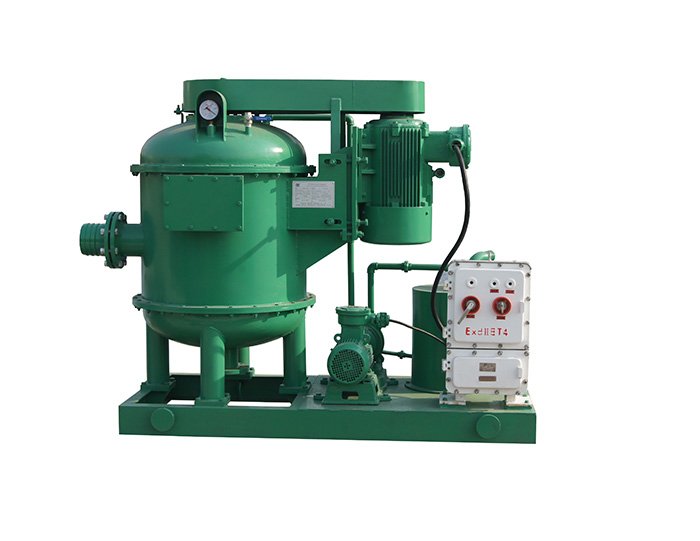 Solids Control System Vacuum Degasser
 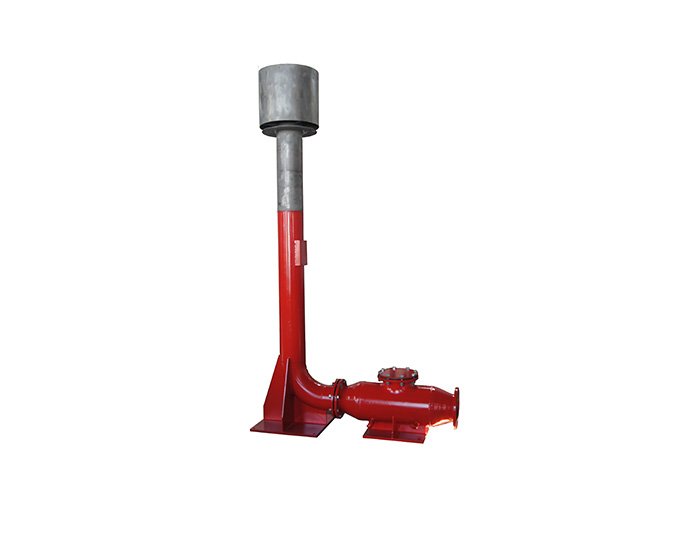 Flare Ignition Device
 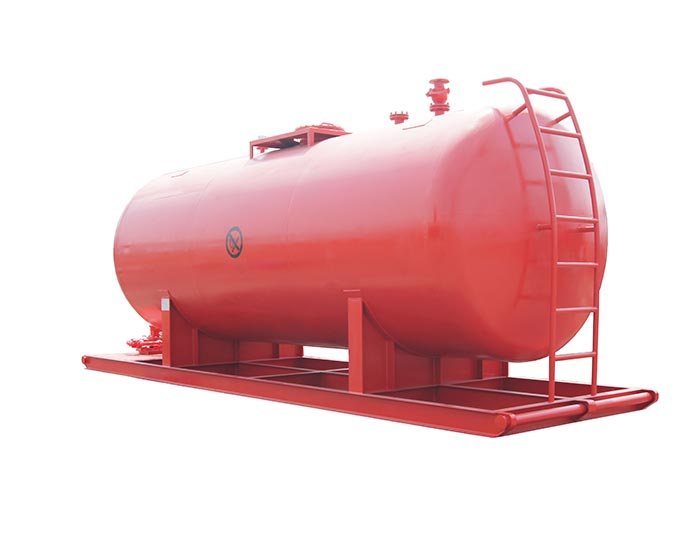 Diesel Tank
 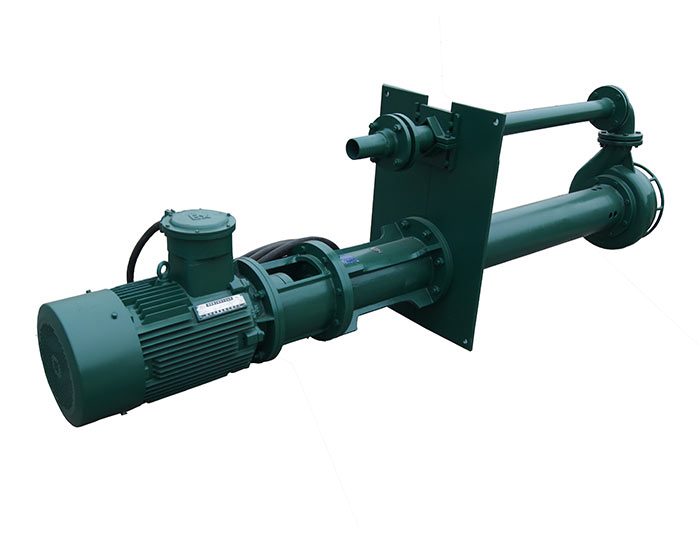 Submersible Slurry Pump