The success of modern hydrocarbon extraction relies heavily on the sophistication of the fluid management cycle. At the heart of this process is oilfield solids control, a multi-staged approach designed to maintain the physical and chemical properties of drilling mud. While shakers and centrifuges focus on removing solid particulates, the mud degasser serves a unique and equally vital function. It addresses the invisible threat of entrained gases—methane, carbon dioxide, or hydrogen sulfide—that can compromise the entire drilling operation. By integrating high-efficiency vacuum degassing systems, operators can ensure that their drilling fluid remains stable, dense, and capable of performing its primary hydraulic functions.
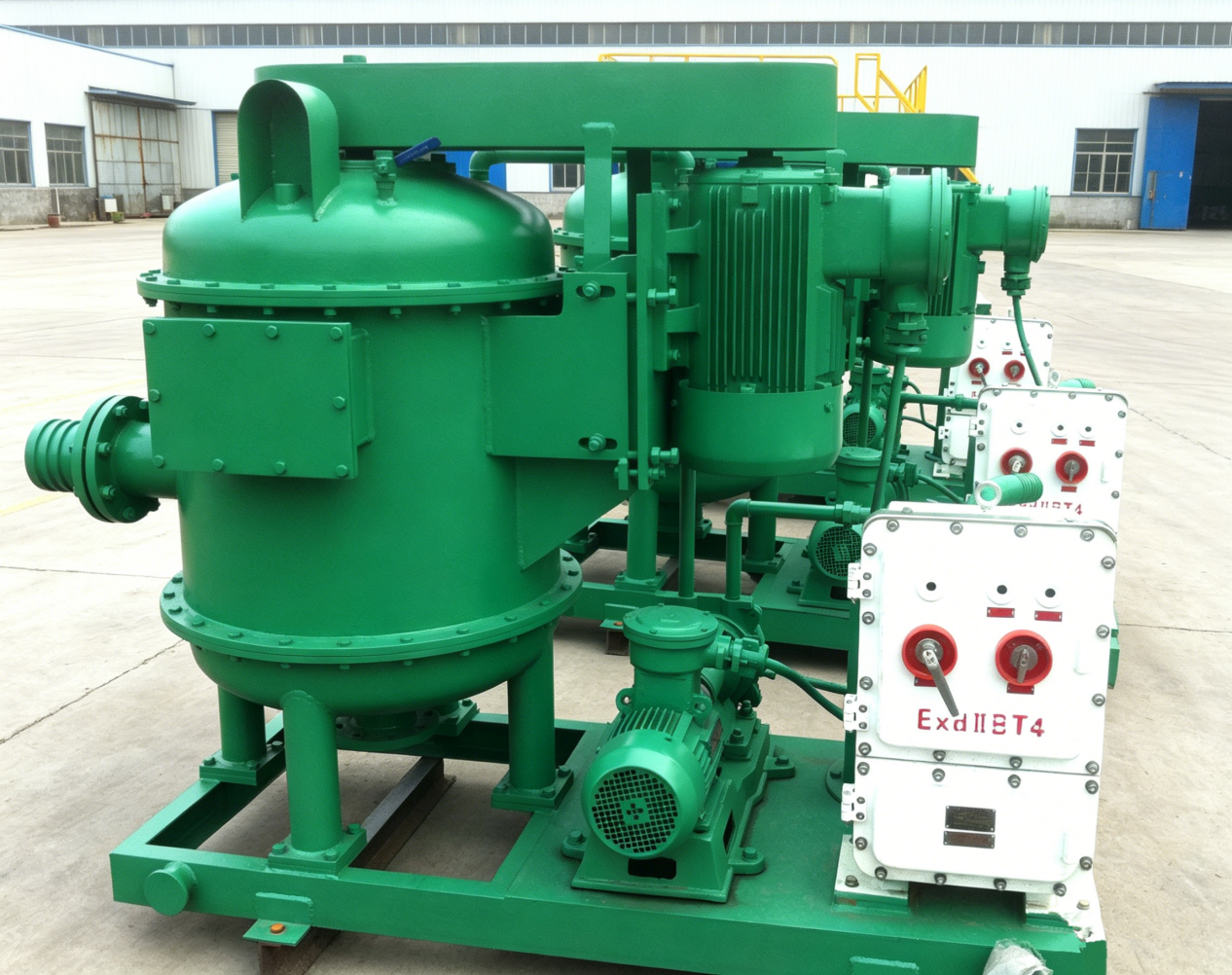
The Mechanical Logic of Modern Vacuum Degassers
To understand why these machines are so effective, one must look at the specific mechanical logic that governs their operation. Unlike atmospheric units that rely on the slow process of surface agitation, vacuum degassers utilize a powerful pressure differential to accelerate gas liberation. The process begins when gas-cut mud is drawn into the vacuum chamber. Inside, the fluid is spread into thin sheets across internal plates. This "thin-film" technique is crucial because it reduces the distance a gas bubble must travel to escape the liquid medium. Because the chamber is under a constant vacuum, the external pressure on the bubbles is minimized, causing them to expand and burst rapidly. This rapid separation is what sets the vacuum-style unit apart as a premier piece of solids control equipment, ensuring that gas is removed long before the mud reaches the suction tanks.
Strengthening the Oilfield Solids Control Loop
The integration of a mud degasser into the circulation system is not merely a safety precaution; it is a performance enhancer for the entire oilfield solids control loop. When drilling fluid becomes "gas-cut," its effective density drops. This reduction in hydrostatic pressure can lead to wellbore instability or, in extreme cases, a blowout. Furthermore, gas-cut mud is highly compressible. When this aerated fluid enters the high-pressure mud pumps, it causes cavitation and irregular surging. By utilizing vacuum degassing systems to strip the gas immediately after the mud leaves the shale shakers, the operator protects the downstream equipment. Pumps run more smoothly, the liners last longer, and the volumetric efficiency of the entire system remains high, allowing for a faster rate of penetration.
Optimizing Fluid Rheology with Vacuum Degassing Systems
Maintaining the correct rheological properties of drilling mud is a delicate balancing act. When gas bubbles remain trapped in the fluid, they alter the viscosity and gel strength, making it difficult to predict how the mud will behave under the intense heat and pressure of the borehole. A high-quality mud degasser restores the mud to its intended state. By removing the gas, the fluid regains its ability to effectively transport cuttings from the bit to the surface. This is particularly important in horizontal or directional drilling, where fluid velocity and carrying capacity are critical. In these scenarios, vacuum degassers act as a stabilizer, ensuring that the chemical additives in the mud—such as polymers and weight material—can function without the interference of entrained air pockets.
The Role of the Mud Degasser in Equipment Longevity
The corrosive nature of certain formation gases means that their presence in the mud system is a constant threat to the structural integrity of the rig. Hydrogen sulfide, for example, can cause rapid embrittlement of steel components. Effective vacuum degassing systems are designed to isolate these hazardous gases and vent them safely away from the rig floor. This protects not only the personnel but also the expensive solids control equipment located downstream. When the mud is properly deaerated, the desanders, desilters, and centrifuges can process the fluid more accurately. Without gas interference, the centrifugal forces within these machines can separate solids with much higher precision, leading to a cleaner mud system and significantly reduced maintenance costs over the life of the well.
Strategic Positioning of Solids Control Equipment
The layout of a drilling site is a masterclass in industrial engineering, and the placement of the mud degasser is highly strategic. It is positioned as the second stage of the oilfield solids control process. After the shale shakers have removed the largest rock fragments, the mud is still saturated with micro-bubbles. By placing the degasser here, the system ensures that the fluid entering the mud pits is "dead" and ready for re-weighting or further processing. This sequence prevents the accumulation of gas in the open pits, which could otherwise pose a fire hazard or a health risk to the crew. The ability of vacuum degassers to handle high volumes of fluid in a small footprint makes them ideal for both offshore platforms and mobile land rigs where space is at a premium.
Advancing Safety through Automated Vacuum Degassing Systems
As the industry moves toward more automated drilling solutions, the technology behind vacuum degassing systems has also evolved. Modern units often feature automated sensors that monitor the vacuum level and the fluid throughput simultaneously. If a sudden influx of gas is detected—often referred to as a "gas kick"—the system can adjust its internal pressure to compensate. This proactive approach to oilfield solids control provides a layer of security that was previously impossible. By automating the degassing process, the rig crew can focus on other critical tasks, knowing that the mud degasser is maintaining the primary barrier against wellbore pressure fluctuations.
The Economic Impact of High-Performance Vacuum Degassers
While the initial investment in high-end solids control equipment can be substantial, the long-term economic benefits are undeniable. Gas-cut mud often leads to "lost time incidents" where drilling must be halted to circulate out the gas. By using efficient vacuum degassers, these interruptions are minimized. The consistent mud weight allows for better pressure control, which reduces the risk of stuck pipe and formation damage. Furthermore, because the mud is kept in optimal condition, the consumption of expensive chemical treatments and weighting agents like barite is reduced. In the competitive landscape of modern oil and gas exploration, the efficiency gains provided by a robust mud degasser can be the difference between a profitable well and a costly failure.

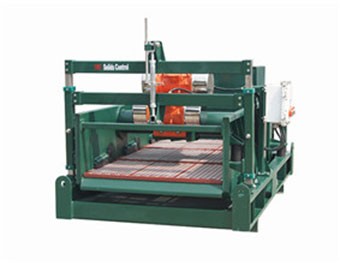 Linear Motion Shale Shaker In Drilling Rig
 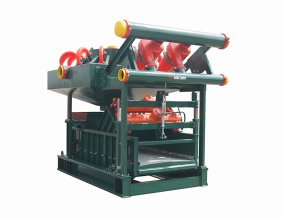 Oilfield Mud Cleaner
 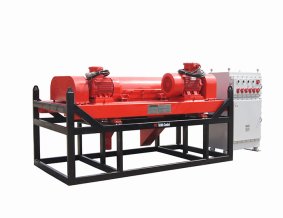 Drilling Fluid Decanter Centrifuge
 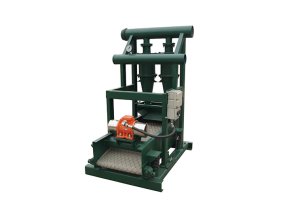 Drilling Mud Desander
 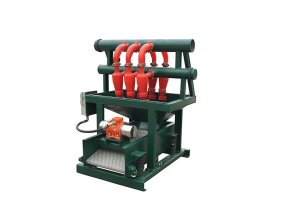 Hydrocyclone Desilter
 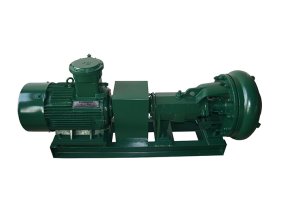 Centrifugal Pump/Centrifugal Mud Pump
 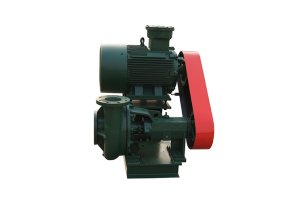 Shear Pump
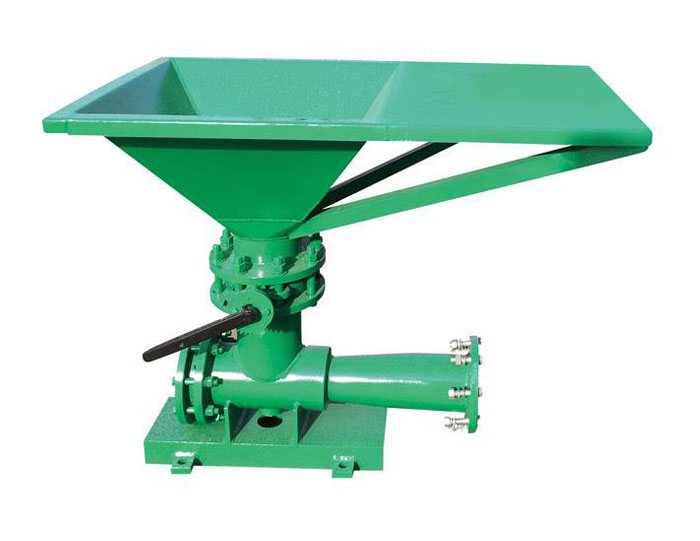
 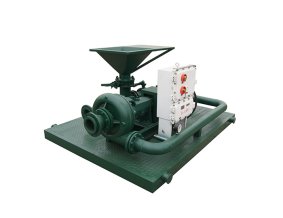 Jet Mud Mixer
 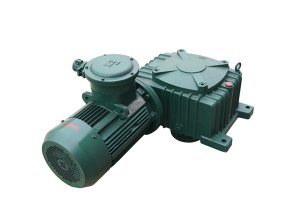 Horizontal Mud Agitator
 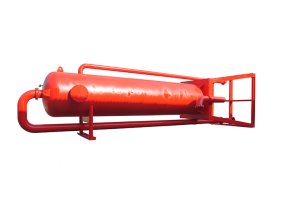 Constant Pressure Drilling Fluid Mud Gas Separator
 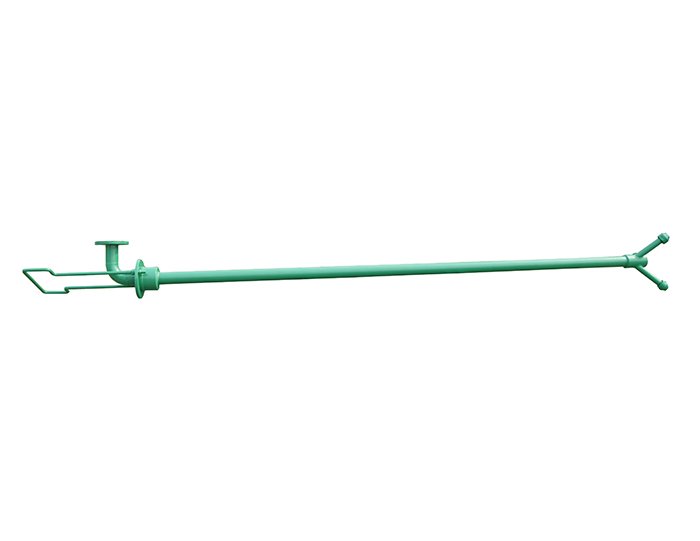 Mud Gun
  Mud Tank
 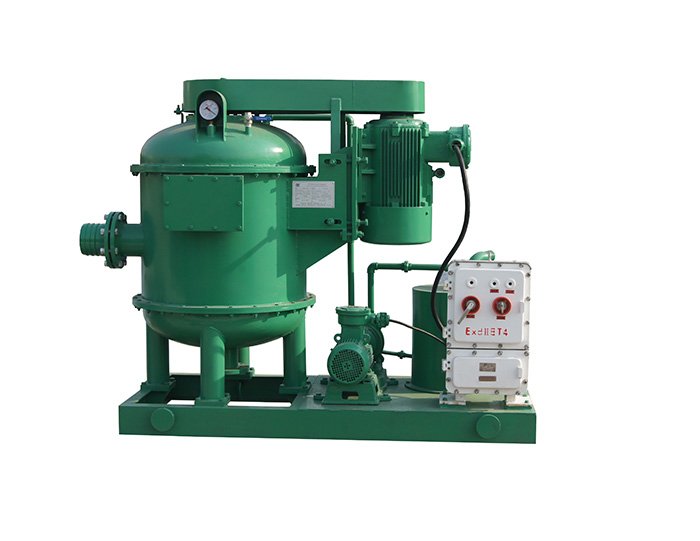 Solids Control System Vacuum Degasser
 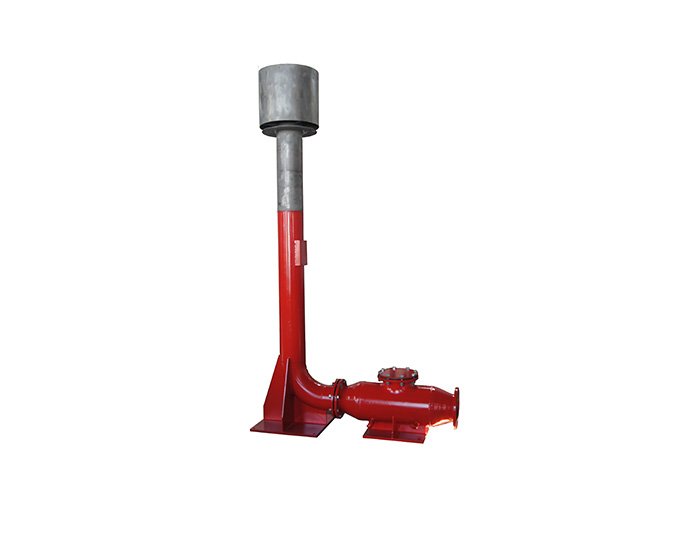 Flare Ignition Device
 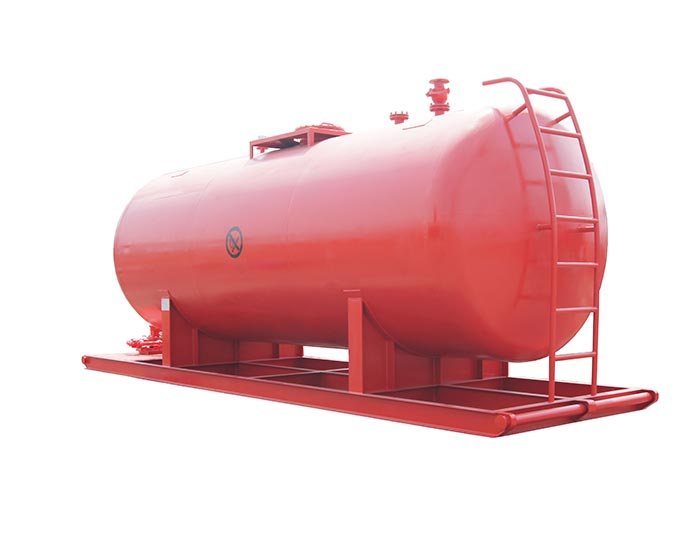 Diesel Tank
 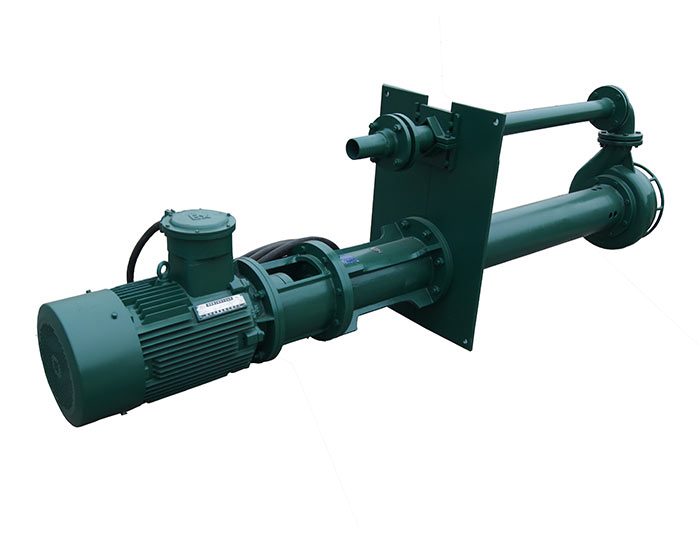 Submersible Slurry Pump