The initial stage of any successful solids control process begins the moment the drilling fluid exits the wellbore and returns to the surface. In the high-pressure environment of a modern drilling site, the efficiency of this first separation phase dictates the health of the entire fluid circuit. Among the various technologies available, the linear motion shale shaker has emerged as the industry standard for handling high-volume returns and aggressive drilling rates. Unlike older elliptical or circular motion designs, the linear motion approach provides the concentrated G-force necessary to "strip" fluids from cuttings with surgical precision. Selecting the right unit requires a deep understanding of how mechanical vibration interacts with fluid rheology to ensure the rig operates at peak hydraulic capacity.
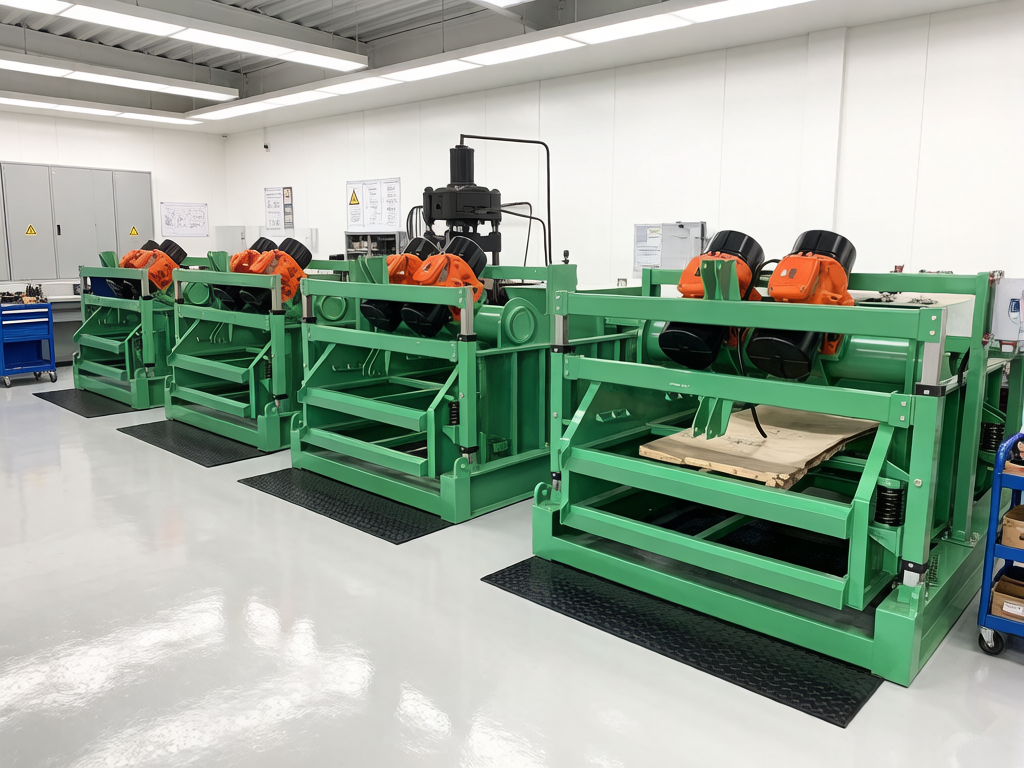
The Mechanical Superiority of the Linear Motion Shale Shaker
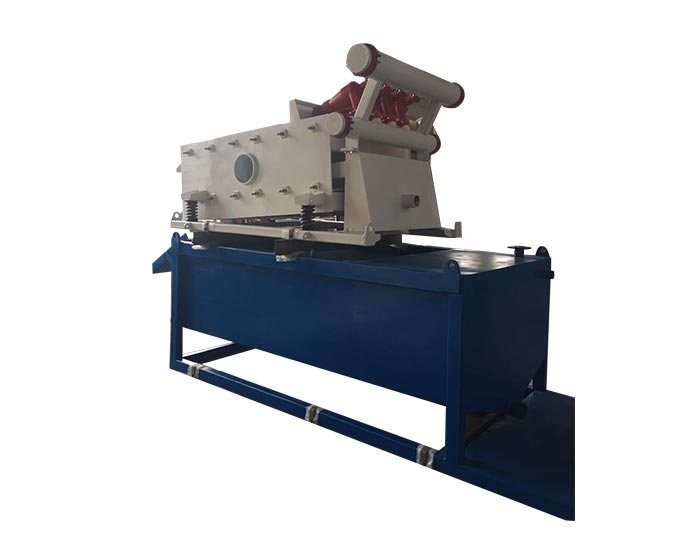
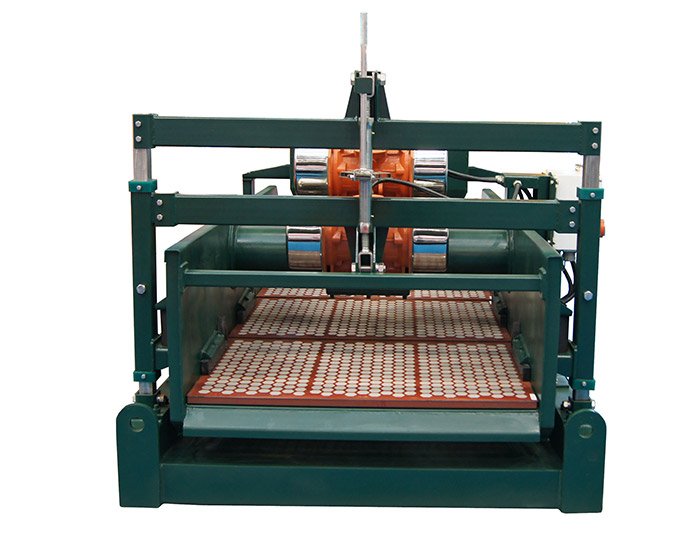
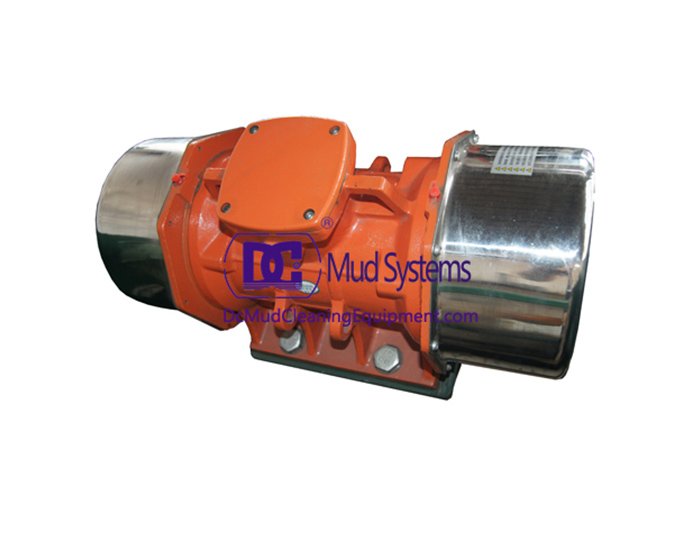
At the core of the linear motion shale shaker is the principle of synchronized vibration. By utilizing two counter-rotating vibrating motors, the equipment generates a force that acts in a single, straight line, perpendicular to the shaker bed. This specific motion pattern is what allows the solids to "climb" an uphill screen deck, an essential feature for increasing the "dwell time" of the cuttings. As the solids are pushed upward, the liquid phase—carrying expensive polymers and weighting agents—has more time to pass through the mesh into the active mud system.
This mechanical configuration is particularly effective when dealing with high-density drilling fluids. Because the linear motion shale shaker can generate G-forces often exceeding 7.0 or 8.0 Gs, it can overcome the surface tension of thick, oil-based muds that would otherwise "blind" or clog a standard shaker. For a rig manager, the choice of a linear motion system is a choice for consistency; it ensures that regardless of the formation being drilled, the primary separation remains efficient, reducing the burden on downstream equipment like centrifuges and degassers.
Integration of the Shale Shaker in Drilling Rig Workflows
The placement and capacity of the shale shaker in drilling rig layouts are critical factors in preventing non-productive time. A shaker is not an isolated component but the frontline defender of the rig's mud pumps and downhole tools. When a rig is drilling through fast, "top-hole" sections, the volume of cuttings can be immense. If the shaker in drilling rig operations is undersized or poorly maintained, the fluid will simply bypass the screens, carrying large rock fragments into the mud tanks.
Modern rig designs favor a "tandem" or "triple" shaker configuration. This allows for redundancy and enables the crew to change screens on one unit while the others continue to process the flow. Furthermore, the integration of adjustable-deck shakers allows the operator to change the angle of the screen bed on the fly. When the ROP increases, the deck can be tilted upward to prevent fluid loss; when the ROP slows, the deck can be flattened to maximize the dryness of the cuttings. This adaptability ensures that the shaker remains the most flexible tool in the driller's arsenal, responding in real-time to the changing conditions of the subsurface.
Evaluating the Durability of a Premium Oilfield Shale Shaker
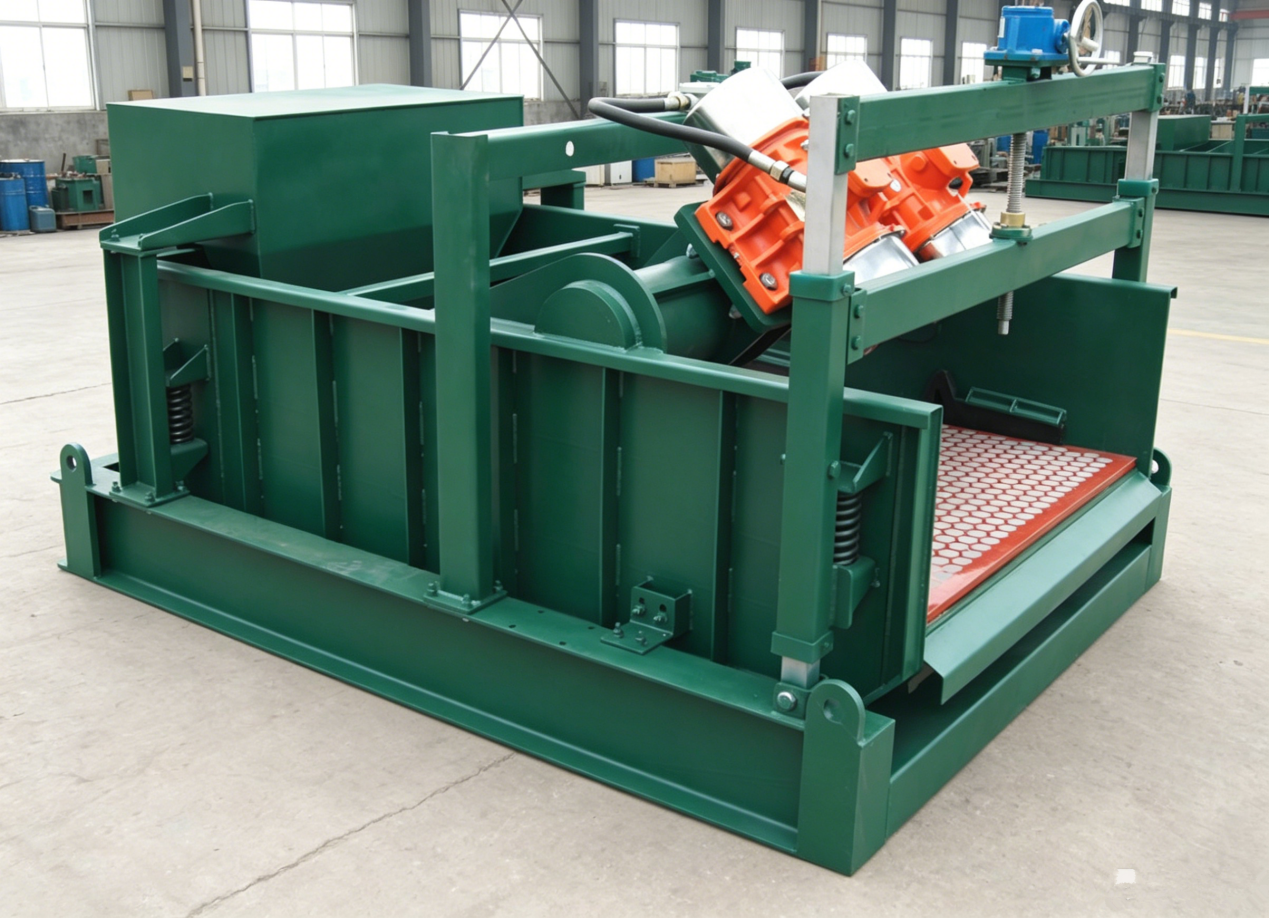
The environmental conditions of an oilfield are notoriously brutal, characterized by extreme temperatures, corrosive chemicals, and constant mechanical stress. Therefore, an oilfield shale shaker must be engineered for extreme durability. The structural integrity of the shaker basket is of paramount importance. Because the basket is subjected to high-frequency vibration for thousands of hours, any weakness in the welding or material composition can lead to fatigue cracking, resulting in catastrophic failure and expensive rig downtime.
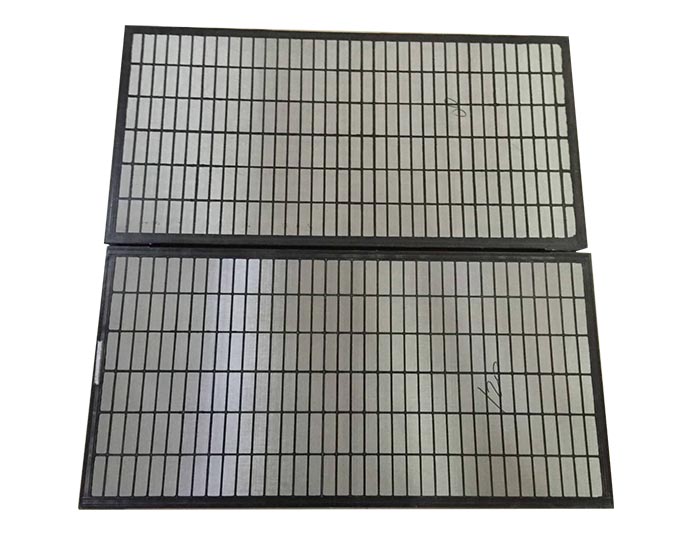
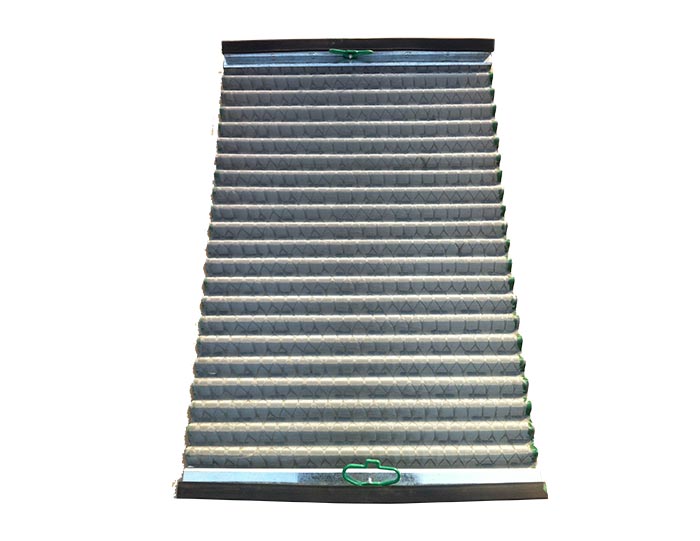
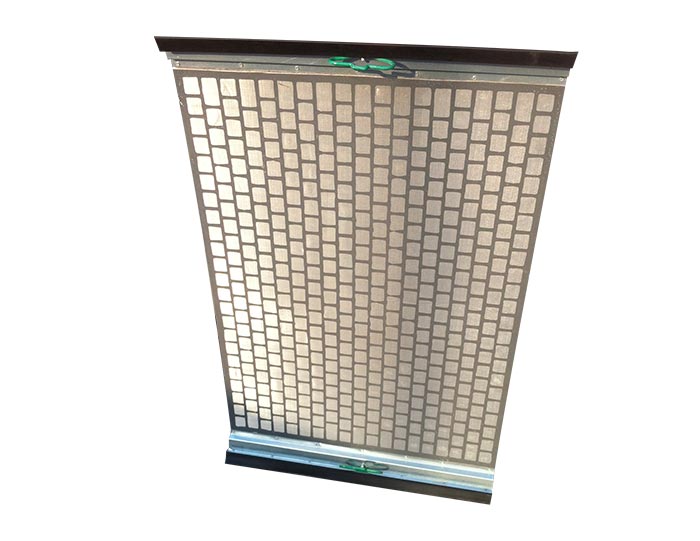
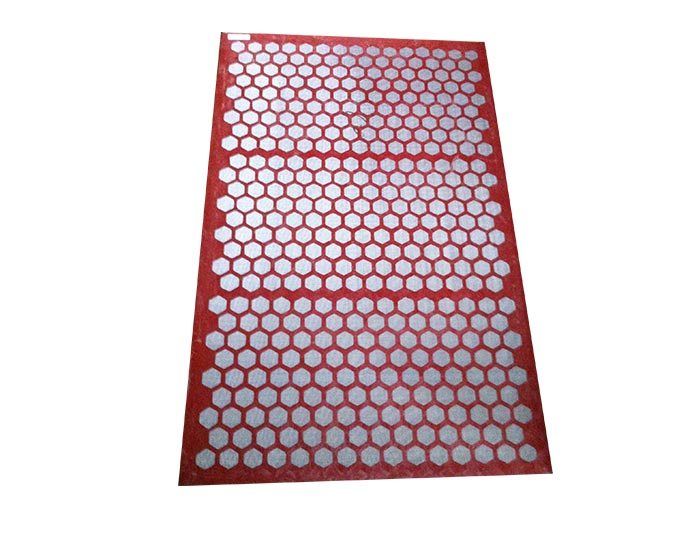
A high-quality oilfield shale shaker typically features a heat-treated basket and a "wedge-block" screen fastening system. These fastening systems allow for rapid screen changes, which is vital when transitioning between different geological formations that require different mesh sizes. Moreover, the use of stainless steel and specialized coatings protects the frame from the corrosive effects of salt-saturated muds and acidic additives. When evaluating an oilfield shale shaker, the focus should not only be on the initial separation efficiency but on the "mean time between failures." A shaker that requires less maintenance and features readily available replacement parts will always provide a better return on investment over the life of a multi-well drilling program.
Synergizing Shakers with Comprehensive Solids Control Systems
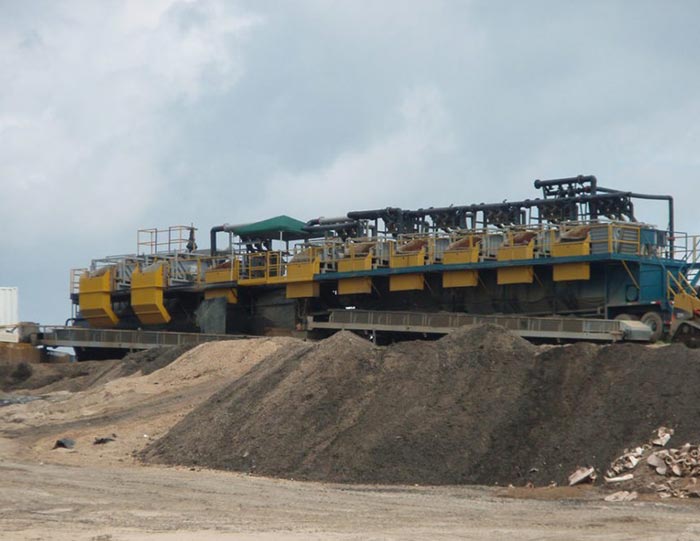
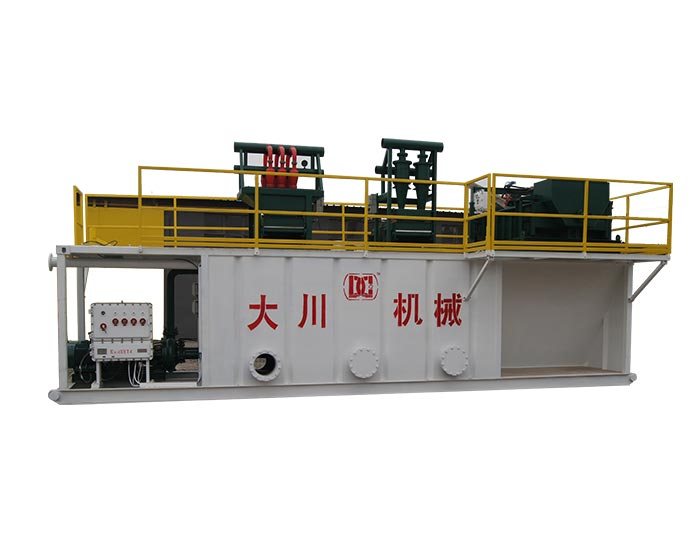
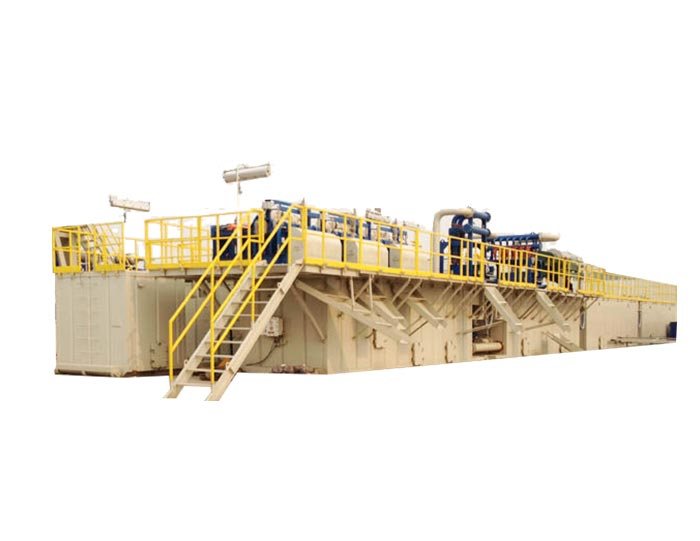
While the shale shaker is the first line of defense, its performance is inextricably linked to the broader solids control systems on the rig. The efficiency of the shaker determines the "particle size distribution" that the downstream hydrocyclones and centrifuges must handle. If the shaker is performing at a high level, it captures the majority of solids above 74 microns, allowing the rest of the solids control systems to focus on the ultra-fine silts and clays that are much harder to remove.
Advanced solids control systems now utilize a "total fluid management" philosophy where the shaker's performance is monitored via digital sensors. These sensors can measure the "fluid end point"—the exact location on the screen where the liquid disappears—and provide feedback to the driller. This data-driven approach allows for the optimization of screen selection. Instead of relying on guesswork, the crew can select a mesh size that maximizes solids removal without risking fluid overflow. By treating the linear motion shaker as a integrated part of a digital ecosystem, the rig achieves a level of precision that reduces chemical consumption and waste disposal costs simultaneously.
Optimization of the Drilling Fluid Shale Shaker for Environmental Compliance
In the contemporary regulatory landscape, the "dryness" of discarded cuttings is a key performance indicator. A drilling fluid shale shaker that leaves excessive liquid on the cuttings is an environmental and financial liability. Every gallon of base oil or synthetic fluid that leaves the rig site on a cuttings truck is a gallon that must be replaced at great expense. Therefore, selecting a drilling fluid shale shaker with high G-force capabilities is essential for achieving "dry" discharge.
Beyond simple separation, modern shakers are being designed to reduce noise pollution and minimize the release of harmful vapors. Enclosed shaker designs help contain the mist and fumes generated by high-temperature drilling fluids, protecting the health of the rig crew and ensuring compliance with occupational safety standards. The drilling fluid shale shaker is thus a multi-functional asset; it preserves the chemical properties of the mud, protects the rig's mechanical components, and serves as the primary gateway for environmental stewardship.

 Linear Motion Shale Shaker In Drilling Rig
 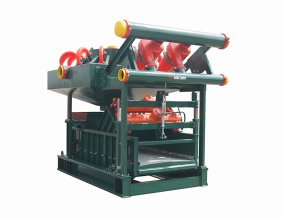 Oilfield Mud Cleaner
 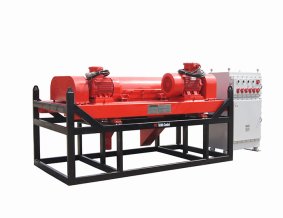 Drilling Fluid Decanter Centrifuge
 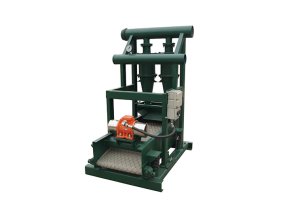 Drilling Mud Desander
 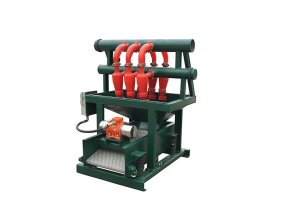 Hydrocyclone Desilter
 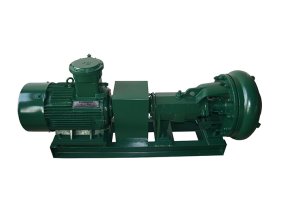 Centrifugal Pump/Centrifugal Mud Pump
 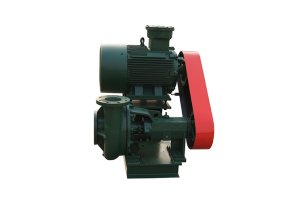 Shear Pump
 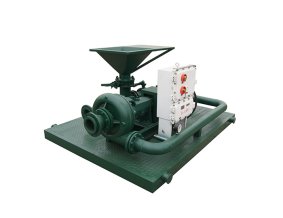 Jet Mud Mixer
 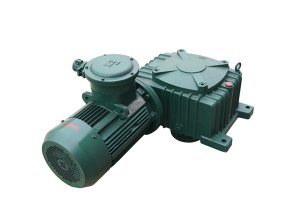 Horizontal Mud Agitator
 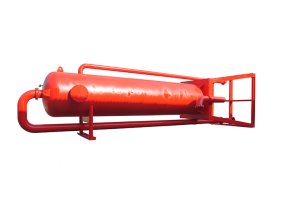 Constant Pressure Drilling Fluid Mud Gas Separator
 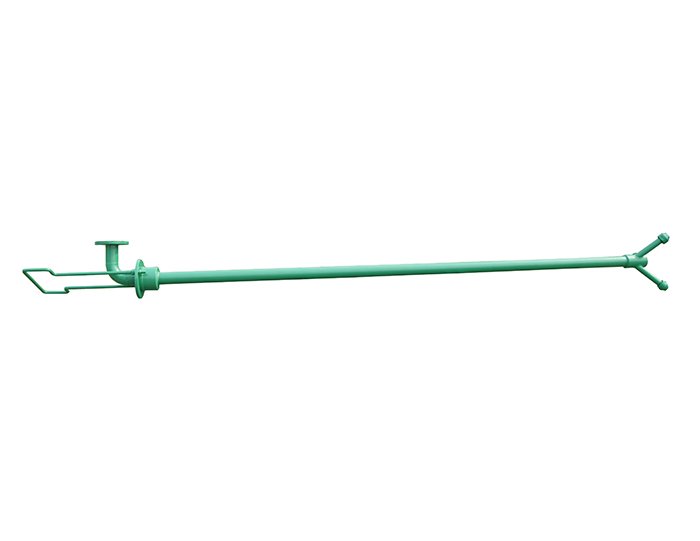 Mud Gun
  Mud Tank
 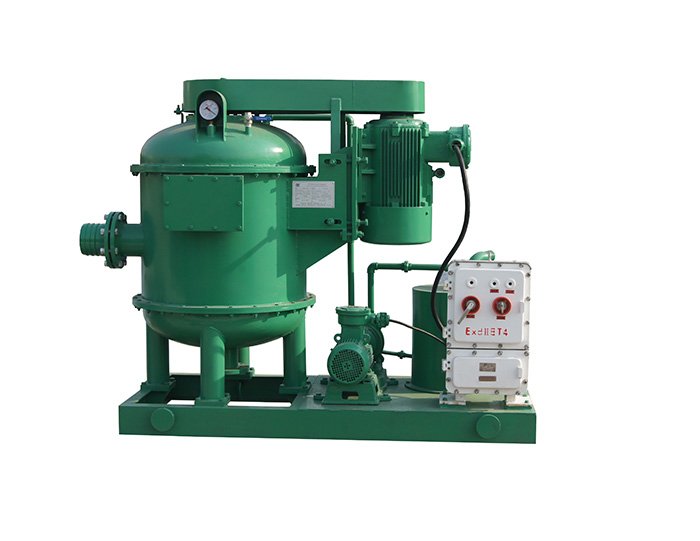 Solids Control System Vacuum Degasser
 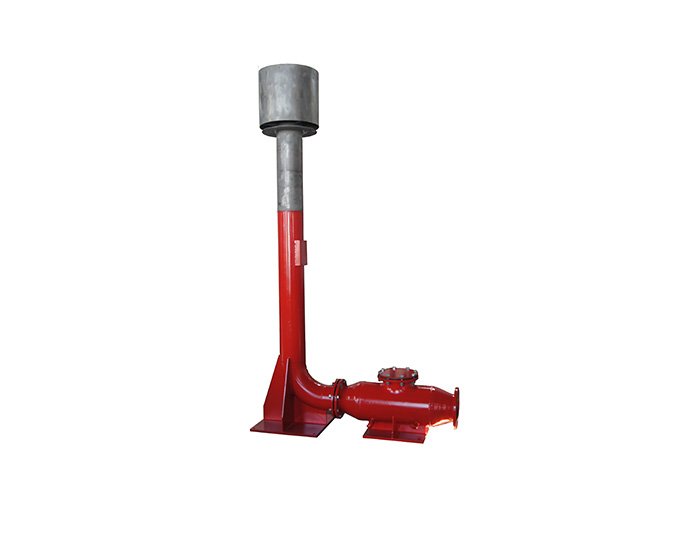 Flare Ignition Device
 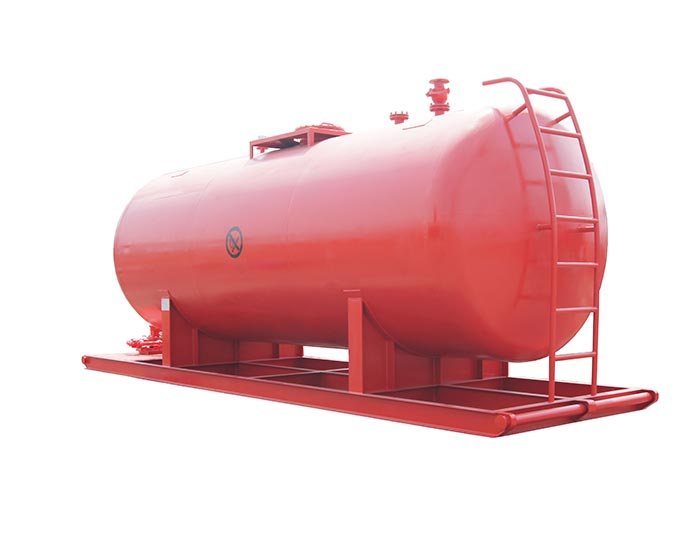 Diesel Tank
 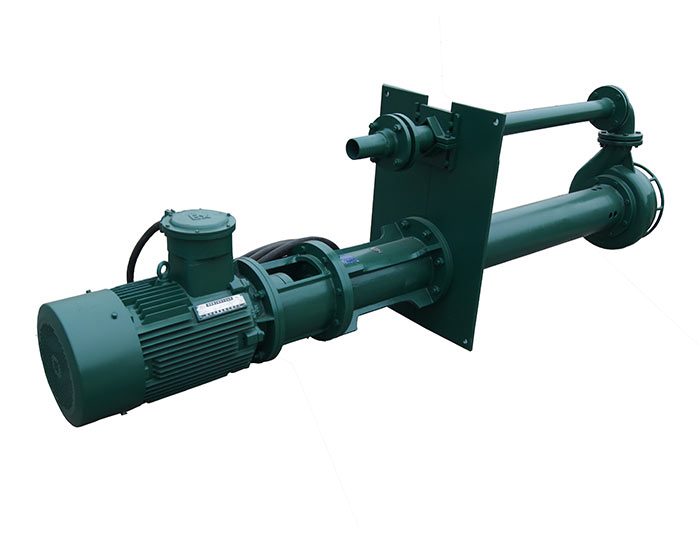 Submersible Slurry Pump