In the high-stakes world of modern energy exploration, the efficiency of a drilling project is often determined by the invisible quality of its circulating fluid. As the industry pushes toward deeper reservoirs and more complex horizontal trajectories, the technical demands on drilling mud have reached an all-time high. A central component in meeting these demands is the high-performance mud cleaner in drilling rig configurations. By serving as a sophisticated secondary and tertiary separation unit, the mud cleaner ensures that the fluid remains a high-performance lubricant and pressure barrier, rather than a slurry of abrasive debris. The integration of this equipment is not merely a matter of convenience; it is a fundamental requirement for maintaining the mechanical integrity of the entire drilling apparatus.
Maximizing Fluid Recovery with an Advanced Mud Cleaner System
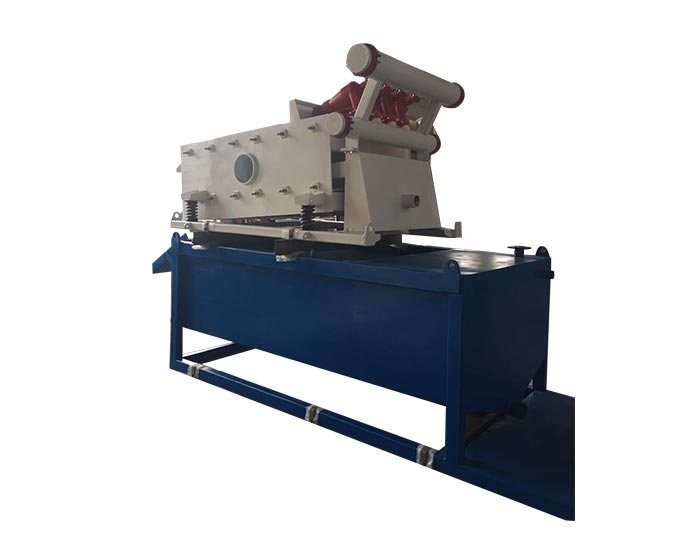
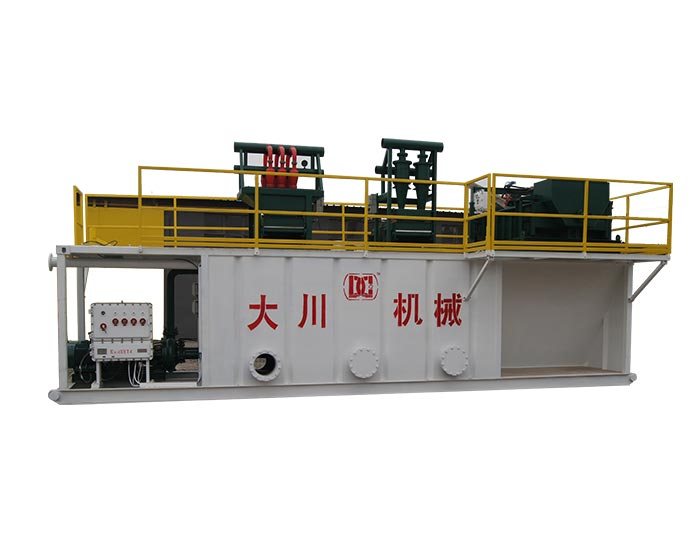
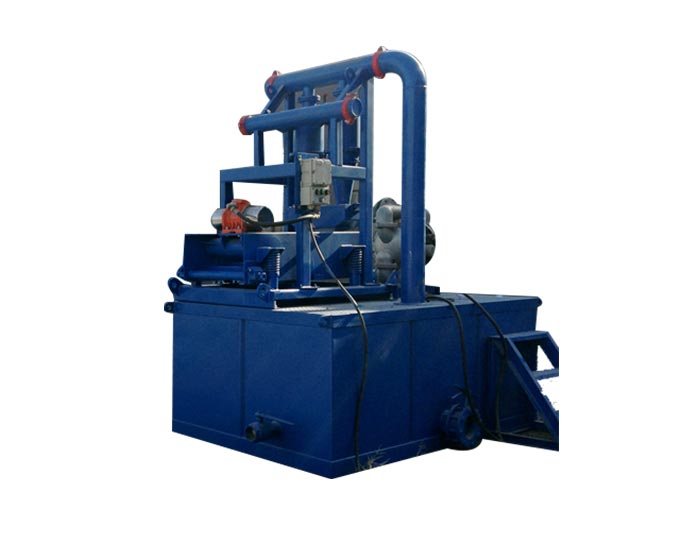
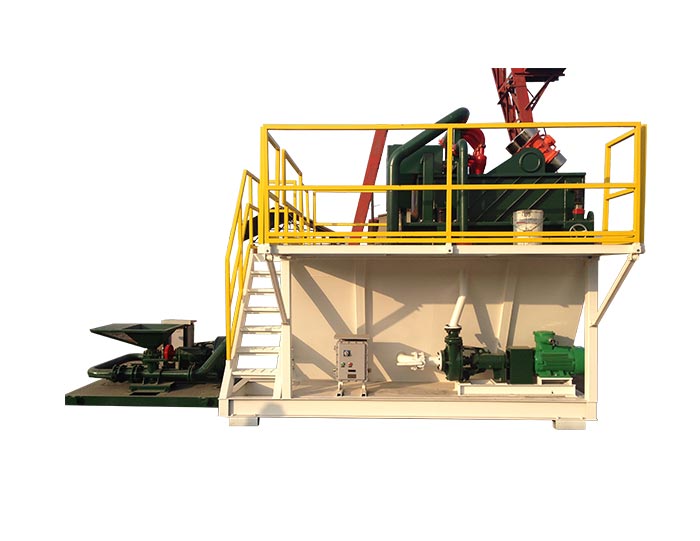
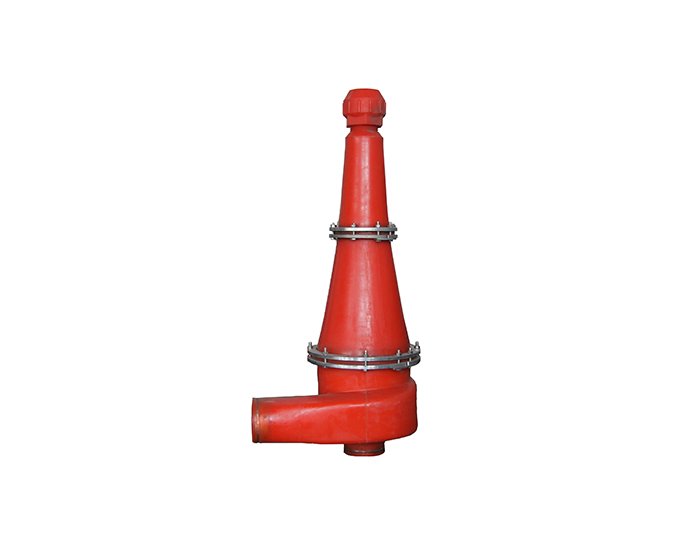
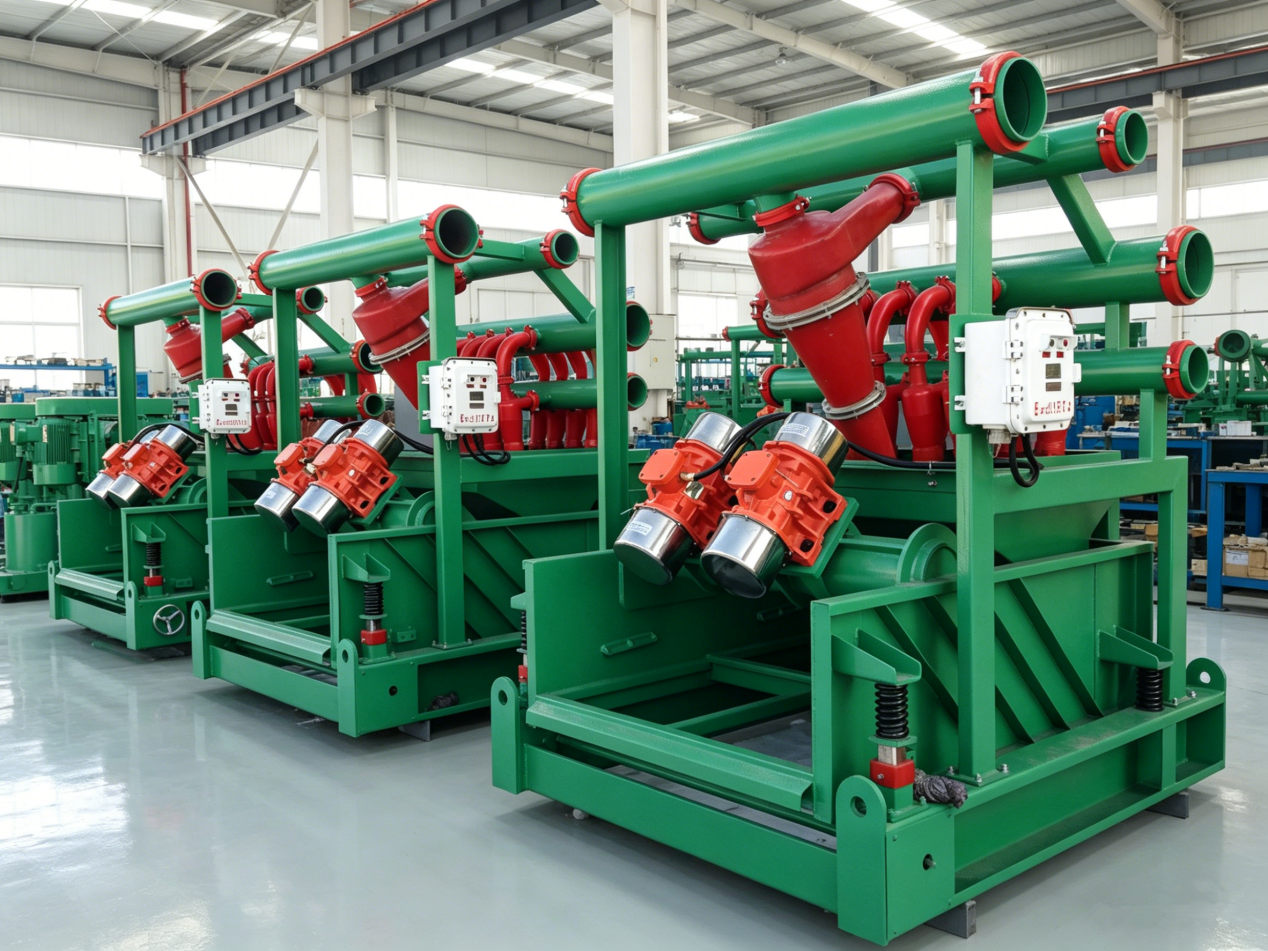
The economic viability of a well is often tied directly to the management of its liquid assets. Modern drilling fluids, particularly synthetic-based and oil-based muds, represent a significant capital investment. The primary function of a mud cleaner system is to facilitate the maximum recovery of this expensive liquid phase while selectively removing detrimental fine solids. Unlike a standard shale shaker, which focuses on coarse removal, the mud cleaner utilizes a bank of hydrocyclones—desanders and desilters—integrated directly over a fine-mesh vibration screen.
This dual-action approach allows the system to process the underflow from the cyclones. In a typical operation, the hydrocyclones use centrifugal force to concentrate solids into a heavy sludge. Without a proper mud cleaner system, this sludge—and the valuable fluid trapped within it—would be discarded as waste. However, the mud cleaner captures this discharge and subjects it to high-frequency vibration across ultra-fine screens. This process "washes" the liquid from the solids, returning the clean mud to the active pits and ensuring that only the driest, most concentrated cuttings are removed. This closed-loop efficiency drastically reduces the cost of "makeup" fluid and minimizes the environmental footprint of the site by decreasing the total volume of waste generated.
Enhancing Rate of Penetration Through Professional Mud Cleaner Drilling
The physical speed at which a bit moves through the earth, known as the Rate of Penetration (ROP), is heavily influenced by the rheological properties of the mud. When a rig engages in mud cleaner drilling practices, it effectively manages the "solids buildup" that naturally occurs as the bit grinds through different geological strata. If fine particles are allowed to accumulate, the plastic viscosity of the mud increases, creating a thicker, more sluggish fluid. This heavy mud requires more energy to pump and creates a "cushioning" effect at the bottom of the hole, which prevents the bit from making efficient contact with the rock face.
By utilizing a mud cleaner, the rig maintains a "lean" fluid profile. This lower-viscosity mud travels faster and carries cuttings away from the bit face more effectively, preventing "bit balling"—a condition where clay and debris stick to the bit and hinder its cutting action. Furthermore, mud cleaner drilling ensures that the Equivalent Circulating Density (ECD) remains stable. By keeping the solids content low, the hydrostatic pressure is kept within the narrow safety window required to prevent formation fracturing. The result is a faster, safer, and more predictable drilling curve that allows the operator to reach total depth ahead of schedule.
Protecting Downhole Assets with a Drilling Mud Cleaner
The modern drilling assembly is a masterpiece of electronic and mechanical engineering, often containing millions of dollars' worth of Measurement-While-Drilling (MWD) and Logging-While-Drilling (LWD) tools. These components are extremely sensitive to the physical environment of the wellbore. A drilling mud cleaner acts as a vital insurance policy for these assets. When solids—particularly abrasive sand and silt—are allowed to recirculate, they act as an internal sandblasting medium. This erosion can destroy the turbines of MWD tools, clog the ports of directional drilling motors, and wash out the internal seals of the drill string.
The constant removal of these micro-abrasives by the drilling mud cleaner ensures that the internal components of the bottom-hole assembly (BHA) remain functional throughout the duration of the run. This prevents the need for "fishing" operations or premature trips to replace failed tools, both of which are incredibly costly and time-consuming. Beyond the BHA, the clean mud provided by the system protects the rig's surface equipment. Mud pump liners and valves experience significantly less wear when the fluid is free of gritty fines, leading to longer maintenance intervals and reduced mechanical downtime.
Maintaining Wellbore Stability and Reducing Torque
One of the most critical challenges in extended-reach or horizontal drilling is the management of torque and drag. As the drill string lays against the side of the wellbore, friction becomes a major limiting factor. A mud cleaner in drilling rig operations plays a direct role in mitigating this friction. Clean mud allows for the development of a thin, tough, and impermeable filter cake on the wellbore wall. This "slick" interface reduces the contact friction between the rotating pipe and the formation.
Conversely, mud with a high solids content creates a thick, spongy filter cake. This thick cake not only increases torque but also creates the perfect conditions for differential sticking, where the pressure of the mud pushes the drill string into the cake, trapping it against the wall. By using a mud cleaner to strip out the silts and clays that contribute to thick filter cakes, the operator ensures a smooth, stable wellbore. This stability is essential during the casing and cementing phase; a clean, "in-gauge" hole allows the casing to reach the bottom without obstruction and ensures a superior cement bond, which is the foundation of the well's long-term production integrity.
Engineering Durability through High-Quality Mud Cleaner Parts
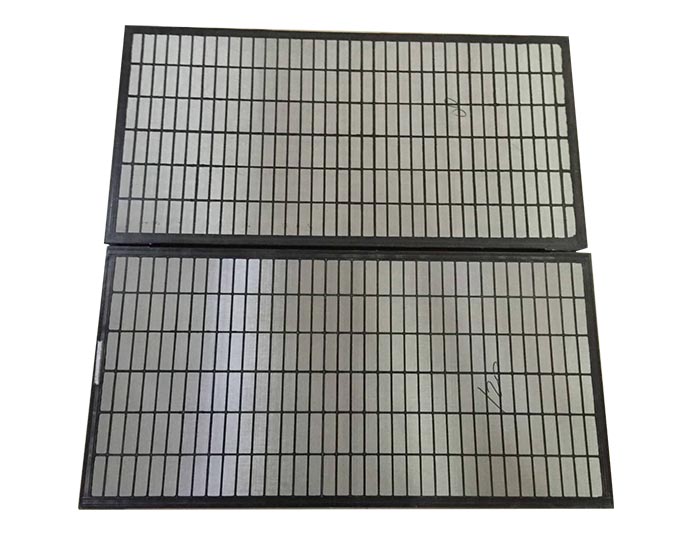
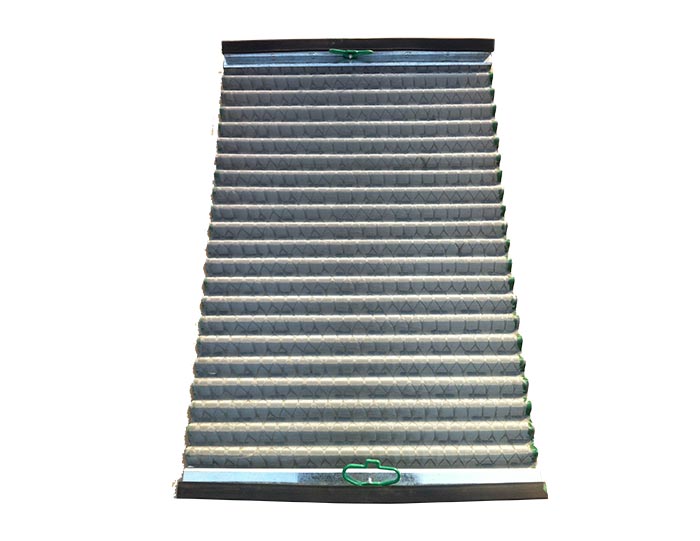
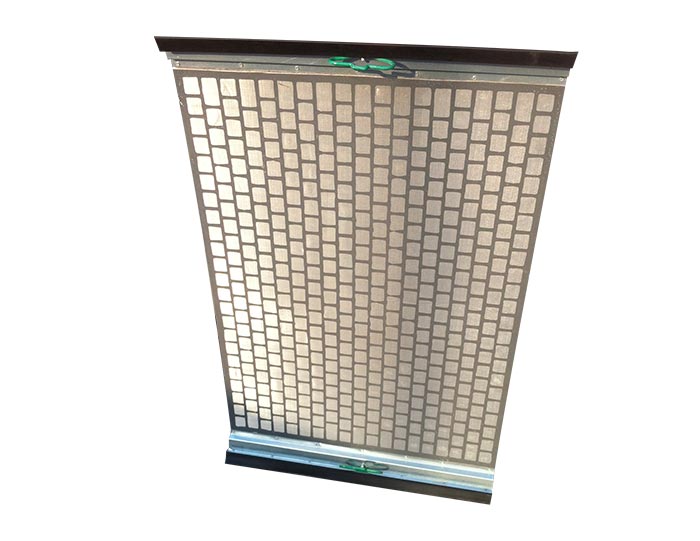
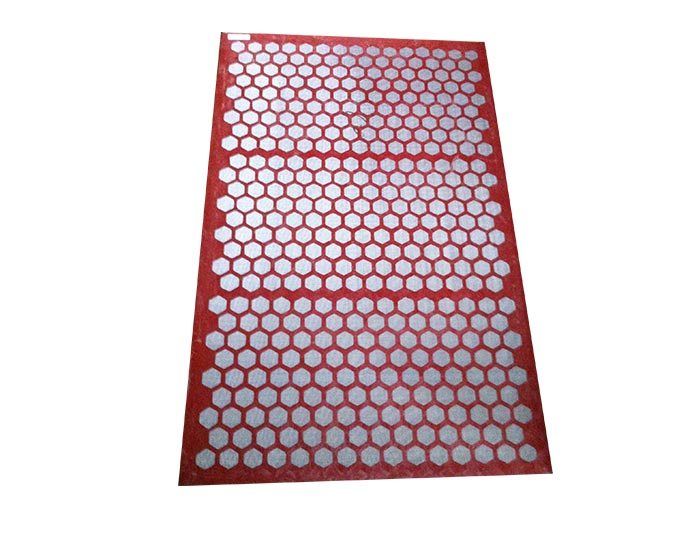
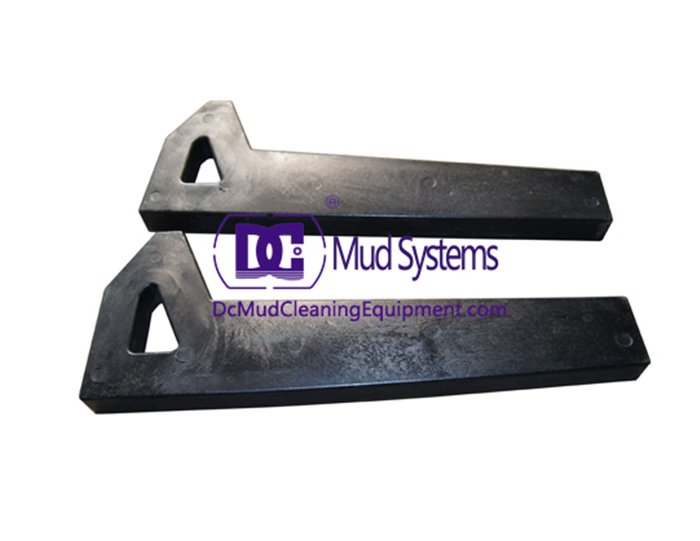
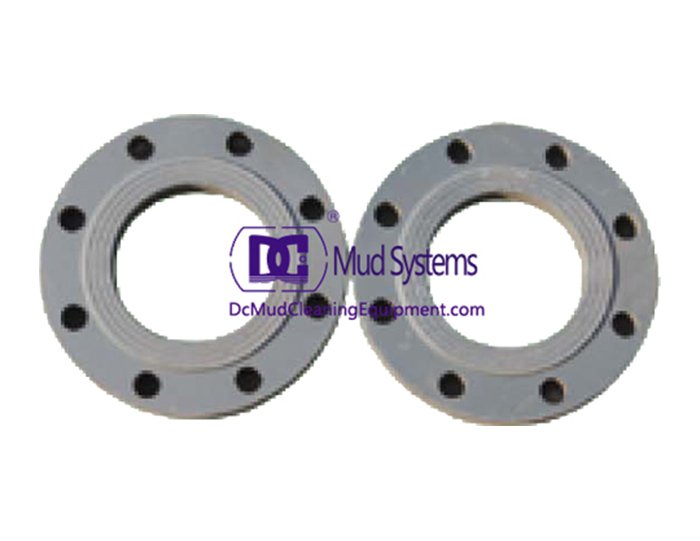
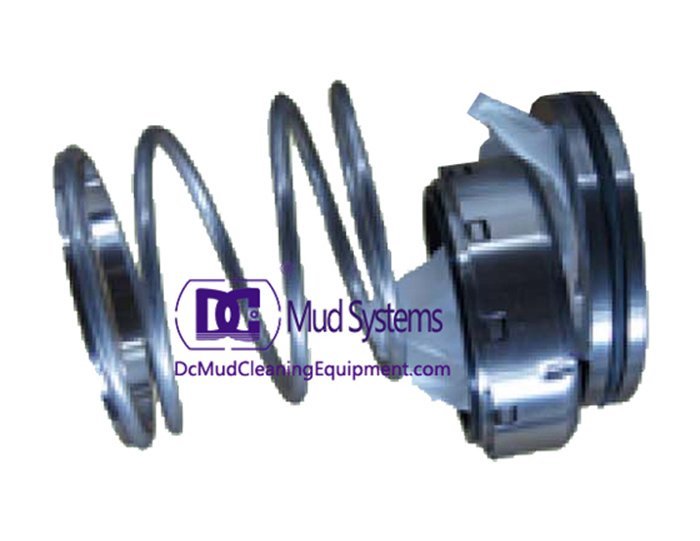
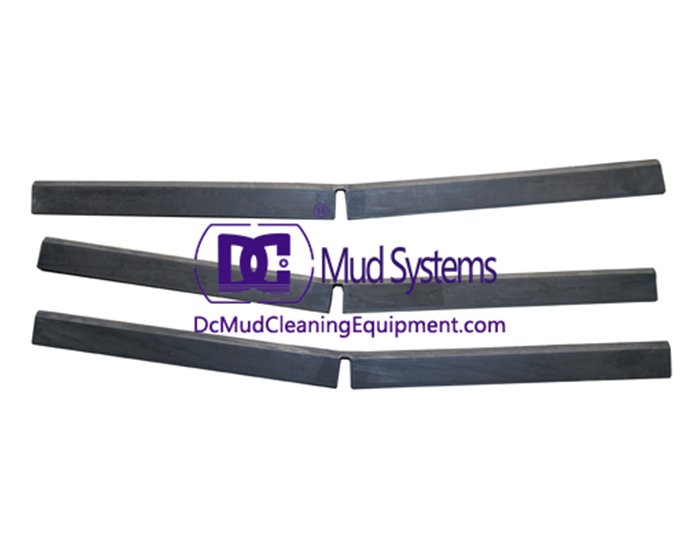
The effectiveness of any solids control strategy is only as strong as its weakest component. The longevity and reliability of a mud cleaner system are determined by the quality of the mud cleaner parts used in its construction. From the polyurethane hydrocyclones that resist chemical degradation to the high-tensile mesh of the shaker screens, each part must be engineered to withstand the brutal environment of the oilfield.
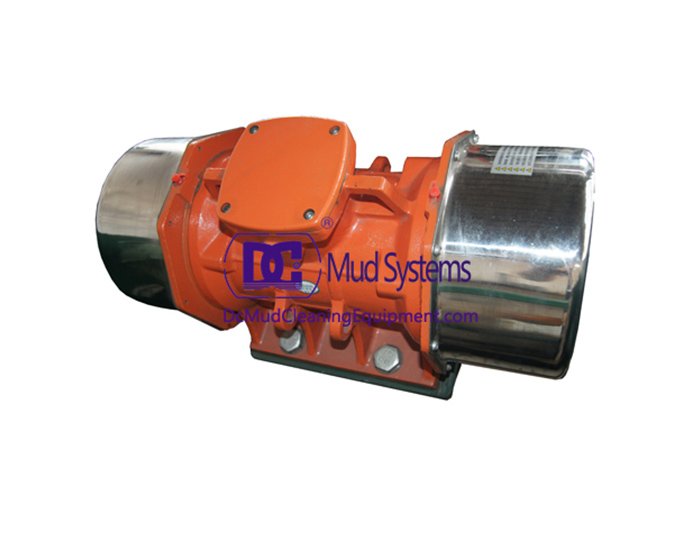
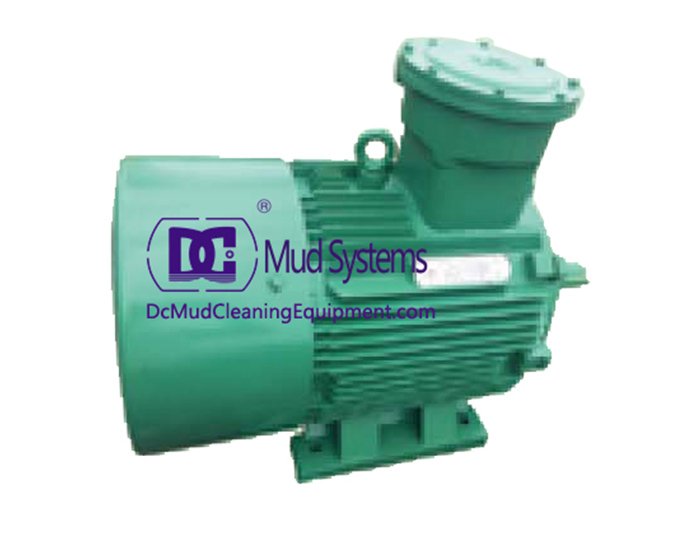
In a modern mud cleaner, the hydrocyclones are designed with adjustable apexes, allowing the mud engineer to fine-tune the "cut point" of the separation. This precision is supported by the motor systems that drive the vibration. High-quality mud cleaner parts ensure that the vibration is consistent across the entire surface of the screen, preventing "dead spots" where solids could accumulate and cause fluid bypass. Furthermore, the use of corrosion-resistant materials in the manifold and frame ensures that the equipment can handle the corrosive nature of certain brine-based muds or high-temperature returns. When these parts are maintained correctly, the mud cleaner becomes a tireless workhorse that sustains the rig's performance through thousands of feet of drilling.

 Linear Motion Shale Shaker In Drilling Rig
  Oilfield Mud Cleaner
 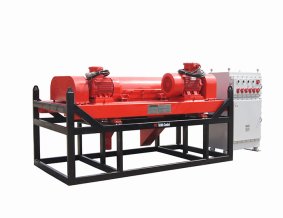 Drilling Fluid Decanter Centrifuge
 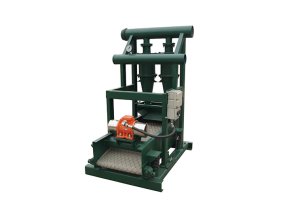 Drilling Mud Desander
 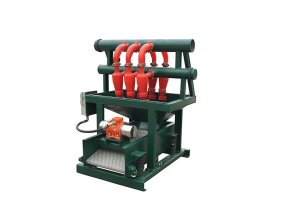 Hydrocyclone Desilter
 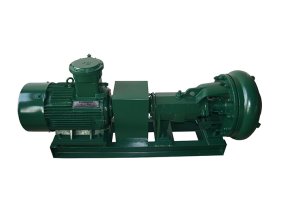 Centrifugal Pump/Centrifugal Mud Pump
 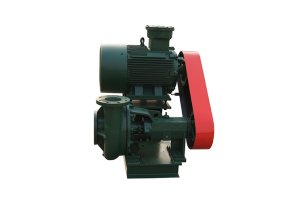 Shear Pump
 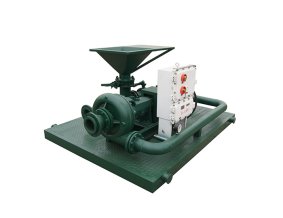 Jet Mud Mixer
 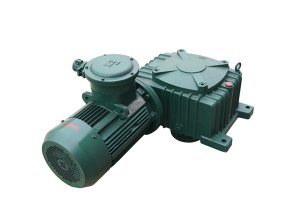 Horizontal Mud Agitator
 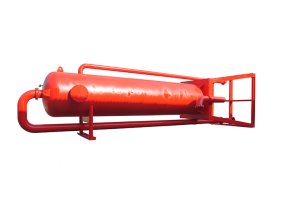 Constant Pressure Drilling Fluid Mud Gas Separator
 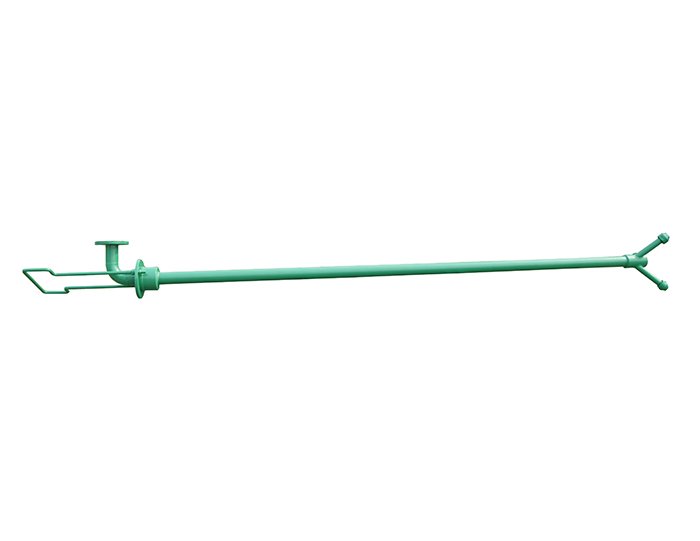 Mud Gun
  Mud Tank
 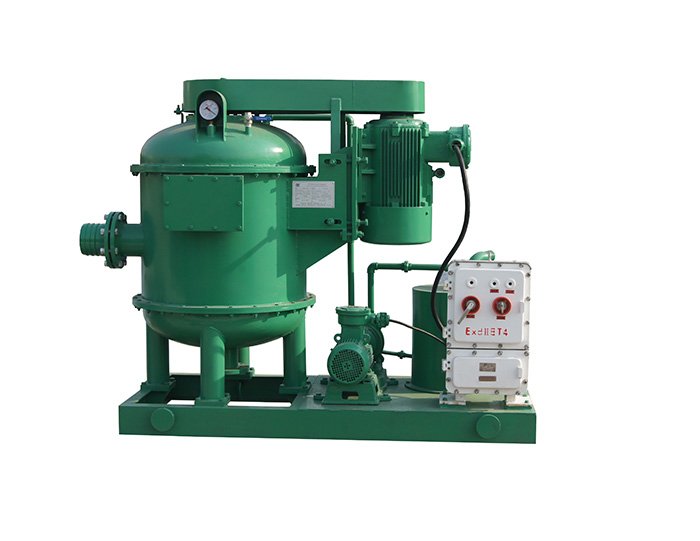 Solids Control System Vacuum Degasser
 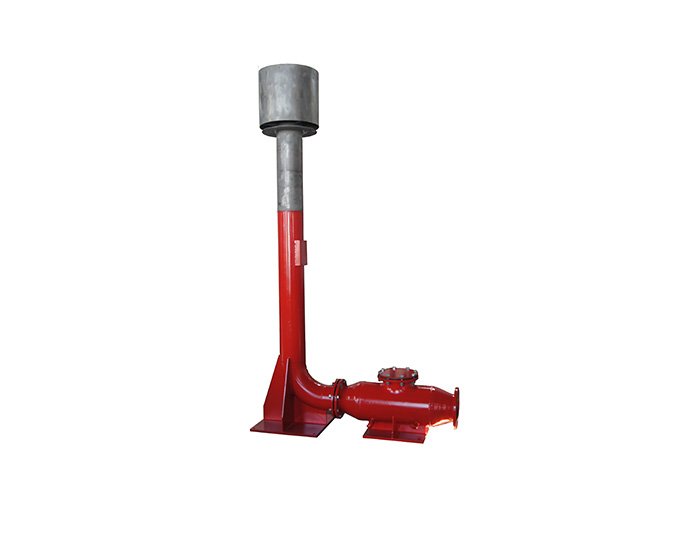 Flare Ignition Device
 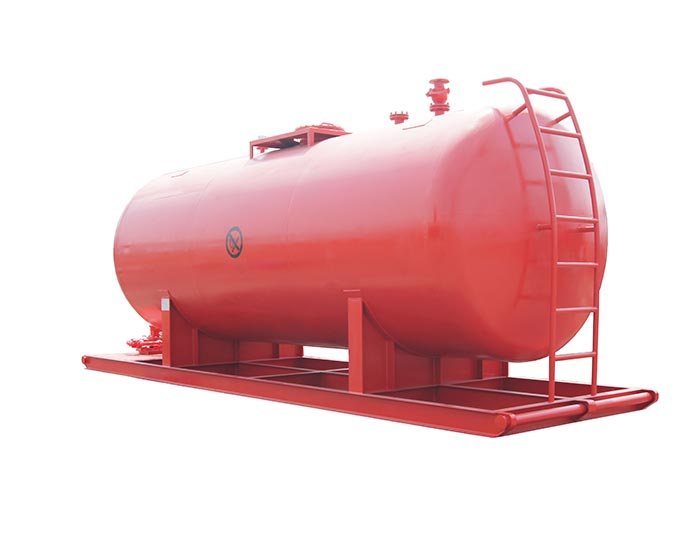 Diesel Tank
 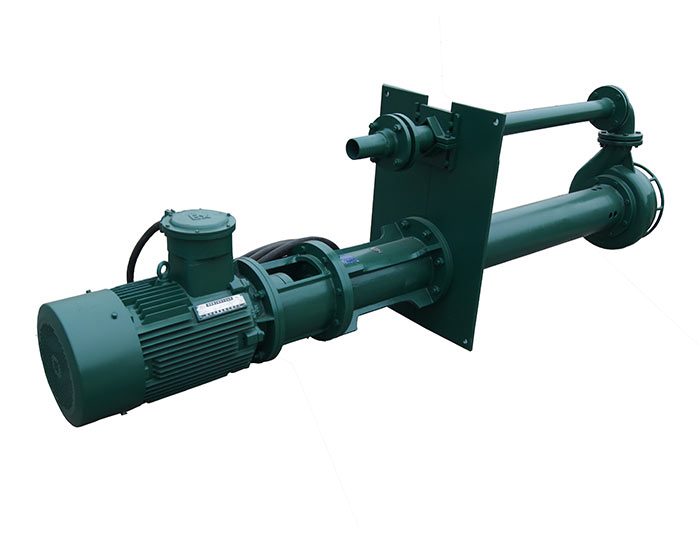 Submersible Slurry Pump