Well safety has always been one of the defining priorities in oil and gas drilling operations. As drilling activities move into increasingly complex geological formations, maintaining stable pressure conditions and reliable drilling fluid performance becomes more challenging. Modern drilling projects are expected to operate efficiently while minimizing operational risks, protecting personnel, and preserving environmental safety standards. Within this demanding environment, the role of the degasser in drilling rig systems has become more important than ever.
Gas intrusion during drilling is a common challenge that can quickly destabilize drilling fluid properties and compromise well control if not handled properly. Gas-cut mud can reduce hydrostatic pressure, create circulation instability, and increase the possibility of dangerous well control incidents. For this reason, advanced gas separation technology is now considered a core element of safe drilling infrastructure.
Both the mud gas separator or degasser and the vacuum degasser serve essential functions within modern fluid processing operations. These technologies work together to remove unwanted gas from drilling fluids, helping operators maintain pressure stability and safer circulation conditions throughout the drilling process.
As drilling technology evolves, the effectiveness of drilling solids control operations increasingly depends on the ability to manage both solids and gas contamination simultaneously. Reliable solid control systems are therefore critical for maintaining operational stability in today’s challenging drilling environments.
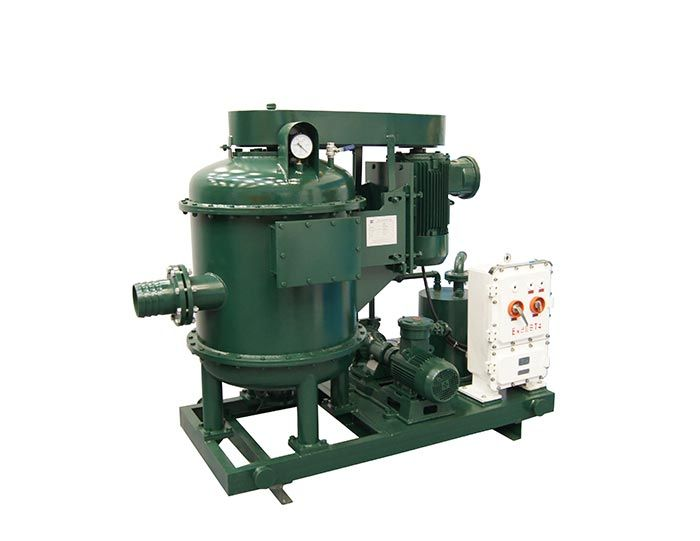
How Degasser in Drilling Rig Operations Supports Well Control
Well control relies heavily on maintaining balanced pressure inside the wellbore. Drilling fluids create hydrostatic pressure that prevents formation fluids from entering the well unexpectedly. When gas invades the drilling mud system, the density of the fluid can decrease rapidly, weakening the mud’s ability to control formation pressure.
A properly functioning degasser in drilling rig operations helps restore fluid stability by separating entrained gas from the drilling mud before the fluid returns to active circulation. This process allows drilling engineers to maintain more consistent mud weight and pressure control during drilling activities.
The relationship between the mud gas separator or degasser and overall well control is especially important in formations where gas influx occurs frequently. If gas contamination remains untreated, circulation conditions may become unstable, increasing the risk of kicks or blowouts.
Modern vacuum degasser technology provides continuous gas removal capability that supports smoother drilling operations and more reliable fluid conditioning. By maintaining consistent fluid properties, the degasser helps improve operational predictability and reduces pressure-related uncertainties.
Advanced drilling solids control systems are designed to integrate gas separation and solids removal into a unified fluid management strategy. Within these systems, effective gas control is just as important as particle separation for maintaining drilling stability and protecting well integrity.
High-quality solid control systems therefore serve as a fundamental safety layer that supports both drilling performance and operational reliability.
Why Mud Gas Separator or Degasser Equipment Is Essential for Rig Safety
Safety risks on drilling rigs can escalate quickly when gas contamination is not managed effectively. Hazardous gas accumulation near surface equipment can create dangerous working conditions for personnel while also threatening equipment stability and well control performance.
The primary purpose of the mud gas separator or degasser is to safely separate large volumes of free gas from drilling fluids before the gas enters sensitive processing equipment or active mud tanks. This separation process reduces the concentration of hazardous gases within the circulation system and helps maintain safer operating conditions across the drilling site.
A reliable degasser in drilling rig systems also minimizes the risk of sudden pressure fluctuations caused by gas-cut mud. Stable circulation conditions are essential for maintaining predictable drilling performance and reducing operational stress on drilling equipment.
Modern vacuum degasser technology complements traditional gas separation systems by removing smaller entrained gas bubbles that may remain suspended within the drilling fluid after initial separation. Together, these technologies create a more complete gas management solution.
Within integrated drilling solids control operations, gas removal systems function alongside shale shakers, centrifuges, and desanders to maintain overall drilling fluid quality. This coordinated approach helps improve operational stability while supporting safer drilling practices.
As industry safety standards continue becoming more demanding, advanced solid control systems are increasingly recognized as essential investments for drilling contractors focused on risk reduction and operational reliability.
The Relationship Between Vacuum Degasser Performance and Fluid Stability
Stable drilling fluid properties are critical for maintaining efficient drilling operations and protecting well integrity. Gas contamination can interfere with fluid density, viscosity, and circulation behavior, leading to unstable drilling conditions that increase operational complexity.
An efficient vacuum degasser removes dissolved and entrained gases from drilling fluids before they can negatively affect mud performance. This process helps preserve fluid consistency and supports smoother circulation throughout the drilling operation.
The role of the degasser in drilling rig systems becomes especially important in deeper wells and high-pressure formations where gas invasion is more likely to occur. Under these conditions, reliable gas separation is essential for maintaining balanced pressure conditions and stable drilling fluid behavior.
The combined operation of the mud gas separator or degasser and vacuum degassing equipment allows drilling operations to manage different forms of gas contamination more effectively. Large gas volumes are separated first, while remaining entrained gases are removed through vacuum processing.
Modern drilling solids control systems rely on this layered approach to maintain fluid quality and reduce operational disruptions caused by unstable circulation conditions.
High-performance solid control systems help drilling companies maintain better control over drilling parameters while reducing downtime associated with fluid instability and equipment stress.
Why Degasser in Drilling Rig Systems Improves Operational Efficiency
Operational efficiency in drilling projects depends heavily on maintaining uninterrupted circulation and stable pressure management. Gas intrusion can disrupt fluid flow, reduce pump efficiency, and create unpredictable drilling conditions that slow overall project progress.
A dependable degasser in drilling rig systems helps improve drilling efficiency by stabilizing drilling fluid performance before gas contamination affects circulation behavior. Cleaner and more stable drilling fluids allow operators to maintain more consistent drilling parameters and smoother operational workflows.
The effectiveness of the mud gas separator or degasser directly influences how efficiently the drilling fluid system can recover from gas influx events. Rapid gas separation reduces circulation instability and helps restore balanced fluid conditions more quickly.
An advanced vacuum degasser also contributes to equipment protection by minimizing gas-related pressure fluctuations within pumps and processing pipelines. Stable fluid conditions reduce mechanical stress and support longer equipment service life.
Integrated drilling solids control systems are designed to optimize fluid management while minimizing unnecessary downtime. Efficient gas removal is a major part of this process because gas contamination can quickly compromise overall system performance.
Reliable solid control systems allow drilling contractors to maintain safer and more productive operations while adapting to changing downhole conditions with greater confidence.

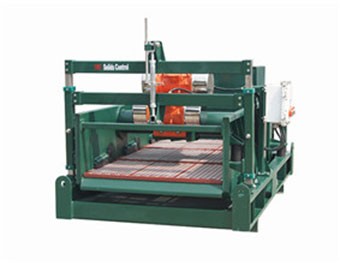 Linear Motion Shale Shaker In Drilling Rig
 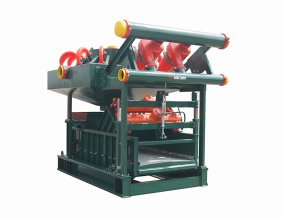 Oilfield Mud Cleaner
 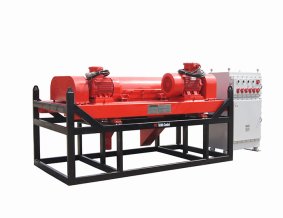 Drilling Fluid Decanter Centrifuge
 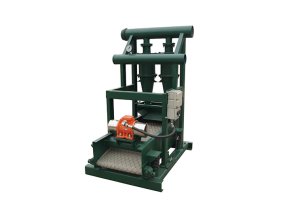 Drilling Mud Desander
 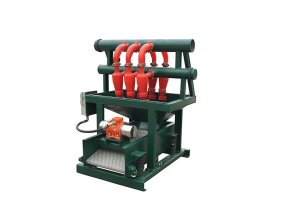 Hydrocyclone Desilter
 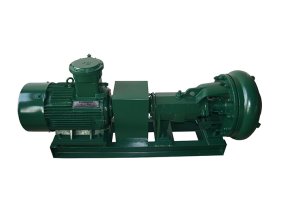 Centrifugal Pump/Centrifugal Mud Pump
 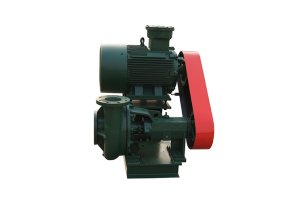 Shear Pump
 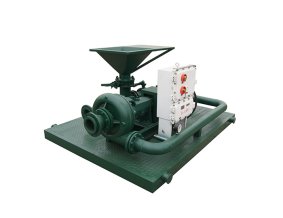 Jet Mud Mixer
 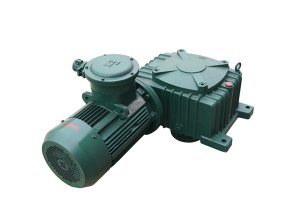 Horizontal Mud Agitator
 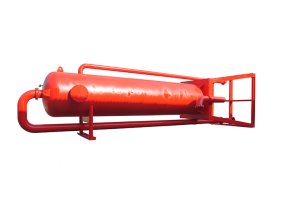 Constant Pressure Drilling Fluid Mud Gas Separator
 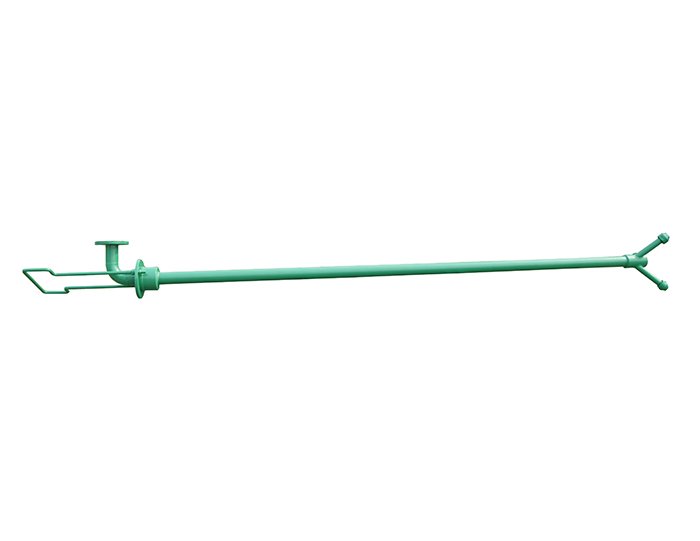 Mud Gun
  Mud Tank
 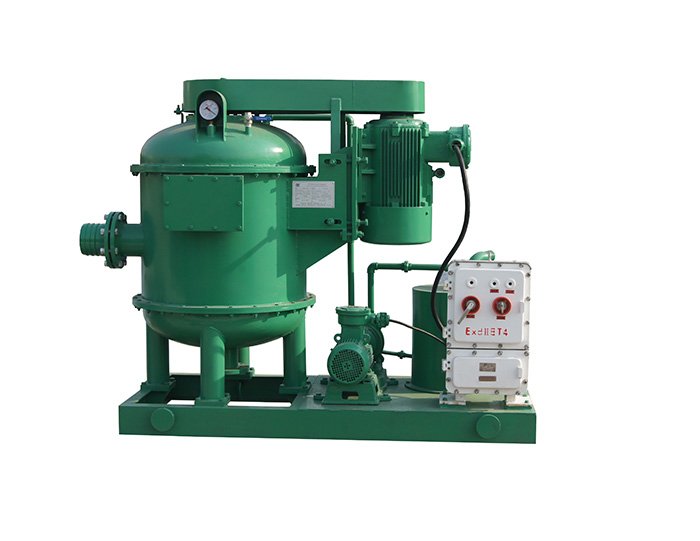 Solids Control System Vacuum Degasser
 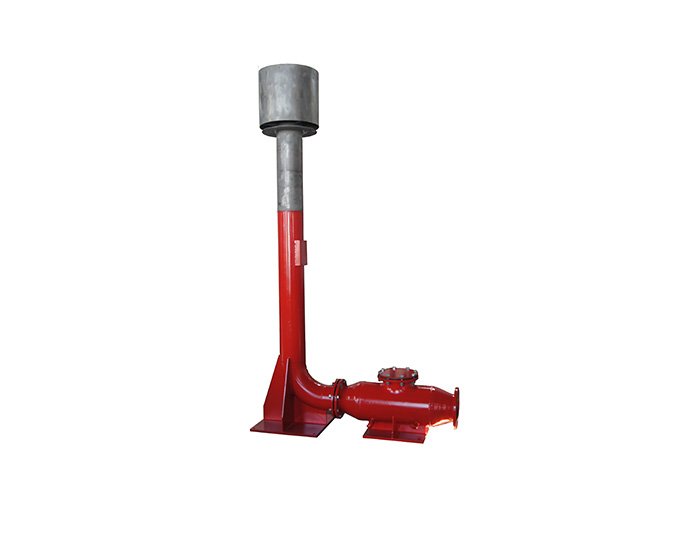 Flare Ignition Device
 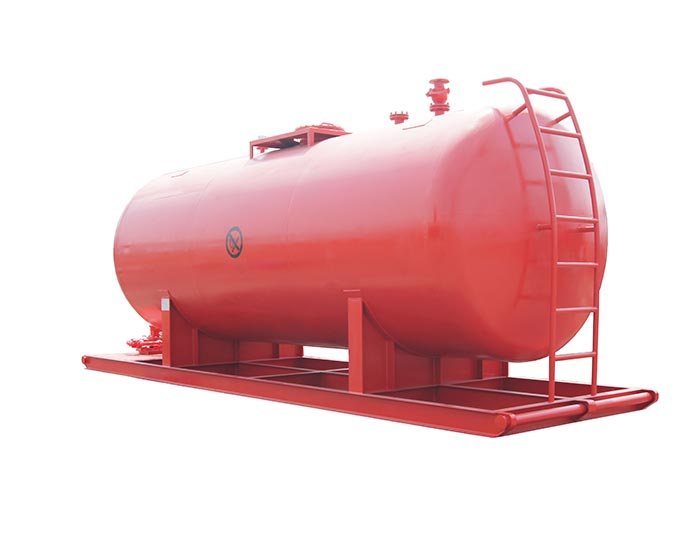 Diesel Tank
 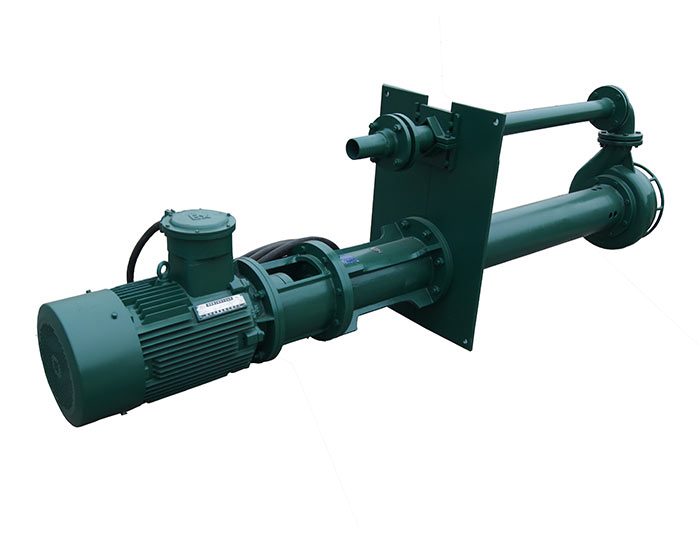 Submersible Slurry Pump