In the high-stakes world of oil and gas exploration, the drilling fluid—often referred to as the "lifeblood" of the well—represents one of the most significant operational costs. Preserving the integrity and volume of this fluid is the primary mandate of the solids control system. At the center of this preservation effort is the shale shaker, a machine whose efficiency is almost entirely dictated by the performance of its screens. Understanding the shale shaker screens purpose is essential for any operator looking to minimize waste and maximize the return on investment. The screens are not merely filters; they are precision-engineered membranes that determine how much "clean" mud returns to the system and how much is lost to the waste pit.
The Fundamental Shale Shaker Screens Purpose in Solids Control
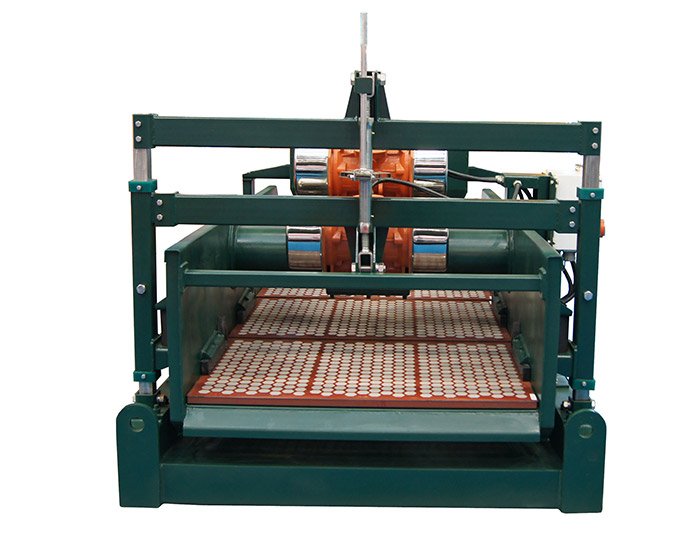
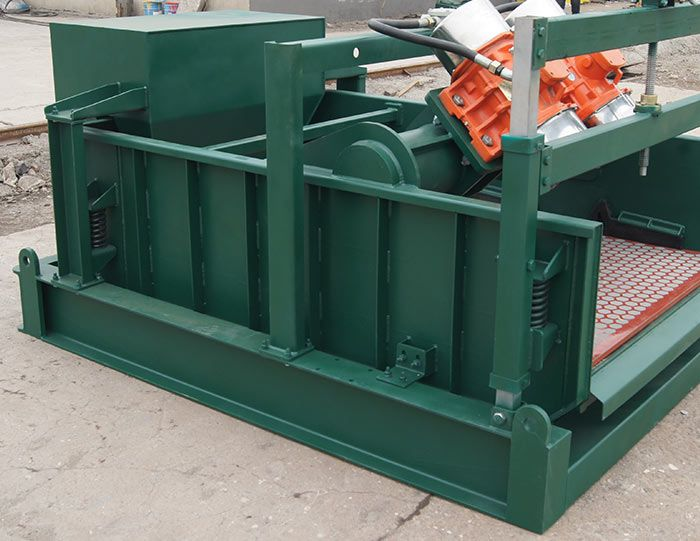
The primary shale shaker screens purpose is to act as a selective barrier, allowing the liquid phase of the drilling mud to pass through while trapping and removing solid drill cuttings. However, the "purpose" goes deeper than simple separation. In a moderndrilling fluid shale shaker, the screens must facilitate "dewatering"—a process where vibrational energy is used to shake the liquid film off the surface of solid particles.
If the screens are too coarse, they fail in their purpose by allowing fine solids to recirculate, which increases the mud’s viscosity and wear on downhole tools. If they are too fine without sufficient G-force, they lead to "mud carryover," where the liquid phase cannot penetrate the mesh and is instead discharged with the cuttings. Therefore, the strategic purpose of the screen is to find the "cut point" that optimizes the balance between fluid clarity and fluid volume. A high-qualityshale shaker supplier focuses on this balance, providing screen designs that maximize the open area while maintaining structural rigidity.
Navigating Shale Shaker Screen Mesh Sizes for Optimal Recovery
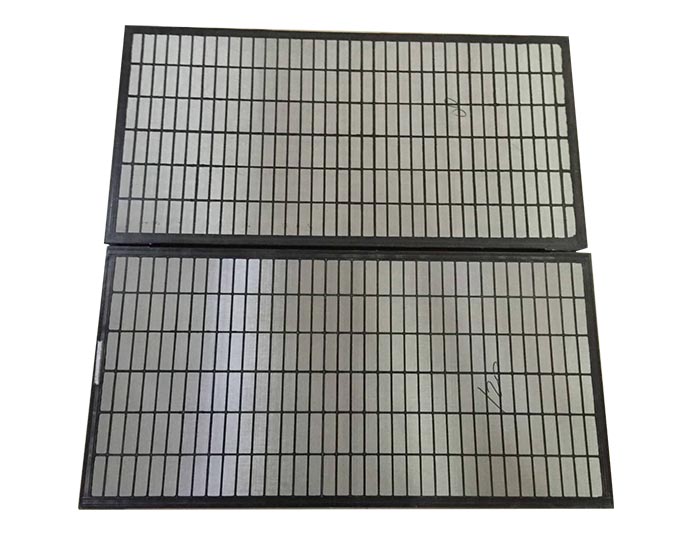
The most critical variable in fluid recovery is the selection ofshale shaker screen mesh sizes. The term "mesh" refers to the number of openings per linear inch. Choosing the correct mesh size is a delicate science that depends on the specific gravity of the mud and the geology of the formation being drilled. In the top-hole sections, where cuttings are large and mud is often water-based, a coarser mesh is used to handle high volumes. However, as the well deepens and the mud becomes more complex—often switching to oil-based or synthetic systems—theshale shaker screen mesh sizes must become finer to protect the fluid’s chemical balance.
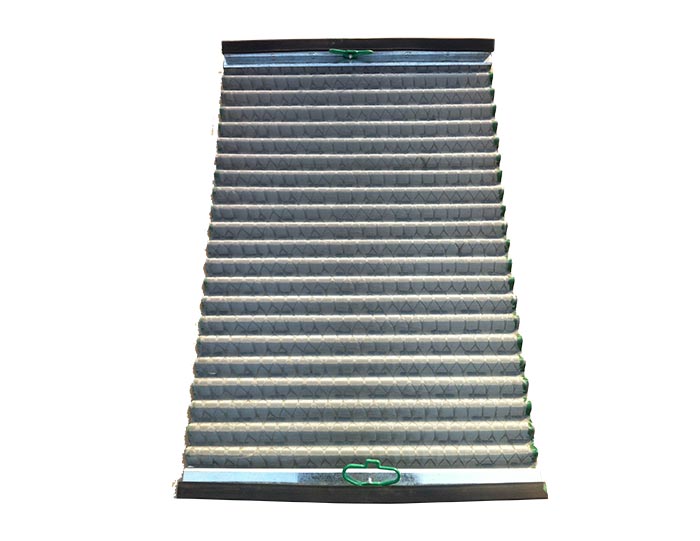
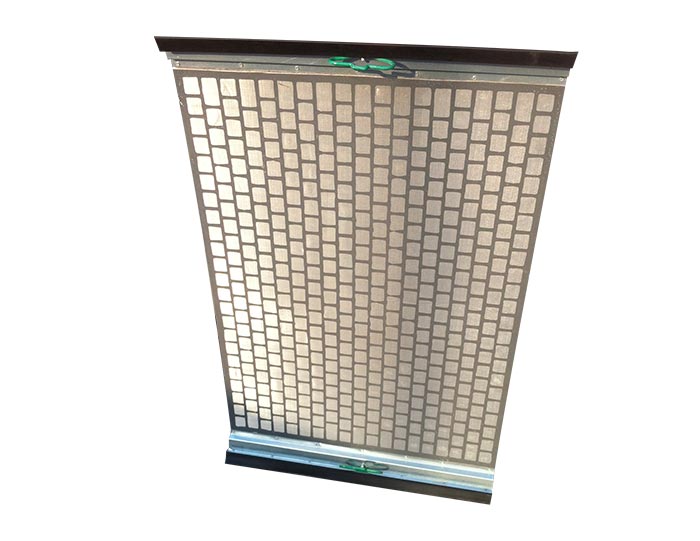
Using a finer mesh increases the "purity" of the recovered fluid but significantly increases the resistance to flow. To counteract this, modernshale shaker products utilize "rectangular" or "triple-layered" mesh patterns. These designs provide a larger effective open area compared to traditional square mesh, allowing more fluid to pass through at higher flow rates. By precisely matching the mesh size to the particle size distribution of the cuttings, a bulk shale shaker can operate at peak efficiency, ensuring that the liquid recovered is free of the "micro-fines" that can degrade the mud's rheology over time.
The Dynamics of the Drilling Fluid Shale Shaker System
A drilling fluid shale shaker does not operate in isolation; it is part of a dynamic hydraulic circuit. The fluid recovery rate is influenced by the "conductance" of the screen, which is its ability to transmit fluid under vibration. High-performance shale shaker products are designed with specialized bonding techniques that prevent the mesh from vibrating independently of its frame. This ensures that the G-force generated by the shaker motors is transmitted directly to the fluid-solid interface.
When the conductance is high, the "pool" of mud on the shaker deck remains short, leaving more of the screen surface available for dewatering the cuttings before they reach the discharge end. This is where the shale shaker screens purpose truly manifests in economic terms. By drying the cuttings more effectively, the system reduces the volume of "liquid-on-cuttings" (LOC), which is a key metric for environmental compliance and cost control. Every liter of synthetic oil recovered at the shaker is a liter that does not need to be purchased from a chemical supplier, making the screen the most cost-effective tool in the mud pit.
Strategic Sourcing from a Professional Shale Shaker Supplier
For B2B procurement, the choice of ashale shaker supplier is as important as the equipment itself. A professional supplier provides a comprehensive range of shale shaker products that are compatible with various rig configurations. They understand that a bulk shale shaker used in offshore environments requires different screen specifications than a mobile land rig.
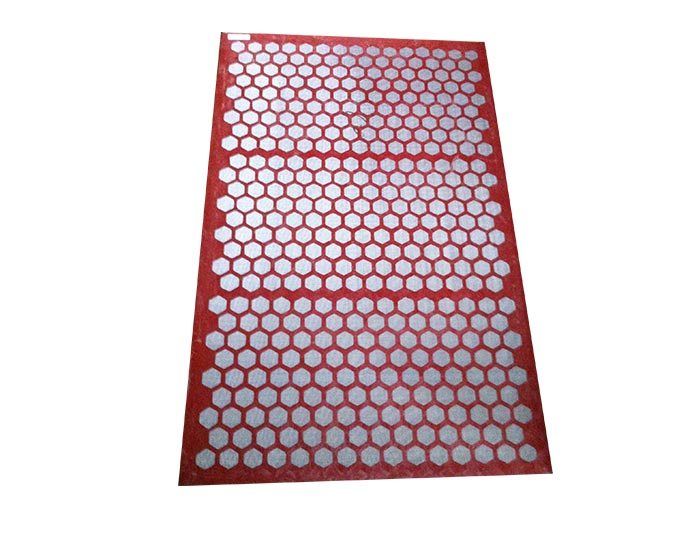
Leading suppliers in the global market—particularly those serving as a shale shaker supplier with international reach—offer "composite" screen frames. These frames do not rust, do not expand under heat, and provide a much more consistent tension than traditional metal frames. This consistency is vital for maintaining the "cut point" of the shale shaker screen mesh sizes throughout the life of the screen. When a supplier provides a screen that lasts longer and recovers more fluid, they are directly contributing to the driller's bottom line.

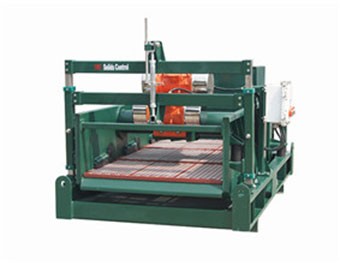 Linear Motion Shale Shaker In Drilling Rig
 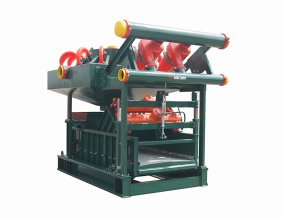 Oilfield Mud Cleaner
 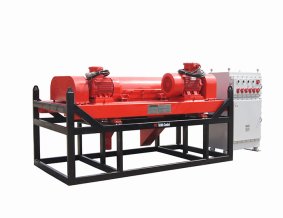 Drilling Fluid Decanter Centrifuge
 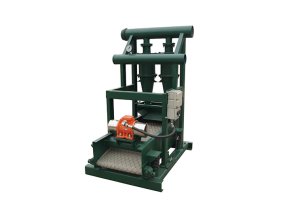 Drilling Mud Desander
 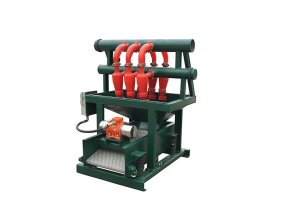 Hydrocyclone Desilter
 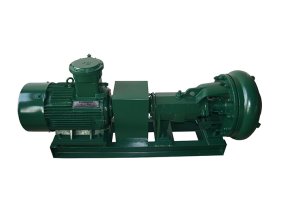 Centrifugal Pump/Centrifugal Mud Pump
 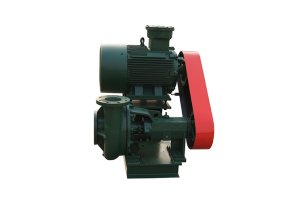 Shear Pump
 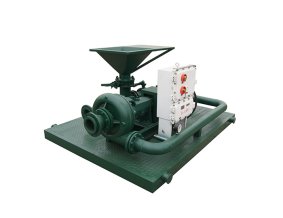 Jet Mud Mixer
 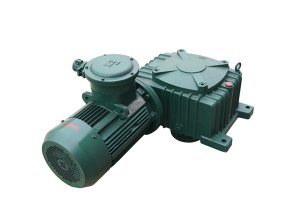 Horizontal Mud Agitator
 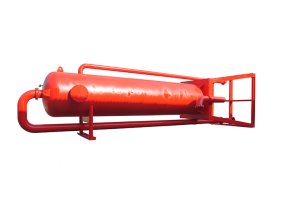 Constant Pressure Drilling Fluid Mud Gas Separator
 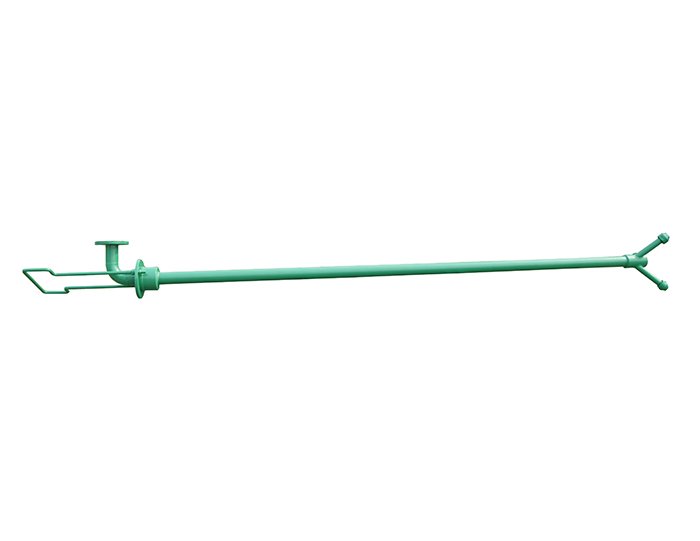 Mud Gun
  Mud Tank
 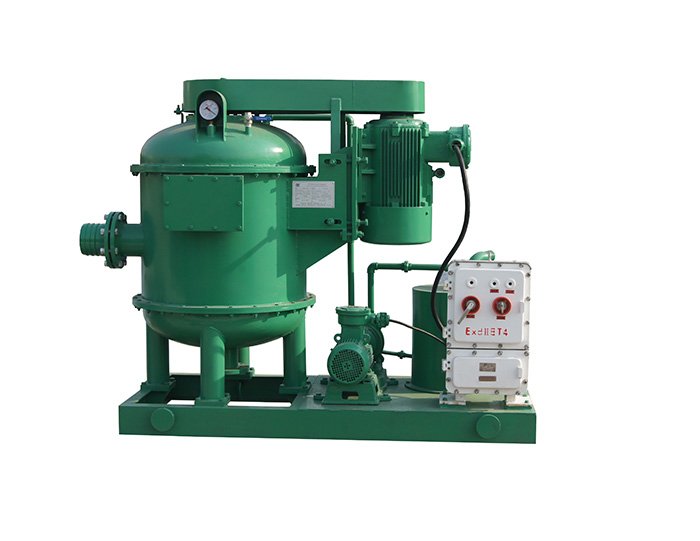 Solids Control System Vacuum Degasser
 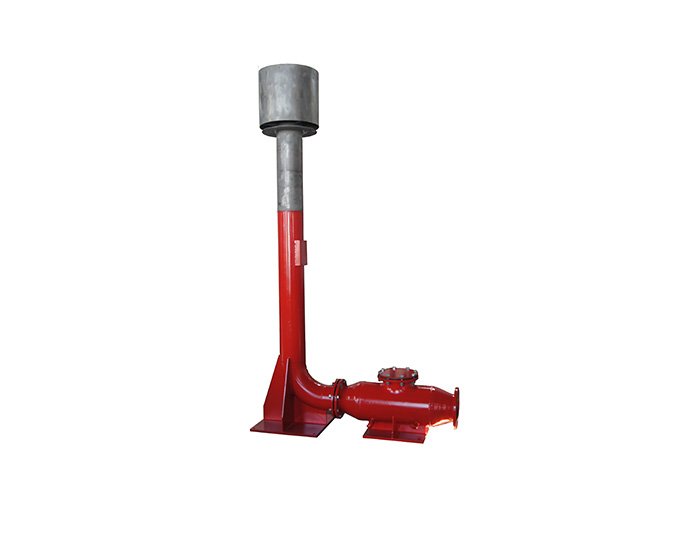 Flare Ignition Device
 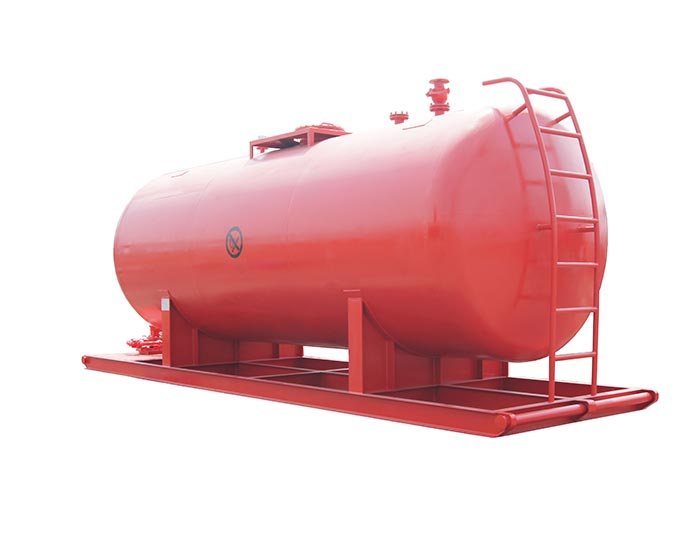 Diesel Tank
 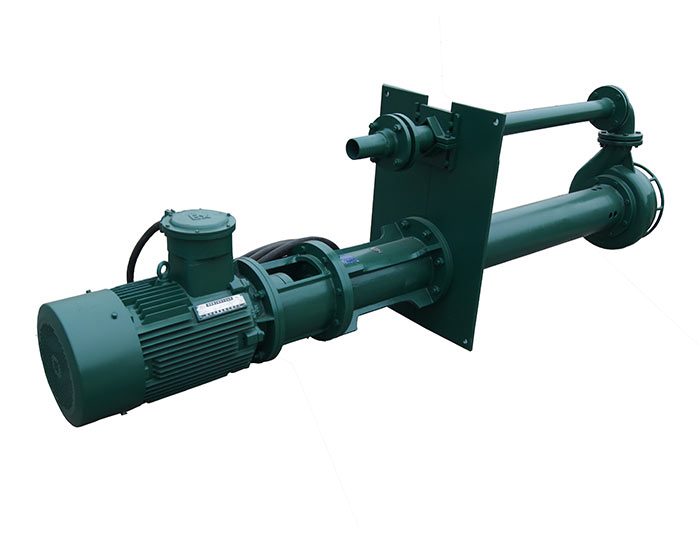 Submersible Slurry Pump