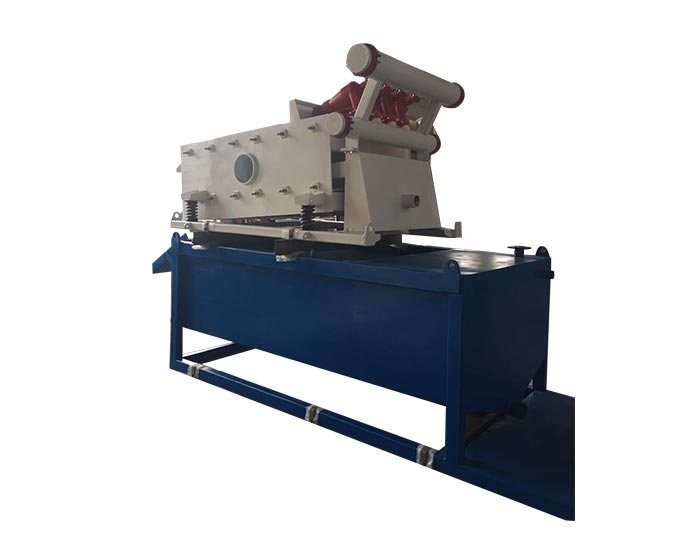
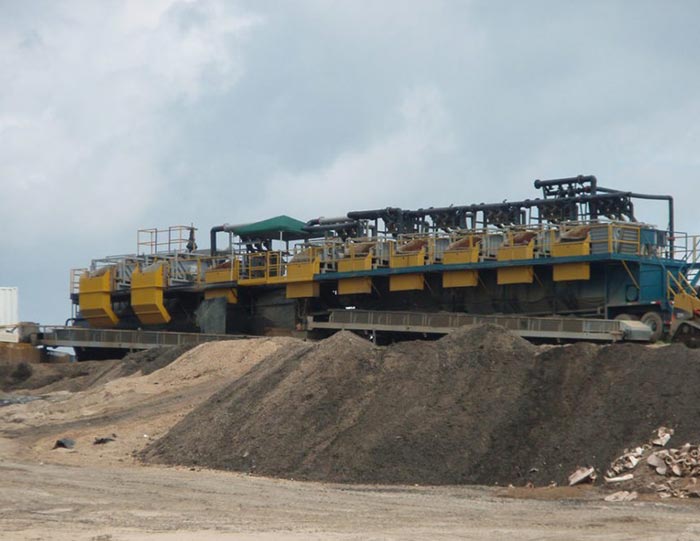
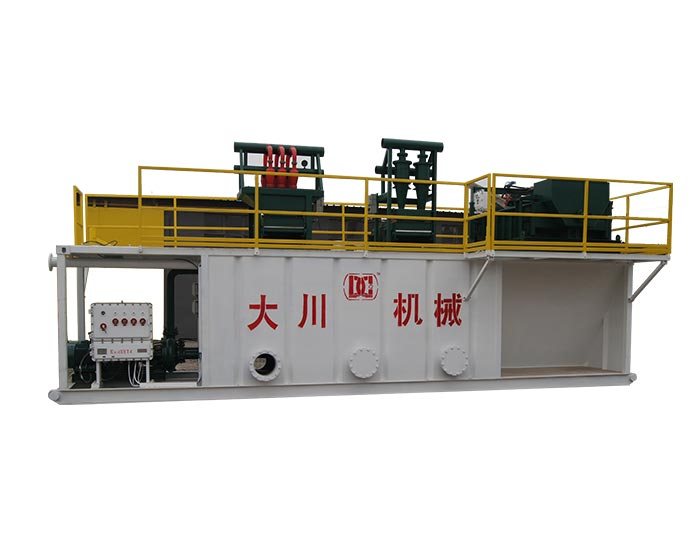
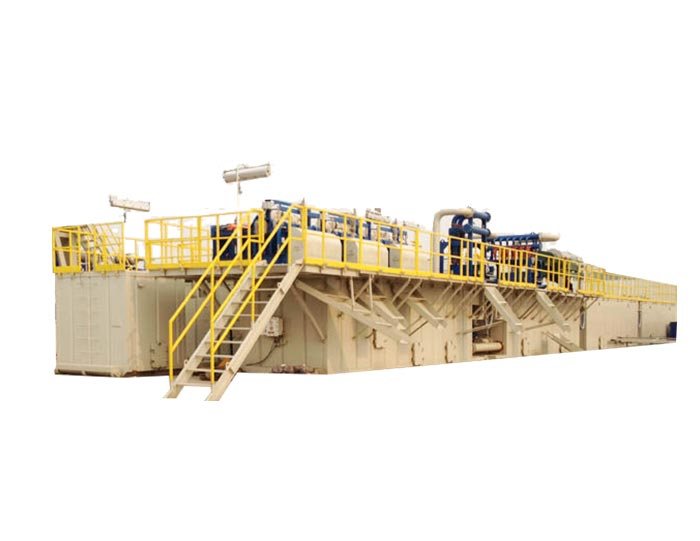
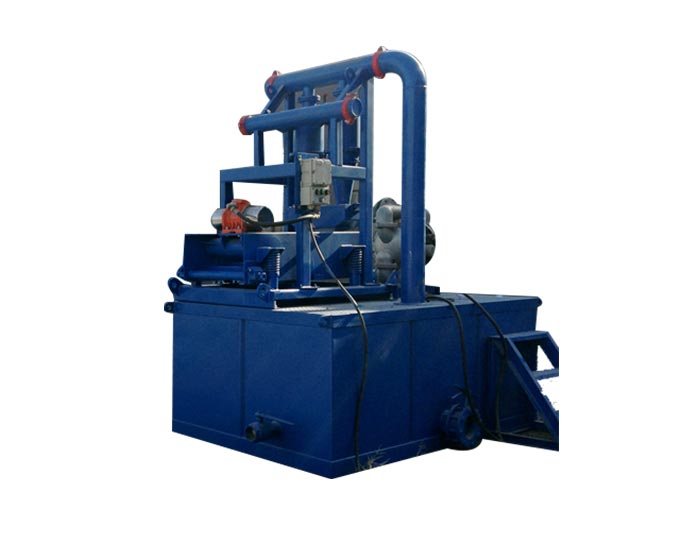
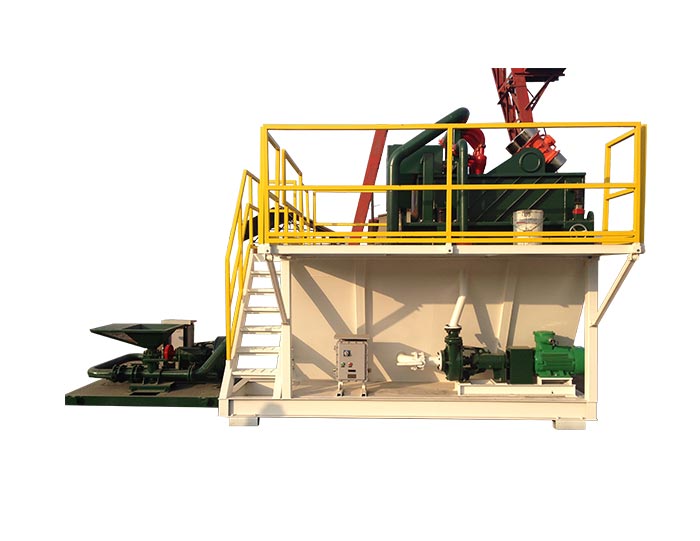
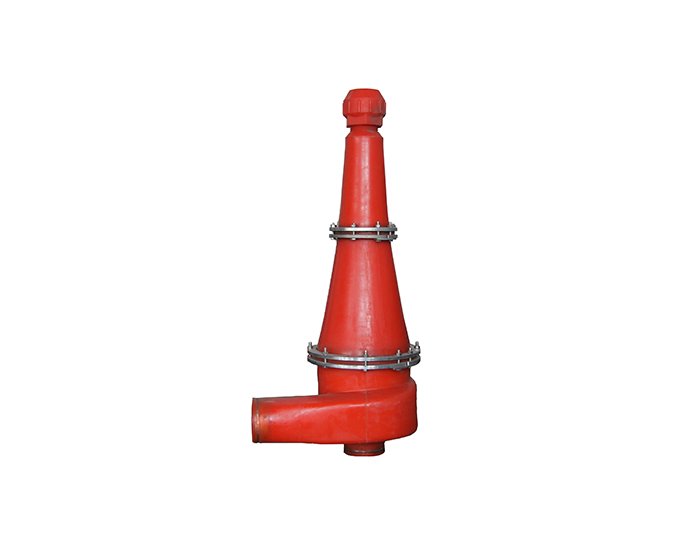
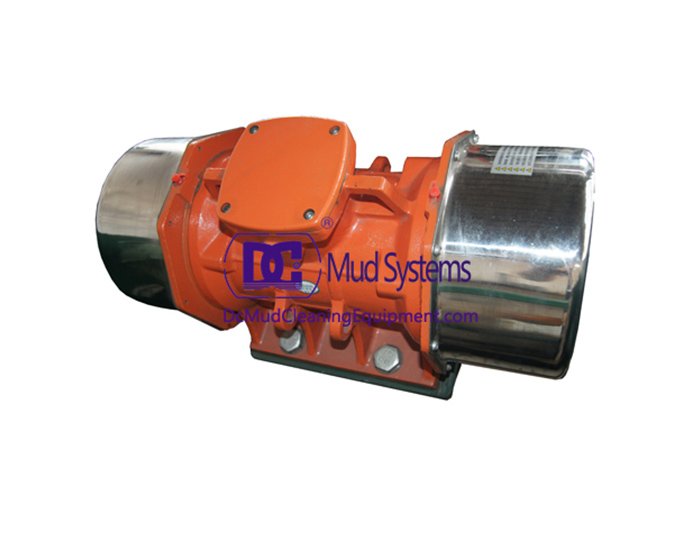
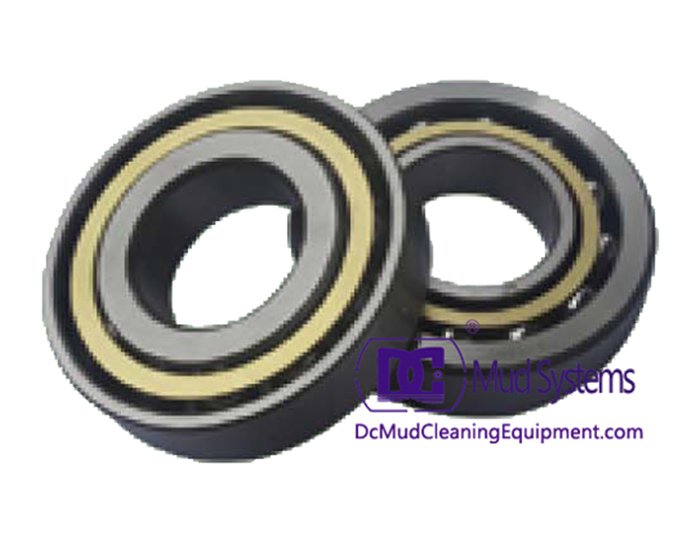
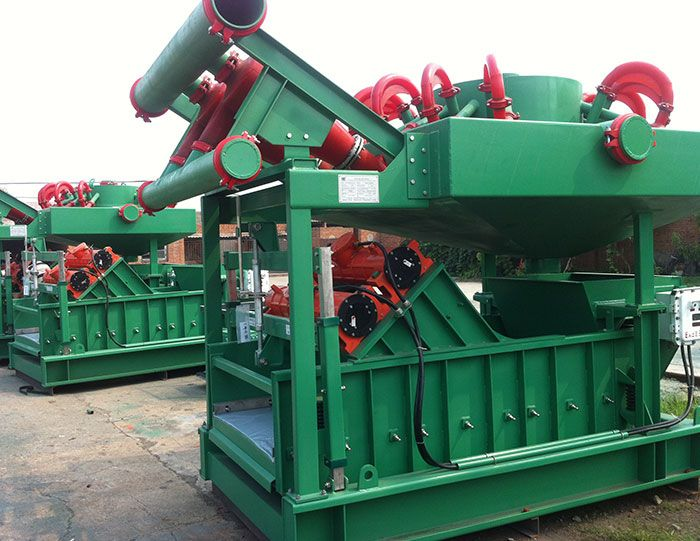
In the high-pressure environment of a modern drilling site, the efficiency of the solids control system is often defined by the smallest internal geometries of the machinery. While the heavy steel frame of the mud cleaner machine provides the structural foundation, the actual separation of microscopic silts and sands occurs within the hydrocyclone units. These specialized mud cleaner cones are the precision instruments of the mud pits, utilizing centrifugal force to strip fine solids from the drilling fluid. However, because they are constantly exposed to high-velocity, abrasive slurries, their performance can degrade rapidly without a rigorous maintenance philosophy. For any operator utilizing an oilfield mud cleaner, mastering the care of these cones is the most direct way to ensure fluid purity and protect the mechanical integrity of the entire rig.
The Physics of Wear Within High-Performance Mud Cleaner Cones
To maintain mud cleaner cones effectively, one must first understand the intense physical forces at play inside the polyurethane or ceramic walls. As the mud cleaner machine pumps fluid into the manifold, it enters the cone tangentially, creating a high-speed vortex. The resulting centrifugal force flings the heavier solid particles against the internal walls of the cone, where they spiral downward toward the apex. This constant "scrubbing" action by sand and silt creates a highly abrasive environment.
Over time, this abrasion can alter the internal smooth surface of the mud cleaner cones, creating "rifling" or turbulent zones. When the internal geometry is compromised, the vortex loses its stability, leading to a "short-circuiting" of the separation process. Instead of a sharp cut-point, the cone begins to discharge excessive amounts of clean mud through the bottom or, conversely, allows large solids to escape through the top overflow. For a mud cleaner for sale in the competitive global market, the durability of these internal surfaces is a primary selling point, but even the highest-grade materials require monitoring to counteract the inevitable effects of oilfield friction.
Identifying the Symptoms of Mud Cleaner Machine Inefficiency
The first step in a professional maintenance routine is the daily observation of the discharge pattern, often referred to as the "spray" or "umbrella." A well-maintained oilfield mud cleaner should exhibit a hollow, conical spray at the apex of each cone. If the discharge begins to look like a solid stream—a condition known as "roping"—it is a clear indication that the cone is overloaded or that the apex is partially blocked. Roping is a critical failure state because it means the centrifugal separation has collapsed, and the solids are simply falling through with the liquid phase.
Furthermore, a rhythmic "pulsing" in the discharge often points to a vacuum leak or a blockage in the vortex finder at the top of the mud cleaner cones. These subtle visual cues are the diagnostic tools of an experienced rig hand. By catching these issues early, the crew can prevent a localized problem from becoming a system-wide failure that contaminates the active mud tanks. When an operator looks at a mud cleaner for sale, they should prioritize designs that allow for easy visual inspection of these discharge points during active mud cleaner drilling rig operations.
The Strategic Importance of Authentic Mud Cleaner Parts
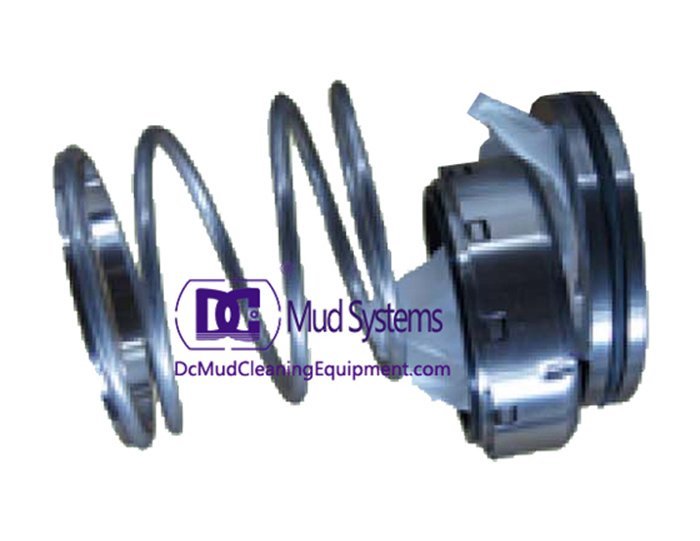
When wear is detected, the quality of the replacement mud cleaner parts becomes the deciding factor in the system’s recovery. The market is often flooded with generic apex inserts or vortex finders, but these "off-brand" components frequently lack the precise tolerances required for high-efficiency separation. A variation of just a few millimeters in the diameter of the apex can completely shift the cut-point of the mud cleaner machine, leading to either excessive fluid loss or poor solids removal.
Investing in authentic mud cleaner parts ensures that the internal balance of the manifold remains consistent across all cones. Because mud cleaner cones operate in a parallel manifold, if one cone has a different internal resistance due to a poorly fitted part, it will draw a disproportionate amount of flow, leading to uneven wear and unpredictable performance. For a mud cleaner drilling rig aiming for "Zero Discharge" or high-precision fluid management, the use of OEM-spec parts is not just a maintenance choice; it is a mechanical necessity that protects the long-term ROI of the hardware.
Routine Cleaning Protocols for the Oilfield Mud Cleaner
Beyond part replacement, the longevity of the oilfield mud cleaner depends on the cleanliness of the manifold itself. Drilling fluids—especially those containing high concentrations of polymers or synthetic oils—can leave a "film" or buildup inside the cones if they are allowed to sit idle during a rig move or a pipe trip. This buildup acts as an anchor for more solids, eventually leading to a full blockage.
A robust maintenance schedule must include a thorough freshwater flush of the mud cleaner machine whenever the system is shut down for more than a few hours. This prevents the "caking" of solids within the mud cleaner cones. In colder climates, this flushing is even more critical to prevent the fluid from thickening or freezing within the manifold. A clean system is a balanced system, and by maintaining the internal surfaces of the cones in a pristine state, the operator ensures that the mud cleaner drilling rig is always ready to handle the next high-volume interval without a drop in separation efficiency.
Balancing Pressure and Flow in a Mud Cleaner Drilling Rig
The final pillar of cone maintenance is the management of the supply pressure. A mud cleaner machine is designed to operate within a specific pressure range—usually between 75 and 100 feet of head. If the pressure is too low, the centrifugal force is insufficient to create a proper vortex, and the mud cleaner cones will simply act as expensive funnels. If the pressure is too high, the velocity of the solids against the cone walls increases exponentially, leading to premature erosion and "burn-through" of the polyurethane.
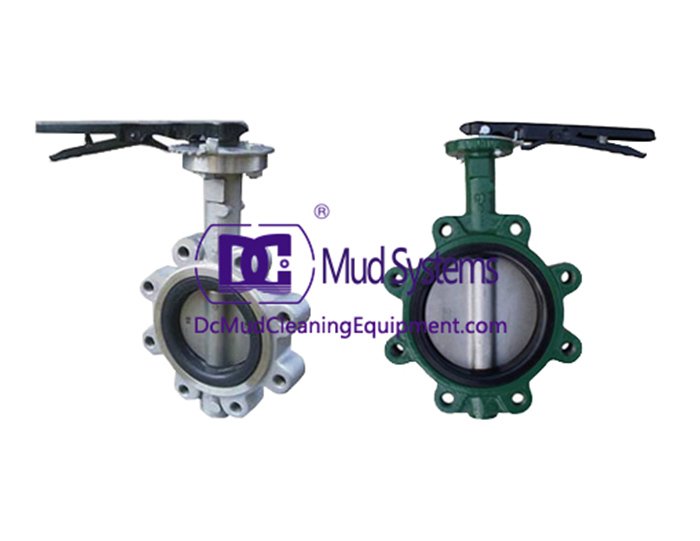
Maintenance of the feed pump and the pressure gauges is therefore an extension of cone maintenance. An accurate gauge on the oilfield mud cleaner manifold is the only way for the operator to know if the cones are being treated with the care they deserve. When sourcing a mud cleaner for sale, buyers should look for units that feature integrated pressure monitoring and easy-to-adjust manifold valves. This level of control allows the crew to bypass individual cones for maintenance without shutting down the entire mud cleaner drilling rig loop, ensuring that the fluid restoration process remains continuous.

 Linear Motion Shale Shaker In Drilling Rig
  Oilfield Mud Cleaner
 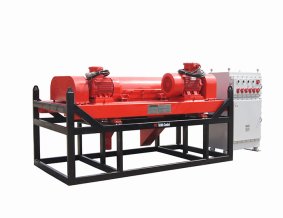 Drilling Fluid Decanter Centrifuge
 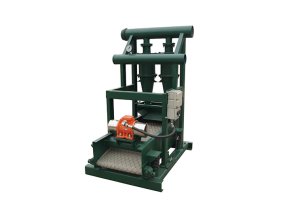 Drilling Mud Desander
 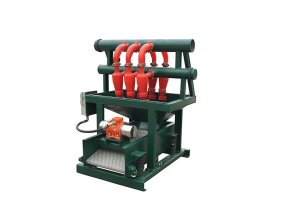 Hydrocyclone Desilter
 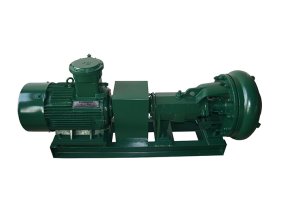 Centrifugal Pump/Centrifugal Mud Pump
 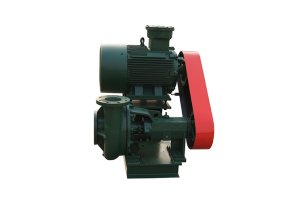 Shear Pump
 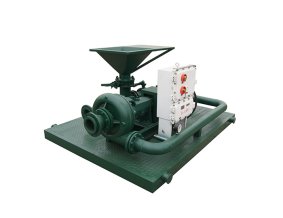 Jet Mud Mixer
 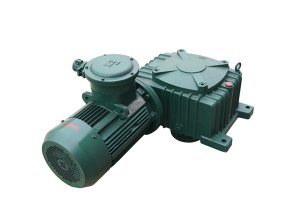 Horizontal Mud Agitator
 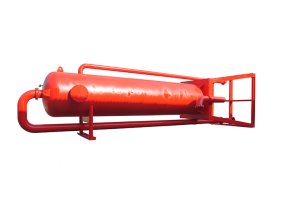 Constant Pressure Drilling Fluid Mud Gas Separator
 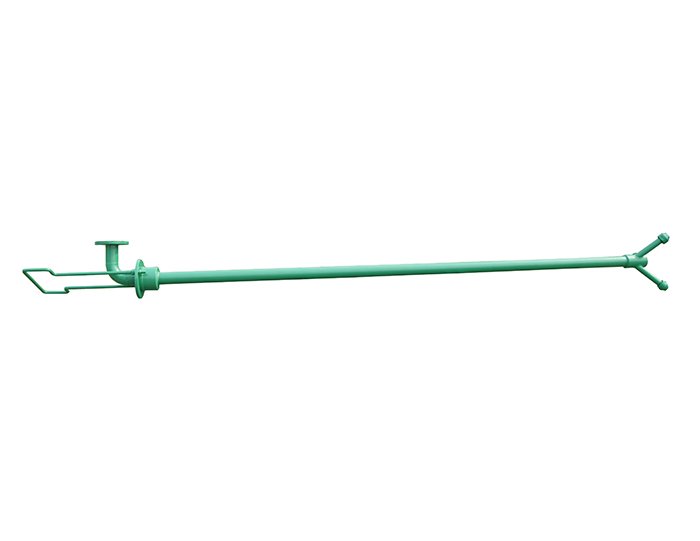 Mud Gun
  Mud Tank
 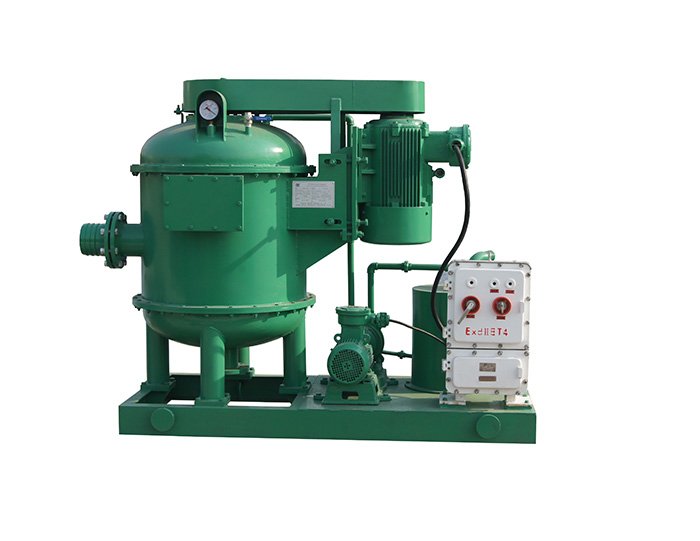 Solids Control System Vacuum Degasser
 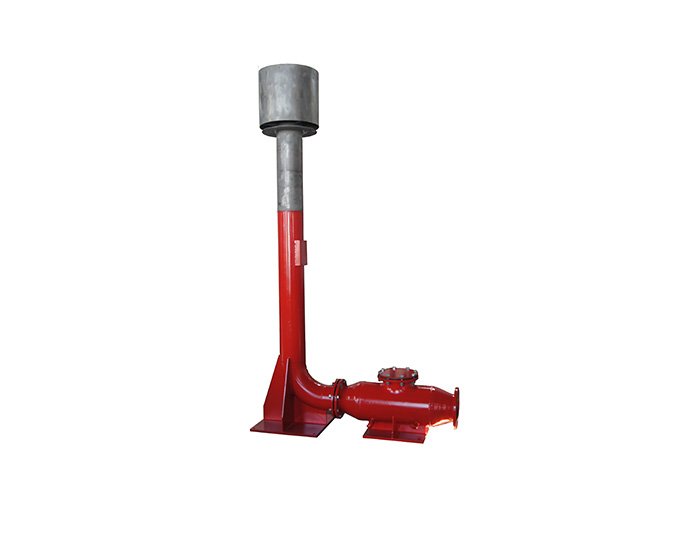 Flare Ignition Device
 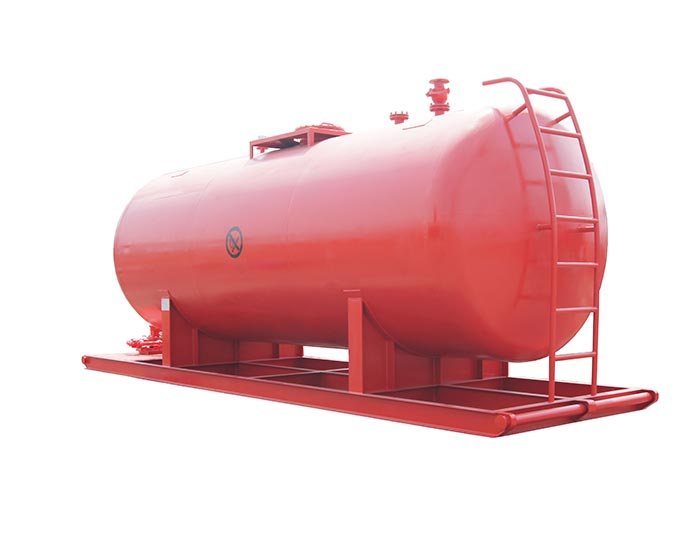 Diesel Tank
 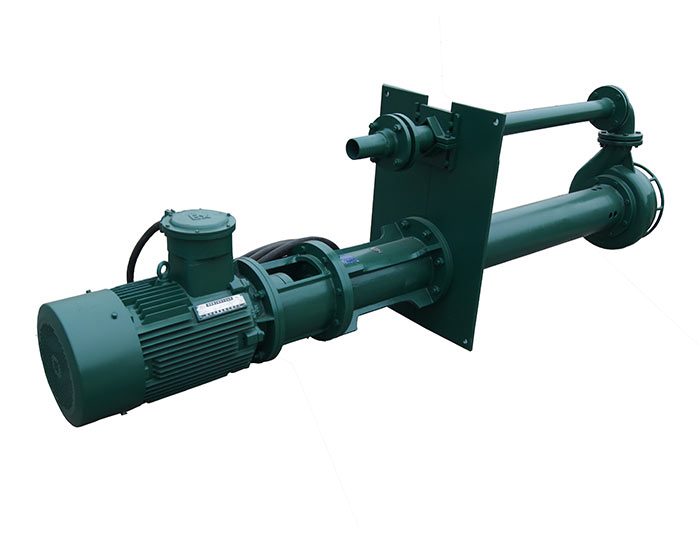 Submersible Slurry Pump