In the sophisticated ecosystem of a drilling rig, the initial stage of fluid processing dictates the success of the entire operation. As drilling depths increase and geological formations become more challenging, the demand for high-performance separation technology has never been greater. The linear motion shale shaker has emerged as the industry standard for modern solids control, providing a level of precision and throughput that older elliptical or circular motion designs simply cannot match. By understanding the synergy between mechanical vibration and fluid dynamics, operators can significantly enhance their mud recovery rates and reduce overall waste, making the selection of a premium shaker a cornerstone of site efficiency.
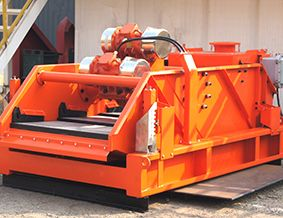
The Engineering Philosophy of Linear Motion Shale Shaker Design
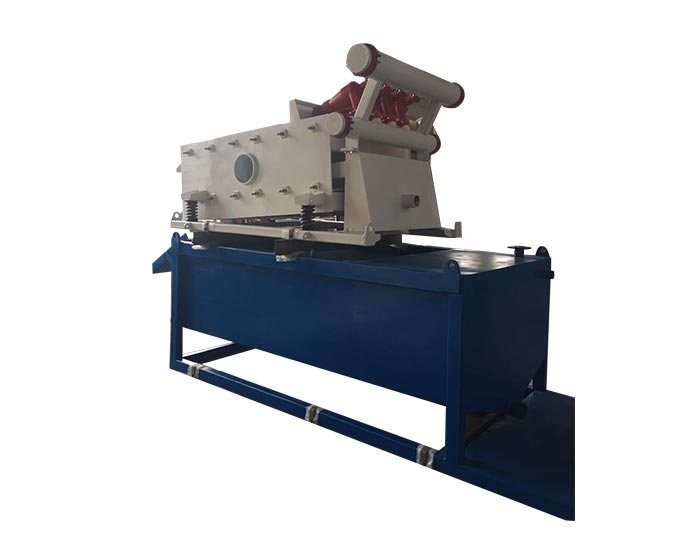
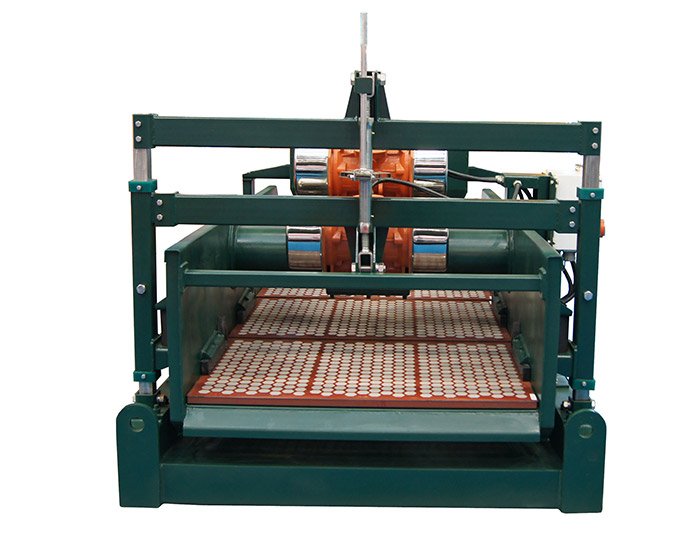
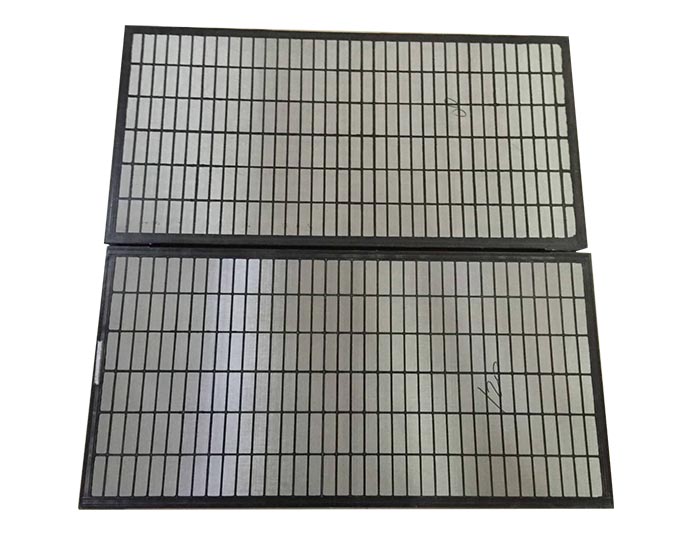
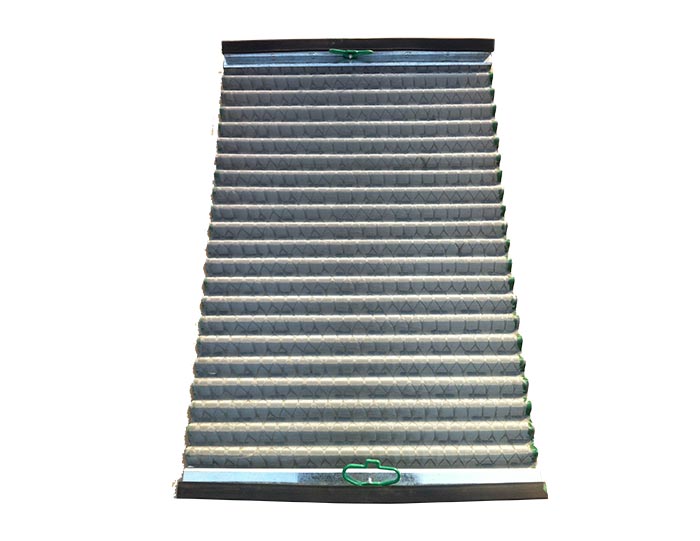
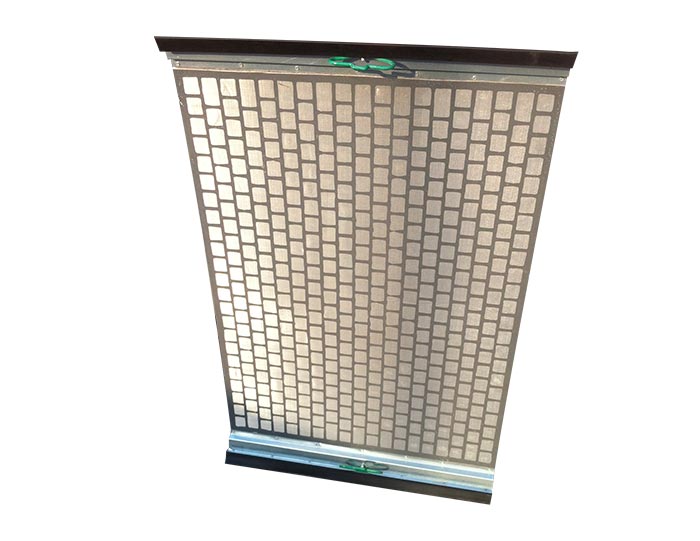
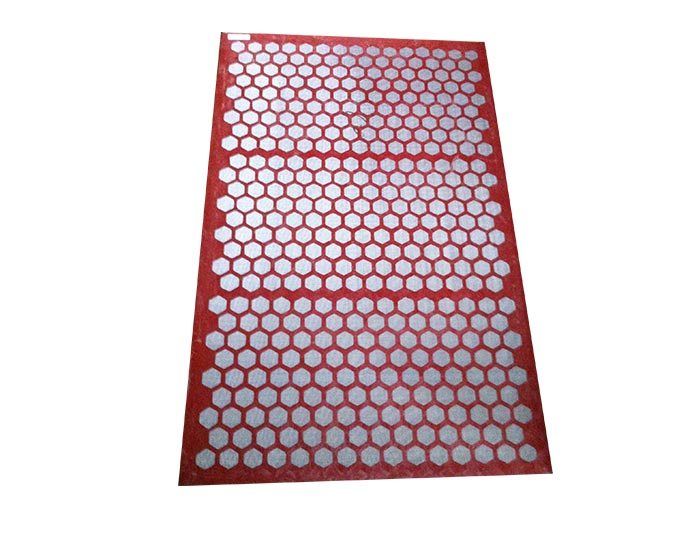
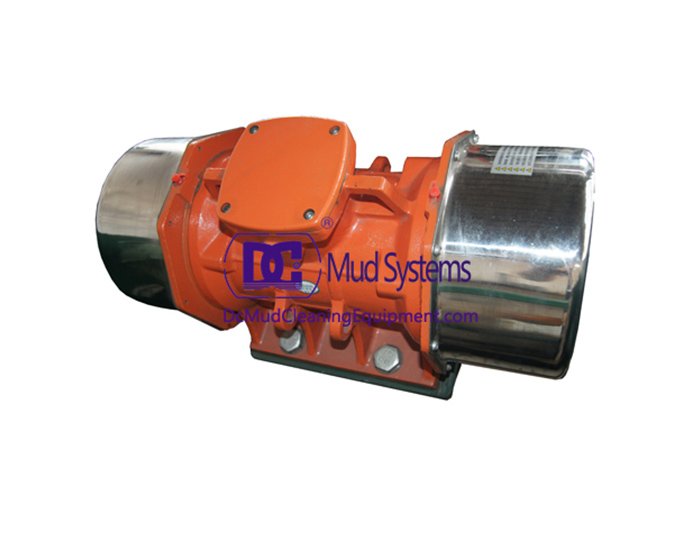
The primary innovation behind the linear motion shale shaker lies in its ability to move solids in a straight, directed line rather than a chaotic or circular path. This is achieved through the synchronization of two vibrating motors rotating in opposite directions. The resulting force vectors cancel each other out in all directions except for a single, powerful linear path that is angled relative to the shaker basket. This precise shale shaker design allows the drilling fluid to pass through the screen mesh while the solid cuttings are "conveyed" rapidly toward the discharge end.
Because the motion is linear and directed, the mud is subjected to a consistent and high-acceleration force across the entire length of the screen. This ensures that the fluid does not pool or bypass the filtration surface, which is a common failure point in less sophisticated designs. A well-engineered linear shaker optimizes the "G-force" to ensure that even the stickiest clay particles are detached from the fluid phase, preserving the expensive liquid additives that define the mud’s performance. When a procurement team looks to buy shale shaker hardware, the internal balance and structural integrity of this linear motion basket are the most critical factors to evaluate.
The Role of a High G Shale Shaker in Fluid Recovery
In the context of modern solids control, "G-force" is the metric of power. A high g shale shaker is designed to subject the mud to acceleration forces that are several times the force of gravity. This intense vibration is necessary to overcome the surface tension and viscosity of heavy drilling fluids. When the G-force is correctly calibrated, the liquid phase of the mud is literally "shaken" loose from the cuttings, allowing it to fall through the mesh into the mud tanks for reuse.
The advantage of a high g shale shaker is particularly evident when drilling through fast-paced intervals where the volume of cuttings is immense. Without sufficient acceleration, the screens would quickly become "blinded" or covered in a layer of mud, leading to "mud carryover"—a situation where expensive fluid is lost over the end of the shaker. By maintaining a high and consistent G-force, the linear motion shaker ensures that the discharge consists of dry, manageable cuttings, which significantly lowers the environmental impact and the cost of waste disposal. This efficiency is why top-tier shale shaker supplier companies focus heavily on motor synchronization and basket weight optimization.
Operational Resilience of the Shale Shaker in Drilling
The environment of a drilling rig is one of constant vibration, chemical exposure, and mechanical stress. The shale shaker in drilling must be able to operate 24/7 without significant downtime. Linear motion technology excels here because it reduces the "wasted" motion that causes structural fatigue in circular or elliptical designs. By directing the energy into a single plane, the stress on the shaker basket and the support springs is minimized, leading to a longer service life and fewer mechanical failures.
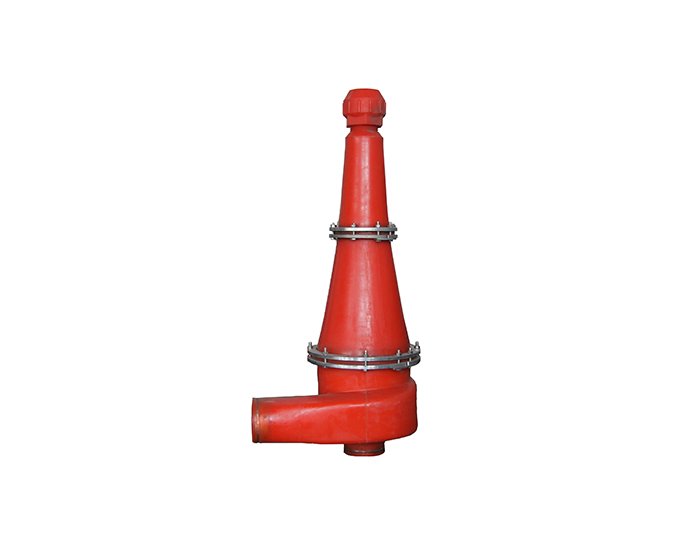
Furthermore, the shale shaker in drilling serves as the first line of defense for the entire solids control system. If the shaker fails to remove the bulk of the solids, the downstream equipment—such as desanders, desilters, and centrifuges—will be overwhelmed. This leads to accelerated wear on hydrocyclone liners and pump seals. Therefore, the reliability of the linear motion unit is the linchpin of the entire fluid processing circuit. Professional operators recognize that an investment in a superior shaker at the start of the process prevents a cascade of expensive repairs in the later stages of the mud loop.
Strategic Sourcing from a Reliable Shale Shaker Supplier
For international distributors and rig managers, the process to buy shale shaker units involves more than just checking a specification sheet. It requires finding a shale shaker supplier that understands the nuances of global logistics and field service. A high-quality supplier provides equipment that is modular and easy to maintain, recognizing that a rig in a remote desert or offshore platform cannot wait weeks for a specialized part.
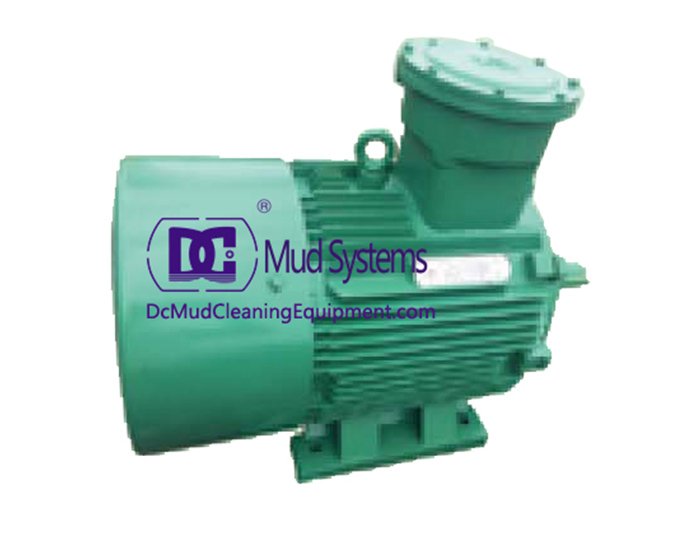
Leading suppliers differentiate themselves by the quality of their screen tensioning systems and the durability of their vibrator motors. In a linear motion setup, if one motor fails or becomes out of sync, the shaker’s efficiency drops to zero almost instantly. Therefore, the electrical and mechanical components provided by a reputable shale shaker supplier must be rated for the extreme temperatures and corrosive atmospheres common in oil and gas exploration. When evaluating potential partners, it is essential to look for those who offer comprehensive technical documentation and a proven track record of performance in diverse geological conditions.
Enhancing ROI When You Buy Shale Shaker Technology
The decision to buy shale shaker technology should be viewed as a long-term capital investment. While the initial acquisition is a factor, the "Total Cost of Ownership" is dictated by the shaker's ability to minimize mud loss and maximize screen life. A linear motion shale shaker that is correctly adjusted for the specific mud weight and flow rate of a well can save thousands of dollars per day in fluid replacement costs.
Furthermore, modern linear shakers often feature adjustable "angle of attack" for the basket. This allows the operator to tilt the basket uphill to create a "pool" of mud at the feed end, which increases the pressure on the screen and improves the separation of ultra-fine particles. This level of control is what allows a high-performance shaker to adapt to changing formations in real-time. For B2B buyers, the ability to purchase a machine that offers this flexibility is a major competitive advantage, as it ensures the rig can handle everything from high-speed top-hole drilling to the delicate, high-viscosity requirements of the production zone.
Shale Shaker: The Future of Linear Motion in Solids Control
As we move toward more automated and data-driven rig sites in 2026, the linear motion shale shaker remains the most reliable and effective method for primary solids separation. Its combination of high G-force, directed conveyance, and mechanical durability makes it the foundation of any successful shale shaker in drilling operation. By choosing an integrated shale shaker design that prioritizes linear efficiency, and by partnering with a globally recognized shale shaker supplier, drilling contractors can ensure that their mud systems remain clean, their downhole tools remain protected, and their environmental footprint remains as small as possible. In the end, the physics of linear motion is not just about shaking mud—it is about securing the profitability and safety of the entire drilling program.

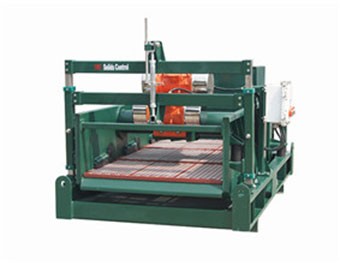 Linear Motion Shale Shaker In Drilling Rig
 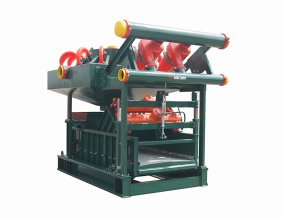 Oilfield Mud Cleaner
 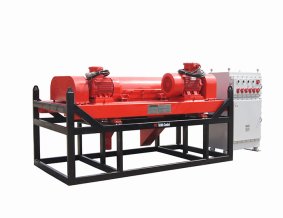 Drilling Fluid Decanter Centrifuge
 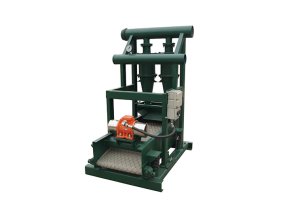 Drilling Mud Desander
 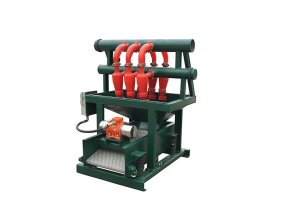 Hydrocyclone Desilter
 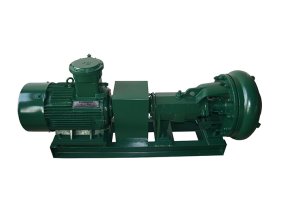 Centrifugal Pump/Centrifugal Mud Pump
 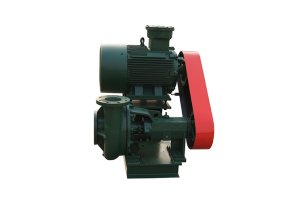 Shear Pump
 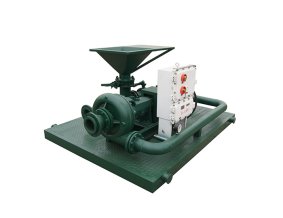 Jet Mud Mixer
 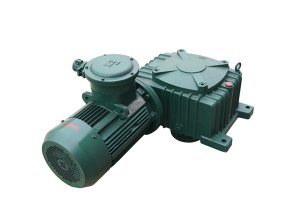 Horizontal Mud Agitator
 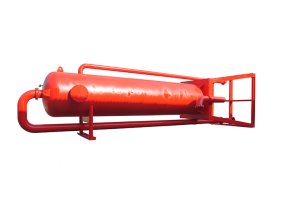 Constant Pressure Drilling Fluid Mud Gas Separator
 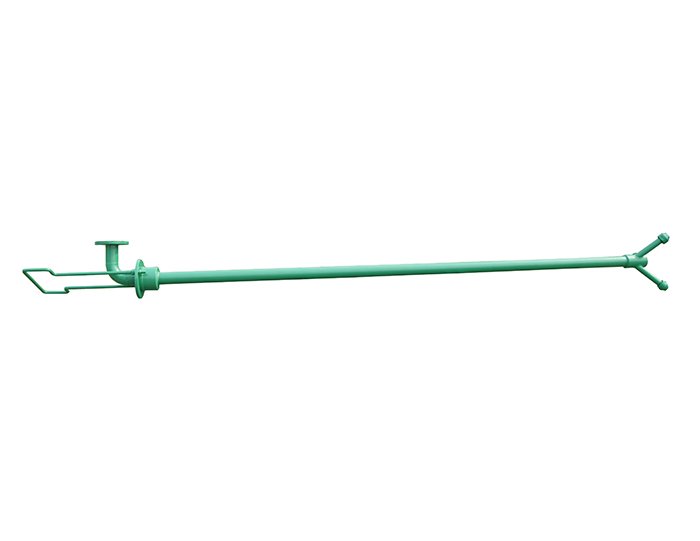 Mud Gun
  Mud Tank
 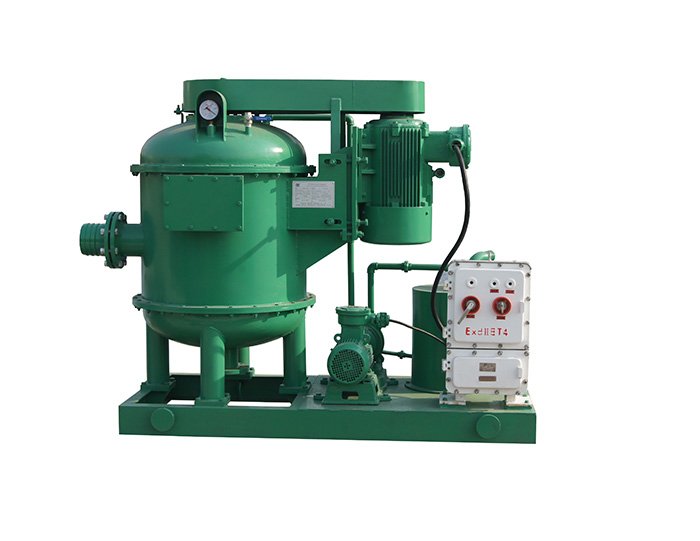 Solids Control System Vacuum Degasser
 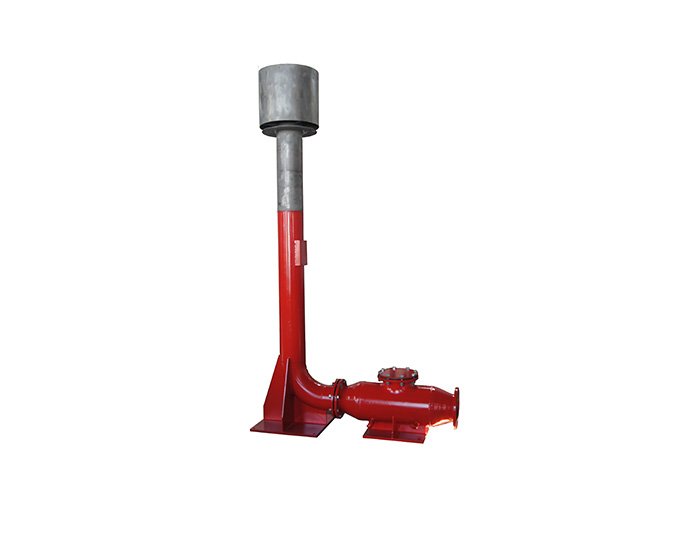 Flare Ignition Device
 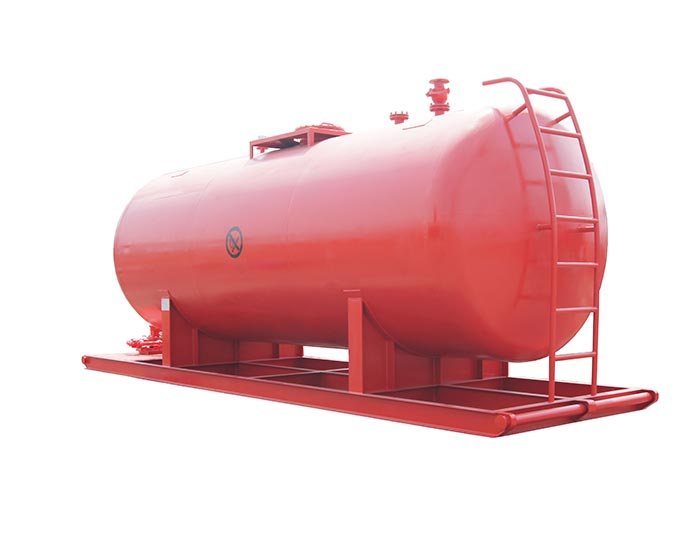 Diesel Tank
 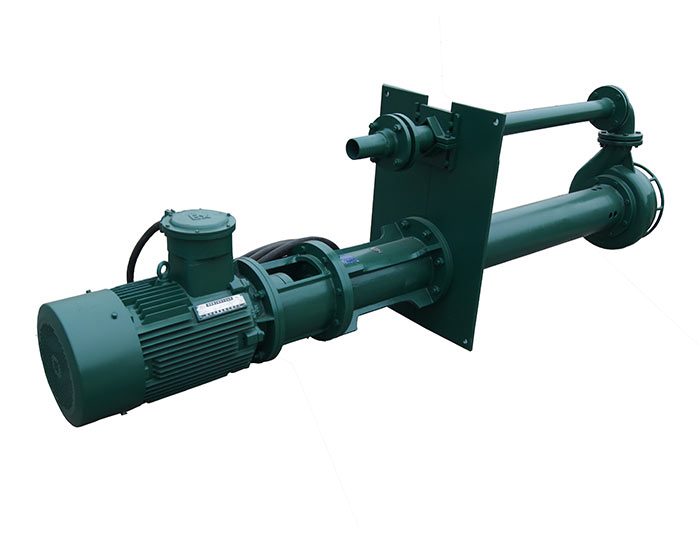 Submersible Slurry Pump