In the complex hierarchy of an oilfield solids control circuit, the primary shale shaker acts as the initial guardian, but the true refinement of the drilling fluid happens during the secondary and tertiary stages. This is where the mud cleaner machine becomes the critical factor in determining the longevity of the mud and the safety of the wellbore. As drilling programs transition toward more challenging reservoirs—characterized by higher temperatures, pressures, and ultra-fine solids—the reliance on high-performance mud cleaner systems has never been more absolute. Optimization is no longer just about removing sand; it is about achieving a precise "cut-point" that preserves the chemical balance of the fluid while eliminating the microscopic particles that lead to downhole disasters.
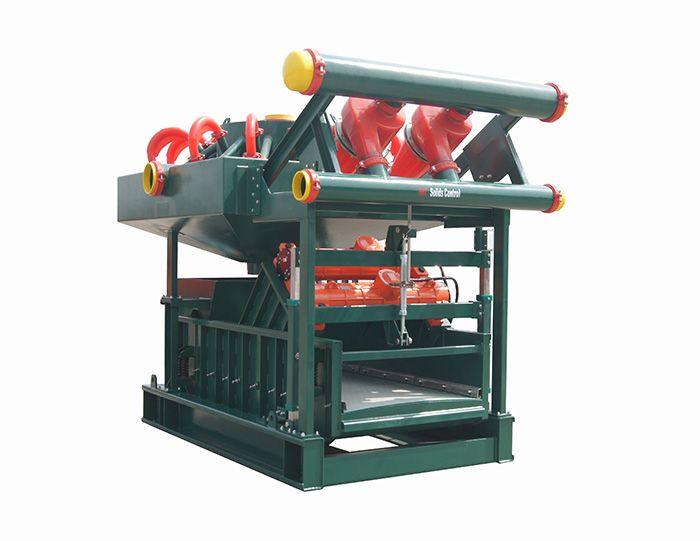
The Architectural Advantage of Integrated Mud Cleaner Systems
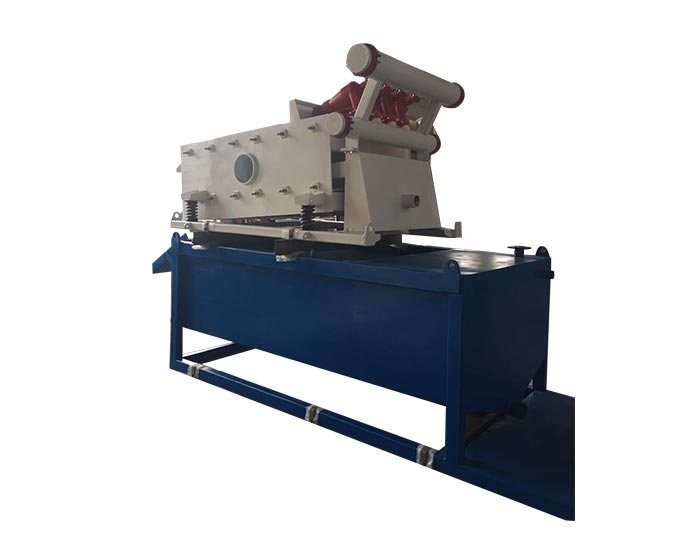
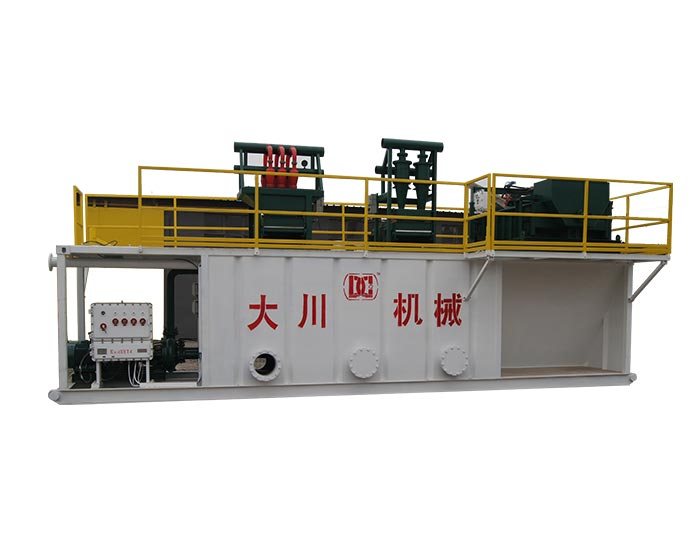
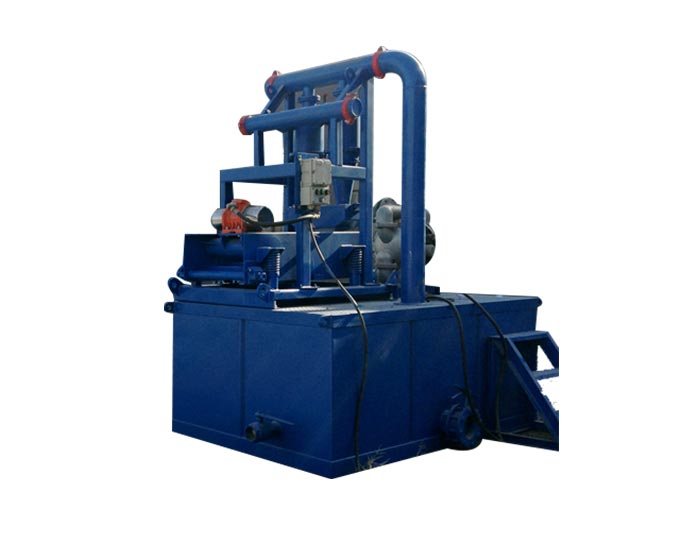
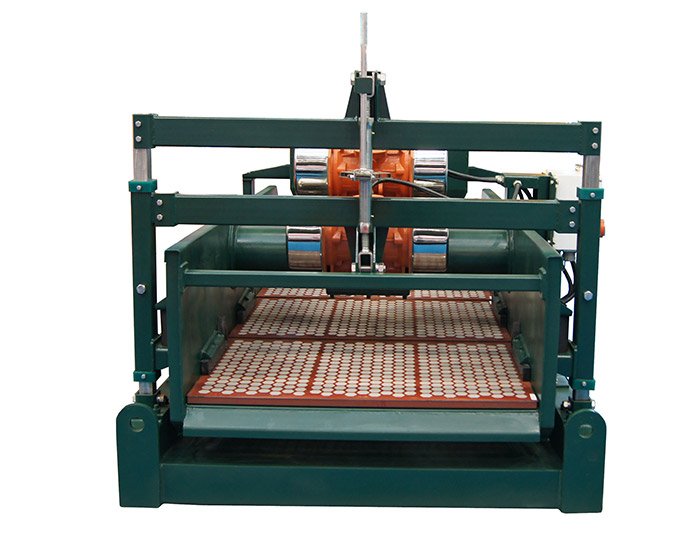
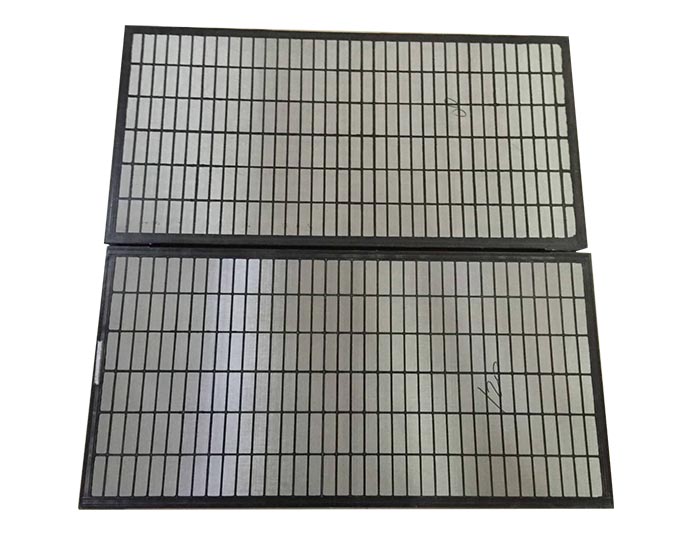
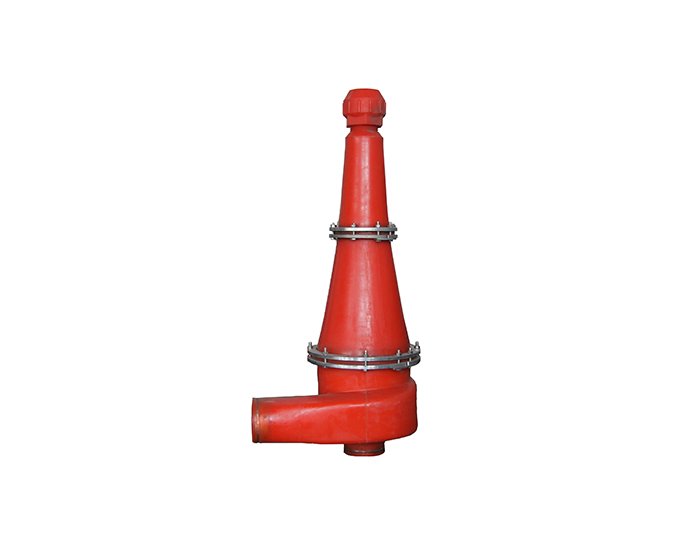
A modern mud cleaner machine is far more than a simple filter; it is a sophisticated hybrid that combines the centrifugal power of hydrocyclones with the high-frequency vibration of an under-slung shale shaker. This dual-action design is the cornerstone of effective mud cleaner systems. When the drilling fluid is pumped into the hydrocyclone manifold, the heavy solids are forced toward the outer walls and discharged through the apex. However, this discharge often contains a significant amount of "clean" mud that would be lost if not for the integrated shaker deck.
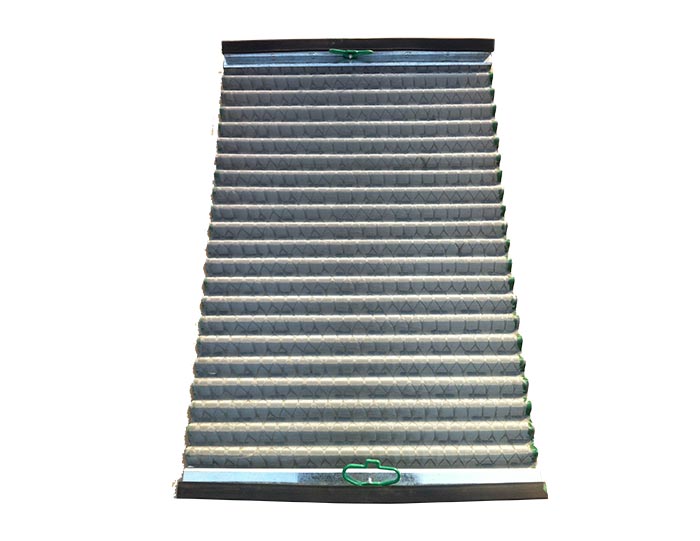
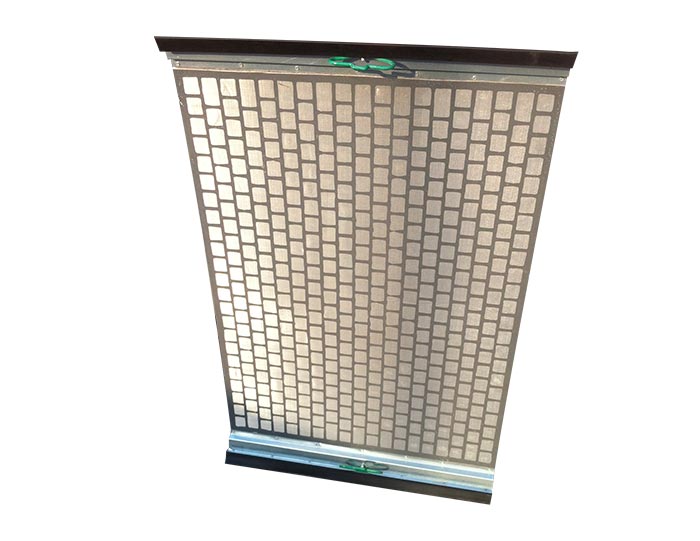
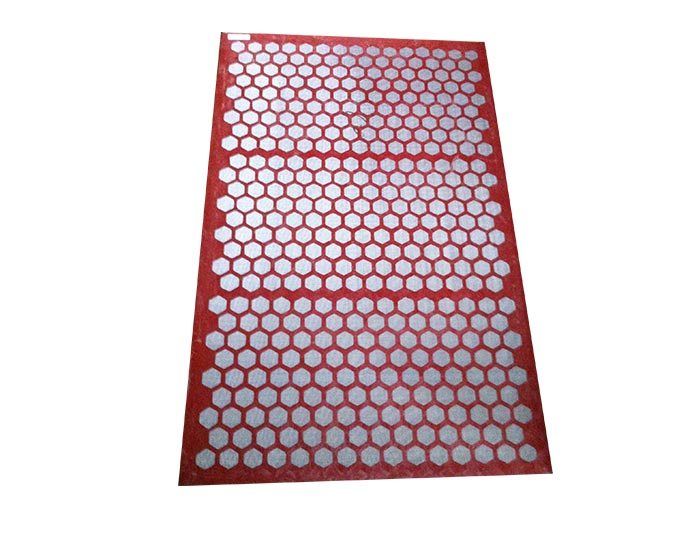
By allowing the hydrocyclone underflow to drop onto a fine-mesh screen, the system recovers the liquid phase while discarding the concentrated solids. This integration is what differentiates a standard solids control setup from an optimized drilling mud cleaner operation. For a global mud cleaner supplier, the engineering focus remains on maximizing this fluid recovery. If the manifold pressure and the vibration of the shaker are not perfectly synchronized, the system either loses fluid or fails to remove the silts that cause "filter cake" buildup on the wellbore walls.
Precision Engineering in the Drilling Mud Cleaner Loop
In the context of mud cleaner drilling, precision is measured in microns. While the primary shaker might remove solids down to 74 microns, an optimized drilling mud cleaner targets particles in the 15 to 44-micron range. These fine solids are particularly dangerous because they increase the mud's plastic viscosity and yield point, making the mud much harder to pump and more likely to cause "equivalent circulating density" (ECD) fluctuations.
To combat this, the mud cleaner machine must utilize high-quality polyurethane cones. These cones are designed to withstand the abrasive force of high-velocity mud while maintaining a consistent internal geometry. Any wear or erosion inside the cone will disrupt the vortex, leading to poor separation. Therefore, optimizing the system requires regular inspection of the apex and vortex finder components. When a rig manager decides to mud cleaner drilling effectively, they are essentially managing the internal hydraulics of these cones to ensure that the "cut-point" remains sharp and consistent throughout the drilling phase.
Operational Resilience of the Oilfield Mud Cleaner
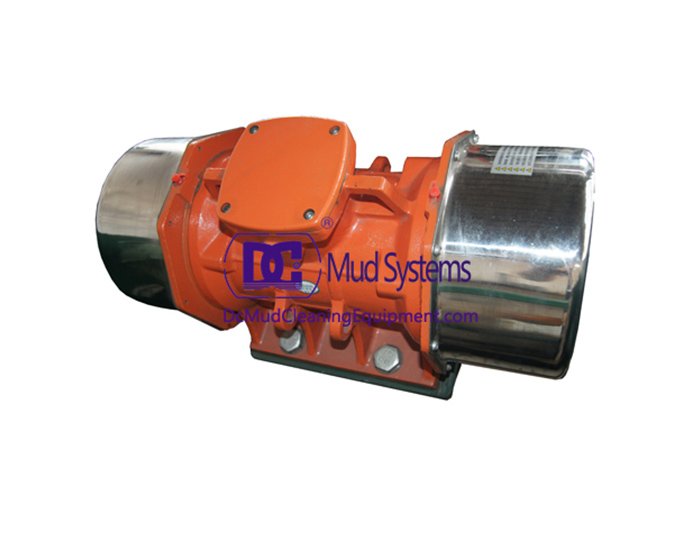
The environment of a modern oilfield is one of extreme thermal and chemical stress. An oilfield mud cleaner must process fluids that are often saturated with salts, polymers, and synthetic oils. This chemical complexity can affect the surface tension of the fluid, making it harder for hydrocyclones to separate the solids. Optimization here involves fine-tuning the vibration intensity of the shaker deck to match the fluid's rheology.
A high-tier oilfield mud cleaner allows for real-time adjustments to the deck angle and the G-force. During fast-drilling intervals, the volume of solids can increase dramatically, requiring a steeper deck angle to prevent "flooding" of the screens. Conversely, during slower intervals, a flatter angle ensures that the solids stay on the screen longer, maximizing the dewatering process. This level of operational flexibility is what distinguishes a professional-grade mud cleaner machine from a generic industrial filter. It provides the driller with a "buffer" that protects the rest of the mud tanks from contamination.
Strategic Sourcing from a Reputable Mud Cleaner Supplier
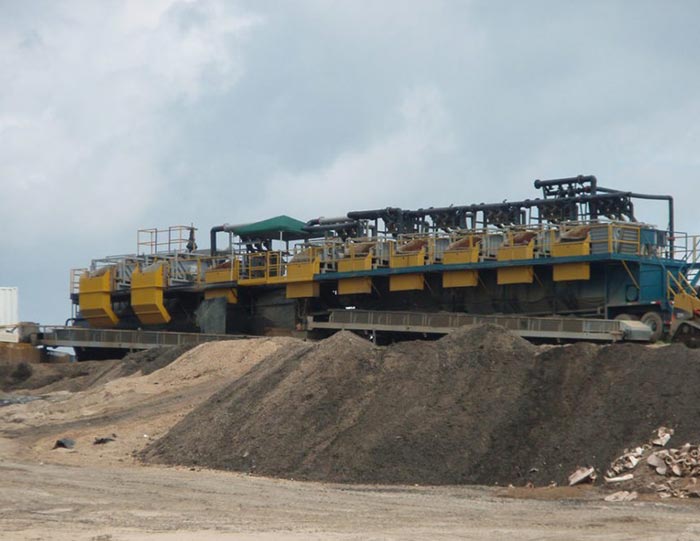
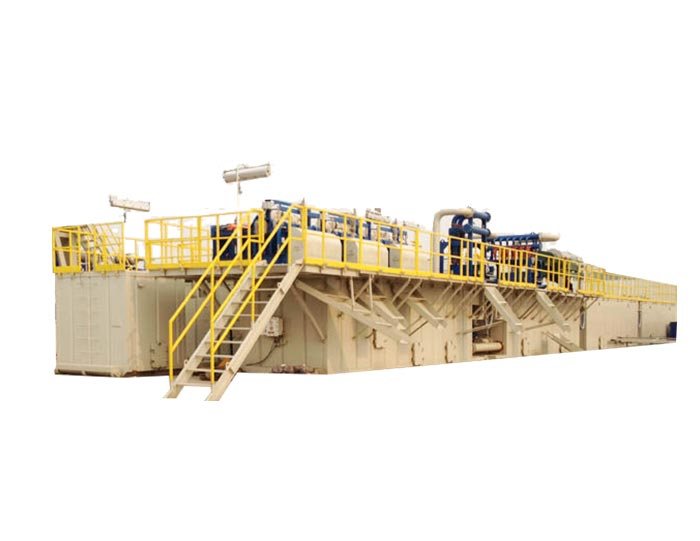
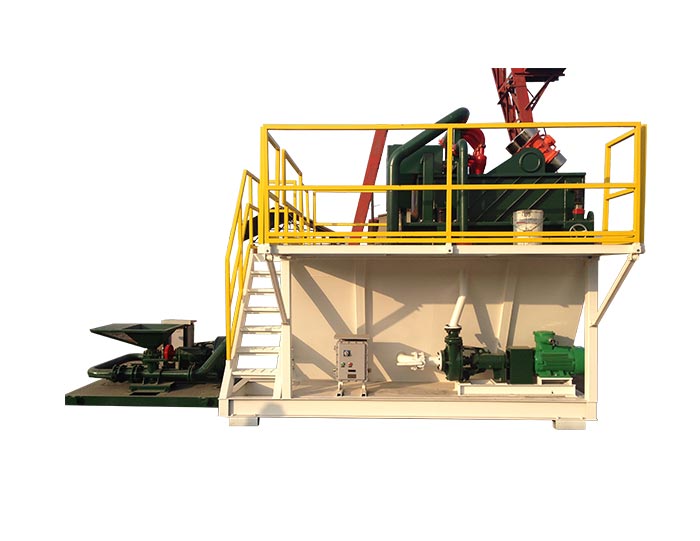
For international procurement teams, selecting the right hardware is only half the battle; the other half is selecting a mud cleaner supplier who understands the global logistics of 2026. Because mud cleaner systems are large, multi-component assemblies, they must be designed for modularity and rapid deployment. A supplier that can provide a "plug-and-play" skid-mounted unit reduces the setup time on the rig floor and ensures that all electrical and hydraulic connections are factory-tested for compatibility.
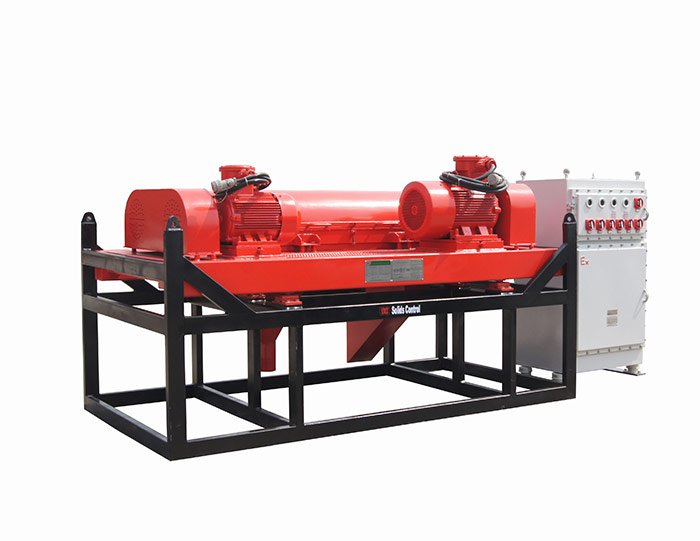
Furthermore, a reliable mud cleaner supplier provides the technical documentation and onsite training necessary for the rig crew to optimize the system. Since the mud cleaner machine is the link between the desander/desilter phase and the centrifuge phase, any inefficiency here will lead to a "domino effect" throughout the solids control circuit. By partnering with a supplier that prioritizes engineering support, drilling contractors ensure that their drilling mud cleaner remains a value-adding asset rather than a maintenance headache.
The Impact of Mud Cleaner Drilling on Total Well Cost
Ultimately, the optimization of mud cleaner systems is a financial strategy. The cost of drilling fluid—especially synthetic or oil-based systems—is a massive portion of the total well budget. A high-efficiency mud cleaner machine can recover up to 95% of the liquid phase from the hydrocyclone underflow. Over a 30-day drilling program, this recovery translates into tens of thousands of dollars in saved chemical costs.
Additionally, by removing the fine silts, the drilling mud cleaner extends the life of the mud pumps, the drill bit, and the downhole telemetry tools. Clean mud has lower abrasive potential, which means fewer "trips" to replace worn-out hardware. In this sense, the oilfield mud cleaner is the most effective insurance policy a rig owner can purchase. It protects the mechanical integrity of the entire drilling infrastructure while ensuring that the environmental footprint—measured in waste mud volume—is kept to an absolute minimum.

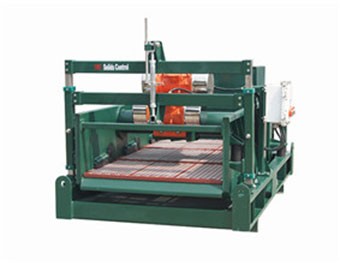 Linear Motion Shale Shaker In Drilling Rig
  Oilfield Mud Cleaner
 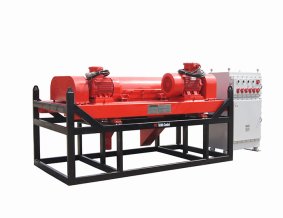 Drilling Fluid Decanter Centrifuge
 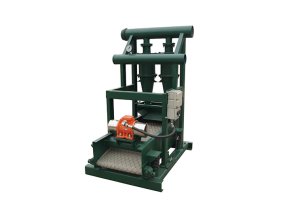 Drilling Mud Desander
 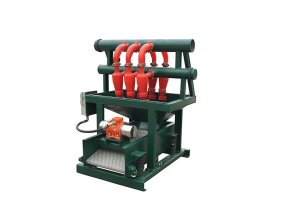 Hydrocyclone Desilter
 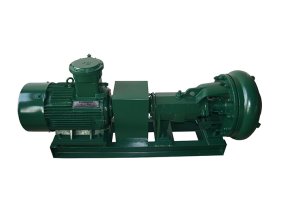 Centrifugal Pump/Centrifugal Mud Pump
 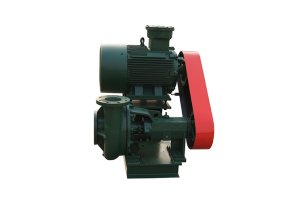 Shear Pump
 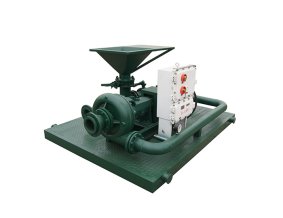 Jet Mud Mixer
 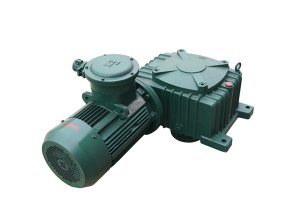 Horizontal Mud Agitator
 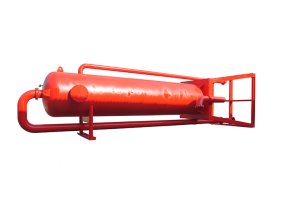 Constant Pressure Drilling Fluid Mud Gas Separator
 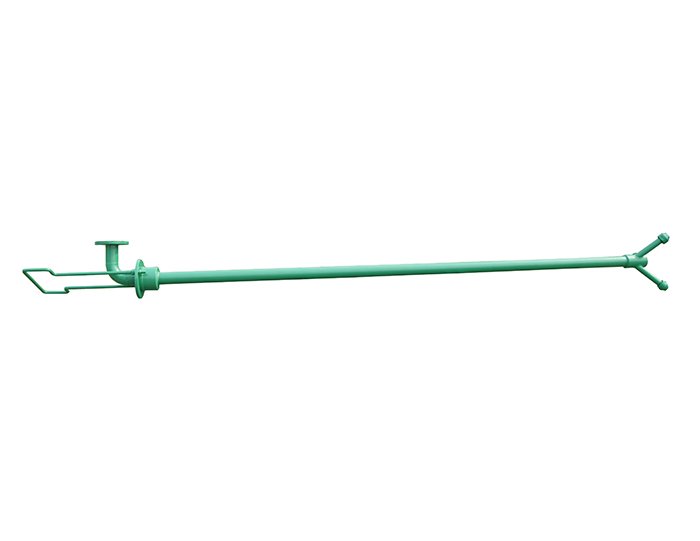 Mud Gun
  Mud Tank
 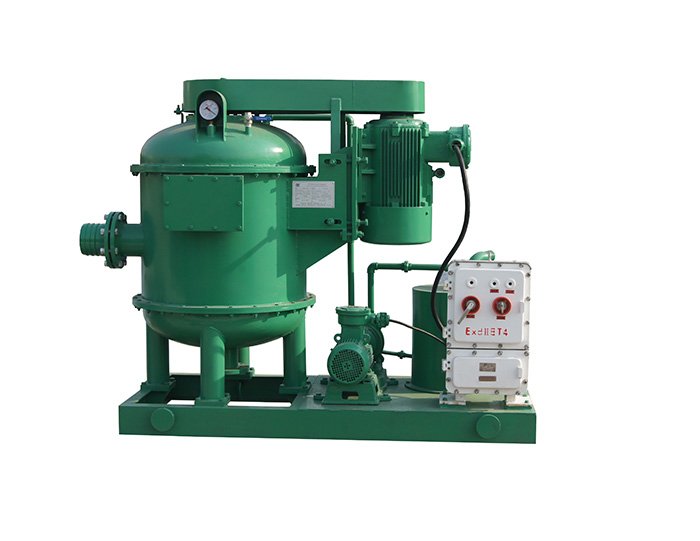 Solids Control System Vacuum Degasser
 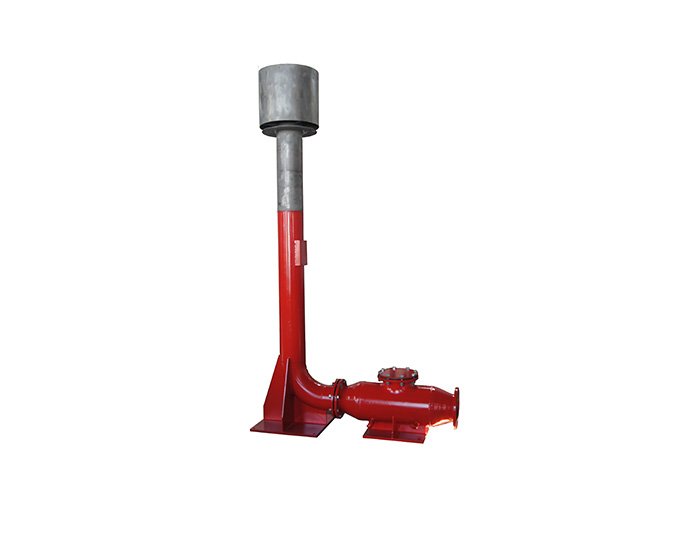 Flare Ignition Device
 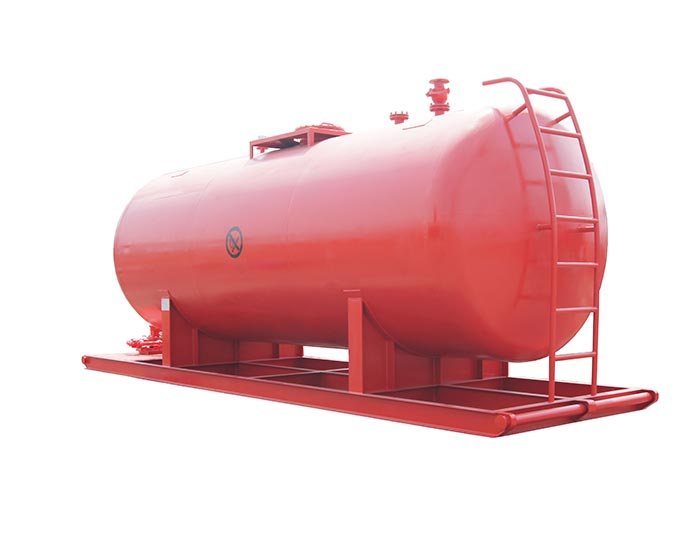 Diesel Tank
 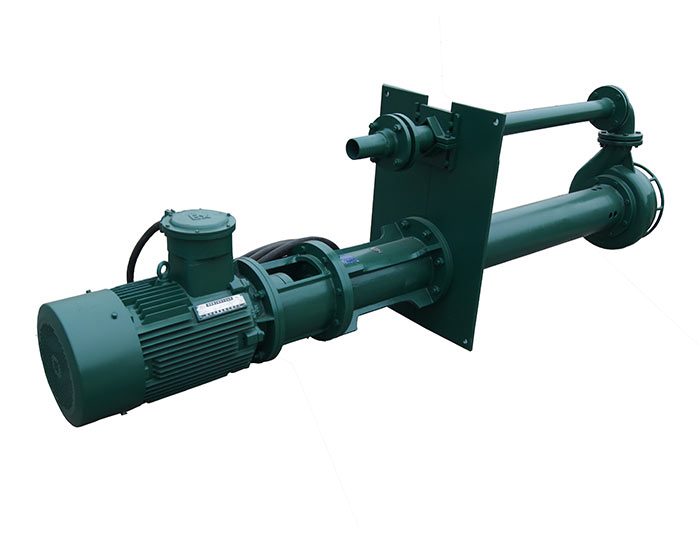 Submersible Slurry Pump