In the high-stakes theater of modern petroleum exploration, the stability of the wellbore is governed by a delicate equilibrium between formation pressure and the hydrostatic head of the drilling fluid. As operators penetrate increasingly challenging formations—ranging from high-pressure, high-temperature (HPHT) zones to porous gas-bearing strata—the integrity of this "fluid pillar" becomes vulnerable to entrained gases. When methane, carbon dioxide, or hydrogen sulfide enter the circulating system, they create a phenomenon known as "gas-cut mud." This condition is a primary threat to drilling safety because it reduces the effective density of the mud, potentially leading to a loss of well control. The strategic implementation of a vacuum degasifier is the most effective engineering response to this challenge, ensuring that the fluid density is restored to its precise design specifications before it is recirculated downhole.
The physics of gas-cut mud are deceptively simple but devastatingly effective at disrupting a rig's hydraulics. Because gases are highly compressible, a small volume of gas entrained at the bottom of a deep well expands exponentially as it rises toward the surface. This expansion displaces the heavier liquid mud, lowering the hydrostatic pressure and inviting more formation fluid into the wellbore—a dangerous positive feedback loop. A professional vacuum degassing system breaks this cycle by mechanically stripping these gases from the mud at the surface, acting as a critical filter that maintains the "weight" of the drilling fluid and protects the structural integrity of the entire operation.
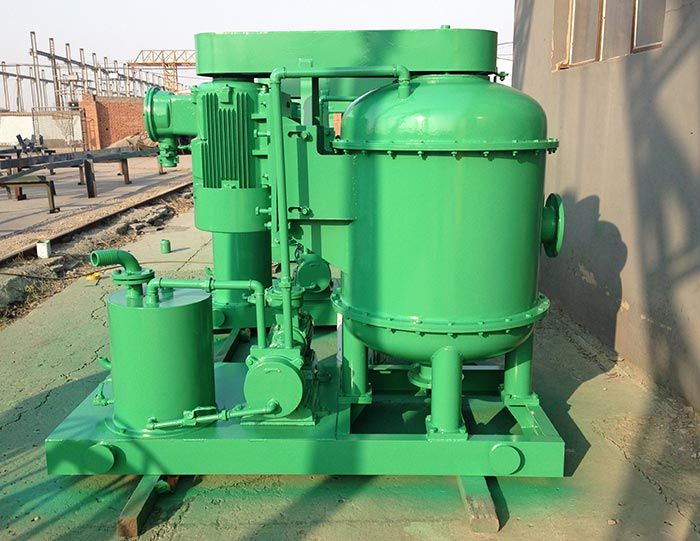
The Mechanics of Density Restoration with the Vacuum Degasifier
The primary objective of a vacuum degasifier in a challenging formation is the rapid restoration of mud weight. Traditional atmospheric degassers, which rely on simple agitation or baffle-hitting, are often insufficient when dealing with high-viscosity, weighted muds. In these fluids, the surface tension and internal friction are so high that gas bubbles remain "clamped" within the fluid matrix. The vacuum degasifier solves this by creating a localized low-pressure environment inside a sealed vessel. According to the principles of solubility and pressure, reducing the ambient pressure over the fluid causes these trapped bubbles to expand and burst with significantly less mechanical effort.
Inside the vessel, the mud is typically distributed across internal plates to create a thin-film flow. By maximizing the surface area of the mud while simultaneously lowering the pressure, the system ensures that even microscopic "micro-bubbles" are liberated. This is particularly crucial in vacuum degasser drilling operations where the margin for error in mud weight is razor-thin. Once the gas is removed, the "solid" liquid mud is returned to the suction tanks, having regained its full engineered density. This allows the mud engineer to maintain the exact hydrostatic pressure required to hold back the formation, effectively neutralizing the risk of a "kick."
Enhancing Rig Safety During Vacuum Degasser Drilling Operations
Beyond the technical requirement of density management, the safety implications of vacuum degasser drilling in gas-prone formations cannot be overstated. Challenging formations often release hazardous gases that pose a direct threat to the rig crew. Hydrogen sulfide, for instance, is not only toxic but also highly corrosive to drilling steel. A high-efficiency vacuum degassing system serves as a closed-circuit containment unit. By pulling the mud into a vacuum and venting the extracted gases through a dedicated flare line or vent stack, the system prevents these dangerous vapors from accumulating in the open mud pits or around the shaker area.
This containment is a vital component of the modern mud vacuum system. By isolating the gas extraction process, the rig maintains a safe breathing environment for the personnel. Furthermore, the removal of gas protects downstream mechanical assets. Gas-cut mud is notorious for causing cavitation in high-pressure mud pumps. These tiny gas bubbles implode under the high-pressure cylinders of the pump, causing "pitting" and rapid erosion of expensive liners and pistons. By ensuring the mud is "solid" before it reaches the pumps, the degasser vacuum system significantly extends the mean time between failures for the rig's most critical circulating equipment.
Integrating the Mud Vacuum System with Modern Solids Control
The efficiency of a vacuum degasifier is inextricably linked to its position within the broader mud vacuum system. To achieve the best results in challenging formations, the degasser must be placed immediately after the shale shakers. At this stage, the mud has been stripped of large cuttings but still retains the fine solids and entrained gases that make it unstable. The vacuum itself often acts as the prime mover; many modern units utilize the degasser vacuum to pull mud into the chamber without the need for an additional centrifugal pump. This reduction in mechanical complexity is a major advantage on remote rigs where every additional motor represents a potential point of failure.
In a fully integrated vacuum degassing system, the flow rate is synchronized with the rig's total circulation volume. This ensures that 100% of the mud returning from the wellbore is processed. In challenging formations where gas influx is constant, "partial degassing" is not an option. The mud vacuum system must be robust enough to handle the peak flow rates during a "bottoms-up" cycle after a trip, when gas-cut mud levels are typically at their highest. By providing a consistent, gas-free fluid return, the degasser allows the desanders and desilters located downstream to operate with maximum efficiency, as these hydrocyclones require a consistent fluid density to achieve proper solid-liquid separation.
Long-Term Reliability of the Degasser Vacuum in Harsh Environments
The reliability of the degasser vacuum pump is the heart of the system’s performance. In 2026, the industry has largely transitioned toward liquid-ring vacuum technology for these units. These pumps use a rotating ring of sealant liquid—usually water—to create the vacuum, which allows them to handle small amounts of fluid carryover or fine particulates without seizing. This is essential when drilling through challenging formations that produce fine, "floury" solids that can bypass the shale shakers and enter the vacuum degasifier vessel.
Moreover, the materials used in a professional vacuum degassing system must be resilient. Corrosive gases and abrasive muds can quickly degrade inferior metals. Leading manufacturers now utilize high-purity internal coatings and stainless steel internals to ensure that the degasser vacuum maintains its suction integrity over years of continuous operation. This longevity is a key economic factor; while the initial investment in a high-grade degasifier may be higher, the reduction in non-productive time (NPT) and the prevention of catastrophic well-control events provide a massive return on investment.
In conclusion, as the drilling industry moves toward more complex and volatile reservoirs, the vacuum degasifier has evolved from an optional accessory to a mandatory safety and performance component. By restoring fluid density, protecting mechanical assets, and ensuring the safety of the rig crew, the vacuum degassing system provides the stability required to navigate the world's most challenging formations. It remains the silent sentinel of the mud pits, ensuring that no matter how much gas the earth releases, the rig’s primary defense—its mud—remains heavy, stable, and ready for the task at hand.

 Linear Motion Shale Shaker In Drilling Rig
  Oilfield Mud Cleaner
 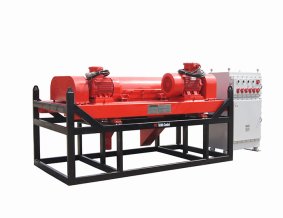 Drilling Fluid Decanter Centrifuge
 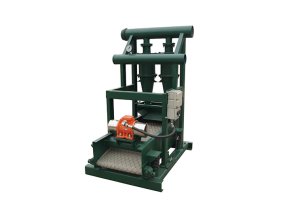 Drilling Mud Desander
 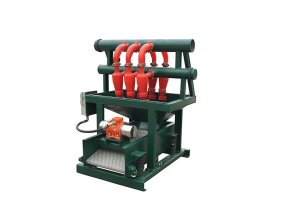 Hydrocyclone Desilter
 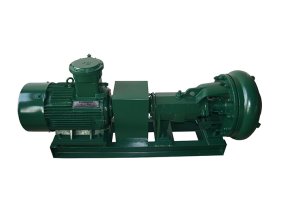 Centrifugal Pump/Centrifugal Mud Pump
 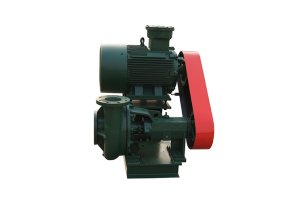 Shear Pump
 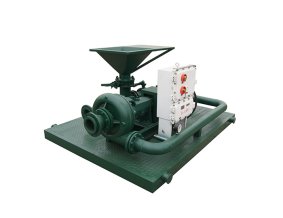 Jet Mud Mixer
 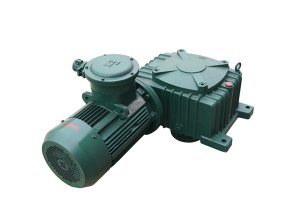 Horizontal Mud Agitator
 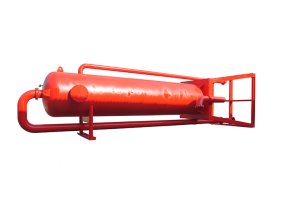 Constant Pressure Drilling Fluid Mud Gas Separator
 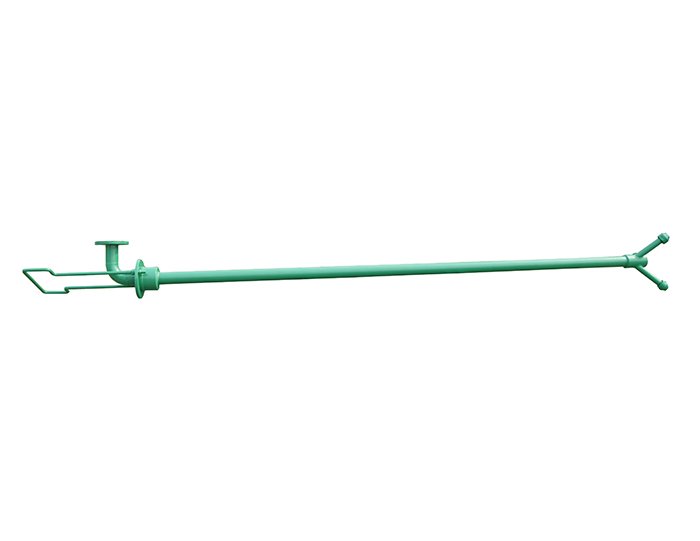 Mud Gun
  Mud Tank
 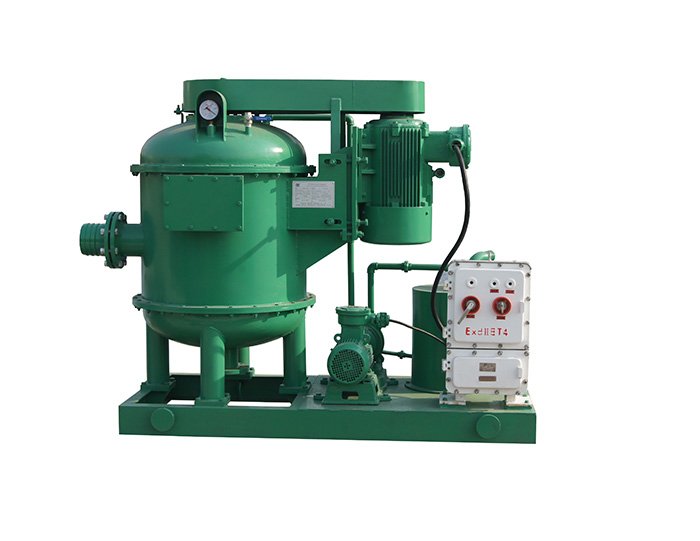 Solids Control System Vacuum Degasser
 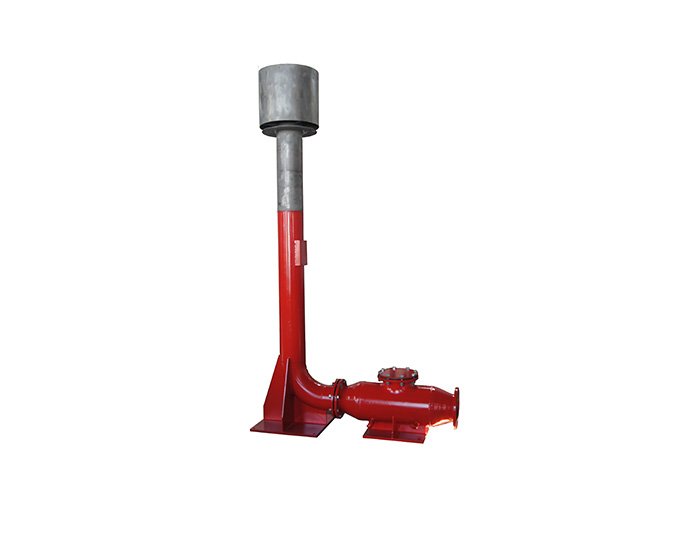 Flare Ignition Device
 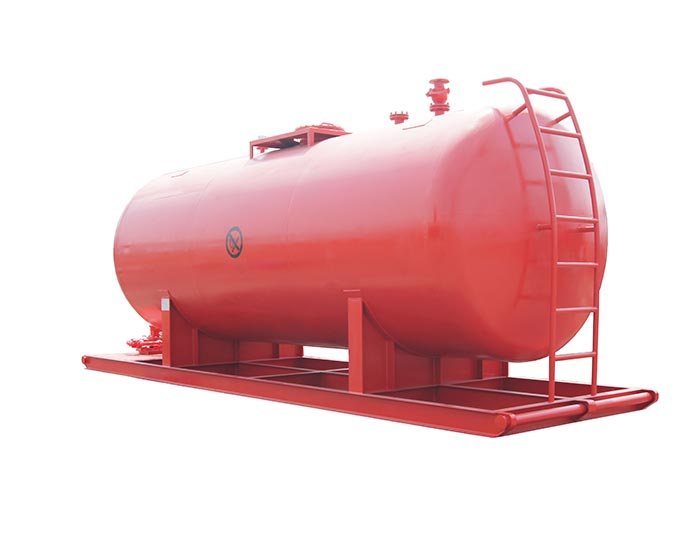 Diesel Tank
 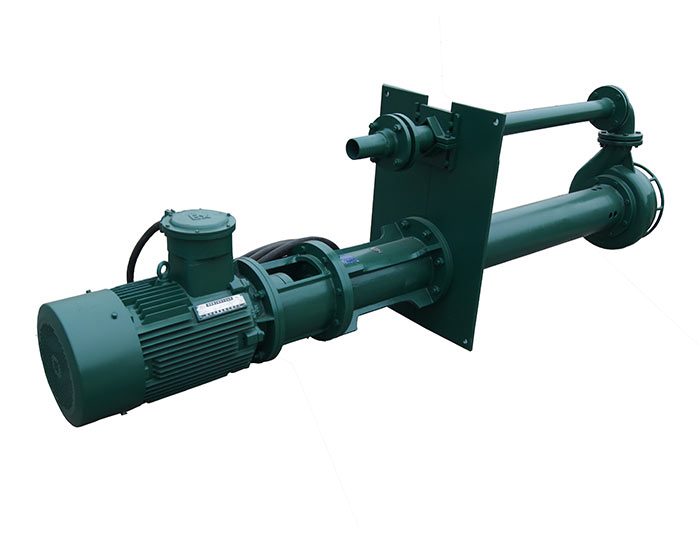 Submersible Slurry Pump