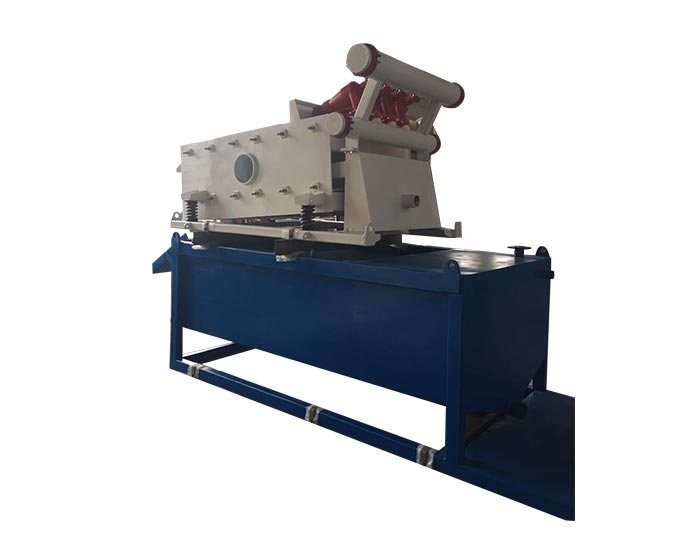
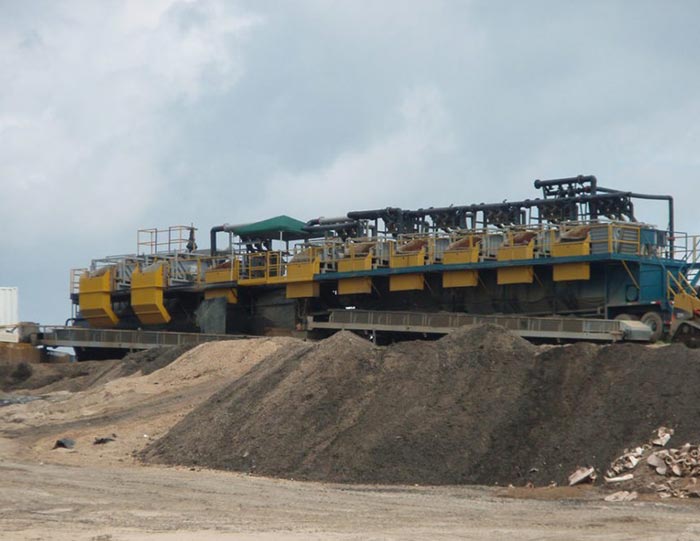
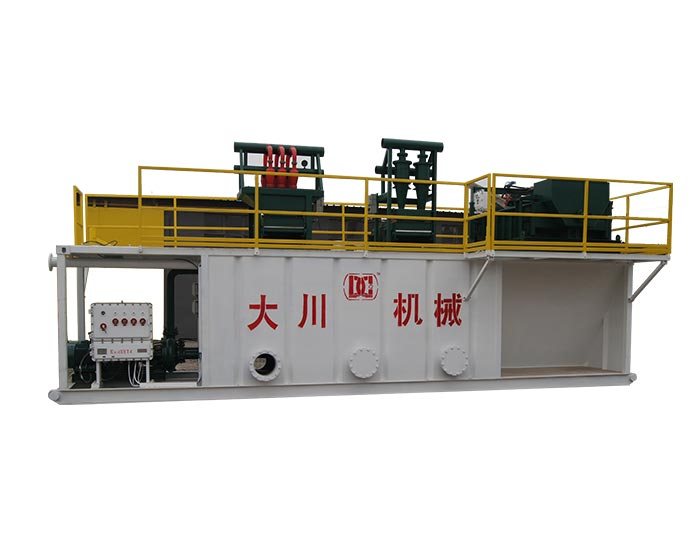
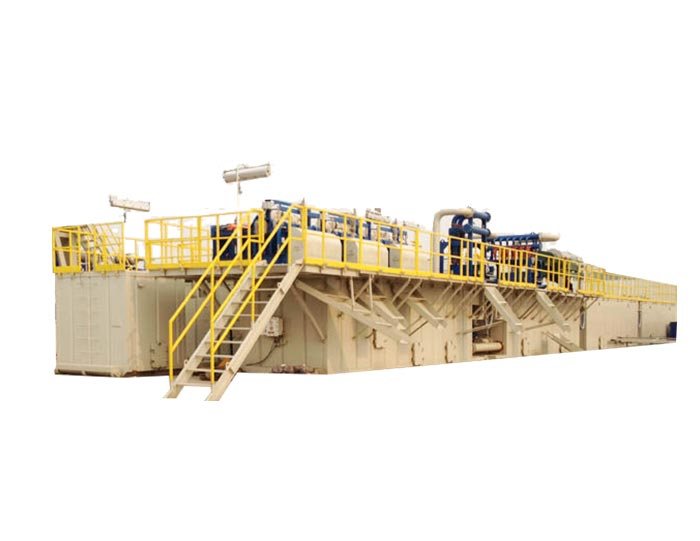
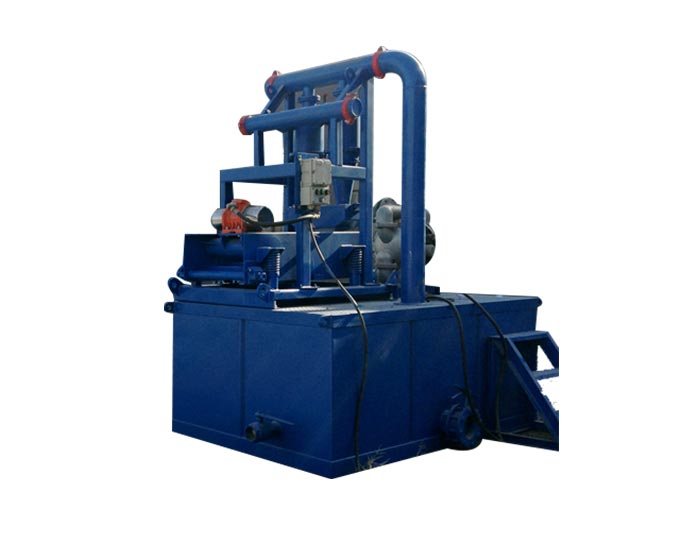
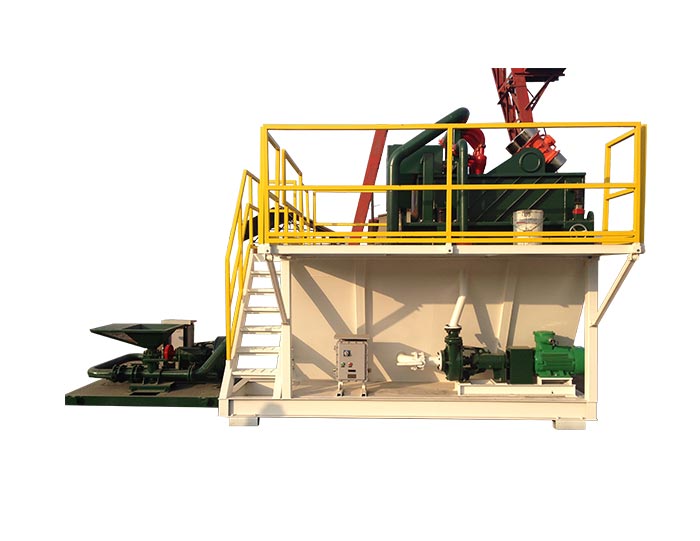
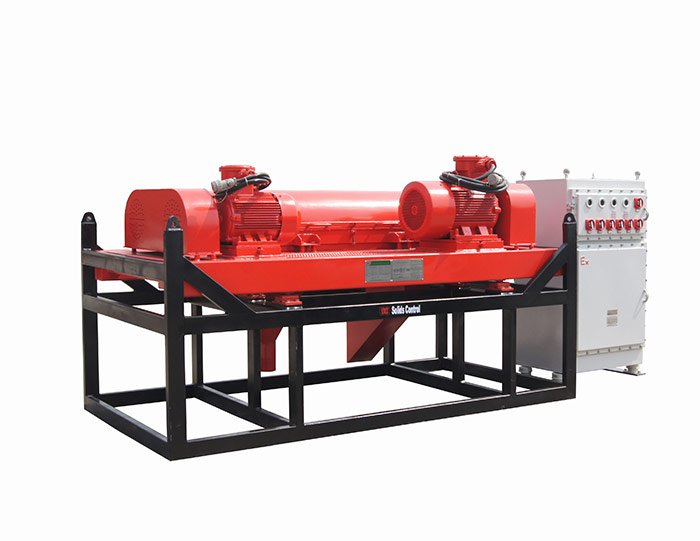
The efficiency of a modern borehole project is inextricably linked to the mechanical health of the fluids circulating within it. As a well deepens, the accumulation of drilled solids—sand, silt, and ultra-fine debris—can degrade the drilling mud, leading to equipment erosion and decreased rates of penetration. The mud cleaner drilling rig configuration is the industry's answer to this challenge, serving as a sophisticated hybrid separation unit. However, the mere presence of this equipment on the tank is not enough; its success depends on precise physical setup and continuous operational tuning. This guide explores the essential procedures for optimizing the mud cleaner machine, ensuring that the fluid remains a high-performance lubricant rather than a destructive abrasive.
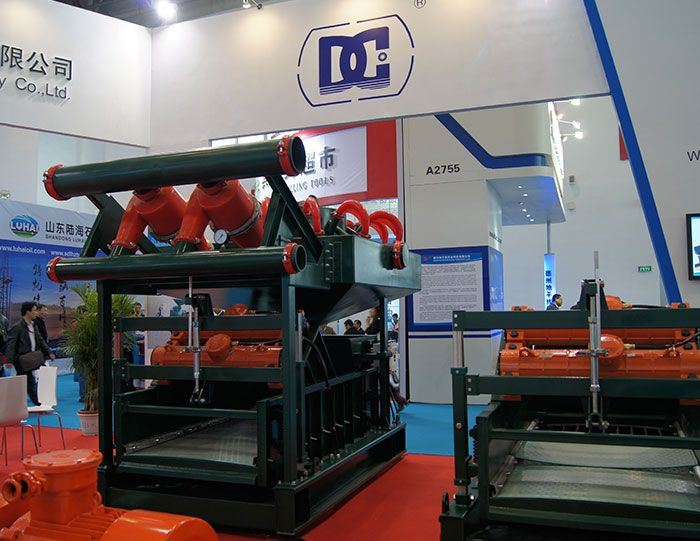
Initial Placement and Integration of the Mud Cleaner Drilling Rig
The first step in a successful operation is the strategic positioning of the mud cleaner drilling rig components within the solids control sequence. Ideally, the unit is installed downstream from the primary shale shakers but upstream from the decanting centrifuges. This positioning allows the mud cleaner machine to receive fluid that has already been stripped of large cuttings, enabling the hydrocyclones to focus exclusively on sand and silt removal.
During the physical installation of the mud cleaner in drilling rig tanks, elevation and gravity play a pivotal role. The unit must be level to ensure that the underflow from the desilter and desander cones is distributed evenly across the vibrating screen surface. If the unit is tilted, the mud will pool on one side of the shaker deck, leading to uneven screen wear and "fluid bypass," where uncleaned mud escapes into the active system. Furthermore, the suction and discharge piping must be as straight as possible to minimize friction loss, ensuring that the centrifugal pumps can provide the consistent pressure required for the hydrocyclones to create a stable vortex.
Calibrating the Manifold for a High-Efficiency Mud Cleaner System
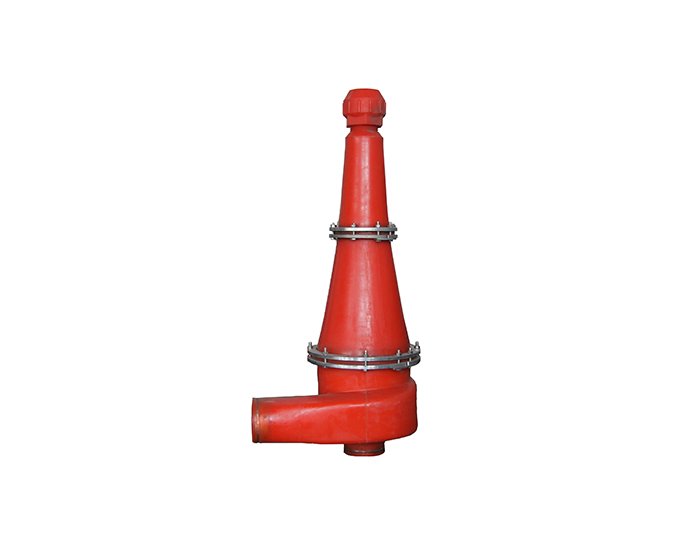
Once the physical structure is secured, the focus shifts to the manifold and the "head" pressure. A mud cleaner system relies on the physics of centrifugal force, which is generated by the velocity of the fluid entering the cones. For most standard 4-inch desilter cones, the optimal feed pressure is between 75 and 90 feet of head (approximately 30 to 40 PSI, depending on mud weight). If the pressure is too low, the centrifugal force will be insufficient to separate the silt, causing the cone to "rope" or discharge a thick, wet sludge that wastes expensive base fluid.
Tuning the mud cleaner system requires the operator to monitor the pressure gauges constantly. If the pressure fluctuates, it often indicates an issue with the centrifugal pump or a partial clog in the header. The operator must also balance the number of active cones against the total flow rate of the rig. In a high-volume mud cleaner drilling scenario, all cones should be open; however, if the circulation rate drops, some cones should be closed to maintain the necessary internal pressure in the remaining active cones. This balance ensures that the "cut-point"—the specific particle size removed—remains consistent throughout the drilling interval.
Optimizing the Vibrating Deck of the Mud Cleaner Machine
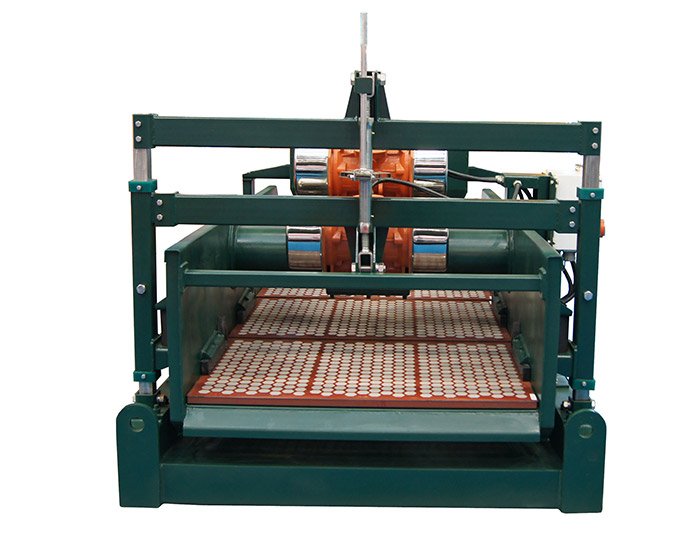
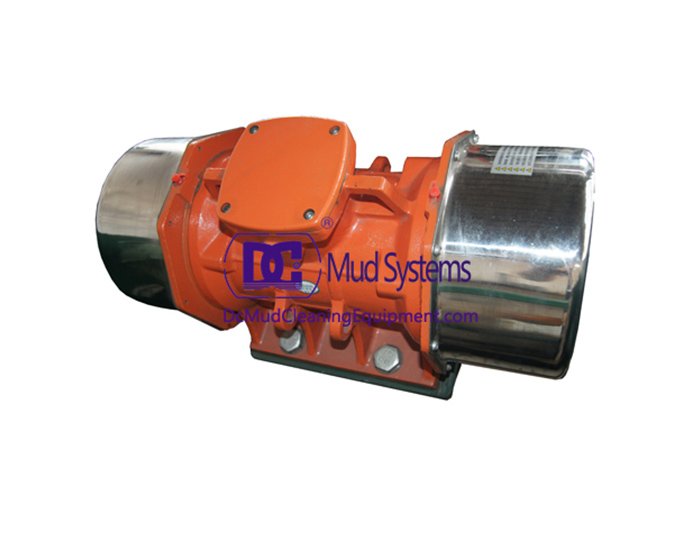
The shaker deck located beneath the hydrocyclone cones is what distinguishes a mud cleaner machine from a simple desilter bank. This deck is responsible for "dewatering" the solids that the cones strip out. Tuning the deck involves two variables: G-force and screen mesh selection. Modern units typically utilize linear motion, which provides a high G-force (often 7.0G or higher) to move the heavy, wet solids toward the discharge end of the machine.
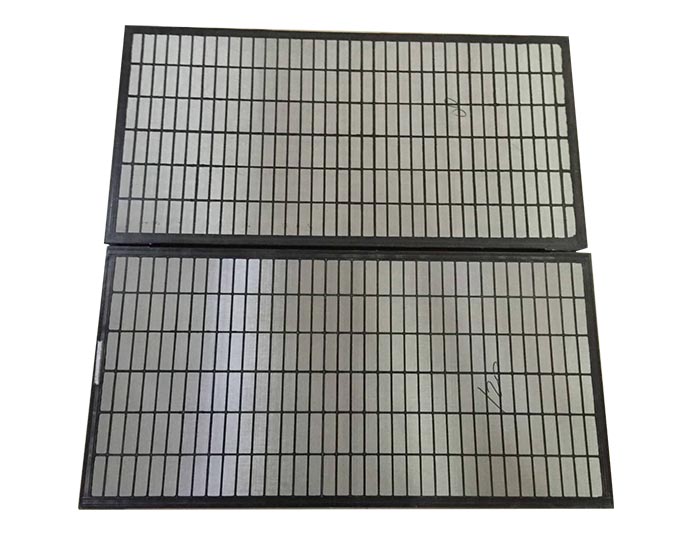
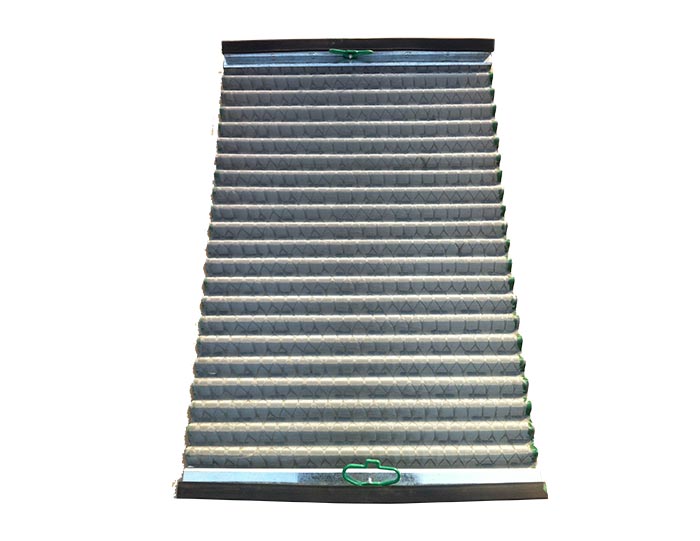
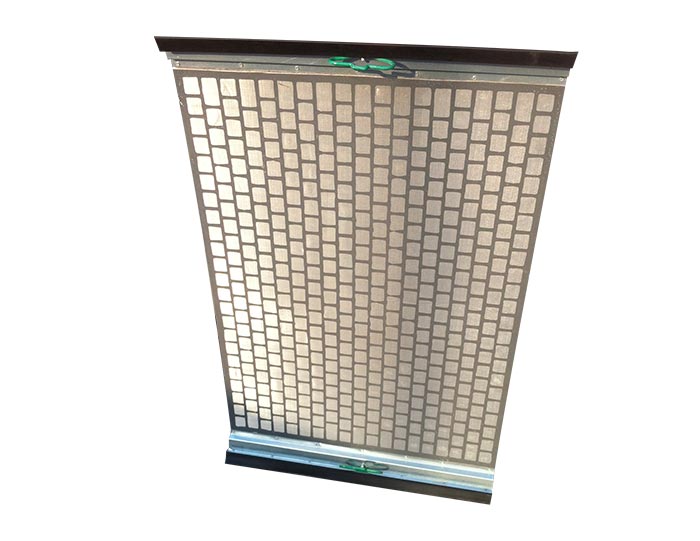
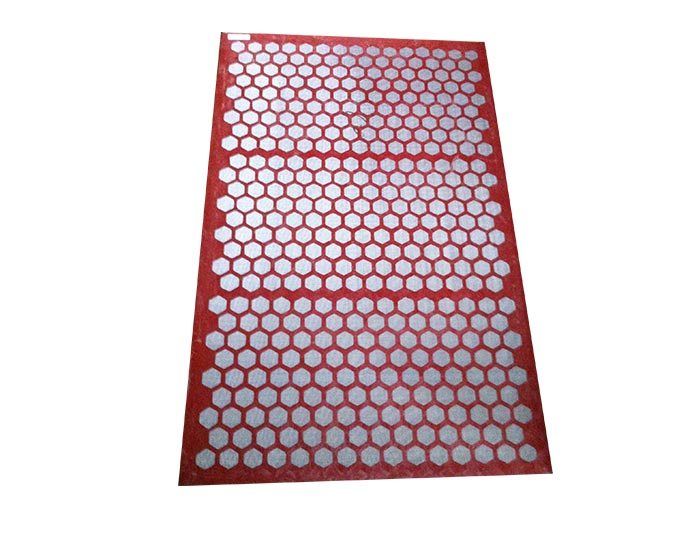
Proper mud cleaner drilling operations require the use of very fine screens, typically ranging from API 140 to API 325. The goal is to select a mesh that is fine enough to catch the solids discharged by the cones but coarse enough to allow the recovered liquid to pass through easily. If the screens are too fine, the "liquid pool" will extend too far down the deck, and valuable mud will be lost over the end of the shaker. Conversely, if the screens are too coarse, fine silt will pass back into the mud tanks, defeating the purpose of the mud cleaner system. The operator must observe the "discharge point" on the screen; ideally, the solids should become dry and crumbly approximately three-quarters of the way down the deck.
Managing the Underflow and Overflow of a Mud Cleaner in Drilling Rig
Operational excellence in mud cleaner in drilling rig management is defined by the visual inspection of the cone discharge, known as the underflow. A well-tuned cone should produce a "spray" or "umbrella" pattern. This pattern indicates that a proper air core has formed in the center of the cone, allowing for the maximum separation of solids from liquids. If the discharge looks like a solid stream—often called "roping"—it means the solids are overloading the apex, and separation efficiency has plummeted.
To fix a roping condition, the operator may need to increase the feed pressure or swap out the apex nut for a larger diameter. On the other hand, the overflow—the clean fluid exiting the top of the cones—should be sent directly to the next compartment in the mud cleaner system. It is vital that the overflow is not allowed to splash or aerate, as entrained air in the mud can cause pump cavitation and interfere with downhole pulse telemetry tools. Ensuring a smooth, submerged discharge for the overflow preserves the chemical integrity of the fluid and protects the rig's sensitive electronic instruments.
Troubleshooting Common Issues in Mud Cleaner Drilling Operations
Even with a perfect setup, mud cleaner drilling can encounter hurdles. The most common issue is "plugging," where a piece of debris—such as a fragment of a rubber seal or a large rock—gets stuck in the small opening of a desilter cone. This causes the fluid to bypass the separation process entirely. Quality mud cleaner machine designs include a "trap" or a coarse screen at the manifold inlet to prevent this, but the operator must still perform manual checks. If a cone is seen to be discharging only a thin trickle of fluid, it must be isolated and cleaned immediately.
Another common problem in mud cleaner system management is screen blinding, where sticky clays or polymers coat the mesh, preventing fluid from draining. This is often solved by adjusting the angle of the shaker deck (the "awning") or by using specialized screen cleaning agents. In extreme cases, the operator may need to decrease the viscosity of the mud through chemical treatment, as overly thick mud will not pass through the fine screens of a mud cleaner in drilling rig setup regardless of how much vibration is applied.

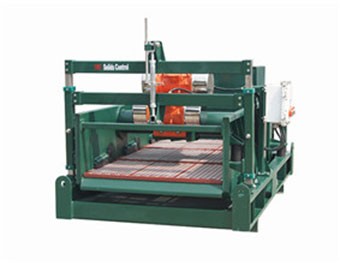 Linear Motion Shale Shaker In Drilling Rig
 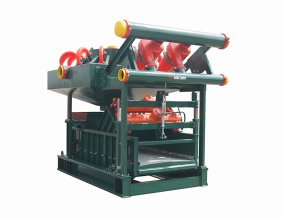 Oilfield Mud Cleaner
 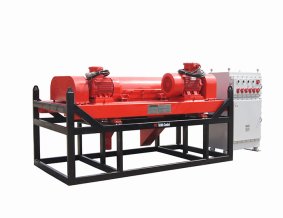 Drilling Fluid Decanter Centrifuge
 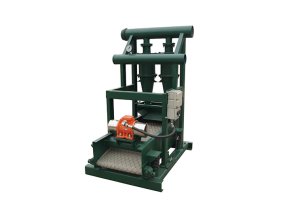 Drilling Mud Desander
 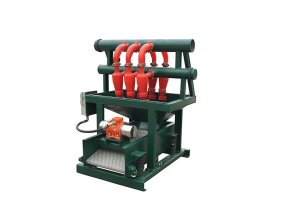 Hydrocyclone Desilter
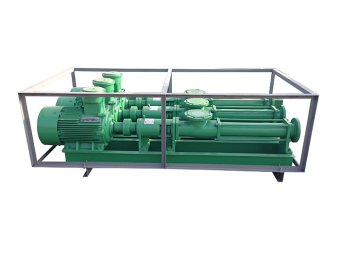
 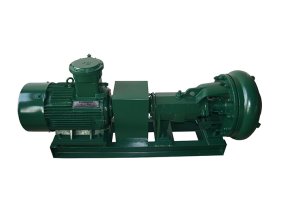 Centrifugal Pump/Centrifugal Mud Pump
 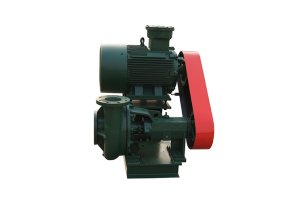 Shear Pump
 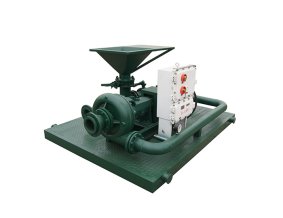 Jet Mud Mixer
 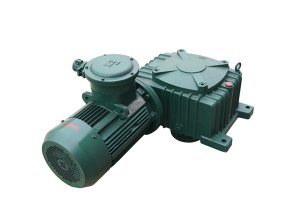 Horizontal Mud Agitator
 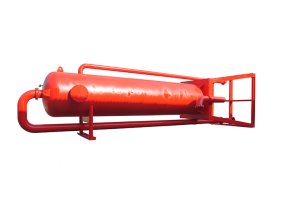 Constant Pressure Drilling Fluid Mud Gas Separator
 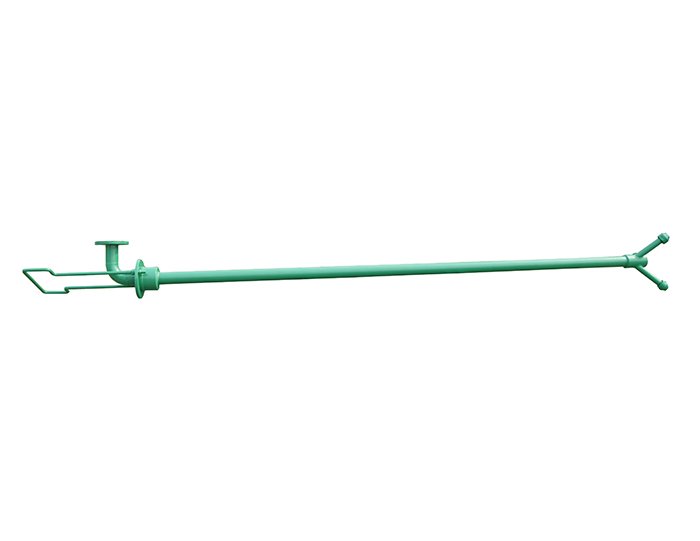 Mud Gun
 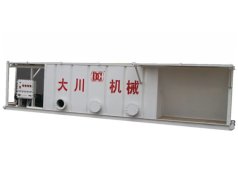 Mud Tank
 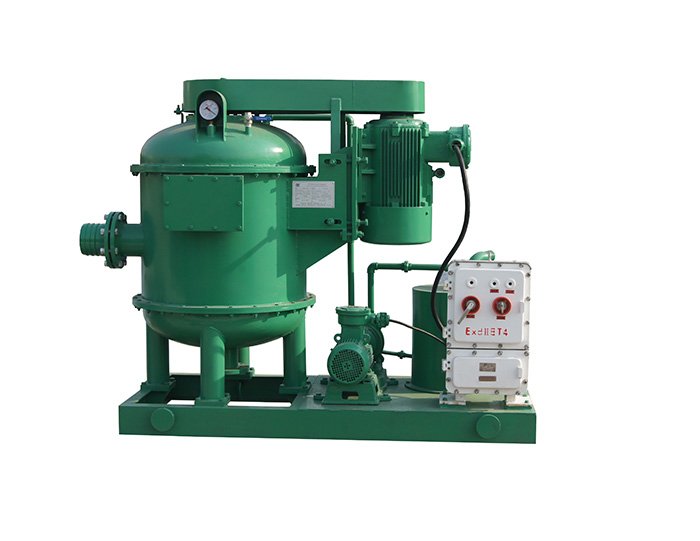 Solids Control System Vacuum Degasser
 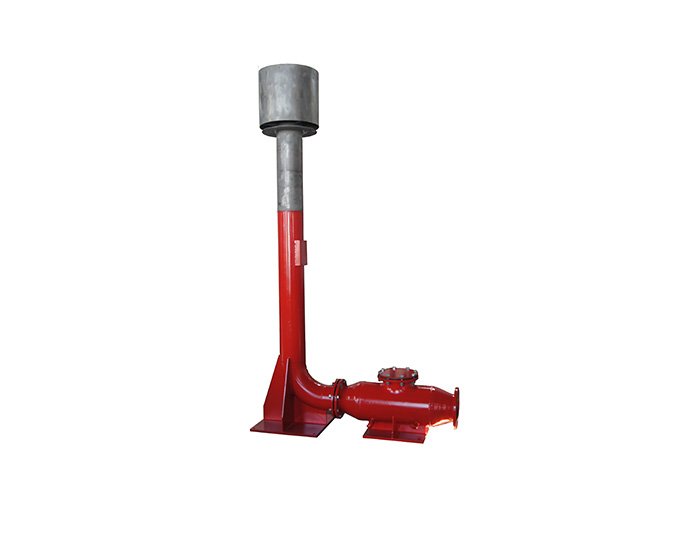 Flare Ignition Device
 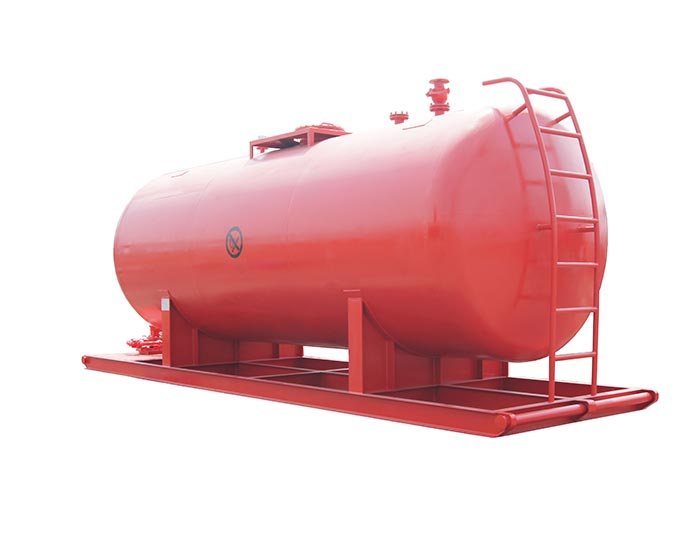 Diesel Tank
 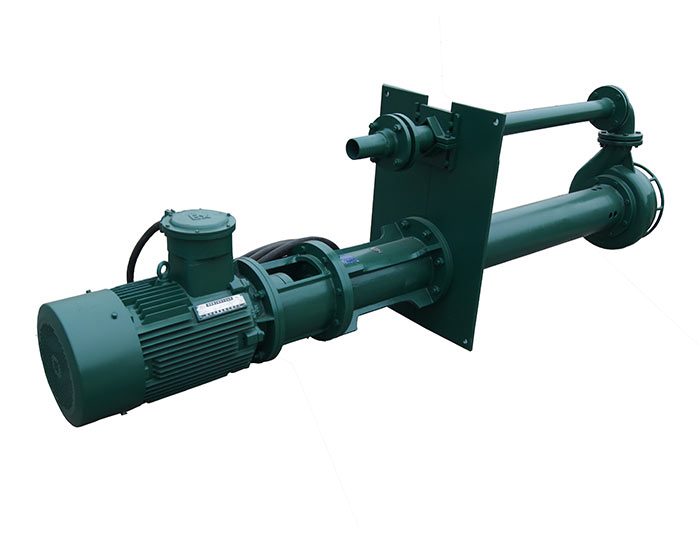 Submersible Slurry Pump