The initial commissioning of a mud vacuum system is a pivotal moment in the lifecycle of a drilling rig’s surface equipment. For many operators transitioning to high-efficiency solids control, the first encounter with this technology requires a shift in perspective—from simple atmospheric agitation to a sophisticated understanding of pressure differentials and fluid dynamics. Establishing a correct setup during the first deployment ensures that the equipment can handle the unpredictable gas influxes of the wellbore while protecting the longevity of the rig’s primary mud pumps. This guide explores the essential steps and technical considerations for integrating a high-performance degassing circuit into your existing mud program.
At its core, the goal of a mud vacuum unit is to remove entrained air and formation gases that can compromise the density of the drilling fluid. When mud becomes "gas-cut," its volume increases and its hydrostatic pressure drops, creating a dangerous imbalance in the well. By setting up the system correctly from day one, you ensure that the "lifeblood" of the drilling operation remains heavy, stable, and chemically consistent.
Understanding the Fundamentals: What is a Vacuum Degasser in Modern Drilling?
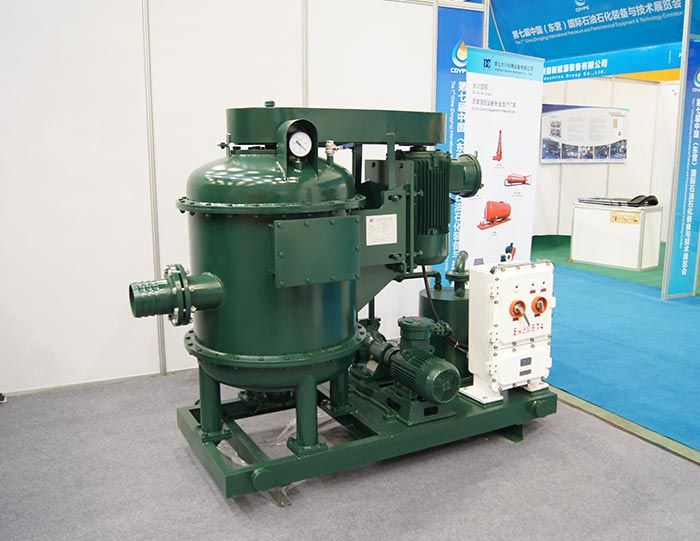
Before the mechanical assembly begins, it is vital for the crew to grasp the conceptual framework of the hardware. To answer the foundational question—what is a vacuum degasser—one must look at the relationship between solubility and ambient pressure. In a standard open-air environment, gas bubbles are held within the mud by the weight of the atmosphere and the fluid's own internal viscosity. A vacuum degasser unit effectively bypasses these constraints by pulling the mud into a localized low-pressure chamber.
Inside this chamber, the reduction in pressure causes microscopic bubbles to expand rapidly. As these bubbles grow, they overcome the surface tension of the drilling mud and burst, allowing the liberated gas to be safely vented away from the rig floor. Understanding this process is critical for the first-time setup because it influences where the unit is placed and how the vacuum levels are calibrated. If the crew views the machine as just another agitator, they may miss the subtle vacuum leaks or pipe misalignments that can render the entire system ineffective.
Strategic Placement of the Vacuum Tank Degasser within the Solids Control Circuit
The first physical step in a successful setup is the strategic positioning of the vacuum tank degasser. The placement must follow a logical sequence based on the particle and gas content of the returning mud. Ideally, the system should be situated immediately downstream of the shale shakers but upstream of the desanders and desilters. This specific location ensures that large cuttings are removed first, preventing the internal baffles of the mud vacuum unit from becoming clogged with oversized debris.
When positioning the tank, the suction and discharge lines must be as short and straight as possible. Excessive bends or long horizontal runs in the suction piping can create friction losses that interfere with the unit’s ability to pull mud into the chamber. Furthermore, the suction point should be located in a compartment where the mud is relatively calm. If the suction is too close to a high-speed agitator or the discharge of a shaker, it may pull in excessive atmospheric air, forcing the mud vacuum system to work harder than necessary to achieve a gas-free return.
Mechanical Assembly and the Integrity of the Mud Vacuum Unit
Once the main vessel is secured to the mud tank skid, the focus shifts to the airtight integrity of the mud vacuum unit. Because the system relies on creating a significant pressure differential, even the smallest pinhole leak in a gasket or a loose bolt on a manway can compromise the vacuum intensity. During the first-time assembly, every flange connection must be checked for proper seating. It is recommended to use high-grade, chemical-resistant gaskets that can withstand the aggressive additives often found in synthetic-based muds.
The vacuum pump—the heart of the mud vacuum system—requires careful attention during the initial power-up. Most modern units utilize liquid-ring vacuum pumps, which require a consistent supply of "seal water" to create the necessary vacuum. Ensuring that the water lines are connected and that the internal reservoir is filled is a critical pre-flight check. Running a vacuum pump dry, even for a few minutes, can cause irreparable damage to the internal seals and rotors. The electrical connections must also be verified against the rig’s power supply, ensuring that the motor rotation direction matches the arrows indicated on the pump housing.
Calibrating the Vacuum Tank Degasser for Specific Fluid Densities
After the mechanical and electrical checks are complete, the system must be calibrated for the specific drilling fluid in use. Not all muds are created equal; a light, water-based fluid behaves very differently under vacuum than a heavy, oil-based mud weighted with barite. The vacuum tank degasser typically features an adjustable vacuum relief valve or a variable-speed drive on the pump. On the first run, the operator should start with a moderate vacuum level and gradually increase it until the mud inside the tank is cascading smoothly over the internal baffles.
The goal is to achieve "thin-film aeration" without causing the mud to foam excessively. If the vacuum is too high, the mud may "carry over" into the vacuum pump, which can lead to clogs and mechanical strain. If the vacuum is too low, the gas-cut mud will pass through the vacuum degasser unit without being fully treated. Monitoring the discharge mud density is the most reliable way to verify calibration. If the mud exiting the unit is significantly heavier than the mud entering it, the system is successfully stripping the gas and restoring the fluid’s true density.

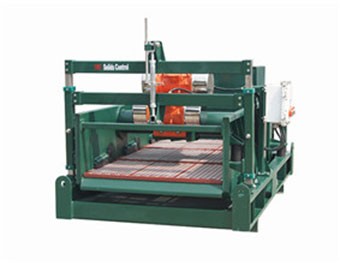 Linear Motion Shale Shaker In Drilling Rig
 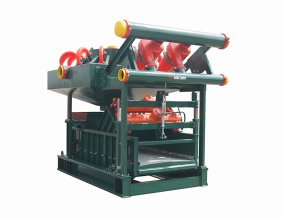 Oilfield Mud Cleaner
 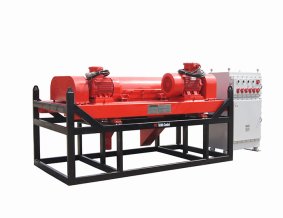 Drilling Fluid Decanter Centrifuge
 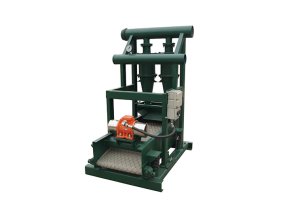 Drilling Mud Desander
 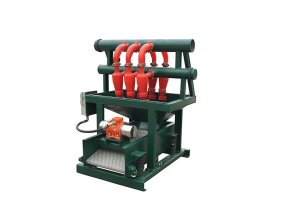 Hydrocyclone Desilter
 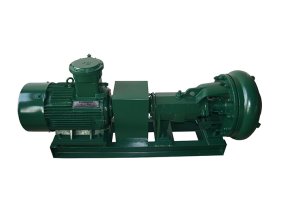 Centrifugal Pump/Centrifugal Mud Pump
 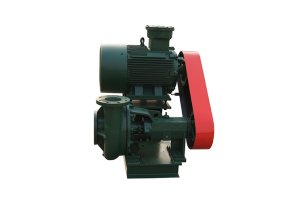 Shear Pump
 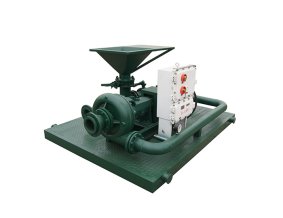 Jet Mud Mixer
 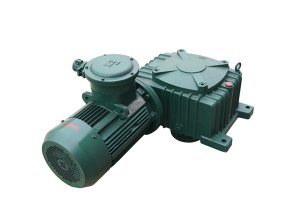 Horizontal Mud Agitator
 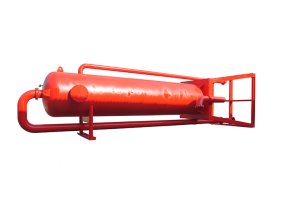 Constant Pressure Drilling Fluid Mud Gas Separator
 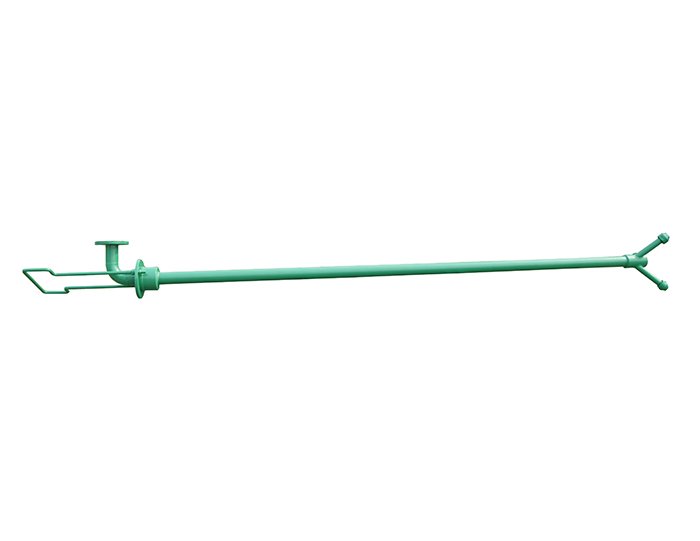 Mud Gun
  Mud Tank
 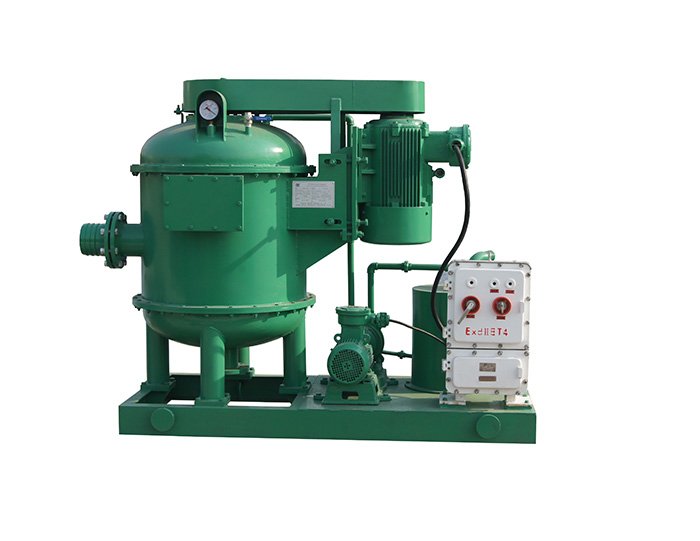 Solids Control System Vacuum Degasser
 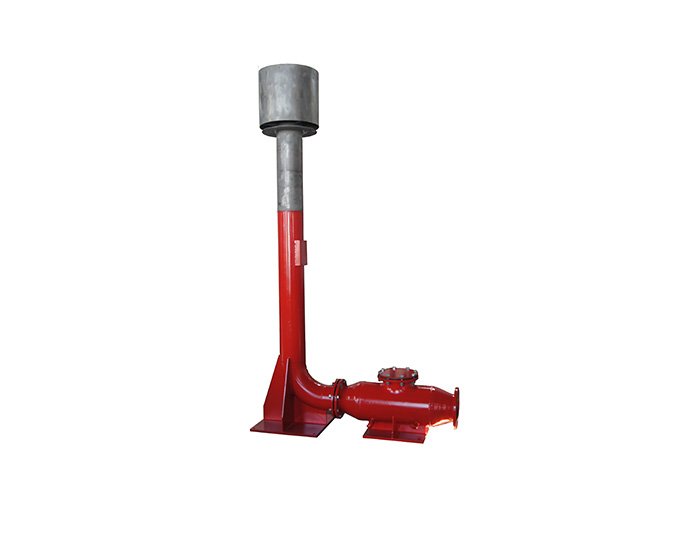 Flare Ignition Device
 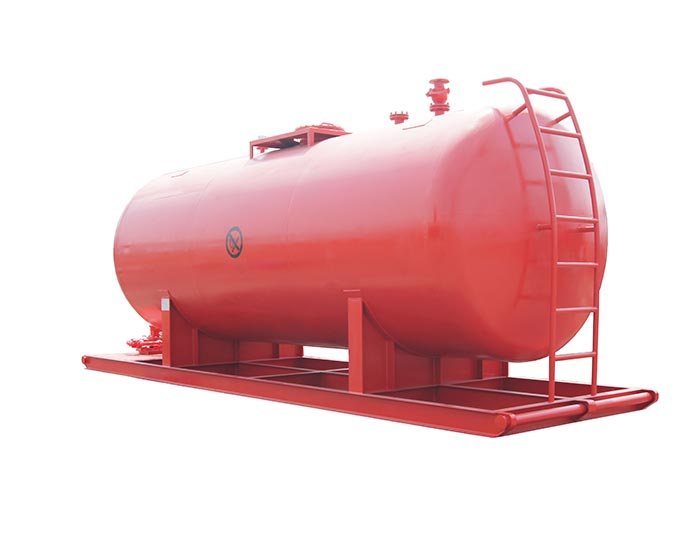 Diesel Tank
 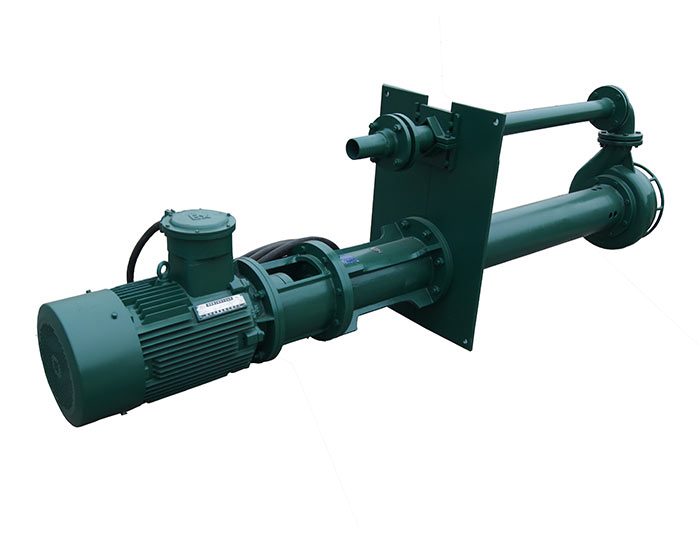 Submersible Slurry Pump